Best Foam Rollers & Mobility Tools 2026
The cheapest piece of recovery gear that actually works — foam rollers, lacrosse balls, and mobility sticks for self-myofascial release between training days.
Prices and availability verified Sep 12, 2026
Most home lifters need a TriggerPoint Grid (13" or 26") plus a $5 lacrosse ball. That's the 80/20. Vibrating rollers are nice-to-haves, not need-to-haves.
The benchmark hollow-core EVA roller — multi-density surface, lasts a decade, $35.
The PT-clinic standard.
Two regulation lacrosse balls for trigger-point work on glutes, pecs, and feet.
Compress permanently within 2 months and lose all therapeutic value. False economy.
We scored 7 mobility tools on durability, surface design, and price-per-use. Median score 76/100; sub-$20 PE rollers all scored under 50.
Foam rolling does not 'release fascia' in the literal sense — fascia is too tough for that. What it actually does is desensitize pain receptors, increase blood flow, and improve short-term ROM. The benefit is real; the mechanism is just different than the marketing claims.
r/flexibility and r/homegym agree the TriggerPoint Grid is the default starting roller. RumbleRoller's 'spike' surface is polarizing — beloved by aggressive users, painful for beginners. Lacrosse balls and a peanut (two balls taped together) cover 90% of trigger-point work cheaper than any massage tool.
- TriggerPoint Grid — 10-year durability, multi-density surface, cult status
- Lacrosse ball — $5 — does what no roller can on glutes, pecs, and feet
- Hyperice Vyper 3 — Vibration genuinely improves pain tolerance during release
- Soft PE rollers — Compress flat in weeks; useless under 200 lb athletes
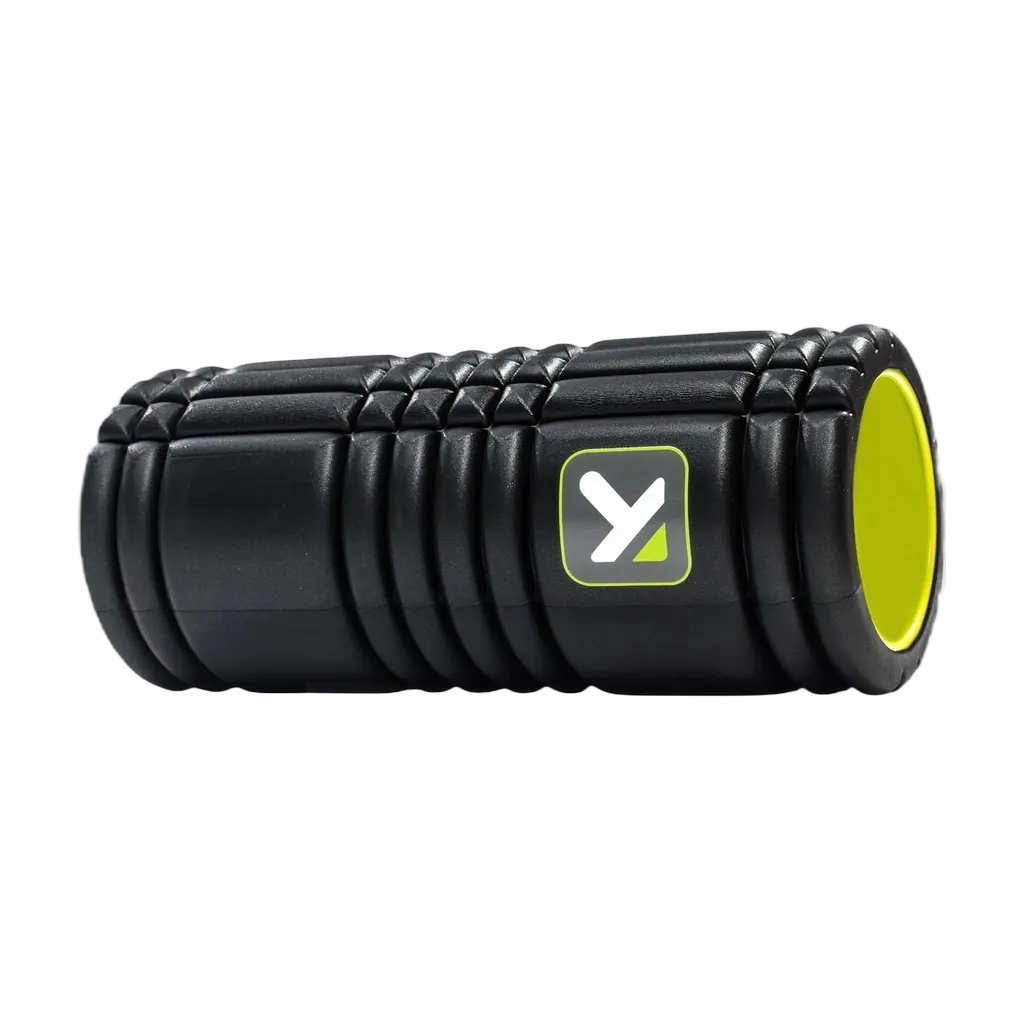
- ✓10-year typical lifespan
- ✓Multi-density surface design
- ✓Hollow ABS core — light + stiff
- −Smaller than 36" rollers (13" or 26")
- −Pricier than plain EVA
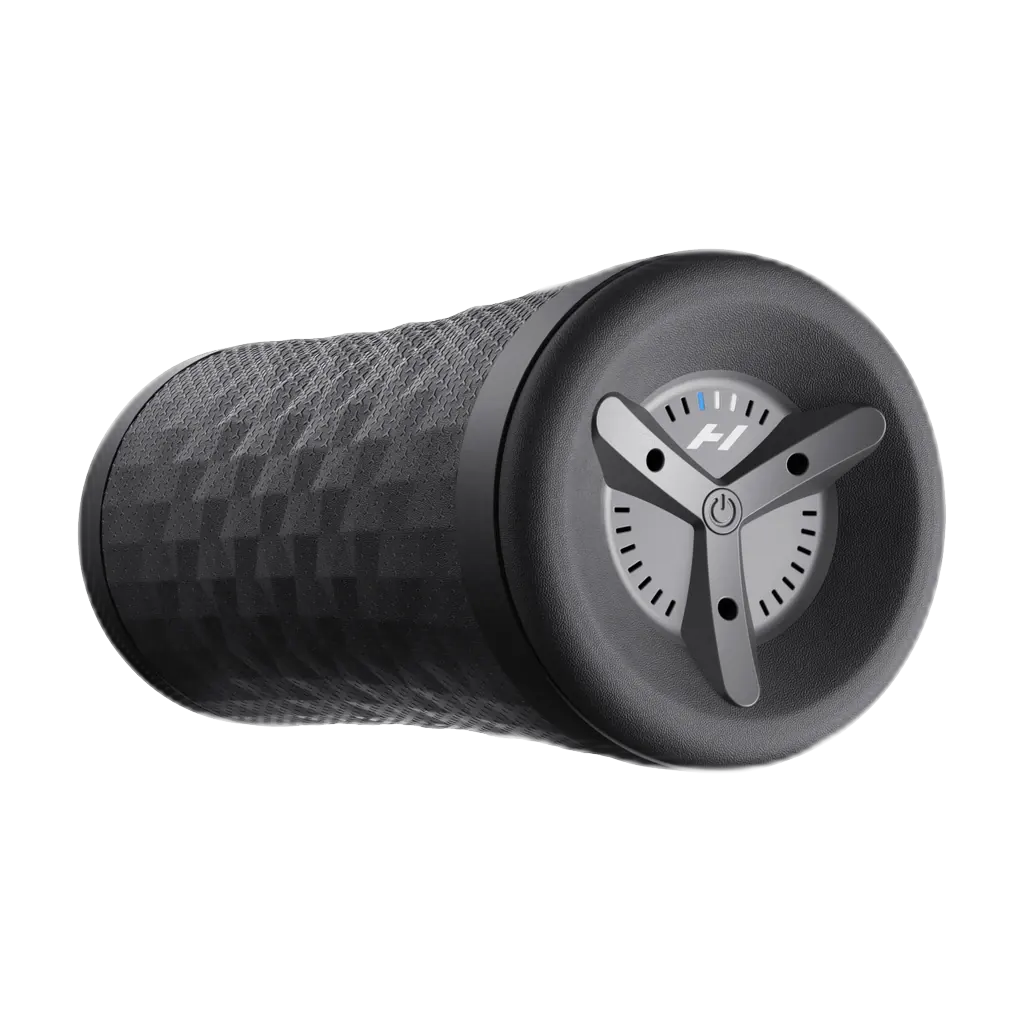
- ✓3 Vibration Speeds
- ✓Genuinely Improves Pain Tolerance
- ✓2-Hour Battery
- −10X The Price
- −Charge Cycle Dependency
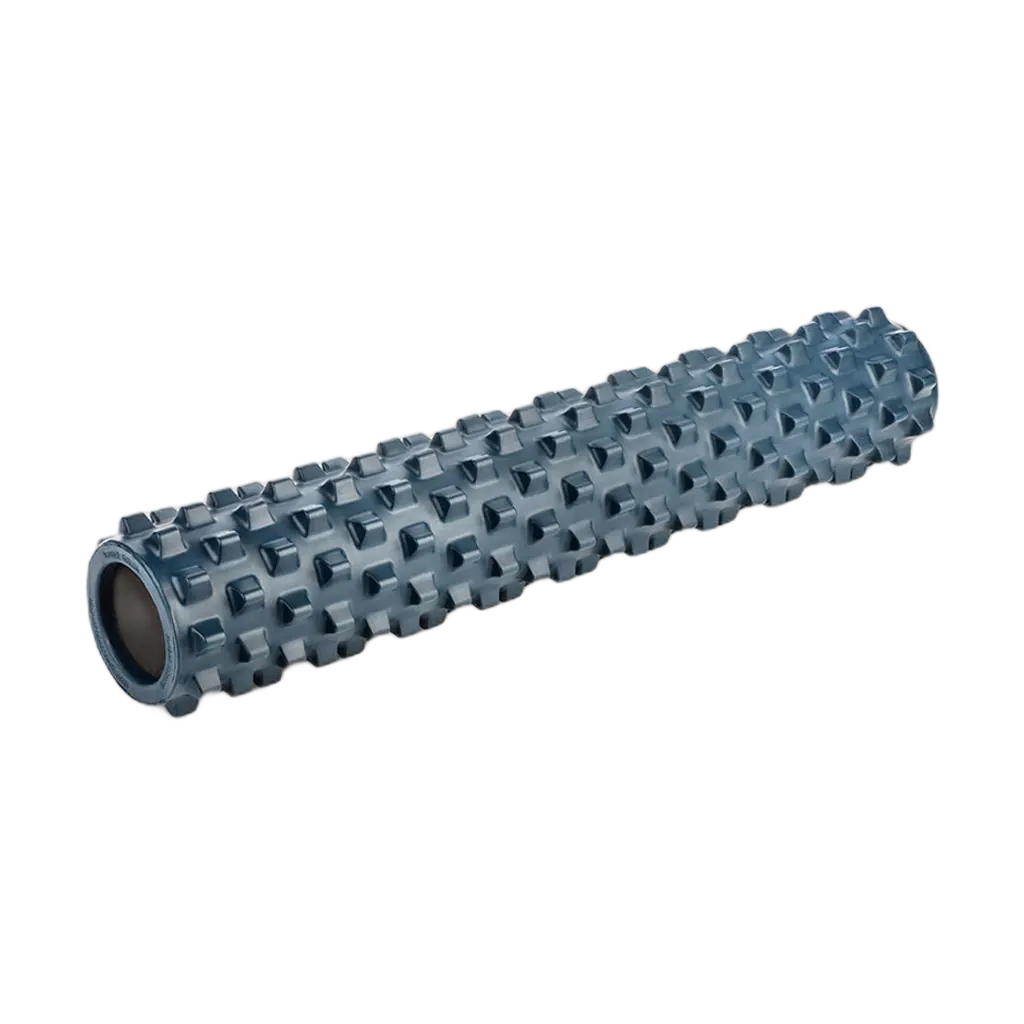
- ✓Aggressive trigger-point release
- ✓Reaches deeper than smooth rollers
- ✓Durable EVA build
- −Painful for beginners
- −Not for sensitive areas
- ✓PT-clinic standard build
- ✓36" full-length spine work
- ✓Beginner-tolerable density
- −Softer than performance rollers
- −No surface texture
Amazon prices checked Sep 12, 2026. Amazon prices change often — the listing is authoritative.
Our ranked picks
Scored on 5 dimensions. How we score →
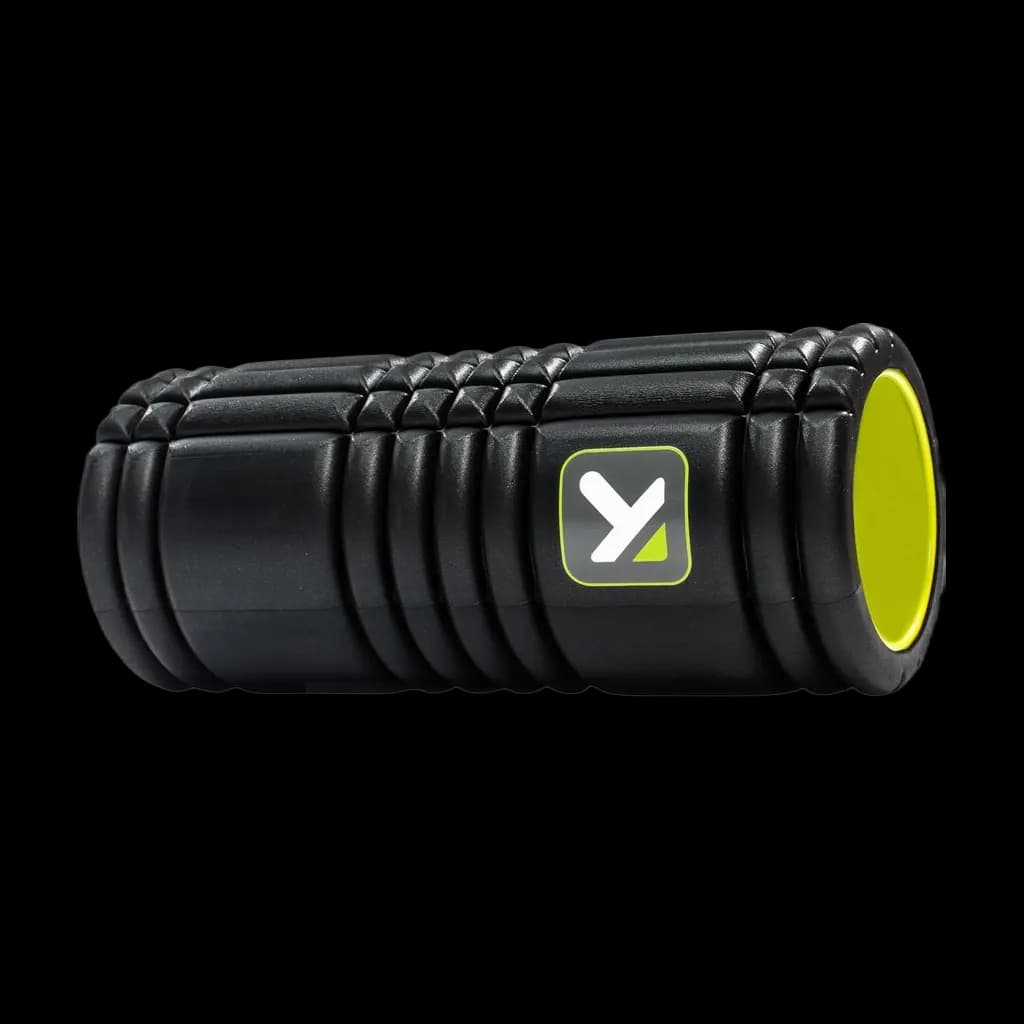
The benchmark hollow-core EVA roller. Multi-density surface mimics thumbs/fingertips/palms, hollow core makes it lighter, and the build outlasts decade-old usage reports. The default starting roller for a reason.
- + 10-year typical lifespan
- + Multi-density surface design
- + Hollow ABS core — light + stiff
- + Industry standard since 2010
- − Smaller than 36" rollers (13" or 26")
- − Pricier than plain EVA
- Length
- 13" or 26"
- Diameter
- 5.5"
- Material
- EVA on ABS core
- Weight Capacity
- 500 lb
Gym Score breakdown ▸
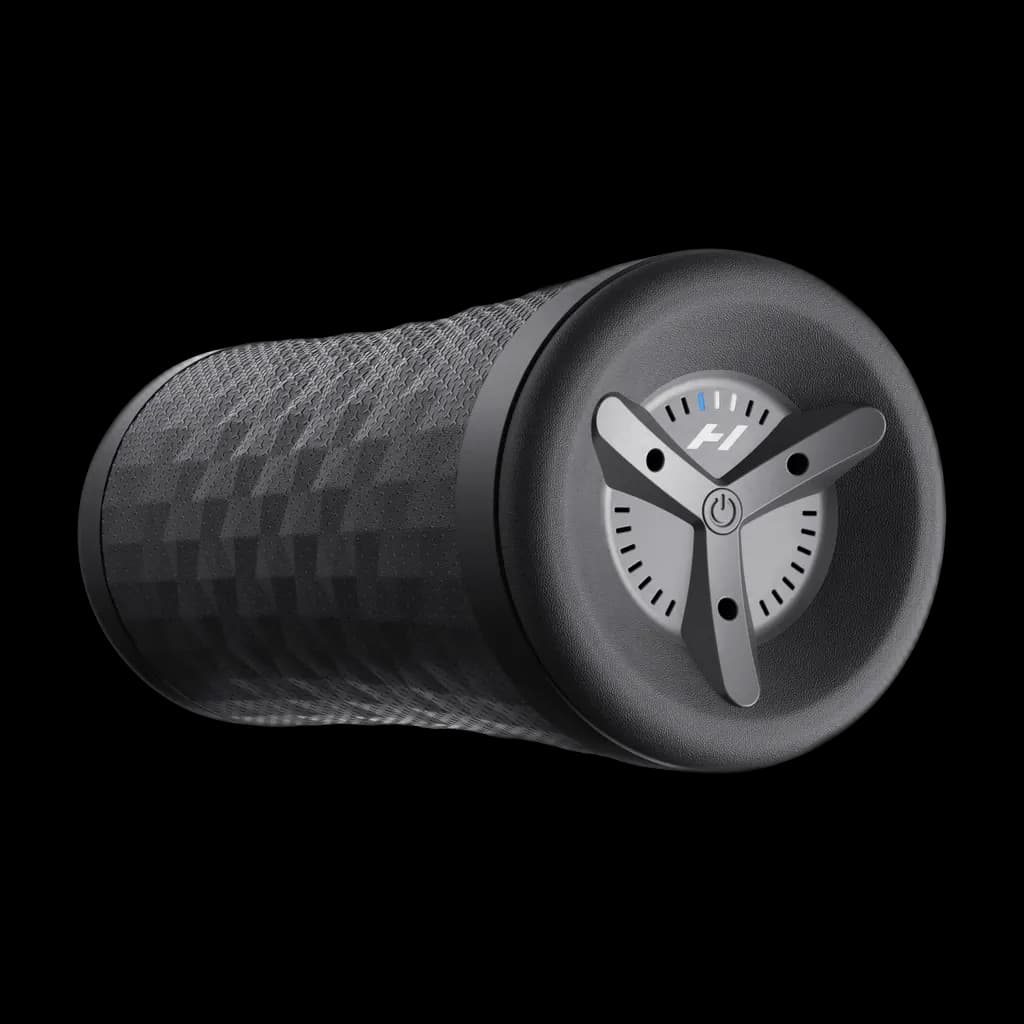
Vibrating foam roller with three speed settings. The vibration meaningfully reduces pain tolerance during release work and improves short-term ROM more than static rolling alone. Battery lasts 2 hours.
- + 3 Vibration Speeds
- + Genuinely Improves Pain Tolerance
- + 2-Hour Battery
- − 10X The Price
- − Charge Cycle Dependency
- Length
- 12"
- Diameter
- 6"
- Speeds
- 3 (45-58Hz)
- Battery
- 2 hours
Gym Score breakdown ▸
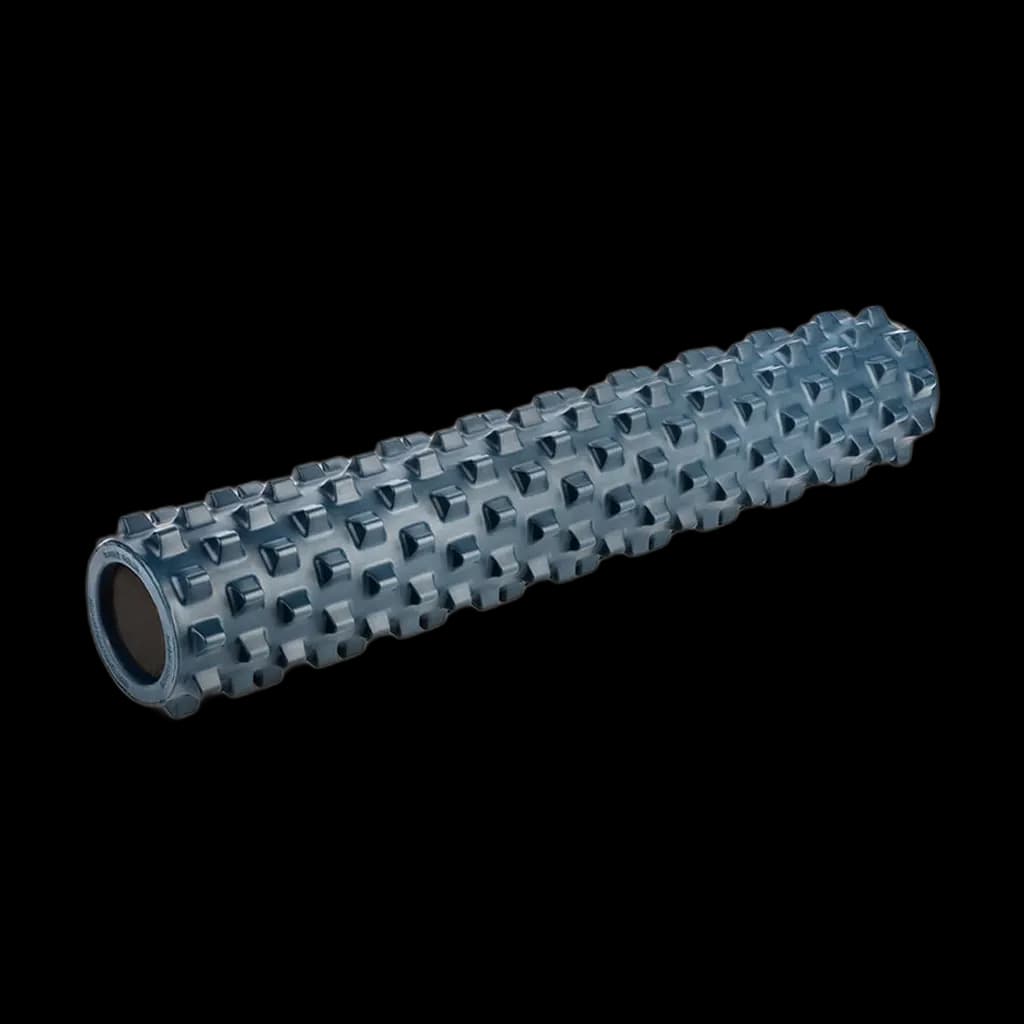
Spiked-surface roller for users who want aggressive trigger-point work. The bumps mimic finger pressure and reach deeper than smooth rollers. Polarizing — beloved or painful, no in-between.
- + Aggressive trigger-point release
- + Reaches deeper than smooth rollers
- + Durable EVA build
- − Painful for beginners
- − Not for sensitive areas
- Length
- 22" or 31"
- Diameter
- 6"
- Material
- EVA with bump pattern
Gym Score breakdown ▸
The PT-clinic standard. Closed-cell foam, 36" length covers full-spine alignment work. Softer density than TriggerPoint — used in physical therapy because beginners and post-surgery patients tolerate it.
- + PT-clinic standard build
- + 36" full-length spine work
- + Beginner-tolerable density
- − Softer than performance rollers
- − No surface texture
- Length
- 36"
- Diameter
- 6"
- Material
- Closed-cell EPE foam
- Density
- Soft
Gym Score breakdown ▸
Buying guide
Density matters more than length. EPP/EVA foam rollers (TriggerPoint Grid, RumbleRoller) outlast cheap PE rollers by 5x. For glutes and pecs, a single lacrosse ball does what a roller can't. Vibrating rollers (Hyperice Vyper) add measurable pain-tolerance benefits but cost 10x more. 36" length covers spinal alignment work; 13" is enough for legs.
Foam Rollers & Mobility Tools guides
In-depth reads to go with the rankings above.
- Best Foam Rollers for Recovery in 2026: TriggerPoint Grid WinsThe TriggerPoint Grid is the best foam roller of 2026; the Hyperice Vyper 3 is the vibrating pick. Six rollers scored on density, texture, and durability.
- Foam Roller Density and Size: What Actually MattersTwo trials changed one roller spec at a time. Density changed nothing measurable; surface pattern did. How to read length, texture and firmness.
- Foam Roller for Your Back: Where It Helps, Where It Doesn'tThe back region people foam roll most is the one certifying bodies say to skip. Where a roller belongs on your back, what to use instead, the evidence.
What we didn’t pick
Popular home-gym options we evaluated and passed on, with the specific reason each one fell short of our top picks.
- OPTP Pro-Roller Soft Density (older listing)
Older OPTP Pro Roller ASIN was verified wrong-mapped to a different product (Bali bra listing) in the May 13 sweep. Now corrected to B00E9B87FG. Older affiliate links pointing to the wrong product were removed.
- Cheap EPE-foam 36-inch rollers (under $15 tier)
Density loss within 3-6 weeks of use is well-documented across r/homegym and r/flexibility — they compress flat and lose myofascial-release efficacy. The $25 high-density EVA tier (TriggerPoint, Amazon Basics High-Density) is the genuine entry point.
Your next step