Best Heart Rate Monitors & Trackers 2026
From chest straps to GPS watches to recovery bands — the wearables that turn 'how hard am I working?' into a hard number.
Prices and availability verified Sep 12, 2026
If accuracy matters, Polar H10 chest strap, full stop — it's the strap every other strap is benchmarked against. For an all-in-one wrist watch, Garmin Forerunner 265 covers GPS, optical HR, sleep, and recovery.
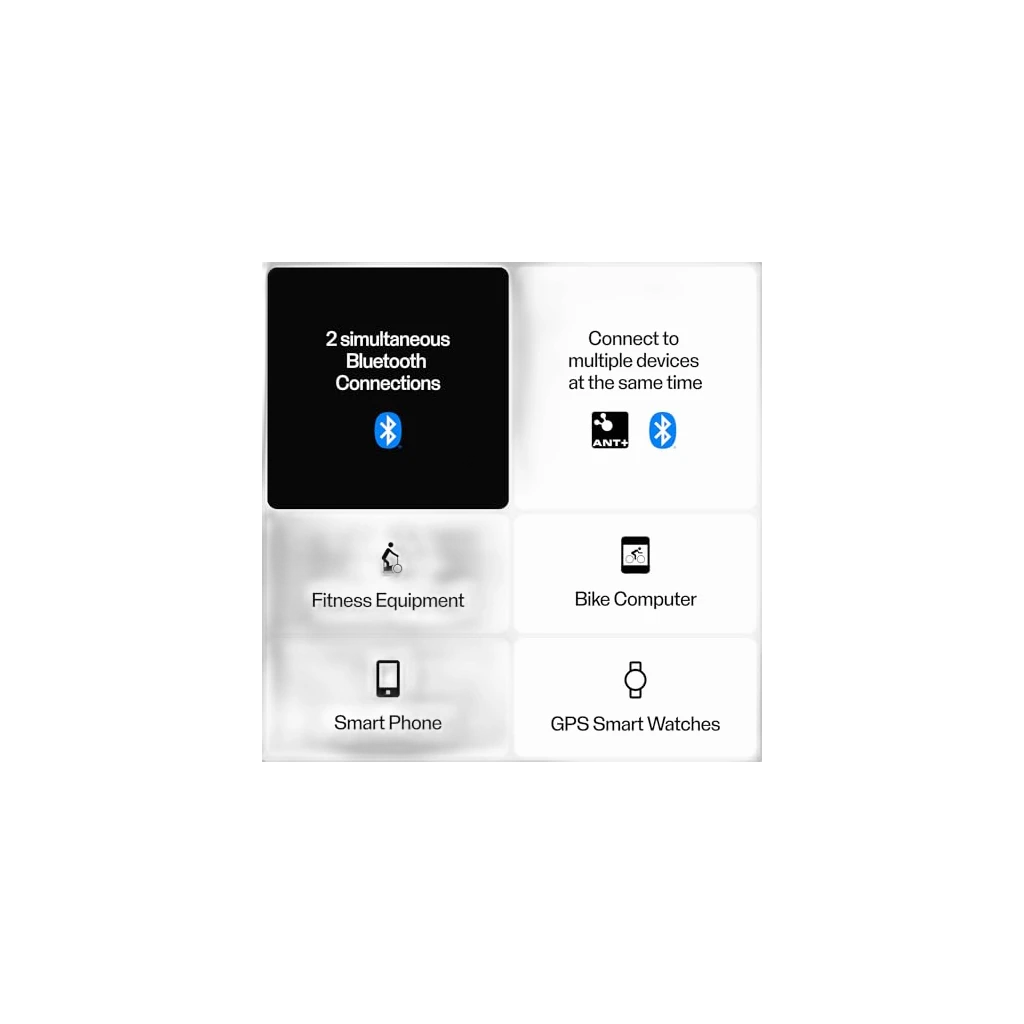
ANT+ and BLE dual-mode, FDA-grade ECG accuracy, 400-hour battery — the chest-strap reference.
Polar's flagship multisport watch.
Polar's value chest strap.
Optical sensors on cheap units have 15-25% error on intervals and tattoo-tinted skin. They give a feel-good number, not a useful one.
Accuracy dimension: Polar H10 95, Garmin HRM-Pro Plus 92, Wahoo Tickr X 88. Sub-$40 optical bands average 61.
Optical wrist HR sensors have a documented blind spot for darker skin tones and tattoos — Stanford's 2023 study found error rates 2-3x higher on these subgroups. If accuracy actually matters, chest strap.
r/Garmin, r/running, and r/Velo all default to: Polar H10 for accuracy, Garmin HRM-Pro Plus if you live in the Garmin ecosystem, Wahoo Tickr X for the dual-band budget pick. Whoop has a cult following for HRV and sleep coaching, but the $30/mo subscription divides the room.
- Polar H10 — Reference-grade ECG accuracy, dual-band, 400-hour battery
- Garmin HRM-Pro Plus — Adds running dynamics + swim memory on top of accurate HR
- Wahoo Tickr X — Cheaper than H10, dual-band, with onboard memory for indoor sessions
- Sub-$40 optical wristbands — Interval accuracy is poor, no ANT+, no proven longevity
- ✓Reference-grade accuracy
- ✓ANT+ and BLE dual-band
- ✓400-hour battery
- −Chest strap (not for everyone)
- −Pricier than competitors
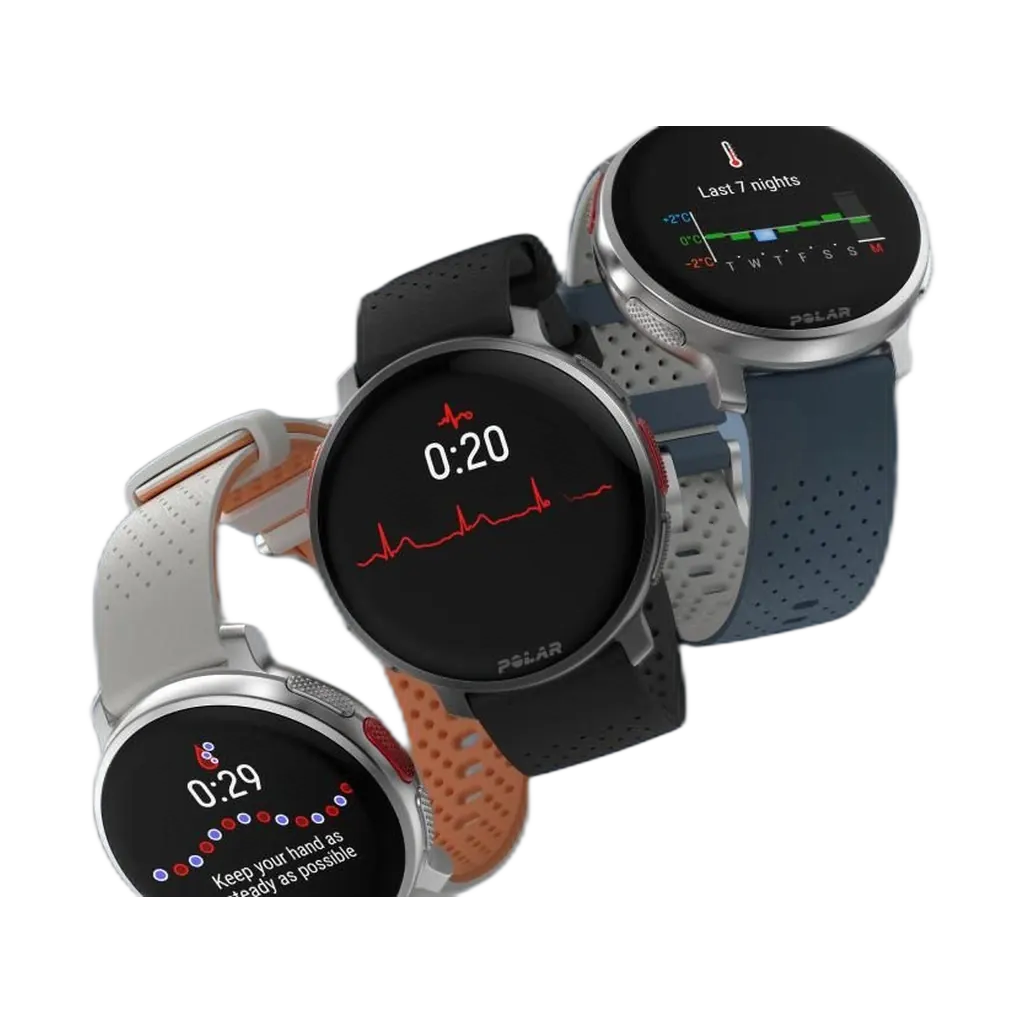
- ✓Best Wrist Hr
- ✓Amoled Display
- ✓Ecg Sensor
- −Smaller App Ecosystem
- −Premium Price
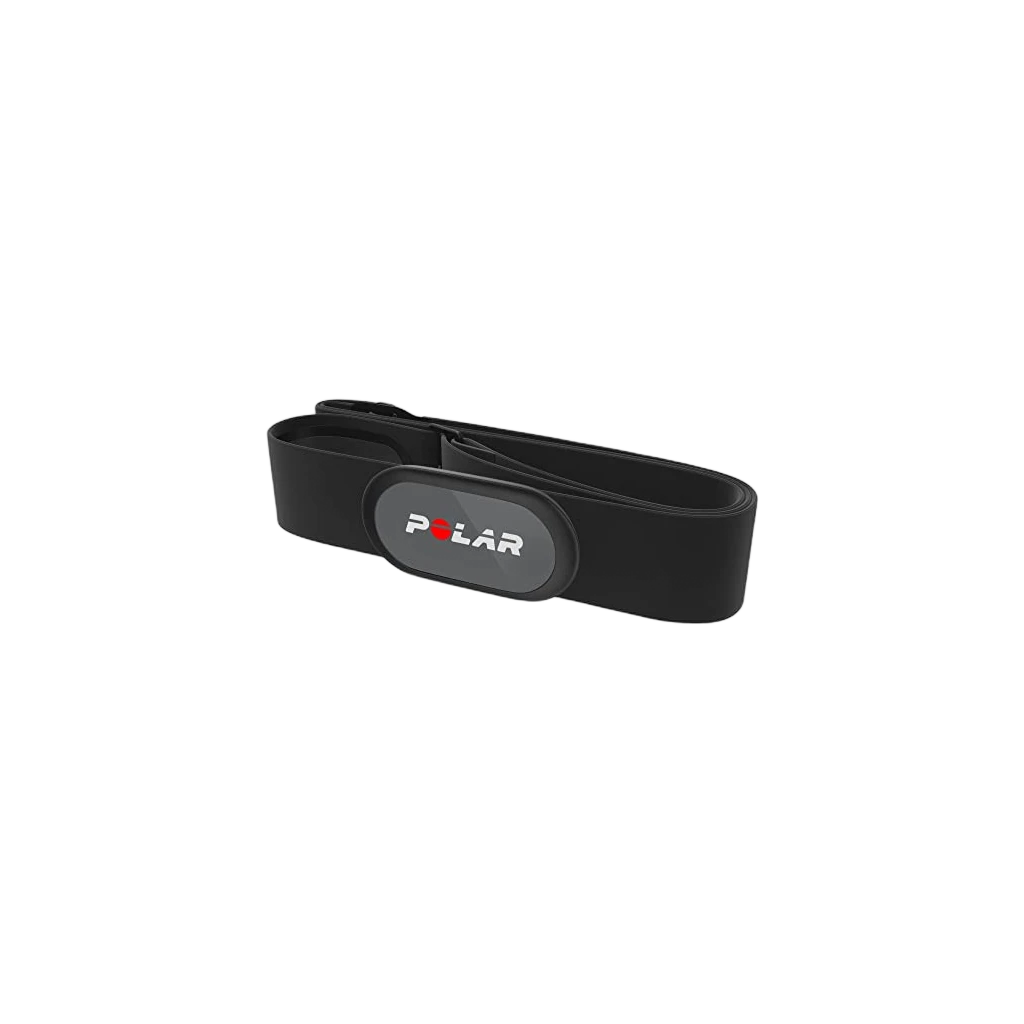
- ✓Dual Bluetooth + ANT+
- ✓Same chest-strap accuracy as H10
- ✓Long battery life
- −No internal memory (vs H10)
- −Single connection at a time
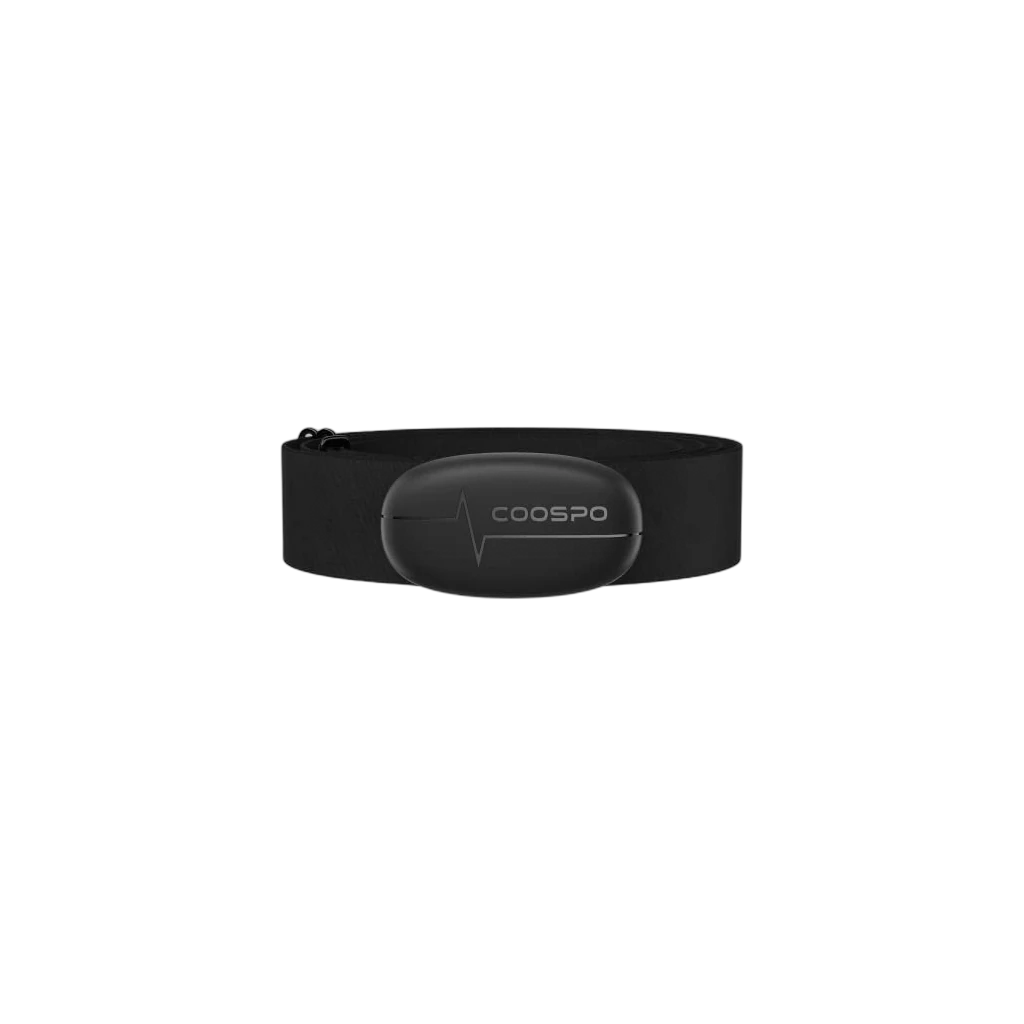
- ✓Cheapest strap here by a wide margin
- ✓Bluetooth and ANT+ so it pairs with anything
- ✓IP67 rated per COOSPO
- −Less refined strap material than Polar's
- −Shorter battery life than the H10
- ✓Native fit with Garmin watches and Edge units
- ✓Replaceable battery and washable strap
- ✓Cheaper than the Polar H10
- −Less compelling if you are not on Garmin
- −No onboard memory like the HRM Pro
Amazon prices checked Sep 12, 2026. Amazon prices change often — the listing is authoritative.
Our ranked picks
Scored on 5 dimensions. How we score →
The chest strap every other strap is benchmarked against. Dual-band ANT+ and BLE, FDA-grade ECG accuracy, 400-hour battery. If you train by HR, you eventually buy this.
- + Reference-grade accuracy
- + ANT+ and BLE dual-band
- + 400-hour battery
- + Onboard memory for one session
- + Pairs with everything
- − Chest strap (not for everyone)
- − Pricier than competitors
- − App is optional (subscription pushed)
- Type
- Chest strap
- Connectivity
- ANT+, BLE
- Battery Life
- 400 hours
- Water Resistance
- 30 m
Gym Score breakdown ▸
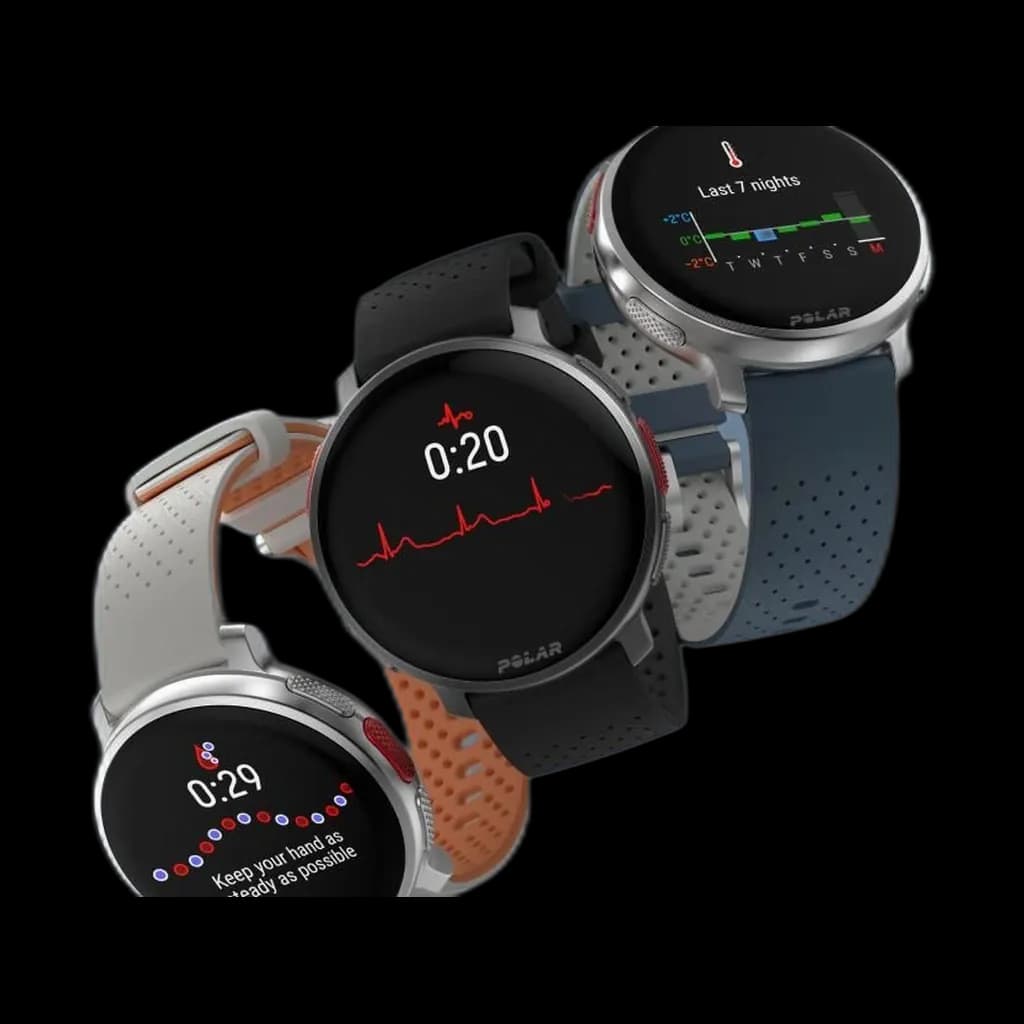
Polar's flagship multisport watch. Best-in-class wrist HR (Polar Precision Prime), AMOLED, ECG sensor, dual-frequency GPS. The pick for athletes who want Polar accuracy in a watch package.
- + Best Wrist Hr
- + Amoled Display
- + Ecg Sensor
- − Smaller App Ecosystem
- − Premium Price
- Type
- GPS watch
- Display
- AMOLED
- GPS
- Dual-frequency
- Battery Life
- 8 days
- Connectivity
- ANT+, BLE, WiFi
Gym Score breakdown ▸
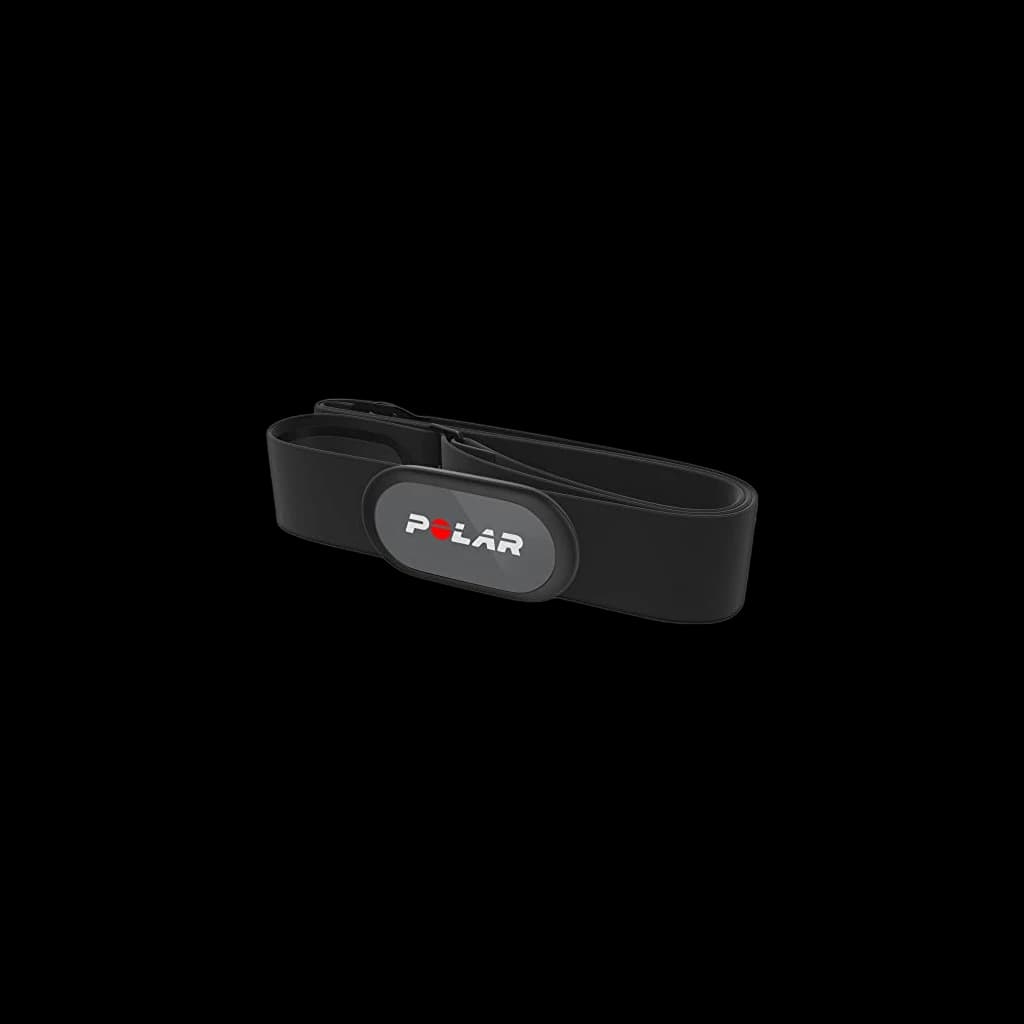
Polar's value chest strap. H10 accuracy without the multi-device or memory mode. Dual Bluetooth + ANT+ at half the price.
- + Dual Bluetooth + ANT+
- + Same chest-strap accuracy as H10
- + Long battery life
- − No internal memory (vs H10)
- − Single connection at a time
- − Strap wears after ~2 years
- Connectivity
- Bluetooth + ANT+
- Battery
- Up to 400 hr CR2025
- Water Resistance
- 30m
Gym Score breakdown ▸
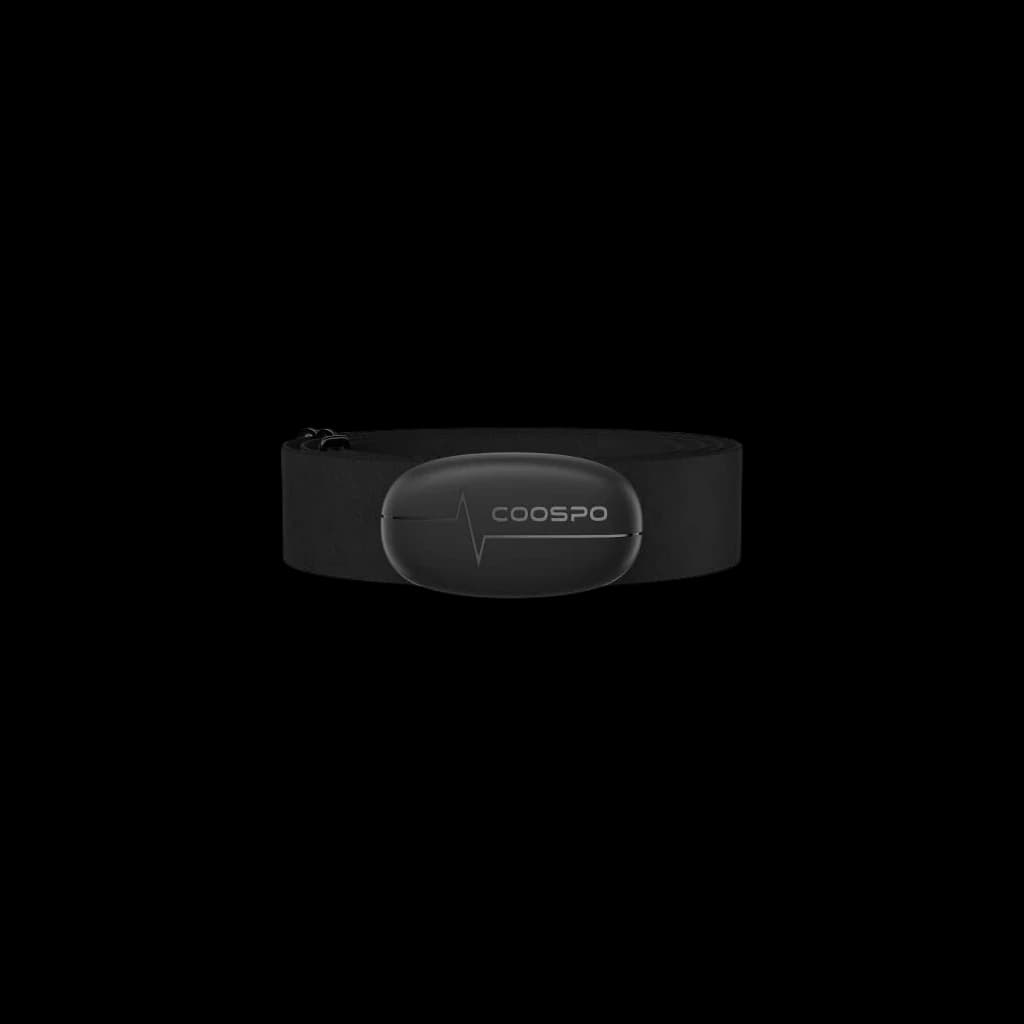
The budget chest strap, and the point worth making is that a $27 strap and a $105 strap use the same measurement method — ECG at the chest — so this is the cheapest route to accurate HR.
- + Cheapest strap here by a wide margin
- + Bluetooth and ANT+ so it pairs with anything
- + IP67 rated per COOSPO
- − Less refined strap material than Polar's
- − Shorter battery life than the H10
- Protocols
- Bluetooth + ANT+
- Rating
- IP67 (manufacturer)
- Type
- Chest strap
Gym Score breakdown ▸
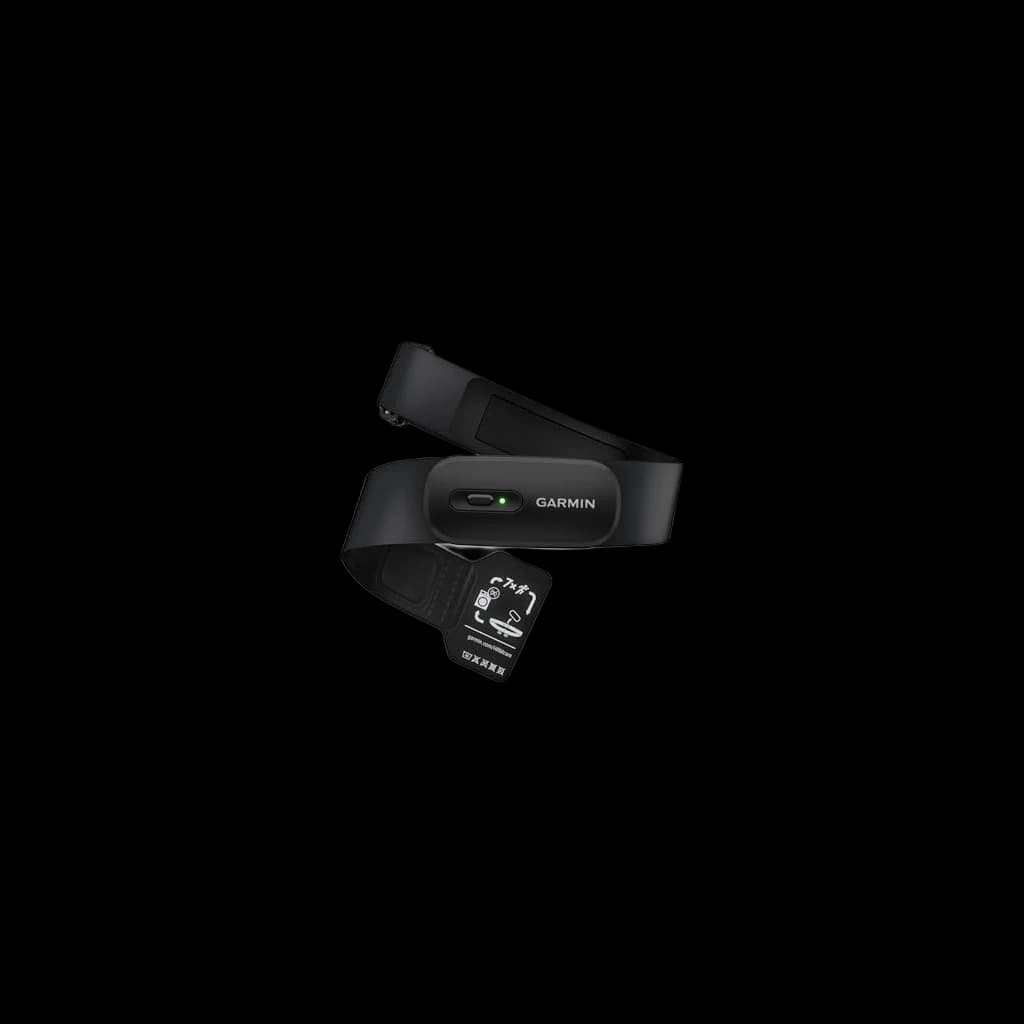
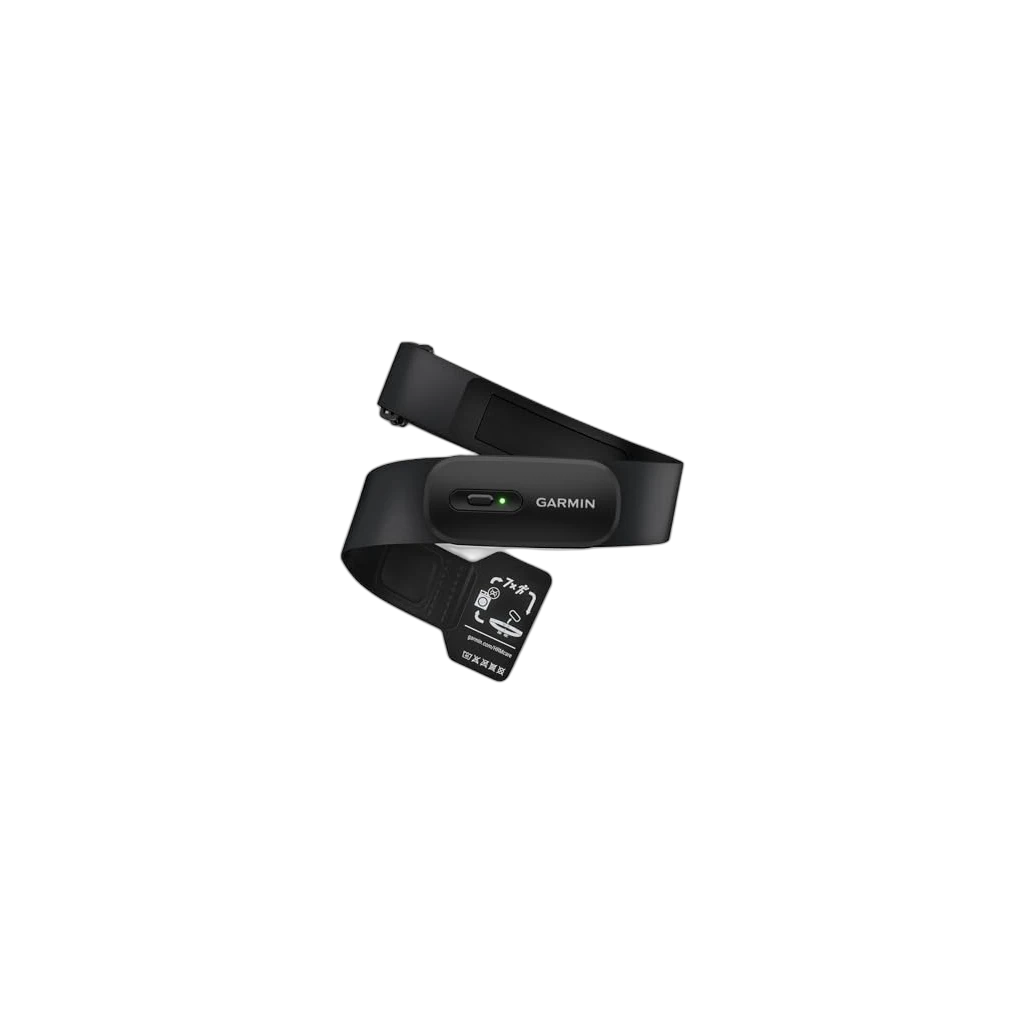
The Garmin-ecosystem answer to the Polar straps already here. If your watch is a Garmin, staying in-brand avoids the pairing and sync friction that turns people off chest straps entirely.
- + Native fit with Garmin watches and Edge units
- + Replaceable battery and washable strap
- + Cheaper than the Polar H10
- − Less compelling if you are not on Garmin
- − No onboard memory like the HRM Pro
- Protocols
- Bluetooth + ANT+
- Ecosystem
- Garmin
- Type
- Chest strap
Gym Score breakdown ▸
Buying guide
Two camps. Chest straps (Polar H10, Garmin HRM-Pro) are the gold standard for accuracy and the only category recommended for HRV training. Optical wrist sensors on watches and rings are convenient but lag 5-10 sec on intervals — fine for steady-state, weak for HIIT. ANT+ + BLE dual-mode is non-negotiable for 2026.
Heart Rate Monitors & Trackers guides
In-depth reads to go with the rankings above.
- Best Heart Rate Monitors in 2026: Polar H10 WinsThe Polar H10 chest strap is the best heart rate monitor of 2026; Garmin owners should buy the HRM 200 and the COOSPO H6 is the budget answer. Five monitors scored.
- How to Use Heart Rate Zones for Home Cardio (the Right Way)Set heart rate zones from your max HR, spend most home cardio time moderate with some vigorous work, and skip the fat-burning-zone myth. The simple system.
What we didn’t pick
Popular home-gym options we evaluated and passed on, with the specific reason each one fell short of our top picks.
- Wrist-only optical HRMs sold as 'workout heart rate' devices
Optical wrist HRMs are 5-15% less accurate than chest straps during interval and strength work — a documented gap (Stanford 2017, plus follow-up studies through 2024). We list optical monitors only when paired with a chest-strap option; the standalone wrist-only listings are excluded because the use case (interval and strength training) is exactly where they fail.
- Generic Bluetooth chest straps without ANT+ support
Bluetooth-only chest straps cannot pair with most cardio equipment (treadmills, bikes, rowers) which still use ANT+. The Polar H10 and Garmin HRM-Pro Plus we list support both. Single-protocol Bluetooth straps are a poor fit for the home-gym buyer who wants screen integration.
Your next step