Best Weight Benches for a Home Gym
The REP AB-5200 2.0 is the best bench for most home gyms; the Rogue AB-3 is the lifetime pick. Seven benches ranked on stability, adjustability, and pads.
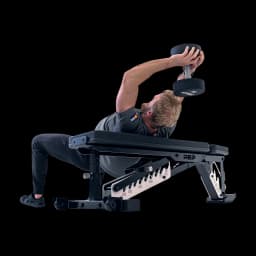
- 1,000 lb total capacity covers any home-gym press scenario
- 11-gauge steel construction with heavy-duty bolts — the build matches commercial benches at half the price
- 7 back × 3 seat = 21 angle combinations, ladder-style adjustment (no slip under load)
Evidence snapshot · Updated October 21, 2026
The evidence-backed answer
REP AB-5200 2.0 is our default pick for the scope of this guide: 11-gauge steel, a 1,000 lb capacity and ladder-style adjustment across 21 back-and-seat combinations, per REP. The buy-once bench for most home gyms.
Scope: 8 shortlisted products compared using published specifications, owner-feedback signals, value and category-specific performance. 8 comparison entries match our catalog. Retailer rating totals are snapshots, not a count of people whose reviews we independently analyzed. This is research synthesis, not hands-on testing.
The side-by-side comparison below carries each shortlisted product's owner rating, price context, pros, cons and buy state in one actionable view.
How GymScored is paid: Amazon Associates commission plus brand-direct affiliate (Rogue / REP / Titan when approved). No sponsored placements, no paid reviews, no pay-to-rank. Picks are ranked by the Gym Score formula and nothing else. Read the full disclosure.
Rep AB-5200 for ladder-adjust precision. Rogue AB-3 for lifetime build. Skip anything with a tripod base — the wobble at incline kills your bench-press groove.
| Product | Owner rating | Key specs | Pros | Cons | Price | Buy |
|---|---|---|---|---|---|---|
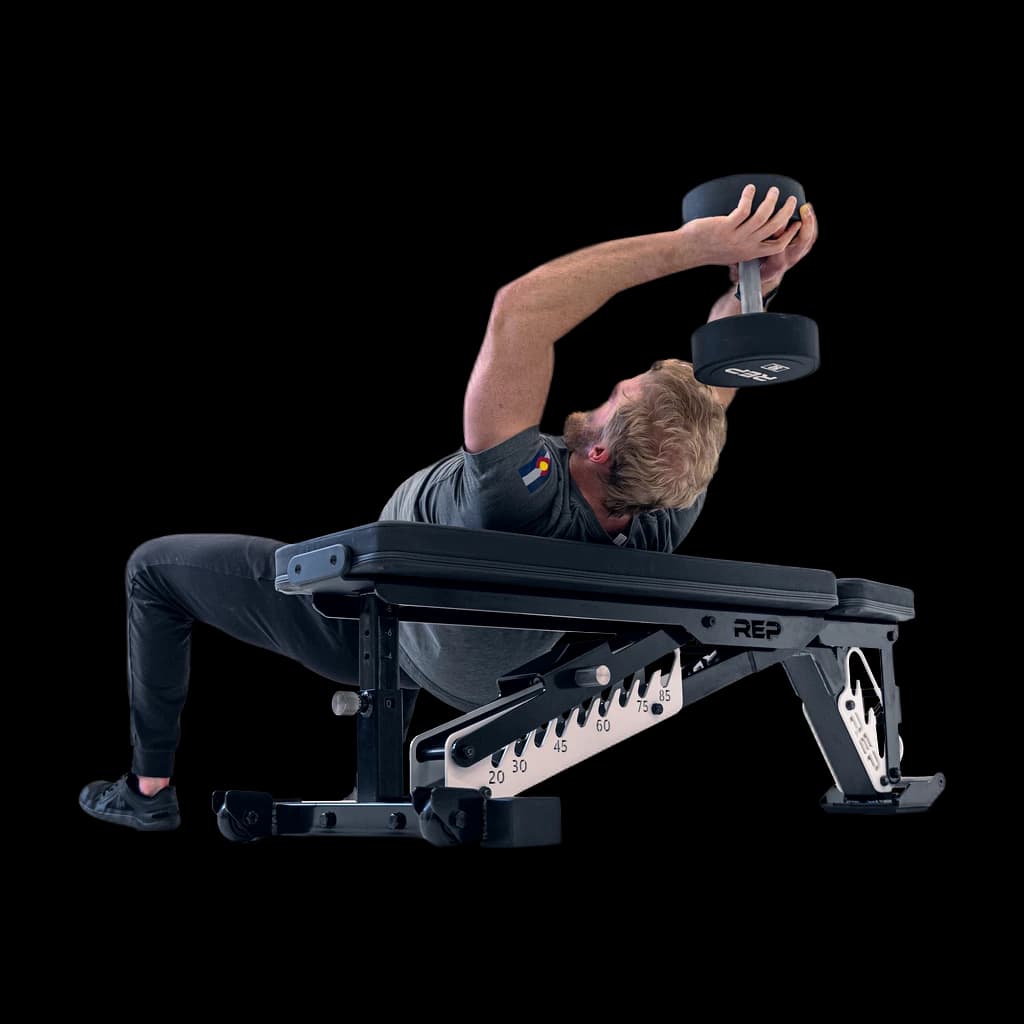 REP's flagship adjustable bench: 11-gauge steel, a 1,000 lb capacity, 21 back-and-seat combinations and a vertical-storage stand. Ladder-style adjustment that does not lose position under load. | Owner rating Gym Score 80 | Key specs
| Pros
| Cons
| ~$499 | See our review |
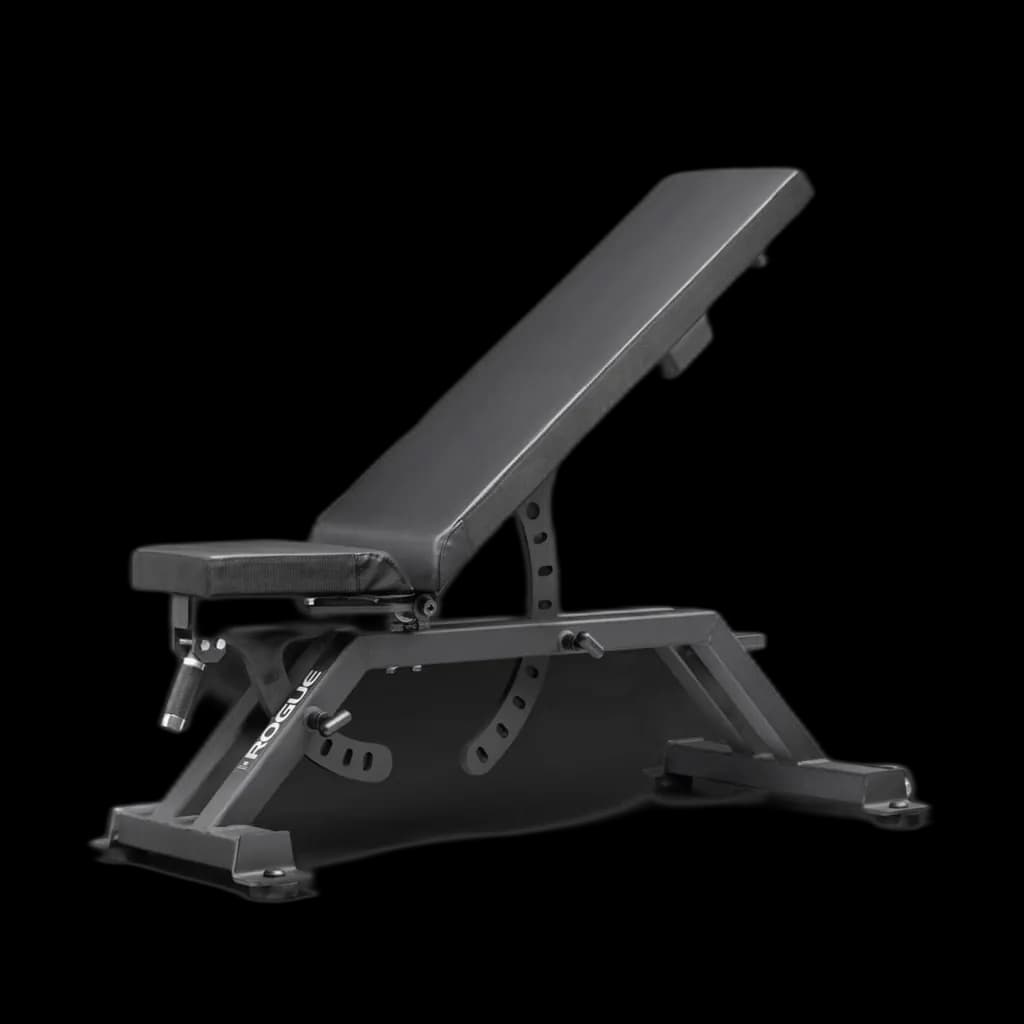 Made-in-USA benchmark. 1,000 lb capacity, ladder adjust, lifetime warranty. ↑ Best-In-Class↑ Usa-Made↓ Freight-Only ShippingBased on 25 buyer mentions | Owner rating Gym Score 83 | Key specs
| Pros
| Cons
| ~$545 | See our review |
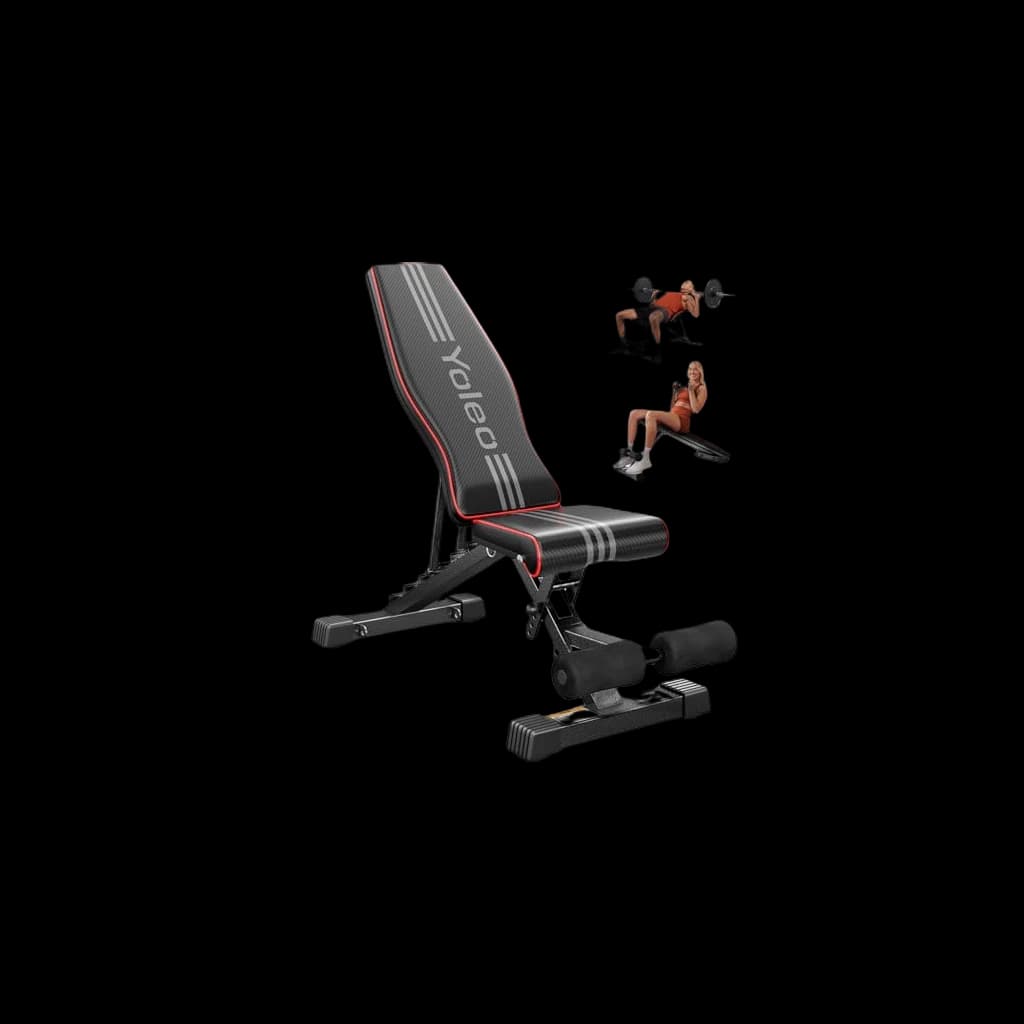 The budget bench, and it still carries an ASTM certification — the thing actually worth checking on a cheap bench, because the failure mode is you under a loaded bar. | Owner rating Gym Score 77 | Key specs
| Pros
| Cons
| $79.99 | Buy on Amazon |
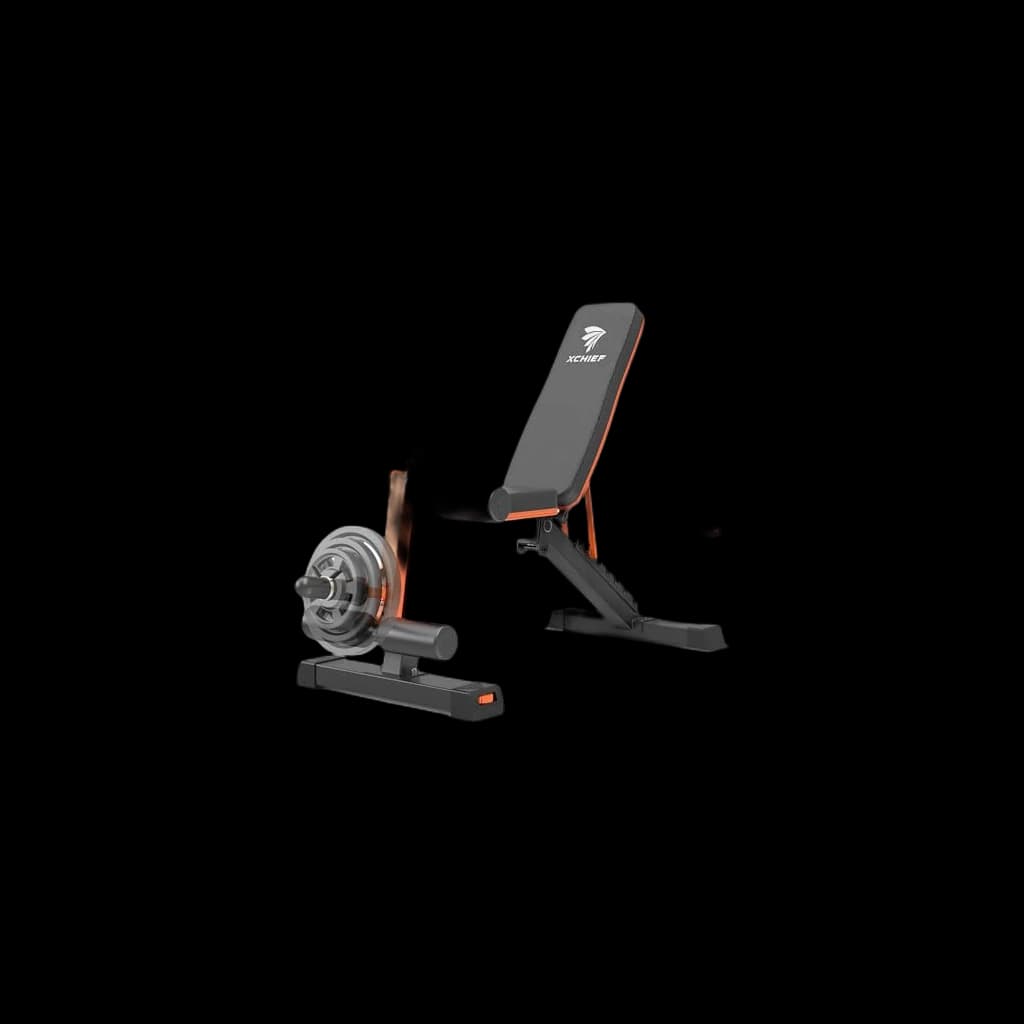 The bench with attachments — leg extension and preacher curl pad — which is what makes a single bench cover more of a full-body session when there is no room for separate stations. | Owner rating Gym Score 72 | Key specs
| Pros
| Cons
| $139.96 | Buy on Amazon |
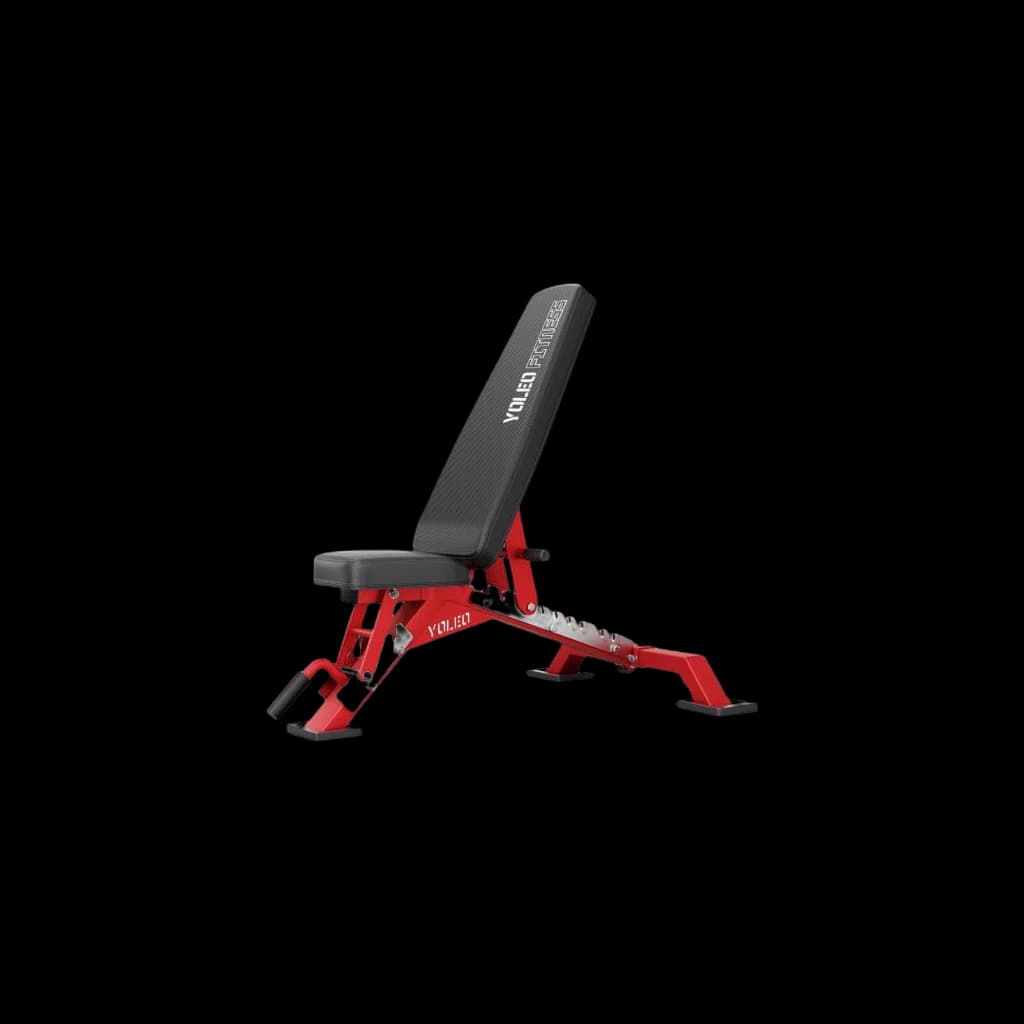 The heavy end. YOLEO state an ASTM certification with a 2315 lb rating on 8-gauge steel, which is the specification to look for if you are pressing genuinely heavy weight at home. | Owner rating Gym Score 76 | Key specs
| Pros
| Cons
| $189.99 | Buy on Amazon |
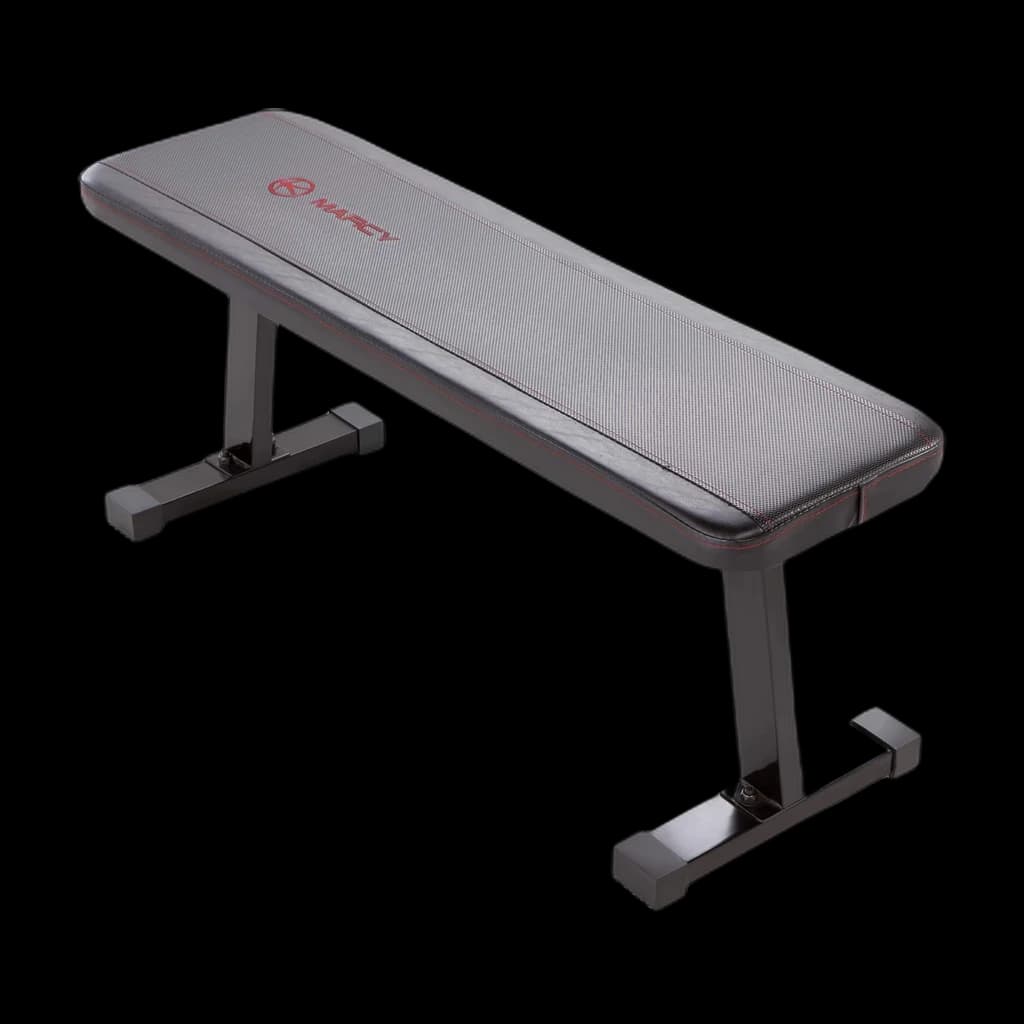 The flat bench the category was missing. No hinge, no ladder, no pop-pin — so the only things that can go wrong are the frame and the upholstery, and both are competent at this price. | Owner rating Gym Score 79 | Key specs
| Pros
| Cons
| $76.20 | Buy on Amazon |
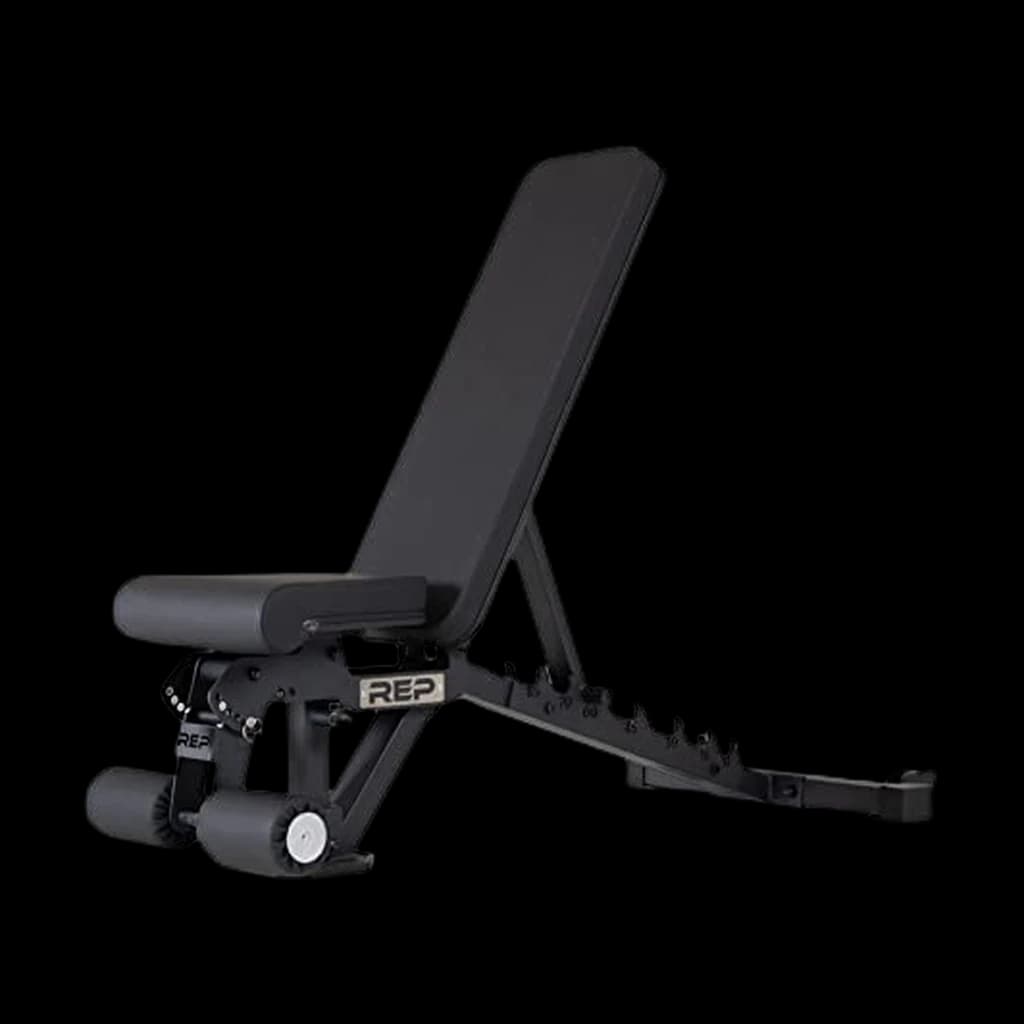 The Amazon-buyable flat-incline-decline bench from a brand name, a step below the AB-5200. REP's own store sells it on Amazon; the listing names the AB-3000 and states a 1,000 lb weight limit, flat, incline and decline positions, and wheels for moving it. | Owner rating Gym Score 77 | Key specs
| Pros
| Cons
| $349.99 | Buy on Amazon |
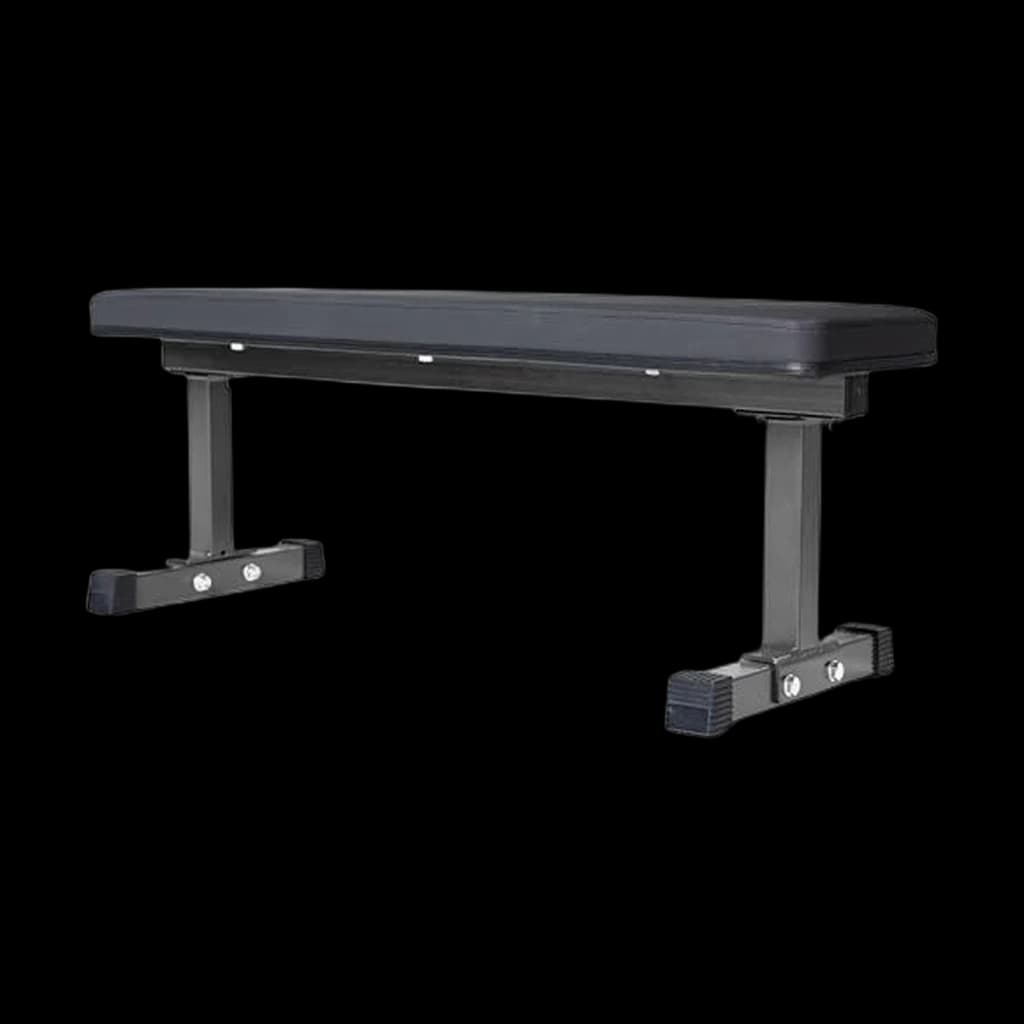 The heavy-duty flat bench for barbell pressing inside a rack, a step above the Marcy SB-315. REP states 11-gauge steel, a 700 lb capacity and an 11.8-inch pad, and REP's own store sells it on Amazon. | Owner rating Gym Score 79 | Key specs
| Pros
| Cons
| $149.99 | Buy on Amazon |
Amazon prices checked Oct 17, 2026. Amazon prices change often — the listing is authoritative.
Top picks spec comparison
Specs Amazon listings rarely aggregate side-by-side. Sourced from manufacturer data.
| Product | Weight Capacity | Adjustment Positions | Frame Gauge | Base Geometry |
|---|---|---|---|---|
| YOLEO Adjustable Weight Bench (827 lb) | 827 lb (YOLEO-stated) | Not stated | — | Not stated |
| REP AB-3000 FID Bench | 1,000 lb (REP-stated) | Flat, incline, decline | — | Not stated |
| Rep Fitness AB-5200 | 1,000 lb | 7 + flat | 11-gauge | H-frame |
| Rogue AB-3 | 1,000 lb | 7 + flat | 11-gauge | H-frame |
| Bowflex 5.1S | 600 lb | 4 + flat + decline | — | Tripod-adjacent |
Pick by situation
Decide by your situation, not the generic ranking.
| If | You want | Pick |
|---|---|---|
| Budget under $300 | Dumbbell-only home gym under 200 lb per hand | YOLEO Adjustable Weight Bench (827 lb) |
| Decline pressing included | Flat, incline and decline from a known garage-gym brand, bought on Amazon | REP AB-3000 FID Bench |
TL;DR — should you read this?
- The REP AB-5200 2.0 is the right bench for most home gyms. The Rogue AB-3 covers the same job with a made-in-USA build at a higher price. Both are the lifetime-purchase answer.
- Adjustable benches are the default — flat-only is a niche pick. A decent adjustable beats a great flat bench in 9 out of 10 home gyms.
- Ladder-adjust beats pin-adjust by a wide margin. Pop-pin gap-free pads are the modern standard; pin-tube benches feel dated within a year.
- Skip anything with a tripod base if you'll bench over 200 lb. The rear foot can't compensate for off-center load — the wobble is a real problem.
- The pad should resist a thumb press. Soft pads feel premium in the showroom and ruin your bench-press groove by week three.
Our pick
11-gauge steel, a 1,000 lb capacity and ladder-style adjustment across 21 back-and-seat combinations, per REP. The buy-once bench for most home gyms.
What separates a serious bench from showroom decoration
Three specs decide it, and none of them is the capacity number on the box.
| Spec | What you want | What you get instead | The cost of getting it wrong |
|---|---|---|---|
| Base geometry | H-frame or four-foot | Tripod base | Rocking under heavy unilateral load |
| Pad density | Firm enough to resist a thumb press | Plush showroom foam | You can't drive your shoulder blades in to brace |
| Adjustment | Ladder / pop-pin, gap-free | Pin-tube with a 2-3" gap | 30-second position changes, tailbone in the gap |
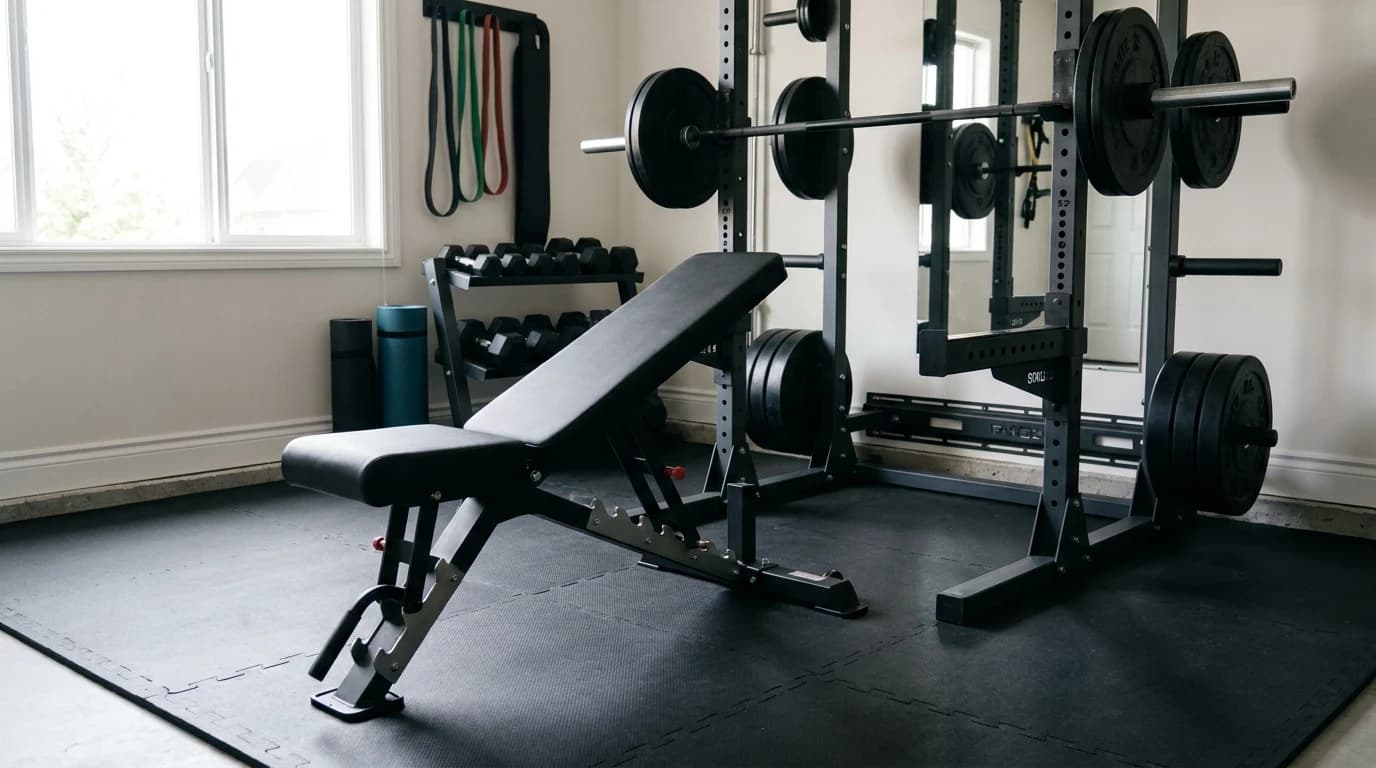
Base geometry decides whether the bench moves when you do
An H-frame or four-foot base distributes the load symmetrically. A tripod base relies on the rear single foot to prevent rocking — fine at 135 lb, sketchy at 315. Off-center load is the test, not static capacity.
A soft pad removes the surface you brace against
Pressing heavy depends on being able to brace against the pad. A soft pad eliminates the brace surface, and a wobbling base makes every set feel different from the last.
The hidden spec: the gap. Pin-tube benches leave 2-3" between the seat and back pad at low incline. That gap is where your tailbone goes during heavy presses — and it's why pop-pin "gap-free" designs are now the standard on serious benches.
The picks, ranked
1. Rogue AB-3 — ~$545 — Best for lifetime build
Made-in-USA, 1,000 lb static capacity, ladder-adjust mechanism, gap-free pad. Seven incline positions plus decline accessory compatibility. The lifetime warranty is the closing argument. Freight ship only and the price reflects the manufacturing.
2. REP AB-5200 2.0 — ~$499 — Best value under $500
The smart-money pick. Same ladder mechanism, same 1,000 lb capacity, same H-frame geometry as the Rogue for less money. The build is on the Rogue side of the line, not the big-box side. If the Rogue is out of stock or budget, this is the bench.
3. YOLEO Adjustable Weight Bench (827 lb) — $79.99 — Best honest budget pick
The budget bench that still carries an ASTM certification, which is the one thing worth checking on a cheap bench because the failure mode is you under a loaded bar. YOLEO state an 827 lb rating and 98% pre-assembly; we do not load-test, so treat the number as the manufacturer's. Padding is thinner than the commercial benches. Best entry point if you are not yet sure you will stick with lifting.
4. XCHIEF Bench with Leg Extension & Preacher Pad — $139.96 — Best for an all-in-one dumbbell station
The bench with attachments — leg extension and preacher curl pad — which is what makes a single bench cover more of a full-body session when there is no room for separate stations.
5. Marcy Flat Utility Bench SB-315 — $76.20 — Best flat bench
The one flat bench here, and the case for it is what it lacks: no hinge, no ladder and no pop-pin, so nothing in the frame can develop play. Marcy state a 600 lb capacity on an 18 lb steel tube frame, and at 41 inches long it moves one-handed. It cannot incline, which rules it out as an only bench if you want incline pressing or a seated press. Buy it as a dedicated pressing and dumbbell-row bench, or as the second bench beside the rack so the adjustable one stays where you set it.
6. REP AB-3000 FID Bench — $349.99 — Best Amazon-buyable FID bench
The flat-incline-decline bench from a known garage-gym brand, a step below the AB-5200, sold on Amazon by REP's own store. The listing names the AB-3000 and states a 1,000 lb weight limit, flat, incline and decline positions, and wheels for moving it. The tradeoffs: pop-pin style adjustment rather than the AB-5200's ladder, a gap between seat and back pad when flat that reviewers mention, and no vertical storage.
7. REP FB-3000 Flat Bench — $149.99 — Best heavy-duty flat bench
The flat bench for barbell pressing inside a rack, a step above the Marcy SB-315. REP states 11-gauge steel, an 11.8-inch pad and a 700 lb capacity on its own site (the Amazon listing says 750 lb), and REP's own store sells it on Amazon. Flat only, so pair it with an adjustable bench if you want incline work.
What the research actually says
- Bench press is a primary upper-body strength developer for most populations. The NSCA position statements and the American Council on Exercise expert articles align on this — but only with stable equipment that allows scapular retraction.
- A firm pad surface improves shoulder stability during pressing. Compressing into a soft pad changes your shoulder blade position, which the CDC physical activity benefits framework lists indirectly through injury-prevention guidance for resistance training.
- Adjustable benches expand exercise selection without doubling equipment cost. A single adjustable replaces a flat bench, incline bench, and shoulder press station — meaningful for home gyms operating on a 10x10' footprint constraint (NSCA articles cover program design under equipment constraints).
- The home-gym population trains alone. Without a spotter, the bench's safety features (catch arms, low-position spotting, bench-rack integration) become primary injury-prevention tools. The American Heart Association recommendation of twice-weekly strength training presumes the lifter can train safely solo.
What the research does not support: the claim that high-density Naugahyde pads "prevent" bench-press injuries. Pad firmness improves your brace; it doesn't insure you against missed lifts or fatigue-driven form breakdown. What prevents missed-lift injuries is a spotter or a safety-bar setup, not a stiffer pad.
What to buy, and what to skip
Spend here:
- A four-foot or H-frame base if you'll ever press over 200 lb.
- A pop-pin, gap-free adjustment mechanism.
- A seat pad that tilts 5-15° upward at high incline so you don't slide down mid-set.
Don't spend here:
- Tripod-base benches over $200. The price-to-stability ratio is bad.
- Pin-tube adjustable benches under $150. The 2-3" gap kills heavy pressing form. Either spend up to a pop-pin design or stay flat-only.
- Foldable benches marketed for "small spaces." Most lose 30-40% rated capacity at the hinge. If the room is genuinely small, get a wall-mount rack with a separate dedicated bench.
- FID benches with no stated weight rating. The decline foot mechanism is the failure point — cheap ones break at the foot-hook hinge inside 6 months of decline-press use.
How to actually buy this
- Measure how heavy you'll bench. If your bench-press max will exceed 300 lb, look at the AB-5200, the AB-3 or the two REP benches further down the list. Below 200 lb, the YOLEO or XCHIEF are fine.
- Decide on incline range. Most adjustable benches max out at 75-85°. If you do military presses on the bench, you want at least 85°. If pressing is mostly horizontal, 60° is sufficient.
- Check pad width. 10-12" is standard. Narrow pads (10") allow more shoulder retraction but feel less stable for newer lifters. Wide pads (12+") feel stable but limit scapular movement.
- Don't forget decline. Most adjustable benches require a decline attachment ($30-80 extra). Not strictly necessary, but factor in the accessory cost if you want it.
- Plan the footprint. A bench in front of a rack typically needs 7-8' of clear space behind for walk-out. If your bench eats walk-out room, the rack becomes unsafe.
- Decide flat versus adjustable first. Adjustment buys incline and a seated press; a fixed flat pad buys a frame with no hinge to loosen, at a fraction of the price.
- Check the seat angle at incline. Cheap benches keep the seat pad flat even at 75°, which lets you slide down during sets. Quality benches tilt the seat to lock you in place.
Common mistakes that kill a good bench
- Storing the bench under heavy plates. The pad compresses unevenly over months and develops a permanent dent.
- Skipping the wipe-down. Sweat-stained vinyl cracks within 18 months. A 10-second wipe after each session triples pad lifespan.
- Overtightening the adjustment hardware. Pop-pin mechanisms are spring-loaded; treating them like a wrench-tight bolt strips the threading. Hand-tight is the spec.
- Using the bench as a step. The pad isn't designed for the focused load of a foot — it tears at the seam. Use an actual step.
How we evaluated
We scored each bench on Stability (base geometry, capacity rating, rocking under unilateral load), Adjustability (positions, mechanism speed, gap-free vs gapped design), and Pad Quality (firmness, width, vinyl durability). Specs sourced from manufacturer data. Owner reports paraphrased from r/homegym threads on bench durability. We do not perform physical product testing — scores synthesize manufacturer specs, owner-reported failure modes, and third-party reviewer data. See /methodology for the rubric.
Cheaper alternative
The AB-5200 is the buy-once bench and it is priced like one. If your training is dumbbell work rather than heavy barbell pressing, the YOLEO Adjustable Weight Bench covers it for a fraction of the price, and it still carries an ASTM certification, the thing actually worth checking on a cheap bench.
Frequently Asked Questions
Do I need a flat bench too?+
Most adjustable benches go to flat (0°). Dedicated flat benches are slightly more stable but rarely worth a second purchase unless you're benching 400+ lb regularly.
What about decline?+
Most adjustable benches require a decline accessory. Decline isn't strictly necessary — most lifters never miss it.
Does pad width really matter?+
Yes — narrower (10") pads allow more scapular retraction for powerlifting-style benching. Wider (12-13") pads feel more stable but cap your bench-press range of motion. For most lifters, 11-12" is the sweet spot.
Can I press without a bench rack?+
Only with extreme caution. Bench-press fatalities in home gyms almost always involve missed lifts without safeties. Either bench inside a power rack with safety bars set just above your chest, or don't bench heavy alone.
Why are some benches so much heavier than others?+
Frame steel weight is the main driver. An 11-gauge H-frame bench (Rogue AB-3, Rep AB-5200) weighs 110-130 lb. A 14-gauge tripod weighs 50-70 lb. The weight is part of why the better benches don't wobble — they're not relying on geometry alone.
Sources & Research
- Rogue Fitness — Adjustable Bench 3.0 (AB-3) — published specifications (17.5-inch flat pad height, 11-inch pad width, 10 back-pad positions)manufacturer
- r/homegym — Bench durability reportscommunity
- Current Sports Medicine Reports — Resistance Training for Health and Performanceresearch
- NSCA — NSCA Position Statementsauthority
- ACE Fitness — ACE Insights Blog (Expert Articles)authority
- CDC — Benefits of Physical Activityauthority
- American Heart Association — Physical Activity Recommendationsauthority
Related reviews
Best Power Racks for a Home Gym in 2026
The Rep PR-4000 is the best home gym power rack of 2026 at under $900. Five racks ranked on build quality and footprint; Rogue R-4 is the lifetime pick.
Best Adjustable Dumbbells in 2026
PowerBlock Pro 50 is the default; Bowflex 1090 has the 10-90 lb range, NÜOBELL 80 the feel. Five adjustable dumbbell sets ranked on mechanism and build.
Hilly Shore Labs
Editorial teamThe independent product research team behind GymScored. Every recommendation is researched, never hands-on tested — recommendations draw on manufacturer specifications and available published research. Category order is editorial; the Gym Score is a separate comparison aid.
170 listed products across 26 home gym categories. Scores use category criteria, value and owner-rating inputs; missing evidence limits what a score can tell you.
See the scoring methodology and who we are.
Affiliate disclosure: GymScored is a participant in the Amazon Services LLC Associates Program. We earn from qualifying purchases at no extra cost to you. Full disclosure →