Best Power Racks for a Home Gym in 2026
The Rep PR-4000 is the best home gym power rack of 2026 at under $900. We scored 12 racks on build quality and footprint; Rogue R-4 is the lifetime pick.
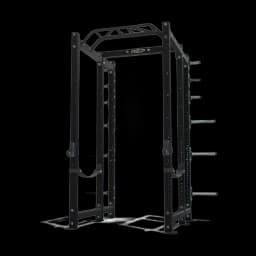
- 11-Gauge Steel
- Westside Pattern
- Made in USA
Evidence snapshot · Updated August 17, 2026
The evidence-backed answer
Rep Fitness PR-4000 is our default pick for the scope of this guide: 11-gauge 3x3" steel with Westside hole pattern at the Rogue-adjacent quality without Rogue pricing.
Scope: 4 shortlisted products compared using published specifications, owner-feedback signals, value and category-specific performance. The matched catalog records represent 3,130 owner ratings. This is research synthesis, not hands-on testing.
| Product | Rating | Current price context |
|---|---|---|
| Rep Fitness PR-4000 | 4.8/5 | ~$849 |
| Rogue R-4 | 4.9/5 | ~$1,095 |
| PRX Profile PRO | 4.8/5 | $999.99 |
| CAP Barbell Power Rack | 4.4/5 | $119.99 |
How GymScored is paid: Amazon Associates commission plus brand-direct affiliate (Rogue / REP / Titan when approved). No sponsored placements, no paid reviews, no pay-to-rank. Picks are ranked by the Gym Score formula and nothing else. Read the full disclosure.
For 95% of home lifters: Rep PR-4000. For lifetime build and the best accessory ecosystem: Rogue R-4. For apartments where folding is non-negotiable: PRX Profile PRO.
| Product | Rating | Pros | Cons | Price | |
|---|---|---|---|---|---|
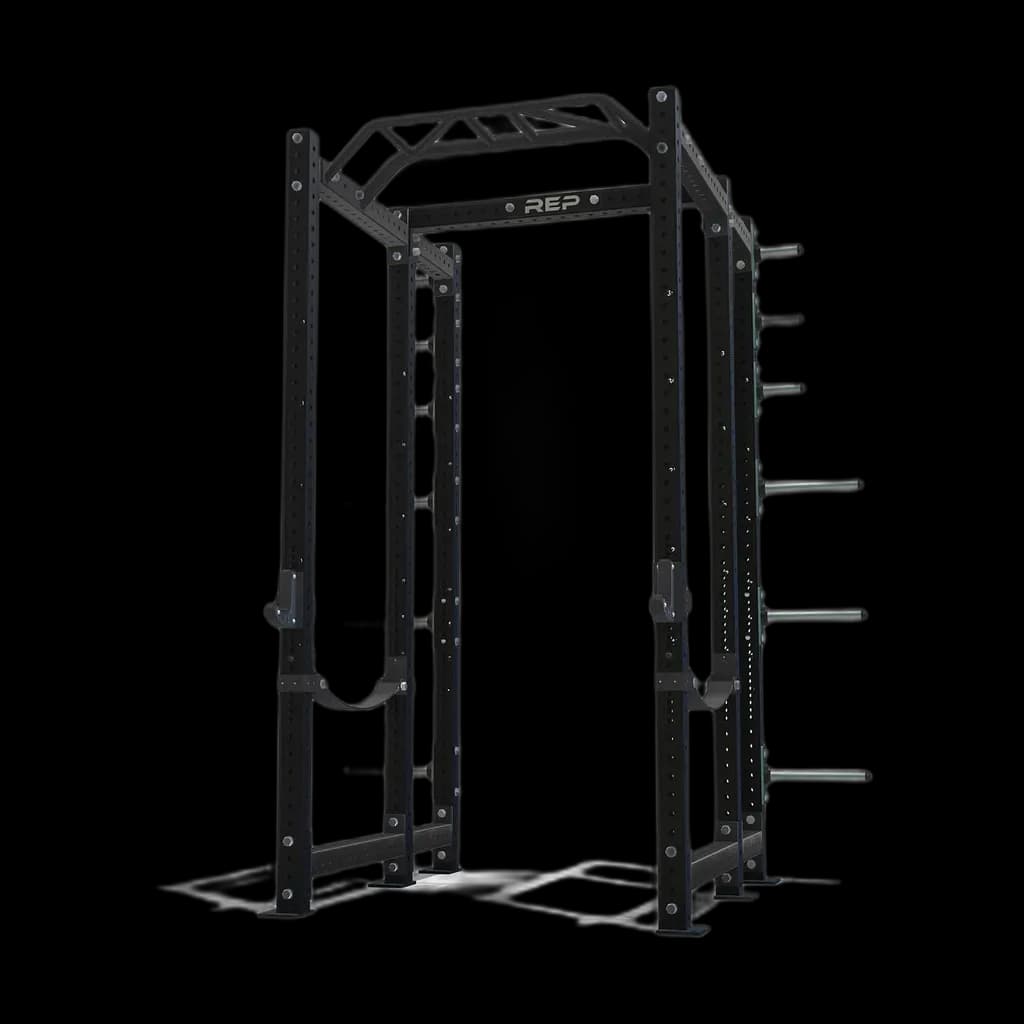 11-gauge 3x3" with Westside spacing for under $900. The default answer. ↑ 11-Gauge Steel↑ Westside Pattern↓ Freight ShippingBased on 25 buyer mentions | 4.8 Gym Score 86 | Pros
| Cons
| ~$849 | See our review |
 Benchmark American-made power rack. The reference point reviewers compare against. ↑ Steel Construction↑ Accessory Ecosystem↓ Brand-Direct OnlyBased on 25 buyer mentions | 4.9 Gym Score 85 | Pros
| Cons
| ~$1,095 | See our review |
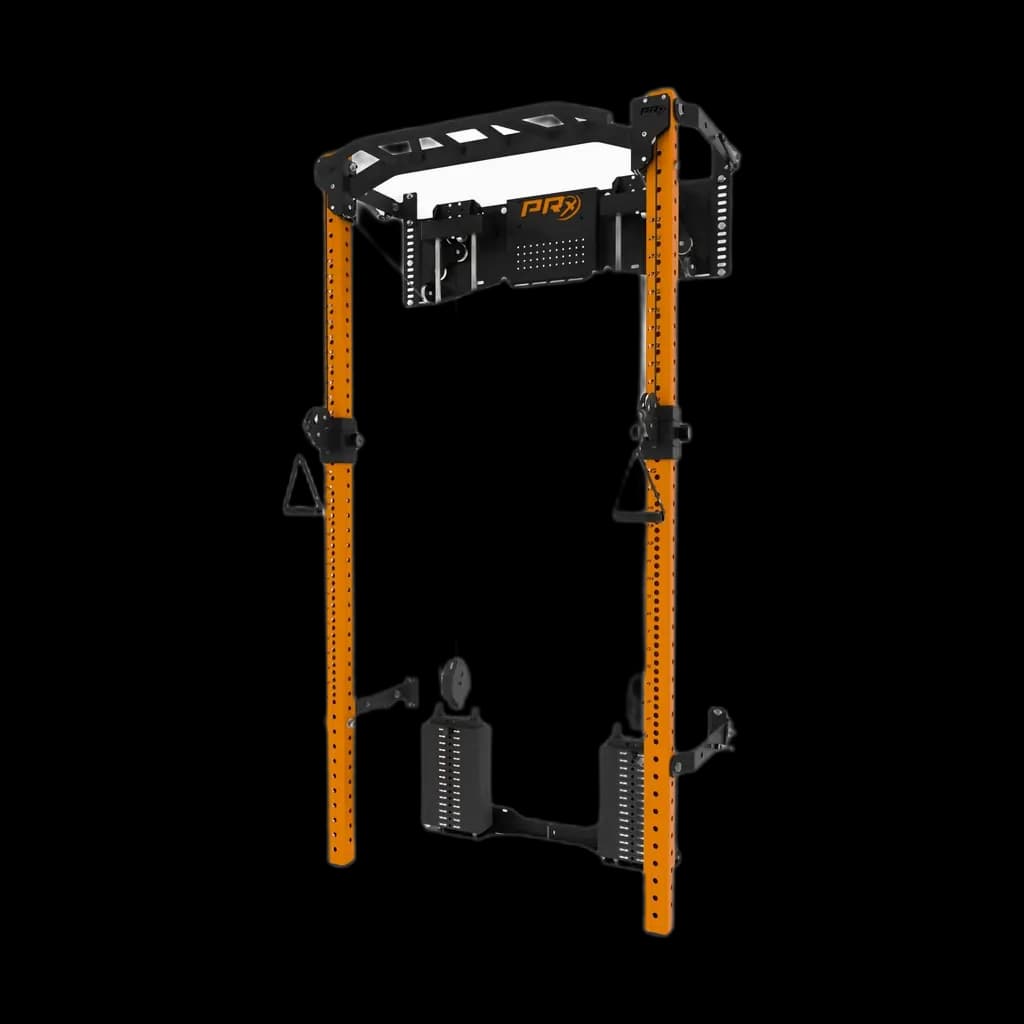 Folds to 4" depth against the wall. The only rack that truly disappears. ↑ Space-Saving Design↑ Build Quality↓ Premium PriceBased on 25 buyer mentions | 4.8 Gym Score 81 | Pros
| Cons
| $999.99 | Buy on Amazon |
| CAP Barbell Power Rack The cheapest full cage here that still states an ASTM-tested frame. CAP publishes 11- and 12-gauge steel tubing, a 46x50x85 inch footprint and 54 lb shipping weight, with J-cups, a pull-up bar and weight posts included. | 4.4 Gym Score 70 | Pros
| Cons
| $119.99 | Buy on Amazon |
| Sportsroyals Squat Rack with LAT Pulldown The one cage here that ships with a lat pulldown rather than selling it as an attachment. Sportsroyals states a 1200 lb capacity on a 50x50mm commercial steel frame, with upper and lower pulleys included. | 4.5 Gym Score 70 | Pros
| Cons
| $319.99 | Buy on Amazon |
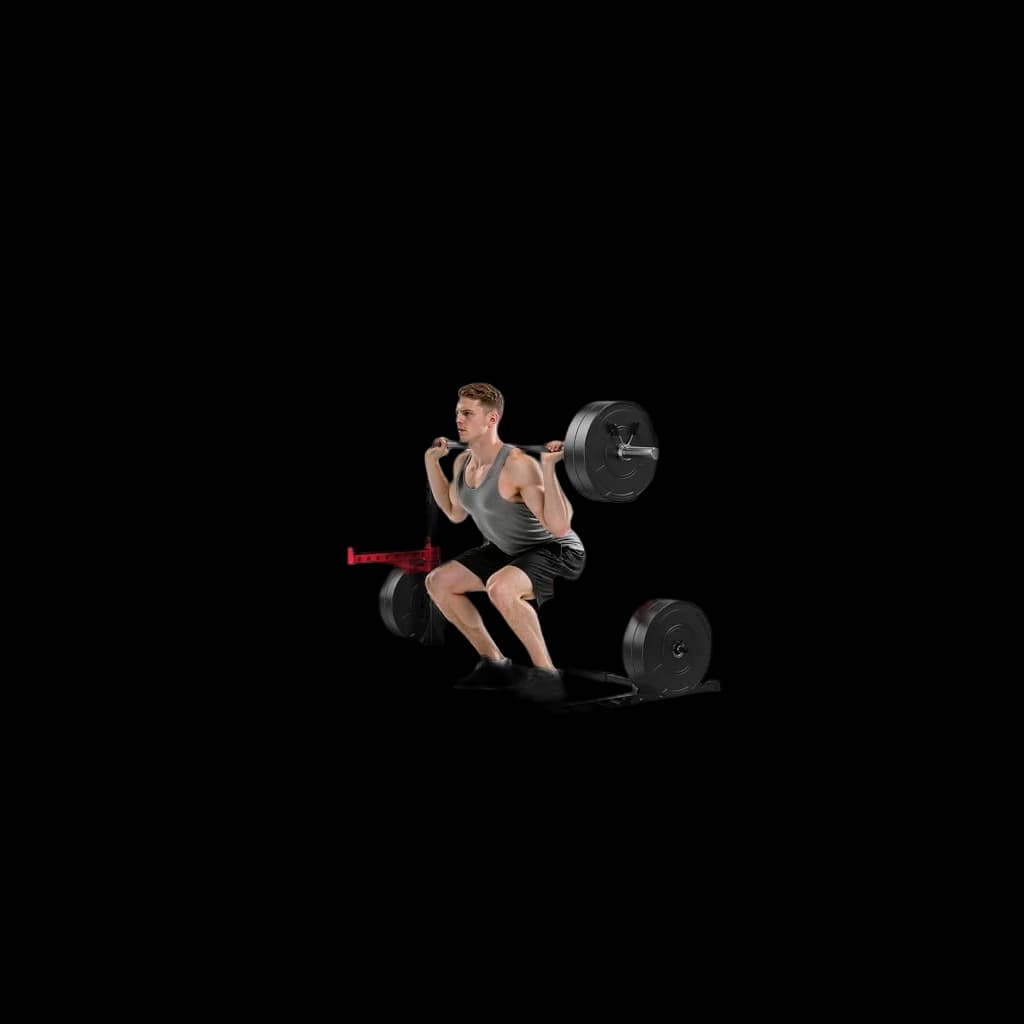 The half-rack option, which is the right shape when ceiling height or floor space rules out a full cage. FLYBIRD state an integrated pull-up bar and adjustable uprights. | 4.5 Gym Score 77 | Pros
| Cons
| $189.94 | Buy on Amazon |
Amazon prices checked Sep 12, 2026. Amazon prices change often — the listing is authoritative.
Cage specs side-by-side
Specs Amazon listings rarely aggregate. Sourced from manufacturer data sheets.
| Product | Gauge | Upright | Hole Pattern | Capacity | Footprint |
|---|---|---|---|---|---|
| Titan T-3 | 11-ga | 2x3" | 1"+2" | 1,000 lb | 48x53" |
| Rep PR-4000 | 11-ga | 3x3" | Westside 1" | 1,000 lb | 48x49" |
| Rogue R-4 | 11-ga | 3x3" | Westside 1" | 1,000 lb | 53x48" |
Pick by situation
Decide by your situation, not the generic ranking.
| If | You want | Pick |
|---|---|---|
| Most home gyms under $900 | You want 11-gauge 3x3" steel and Westside hole spacing without paying a brand premium | Rep Fitness PR-4000 |
| Tight or shared garage | The rack has to fold flat against the wall when you are not lifting | PRX Profile PRO |
| Buy-it-for-life, widest accessories | You want American-made steel and the deepest attachment catalog to grow into | Rogue R-4 |
TL;DR — should you read this?
- The Rep PR-4000 is the right rack for almost everyone. 11-gauge 3x3" uprights with Westside hole spacing for under $900. The Rogue R-4 is the lifetime upgrade if you want made-in-USA.
- A power rack is the one piece of equipment that determines every other purchase for the next decade — what bar fits, what attachments bolt on, what J-cups stay tight.
- Skip anything under $300 from big-box stores. The steel flexes, the holes are too coarse for safe bar settings, and the rack accepts no ecosystem accessories.
- Apartment dweller? A folding rack (PRX Profile PRO, Rogue RML-3W) gives you a real squat zone that disappears between sessions. Worth the attachment tradeoff.
- Bolt the rack to the floor or load the base with at least 200 lb of plates before pulling rack pulls. Unanchored racks tip.
Our pick
11-gauge 3x3" steel with Westside hole pattern at the Rogue-adjacent quality without Rogue pricing.
What separates a serious rack from a wobbly one
Three specs decide whether a rack is safe under heavy load. Everything else on a spec sheet is secondary.
| Spec | The threshold | Why it decides the purchase |
|---|---|---|
| Steel gauge | 11-gauge (0.120" wall) | Twelve-gauge wobbles, fourteen-gauge bends. Eleven is the floor above a 400 lb squat |
| Upright dimension | 3x3" | Shared by Rep, Rogue, Titan, Vulcan and Sorinex, so attachments cross over |
| Hole pattern | Westside — 1" through the bench zone, 2" elsewhere | Lets you set J-cups and safety bars to the inch |
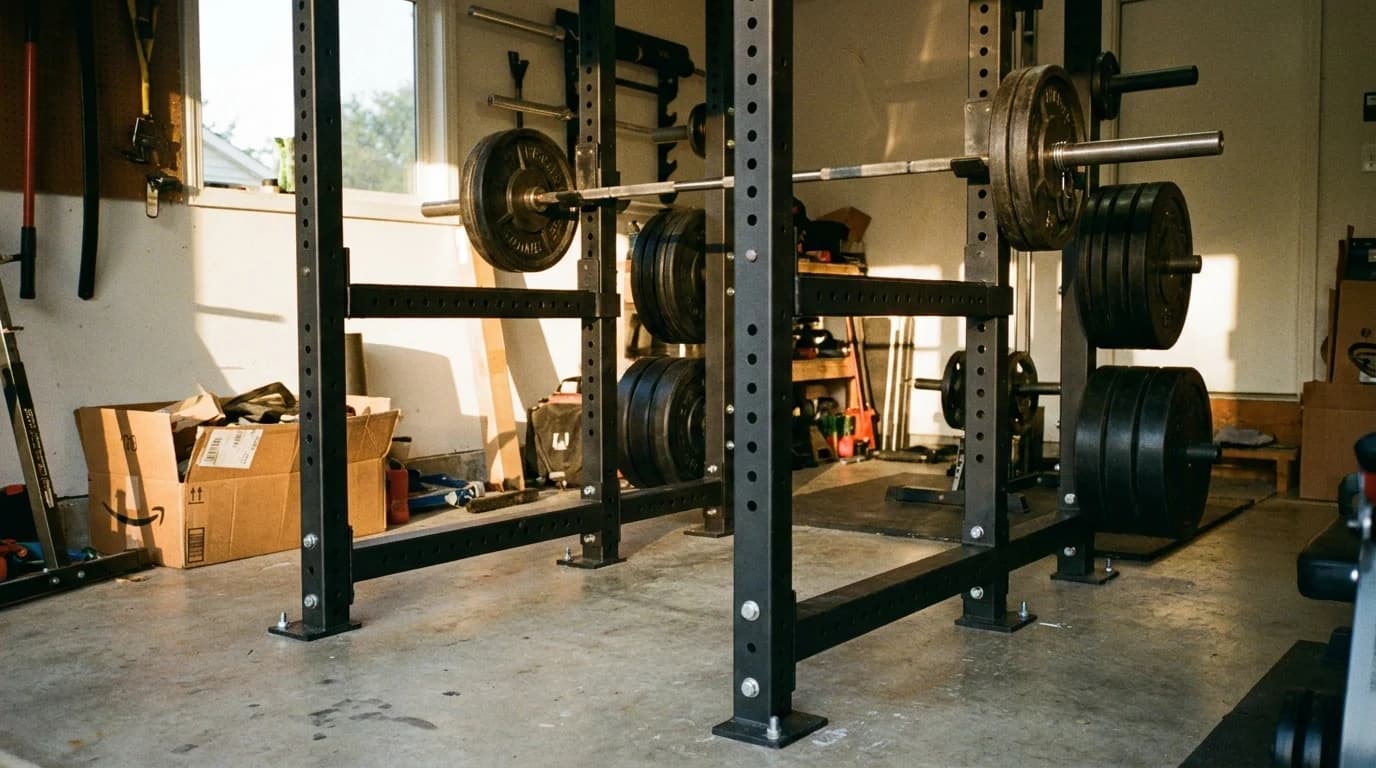
A flexing rack is a safety problem, not a comfort problem
The NSCA's resistance training position stand emphasizes that progressive overload requires equipment that doesn't fail at the loads you're chasing toward (NSCA position statements). A flexing rack changes the J-cup height between reps and turns safety bars into hopeful suggestions.
The spec nobody checks: footprint depth. A 30" deep rack feels tight inside the cage when you're benching; 41-48" leaves room for the bench plus the walk-out. In a narrow room, depth matters more than width.
The picks, ranked
| Rack | Price | Uprights | Best for |
|---|---|---|---|
| Rep Fitness PR-4000 | ~$849 | 11-ga 3x3", Westside | Most home lifters |
| Rogue R-4 | ~$1,095 | 11-ga 3x3", Westside | Lifetime build, made-in-USA |
| PRX Profile PRO | $999.99 | Wall-mount, folds to 6" | Apartments and shared garages |
| Titan T-3 | ~$549 | 11-ga 2x3", 1"+2" | Honest budget first rack |
| Force USA G3 | ~$1,899 | All-in-one column | Breadth over specialization |
1. Rep Fitness PR-4000 — ~$849 — Best for most home lifters
The default answer in 2026. Eleven-gauge 3x3" steel, Westside hole pattern, 1,000 lb static capacity, and a Rogue-adjacent accessory range at roughly 25% less. Assembly takes 2-3 hours but the tolerances are tight — bolts thread cleanly the first time, hole alignment is on. The plate storage horns and lat pulldown bolt-on options round out a 10-year build.
2. Rogue R-4 — ~$1,095 — Best for lifetime build, made-in-USA
The benchmark every reviewer compares against. Same 11-gauge 3x3" with Westside spacing as the PR-4000 plus the deepest attachment ecosystem on the market (Monster Lite footprint compatibility). Direct freight only, longer lead time, and you pay for the brand. Worth it if you want the rack you bolt down once and never replace.
3. PRX Profile PRO — $999.99 — Best for apartments and garage-share spaces
Folds flat to 6" of wall depth in 10 seconds. Wall-mount engineering means you keep the squat platform without surrendering the parking space. Tradeoffs: smaller accessory range than freestanding cages, requires stud-screwed mounting (renters: check your lease).
4. Titan T-3 — ~$549 — Best honest budget pick
Two-by-three-inch uprights drop a tier in stiffness but the steel is still 11-gauge and the build holds up at sub-400 lb squats. Hole pattern uses the older 1"+2" instead of Westside, so safety bar precision is slightly looser through the bench zone. Solid first rack at half the Rep price.
5. Force USA G3 All-in-One — ~$1,899 — Best for general fitness without losing the rack
Bundles a power rack, cable column, and Smith bar in one footprint. Real strength athletes won't pick this — the cable mechanism limits inside-cage flexibility. But for a single-rack home gym that needs to cover everything from lat pulldowns to squats, the G3 trades specialization for breadth.
What the research actually says
- Strength training meaningfully reduces all-cause mortality. The CDC's adult activity guidelines and the American Heart Association recommendations both call for muscle-strengthening activity at least twice weekly. The dose isn't optional.
- Equipment availability is the largest predictor of training adherence. Reviews summarized in Current Sports Medicine Reports (resistance training for health and performance) emphasize that the strongest training program is the one you actually complete consistently. A rack in your garage outperforms a gym membership you don't drive to.
- Spotter availability changes how lifters approach failure. Without a spotter (the home-gym reality), safety bars and J-cups are the only intervention between a missed lift and an injury. The NSCA emphasizes program design that accounts for solo training (NSCA articles hub).
- Progressive overload requires stable equipment. A rack that flexes alters bar path between sets, changing the lift's mechanics. Cornell's ergonomics group has long emphasized that equipment instability shifts neuromuscular control patterns.
- What the research does NOT support: the claim that a heavier rack improves training outcomes. Above the 11-gauge 3x3" threshold, additional steel buys you nothing in adaptation. Buying a 7-gauge competition rack for a 350 lb home squat is signalling, not strength.
What to skip
- Sub-$300 big-box racks (Marcy MWM-988, generic Amazon brands). The 14-gauge 2x2" uprights wobble at 200 lb. Hole spacing is too coarse for safe bar height. No accessory ecosystem.
- 2x2" "junior" racks marketed as space-savers. They accept no real bar. The plate storage horns bend after a few months of unracking 25 lb plates. False savings.
- Squat stands without safety bars. A squat stand is fine for cleans and jerks where you bail forward. It's a broken collarbone waiting to happen for solo benching. Get the rack.
- All-in-one machines with built-in functional trainers. The bolt-on cable column reduces inside-cage depth by 4-8" — enough to make bench setup awkward. Either get a dedicated rack or get a functional trainer separately.
How to actually buy this
Step 1: measure your ceiling. Most racks need 80-90" of vertical clearance. Garages with sloped door tracks lose 4-6" — measure where the rack will live, not the highest point.
Step 2: decide freestanding vs wall-mount. The room usually makes this decision for you.
Freestanding wins when:
- You want the widest accessory range
- You have the floor area to leave it standing
- You'll add a lat pulldown or dip attachment later
Wall-mount wins when:
- The room does double duty as a parking space
- Floor area is the binding constraint, not budget
- You can screw into studs and your lease allows it
Step 3: pick a hole pattern. Westside 1" through the bench zone is the modern default. If you'll never bench, the older 2" spacing is fine. But Westside spacing is now standard across the major brands, so don't pay a premium to downgrade.
Step 4: budget for plates and a bar. A rack without 300+ lb of bumpers and a real bar is decoration. Allocate 30-40% of total budget to the rack, 60-70% to the bar + plates + bench combination.
Do this before your first rack pull: bolt the rack down. Even a 200 lb cage tips when unanchored, and anchoring is the cheapest capacity upgrade you will ever buy.
How we evaluated
We scored each rack on Build Quality (gauge, upright dimension, hole pattern), Versatility (attachment range, ecosystem compatibility, accessory cost), and Footprint & Safety (anchoring, depth, safety bar precision). Dimensions sourced from manufacturer specs. Owner reports paraphrased from r/homegym threads on rack durability. We do not perform physical product testing — we synthesize manufacturer specs, third-party engineering data, and owner-reported failure modes. See /methodology for the scoring weights.
Before ordering a rack, it is worth confirming the ceiling and clearance math for your exact room: the free GymScored home gym planner places any of these racks into your floor plan and flags overhead-press and pull-up-bar conflicts before you buy.
Frequently Asked Questions
Do I need 11-gauge steel?+
If you'll squat over 400 lb or bolt on attachments later, yes. 14-gauge is fine for general fitness under 300 lb.
Westside vs 1-inch spacing?+
Westside (1" through the bench zone, 2" elsewhere) gives precision where you need it. Standard 1" everywhere is also fine — just slightly more upright drilling.
Can I bolt the rack down?+
Strongly recommended for any rack over 250 lb capacity if you'll be pulling pull-ups or reracking heavy loads. Most racks include bolt-down brackets.
Should I get a 6-post or 4-post rack?+
Four-post for almost everyone. Six-post adds plate storage and pull-up bar redundancy but eats 8-12" more depth. Unless your room is unusually deep, four-post is the right call.
How long do J-cups and safety bars last?+
Quality steel J-cups (Rogue, Rep) last decades with normal use; the UHMW plastic inserts that protect the bar finish wear in 5-10 years and are cheap to replace ($15-30/pair). Safety bars don't wear meaningfully.
Is a power rack overkill if I only bench?+
Yes, but only barely. A bench-only setup needs at least a squat stand with safeties because solo bench is the most dangerous lift in a home gym. The price gap between a half rack and a full rack is small enough that most lifters end up with the full rack.
Sources & Research
- BIFMA — ANSI/BIFMA G1-2013 Ergonomics Guidelinestandards
- REP Fitness — PR-4000 Power Rack — published specifications (3x3-inch 11-gauge uprights, 5/8-inch holes, 1-inch bench-zone hole spacing, 1,000 lb rackable)manufacturer
- Stronger By Science — Training equipment fundamentalsresearch
- r/homegym — Community rack discussioncommunity
- CDC — Adult Physical Activity Guidelinesauthority
- ACSM — Physical Activity Guidelinesauthority
- NSCA — NSCA Position Statementsauthority
- American Heart Association — Recommendations for Physical Activity in Adultsauthority
- Cornell Ergonomics — Cornell University Ergonomics Web (CUErgo)research
Related reviews
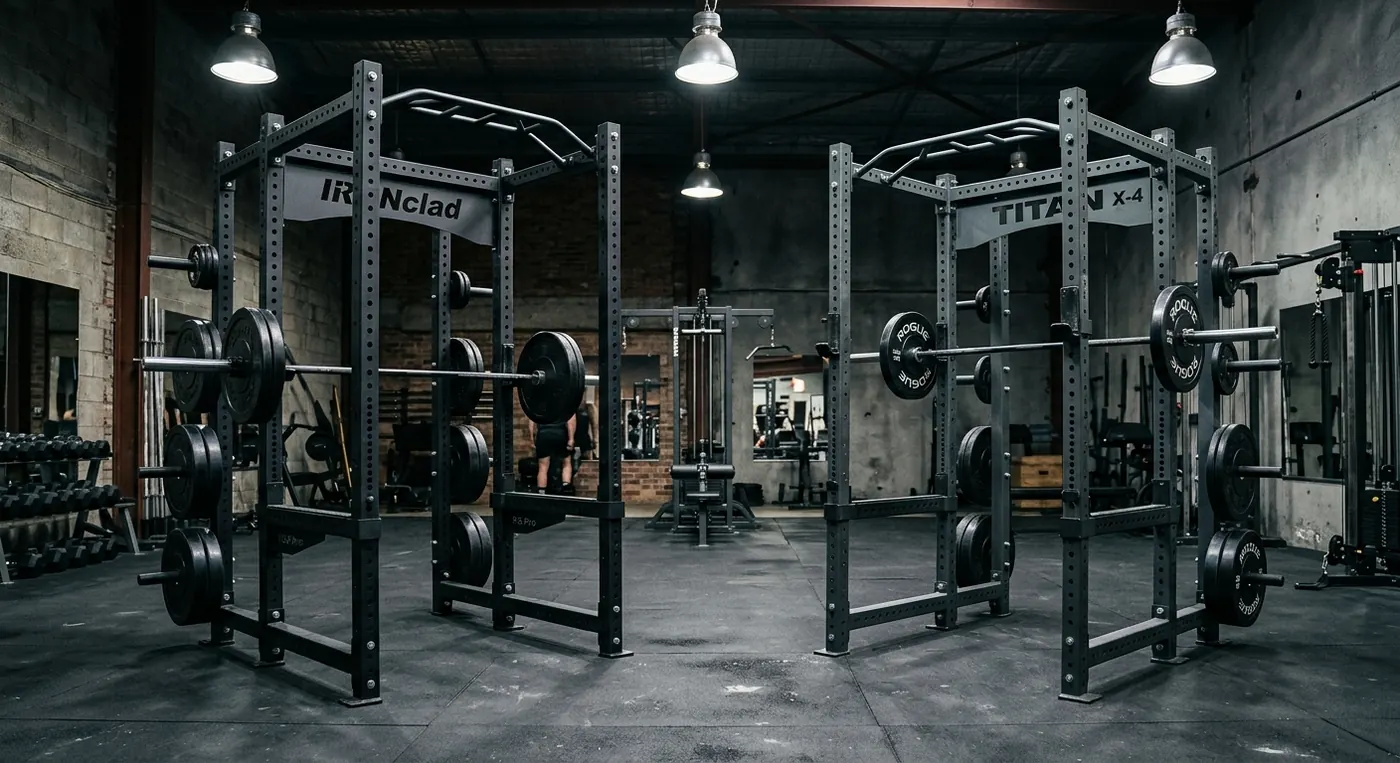
Rep PR-4000 vs Rogue R-4: Which Power Rack Wins in 2026?
Rep PR-4000 vs Rogue R-4: the PR-4000 runs 3x3 inch 11-gauge uprights, the R-4 runs 2x3 inch, and the R-4 ships with the attachments Rep charges for. How to pick.
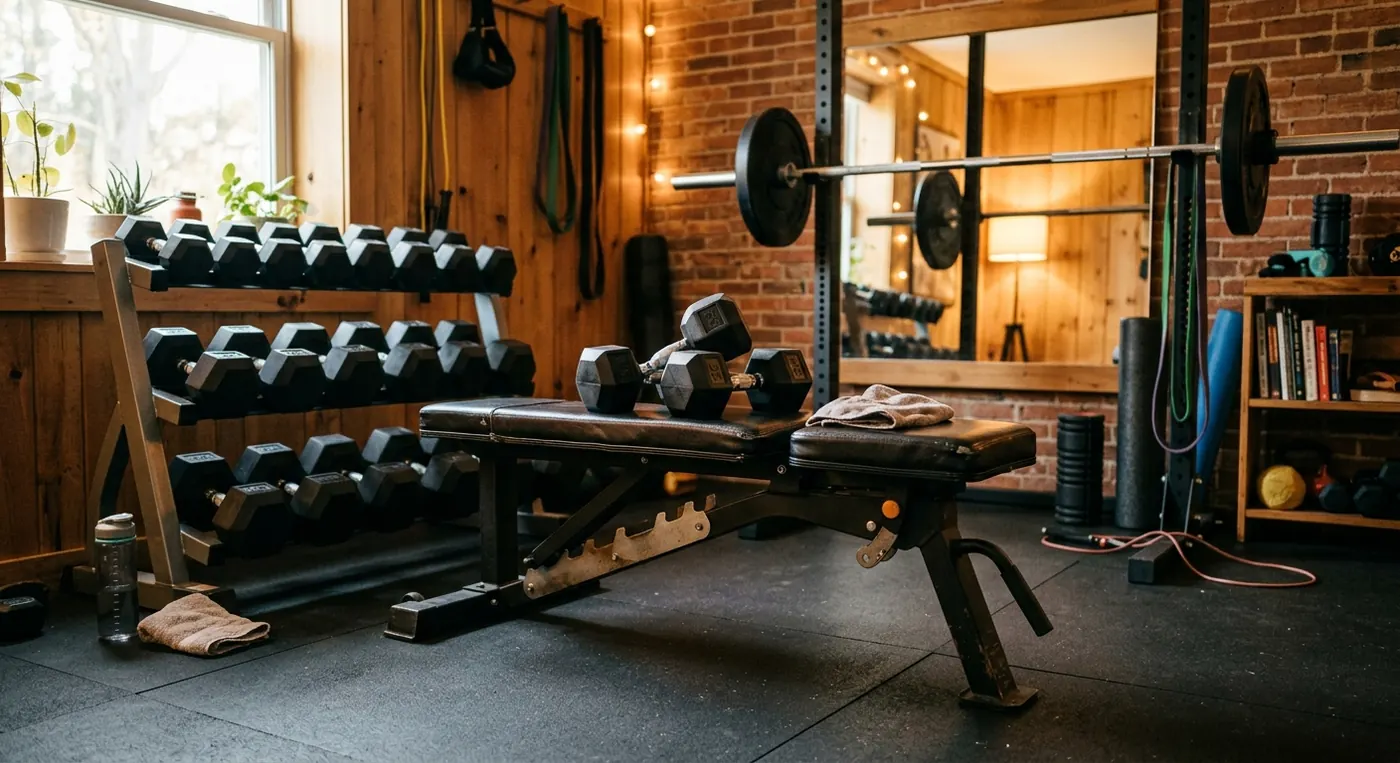
Best Weight Benches for a Home Gym
The Rep AB-5200 is the best weight bench under $400; the Rogue AB-3 is the lifetime pick. We scored 8 benches on stability, adjustability, and pads.
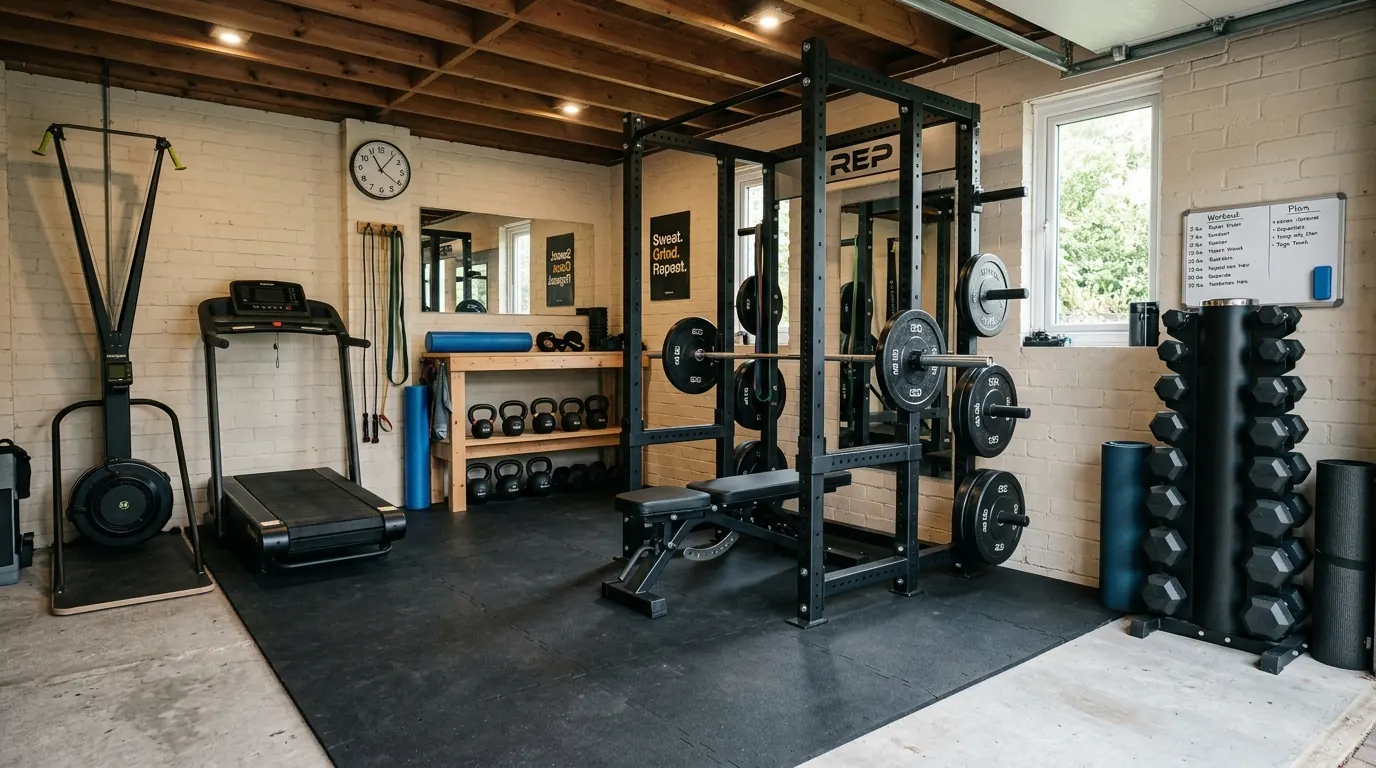
How to Build a Home Gym on Any Budget
Five complete home gym builds at $500, $1,500, $3,500, $7,500, and $15,000 - what to buy first, what to add later, and what to skip at every budget level.
Hilly Shore Labs
Editorial teamThe independent product research team behind GymScored. Every recommendation is researched, never hands-on tested — rankings come from manufacturer specifications, published standards, and aggregated buyer sentiment.
163 products scored across 26 home gym categories, each on the same 5-dimension Gym Score formula.
See the scoring methodology and who we are.
Affiliate disclosure: GymScored is a participant in the Amazon Services LLC Associates Program. We earn from qualifying purchases at no extra cost to you. Full disclosure →