How GymScored is paid: Amazon Associates commission plus brand-direct affiliate (Rogue / REP / Titan when approved). No sponsored placements, no paid reviews, no pay-to-rank. Picks are ranked by the Gym Score formula and nothing else. Read the full disclosure.
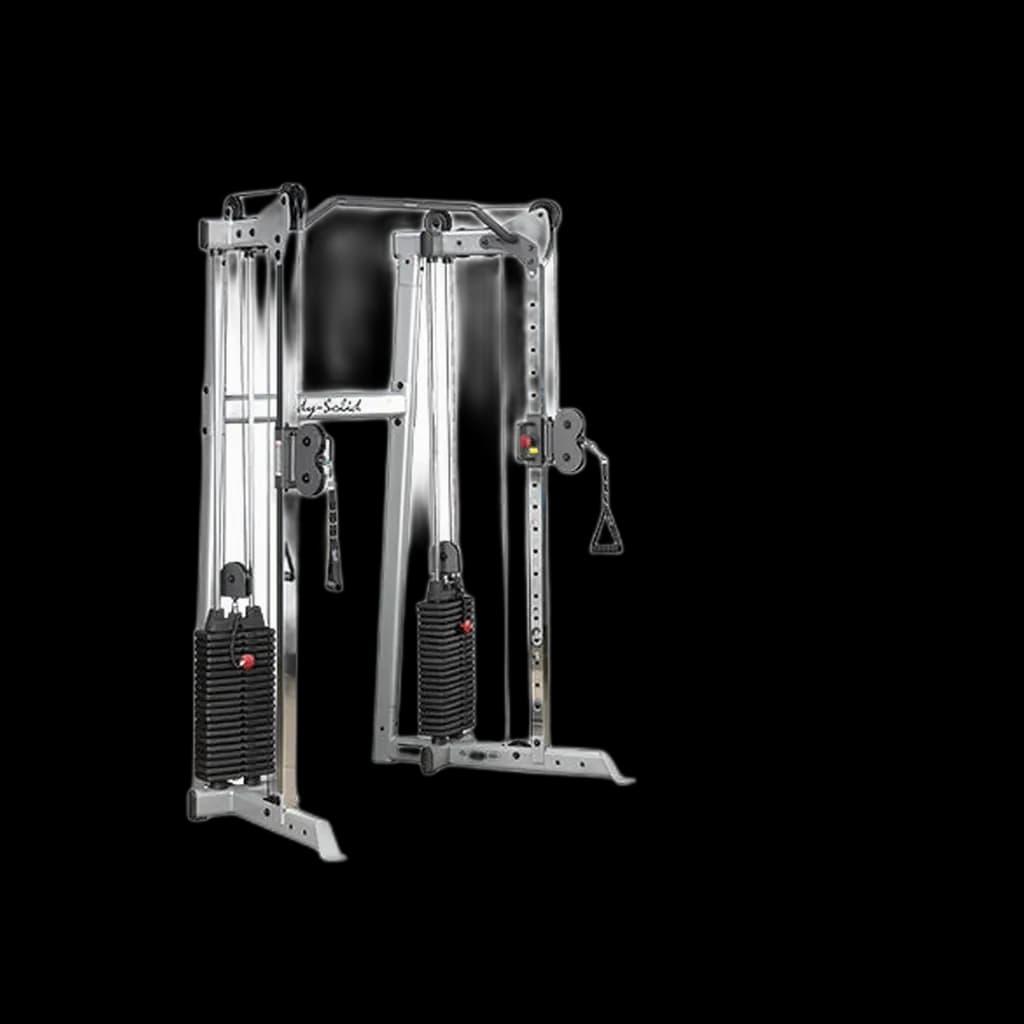
Bowflex Xceed Home Gym vs Body-Solid GDCC210 Functional Trainer
Quick verdict
Winner on Gym Score: Body-Solid GDCC210 Functional Trainer (93)
The Body-Solid GDCC210 is a real commercial-grade functional trainer with dual 210 lb stacks; the Bowflex Xceed is a Power Rod home machine. The Body-Solid wins on cable feel, durability (lifetime warranty on frame), and load ceiling. The Bowflex wins on price, footprint, and exercise variety. If you have the budget and the floor space, the Body-Solid is the better long-term tool. If you don't, the Bowflex is a respectable compromise.
Choose the Bowflex Xceed if you want one piece of equipment that handles 60+ exercises in 16 inches of wall depth at under $1000. Best for renters and small-space lifters.
Read the full review →Choose the Body-Solid GDCC210 if you want commercial cable feel, dual independent stacks for unilateral work, and a system that lasts 20+ years. Best for permanent garage or basement gyms.
Read the full review →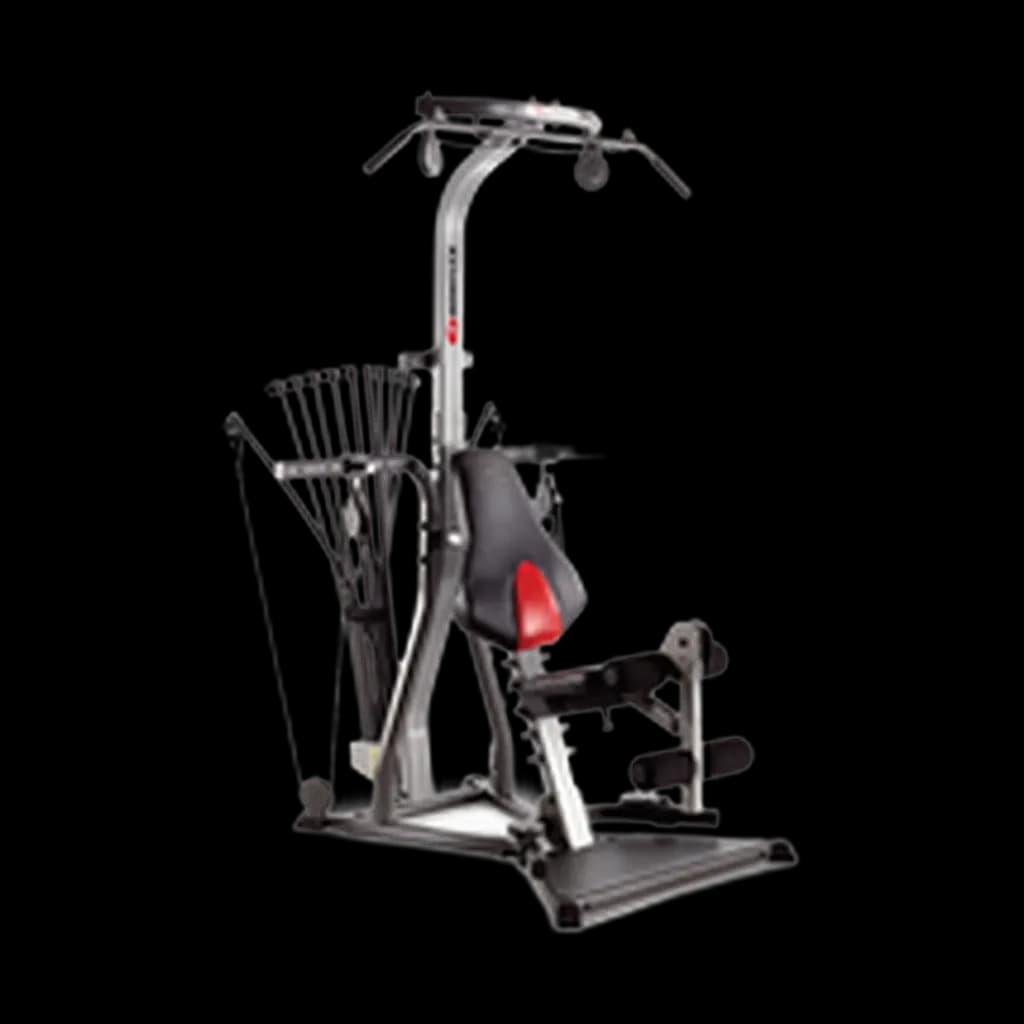
- · General fitness and toning at home, especially for beginners and intermediate users who value compact footprint, low joint impact, and a wide exercise catalog over heavy free-weight loading.
Spec-by-spec
| Spec | Bowflex Xceed Home Gym | Body-Solid GDCC210 Functional Trainer |
|---|---|---|
| Resistance | 210 lb (upgradable to 410 lb) | — |
| Exercises | 65+ | — |
| Footprint | 8' x 6.5' | 50" x 50" |
| Stack Weight | — | 2 × 160 lb (effective 80 lb at handle, 2:1) |
| Pulley Positions | — | 19 |
| Warranty | — | Lifetime structural |
Bowflex Xceed Home Gym
- +Compact footprint
- +210 lb Power Rod resistance
- +65+ exercises
- +Available on Amazon Prime
- −Power Rods aren't a free-weight feel
- −Resistance peaks at lockout
- −Not for advanced lifters
Body-Solid GDCC210 Functional Trainer
- +Dual 160 Lb Stacks
- +2:1 Pulley Ratio
- +19 Height Positions
- −Brand/Dealer-Direct Only
- −Freight Shipping Only
The real tradeoff
The Body-Solid's footprint is the unspoken cost — roughly 7 feet wide by 5 feet deep with cable extension space. Many home users underestimate the swing radius needed for cable crossovers. The Bowflex folds against a wall when not in use; the Body-Solid is permanent. Assembly time is similar (3-4 hours) but the Body-Solid needs two strong people for the stack lifts.
Skip both if you mainly want to bench, squat, and deadlift. A power rack with a barbell and plates gives you 90 percent of strength training capacity at lower cost. Add cables later if you miss them. Browse /category/cable-machines.
Buyer questions
What's the practical difference between dual 210 lb stacks and one 210 lb stack?
Dual stacks let each arm work independently — left arm pulls its own 100 lb, right arm pulls its own 100 lb, with separate cables. This matters for unilateral training, crossovers, and rehab work where left-right asymmetry needs isolation. The Bowflex's single rod system can't replicate this.
Does the Body-Solid need ceiling clearance?
Yes — the lat pulldown station needs about 7.5 feet of vertical clearance. Standard 8-foot residential ceilings work, but 7-foot basement ceilings will not. Measure before buying. As with most fitness equipment, the best choice is the one you'll actually use consistently over the next 12 months.
Can the Body-Solid attach a power rack or rack rails?
Not directly — it's a standalone functional trainer. If you want a rack plus cables in one footprint, look at hybrid systems like the Force USA G6 or Rogue Monster Rack with cable attachment instead. As with most fitness equipment, the best choice is the one you'll actually use consistently over the next 12 months.