How GymScored is paid: Amazon Associates commission plus brand-direct affiliate (Rogue / REP / Titan when approved). No sponsored placements, no paid reviews, no pay-to-rank. Picks are ranked by the Gym Score formula and nothing else. Read the full disclosure.
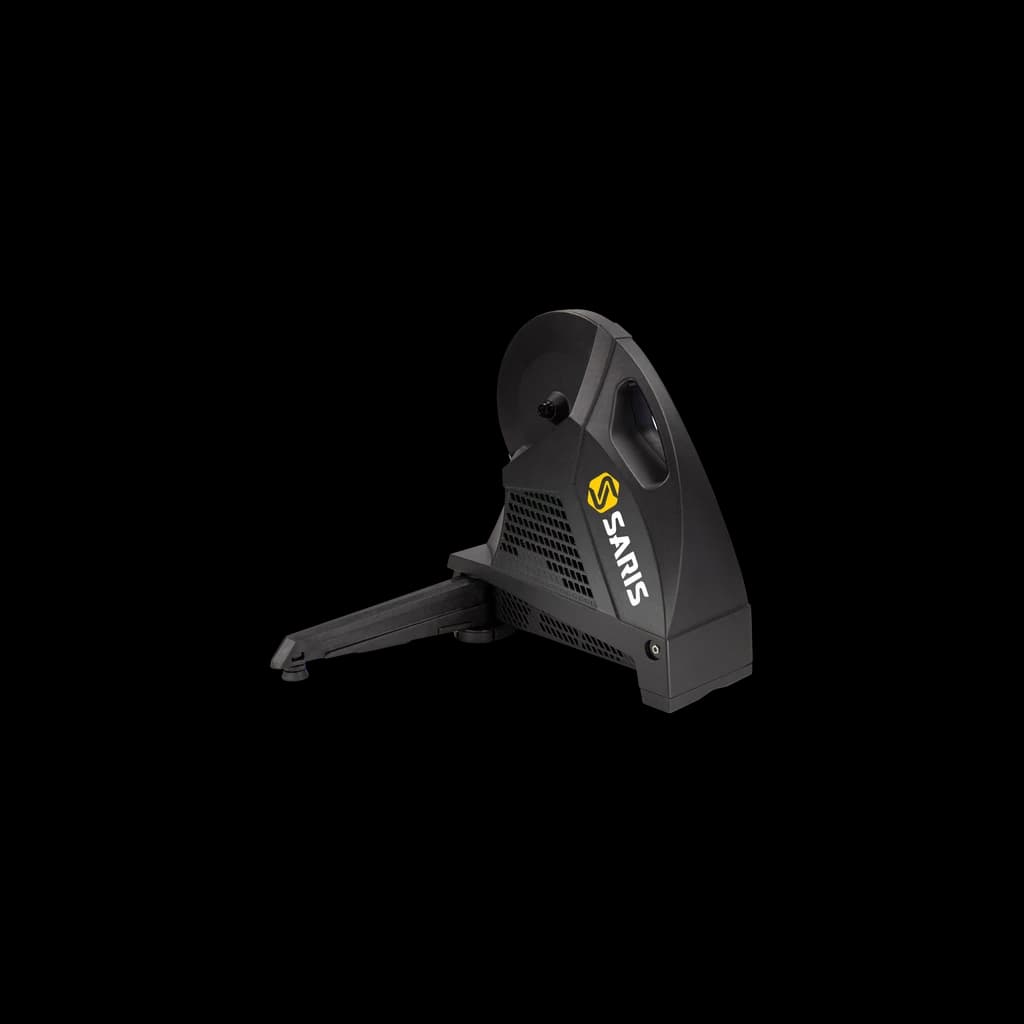
Wahoo Kickr V6 vs Saris H3 Direct Drive
Quick verdict
Winner on Gym Score: Wahoo Kickr V6 (87)
The KICKR V6 is the more polished direct-drive, the Saris H3 is the more practical one. KICKR V6 has WiFi, better gradient feel, and Wahoo's race mode. Saris H3 is quieter (59 dB vs. 60 dB), has a larger flywheel for road feel, and costs significantly less. For most indoor cyclists, the H3 is the better buy. KICKR V6 is the right call for serious Zwift racers.
Choose the KICKR V6 if you race on Zwift seriously, need WiFi sync for race-pace transitions, or already use Wahoo's ecosystem (ELEMNT, TICKR).
Read the full review →Choose the Saris H3 if you want the quietest direct-drive trainer in the category, value larger flywheel road feel, and don't need racing-grade WiFi sync. Often available at meaningful discount.
Read the full review →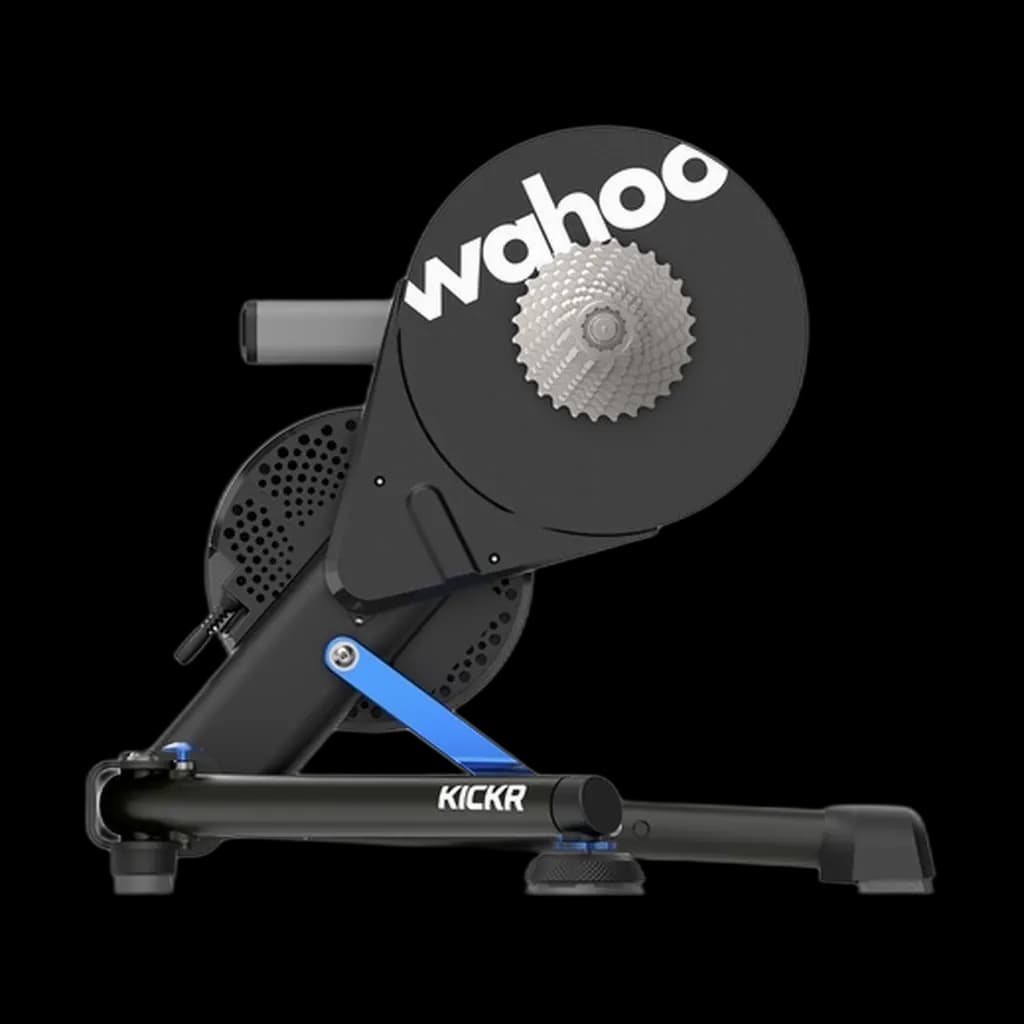
- · Serious road or gravel cyclists who race Zwift, TrainerRoad, or Rouvy multiple times a week
- · Riders coming off wheel-on trainers who want quieter, more accurate power numbers
- · Households on shared WiFi who have suffered Bluetooth dropouts mid-race
Spec-by-spec
| Spec | Wahoo Kickr V6 | Saris H3 Direct Drive |
|---|---|---|
| Drive Type | Direct-drive | Direct-drive |
| Accuracy | ±1% | ±2% |
| Max Gradient | 20% | 20% |
| Max Power | 2,200 W | 2,000 W |
| Connectivity | WiFi, ANT+ FE-C, Bluetooth FTMS | ANT+ FE-C, Bluetooth FTMS |
Wahoo Kickr V6
- +±1% power accuracy
- +20% simulated gradient
- +WiFi-direct streaming
- +Quiet belt drive
- +Works with every major app
- −Cassette sold separately
- −Heavy (47 lb)
- −Premium price
Saris H3 Direct Drive
- +Near-Silent Operation
- +±2% Accuracy
- +20% Gradient
- −Cassette Not Included
- −Saris Brand Has
The real tradeoff
Ecosystem lock-in matters more than spec sheets here. KICKR V6 integrates seamlessly with Wahoo ELEMNT computers, TICKR straps, and CLIMB add-on. Saris doesn't have a comparable ecosystem — its companion devices are minimal. If you already own Wahoo gear, V6 stays in the family. If you don't, the H3's standalone reliability wins. Service network coverage in the US slightly favors Wahoo — more authorized dealers for quick belt and electronics swaps.
Skip both if you mainly want a trainer for shoulder-season transition workouts. A wheel-on trainer like the Saris Magnetic Plus is half the price and adequate for casual indoor riding. Browse /category/smart-trainers.
Buyer questions
Does the Saris H3 work with Zwift?
Yes — full Bluetooth and ANT+ FE-C support, identical Zwift compatibility to the KICKR. Trainer dropouts and reconnection behavior are very similar. The only Zwift feature you miss is the V6's WiFi-only faster sync. User adherence over months matters more than peak intensity in any single session — pick what you'll actually use.
Which has better road feel?
The H3 has a 20 lb flywheel vs. the KICKR V6's 16 lb, which translates to slightly heavier, more road-like momentum on flats and during coasting. The V6's gradient simulation feels more accurate on climbs, especially above 10 percent. Pick H3 for road feel, V6 for climbing.
Are spare parts available for both?
Both companies maintain parts inventory well. Belts, cassettes, and electronics are replaceable on both. Wahoo's repair network is slightly larger in the US; Saris has stronger reputation for free out-of-warranty repairs. Replacement parts availability is worth checking before purchase — orphaned products lose value fast when parts dry up.