Best Rowing Machines for Home Use in 2026
Six home rowers ranked. The Concept2 RowErg wins on data and durability; Hydrow Origin is the guided-class pick and the Sunny magnetic the budget entry.
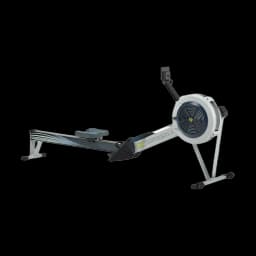
- PM5 monitor included, with splits comparable across every RowErg
- Air resistance scales with how hard you pull
- Separates into two pieces for storage
Evidence snapshot · Updated October 21, 2026
The evidence-backed answer
Concept2 RowErg is our default pick for the scope of this guide: PM5 monitor in the box, air resistance that scales with every stroke, and splits that compare across every RowErg — the standard indoor rower in gyms, boathouses and home basements alike.
Scope: 6 shortlisted products compared using published specifications, owner-feedback signals, value and category-specific performance. 6 comparison entries match our catalog. Retailer rating totals are snapshots, not a count of people whose reviews we independently analyzed. This is research synthesis, not hands-on testing.
The side-by-side comparison below carries each shortlisted product's owner rating, price context, pros, cons and buy state in one actionable view.
How GymScored is paid: Amazon Associates commission plus brand-direct affiliate (Rogue / REP / Titan when approved). No sponsored placements, no paid reviews, no pay-to-rank. Picks are ranked by the Gym Score formula and nothing else. Read the full disclosure.
Concept2 RowErg if you want the gold standard. Hydrow Origin if you want guided classes and will pay for the membership. WaterRower Club for looks, Sunny for a budget start, Merach R280 for a water stroke on a small budget. Skip hydraulic rowers entirely.
| Product | Owner rating | Key specs | Pros | Cons | Price | Buy |
|---|---|---|---|---|---|---|
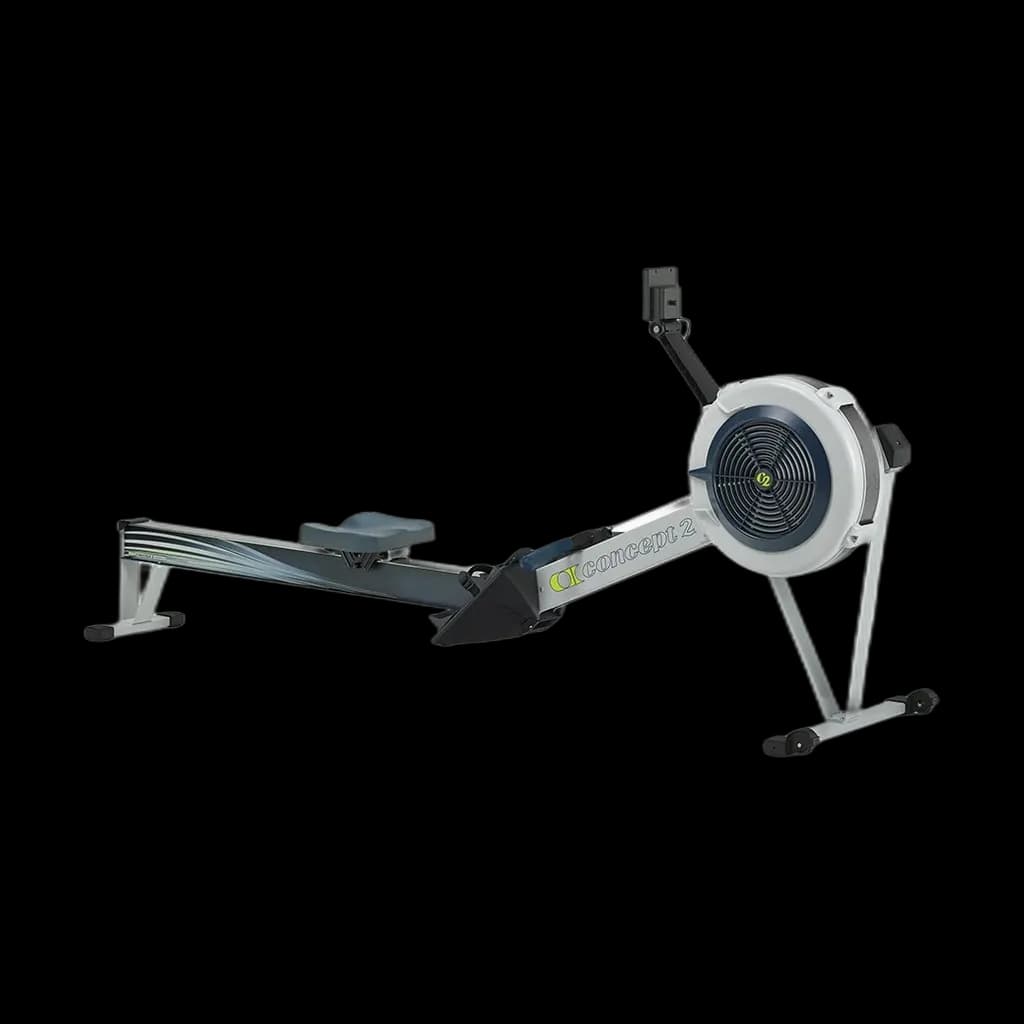 PM5 monitor measures watts (not just distance), so coaches and athletes worldwide compare on the same number. ↑ Quality↑ AssemblyBased on 6,084 buyer mentions | Owner rating Gym Score 86 | Key specs
| Pros
| Cons
| $990.00 | Buy on Amazon |
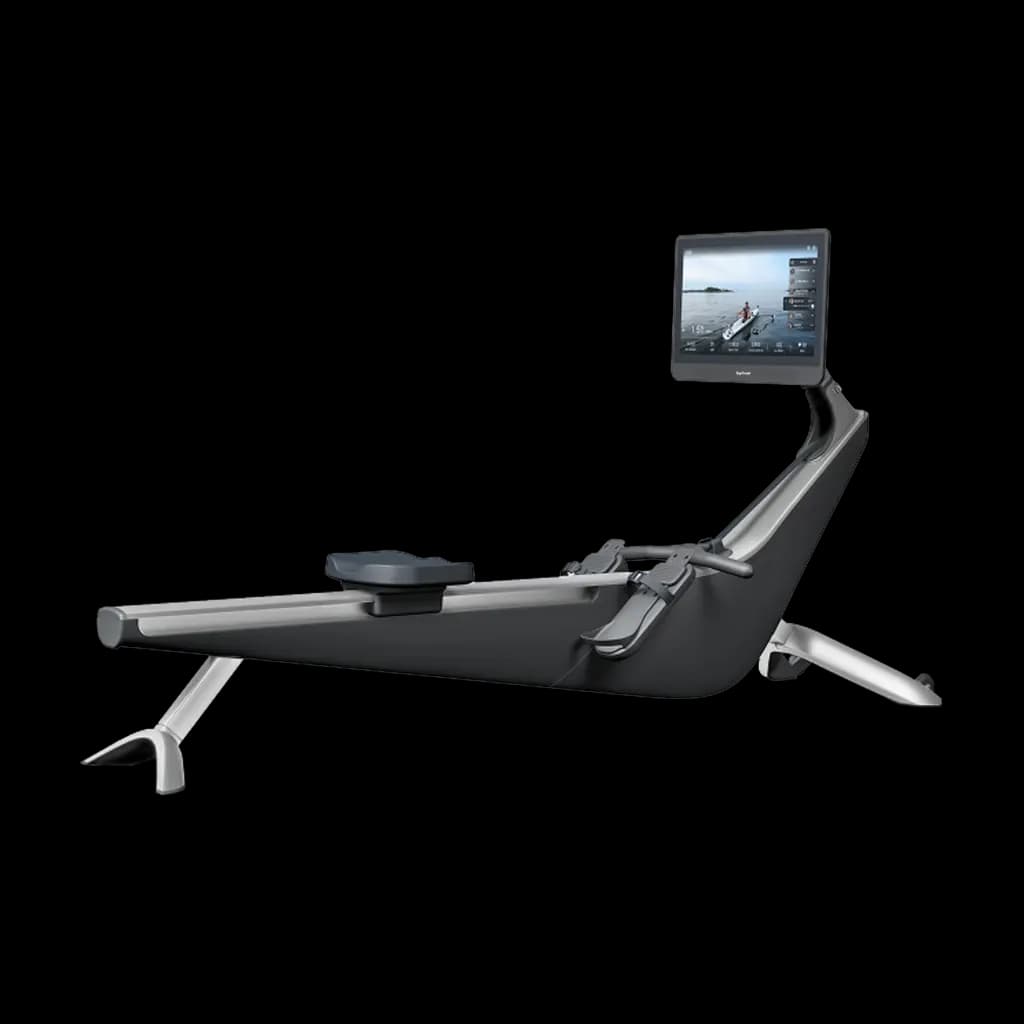 Premium guided experience: magnetic resistance, filmed-on-water classes and a 22-inch screen. | Owner rating Gym Score 69 | Key specs
| Pros
| Cons
| $2,195.00 | Buy on Amazon |
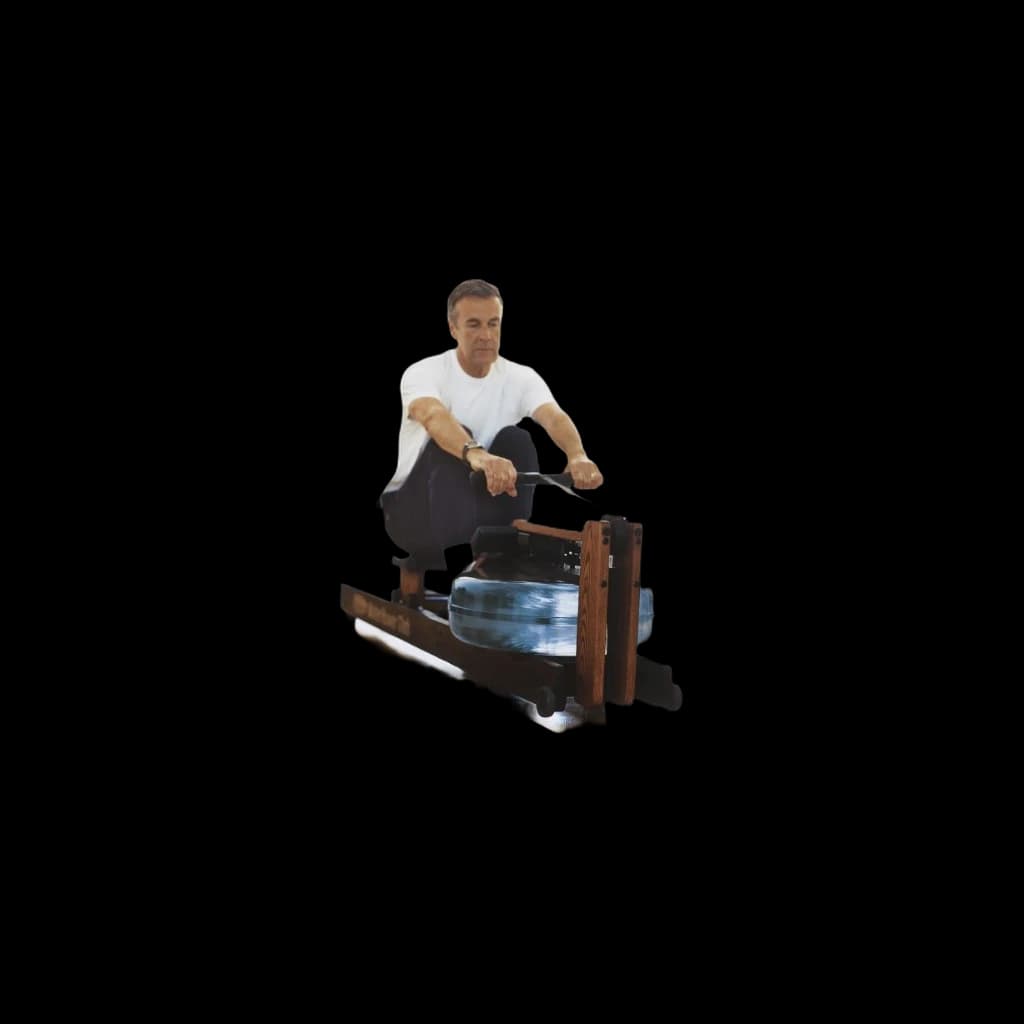 Ash wood and a real water tank: the quiet, good-looking rower that stands upright in a corner. | Owner rating Gym Score 75 | Key specs
| Pros
| Cons
| $1,424.00 | Buy on Amazon |
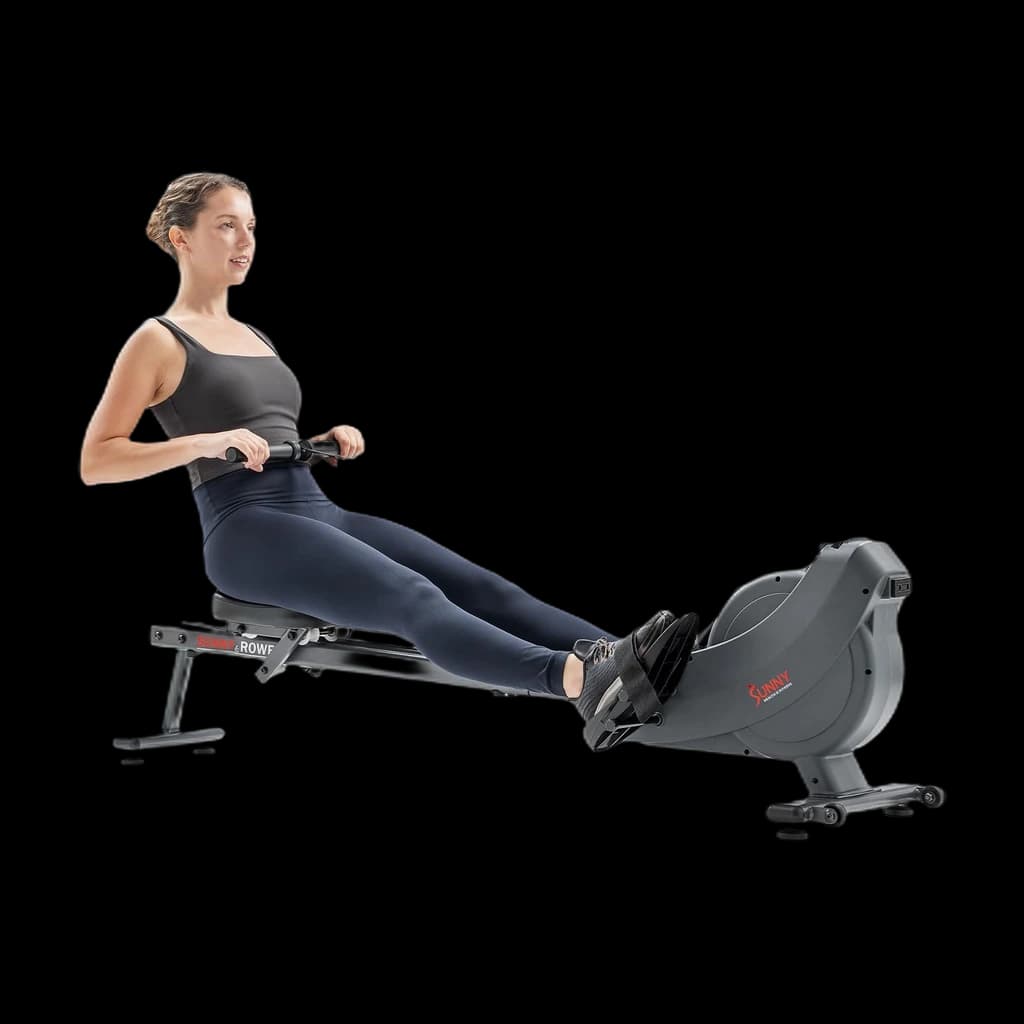 The honest entry point. Sixteen magnetic levels, a 45.7-inch rail and a 300 lb capacity, at roughly a fifth of what the top of this page costs. | Owner rating Gym Score 78 | Key specs
| Pros
| Cons
| $199.99 | Buy on Amazon |
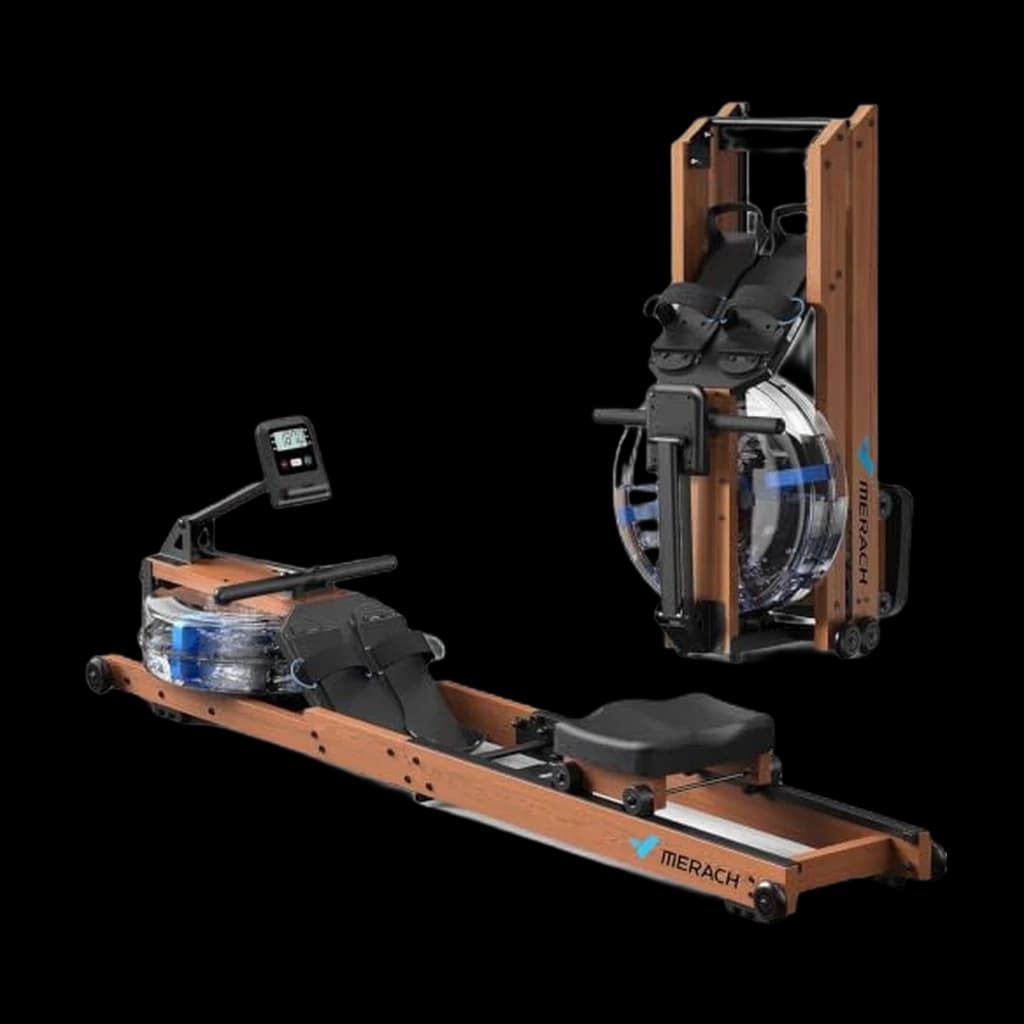 The water stroke at a budget price: a water tank on a solid-wood frame that folds for storage, with a 400 lb capacity Merach states. Lighter-duty than the WaterRower, and the monitor is basic. | Owner rating Gym Score 78 | Key specs
| Pros
| Cons
| $299.99 | Buy on Amazon |
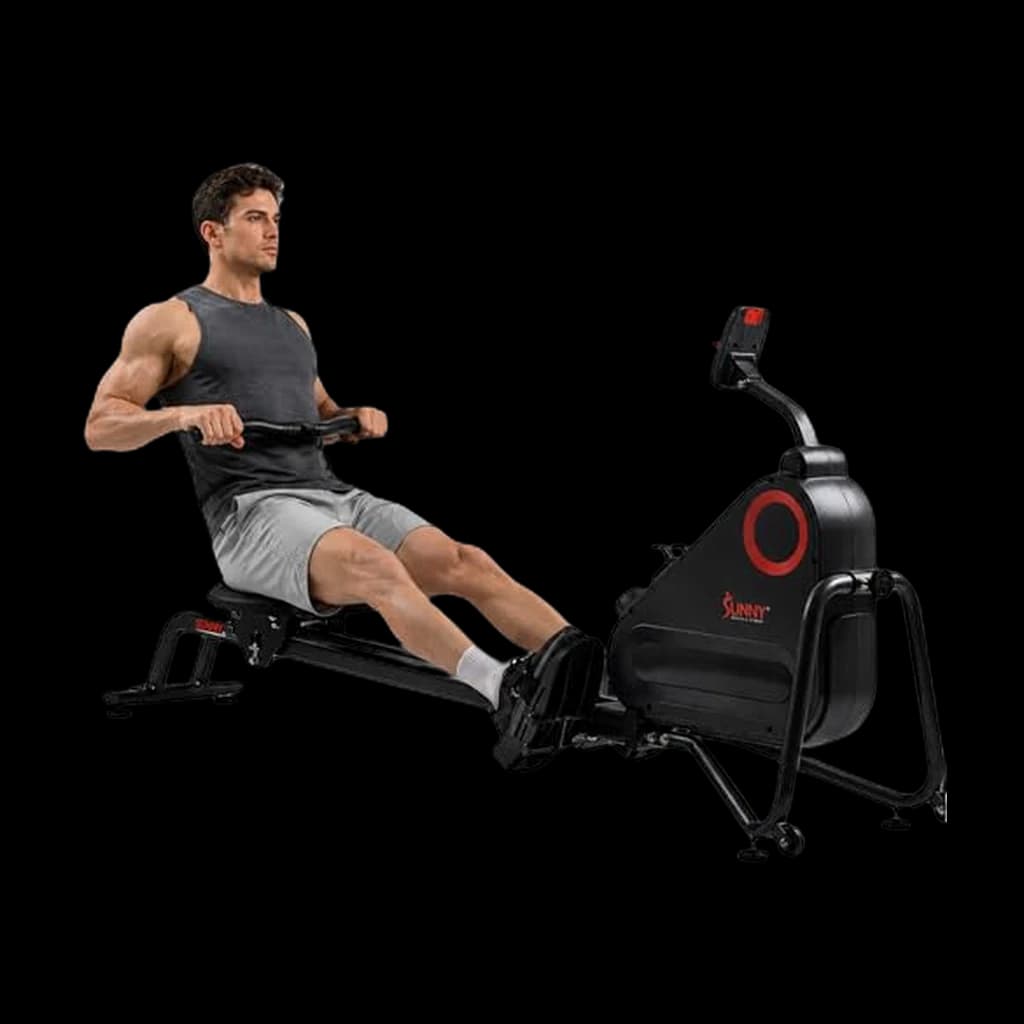 The quiet magnetic step between the Sunny entry rower and the Concept2: dual rails, 16 levels, a 300 lb capacity, and Kinomap and SunnyFit app support. | Owner rating Gym Score 78 | Key specs
| Pros
| Cons
| $399.99 | Buy on Amazon |
Amazon prices checked Oct 17, 2026. Amazon prices change often — the listing is authoritative.
Rower specs side-by-side
Resistance, monitor and fit data from the manufacturers' own spec pages, checked October 15, 2026; Merach R280 and Sunny SF-RW523021 rows from their listings, October 21, 2026.
| Product | Resistance | Monitor | Capacity | Fit | Space |
|---|---|---|---|---|---|
| Concept2 RowErg | Air | PM5 | 500 lb | Inseam to 38 in | 9 × 4 ft in use |
| Hydrow Origin | Magnetic | 22-in touchscreen | — | — | — |
| WaterRower Club | Water | S4 | — | — | Stands upright |
| Sunny SF-RW524079 | Magnetic (16) | LCD + SunnyFit app | 300 lb | Inseam to 40.9 in | 64 × 19.3 in |
| Merach R280 | Water | Basic LCD | 400 lb (Merach-stated) | — | Folds |
| Sunny SF-RW523021 | Magnetic (16) | Kinomap + SunnyFit app | 300 lb | — | — |
Pick by situation
Decide by your situation, not the generic ranking.
| If | You want | Pick |
|---|---|---|
| Budget around $200 | Quiet apartment rowing, inseam under 40.9 in | Sunny Health & Fitness Smart Magnetic Rower (SF-RW524079) |
| Guided classes | Class-driven exerciser willing to pay a membership | Hydrow Origin |
| Premium, data-driven | Anyone training for rowing benchmarks or CrossFit-style metcon work | Concept2 RowErg |
| Water feel on a budget | Buyers who want the water stroke without a four-figure price | Merach R280 Water Rowing Machine |
TL;DR — should you read this?
- The Concept2 RowErg is still the answer. The PM5 monitor ships in the box, its splits and watts compare across every RowErg in the world, and Concept2 sells every wear part, so you buy it once and maintain it.
- Hydrow Origin is the better fit if you want guided content and don't care about competitive data export. The monthly membership is the catch; without it, Just Row mode still gives you resistance and live metrics.
- WaterRower Club is the aesthetic pick — looks like furniture, sounds like a kayak, and stands upright in a corner.
- The Sunny SF-RW524079 is the honest budget entry, as long as your inseam is under its 40.9-inch limit.
- The Merach R280 is the budget water rower, and the Sunny SF-RW523021 is the quiet dual-rail magnetic step up from the entry Sunny.
- Skip hydraulic piston rowers entirely. The stroke doesn't match real rowing and there is no comparable data.
- Rowing is not cardiovascularly superior to running at matched intensity. It is lower-impact and works every major muscle group — that's the real value.
Our pick
PM5 monitor in the box, air resistance that scales with every stroke, and splits that compare across every RowErg — the standard indoor rower in gyms, boathouses and home basements alike.
What separates good from bad in this category
Four things matter on a rowing machine: resistance type, monitor accuracy, frame durability, and fit (seat height and inseam).
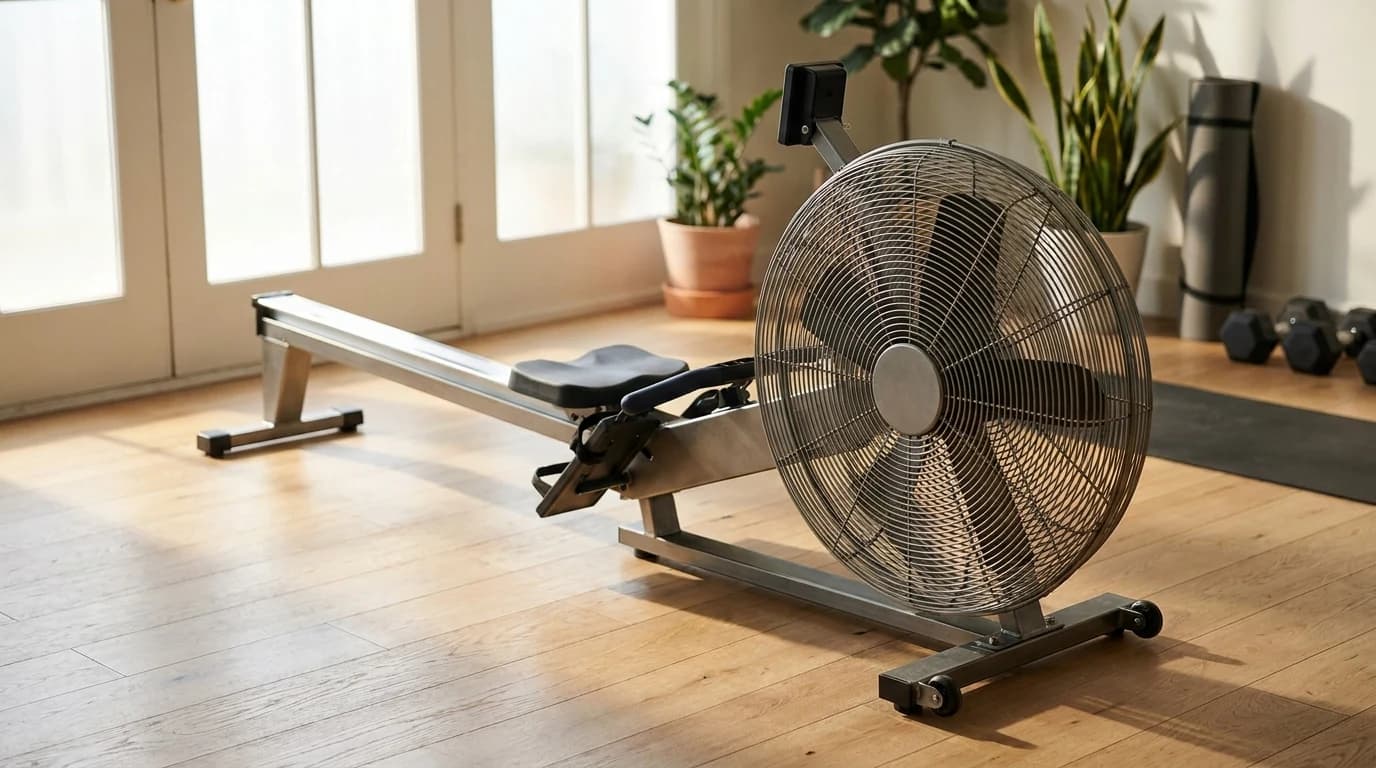
Resistance type decides stroke feel
Air resistance is generated by a fan flywheel: pull harder and resistance scales up. It mimics the catch-and-release of on-water rowing better than any other system, and the data is the most comparable in the category. Magnetic resistance is quieter and more consistent stroke-to-stroke but feels mechanical at high intensity. Water resistance uses a paddle in a tank, with a stroke feel closest to outdoor rowing and a pleasant swish instead of a fan roar.
Air resistance is right if:
- You want the closest stroke feel to on-water rowing
- You care about watts, splits, and comparable data over years
- You'd rather have a repairable machine than a quiet one
Magnetic or water is right if:
- Noise is the binding constraint in an apartment or shared house
- Guided content is the reason you're buying at all
- You want a machine that reads as furniture in a living room
The trap: hydraulic piston rowers. The stroke arc doesn't match rowing, and there's no standard data output to train against. Skip the category entirely.
Monitor accuracy is why the Concept2 is the global standard
The PM5 displays watts — a power unit that is comparable across machines and across time in a way that calories and "intensity points" are not. It measures the flywheel's drag factor, so a 2:00 split means the same effort on any RowErg, and coaches write plans in those numbers. It pairs over Bluetooth with Concept2's free ErgData app. A class touchscreen looks better but doesn't give you a number that transfers to any other machine.
Frame durability, fit and space
The RowErg is modular: it separates into two pieces without tools, and Concept2 sells replacement parts and publishes maintenance guides rather than expecting you to replace the machine. The limited warranty covers the frame for five years and moving parts and the monitor for two. Cheap rowers use welded frames — when something breaks, the whole frame is scrap.
Seat height matters more for older or larger users. Standard legs put the seat 14 inches off the floor; tall legs raise it to 20 inches on the same rail, which makes mounting and dismounting easier for anyone with stiff knees. Both fit inseams up to 38 inches; beyond that, Concept2 offers an extra-long monorail.
Plan the room around use, not the frame. Concept2 lists the RowErg at 8 × 2 ft but recommends 9 × 4 ft with clearance for use. Separated for storage, the standard-leg version takes 25 × 33 × 54 inches.
The picks, ranked
| Rower | Price | Resistance | Monitor & data |
|---|---|---|---|
| Concept2 RowErg | $990.00 | Air | PM5 watts and splits, ErgData over Bluetooth, 500 lb capacity |
| Hydrow Origin | $2,195.00 | Magnetic | 22-inch touchscreen, membership for the class library |
| WaterRower Club | $1,424.00 | Water | S4 monitor; Bluetooth depends on the monitor generation |
| Sunny Health & Fitness Smart Magnetic Rower (SF-RW524079) | $199.99 | Magnetic | LCD console, SunnyFit app, 300 lb capacity |
| Merach R280 Water Rowing Machine | $299.99 | Water | Basic LCD, 400 lb capacity (Merach-stated), folds |
| Sunny Health & Fitness Smart Dual-Rail Magnetic Rower (SF-RW523021) | $399.99 | Magnetic | Dual rails, Kinomap and SunnyFit apps, 300 lb capacity |
1. Concept2 RowErg — $990.00 — Best for everyone
The default answer for home rowing. The PM5 shows watts, pace, split, distance, and stroke rate, and logs every session to ErgData without a subscription. Modular — anything breakable is a replaceable part Concept2 will ship you, and the frame carries a five-year warranty. The only real costs are noise and floor space: the fan whoosh carries through thin walls, and you need that 9 × 4 ft lane while you row.
2. Hydrow Origin — $2,195.00 — Best for guided rowing content
Magnetic resistance with a 22-inch touchscreen running filmed-on-water classes led by real rowers. Production value is genuinely impressive, and the magnetic drag is far quieter than a fan. The membership is what unlocks the class library and saved workout history; without it, Just Row mode still gives you adjustable resistance and live metrics. Pick this if you know the classes are what will get you on the machine.
3. WaterRower Club — $1,424.00 — Best aesthetic and feel
Ash wood frame and water-tank flywheel, with a quiet swish on every stroke. It stands vertically when not in use, which is the real space-saving move in a living room. The S4 monitor covers the basics; whether it talks Bluetooth depends on the generation — WaterRower's current range has it built in, while older S4 units need a ComModule. The tank needs a purification tablet now and then to stay clear. On Amazon the Club is sold by a third-party seller, at or under WaterRower's own price when we checked on October 21, 2026.
4. Sunny Health & Fitness Smart Magnetic Rower — $199.99 — Best budget
The entry point, and the only rower here that is not a four-figure machine. Sixteen magnetic resistance levels set by dial, a 45.7-inch slide rail with a 40.9-inch maximum inseam, and a 300 lb capacity, all per Sunny Health & Fitness. Magnetic braking is near-silent beside an air flywheel, which is the reason to pick it for an apartment or an upstairs room, and it stores on end. The trade-off against the RowErg is the resistance itself: magnetic load is fixed per level and does not scale with how hard you pull, so the stroke never loads like air and there is no comparable split or watt figure to train against. Buy it if the real alternative is not rowing at all — not as a cheaper Concept2.
5. Merach R280 Water Rowing Machine — $299.99 — Best budget water rower
The water stroke without the WaterRower price. A water tank gives resistance that builds as you pull harder, on a solid-wood frame that folds for storage, with a 400 lb capacity Merach states. It is not a WaterRower: the monitor is a basic LCD with no comparable split or watt figure, and the tank, seat and rail are lighter-duty. Sold by Merach's own store, 4.6 on Amazon from 282 ratings. Pick it if you want the water feel and will keep up with tank treatment; buy the Concept2 if you want numbers that compare.
6. Sunny Health & Fitness Smart Dual-Rail Magnetic Rower (SF-RW523021) — $399.99 — Best quiet step up from the entry Sunny
Dual aluminum rails, 16 magnetic levels and a 300 lb capacity, with Kinomap and SunnyFit app support. It is the quiet magnetic step between the entry Sunny and the Concept2: steadier on its rails than a single-beam budget rower, silent enough for a shared room. The trade-offs are plastic seat hardware and build quality below the Concept2, and like any magnetic rower its resistance does not scale with how hard you pull. 4.5 on Amazon from 4,906 ratings.
What the research actually says
- Rowing works every major muscle group, as Concept2 puts it — quadriceps, glutes, hamstrings, lower back, lats, rhomboids, biceps, and core. That involvement is why rowing keeps pace with running on calories per minute at high intensity.
- The stroke is catch, drive, finish, recovery. The drive goes legs first, then body, then arms. Pulling primarily with the arms is the most common error and the main source of low-back complaints from new rowers.
- Damper is not difficulty. Concept2 recommends a damper setting of 3 to 5 and warns that high settings can raise injury risk. Check the drag factor on the PM5 to compare machines; it is the more reliable number.
- Indoor rowing is seated and non-weight-bearing, so unlike running there is no landing impact with each stride. That is why runners often look at it while a lower-limb injury settles — a decision for your clinician, not a spec sheet.
What the research does not support: that rowing is cardiovascularly superior to running at matched intensity. At the same percentage of VO2max, adaptations are similar across modalities. The differences are joint impact and muscle-mass involvement, not magic.
What to skip
- Hydraulic piston rowers. The stroke arc doesn't match rowing, and there's no comparable data.
- No-name magnetic rowers that don't publish an inseam limit or weight capacity. If the maker won't say who fits, assume you don't.
- Rowers without Bluetooth or ANT+ output if you train with any structure. Data trapped in a proprietary screen is useless for progression tracking.
- Anything sold as "Olympic-style" that only copies the look. A RowErg look-alike without a calibrated monitor gives you numbers that don't compare with anything.
- Folding rowers with a hinge in the rail. The hinge is one more joint to work loose; a rower that separates into two pieces gets the same storage benefit.
How to actually use this / Buying guide
- Tier 1 (around $200): Light use. The Sunny SF-RW524079. Two or three sessions a week, quiet, and it stores on end. Step up to the Merach R280 for a water stroke, or the dual-rail Sunny SF-RW523021 for a steadier magnetic one.
- Tier 2 (around $1,000): Lifetime purchase. The Concept2 RowErg. Buy once, maintain it, and train on numbers that mean something.
- Tier 3 ($1,300 and up): Specialty. Hydrow Origin for content, WaterRower Club for looks.
Footprint: plan a lane about 9 ft long. The Concept2 separates into two pieces for storage, and the WaterRower and the Sunny stand vertically in place. Use the rowing-machine finder to narrow by resistance and budget.
Technique matters more than equipment. Concept2's free instructional videos and pace charts are the standard reference for indoor rowing form, and our beginner rowing guide walks through the stroke. A couple of hours practising slow strokes before workout-pace rowing will save you months of bad-habit removal later.
How we chose
GymScored ranks rowing machines on resistance type and stroke feel, monitor accuracy and data export, frame durability and repairability, content and ecosystem fit, and owner feedback. See our methodology for the full rubric. We research rather than test: specs come from Concept2, Hydrow, WaterRower and Sunny Health & Fitness pages and listings checked October 15, 2026, and from the Merach R280 and Sunny SF-RW523021 listings checked October 21, 2026.
Frequently Asked Questions
Is the Concept2 RowErg worth the money?+
For most home rowers, yes. The PM5 comes in the box, its splits compare with every other RowErg, and Concept2 sells replacement parts, so you maintain it instead of replacing it.
Should I choose standard or tall RowErg legs?+
Standard legs for most people. They put the seat 14 inches off the floor; tall legs raise it to 20 inches on the same rail, which makes getting on and off easier if your knees or hips are stiff.
Is rowing better cardio than running?+
At matched intensity, no. Cardiovascular adaptations are similar across running, cycling, and rowing at the same percentage of VO2max. Rowing's advantages are low joint impact and working every major muscle group — not magic cardio.
How much space does a Concept2 actually need?+
Plan for 9 by 4 feet while rowing; Concept2 lists the machine itself at 8 by 2 feet. It separates into two pieces for storage, taking 25 by 33 by 54 inches with standard legs. Don't stand the assembled machine on end.
What damper setting should I use?+
Concept2 recommends 3 to 5. The damper changes how much air reaches the flywheel, so a higher number feels heavier but is not a harder workout, and very high settings raise injury risk. Use the PM5's drag factor reading to compare machines.
Can Hydrow work without a membership?+
Yes. Just Row mode gives you adjustable resistance and live metrics. The class library and saved workout history need the membership.
Will rowing hurt my lower back?+
Only with bad technique. The drive should be legs-first, then body, then arms. Pulling primarily with arms or rounding the lower back at the catch is the main cause of complaints. Spend an hour with Concept2's instructional videos before adding intensity.
Sources & Research
- Concept2 — RowErg specificationsmanufacturer
- Concept2 — Limited warrantymanufacturer
- Hydrow — Using Hydrow without membershipmanufacturer
- WaterRower — Original series and monitor optionsmanufacturer
- Sunny Health & Fitness — SF-RW524079 specificationsmanufacturer
- Concept2 — What damper setting should I use?manufacturer
Related reviews
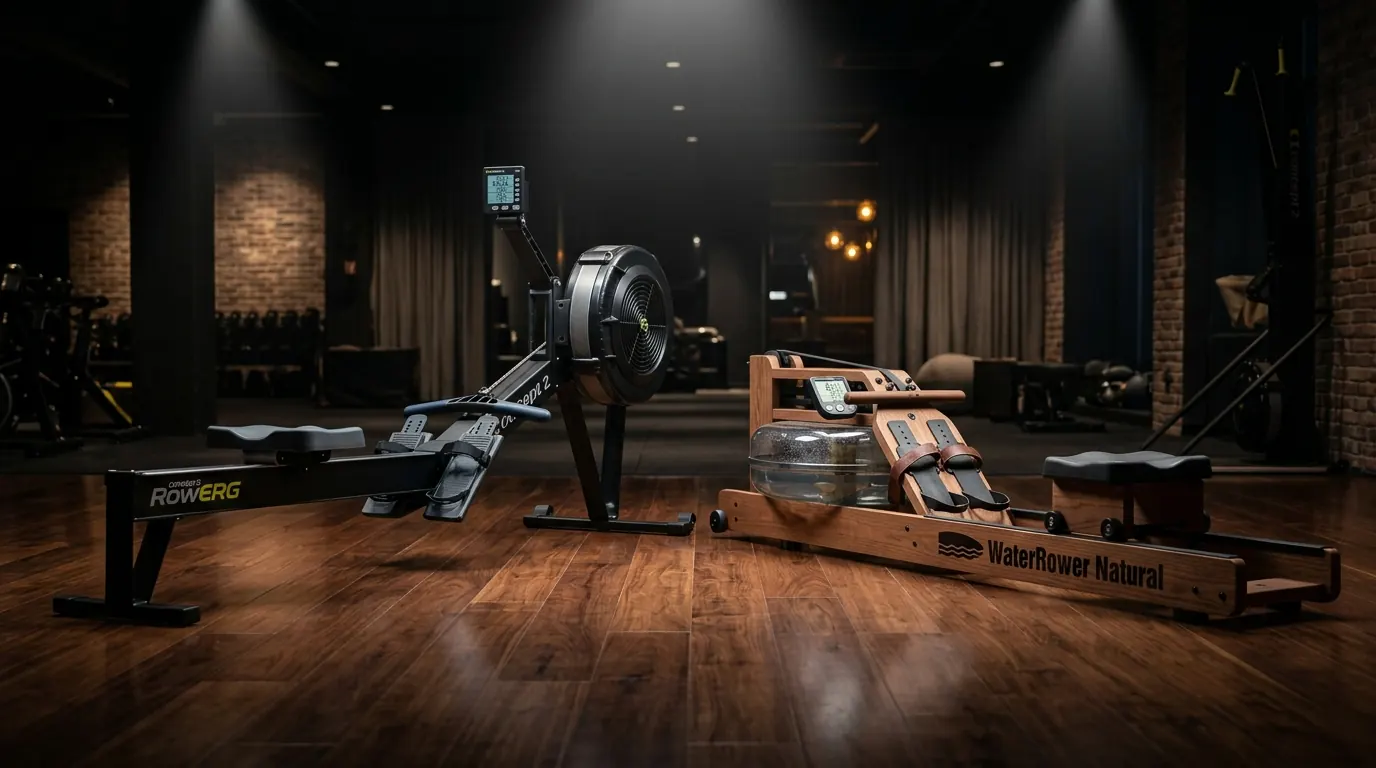
Concept2 RowErg vs Hydrow Wave: Which Rower Should You Buy?
Concept2 RowErg vs Hydrow Wave comes down to training data vs guided workouts: C2 is the durability standard, Hydrow the content experience. How to choose.
Best Treadmill for Home Runners in 2026
The NordicTrack Commercial 1750 is the best running treadmill of 2026; the T Series 10 is the value runner and the MERACH is the incline pick. Seven decks scored.
How to Build a Home Gym on Any Budget
Five complete home gym builds at $500, $1,500, $3,500, $7,500, and $15,000 - what to buy first, what to add later, and what to skip at every budget level.
Hilly Shore Labs
Editorial teamThe independent product research team behind GymScored. Every recommendation is researched, never hands-on tested — recommendations draw on manufacturer specifications and available published research. Category order is editorial; the Gym Score is a separate comparison aid.
170 listed products across 26 home gym categories. Scores use category criteria, value and owner-rating inputs; missing evidence limits what a score can tell you.
See the scoring methodology and who we are.
Affiliate disclosure: GymScored is a participant in the Amazon Services LLC Associates Program. We earn from qualifying purchases at no extra cost to you. Full disclosure →