Red Light Therapy Devices: What the Research Actually Shows
Red light therapy research is strong for skin and thin for muscle recovery. The device specs that matter in masks and panels, and how to buy one honestly.
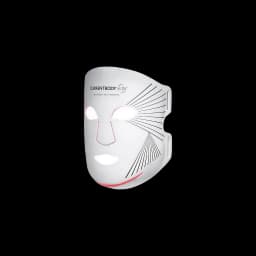
- Three wavelengths
- Flexible silicone fit
- 10-min auto program
Evidence snapshot · Updated August 17, 2026
The evidence-backed answer
CurrentBody Skin LED Light Therapy Mask Series 2 is our default pick for the scope of this guide: Three wavelengths (633/830/1072nm) and a 10-minute program — the best-known face pick, where the evidence is strongest.
Scope: 3 shortlisted products compared using published specifications, owner-feedback signals, value and category-specific performance. The matched catalog records represent 1,912 owner ratings. This is research synthesis, not hands-on testing.
The side-by-side comparison below carries each shortlisted product's owner rating, price context, pros, cons and buy state in one actionable view.
How GymScored is paid: Amazon Associates commission plus brand-direct affiliate (Rogue / REP / Titan when approved). No sponsored placements, no paid reviews, no pay-to-rank. Picks are ranked by the Gym Score formula and nothing else. Read the full disclosure.
Red light therapy's best evidence is for skin, not muscle. Buy a device on wavelength coverage (630-660nm red plus 810-850nm near-infrared) and published dose, treat it as a low-risk skin tool, and don't pay a recovery premium the research doesn't support.
| Product | Owner rating | Key specs | Pros | Cons | Price | Buy |
|---|---|---|---|---|---|---|
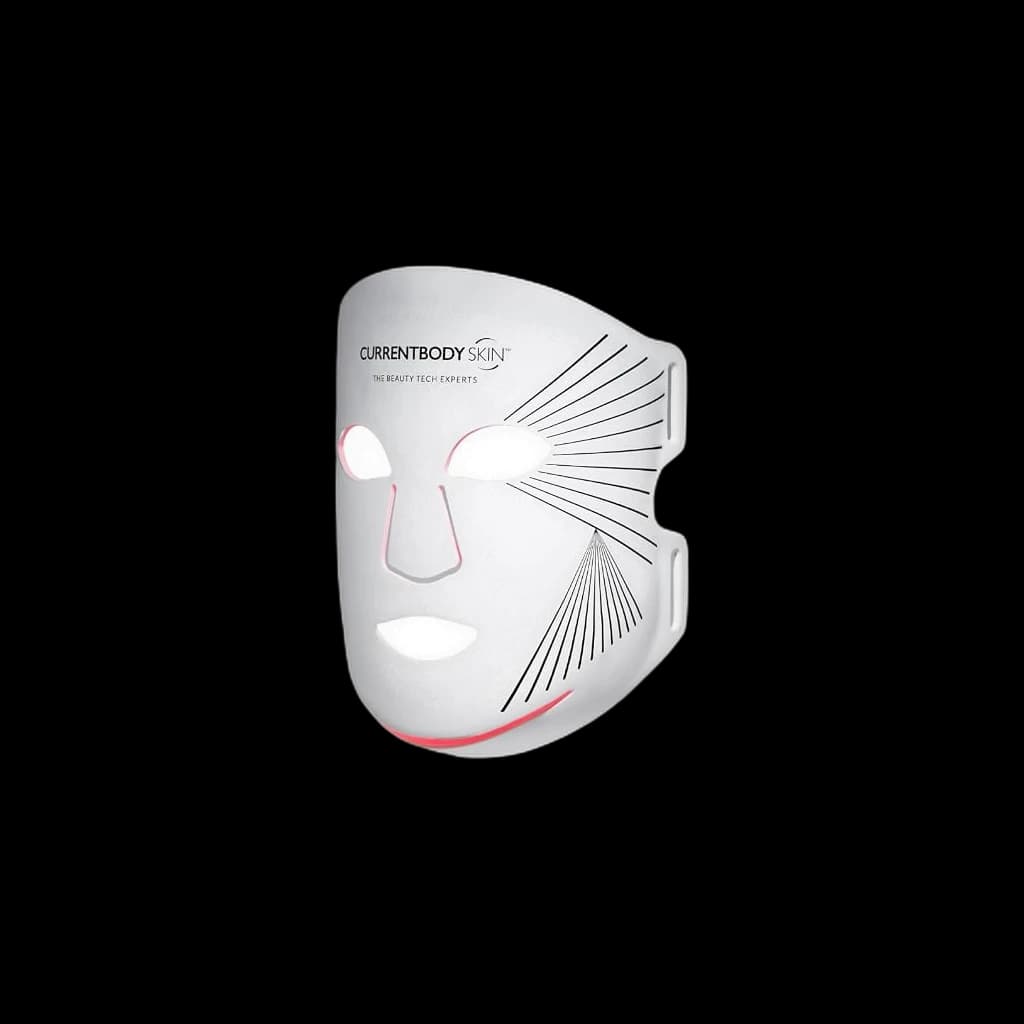 Three-wavelength clinical-style mask with a fixed 10-minute program. You pay a premium for the brand and the flexible-silicone fit. | Owner rating Gym Score 81 | Key specs
| Pros
| Cons
| $449.95 | Buy on Amazon |
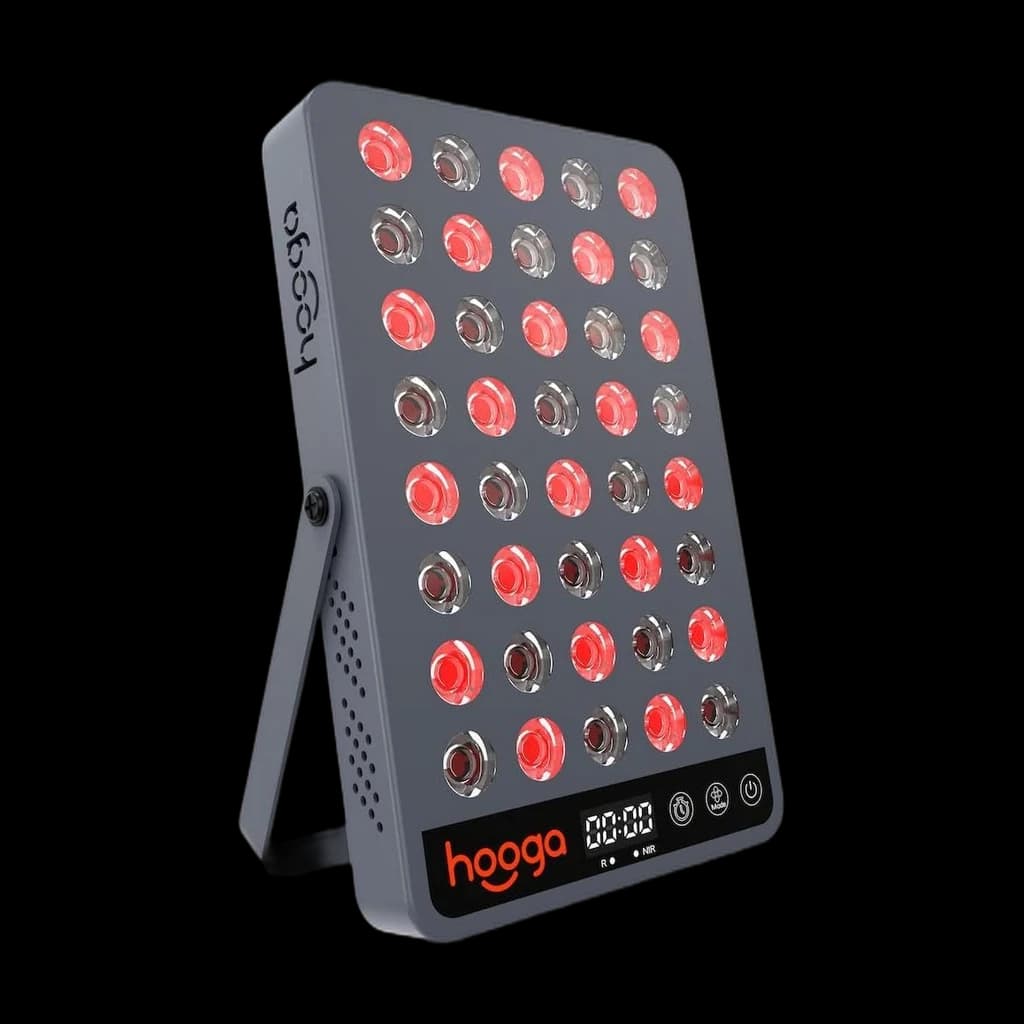 The value benchmark: dual-wavelength 660/850nm coverage, a built-in timer, and the deepest owner-review track record here. | Owner rating Gym Score 91 | Key specs
| Pros
| Cons
| $199.00 | Buy on Amazon |
 The most transparent on dose — publishes delivered joules with 660/850nm coverage and separate Red/NIR/Both modes. | Owner rating Gym Score 89 | Key specs
| Pros
| Cons
| $249.00 | Buy on Amazon |
Amazon prices checked Oct 2, 2026. Amazon prices change often — the listing is authoritative.
TL;DR — is red light worth it?
- The strongest evidence is for skin, not muscle. Small randomized trials show measurable collagen and wrinkle changes from red/near-infrared light on the face; the recovery-and-performance case for lifters is far thinner.
- Wavelength and dose are the specs that matter — most consumer masks and panels cluster around 630–660 nm (red) and 810–850 nm (near-infrared), delivered for a few minutes per session, several times a week.
- "FDA-cleared" is not "FDA-approved." Most home masks clear a low-risk 510(k) pathway for wrinkles — a regulatory lane, not proof a specific device changes your skin.
- It appears safe short-term when used as directed — but the honest reviews of the field say commercial adoption has "outpaced" the clinical evidence for most claims.
- We scored devices on wavelength coverage, irradiance transparency, session ergonomics, and value — not on marketing.
Our pick
Three wavelengths (633/830/1072nm) and a 10-minute program — the best-known face pick, where the evidence is strongest.
What red light therapy actually is
Red light therapy (RLT), or photobiomodulation, uses low levels of red and near-infrared light — not heat, not UV — to stimulate cells. The leading mechanism in the literature is light absorption by cytochrome c oxidase in mitochondria, which is proposed to nudge cellular energy production. That's a plausible biological pathway with real lab support. It is not the same thing as a proven clinical outcome for every glossy benefit on a product page.
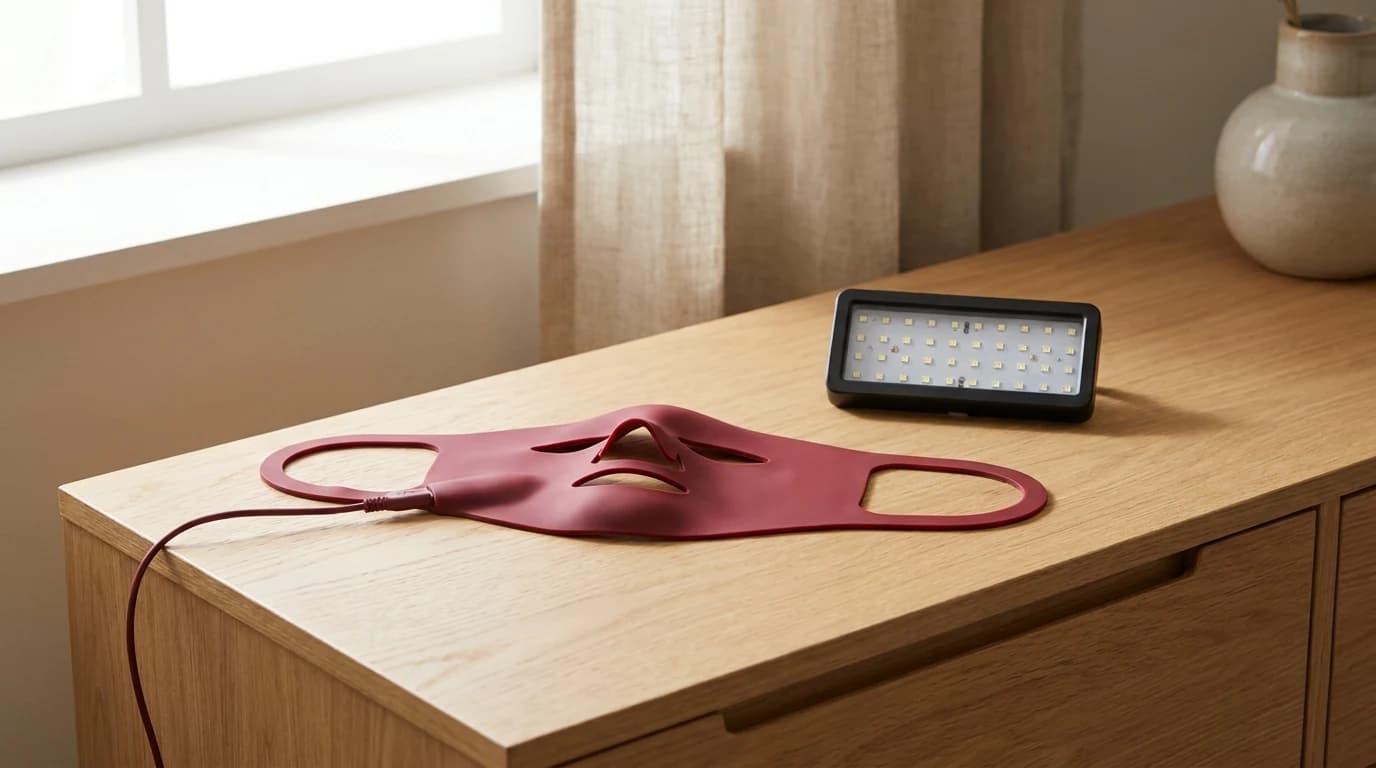
The Cleveland Clinic's plain-language summary is the honest baseline: RLT "appears to be safe and isn't associated with any side effects, at least, if used short-term and as directed," while noting there is "not enough evidence to support most uses" at the gold-standard, placebo-controlled level.
Where the evidence is strongest: skin
What the skin trials reported
This is the use case with the best home-device data. A 2023 randomized study on facial photobiomodulation reported improvements in visible aging signs that persisted for up to a month after people stopped using the device — the authors framed it as a sign of "lasting structural and functional rejuvenation of the skin." A separate 2023 systematic review looked specifically at the oncologic safety of low-level light therapy for aesthetic skin rejuvenation, which matters because it's a question buyers rarely think to ask.
The takeaway for a shopper: if your goal is fine lines, tone, and post-workout skin, the red/near-infrared range that consumer masks use is the range these studies used. That alignment is why masks are the most defensible category here.
Where it's weaker: recovery and performance
The recovery pitch is the shakiest part
The gym-marketing pitch — faster muscle recovery, less soreness, better performance — is the shakiest part. A widely cited clinical review of low-level light therapy put it bluntly: the technology's "ubiquity and commercial success have outpaced" the empirical work needed to establish solid clinical evidence, and the field still needs "well-designed, adequately powered, independent clinical trials." Some small studies show short-term soreness or range-of-motion benefits; none of it is settled enough to promise a training edge.
What we won't claim: RLT is not a treatment for any medical condition, it doesn't "detox" anything, and no home panel will out-perform sleep, protein, and progressive load for recovery. Treat it as a low-risk skin-and-comfort tool, not medicine.
The four specs that separate real from cosmetic
| Spec | What to look for | Why it matters |
|---|---|---|
| Wavelength | 630–660 nm (red) + 810–850 nm (near-IR) | These are the ranges used in the skin studies; multi-wavelength beats single |
| Irradiance | Published mW/cm² at a stated distance | Dose = irradiance × time; a device that hides this is hiding the dose |
| Session/coverage | 3–10 min sessions; mask vs panel coverage | Masks treat the face evenly; panels cover body zones but need distance discipline |
| Regulatory basis | 510(k) cleared for wrinkles, honestly stated | "Cleared" is a safety lane, not efficacy proof — don't read it as a cure |
The trap: "FDA-cleared" reads like a stamp of effectiveness and isn't one. It is a low-risk regulatory pathway. A brand that publishes wavelengths and irradiance is telling you more than a brand that publishes a clearance number.
Mask or panel?
Buy a mask if:
- The face is the goal — it's the use case with the best evidence.
- You want even coverage and hands-free sessions.
- You accept that it only treats what it covers.
Buy a panel if:
- You specifically want body-area coverage: shoulders, back, knees, larger areas.
- You will follow the same distance and time every session — irradiance drops fast with distance.
- You're comfortable that results depend on that discipline rather than on the device alone.
If skin is the goal, start with a mask. If you specifically want body-area coverage and will follow the distance/time discipline, a panel makes sense.
How to use one without fooling yourself
- Pick a device that publishes its wavelengths and irradiance. Silence on specs is the single biggest red flag.
- Follow the stated distance and time — more is not better; dose is a curve, not a ladder.
- Give it 8–12 weeks before judging skin results, and photograph in consistent light.
- Protect your eyes per the manual, especially with bright panels.
- Stop and see a clinician if you have a light-sensitive condition, take photosensitizing medication, or notice irritation.
The devices we'd actually buy
We scored seven Firecrawl-verified live devices for our red light therapy category.
For the face
The CurrentBody Skin LED Mask Series 2 is the recognized three-wavelength pick, and the SolaWave Wrinkle Retreat Pro offers the widest wavelength spread.
For body zones
The Hooga HG300 panel has the deepest owner-review history, while the Mito Red Light MitoMIN 2.0 is the most transparent about the dose it delivers. See the full ranked table on the Red Light Therapy category page.
The honest verdict
For skin, home red light therapy is a reasonable, low-risk experiment backed by real (if modest) randomized data — buy on wavelength coverage and irradiance transparency, not on influencer claims. For muscle recovery and performance, the evidence isn't there yet; enjoy it if you like the ritual, but don't pay a recovery premium for it. And nothing here is a medical treatment — that line is the one the research is clearest about.
Sources
- Cleveland Clinic — Red Light Therapy (consumer overview; safety + evidence caveats)
- Glass GE. Photobiomodulation: The Clinical Applications of Low-Level Light Therapy. Aesthetic Surgery Journal, 2021 (PMID 33471046)
- Glass GE. Photobiomodulation: A Systematic Review of the Oncologic Safety of Low-Level Light Therapy for Aesthetic Skin Rejuvenation. Aesthetic Surgery Journal, 2023 (PMID 36722207)
- Reverse skin aging signs by red light photobiomodulation. Skin Research and Technology, 2023 (PMID 37522497)
Frequently Asked Questions
Does red light therapy actually work?+
For skin, small randomized studies show measurable collagen and fine-line changes from red and near-infrared light, and the Cleveland Clinic notes it appears safe short-term when used as directed. For muscle recovery and performance the evidence is much thinner — clinical reviews say commercial adoption has outpaced the trials. Treat it as a low-risk skin tool, not a proven recovery method or medical treatment.
What wavelengths should a red light device use?+
The skin studies cluster around red light at roughly 630-660nm and near-infrared at 810-850nm. Multi-wavelength devices that cover both ranges are more defensible than single-wavelength ones. If a device won't publish its wavelengths, that's the single biggest red flag.
Mask or panel — which should I buy?+
A mask wins for the face: even, hands-free coverage of the use case with the best evidence. A panel wins for body zones like shoulders, back and knees, but irradiance falls off quickly with distance, so results depend on using the correct gap and time every session.
Is 'FDA-cleared' the same as proven?+
No. Most home masks clear a low-risk 510(k) pathway for wrinkles, which is a safety-and-marketing lane — not evidence that a specific device changes your skin. Read 'cleared' as 'allowed to be sold,' and judge the device on its wavelengths, published dose, and independent reviews instead.
Sources & Research
- Cleveland Clinic — Red Light Therapyreview
- Aesthetic Surgery Journal — Photobiomodulation: The Clinical Applications of Low-Level Light Therapyresearch
- Aesthetic Surgery Journal — Photobiomodulation: A Systematic Review of the Oncologic Safety of Low-Level Light Therapy for Aesthetic Skin Rejuvenationresearch
- Skin Research and Technology — Reverse skin aging signs by red light photobiomodulationresearch
Related reviews
Best Massage Guns for Recovery in 2026
The Theragun Pro is the best massage gun for recovery in 2026; the Hypervolt 2 Pro runs quieter and Bob and Brad C2 wins value under $150. 9 guns scored.
Best Infrared Sauna for Home Use in 2026: HigherDOSE Wins
The HigherDOSE V4 blanket is the best infrared sauna for apartments; the Dynamic Saunas Elite is our 1-person cabin pick. Compared on heat, EMF and build.
Cold Plunge Protocol: How Cold, How Long, How Often
A safe cold plunge protocol: what temperature to start at, how long to stay in, weekly frequency, timing around lifting, and what cold does not do.
Hilly Shore Labs
Editorial teamThe independent product research team behind GymScored. Every recommendation is researched, never hands-on tested — rankings come from manufacturer specifications, published standards, and aggregated buyer sentiment.
161 products scored across 26 home gym categories, each on the same 5-dimension Gym Score formula.
See the scoring methodology and who we are.
Affiliate disclosure: GymScored is a participant in the Amazon Services LLC Associates Program. We earn from qualifying purchases at no extra cost to you. Full disclosure →