Rank #3 in Lifting Belts, Wraps & Shoes
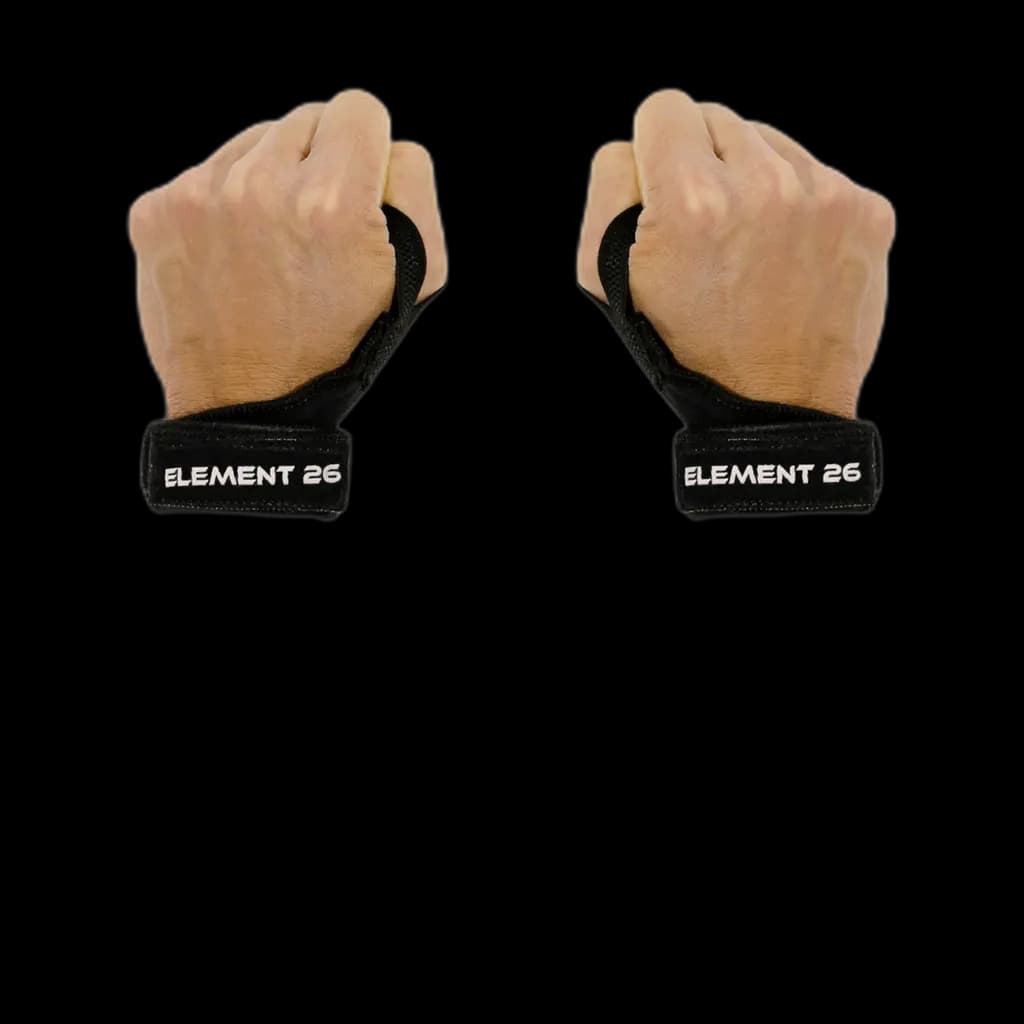
Element 26 Self-Locking Wrist Wraps
by Element 26
Score
The crowd-favorite Amazon wrist wrap. Self-locking hook closure (no thumb loop strain), three lengths, 100% no-questions returns. Best balance of stiffness and value.
- Powerlifters, strongman trainees, and general lifters who bench press heavy and need wrist support without the IPF certification cost. The self-locking hook closure suits anyone whose thumbs cramp under traditional thumb-loop wraps.
- You compete in IPF or USAPL events requiring approved wraps, you prefer maximum cotton-only stiffness without any elastic, or you want the slim profile of a basic gym-bro wristband.
No floor space. Hang or coil for storage. The pair fits in a gym bag side pocket.
easy — Out of the box use. The wraps require 2 to 3 sessions to break in to the precise tension that feels right for your wrist. Owners on r/powerlifting recommend wrapping slightly tighter than feels natural at first since the cotton-elastic blend stretches slightly within the first month of use.
Wrist wraps come in around the same time as a belt or shortly after, once a lifter is pressing heavy enough that wrist position under load is a limiting factor.
Strengths
- ↑Self-Locking Hook
- ↑3 Length Options
- ↑Lifetime Warranty
Weaknesses
- ↓Less Stiff Than Sbd
- ↓Hook Can Scratch
What owners actually complain about
Synthesized from owner reviews and community threads. Paraphrased, not quoted.
- Less stiff than SBD wraps, which is a feature for some lifters and a critique for others
- Hook closure can catch on barbell knurling if positioned poorly during bench press
- Three length options can confuse first-time buyers, the 18 inch length is the safe default
- Velcro shows wear after about 2 years of heavy use and may need replacement
Buyer sentiment
Based on 25 user mentionsBuyers praise Self-Locking Hook and 3 Length Options. Some flag Less Stiff Than Sbd.
Verdict: The best balance of stiffness, price, and ergonomic comfort in the hook-closure wrist-wrap tier — real support without the IPF premium.
Specs that matter
| Spec | Value |
|---|---|
| Lengths | 12 in / 18 in / 24 in |
| Closure | Self-locking hook (no thumb loop) |
| Material | Cotton-elastic blend |
| Warranty | Lifetime |
What you get
- Hook closure — no thumb strain on long sessions
- Three lengths — 18 in all-purpose default
- Lifetime warranty — covers worn-out Velcro at 2–3 yr
What you give up
- Less stiffness than SBD/Inzer 10mm
- Not competition-grade for benching multiples of bodyweight
Buy it if you're a general home lifter wanting real wrist support. Skip it if you compete in powerlifting — go SBD or Inzer.
NSCA recommends wrist wraps for pressing sets above ~75% of one-rep max; optional below that.
Full specs
- Length
- 12" / 18" / 24"
- Closure
- Self-locking hook + Velcro
- Material
- Cotton + elastic blend
Common questions
Which length should I buy?
The 18 inch length is the most versatile default and suits most bench press, overhead press, and front squat use. The 12 inch is for accessory work and lighter sessions, the 24 inch is for maximum support on competitive-level pressing or for larger wrists.
How does the self-locking hook compare to a thumb loop?
The hook eliminates the strain on the thumb that traditional loops cause, especially during long sessions. Some lifters miss the tactile feedback of the loop but most prefer the hook after a few sessions of use.
Are Element 26 wraps IPF-approved?
No. For competitive IPF use, lifters need to buy an IPF-approved brand like SBD or Inzer. For general training and most non-IPF federations, this is not a concern.
How tight should wrist wraps be?
Tight enough that you cannot fully flex the wrist back under load, loose enough that you can release them between sets without losing circulation. The wrap should support the joint, not immobilize it. Practice wrapping at light loads first to find your tension.
How long do they last?
With regular heavy use the cotton-elastic blend holds its shape for 2 to 3 years before the elastic starts to relax. The Velcro typically wears out around the same time. Element 26 offers a lifetime warranty that covers manufacturing defects.
Sources & references
Full buying guide
Best Lifting Accessories in 2026: Inzer Forever Wins
Read the full ranking →Related Lifting Belts, Wraps & Shoes guides
Other lifting belts, wraps & shoes we rate
Ranked alternatives from the same category, with our score and the current price.
Best Amazon-shipped lifting belt. Genuine leather, double-prong buckle, lifetime guarantee. The one you buy when you want a real belt without the Inzer wait.
The best entry-level lifting shoe. 15mm heel, hard EVA midsole, narrow snug fit — a fraction of Adipower price for 80% of the function. Where every powerlifter starts.
The Olympic lifter's reference shoe. 20mm TPU heel, dual-strap, glove-tight fit. Used by USA Weightlifting national-team athletes — the gold standard for snatch and clean.
Best-value 7mm neoprene knee sleeves on Amazon. SBD-clone tightness at half the price, IPF-approved, and lifetime-guaranteed. The r/powerlifting beginner default.
Pure magnesium carbonate in 2 oz blocks, a pound to a box. The cheapest genuine fix for a bar slipping out of your hands, and the one grip aid that does not take the work off your forearms.