Best Cold Plunges for Home Use
The Plunge wins best home cold plunge on its full stack; the Lifepro NordPod on value, Renu on premium build. Seven tubs scored on cooling and hygiene.
- Filtration System
- Chilling Speed
- Build Quality
Evidence snapshot · Updated October 21, 2026
The evidence-backed answer
The Plunge is our default pick for the scope of this guide: Included Pro Chiller Gen 2, 20-micron filter plus ozone, holds 39°F on a standard outlet. The full-stack answer at the lowest chiller-equipped price here ($8,490 list on plunge.com, 21 October 2026, before promotions).
Scope: 7 shortlisted products compared using published specifications, owner-feedback signals, value and category-specific performance. 7 comparison entries match our catalog. Retailer rating totals are snapshots, not a count of people whose reviews we independently analyzed. This is research synthesis, not hands-on testing.
The side-by-side comparison below carries each shortlisted product's owner rating, price context, pros, cons and buy state in one actionable view.
How GymScored is paid: Amazon Associates commission plus brand-direct affiliate (Rogue / REP / Titan when approved). No sponsored placements, no paid reviews, no pay-to-rank. Picks are ranked by the Gym Score formula and nothing else. Read the full disclosure.
Plunge for full-stack with chiller and ozone. Lifepro NordPod for an insulated tub on a budget, Ice Barrel for an upright barrel you can add a chiller to later. Treat any inflatable as a trial, not a permanent plunge.
| Product | Owner rating | Key specs | Pros | Cons | Price | Buy |
|---|---|---|---|---|---|---|
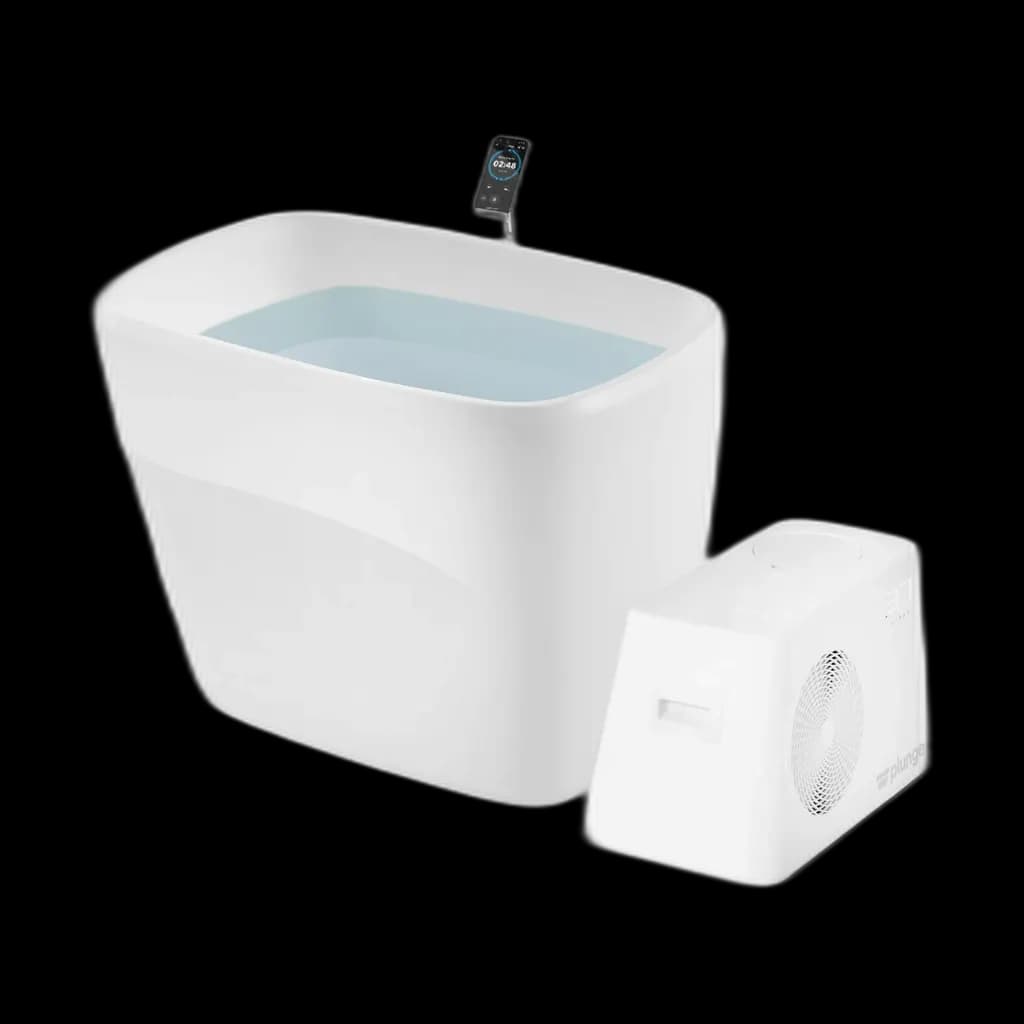 Holds 39°F with the included Pro Chiller Gen 2 and ozone sanitation. The full-stack solution. | Owner rating Gym Score 83 | Key specs
| Pros
| Cons
| $8,490 | See our review |
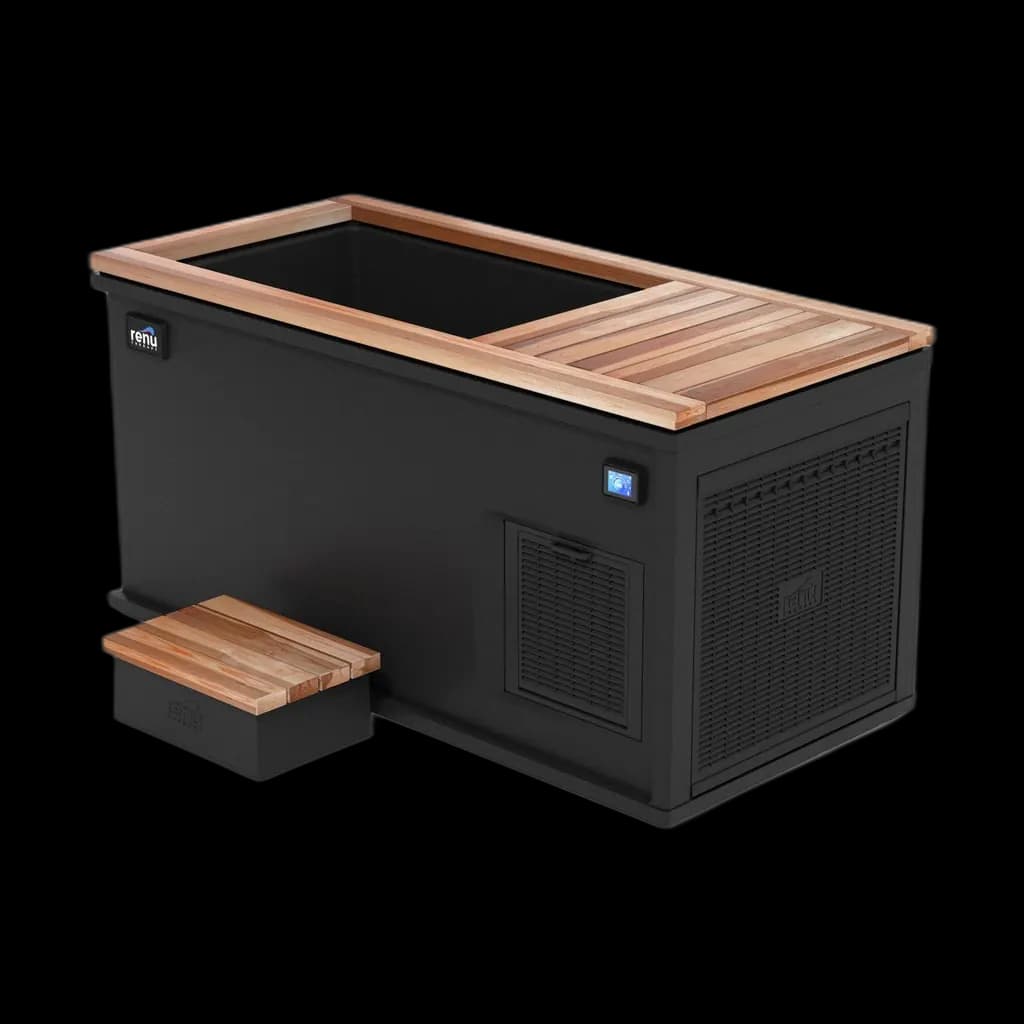 Cold and hot in one tub: 37°F to 104°F, dual-stage filtration plus ozone, 5-year warranty. | Owner rating Gym Score 83 | Key specs
| Pros
| Cons
| $11,399 | See our review |
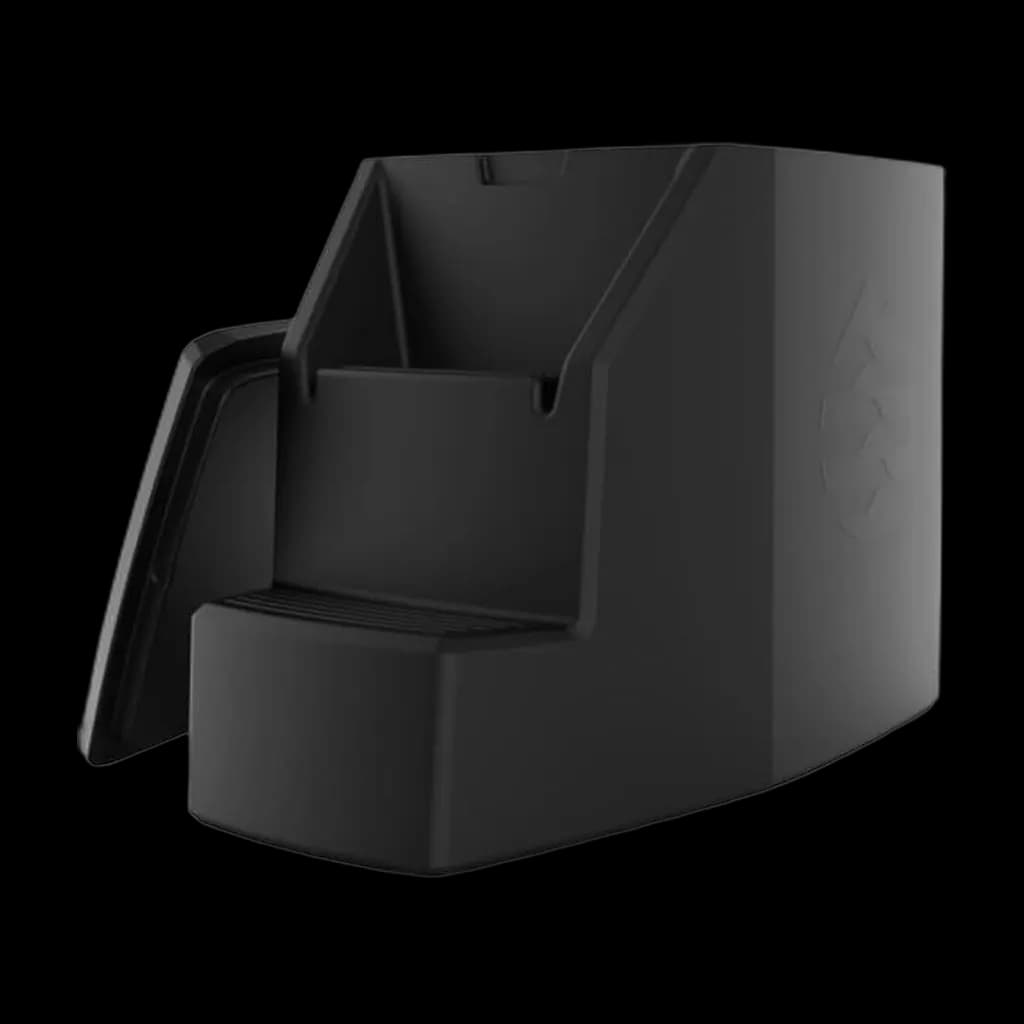 Upright, insulated, no chiller — you bring the ice. Ice Barrel's current flagship, but its Amazon listing showed only 9 ratings (3.6 stars) on 21 October 2026, too few to score. | Owner rating Gym Score 60 | Key specs
| Pros
| Cons
| $1,749.99 | Buy on Amazon |
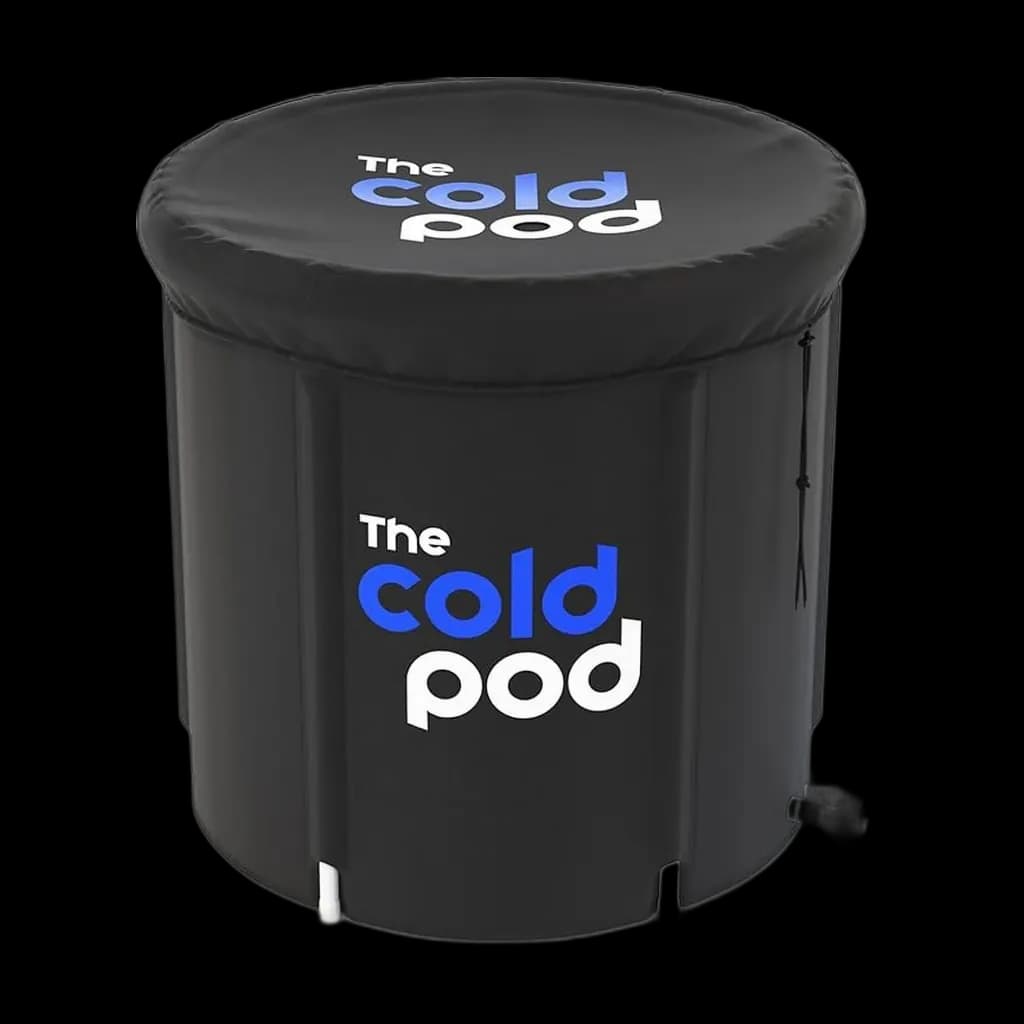 Inflatable trial tub. Use it to test the habit, not as a forever tool. | Owner rating Gym Score 72 | Key specs
| Pros
| Cons
| $127.36 | Buy on Amazon |
 The coldest floor here — 28°F, 150 gallons, ozone plus UV — at well above Plunge's price. | Owner rating Gym Score 79 | Key specs
| Pros
| Cons
| $13,999 | See our review |
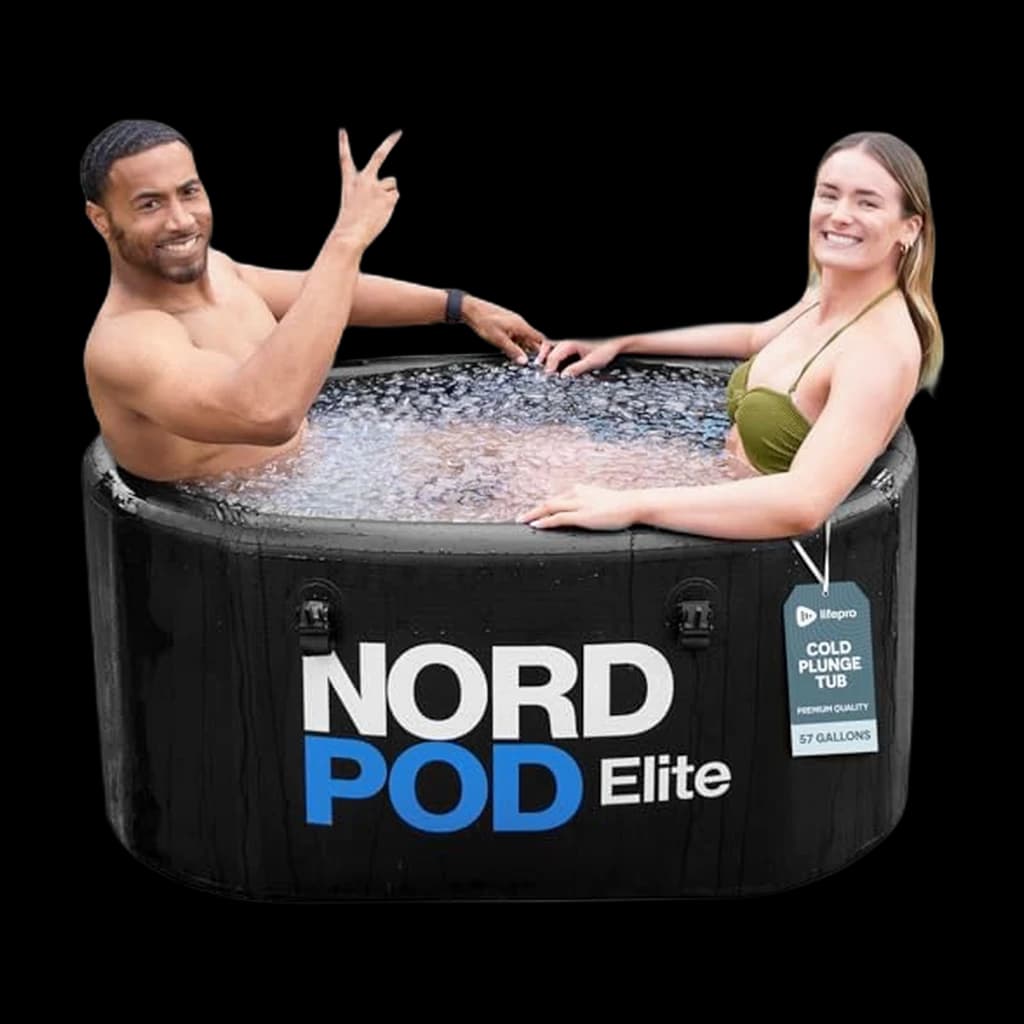 The insulated middle step between the inflatable Cold Pod and the hard-shell barrels, sold by Amazon.com. No chiller: you add ice. | Owner rating Gym Score 73 | Key specs
| Pros
| Cons
| $499.99 | Buy on Amazon |
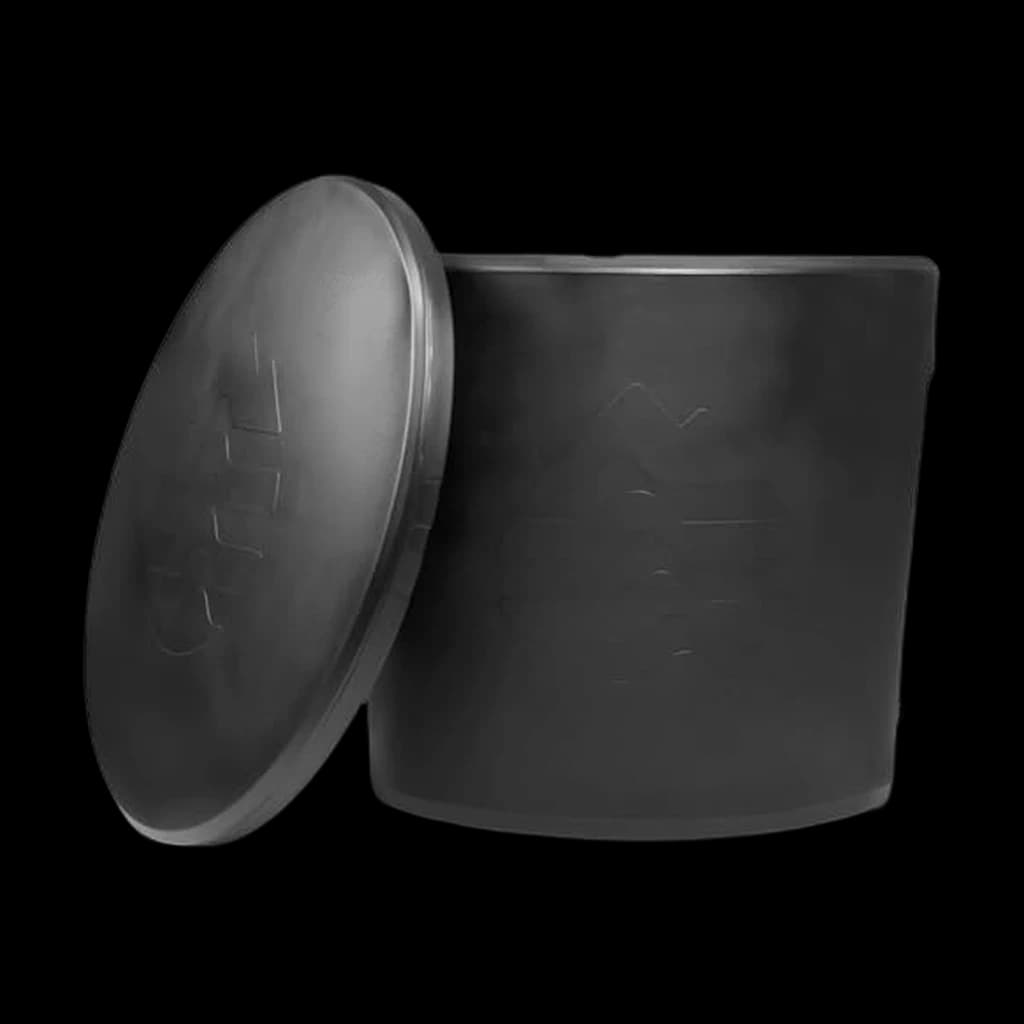 The smaller insulated barrel, with chiller ports built in so you can start with ice and add a chiller later. Only 10 Amazon ratings so far. | Owner rating Gym Score 72 | Key specs
| Pros
| Cons
| $1,149.99 | Buy on Amazon |
Amazon prices checked Oct 17, 2026. Amazon prices change often — the listing is authoritative.
Cold plunge cooling and sanitation specs
Min temp, cool method, and sanitation determine actual usability. Sourced from manufacturer data.
| Product | Min Temp | Cool Method | Sanitation | Capacity |
|---|---|---|---|---|
| The Plunge | 39°F | Included chiller (1/2 HP) | 20-micron filter + ozone | ~105 gal |
| Renu Therapy Cold Stoic 3.0 | 37°F (heats to 104°F) | Built-in chiller (0.5 HP) | Dual-stage filtration + ozone | 95 gal |
| Ice Barrel 500 | Depends on ice | Manual ice (~40 lb/session); chiller ports built in | Manual | 94 gal |
| The Cold Pod | Depends on ice | Manual ice | Manual | 88 gal |
| Sun Home Cold Plunge Pro | 28°F | Built-in chiller | Ozone + UV | 150 gal |
| Lifepro NordPod Ice Bath Tub | Depends on ice | Manual ice (insulated walls, lid) | Manual | — |
| Ice Barrel 300 | Depends on ice | Manual ice; chiller ports built in | Manual | 77 gal |
Pick by situation
Decide by your situation, not the generic ranking.
| If | You want | Pick |
|---|---|---|
| Trial, under $200 | Absolute beginners who want the lowest-cost cold therapy experiment | The Cold Pod |
| Insulated, no chiller, on a budget | Buyers who want a tub that holds cold longer than an inflatable without a chiller's electrical and maintenance load | Lifepro NordPod Ice Bath Tub |
| Start with ice, add a chiller later | Buyers who want an upright insulated barrel with chiller ports built in | Ice Barrel 300 |
| Chiller-equipped, $7,000+ | Daily plungers who want set-and-forget temperature and sanitation | The Plunge |
TL;DR — should you read this?
- The Plunge is the full-stack pick for serious daily users. Included chiller, ozone sanitation, holds 39°F indefinitely.
- The Lifepro NordPod is the insulated budget answer, and the Ice Barrel 300 and 500 are upright barrels you can add a chiller to later — all three need manual ice.
- Research suggests cold-water immersion reduces perceived soreness and acute inflammation — but timing matters enormously for lifters.
- Cold plunge after a strength workout blunts hypertrophy adaptations. Cite this rule before everything else.
- Treat an inflatable tub without a chiller as a trial, not a permanent plunge. Standing water at 50°F is biofilm heaven within 72 hours.
- Honest baseline: a clean 50-55°F shower for 3 minutes captures most of the perceived-soreness benefit for $0 in equipment cost.
Our pick
Included Pro Chiller Gen 2, 20-micron filter plus ozone, holds 39°F on a standard outlet. The full-stack answer at the lowest chiller-equipped price here ($8,490 list on plunge.com, 21 October 2026, before promotions).
What separates good from bad in this category
The chiller is the line between the $1,200 tubs and the $7,000 ones
Manual-ice plunges (Ice Barrel, NordPod, Cold Pod) require roughly $10/week in bagged ice and 10 minutes of melt time before each session. A chiller flips a switch and holds temperature indefinitely. Over a 3-year horizon at daily use, the chiller pays for itself in ice cost and time.
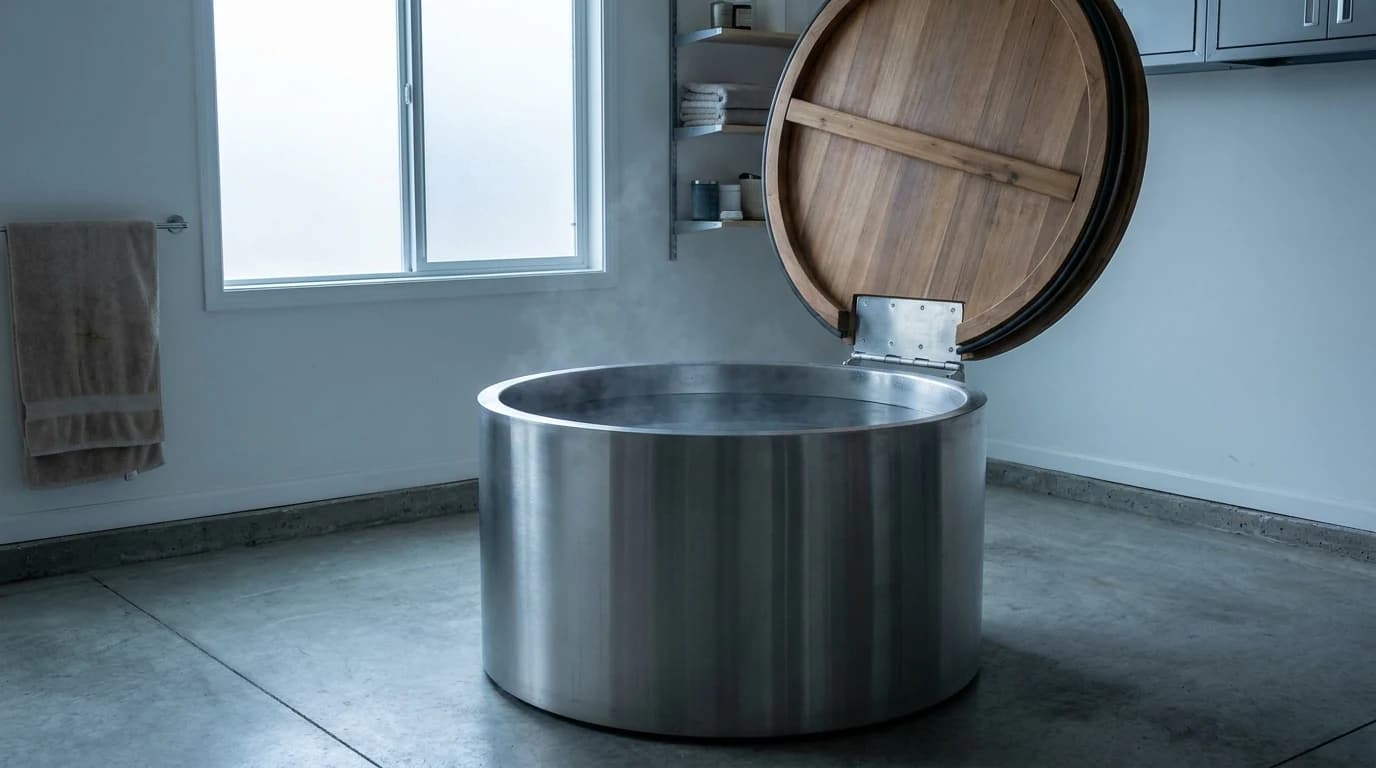
A chiller earns its price if:
- You'll plunge most days, where ice cost and melt time compound fast
- You live somewhere hot — a 1/2 HP chiller holds around 39°F in a 105-gallon tub in temperate climates, but Phoenix and Dallas summers want 1 HP minimum
- You want sanitation handled by circulation rather than by draining
Manual ice is fine if:
- You're plunging a couple of times a week and the ritual is part of the appeal
- You have no practical electrical run to the tub's location
- You're still testing whether you'll stick with it at all
Sanitation matters more than buyers expect
Standing water at 38-50°F is an unusual environment — too cold for most pathogens, but cold-tolerant biofilm forms within 72-96 hours. Ozone plus a 20-micron filter (Plunge), dual-stage filtration plus ozone (Renu Therapy) or ozone plus UV (Sun Home) is the difference between a clean plunge and a science experiment.
The trap: DIY troughs and chest-freezer conversions need manual chlorine or hydrogen peroxide chemistry every 3-5 days. If you won't commit to the chemistry, skip DIY entirely.
Plan the install before you order
A 105-gallon tub weighs about 1,000 lb full, and Sun Home's 150-gallon Pro is heavier still. Most chillers draw 5-12 amps depending on ambient temperature and setpoint. Outdoor placement needs an insulated, weather-rated unit; most chillers freeze on the cold side below about 25°F ambient. Indoor placement needs a floor drain for water changes. Pulling 12 amps from a kitchen circuit while the dishwasher runs trips breakers.
The picks, ranked
| Plunge | Chiller | Sanitation | Capacity |
|---|---|---|---|
| The Plunge | Yes, holds 39°F | 20-micron filter + ozone | ~105 gal |
| Renu Therapy Cold Stoic 3.0 | Yes, 37°F — and heats to 104°F | Dual-stage filter + ozone | 95 gal |
| Ice Barrel 500 | No — manual ice (chiller ports built in) | Weekly drain and refill | 94 gal |
| The Cold Pod | No — manual ice | Manual, 72-hour limit | 88 gal |
| Sun Home Cold Plunge Pro | Yes, 28°F floor | Ozone + UV | 150 gal |
| Lifepro NordPod Ice Bath Tub | No — manual ice, insulated walls | Manual | Not stated |
| Ice Barrel 300 | No — manual ice (chiller ports built in) | Manual | 77 gal |
1. The Plunge — Best for daily users
The included Pro Chiller Gen 2 holds 39°F regardless of ambient temperature, on a standard 120V/15A outlet. A 20-micron filter plus ozone keeps biofilm away with a water change every few weeks rather than every-three-days chemistry. About 105 gallons in a 66-inch tub, rated for indoor or outdoor use; indoor placement still needs a floor drain. One-year warranty, and a heat option is available for contrast work. Plunge sold this tub as the Evolve XL for a while — that product page now redirects here. If you want the chiller built into the tub itself, the All-In Gen 2 integrates a 1 HP unit and reaches 37°F, at a premium over The Plunge.
2. Renu Therapy Cold Stoic 3.0 — Best for contrast therapy
Composite body with a wood breath deck (redwood or cedar), designed for indoor or outdoor placement. The 0.5 HP system cools to 37°F and heats to 104°F, so one tub covers both halves of a contrast session. Dual-stage filtration plus ozone, app control, a dedicated 120V/15A circuit, and a 5-year limited warranty — the longest here. Higher price than Plunge, and it ships in three to five weeks.
3. Ice Barrel 500 — Best for budget commitment
Upright barrel, 94-gallon capacity, made in the USA from recycled materials with R16 insulation and an integrated seat. No chiller — you bring roughly 40 lb of ice per session, or add Ice Barrel's own chiller later through the built-in ports. No electricity needed as shipped. Manual hygiene means weekly drain and refill at minimum. Honest pick for users who want the experience and have garage or yard space. Ice Barrel has retired the 400 this post originally recommended; the 500 is its current large model. One caution: its Amazon listing showed only 9 ratings, at 3.6 stars, on 21 October 2026 — too few to score either way. We re-check it in November.
4. The Cold Pod — Best for try-before-you-commit
Inflatable cold tub, 88 gallons, manual ice. Genuinely useful for a 4-6 week trial before committing to a chiller-equipped rig, and it folds away when you're done. Skip it as a permanent solution — the vinyl wears and the biofilm risk beyond 72 hours of standing water is real. Its Amazon listing reads 4.2 stars from 524 ratings, just under our 4.3 floor; we keep it as the labelled inflatable starter because Amazon.com sells it and it is the cheapest way to test the habit.
5. Sun Home Cold Plunge Pro — Best for the coldest setpoint
A 150-gallon tub with an integrated chiller rated to a 28°F floor — the coldest in this group — with ozone plus UV sanitation, running on a dedicated 15-amp GFCI circuit from a standard wall plug. Warranty is listed as 1+ year. It is also the most expensive plunge here by a wide margin and was low in stock at our last check, so it earns its place only if that floor or the Sun Home sauna ecosystem matters to you.
6. Lifepro NordPod Ice Bath Tub — Best insulated tub on a budget
The middle step between the inflatable Cold Pod and the hard-shell barrels. The NordPod's walls are thermal-insulated, and it ships with an all-weather lid, a pump, eight legs and a storage bag, so it holds cold longer than an uninsulated inflatable while still packing away. There is no chiller, so every cold session still needs ice, and the water needs regular sanitizing or changing. Ships from and sold by Amazon.com; 4.4 stars from 154 ratings. (It is a cold tub, not one of the Lifepro sauna blankets that were recalled in 2025.)
7. Ice Barrel 300 — Best barrel to grow into
The smaller sibling of the 500: 77 gallons (Ice Barrel-stated), foam insulation through the barrel and lid, a fit for most body sizes up to 6 ft, and chiller ports built in, so you can start with ice and add a chiller later. Made in the USA from recycled materials with a limited lifetime warranty. Sold by Ice Barrel's own store on Amazon, with only 10 ratings (4.4 stars) so far — too few to say much yet.
What the research actually says
- Cold-water immersion is not a guaranteed recovery shortcut. A 2024 RCT comparing cold immersion, percussion massage and passive rest after eccentric exercise found no significant group effects on soreness, and cold immersion caused an immediate drop in jump performance (Heinke et al., Front Physiol 2024, PMID 39376896).
- Post-exercise cold immersion attenuates anabolic signaling and long-term strength adaptations. A 2015 J Physiol study showed cold immersion after lifting blunted mTOR pathway activation and reduced strength gains over 12 weeks (Roberts et al. 2015, PMID 26174323).
- A 2006 Yamane study found that cooling the trained muscles after each session attenuated adaptations to cycling and handgrip training over 4-6 weeks (Yamane et al. 2006, PMID 16372177).
- A 2021 mechanism review confirms the hypertrophy-blunting effect — vasoconstriction reduces protein synthesis signaling and satellite cell activity (Petersen & Fyfe 2021, PMID 33898988).
- The temperature window matters. Published soreness-reduction protocols cluster around 11-15°C (52-59°F) for 10-15 minutes, or 5-10°C (41-50°F) for 3-5 minutes. Below 41°F is reserved for short 1-3 minute protocols.
The rule that outranks everything else here: if you lift for size or strength, wait 4-6 hours after the session, or skip cold immersion on lifting days entirely.
The evidence-backed application is perceived soreness, between-session recovery on heavy training blocks, and non-exercise mood or alertness work. What the research does not support is cold plunge as a metabolism booster driving meaningful fat loss.
What to skip
- $200-300 inflatable tubs sold as "permanent" cold plunges. The vinyl wears within 18 months and biofilm forms in 72 hours without sanitation.
- "Combo" plunge plus red-light units without temperature certification. $4,000+ for unverified chiller specs and a $200 red-light panel. Buy separately if you want both.
- DIY chest-freezer plunges without GFCI. Electrocution risk around a 240V appliance in water. Run a dedicated GFCI breaker and consult an electrician.
- Cold immersion immediately after strength training, if you lift for size. Wait 4-6 hours minimum.
- Daily plunges below 38°F without medical clearance. Build tolerance down from 55°F rather than starting at 38°F.
- Plunge marketed as a primary fat-loss intervention. The metabolic effect is small and inconsistent. Cardio and a calorie deficit are what work.
How to actually use this
- Budget (under $2,000): Cold Pod for a 4-6 week trial, then the Lifepro NordPod or an Ice Barrel 300 if you commit. Manual ice, manual chemistry.
- Mid ($2,000-6,000): Cheaper chiller-equipped plunges with shorter warranties — none made this list. Verify chiller wattage and ambient temperature range before buying.
- Premium ($7,000+): The Plunge or the Cold Stoic 3.0. Chiller, ozone plus filtration, decade-of-use build quality.
The protocol, in one paragraph
50-55°F for 3-5 minutes is the typical entry point; below 50°F is reserved for shorter 1-3 minute sessions. The therapeutic window for soreness reduction is 11-15°C (52-59°F). For mood and alertness, 4-7 minutes at 50°F covers it. Don't combine alcohol or sedating medications with a cold plunge — vasoconstriction plus impaired thermoregulation creates real risk.
How we chose
We analyzed chiller specs, sanitation methods, capacity, footprint, electrical requirements, owner sentiment on the Amazon listings, and the peer-reviewed research on cold-water immersion timing. Scoring weights come from our methodology page — Owner Satisfaction (60%) blends review sentiment with rating; the remaining 40% covers chiller capability, sanitation, and build quality against category benchmarks.
Need the dosing before choosing a tub? Start with our cold plunge protocol for temperature, duration, and timing, then pick the gear that can hold that range.
Frequently Asked Questions
How cold should it be?+
38-50°F is the therapeutic range. Below 38°F is reserved for short (1-3 min) protocols.
Do I need ozone?+
If you'll plunge daily without changing the water weekly, yes. Otherwise you'll be fighting biofilm.
Will cold plunge after a strength workout slow my gains?+
Yes. Roberts 2015 (PMID 26174323) showed cold immersion after lifting blunts anabolic signaling and long-term strength adaptations, and Yamane 2006 (PMID 16372177) found post-exercise cooling attenuated training adaptations. If hypertrophy is the goal, wait 4-6 hours after the session — or skip cold immersion on lifting days entirely.
How do I keep the water clean without a chiller?+
Without a chiller, you're emptying and refilling weekly at minimum. Manual chlorine or hydrogen peroxide every 3-5 days controls biofilm. Standing 50°F water without sanitation forms cold-tolerant biofilm within 72-96 hours.
What temperature and duration is actually therapeutic?+
50-55°F for 3-5 minutes is the typical entry point. Below 50°F is reserved for shorter (1-3 min) protocols. The window for perceived soreness reduction is 11-15°C (52-59°F).
Sources & Research
- PubMed — Roberts 2015 — Cold immersion attenuates anabolic signaling and strength adaptations (PMID 26174323)research
- PubMed — Yamane 2006 — Cold water immersion reduces training adaptations (PMID 16372177)research
- PubMed — Petersen & Fyfe 2021 — Cold water immersion mechanisms in resistance training (PMID 33898988)research
- PubMed — Heinke 2024 — Cold water immersion vs percussive massage RCT (PMID 39376896)research
- Plunge — The Plunge product page — 105 gallons, Pro Chiller Gen 2, insulated cover, 1-year warranty, list price before promotionsmanufacturer
- Ice Barrel — Ice Barrel 300 product page — 292 liters (77 gal), made in the USA from recycled materials, limited lifetime warranty, chiller-readymanufacturer
- Amazon listing — Lifepro NordPod Ice Bath Tub — thermal insulated, all-weather lid, 8 legs, pump and storage bag; ships from and sold by Amazon.commanufacturer
Related reviews
Hilly Shore Labs
Editorial teamThe independent product research team behind GymScored. Every recommendation is researched, never hands-on tested — recommendations draw on manufacturer specifications and available published research. Category order is editorial; the Gym Score is a separate comparison aid.
170 listed products across 26 home gym categories. Scores use category criteria, value and owner-rating inputs; missing evidence limits what a score can tell you.
See the scoring methodology and who we are.
Affiliate disclosure: GymScored is a participant in the Amazon Services LLC Associates Program. We earn from qualifying purchases at no extra cost to you. Full disclosure →