Best Foam Rollers for Recovery in 2026: TriggerPoint Grid Wins
The TriggerPoint Grid is the best foam roller of 2026; the Hyperice Vyper 3 is the vibrating pick. Six rollers scored on density, texture, and durability.
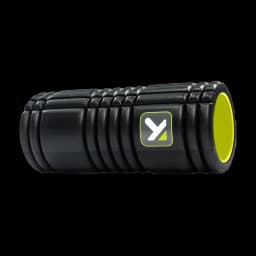
- 10-year typical lifespan
- Multi-density surface design
- Hollow ABS core — light + stiff
Evidence snapshot · Updated August 17, 2026
The evidence-backed answer
TriggerPoint Grid Foam Roller is our default pick for the scope of this guide: The genre-standard textured roller. Aggressive enough to feel, gentle enough for IT band work, lifetime durable.
Scope: 3 shortlisted products compared using published specifications, owner-feedback signals, value and category-specific performance. The matched catalog records represent 3,720 owner ratings. This is research synthesis, not hands-on testing.
| Product | Rating | Current price context |
|---|---|---|
| TriggerPoint Grid Foam Roller | 4.6/5 | $27.99 |
| Hyperice Vyper 3 | 4.6/5 | $302.10 |
| RumbleRoller Original | 4.7/5 | $59.95 |
How GymScored is paid: Amazon Associates commission plus brand-direct affiliate (Rogue / REP / Titan when approved). No sponsored placements, no paid reviews, no pay-to-rank. Picks are ranked by the Gym Score formula and nothing else. Read the full disclosure.
TriggerPoint Grid for the default. Hyperice Vyper 3 if you've plateaued. RumbleRoller for very tight athletes. Add lacrosse balls regardless of which roller you pick.
| Product | Rating | Pros | Cons | Price | |
|---|---|---|---|---|---|
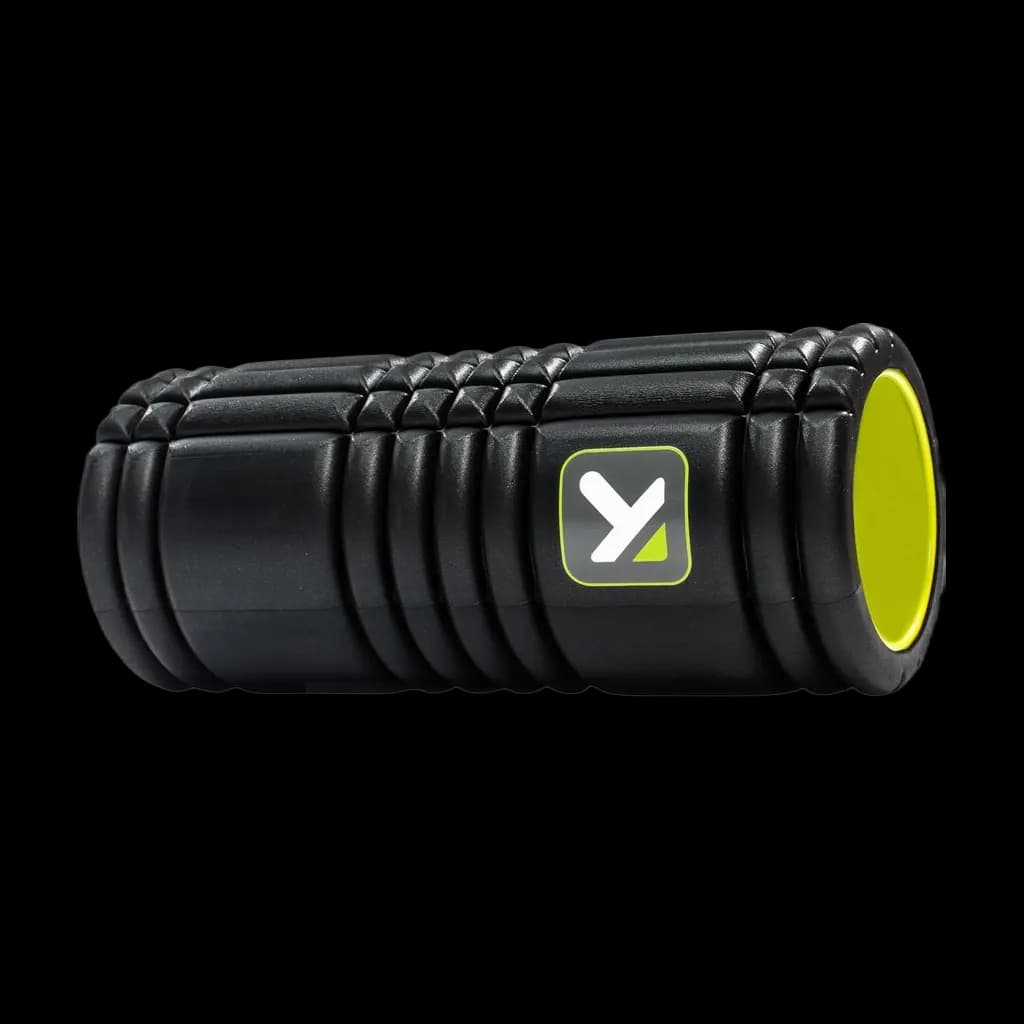 The lifetime default roller. Hollow EVA core, multi-density texture, 13" x 5.5". ↑ Quality↑ EffectivenessBased on 3,976 buyer mentions | 4.6 Gym Score 92 | Pros
| Cons
| $27.99 | Buy on Amazon |
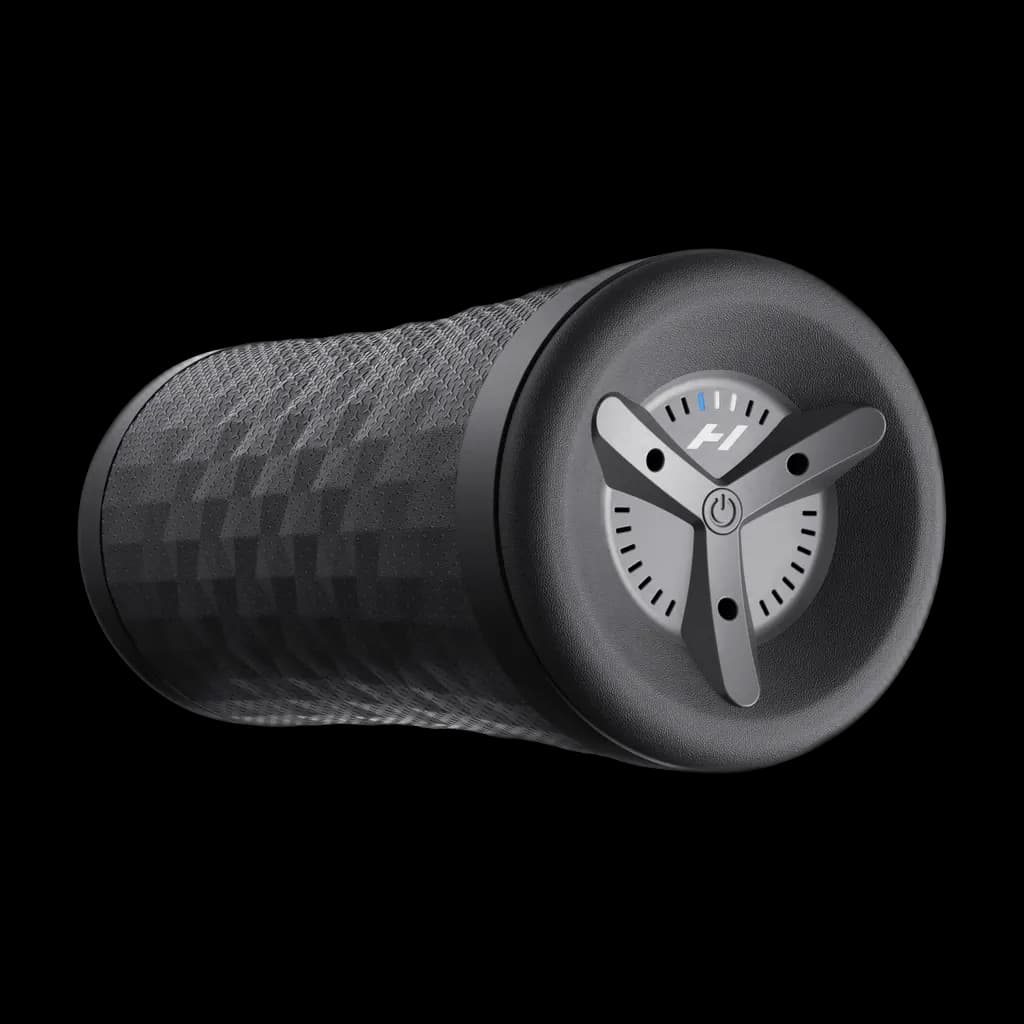 Vibrating roller with 3 speeds. The next step when static rolling plateaus. ↑ 3 Vibration Speeds↑ Genuinely Improves Pain Tolerance↓ 10X The PriceBased on 25 buyer mentions | 4.6 Gym Score 90 | Pros
| Cons
| $302.10 | Buy on Amazon |
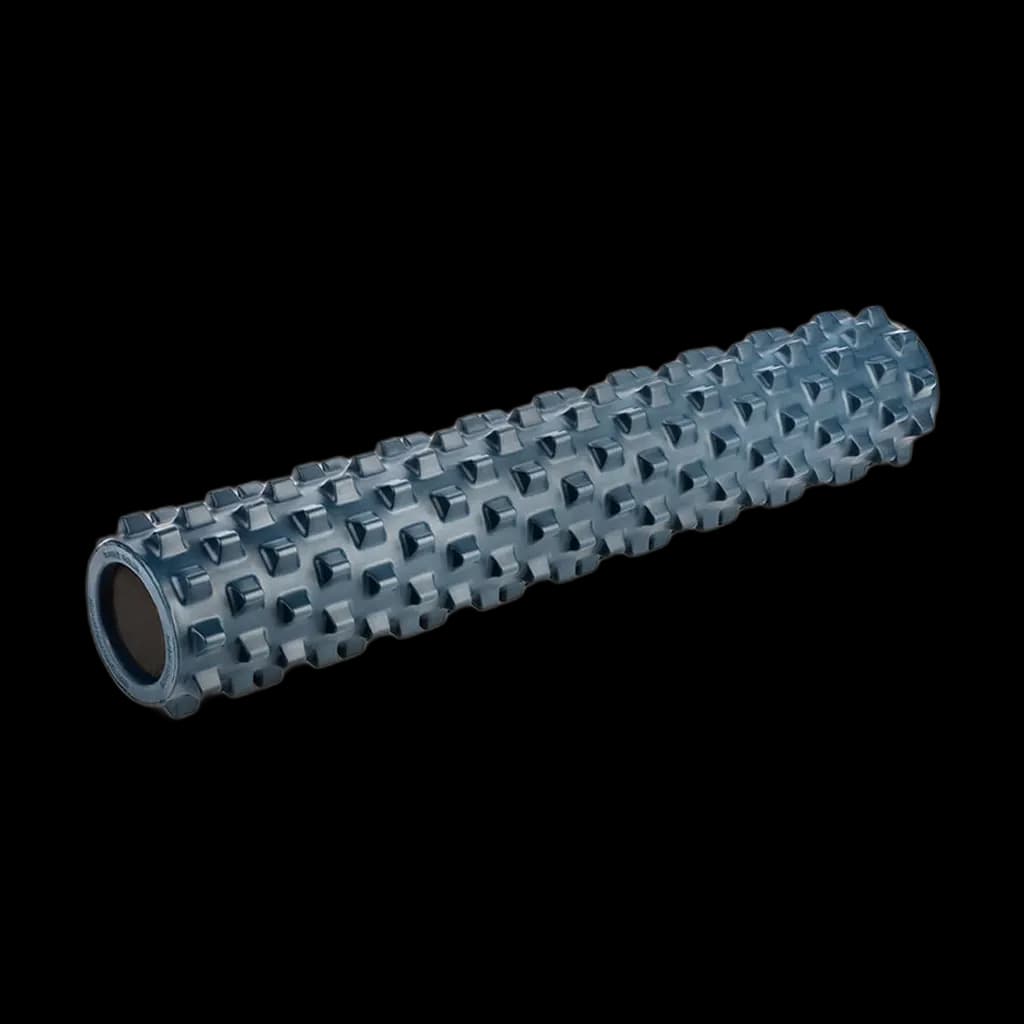 Aggressive textured roller with bumps that mimic thumb-pressure massage. Not for beginners. ↑ Effectiveness↑ Quality↓ PainBased on 999 buyer mentions | 4.7 Gym Score 92 | Pros
| Cons
| $59.95 | Buy on Amazon |
Amazon prices checked Sep 12, 2026. Amazon prices change often — the listing is authoritative.
Foam roller spec comparison
Density, length, and texture pattern. Sourced from manufacturer data.
| Product | Density | Length | Diameter | Pattern |
|---|---|---|---|---|
| TriggerPoint Grid | Multi-density EVA | 13" or 26" | 5.5" | Multi-zone grid |
| Hyperice Vyper 3 | EVA + vibration | 12" | 6" | Smooth + 3 speed vibration |
| RumbleRoller Original | High-density polypropylene core | 22" or 31" | 6" | Aggressive raised nubs |
| Amazon Basics High-Density | High-density EVA | 12-36" | 6" | Smooth |
Pick by situation
Decide by your situation, not the generic ranking.
| If | You want | Pick |
|---|---|---|
| Budget under $300 | First-time users testing whether they will actually roll regularly | Amazon Basics High-Density Foam Roller |
| Premium $700+ | Beginners who want the safest, most-used foam roller in the category | TriggerPoint Grid Foam Roller |
TL;DR — should you read this?
- TriggerPoint Grid is the lifetime default foam roller. Multi-density EVA core, ~$28, used by athletes and PTs for 15+ years.
- Hyperice Vyper 3 (~$305) is the upgrade when static rolling plateaus — vibration adds effective pressure without bearing down harder.
- Amazon Basics roller at ~$20 plus a $10 lacrosse ball is the honest budget kit.
- Research suggests foam rolling improves short-term flexibility and reduces perceived soreness — but the "fascia release" marketing claims are weakly supported.
- Skip cheap soft EPP rollers if you weigh over 200 lb. They compress under bodyweight and stop applying useful pressure.
- A roller alone won't replace mobility work, strength training, or actual rest.
Our pick
The genre-standard textured roller. Aggressive enough to feel, gentle enough for IT band work, lifetime durable.
What separates good from bad in this category
Density is the first spec that matters
Soft EPP foam — most starter and travel rollers — compresses visibly under bodyweight. Fine for new lifters and large muscle groups, worthless for dense tissue or heavier users. High-density EVA (TriggerPoint Grid, RumbleRoller) holds shape under 250 lb users and applies sharper, more concentrated pressure. Solid plastic-core rollers are the densest commercially available, used for IT band and hip flexor work where you need the pressure not to give.
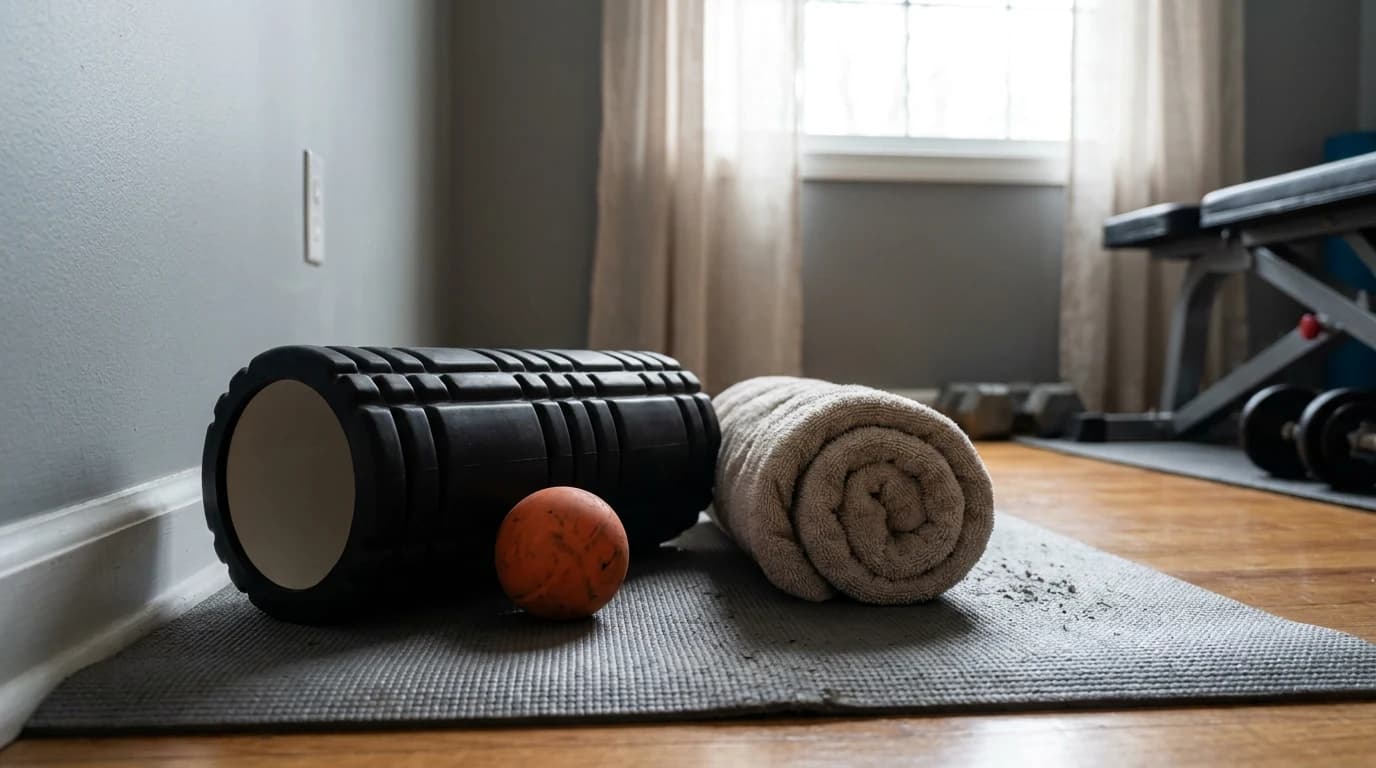
Texture concentrates pressure
A smooth roller spreads force across the entire muscle. A textured roller concentrates pressure on small contact patches, mimicking thumb-pressure self-massage.
Aggressive texture is right if:
- You're a tolerant athlete who finds the Grid pattern too mild
- You want something close to deep thumb pressure on quads and glutes
- You already roll consistently and won't be scared off
Smooth or mid-texture is right if:
- You're new to rolling — aggressive texture on first uses discourages consistent use
- You want one roller that covers everything without a fight
- You're buying for travel or a shared household
Length and diameter decide what you can reach
13" rollers travel and store easily and reach all single-muscle work. 26" rollers stabilize the back during thoracic spine extensions and support full-spine work. Diameter under 5" makes balance harder during quad and lat rolling; 6" is the standard. The International Journal of Sports Physical Therapy 2015 systematic review and Wiewelhove et al. 2019 meta-analysis both treat density, texture, and duration as the variables that matter — not brand.
Worth knowing: vibration is the next tier when static rolling plateaus. The published evidence that it adds benefit over static rolling is real, but the effect size is small. The question is whether you'll use it enough to justify $300 over a $30 roller.
The picks, ranked
| Roller | Price | Format | Best for |
|---|---|---|---|
| TriggerPoint Grid | $27.99 | 13" x 5.5", multi-density EVA | Almost everyone |
| Hyperice Vyper 3 | $302.10 | 12", three vibration speeds | Plateaued users |
| RumbleRoller Original | $59.95 | 22" or 31", aggressive nubs | Tolerant athletes |
| Amazon Basics | $19.79 | 18", smooth high-density | Budget and travel |
| Lacrosse / massage ball | $10-15 | Ball | Glutes, pec minor, plantar fascia |
1. TriggerPoint Grid — $27.99 — Best for most users
The genre standard. Hollow EVA core in a 13" x 5.5" cylinder. The multi-density surface alternates raised and flat zones — aggressive enough to feel real pressure on quads and lats, soft enough that IT band work doesn't make you yell. Holds shape under 250+ lb users, used in PT clinics for 15+ years, roughly 24K Amazon reviews at 4.6 stars.
2. Hyperice Vyper 3 — $302.10 — Best for plateaued users
Vibrating roller with three speeds. Research suggests vibration increases tissue response without requiring you to bear down harder — useful when a static roller stopped producing the same release. 2.5-hour battery, Bluetooth app control, 12" length. Only buy if you actually plateaued, not as a first roller.
3. RumbleRoller Original — $59.95 — Best for aggressive texture
Aggressive raised nubs that mimic deep thumb pressure. Available in 22" and 31" lengths; the longer version stabilizes thoracic extension work better than the 13" Grid. Skip it if you're a beginner — the texture is genuinely painful on first uses.
4. Amazon Basics High-Density Foam Roller — Best for budget
Smooth high-density foam, 18" length. No texture, basic but durable. Right pick for new lifters, travel kits, and beginners who haven't tolerated textured rollers yet. Pair with a $10 lacrosse ball to cover what a smooth roller can't isolate. Roughly 12K reviews at 4.6 stars.
5. Lacrosse ball or ProsourceFit massage ball — $10-15 — Required add-on
Rollers cover broad muscle groups. Balls isolate glutes, pec minor, plantar fascia, and forearm tissue no roller can reach. A complete recovery kit is one roller plus one ball. Skipping the ball is the most common mistake on this list and the cheapest one to fix.
What the research actually says
- Foam rolling produces short-term range-of-motion gains without performance loss. A 2015 systematic review found measurable flexibility improvement with no harm to subsequent strength or power (Schroeder & Best 2015, IJSPT, PMC4637917).
- Meta-analysis confirms small-to-moderate effects. A 2019 meta-analysis pooled 21 studies: pre-rolling slightly improves performance, post-rolling slightly improves recovery markers (Wiewelhove et al. 2019, PMID 31024339).
- Duration matters; longer isn't better. A 2019 review concluded 60-120 seconds per muscle group is the optimal window (Hughes & Ramer 2019, PMID 31803517).
- A 2020 review confirms flexibility benefit with mixed performance effects, varying by protocol and population (Hendricks 2020, PMID 32825976).
- The dose is in seconds per muscle, not minutes of total rolling. A daily 10-minute session hitting quads, glutes, lats, and upper back is the protocol most strength coaches recommend.
What the research does not support: that foam rolling releases fascia, breaks up scar tissue, or clears lactic acid. The mechanism appears neurological — descending pain modulation and reduced motor neuron excitability. Buy a roller for flexibility and perceived recovery, not tissue restructuring.
What to skip
- Heated foam rollers. Heat is real, but a hot shower delivers the same effect for free. Pay for vibration if you're upgrading; don't pay for heat.
- Soft EPP rollers if you weigh over 200 lb. They compress within months and stop applying useful pressure. Buy high-density EVA from the start.
- Sub-12" "mini" rollers. Useless for back, lats, or hamstrings. The only legitimate small-roller case is calves, and a lacrosse ball does that better.
- "Therapeutic" rollers with embedded magnets, copper, or "ionized" foam. No published benefit from any of these. Pay for density and texture only.
- Vibrating rollers as a first roller. Start with the Grid. If you plateau in 6-12 months, upgrade — but most users won't plateau.
How to actually use this
- Budget ($30-50): TriggerPoint Grid plus a lacrosse ball. The honest sub-$40 complete kit, covering all major muscle groups plus isolated trigger points.
- Mid ($60-150): Add a RumbleRoller for tolerant athletes who need more aggressive texture, or upgrade to a longer 26" Grid for thoracic spine work.
- Premium ($200-400): Hyperice Vyper 3, only if static rolling stopped producing the same effect.
The session protocol
- 60-120 seconds per muscle group, slow passes rather than rapid rolls
- Exhale on the painful spots
- Daily 10 minutes across quads, glutes, lats, and upper back
- Avoid the lower spine, the front of the neck, the kidneys, and any joint capsule
The American Council on Exercise expert article hub and the CDC adult activity guidelines treat self-myofascial release as a low-risk recovery adjunct — not a substitute for actual mobility work or strength training.
How we chose
We analyzed density, texture, length, durability claims, owner reports on r/fitness and r/CrossFit, and the published research on self-myofascial release. Scoring weights come from our methodology page — Owner Satisfaction (60%) blends review-volume-weighted rating with sentiment chips; the remaining 40% covers density and durability against category benchmarks. No fabricated test claims — research synthesis only.
Worth the upgrade
The Grid is the right roller for almost everyone, and it does the whole job for under $30. The Vyper 3 is the honest exception: three vibration speeds add effective pressure without you bearing down harder, which is what you want when static rolling has stopped producing the same release. Only worth it if you already roll consistently.
Frequently Asked Questions
Does foam rolling actually do anything?+
Yes, for short-term flexibility and reduced perceived soreness. The 2015 systematic review found measurable benefits without harming performance. It's not a substitute for sleep or actual mobility work, but it's a low-risk recovery tool.
How long should I roll each muscle?+
Two minutes per muscle group is the published sweet spot. Longer doesn't add benefit and shorter often doesn't move the tissue.
Is a vibrating roller worth $200?+
If you roll daily and the static roller stopped working, yes. If you roll twice a week, the TriggerPoint Grid at $39 is enough.
Will foam rolling break up fascia or scar tissue?+
The marketing says yes; the published evidence says no. The actual mechanism appears to be neurological — descending pain modulation and reduced motor neuron excitability. The ROM benefit is real; the tissue-restructuring claim is not.
What's the right roller diameter for a beginner?+
6" diameter is the standard. Anything under 5" makes balance harder during quad and lat work. Beginners do better on smooth high-density rollers (Amazon Basics) before moving to textured.
Do I need both a roller and a lacrosse ball?+
Yes. Rollers cover large muscle groups; balls isolate glutes, pec minor, plantar fascia, and forearm tissue that no roller can reach. A complete sub-$40 kit is the TriggerPoint Grid plus a $10 lacrosse ball.
Sources & Research
- NCBI — Foam rolling researchresearch
- ACSM — Recovery and mobilityauthority
- r/Running — Foam roller threadscommunity
- PubMed — Wiewelhove 2019 — Meta-analysis of foam rolling on performance and recovery (PMID 31024339)research
- PubMed — Hughes & Ramer 2019 — Duration of myofascial rolling for optimal recovery (PMID 31803517)research
- PubMed — Hendricks 2020 — Systematic review of foam rolling on ROM and performance (PMID 32825976)research
- ACE — American Council on Exercise — Expert Articlesauthority
- CDC — Adult Physical Activity Guidelinesauthority
Related reviews
Best Massage Guns for Recovery in 2026
The Theragun Pro is the best massage gun for recovery in 2026; the Hypervolt 2 Pro runs quieter and Bob and Brad C2 wins value under $150. 9 guns scored.
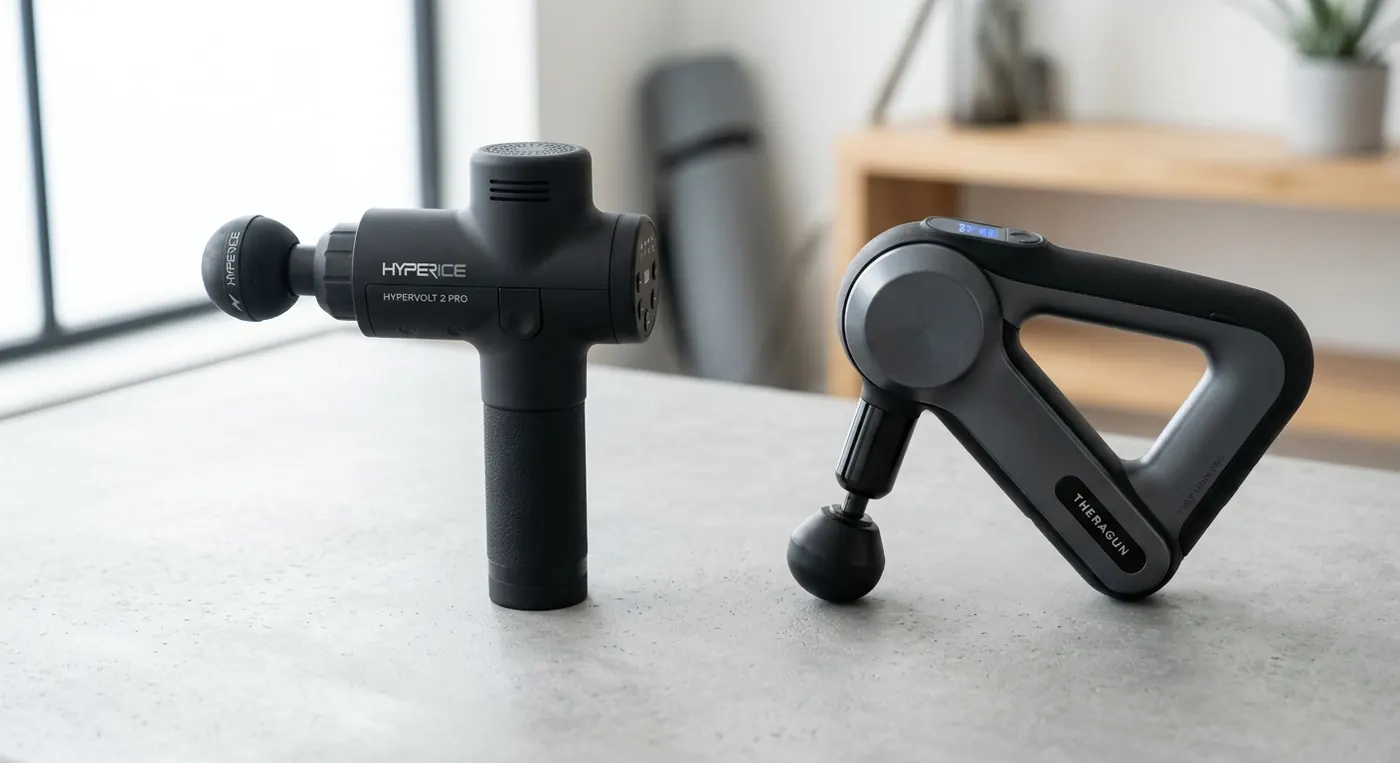
Theragun Pro vs Hypervolt 2 Pro: Which Massage Gun Should You Buy?
Theragun Pro hits deeper with more amplitude; the Hypervolt 2 Pro has a quieter motor. We compare both massage guns on percussion depth, noise, battery.

Best Cold Plunges for Home Use
Plunge wins best home cold plunge on its full stack; Ice Barrel on price, Renu Therapy on premium build. Five tubs scored on cooling, hygiene, footprint.
Hilly Shore Labs
Editorial teamThe independent product research team behind GymScored. Every recommendation is researched, never hands-on tested — rankings come from manufacturer specifications, published standards, and aggregated buyer sentiment.
163 products scored across 26 home gym categories, each on the same 5-dimension Gym Score formula.
See the scoring methodology and who we are.
Affiliate disclosure: GymScored is a participant in the Amazon Services LLC Associates Program. We earn from qualifying purchases at no extra cost to you. Full disclosure →