Best Heart Rate Monitors in 2026: Polar H10 Wins
The Polar H10 chest strap is the best heart rate monitor of 2026; Garmin owners should buy the HRM 200 and the COOSPO H6 is the budget answer. Five monitors scored.
- Reference-grade accuracy
- ANT+ and BLE dual-band
- 400-hour battery
Evidence snapshot · Updated September 1, 2026
The evidence-backed answer
Polar H10 Chest Strap is our default pick for the scope of this guide: The chest strap sports-science labs use as the reference when validating other sensors. Dual ANT+ and Bluetooth, 400-hour battery, records one session on its own.
Scope: 4 shortlisted products compared using published specifications, owner-feedback signals, value and category-specific performance. The matched catalog records represent 41,191 owner ratings. This is research synthesis, not hands-on testing.
| Product | Rating | Current price context |
|---|---|---|
| Polar H10 Chest Strap | 4.1/5 | $104.90 |
| Garmin HRM 200 Chest Strap | 4.4/5 | $79.99 |
| COOSPO H6 Bluetooth/ANT+ Chest Strap | 4.3/5 | $29.99 |
| Polar H9 Heart Rate Sensor | 4.2/5 | $69.90 |
How GymScored is paid: Amazon Associates commission plus brand-direct affiliate (Rogue / REP / Titan when approved). No sponsored placements, no paid reviews, no pay-to-rank. Picks are ranked by the Gym Score formula and nothing else. Read the full disclosure.
Polar H10 for the default chest strap. Garmin HRM 200 if your watch is a Garmin. COOSPO H6 if the budget is tight — it measures the same way. Wrist optical is fine for steady-state and wrong for intervals.
| Product | Rating | Pros | Cons | Price | |
|---|---|---|---|---|---|
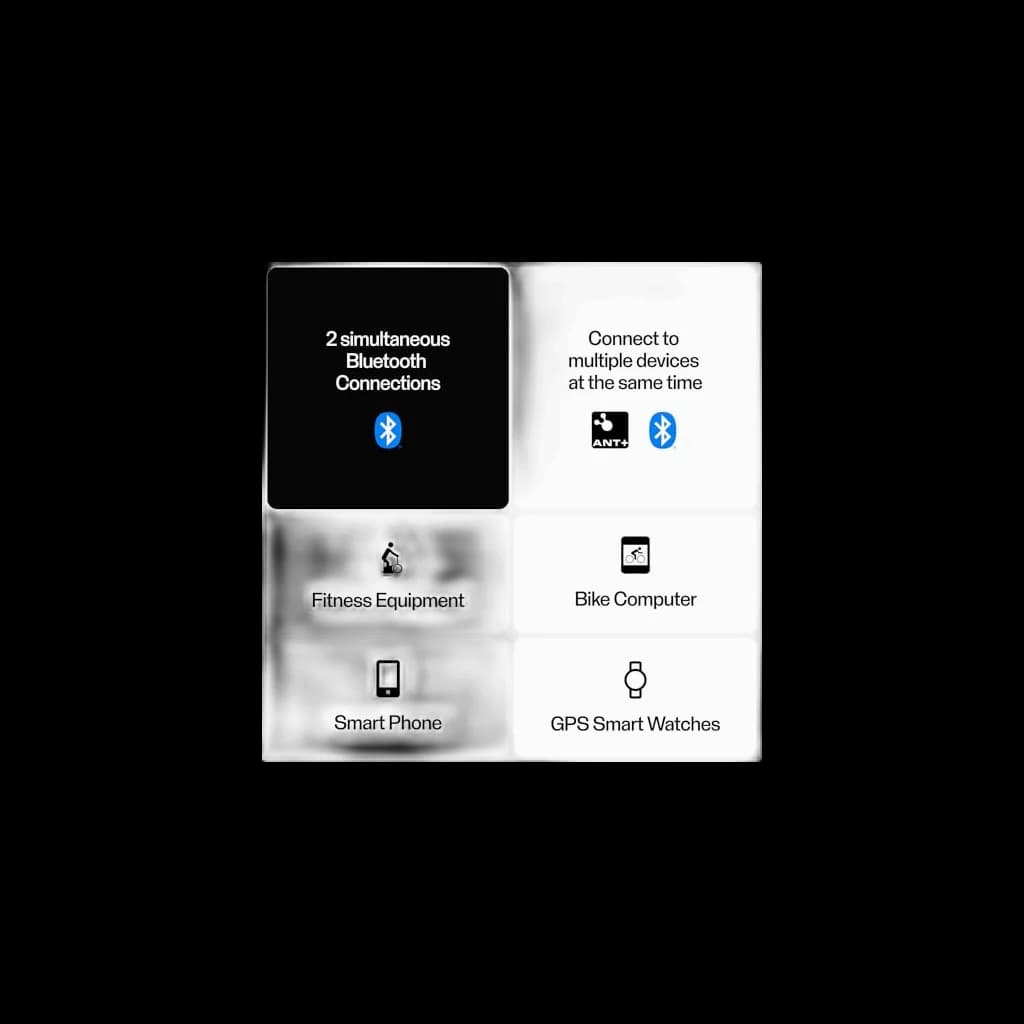 The chest strap every other strap is benchmarked against. Dual-band ANT+ and Bluetooth, a 400-hour coin cell, and onboard memory for one phone-free session. ↑ Accuracy↑ Ease Of Use↓ DurabilityBased on 4,158 buyer mentions | 4.1 Gym Score 82 | Pros
| Cons
| $104.90 | Buy on Amazon |
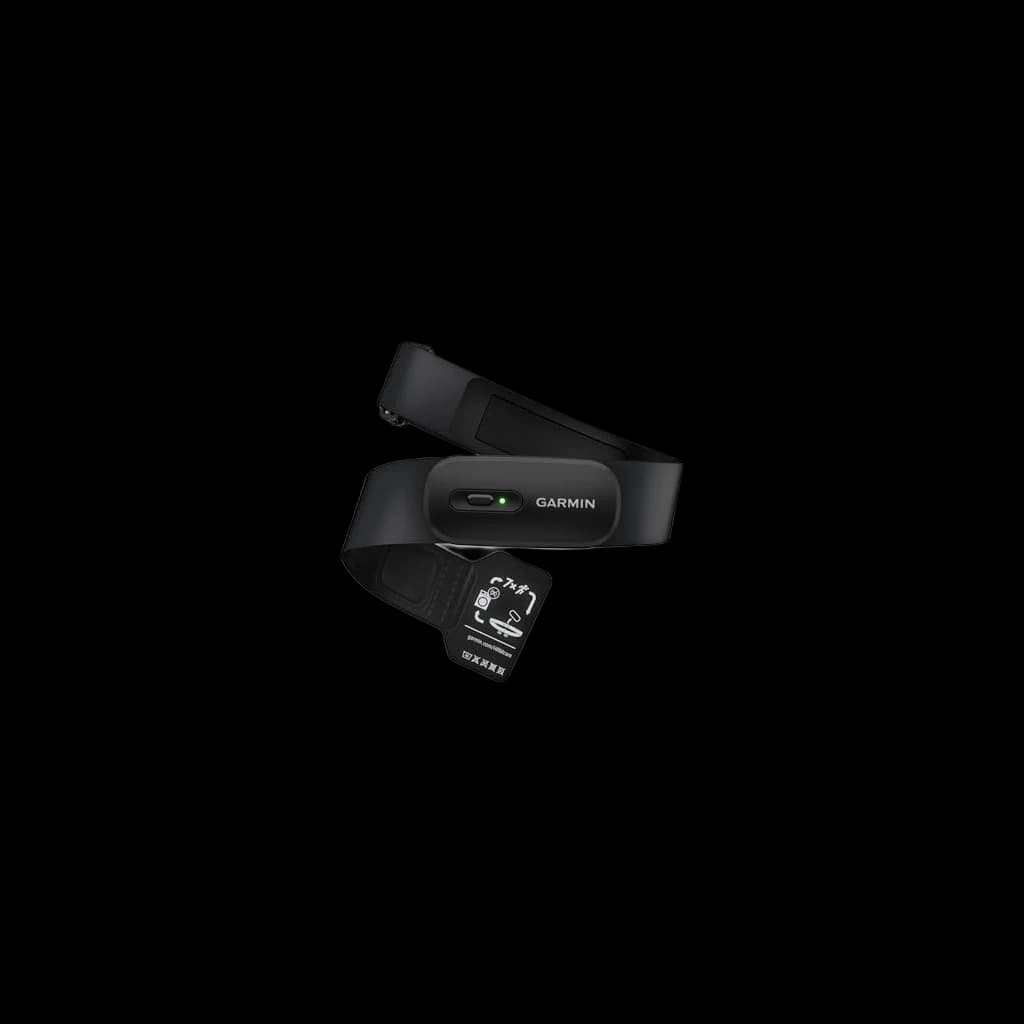 The Garmin-ecosystem answer to the Polar straps already here. If your watch is a Garmin, staying in-brand avoids the pairing and sync friction that turns people off chest straps entirely. | 4.4 Gym Score 91 | Pros
| Cons
| $79.99 | Buy on Amazon |
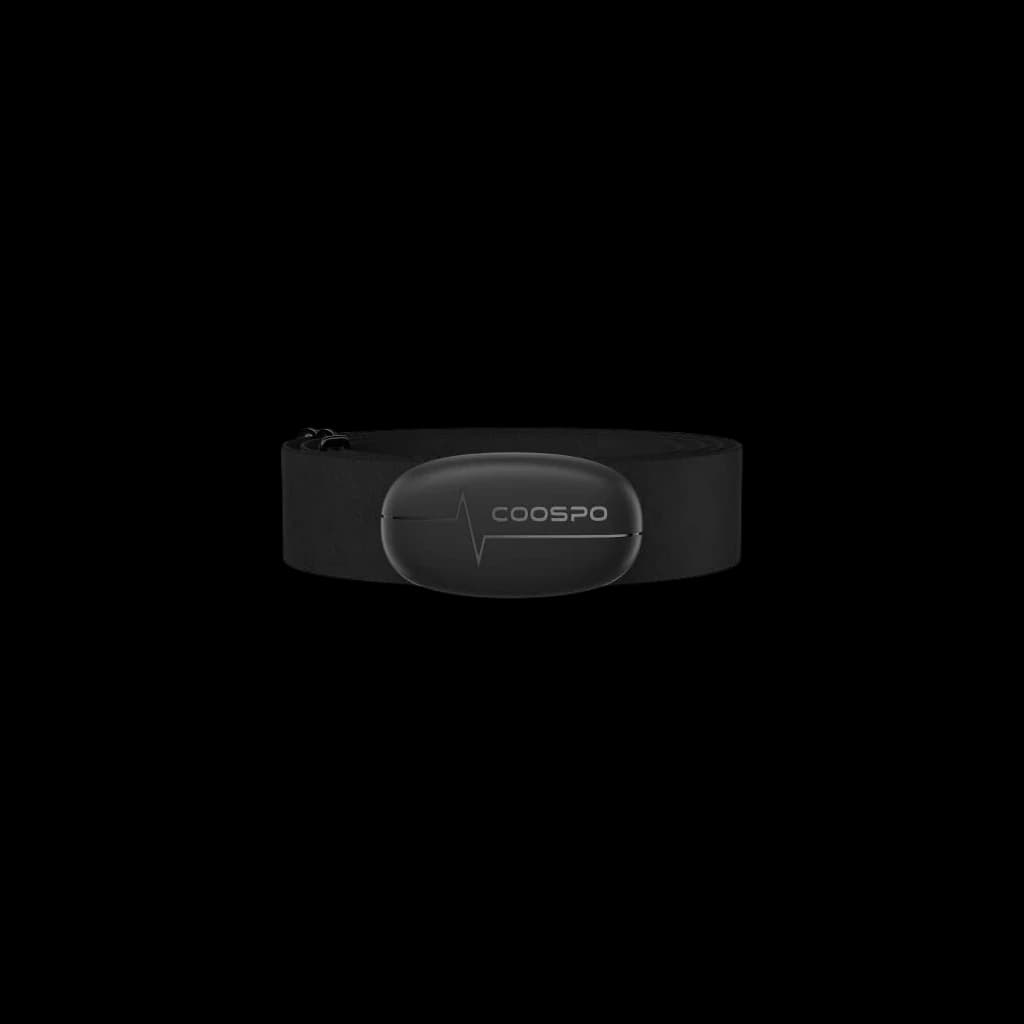 The budget chest strap, and the point worth making is that a $27 strap and a $105 strap use the same measurement method — ECG at the chest — so this is the cheapest route to accurate HR. | 4.3 Gym Score 84 | Pros
| Cons
| $29.99 | Buy on Amazon |
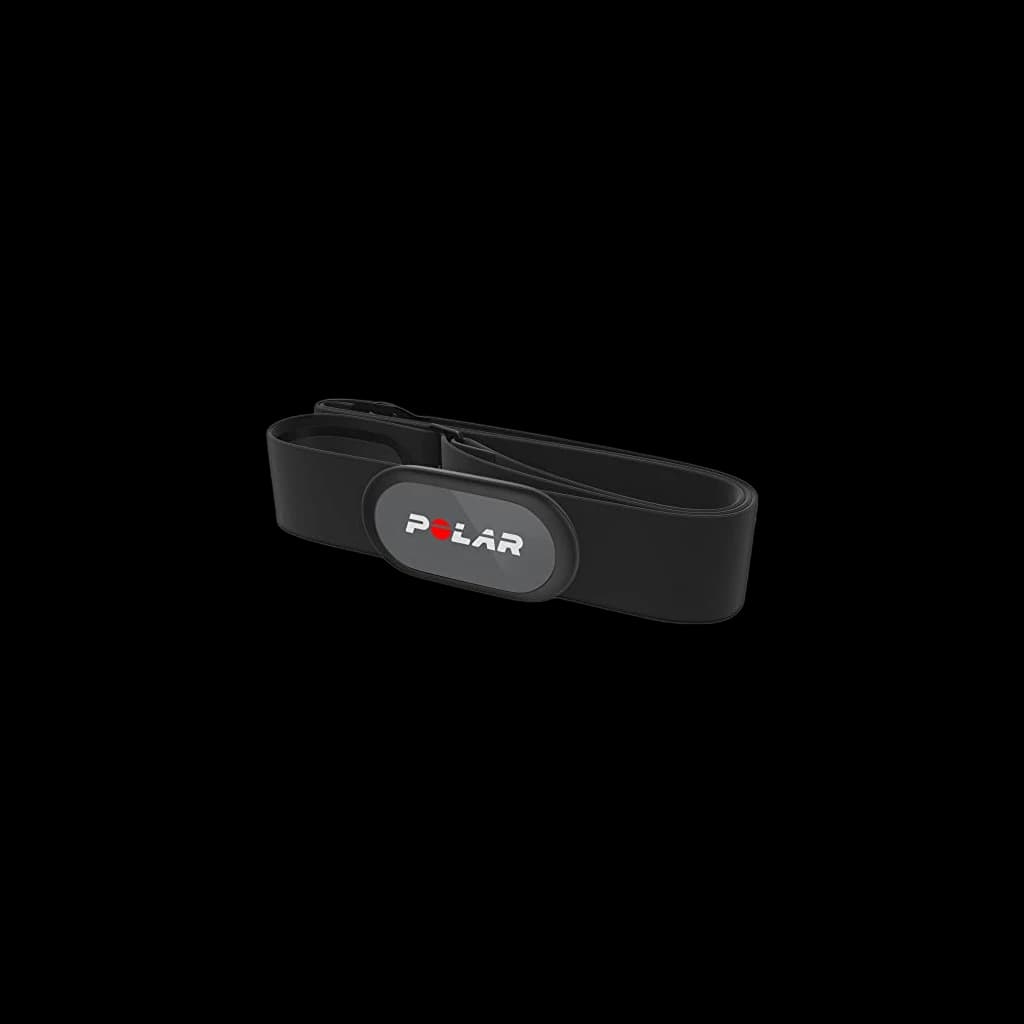 Polar's value chest strap. H10 accuracy without the multi-device or memory mode. Dual Bluetooth + ANT+ at half the price. ↓ Battery LifeBased on 1,162 buyer mentions | 4.2 Gym Score 85 | Pros
| Cons
| $69.90 | Buy on Amazon |
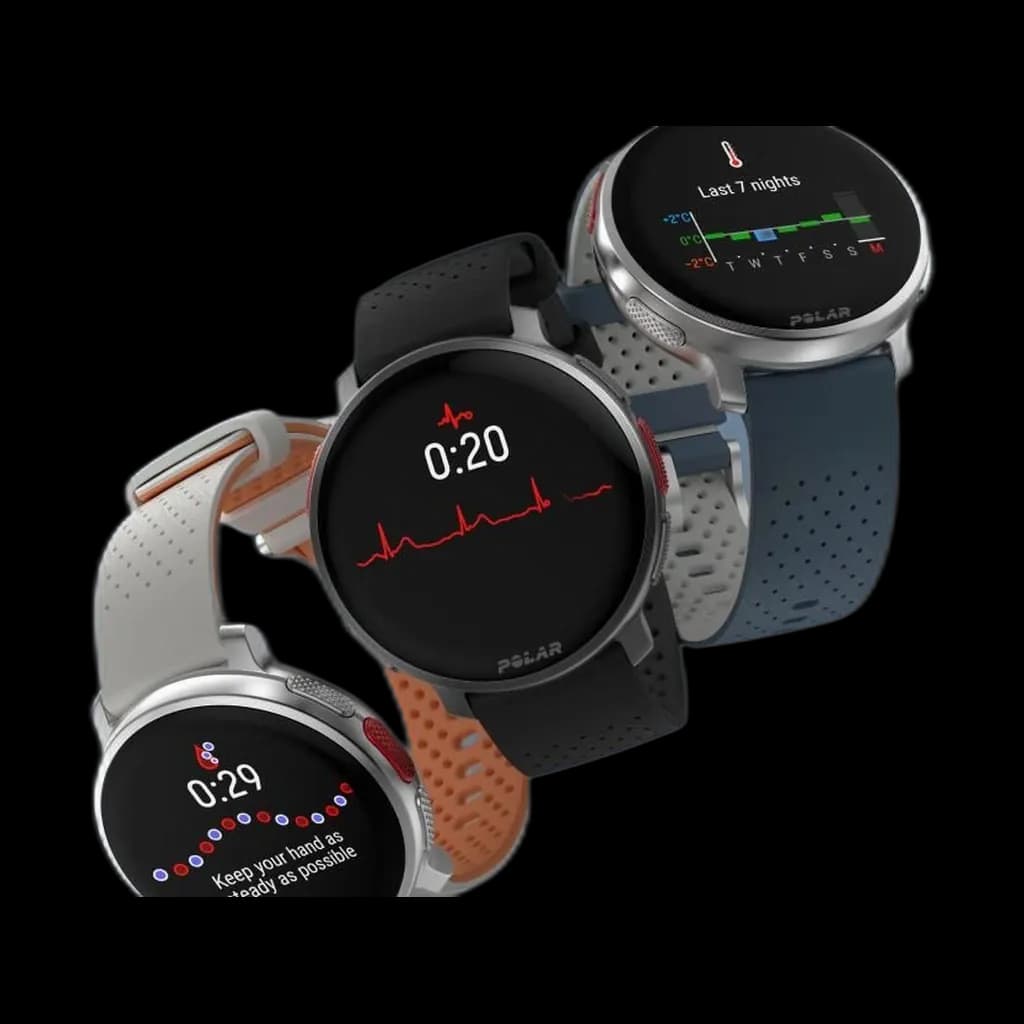 Polar's flagship multisport watch. Best-in-class wrist HR (Polar Precision Prime), AMOLED, ECG sensor, dual-frequency GPS. The pick for athletes who want Polar accuracy in a watch package. ↑ Best Wrist Hr↑ Amoled Display↓ Smaller App EcosystemBased on 25 buyer mentions | 4.4 Gym Score 86 | Pros
| Cons
| $778.54 | Buy on Amazon |
Amazon prices checked Sep 12, 2026. Amazon prices change often — the listing is authoritative.
Heart rate monitor spec comparison
Sensor type, broadcast protocols, onboard memory and battery, as the manufacturers state them. Listings and prices re-verified 2026-09-01.
| Product | Type | Protocols | Onboard memory | Battery |
|---|---|---|---|---|
| Polar H10 Chest Strap | Chest strap (ECG electrodes) | ANT+ and Bluetooth | One session | Up to 400 hr, CR2025 |
| Garmin HRM 200 Chest Strap | Chest strap (ECG electrodes) | ANT+ and Bluetooth | None | Replaceable coin cell |
| COOSPO H6 Bluetooth/ANT+ Chest Strap | Chest strap (ECG electrodes) | ANT+ and Bluetooth | None | Replaceable coin cell |
| Polar H9 Heart Rate Sensor | Chest strap (ECG electrodes) | ANT+ and Bluetooth | None | Up to 400 hr, CR2025 |
| Polar Vantage V3 | GPS watch (wrist optical) | ANT+, Bluetooth, WiFi | Full watch storage | Up to 8 days |
Pick by situation
Decide by your situation, not the generic ranking.
| If | You want | Pick |
|---|---|---|
| Cheapest accurate option | Anyone who wants real heart-rate data without spending watch money | COOSPO H6 Bluetooth/ANT+ Chest Strap |
| Garmin watch owner | Riders and runners already inside the Garmin ecosystem | Garmin HRM 200 Chest Strap |
| Training by zones | Athletes following ACSM or Karvonen-derived heart-rate prescriptions | Polar H10 Chest Strap |
TL;DR — should you read this?
- The Polar H10 chest strap is the reference, period. Sports-science labs use it as the truth source when validating new optical wearables.
- If your watch is a Garmin, buy the Garmin HRM 200 instead. It pairs natively, costs less than the H10, and removes the sync friction that makes people give up on straps.
- A budget strap measures the same way. The COOSPO H6 uses the same chest electrodes as the Polar. Placement, not price, is what makes a strap accurate.
- Optical wrist sensors are fine for steady-state, broken for intervals. Every wrist sensor lags and underreads peaks during sprints.
- Buy ANT+ and Bluetooth dual broadcast. Single-protocol straps lock you to one app.
Our pick
The chest strap sports-science labs use as the reference when validating other sensors. Dual ANT+ and Bluetooth, 400-hour battery, records one session on its own.
Our picks at a glance
| Pick | Who it is for | Key spec | Price |
|---|---|---|---|
| Polar H10 Chest Strap — best overall | Anyone training by heart-rate zones | ANT+ and Bluetooth; records one session; 400 hr battery | $104.90 |
| Garmin HRM 200 — best for Garmin owners | Garmin watch and Edge users | ANT+ and Bluetooth; washable strap; replaceable cell | $79.99 |
| COOSPO H6 — best budget | First strap, or a spare for the gym bag | ANT+ and Bluetooth; IP67 rated per COOSPO | $29.99 |
| Polar H9 — H10 without the memory | Single-device users who never train phone-free | ANT+ and Bluetooth; no onboard memory | In stock, price not quotable |
| Polar Vantage V3 — best watch | One device for training, sleep and daily data | Dual-frequency GPS; AMOLED; up to 8-day battery | $778.54 |
Picks and prices verified 2026-09-01. Four of the five are live listings; the Polar H9 was in stock with no quotable price on that date, so no number is shown for it.
What separates good from bad in this category
Three factors decide accuracy: sensor placement, sensor technology, and connectivity.
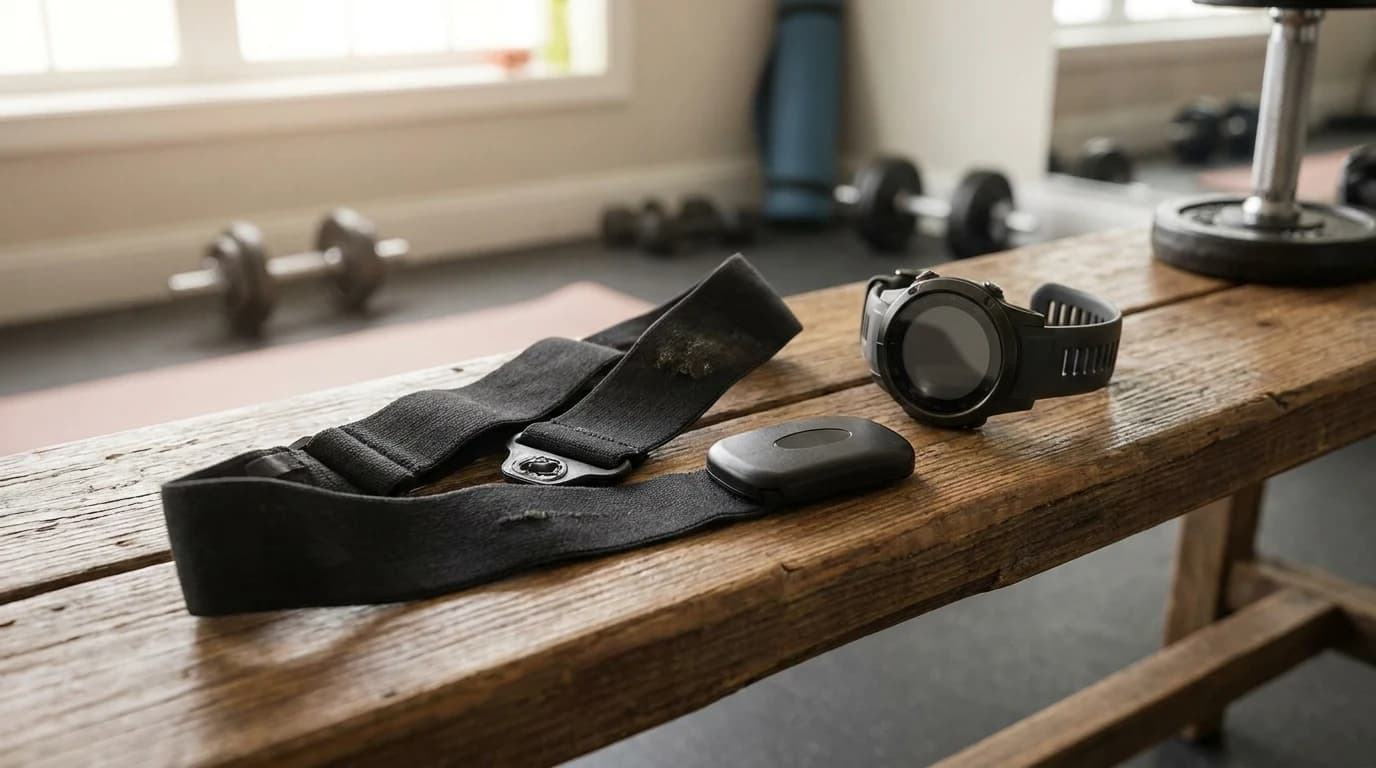
Placement is the dominant variable, and it is free
A chest strap sits over the sternum, where the electrical signal from the heart's depolarisation wave is strongest. Optical wrist sensors shine green LEDs through skin and infer pulse from blood-flow modulation — a weaker signal, contaminated by motion artefact from wrist movement. This is why a $27 strap outperforms a $400 watch for interval work: the cheap thing is in the right place.
A chest strap is non-negotiable if:
- You train intervals, hill repeats or CrossFit
- You lift, where grip-tight wrist activity wrecks optical readings
- Your programming prescribes zones rather than perceived effort
A wrist optical sensor is fine if:
- Your training is steady-state — validation studies put it within a few beats of a strap at rest and low intensity
- You want sleep, heart-rate-variability trends and all-day data more than interval precision
- You will pair a strap for the sessions that matter
Chest strap sensor technology has converged
The Polar H10, the Garmin HRM 200 and the COOSPO H6 all use the same fundamental ECG-electrode approach. Differences come down to onboard memory, strap material, broadcast protocol and how cleanly the thing pairs with the device you already own.
Connectivity is where strap selection actually decides
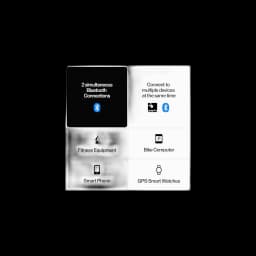
ANT+ is the standard bike computers and Garmin watches use. Bluetooth Low Energy is the standard for phones, watches and most smart-trainer ecosystems. Every strap we rank broadcasts on both, so you can pair to a watch and a phone app at the same time. Single-protocol straps lock you to one ecosystem and fail silently when you switch.
Rule of thumb: the American Heart Association's target heart rate zones put moderate intensity at 50-70% of maximum and vigorous at 70-85%. A sensor that is 10 bpm off puts your whole intensity prescription in the wrong zone.
Ecosystem friction is the real reason straps get abandoned
The most common cause of a chest strap ending up in a drawer is not comfort — it is a pairing dance that fails once a fortnight. That is the entire argument for staying in-brand: a Garmin watch and a Garmin strap negotiate this without you.
The picks, ranked
1. Polar H10 Chest Strap — $104.90 — Best chest strap, period
The strap sports-science labs use as the reference standard when validating new wearables. ECG-grade electrodes, dual broadcast, a coin-cell battery rated to about 400 hours, and Polar's soft-strap design. It stores one workout internally, so it can record a swim or another phone-free session. The credible knock: the strap chafes on rides longer than three hours. Polar's science page documents the sensor approach in depth.
2. Garmin HRM 200 Chest Strap — $79.99 — Best for Garmin watch owners
The in-brand answer if your watch or bike computer is a Garmin. Native pairing with watches and Edge units, a replaceable battery, and a washable strap — and it undercuts the Polar H10 on price. No onboard memory, so it will not record a phone-free session on its own. Outside the Garmin ecosystem there is no reason to choose it over the H10.
3. COOSPO H6 Bluetooth/ANT+ Chest Strap — $29.99 — Best budget
The point worth making is that this strap and the Polar use the same measurement method — electrodes at the chest — so this is the cheapest route to genuinely accurate heart rate. Dual broadcast, IP67 rated per COOSPO. The strap material is less refined than Polar's and the battery does not last as long. As a first strap, or a spare that lives in the gym bag, it is hard to argue with.
4. Polar H9 Heart Rate Sensor — Best if you find one cheap
The H10 minus the internal memory and minus the multi-device connection. Same dual broadcast, same battery life, same Polar build. In stock on the verification date with no quotable price, so no number is shown; if it is cheaper than the H10 when you look, it is a fine buy for a single-device setup.
5. Polar Vantage V3 — $778.54 — Best watch, if you want one device
A multisport watch with Polar's own wrist sensor, an AMOLED screen, dual-frequency GPS and up to eight days of battery. The wrist sensor is still a wrist sensor — pair the H10 with it for intervals and you have the best of both. Buy it for the watch, not for the heart rate.
Also worth knowing, but not ranked here: the Garmin HRM-Pro Plus adds running-dynamics metrics that only work with a Garmin watch, and the Wahoo Tickr X carries deeper onboard memory for phone-free spin classes. Neither is in our catalog, so we do not quote prices for them.
What the research actually says
- Chest straps hold accuracy that wrist-optical sensors lose during dynamic movement. Wang et al. measured wrist-worn monitors against a chest strap and found they track closely at rest and steady-state, then diverge under load (JAMA Cardiol 2017, PMID 27732703). Most accuracy claims for wrist sensors come from steady-state laboratory protocols.
- Heart-rate lag during intervals is real and measurable. Optical sensors take several seconds to register a hard interval start. Chest straps register the change almost immediately.
- Training zones depend on an accurate maximum. The Tanaka equation (208 − 0.7 × age) is the more accurate population estimator per ACSM and outperforms the older 220 − age formula for adults over 40. A personalised maximum from a supervised test always beats an equation.
- DC Rainmaker's optical sensor review remains the most thorough public comparison of chest-strap and wrist-optical accuracy across activity protocols.
What the research does not support: wrist-optical sensors as interchangeable with chest straps for training with rapid intensity transitions. Pretending they are is the single biggest mistake recreational athletes make when reading their own data.
What to skip
- Single-protocol chest straps. ANT+-only or Bluetooth-only straps lock you to one ecosystem. The few dollars saved are not worth it.
- Forearm or upper-arm optical straps as a chest-strap replacement. Better than wrist, still worse than chest. Useful as a chafe-free option, not a replacement for interval work.
- Any brand without published accuracy validation. No third-party study and no peer-reviewed citation means the accuracy spec is a marketing number.
- A wrist tracker as your only monitor if you train intervals. Continuous wrist sampling is great for HRV trends and wrong for interval prescription.
How to actually use this
- Tightest budget: the COOSPO H6. It is the single best dollar-per-accuracy buy in this guide.
- Default: the Polar H10. Pairs to your phone, watch, bike computer and indoor-cycling app, and lasts years.
- Garmin watch owner: the HRM 200, no debate. Native pairing removes the friction that kills strap habits.
- One-device setup: the Polar Vantage V3, with a strap paired for the hard sessions.
Setup notes that fix most "bad strap" complaints
- Wet the electrodes before snugging the strap — saliva works, electrode gel is better.
- Expect erratic readings for the first 30 seconds of a dry session. That is skin conductivity, not a defect.
- Wash the strap weekly to prevent dropouts.
- The battery is field-replaceable, so no full-strap replacement for years of regular use.
How we chose
We scored heart-rate monitors on accuracy of the measurement method, connectivity (ANT+ and Bluetooth dual broadcast preferred), battery life, ecosystem integration, and owner-reported reliability on r/running, r/cycling and r/Garmin. Read the full framework on our methodology page. Accuracy was weighted heaviest — a monitor that is wrong is worse than no monitor at all. We do not operate a test facility. Listings and prices were re-verified 2026-09-01.
Frequently Asked Questions
Is wrist optical HRM accurate enough?+
For zone-2 cardio, yes. For intervals or HIIT, no - optical sensors lag 5-15 seconds and underread peaks. Pair a chest strap with your watch if you train intervals.
Polar H10 or a Garmin strap?+
If you do not own a Garmin watch, the H10 is the no-brainer — it pairs with everything and records a session on its own. If your watch is a Garmin, the HRM 200 pairs natively, costs less than the H10, and removes the sync friction that makes people abandon chest straps.
Does the chest strap work for swimming?+
Polar H10 yes - it stores the workout internally and syncs after. Most other chest straps lose Bluetooth signal underwater.
How accurate is the Apple Watch heart rate sensor?+
For steady-state cardio, close to a chest strap. For intervals, weightlifting, or any activity with rapid wrist movement, wrist-worn sensors lag and underread peaks. Wang et al., JAMA Cardiology 2017 (PMID 27732703), measured the accuracy of wrist-worn heart rate monitors against a chest strap and found the pattern holds across devices. Do not use a watch as your primary monitor for interval training.
Which max heart rate formula should I use?+
The Tanaka equation (208 − 0.7 × age) is the most accurate population estimator per ACSM guidance and beats the older Fox 220−age formula for adults over 40. A personalized max HR from a maximal-effort test is always better. The Karvonen formula (heart-rate-reserve method) using resting HR gives more accurate training zones than percent of max HR alone.
Do I need to wet a chest strap before use?+
Yes. The electrodes need conductive moisture to read the heart's electrical signal. Saliva works for casual use; sports electrode gel (a tube lasts months) gives the cleanest connection on dry skin. Without moisture, the first 30-90 seconds of a workout reads erratically until skin sweats.
Is a $27 chest strap really as accurate as a $105 one?+
For the measurement itself, largely yes — the COOSPO H6 and the Polar H10 both read the heart's electrical signal through chest electrodes, which is the reason chest straps beat wrist sensors. What the Polar adds is onboard memory for a phone-free session, a longer-lived strap material, and a validation record the budget brands do not publish.
Sources & Research
- Polar — Polar Science — sensor research and validationauthority
- PubMed — Wang 2017 — Accuracy of Wrist-Worn Heart Rate Monitors (JAMA Cardiol, PMID 27732703)research
- DC Rainmaker — DC Rainmaker — optical heart rate sensor accuracy reviewreview
- AHA — American Heart Association — target heart rate zonesauthority
- ACSM — ACSM — physical activity guidelines resource hubauthority
- Mayo Clinic — Mayo Clinic — fitness basics resource hubauthority
- CDC — Physical activity basics for adultsauthority
Related reviews
Best Treadmill for Home Runners in 2026
The NordicTrack Commercial 1750 is the best running treadmill of 2026; the T Series 10 is the value runner and the MERACH is the incline pick. Seven decks scored.
Best Rowing Machines for Home Use in 2026
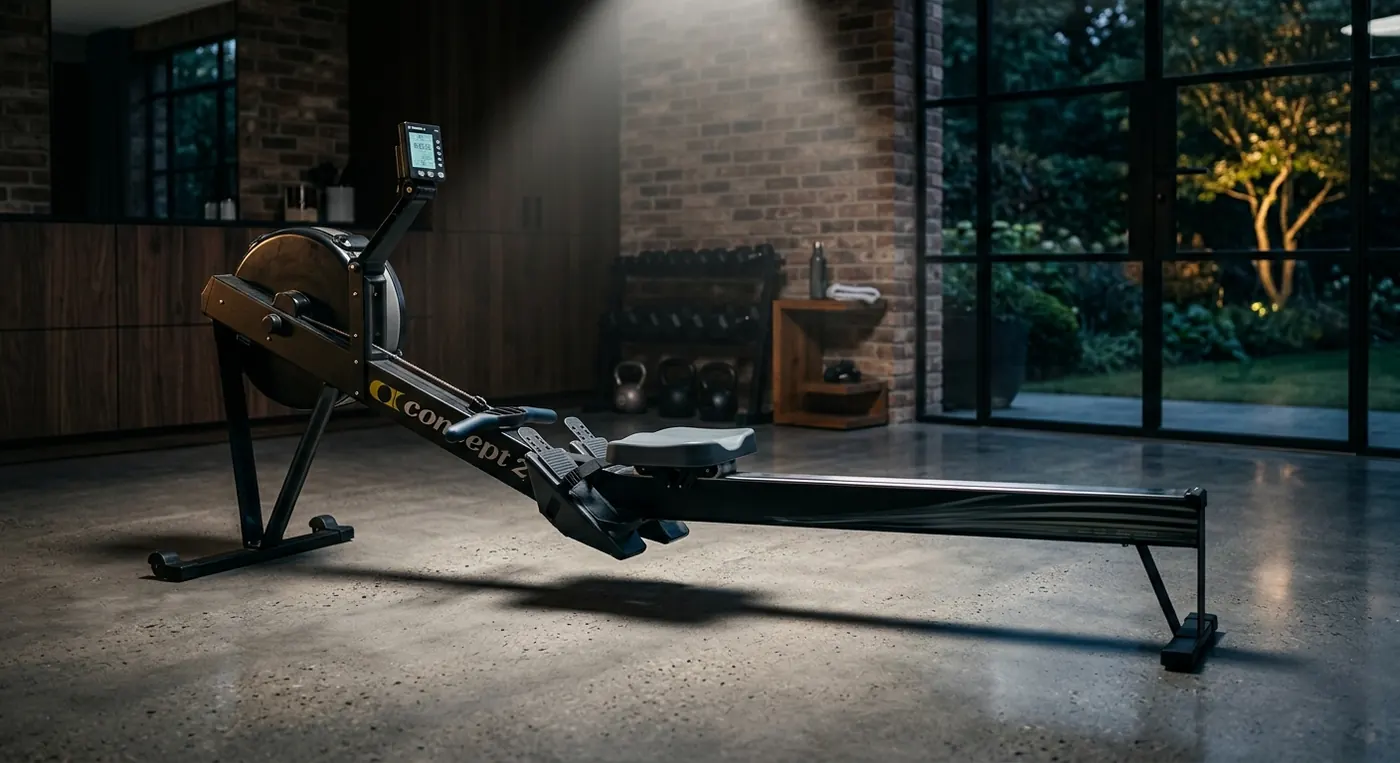
The Concept2 RowErg is the best rowing machine of 2026. We scored 9 rowers on data, durability, and community; nothing has beaten it since 1981.
Best Exercise Bikes for Home Gym Use
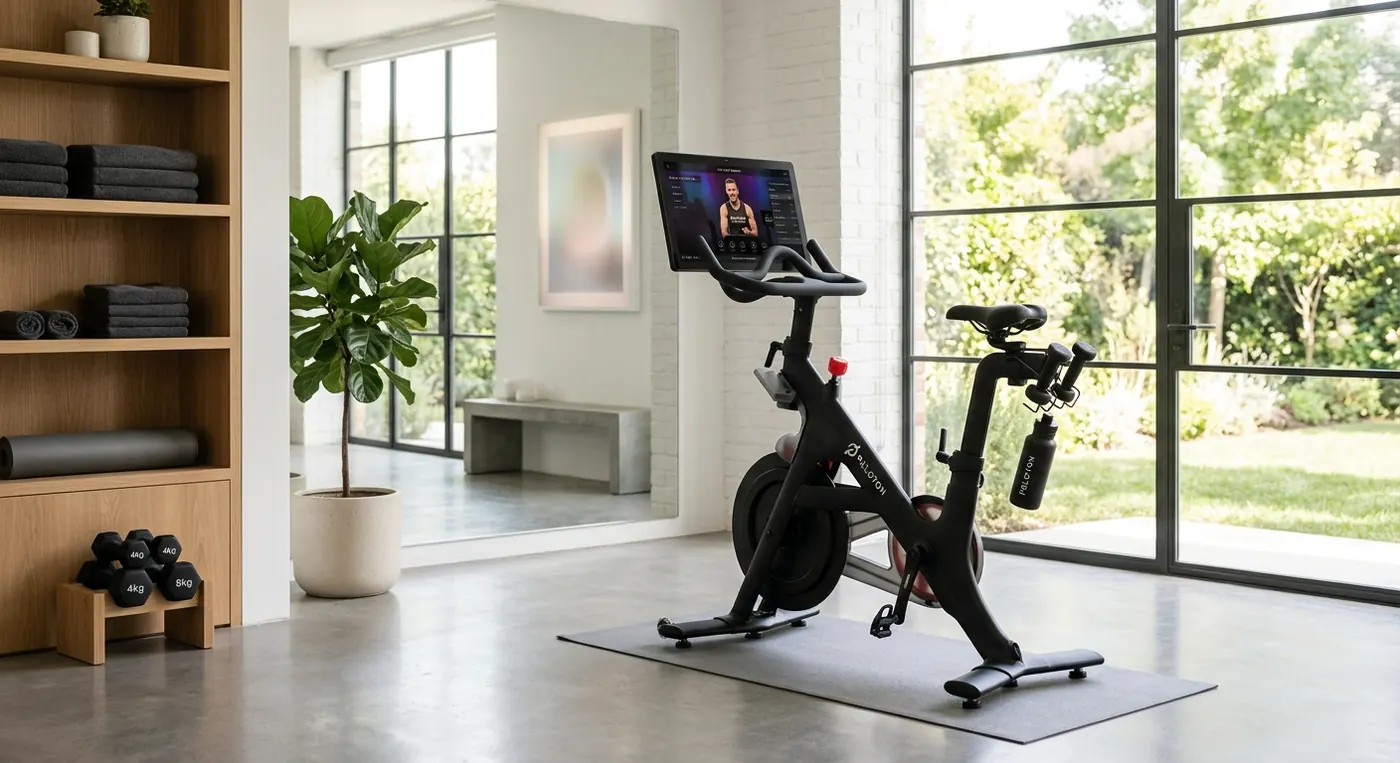
The Schwinn IC4 is the best exercise bike under $1,000, with full Peloton-app support; Peloton Bike+ leads the premium tier. 11 bikes scored on ride feel.
Hilly Shore Labs
Editorial teamThe independent product research team behind GymScored. Every recommendation is researched, never hands-on tested — rankings come from manufacturer specifications, published standards, and aggregated buyer sentiment.
163 products scored across 26 home gym categories, each on the same 5-dimension Gym Score formula.
See the scoring methodology and who we are.
Affiliate disclosure: GymScored is a participant in the Amazon Services LLC Associates Program. We earn from qualifying purchases at no extra cost to you. Full disclosure →