Best Exercise Bikes for Home Gym Use
The Schwinn IC4 is the best exercise bike under $1,000, with Peloton-app support; Peloton's Cross Training Bike+ leads the premium tier. Six bikes ranked.
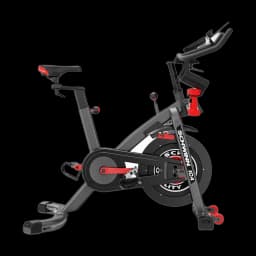
- Rides along with Peloton app classes
- Bluetooth FTMS
- Dual-sided SPD pedals
Evidence snapshot · Updated October 21, 2026
The evidence-backed answer
Schwinn IC4 is our default pick for the scope of this guide: Magnetic resistance, dual SPD pedals, Peloton-app compatible. The smart-money bike under $1,000.
Scope: 6 shortlisted products compared using published specifications, owner-feedback signals, value and category-specific performance. 6 comparison entries match our catalog. Retailer rating totals are snapshots, not a count of people whose reviews we independently analyzed. This is research synthesis, not hands-on testing.
The side-by-side comparison below carries each shortlisted product's owner rating, price context, pros, cons and buy state in one actionable view.
How GymScored is paid: Amazon Associates commission plus brand-direct affiliate (Rogue / REP / Titan when approved). No sponsored placements, no paid reviews, no pay-to-rank. Picks are ranked by the Gym Score formula and nothing else. Read the full disclosure.
Peloton Cross Training Bike+ for the full studio experience. Schwinn IC4 for 80% of the experience at 30% of the price.
| Product | Owner rating | Key specs | Pros | Cons | Price | Buy |
|---|---|---|---|---|---|---|
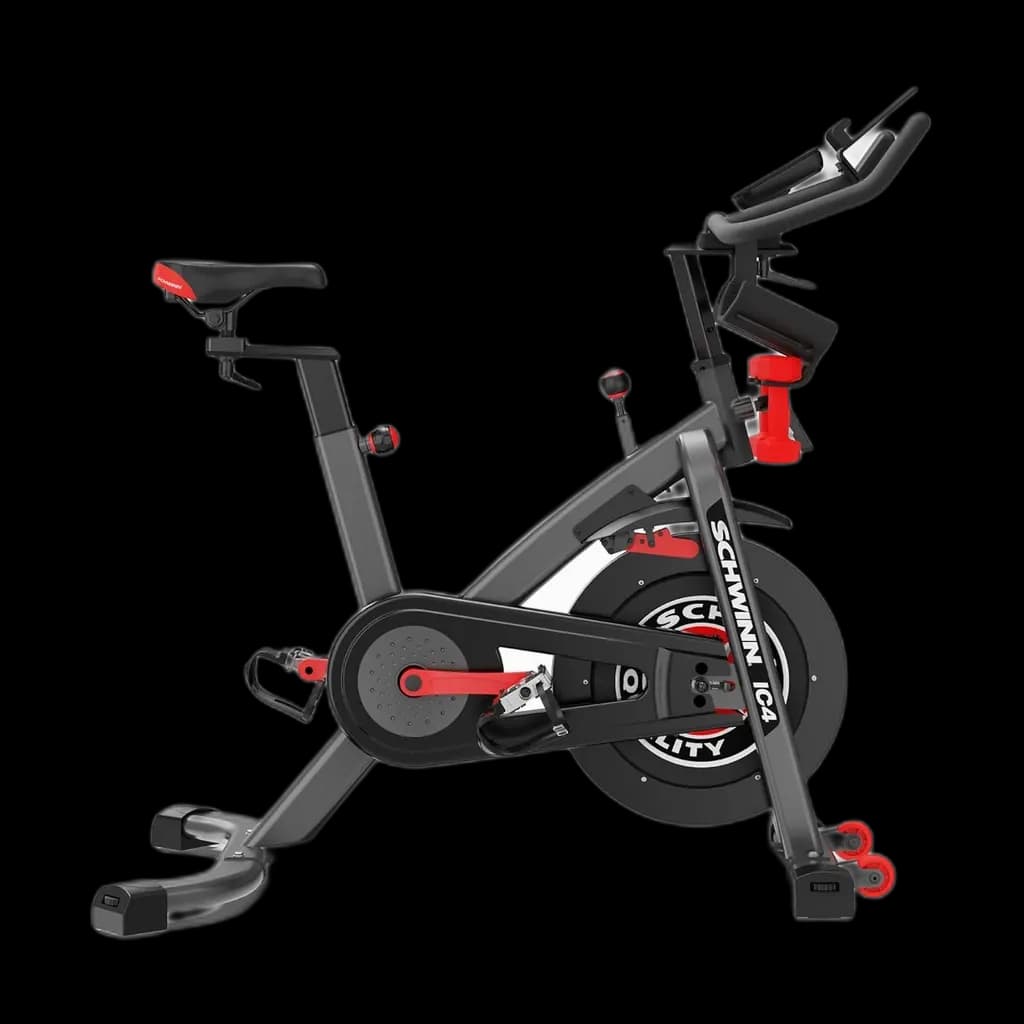 Best value bike on the market. Pairs with the Peloton app on the $15.99/mo App One plan instead of $49.99/mo All-Access. ↑ Quality↑ AssemblyBased on 2,729 buyer mentions | Owner rating Gym Score 82 | Key specs
| Pros
| Cons
| $795.99 | Buy on Amazon |
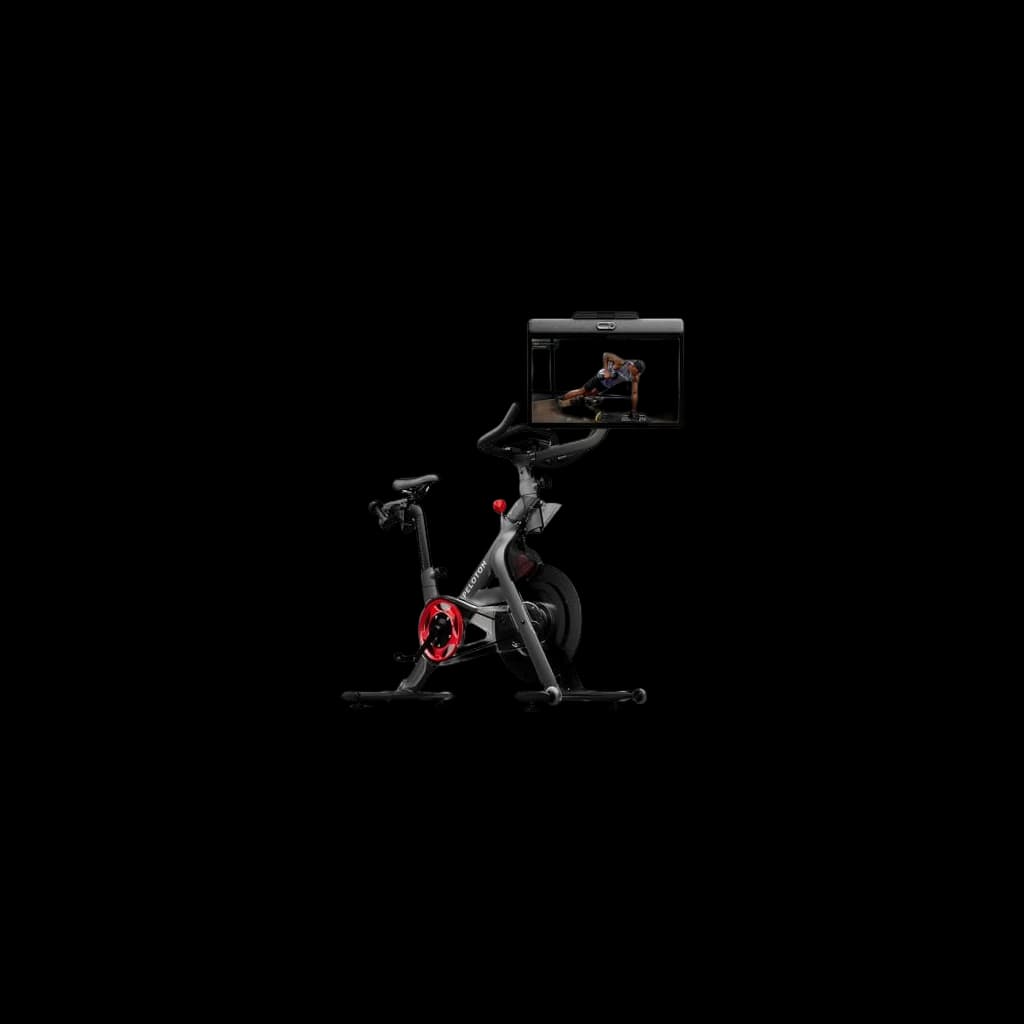 The studio experience. Auto-resistance, swivel touchscreen, the most polished home cardio product made. ↑ Live Classes↑ Rotating Screen↓ Subscription RequiredBased on 25 buyer mentions | Owner rating Gym Score 75New listing: 45 Amazon ratings so far (2026-10-21), too few to read much into. | Key specs
| Pros
| Cons
| $2,695.00 | Buy on Amazon |
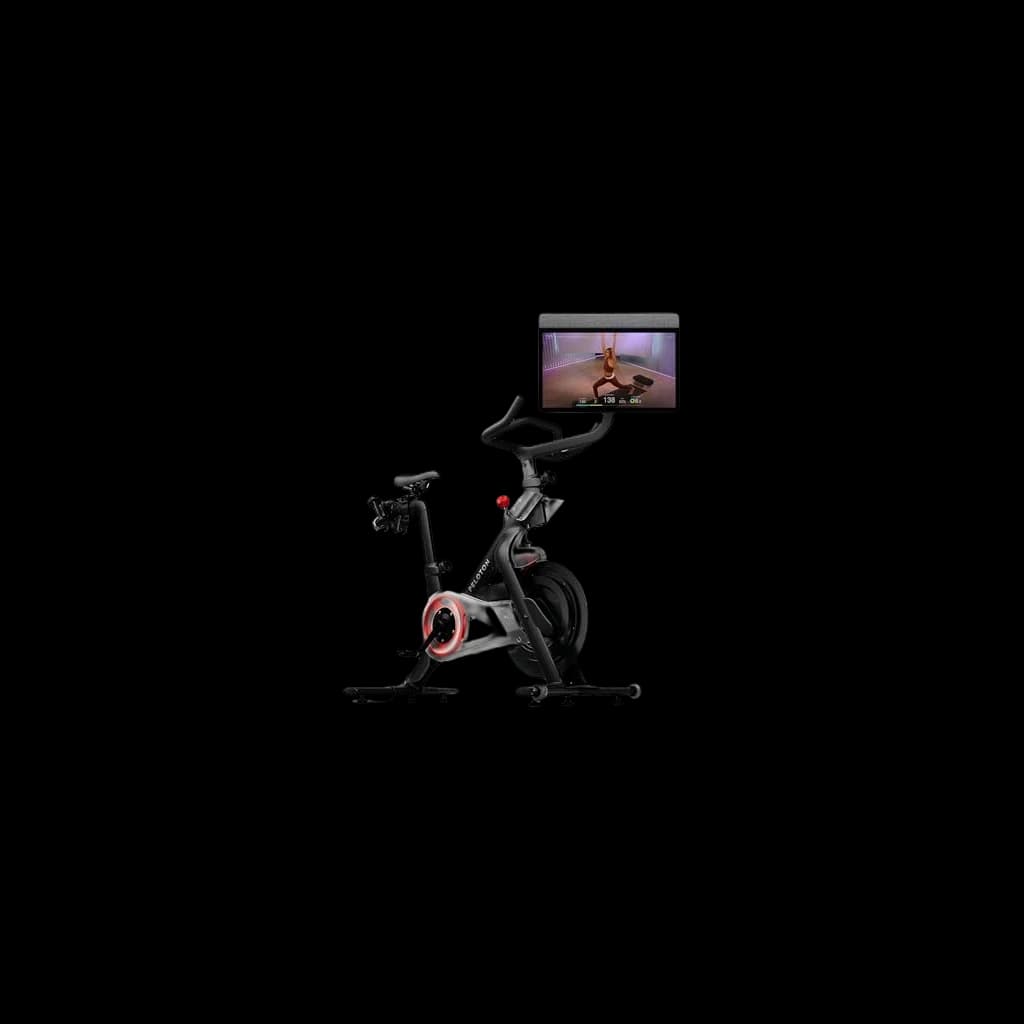 Peloton's classes on Peloton hardware without paying for the Bike+: a 21.5-inch HD swivel touchscreen and a manual resistance knob, per Peloton. Classes need the All-Access membership. | Owner rating Gym Score 72New listing: 48 Amazon ratings so far (2026-10-21), too few to read much into. | Key specs
| Pros
| Cons
| $1,695.00 | Buy on Amazon |
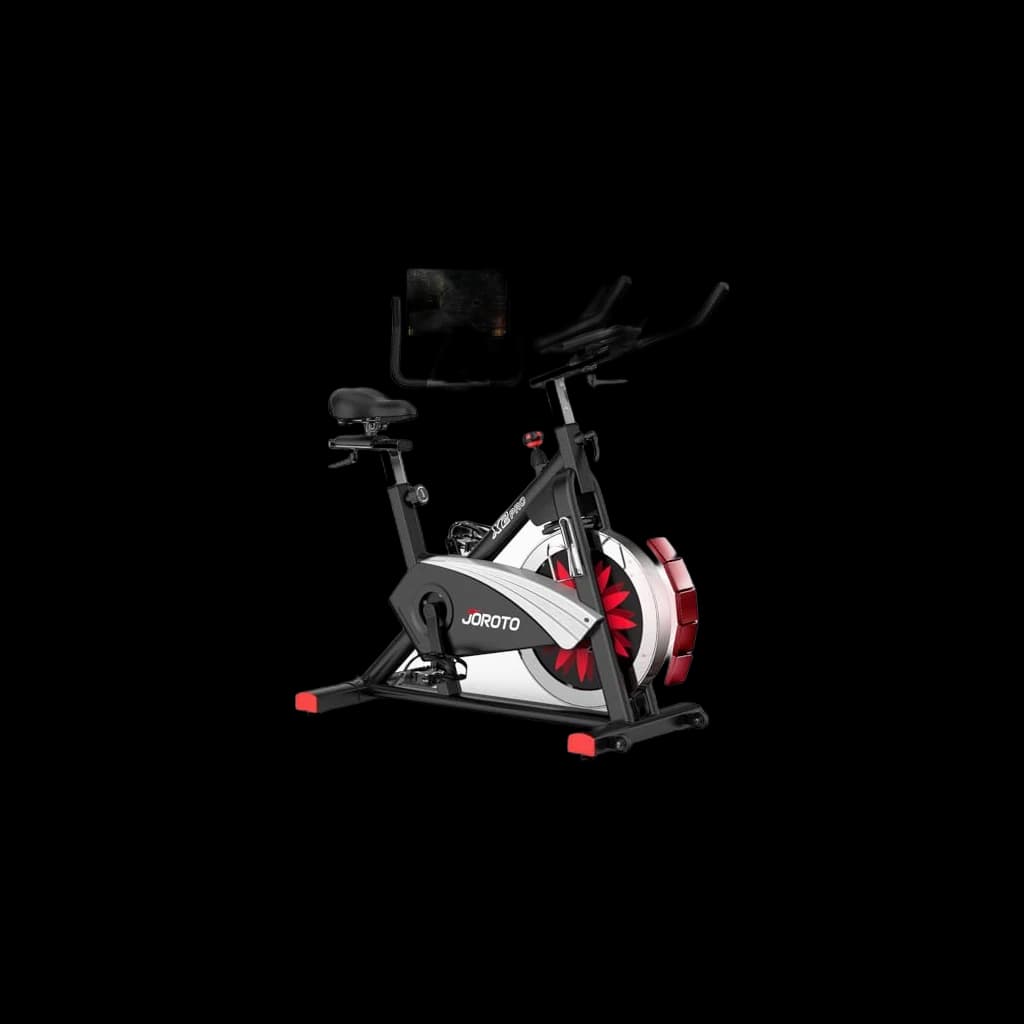 The value spin bike: magnetic resistance and Bluetooth that pairs with Zwift and Kinomap, per JOROTO. Its listing states 350 lb; JOROTO's own site lists 300 lb, so plan on the lower figure. | Owner rating Gym Score 82 | Key specs
| Pros
| Cons
| $399.99 | Buy on Amazon |
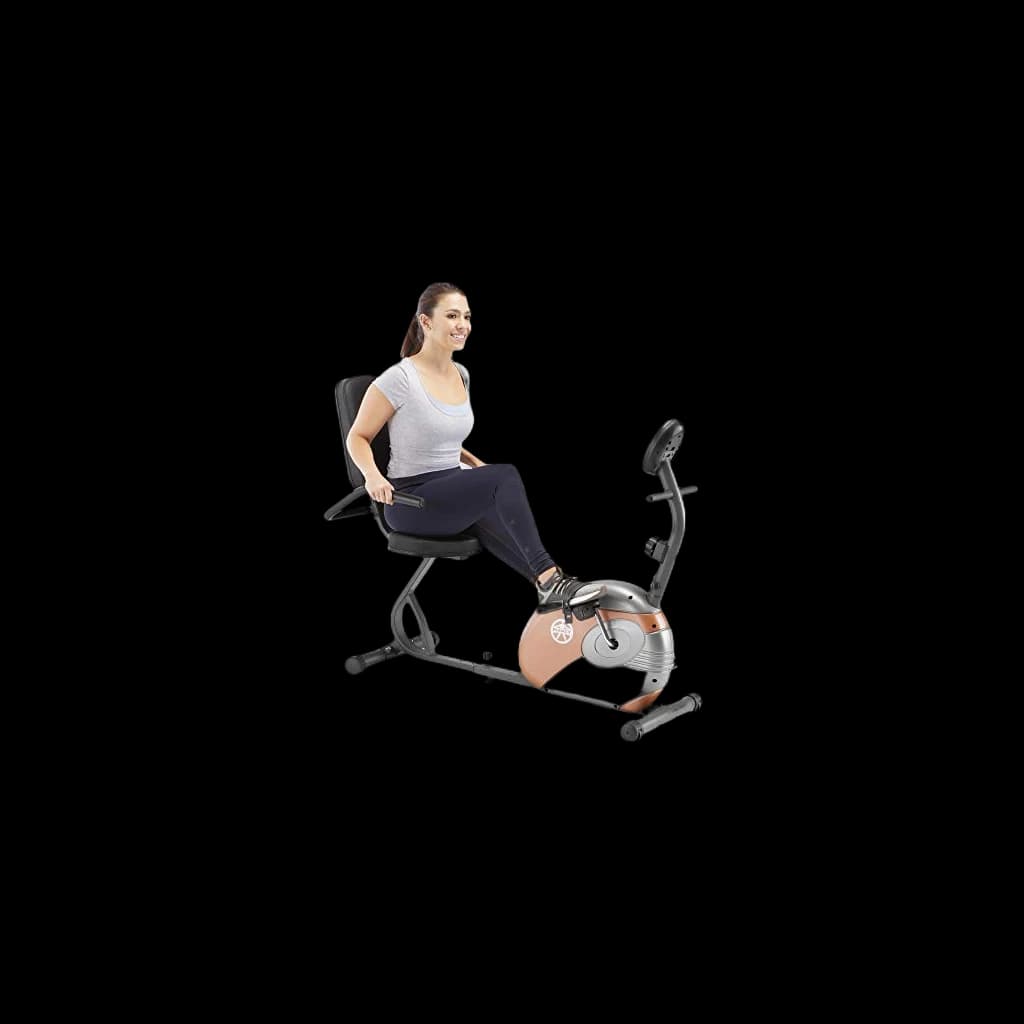 The only recumbent here: a back-supported seat and a step-through frame for low-impact riding, with eight magnetic levels and a basic LCD, per Marcy. | Owner rating Gym Score 77Amazon rating pooled with the upright Marcy variant on the same listing (read 2026-10-21). | Key specs
| Pros
| Cons
| $159.99 | Buy on Amazon |
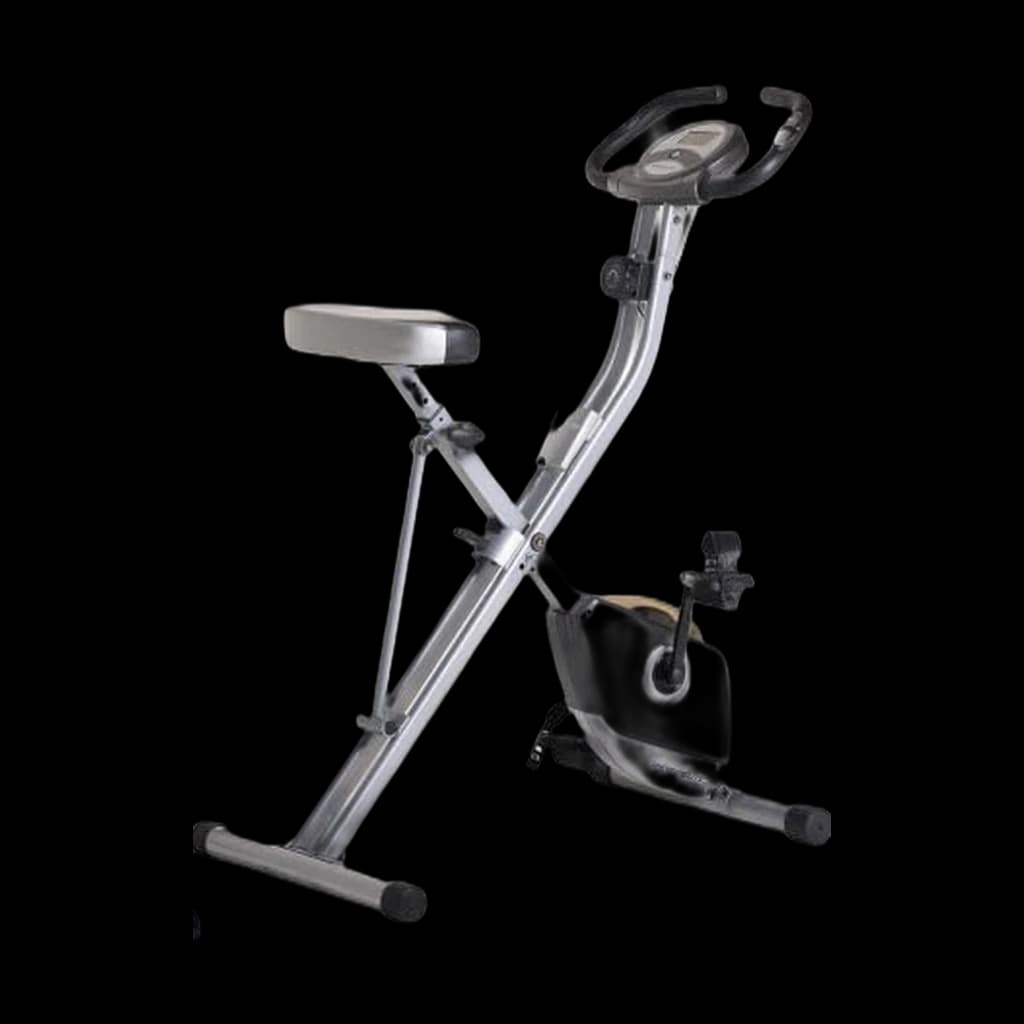 The bike that folds away: half its size folded, 39 lb, transport wheels and a 300 lb capacity, per Exerpeutic. A casual upright for small apartments, not a training tool. | Owner rating Gym Score 79 | Key specs
| Pros
| Cons
| $219.00 | Buy on Amazon |
Amazon prices checked Oct 17, 2026. Amazon prices change often — the listing is authoritative.
Top picks spec comparison
Specs Amazon listings rarely aggregate side-by-side. Sourced from manufacturer data.
| Product | Resistance | Flywheel | Connectivity |
|---|---|---|---|
| Schwinn IC4 | Magnetic (100 levels) | 40 lb perimeter-weighted | Bluetooth FTMS |
| JOROTO X2PRO Magnetic Exercise Bike | Magnetic, micro-adjustable | 40 lb per JOROTO's listing (35 lb on its site) | Bluetooth (JOROTO app, Zwift, Kinomap) |
| Marcy ME-709 Recumbent Exercise Bike | Magnetic (8 levels) | Not stated | None |
| Exerpeutic Foldable Exercise Bike | Magnetic (8 levels) | Not stated | None |
Pick by situation
Decide by your situation, not the generic ranking.
| If | You want | Pick |
|---|---|---|
| Sweet spot $300-700 | Peloton-curious buyers who want the same class experience for one third the price | Schwinn IC4 |
| Premium $1,500+ | Riders who want Peloton's classes on Peloton hardware without paying for the Bike+ | Peloton Cross Training Bike |
| Low-impact riding | Riders who want back support and a step-through frame instead of a spin saddle | Marcy ME-709 Recumbent Exercise Bike |
TL;DR — should you read this?
- The Schwinn IC4 is the smart-money pick under $1,000. Magnetic resistance, 40 lb perimeter-weighted flywheel, dual SPD/cage pedals, Peloton-app compatible on the $15.99/mo App One plan (versus $49.99/mo All-Access on a Peloton Cross Training Bike+).
- The Peloton Cross Training Bike+ is the studio experience — auto-resistance follows class instruction, 23.8" rotating touchscreen, polished from frame to UI. The right pick if you'll actually use the content library. The Cross Training Bike puts the same classes on a cheaper bike with a manual resistance knob.
- Indoor cycling, upright, and recumbent are three different categories. This guide is mostly indoor cycling (spin) bikes, plus one recumbent and one folding upright for riders who want those instead.
- Flywheel weight above 30 lb is preference, not performance. Heavier flywheels feel smoother but don't make the workout better.
- Air bikes are a separate category — fan resistance, conditioning focus. See the air bike guide if HIIT is the goal.
Our pick
Magnetic resistance, dual SPD pedals, Peloton-app compatible. The smart-money bike under $1,000.
What separates good from bad in this category
Four specs decide whether an indoor cycle is worth the money: resistance system, flywheel design, drivetrain, and connectivity.
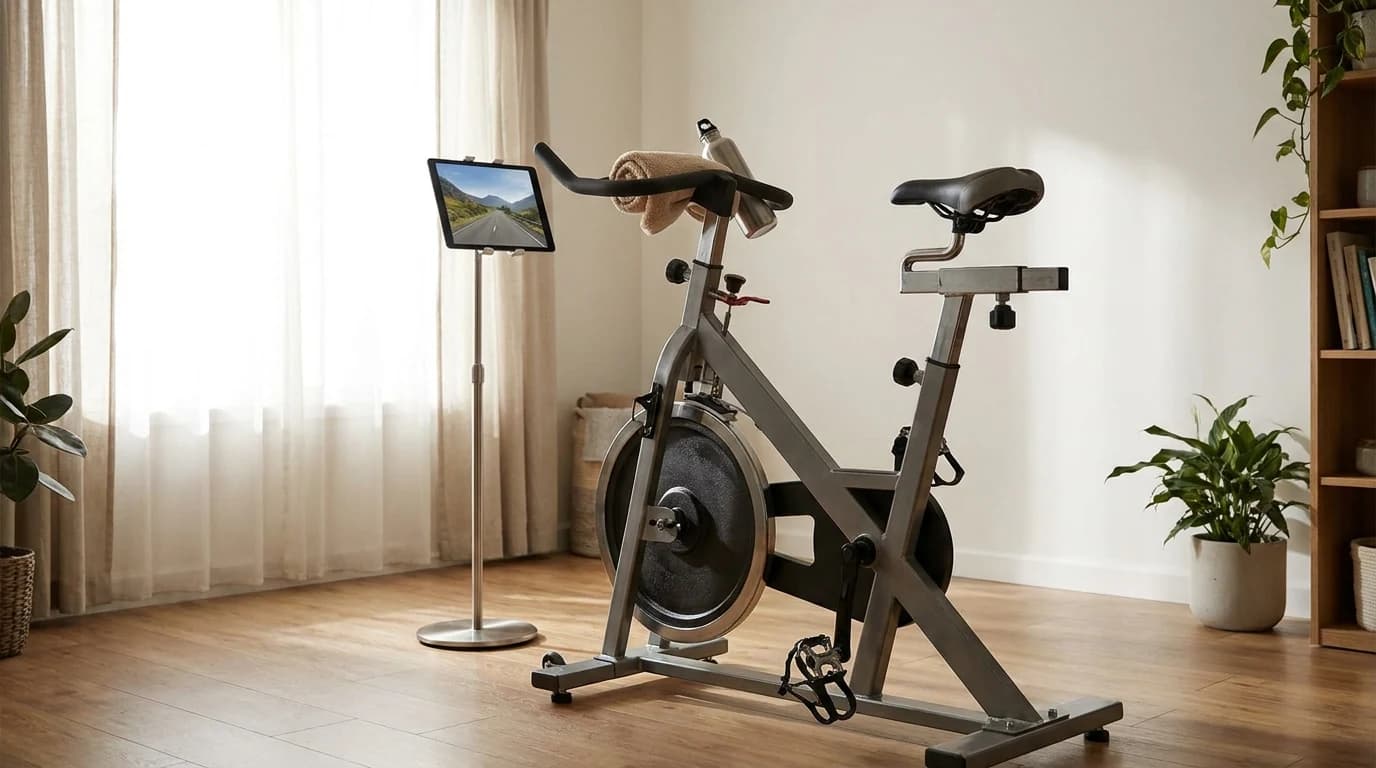
Magnetic resistance is the modern standard
A magnet moves closer to the flywheel to increase drag, giving smooth, quiet adjustment with no consumable parts. Friction resistance uses a felt pad that contacts the flywheel — cheaper, but it wears out and creates dust and noise. Skip friction bikes for daily use. Air resistance scales with effort, which is a different category and a different use case.
Flywheel design beats flywheel weight
A perimeter-weighted flywheel concentrates mass at the rim, producing smoother momentum at any given mass than a uniformly-weighted disc. The Schwinn IC4's 40 lb perimeter-weighted flywheel feels noticeably smoother than 50 lb uniform-weight flywheels on cheaper bikes.
Rule of thumb: above about 30 lb of effective inertia, more flywheel weight is preference, not engineering benefit. Don't pay for the number.
Drivetrain is where cheap bikes fail
Belt drive — on most quality modern bikes — is silent, maintenance-free, and lasts 5-10+ years. Chain drive feels slightly more responsive at sprint efforts but needs occasional lubrication and the chain stretches.
Connectivity is the spec marketing pages bury
Bluetooth FTMS is the open standard that lets a bike talk to Zwift, MyWhoosh, Wahoo apps, and most third-party training software. ANT+ extends compatibility to older sensors. Peloton's bikes are deliberately closed and exchange data only with the Peloton app.
Open standard (FTMS/ANT+) is right if:
- You ride outdoors and want Zwift or TrainerRoad in winter
- You'd rather buy content separately from hardware — the IC4 is FTMS-compatible, which is the technical reason it runs the Peloton digital app at a third of the cost
- You want your data portable if you change bikes
Closed ecosystem is right if:
- The instructor roster and class library are the actual reason you're buying
- You want auto-resistance following class cues rather than turning a knob
- You'll keep the subscription for years, not months
The picks, ranked
| Bike | Price | Resistance & flywheel | Ecosystem |
|---|---|---|---|
| Schwinn IC4 | $795.99 | Magnetic, 40 lb perimeter-weighted, belt | Bluetooth FTMS — any app |
| Peloton Cross Training Bike+ | $2,695.00 + $49.99/mo | Magnetic, auto-resistance, belt | Closed (Peloton only) |
| Peloton Cross Training Bike | $1,695.00 + membership | Magnetic, manual knob | Closed (Peloton only) |
| JOROTO X2PRO | $399.99 | Magnetic, 40 lb per JOROTO's listing (35 lb on its site) | Bluetooth: JOROTO app, Zwift, Kinomap |
| Marcy ME-709 (recumbent) | $159.99 | Magnetic, 8 levels | None |
| Exerpeutic Foldable (upright) | $219.00 | Magnetic, 8 levels | None |
1. Schwinn IC4 — $795.99 — Best for most riders
100-level magnetic resistance, belt drive, dual SPD/cage pedals so you can use cycling shoes or sneakers. The console shows cadence, speed, and time but no screen — you supply a tablet for content. Peloton's $15.99/mo App One plan on that tablet gives you the classes at a fraction of the Peloton-bike price, though you adjust resistance by hand. Magnetic resistance has no pads to wear out, so routine care is light.
2. Peloton Cross Training Bike+ — $2,695.00 + subscription — Best for content-driven training
Auto-resistance turns the knob for you when instructors call out a level, and the 23.8" touchscreen swivels for floor workouts. The $49.99/mo All-Access subscription is required for most features. The polished UI, instructor roster, and class library are the genuine differentiator. The honest tradeoff is the closed ecosystem: no Zwift, no MyWhoosh, no third-party data. This is Peloton's October 2025 model; the November 2025 CPSC seat-post recall covers the Original Series Bike+ (model PL02), not this one.
3. Peloton Cross Training Bike — $1,695.00 + membership — Best for Peloton's classes for less
Peloton's classes on Peloton hardware without paying for the Bike+. Peloton lists a 21.5-inch HD swivel touchscreen and a manual resistance knob; the Bike+ adds auto-resistance and a movement-tracking camera. The pedals take Delta-compatible cleats, so budget for cycling shoes, and the classes need the All-Access membership. It is a new listing with 48 Amazon ratings (4.3 stars, 2026-10-21), too few to read much into.
No longer ranked: NordicTrack S22i Studio Cycle
The NordicTrack S22i is no longer ranked (2.7★ on 6 reviews, new offer out of stock on 2026-10-21).
No longer ranked: Wahoo KICKR Bike Shift
The Wahoo KICKR Bike Shift is no longer ranked (3.6★ on 20 reviews, 2026-10-21). Cyclists who want Zwift or TrainerRoad indoors can put their own bike on a smart trainer instead; see the smart trainer guide.
4. JOROTO X2PRO Magnetic Exercise Bike — $399.99 — Best budget spin bike
Magnetic resistance and Bluetooth that pairs with Zwift and Kinomap, per JOROTO, for about half the IC4's price. There is no screen, so bring a tablet, and the pedals are cages only (no SPD clips). JOROTO's Amazon listing states a 40 lb flywheel and a 350 lb capacity while its own site lists the X2PRO at 35 lb and 300 lb, so plan on the lower figures. Sold by JOROTO itself.
5. Marcy ME-709 Recumbent Exercise Bike — $159.99 — Best for low-impact riding
The only recumbent here: a back-supported seat and a step-through frame, per Marcy, for riders who find a spin saddle uncomfortable. Eight magnetic resistance levels and a basic LCD, with no Bluetooth or app, so fit riders will outgrow it. Owners call the seat firm. Sold by Amazon; on 2026-10-21 the listing said it usually ships within 3 to 5 days.
6. Exerpeutic Foldable Exercise Bike — $219.00 — Best for small apartments
An upright bike that folds to half its size, weighs 39 lb and rolls on transport wheels, with a 300 lb capacity and 8 magnetic levels, per Exerpeutic. It is a casual X-frame upright, not a spin bike, and Exerpeutic's stated fit range is 5'3" to 6'1". Sold by XPlus Outdoor, the company behind Exerpeutic.
What the research actually says
- Cycling counts toward the same aerobic target as running. The U.S. Physical Activity Guidelines set the weekly aerobic goal by minutes and intensity, not by which machine you use — the bike you will actually ride beats the treadmill you won't.
- Cycling is significantly lower-impact than running. Knee compression force during pedaling is roughly one-third of running at comparable cardiovascular effort, which is why it's the standard rehab tool for runners with patellofemoral pain.
- Bike fit matters more than equipment for anyone doing 3+ sessions per week. Saddle height, fore-aft position, and handlebar drop affect knee load, hip flexor strain, and lower back comfort.
- Standing climbs out of the saddle recruit more muscle mass but at higher heart rate cost per watt — useful for intervals, less useful for steady-state.
- Cadence matters less than power for cardiovascular outcome at moderate effort. The "high cadence is more efficient" claim from cycling forums isn't well supported for non-competitive riders.
What the research does not support: that indoor cycling is a better fat-burner than other cardio. "Fat-burning zones" around 60-70% max HR burn a higher percentage of energy from fat but a lower total, and net fat oxidation is generally similar across moderate-to-vigorous intensities for a given duration.
What to skip
- Friction-resistance bikes for daily use. The felt pad wears out, creates dust, and changes feel as it ages.
- Spin-style indoor cycles under $300. Frame flex and bearing wear become problems in the first year.
- Closed-ecosystem bikes for cyclists. If you train outdoors and use Zwift or TrainerRoad in winter, a Peloton-class closed system is the wrong purchase.
- Recumbent bikes marketed as "low-impact cardio." They're a specific solution for back pain or balance issues, not a general upgrade. That is exactly the case for the Marcy ME-709 above.
- Bikes without a real adjustable seat post. Some budget bikes lock the seat fore-aft. Bad fit equals bad knees within months.
How to actually use this / Buying guide
- Tier 1 (under $500): Casual use. The Marcy ME-709 recumbent or the folding Exerpeutic for 2-3 easy weekly sessions; the JOROTO X2PRO if you want a spin bike with Bluetooth app support.
- Tier 2 ($800-1,200): The sweet spot. Schwinn IC4 plus Peloton's $15.99/mo App One plan on a tablet gets you the same class library at well under half the lifetime cost.
- Tier 3 ($1,500+): Peloton hardware. The Cross Training Bike for Peloton's classes with a manual knob; the Cross Training Bike+ adds auto-resistance and a movement-tracking camera. Serious cyclists are better served by a smart trainer and their own bike.
The 15-minute fit that saves months of knee complaints
- Saddle height: with the pedal at the bottom of the stroke, the knee should have a slight bend, about 25-30 degrees.
- Saddle fore-aft: the kneecap should sit directly over the pedal axle at the 3 o'clock position.
- Handlebar height: start level with the saddle and drop it later as you build comfort.
How we chose
GymScored ranks indoor cycles on resistance smoothness and flywheel design, drivetrain durability, adjustability, connectivity standards (Bluetooth FTMS, ANT+), content ecosystem fit, and owner-reported service life. See /methodology. We do not operate a test facility and do not claim hands-on data; rankings synthesize manufacturer engineering specs, ACSM and NSCA cycling exercise testing literature, real cyclists' app compatibility reports, and long-term owner patterns across r/pelotoncycle, r/Velo, and r/homegym.
Under-desk bikes as an alternative
For people who want movement during work but find a walking pad too distracting, under-desk pedal exercisers and mini-bikes are the lower-key alternative. WFH Lounge has a dedicated under-desk fitness category for that use case — different product class, same goal.
Frequently Asked Questions
Can I use the Peloton app on a non-Peloton bike?+
Yes. Peloton's App One plan ($15.99/mo since October 2025) works on any bike. You just adjust resistance manually based on instructor cues.
Do I need cleated shoes?+
Not strictly. Most bikes have dual pedals (SPD on one side, cage on the other) so you can use regular sneakers.
Do I really save money using the Peloton app on a Schwinn IC4?+
Yes, substantially. Peloton's App One plan is $15.99/mo versus $49.99/mo for the bike-bundled All-Access plan. Across a year that's roughly a $408 difference, plus the IC4 itself costs roughly a third of the Peloton Cross Training Bike+. The tradeoff is manual resistance adjustment based on instructor cues.
What's the difference between indoor cycling, upright, and recumbent bikes?+
Indoor cycling (spin) bikes have heavy flywheels, road-bike geometry, and are designed for standing climbs and high-intensity work. Upright bikes have a smaller flywheel and a more relaxed seated position, aimed at moderate steady-state cardio. Recumbents have a chair-style seat and back support — specifically for users with back pain or balance issues.
Will Bluetooth FTMS let any bike work with Zwift?+
FTMS-compatible bikes work with most cycling apps including Zwift, MyWhoosh, and TrainerRoad. Peloton bikes deliberately do not expose FTMS — they're a closed ecosystem. The Schwinn IC4 is FTMS-compatible, which is the technical reason it works with the Peloton digital app and Zwift simultaneously.
How important is flywheel weight?+
Above about 30 lb of effective inertia, more weight is preference rather than engineering benefit. A 40 lb perimeter-weighted flywheel feels smoother than a 50 lb uniform-weight flywheel. Don't pay extra for raw flywheel weight alone.
Sources & Research
- ACSM — ACSM cycling guidelinesauthority
- DC Rainmaker — DC Rainmaker (resource hub)review
- GPLama — Indoor trainer testing channelreview
- r/Velo — Cycling communitycommunity
- ACSM — ACSM Guidelines for Exercise Testing and Prescriptionauthority
- NSCA — NSCA Essentials of Personal Training cycling chapterauthority
- Bluetooth SIG — Bluetooth FTMS (Fitness Machine Service) specificationstandard
- Retail Dive — Peloton raises membership pricing ahead of holidays (Oct 1, 2025): App One $12.99 to $15.99, All-Access $44 to $49.99news
- HHS — Physical Activity Guidelines for Americans, 2nd editionauthority
Related reviews
Best Treadmill for Home Runners in 2026
The NordicTrack Commercial 1750 is the best running treadmill of 2026; the T Series 10 is the value runner and the MERACH is the incline pick. Seven decks scored.
Best Rowing Machines for Home Use in 2026
Six home rowers ranked. The Concept2 RowErg wins on data and durability; Hydrow Origin is the guided-class pick and the Sunny magnetic the budget entry.
Hilly Shore Labs
Editorial teamThe independent product research team behind GymScored. Every recommendation is researched, never hands-on tested — recommendations draw on manufacturer specifications and available published research. Category order is editorial; the Gym Score is a separate comparison aid.
170 listed products across 26 home gym categories. Scores use category criteria, value and owner-rating inputs; missing evidence limits what a score can tell you.
See the scoring methodology and who we are.
Affiliate disclosure: GymScored is a participant in the Amazon Services LLC Associates Program. We earn from qualifying purchases at no extra cost to you. Full disclosure →