Best Smart Trainers for Indoor Cycling in 2026: Wahoo Kickr Wins
The Wahoo KICKR V6 is the best smart trainer for indoor cycling on accuracy and app support; the Kickr Core 2 is the value pick. Five trainers scored.
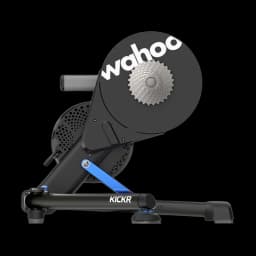
- ±1% power accuracy
- 20% simulated gradient
- WiFi-direct streaming
Evidence snapshot · Updated August 17, 2026
The evidence-backed answer
Wahoo Kickr V6 is our default pick for the scope of this guide: +/- 1% wattage accuracy, widest accessory ecosystem (Headwind fan, Climb), works with every cycling app. The default direct-drive trainer.
Scope: 4 shortlisted products compared using published specifications, owner-feedback signals, value and category-specific performance. The matched catalog records represent 3,021 owner ratings. This is research synthesis, not hands-on testing.
| Product | Rating | Current price context |
|---|---|---|
| Wahoo Kickr V6 | 4.5/5 | $849.99 |
| Tacx Neo 3M | 4.5/5 | $1,799.99 |
| Elite Rivo Direct Drive Smart Trainer | 4.3/5 | $549.99 |
| Wahoo Kickr Core 2 | 4.7/5 | $549 |
How GymScored is paid: Amazon Associates commission plus brand-direct affiliate (Rogue / REP / Titan when approved). No sponsored placements, no paid reviews, no pay-to-rank. Picks are ranked by the Gym Score formula and nothing else. Read the full disclosure.
Wahoo Kickr V6 for the default. Tacx Neo 3M for ride feel. Wahoo Kickr Core 2 for value. Elite Rivo for the cheapest current direct drive.
| Product | Rating | Pros | Cons | Price | |
|---|---|---|---|---|---|
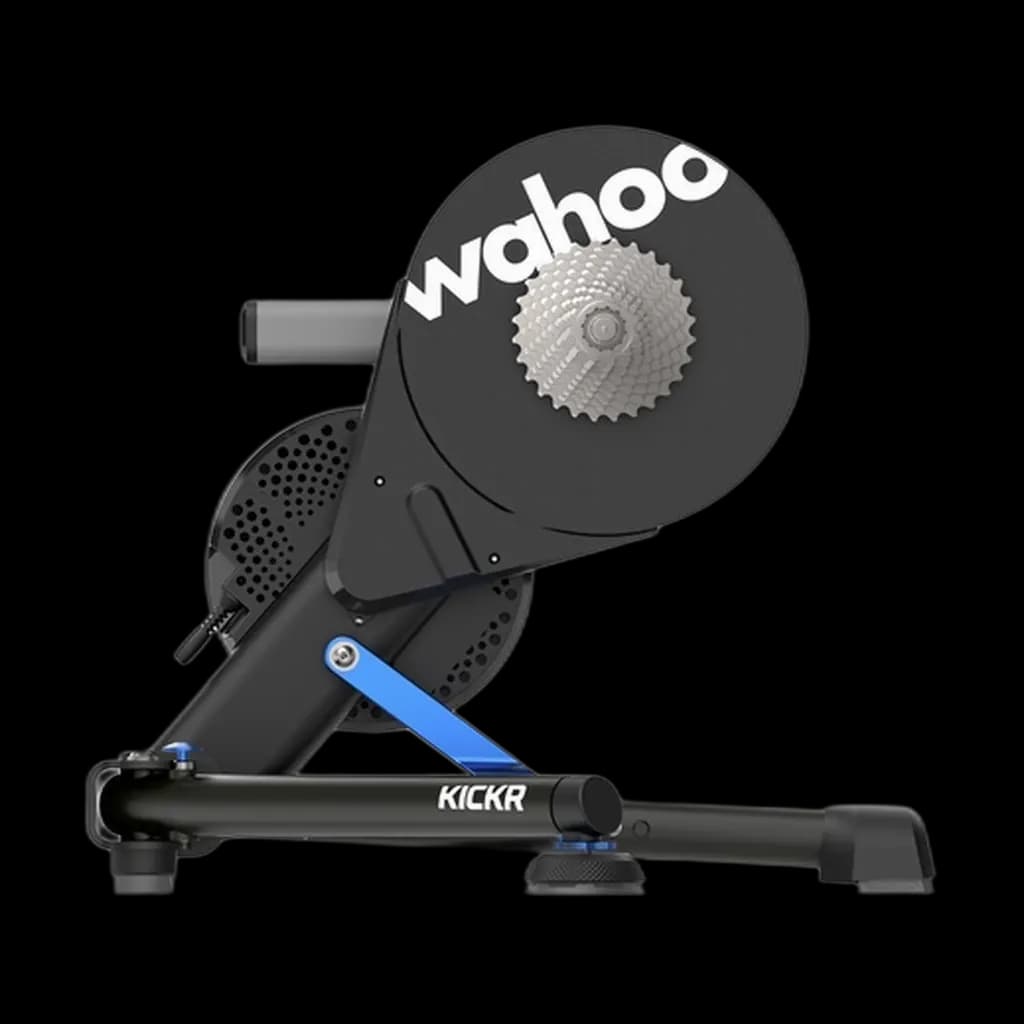 The genre-standard direct-drive trainer. +/- 1% wattage, widest ecosystem. ↑ Performance↑ FunctionalityBased on 21 buyer mentions | 4.5 Gym Score 87 | Pros
| Cons
| $849.99 | Buy on Amazon |
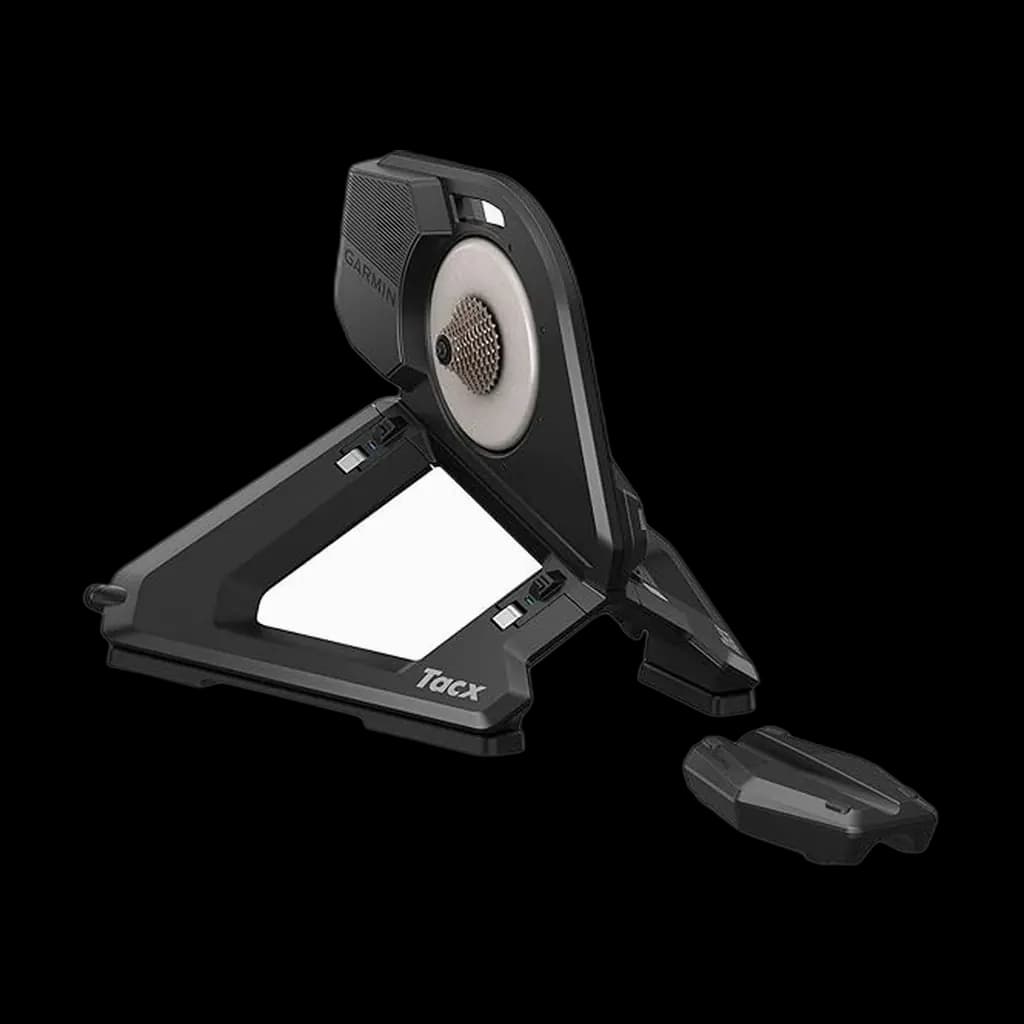 The ride-feel direct-drive trainer. Motor simulates cobbles, gravel, and downhill assist. ↑ Never Needs Calibration↑ Road Feel Simulation↓ Most Expensive TrainerBased on 25 buyer mentions | 4.5 Gym Score 88 | Pros
| Cons
| $1,799.99 | Buy on Amazon |
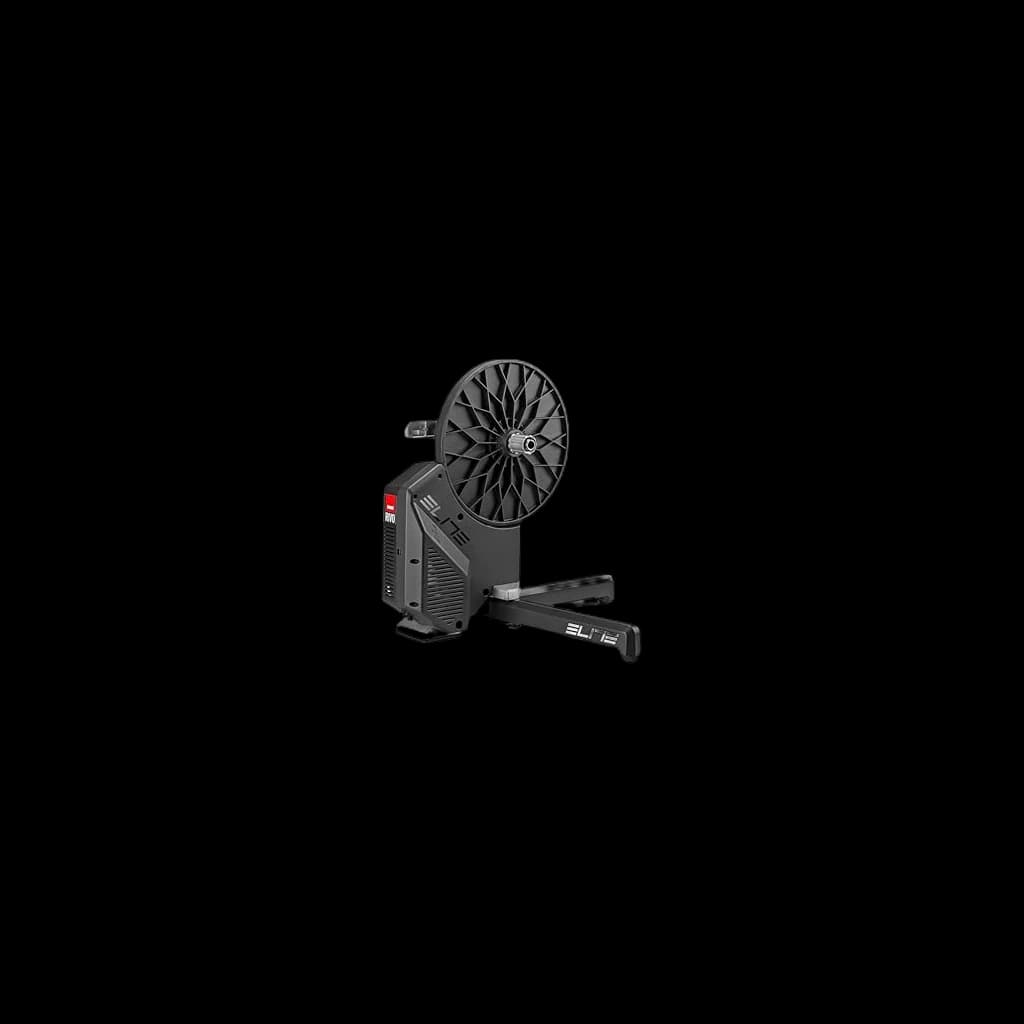 One of the more affordable current direct-drive trainers here. Elite state +/- 2.5% accuracy — enough for structured training, not for category-cap racing. | 4.3 Gym Score 80 | Pros
| Cons
| $549.99 | Buy on Amazon |
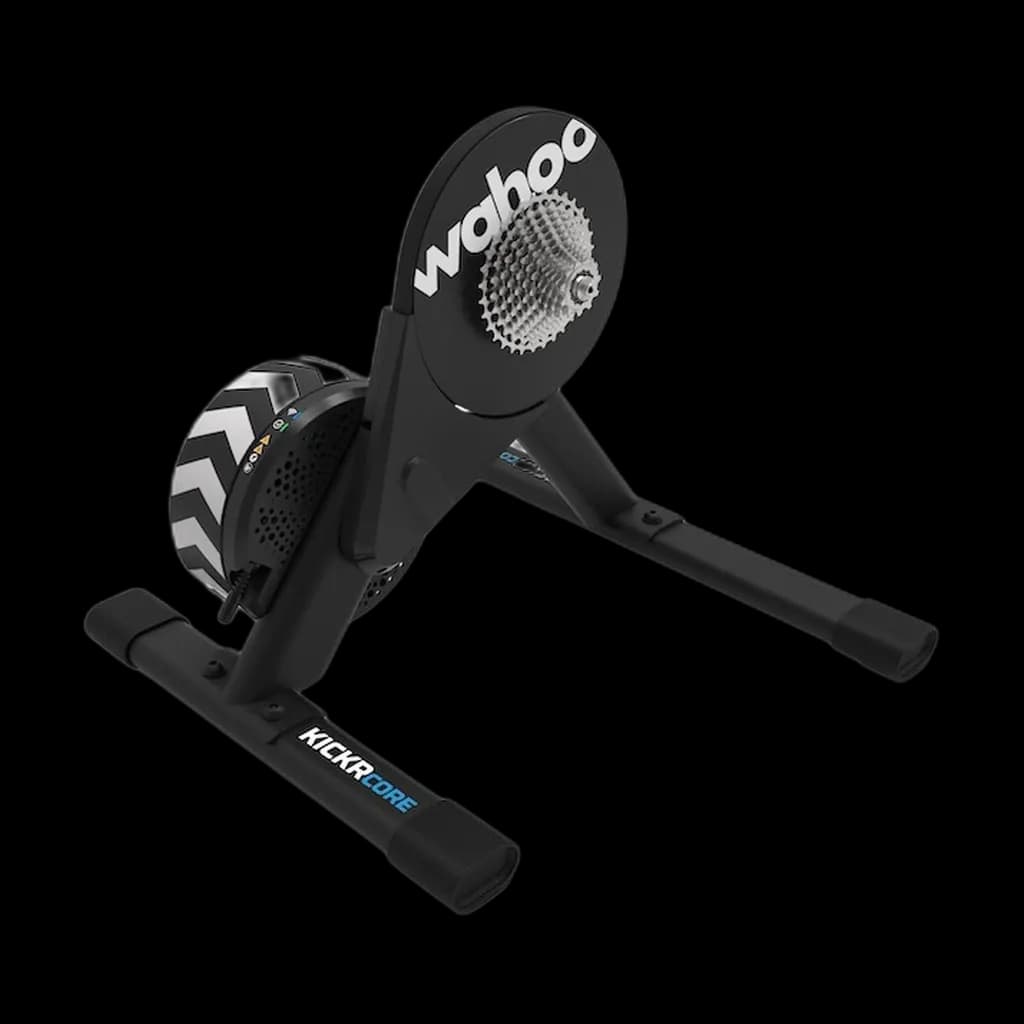 The Kickr ecosystem at a lower tier. +/- 2% accuracy, same accessory compatibility. ↑ Functionality↑ Ease Of SetupBased on 109 buyer mentions | 4.7 Gym Score 92 | Pros
| Cons
| $549 | See our review |
Amazon prices checked Sep 12, 2026. Amazon prices change often — the listing is authoritative.
Top picks spec comparison
Specs Amazon listings rarely aggregate side-by-side. Sourced from manufacturer data.
| Product | Drive Type | Max Power | Max Gradient |
|---|---|---|---|
| Wahoo Kickr V6 | Direct-drive | 2,200 W | 20% |
| Zwift Hub One | Direct-drive (Zwift Cog) | 1,800 W | 16% |
| Wahoo Kickr Core 2 | Direct-drive | 1,800 W | 16% |
Total cost of ownership
Three-year smart-trainer cost with software
Scenario dated July 11, 2026. Paid-app range uses the $19.95–$24.99 monthly figures documented in this guide; MyWhoosh provides a $0-software scenario. Bike, tax and shipping are excluded.
| Product | Hardware | Likely extras | Training app (3 yr) | Estimated 3-year cost | Replacement / compatibility |
|---|---|---|---|---|---|
| Wahoo KICKR Core 2 | $549 | Cassette / Zwift Cog as needed: ~$50–$130 | $0 or ~$718–$900 | $599–$1,579 | Direct-drive wear items are cassette and freehub; protocols are broadly supported |
| Wahoo KICKR V6 | $967.80 | Cassette if not included: ~$50–$100 | $0 or ~$718–$900 | $968–$1,968 | WiFi and open fitness protocols reduce device-lock-in risk |
| Tacx NEO 3M | $1,799.99 | Cassette / axle adapter as needed | $0 or ~$718–$900 | $1,800–$2,800 | Premium motorized features raise repair cost outside warranty |
Pick by situation
Decide by your situation, not the generic ranking.
| If | You want | Pick |
|---|---|---|
| Budget under $300 | budget-conscious buyer | Zwift Hub One |
| Sweet spot $300-700 | most home owners | Wahoo Kickr Core 2 |
| Premium $700+ | Serious road or gravel cyclists who race Zwift, TrainerRoad, or Rouvy multiple times a week | Wahoo Kickr V6 |
TL;DR — should you read this?
- Verdict: Wahoo Kickr Core 2 ($600) wins for most cyclists. It's the same accuracy class as the Kickr V6 (+/- 2%) at 60% of the price.
- Upgrade to the Kickr V6 ($968) only if you want WiFi, Race Mode, and Headwind fan integration. The accuracy delta is +/- 2% versus +/- 1% — meaningful for FTP testing, not for daily training.
- Skip wheel-on trainers unless your budget is hard-capped under $400. They wear your rear tire, read wattage 3-5% off, and roar.
- Plan for the subscription. A trainer is useless without Zwift ($24.99/mo), TrainerRoad ($19.95/mo), or MyWhoosh (free). Budget $180-300/year on top of hardware.
- Tacx Neo 3M is the only trainer with real ride-feel. The motor simulates cobbles and gravel. Worth the premium only if you'll notice.
Our pick
+/- 1% wattage accuracy, widest accessory ecosystem (Headwind fan, Climb), works with every cycling app. The default direct-drive trainer.
What separates good from bad in this category
Three specs decide a smart trainer's quality: wattage accuracy, maximum power, and protocol support. Everything else is marketing.
Accuracy is a band, and your power meter disagrees too
The Wahoo Kickr V6 advertises +/- 1%, the Kickr Core 2 +/- 2%, the Tacx Neo 3M +/- 1%, and the Elite Rivo +/- 2.5%. DC Rainmaker, the industry-standard reviewer who runs every trainer against an SRM crank power meter under controlled load protocols, has confirmed the Kickr V6's accuracy claim tracks reality within typical ride conditions.
The trap: power meters from different brands don't agree with each other to within 1% either. If your outdoor power meter reads 10W differently from your trainer, the trainer isn't necessarily wrong.
Maximum power is the spec you are least likely to use
A 75 kg cyclist pushing 1,200 watts peak is using less than half the Kickr Core 2's 1,800-watt ceiling. The 2,200-watt headroom on the Kickr V6 and Neo 3M is theoretical for almost every buyer. Don't pay for it.
Protocol support is where cheap trainers actually fail
ANT+ FE-C (Fitness Equipment Control) is the bidirectional standard that lets Zwift command resistance changes during a workout. Bluetooth FTMS (Fitness Machine Service) is the BLE equivalent. Trainers that only broadcast wattage without accepting resistance commands cannot run structured workouts. Every direct-drive trainer in this guide supports both protocols. Several budget wheel-on trainers don't.
The American College of Sports Medicine's physical activity guidelines recommend 150 minutes of moderate or 75 minutes of vigorous aerobic activity per week. Structured indoor cycling hits that target reliably regardless of weather.
The picks, ranked
| Trainer | Price | Accuracy | Standout | Watch out for |
|---|---|---|---|---|
| Wahoo Kickr V6 | $849.99 | +/- 1% | WiFi, Race Mode, Headwind | Needs wall power |
| Wahoo Kickr Core 2 | $600 | +/- 2% | Same training quality, less money | Cassette sold separately ($60-80) |
| Tacx Neo 3M | $1,799.99 | +/- 1% | Powered flywheel, road feel | 47 lb |
| Zwift Hub One | $600 | +/- 2.5% | Zwift Cog, no cassette to buy | Awkward outside Zwift |
| Elite Rivo | $549.99 | +/- 2.5% | Entry-level direct drive, WiFi built in | New listing, almost no owner feedback |
Two picks retired on 2026-08-08. The Saris H3 Plus and the Elite Suito-T both show as "Currently unavailable" on Amazon with no restock date. Saris Cycling Group went through bankruptcy and was sold at auction to C+A Global in October 2022, cut trainer prices in October 2024, and has announced no replacement direct drive; bike retailers list the H3 Plus as discontinued. We have dropped both from the recommendations rather than send you to a listing you cannot buy. If you already own one, nothing changes — both are still good trainers, and neither needs the manufacturer to work with Zwift or TrainerRoad.
1. Wahoo Kickr V6 — $849.99 — Best overall (our default pick)
The accuracy jumps from +/- 2% to +/- 1%, the trainer connects to WiFi (no Bluetooth dropouts mid-ride), and Race Mode reduces input lag for Zwift Racing League. Headwind fan and Kickr Climb integration work cleanly. The +/- 1% accuracy is the meaningful upgrade if you're FTP-testing every six weeks and chasing watts. Otherwise overkill.
2. Wahoo Kickr Core 2 — $600 — Best for most cyclists (value pick)
Same internals as the previous-generation Kickr V5 in a stripped-down chassis: same flywheel weight, same accuracy, same max gradient simulation, same ANT+ FE-C and Bluetooth FTMS support. You give up WiFi, auto-calibration, and Race Mode. None of that affects training quality.
3. Tacx Neo 3M — $1,799.99 — Best for ride feel
The only trainer with a powered flywheel — the motor can simulate the buzz of cobblestones, the squish of gravel, and a downhill assist that gently spins the cranks. Owners who hate the dead-static feel of regular trainers report it transforms long Zwift sessions. No calibration ever needed, self-powered (no wall outlet required).
4. Zwift Hub One — $600 — Best for Zwift-only riders
Ships with the Zwift Cog — a single-sprocket cassette that mimics a virtual shifter, removing the need to buy a cassette matching your bike. Pair the included Click controller and you shift via Bluetooth in-game. Works only with Zwift's virtual gearing; outside Zwift the experience is awkward. Brilliant for a one-app household.
5. Elite Rivo — $549.99 — Entry-level direct drive with WiFi built in
Direct drive, WiFi and Bluetooth, and a manufacturer-stated +/- 2.5% power accuracy — the same accuracy class the Suito-T occupied, for $150 less. It is the entry point into direct drive if the Kickr Core 2 is out of reach. Two honest caveats: the cassette is not included on the base version, and this is a new listing with almost no owner feedback, so we are quoting Elite's specs rather than a body of long-run reliability reports. If you can stretch to the Kickr Core 2, do — the accuracy and the ecosystem are both better.
Retired: Saris H3 Plus and Elite Suito-T
Both were on this list until 2026-08-08 and both are now unbuyable on Amazon — "Currently unavailable," no restock date. The Saris H3 was the quietest direct-drive trainer independent reviewers had measured, and it is a shame; Saris Cycling Group's bankruptcy and 2022 sale at auction is the reason it has no successor. The Suito-T's plug-and-play niche is now Elite's Rivo, which is cheaper but does not ship with the cassette. We have left both out of the table above rather than rank a trainer you cannot buy.
What the research actually says
What the evidence supports:
- Direct-drive trainers track power meters more accurately than wheel-on trainers. Wheel-on units are sensitive to tire pressure and roller tension; small changes shift wattage 3-5%. Direct-drive removes both variables. (Source: DC Rainmaker smart-trainer category, the industry's standard accuracy testing protocol.)
- Cyclists tolerate higher indoor training volume with structured platforms. Zwift, TrainerRoad, and Wahoo SYSTM provide the structure adherence research consistently identifies as the variable separating completed training blocks from abandoned ones. (Source: Aitken et al. systematic review on guided versus unguided exercise adherence.)
- Ride feel comes from flywheel mass, not motor wattage. Heavier flywheels (Kickr V6, Kickr Core 2, Tacx Neo) store more rotational inertia and feel more like outdoor riding through cadence transitions. Motor-assisted flywheels add road-surface simulation that owners either love or never notice.
- Indoor cycling clears the vigorous-intensity bar quickly. The American Heart Association recommends vigorous activity for cardiovascular health; riding at 80-90% of max heart rate hits that threshold inside 45 minutes per session.
What the evidence does not support:
- Any direct-drive trainer being measurably "more accurate" than the Kickr Core 2 for the median user. The +/- 1% versus +/- 2% band matters for the top 5% of competitive cyclists running calibrated FTP protocols. For everyone else it sits below the noise floor of day-to-day power meter variation. Pay for the Kickr V6 because you want WiFi and Race Mode, not because you'll feel the accuracy.
What to skip
- Wheel-on trainers under $400. Tire wear is real (a $50 indoor tire lasts 6 months max), noise tops 75 dB at training power, and accuracy drifts with tire pressure. The Kickr Core 2 is only $200 more and obsoletes the entire category.
- Trainers without ANT+ FE-C or Bluetooth FTMS. Power-broadcast-only units show wattage but can't respond to Zwift's gradient changes or TrainerRoad's interval prescriptions. The platform becomes a passive metronome.
- No-name "smart" trainers on Amazon for $250. Verify a published accuracy spec, a manufacturer support page, and a firmware update history. If any is missing, it's a black-box dumb resistance unit with a Bluetooth chip glued on.
- Anything without a published max gradient simulation. A trainer that can't simulate at least a 12% climb will feel flat on every mountain stage in Zwift.
How to actually use this
The decision tree:
- Budget ($600 and under): Kickr Core 2, plus a cassette matching your bike, a thru-axle adapter if needed, and a fan. Total damage: $700-720.
- Mid ($900-1,000): Kickr V6 if you race or test FTP regularly. WiFi alone is worth $100 to anyone who has cursed at a dropped Bluetooth connection mid-interval. There is no longer a quiet-and-frill-free alternative at this price — the Saris H3 filled that slot and is discontinued.
- Premium ($1,500+): Tacx Neo 3M only if you've ridden one and felt the difference. The road-feel claim isn't marketing — the motor is real — but plenty of owners don't notice after a week.
Rule of thumb: budget the subscription before the upgrade. Most committed indoor cyclists run two platforms — Zwift for fun, TrainerRoad for structure.
| Platform | Monthly | Yearly | What you're paying for |
|---|---|---|---|
| Zwift | $24.99/mo | $300/year | Racing and social |
| TrainerRoad | $19.95/mo | $180/year | Structured training plans |
| MyWhoosh | Free | $0 | A smaller world |
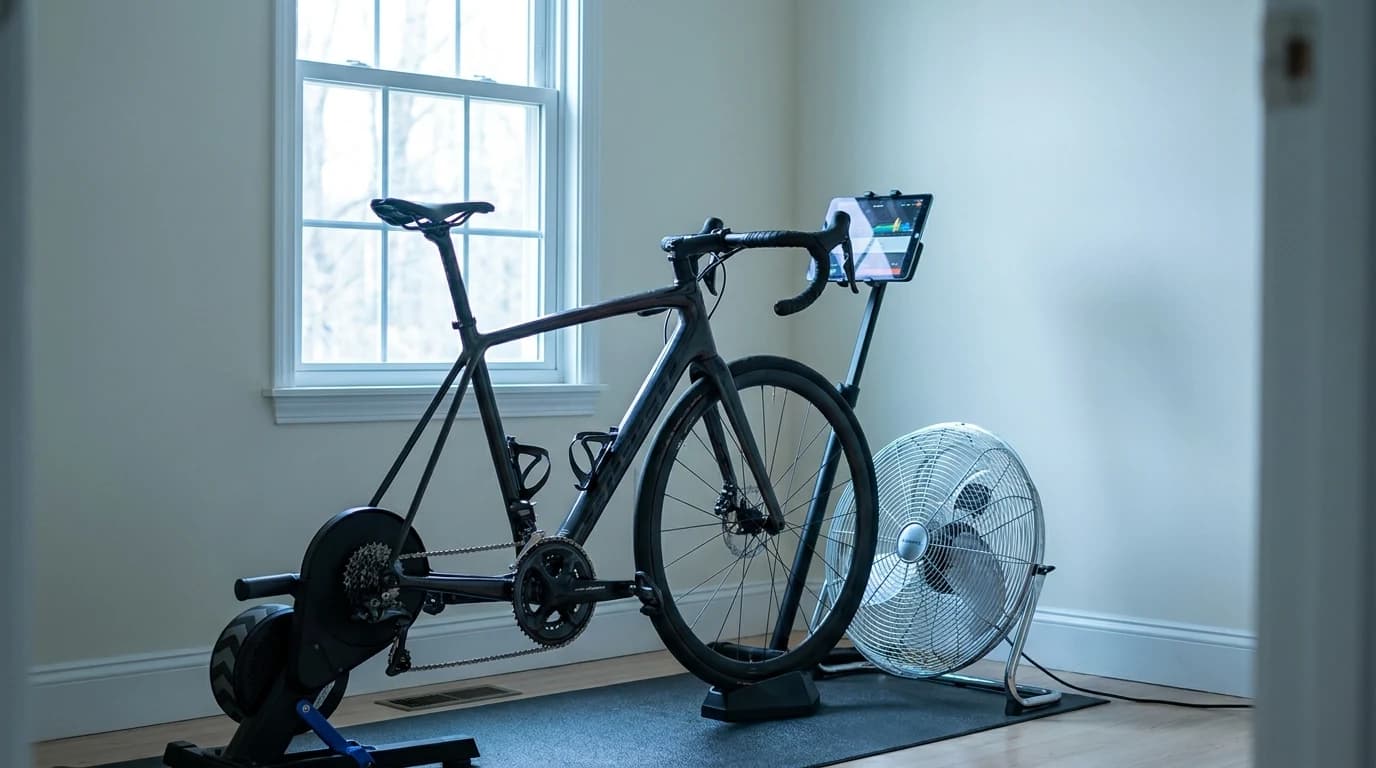
Setup notes: park the trainer on a mat to protect floors and dampen vibration; use a fan (the BlueAir 311 or Vornado 660 works) because indoor cycling generates heat fast; mount a tablet or phone close enough to read the cadence number. A power outlet near the bike helps — the Kickr V6 needs wall power, the Tacx Neo doesn't.
How we chose
We scored the leading direct-drive and wheel-on trainers on five dimensions: wattage accuracy (published spec plus independent verification), maximum gradient simulation, ANT+ FE-C and Bluetooth FTMS protocol support, accessory ecosystem (Headwind, Climb, Zwift Hub Cog), and owner-reported reliability via r/Zwift and r/cycling consensus. Read the full scoring framework on our methodology page. Pricing reflects published manufacturer pricing as of 2026; expect 15-25% off during late-fall sales. Availability is re-checked against the live Amazon listing on every update — picks that go unbuyable are retired from the table, not quietly left in place.
Frequently Asked Questions
Direct drive or wheel-on?+
Direct drive for anyone serious about indoor cycling. Wheel-on trainers wear your tire, are louder, and read wattage less accurately. The price gap has narrowed enough that direct drive makes sense for most buyers.
Wahoo or Tacx?+
Wahoo for the broader ecosystem and Headwind fan integration. Tacx for the realistic road feel - if cobblestone simulation matters to you, Tacx Neo 3M is the better pick.
Do I need Zwift?+
Some kind of virtual training app, yes. Zwift is the most popular ($24.99/mo); TrainerRoad and Wahoo SYSTM are alternatives. Without a structured app, the trainer is a fancy fluid trainer.
How accurate are wattage readings between trainers and outdoor power meters?+
Two power-measuring devices from different brands typically agree to within +/- 2% on the same ride. A Kickr V6 reading 247W when your outdoor crank reads 252W is normal — neither is necessarily wrong. Use the same device for all comparisons across a training block, and don't switch reference devices mid-FTP-test.
Do I need ERG mode?+
ERG mode locks the trainer to a target wattage regardless of cadence — useful for structured intervals on TrainerRoad. Every direct-drive trainer on this list supports it. The Wahoo Kickr V6 also offers SIM mode (resistance varies with virtual gradient) for Zwift racing. Both modes work on the Kickr Core 2 too.
How loud are direct-drive smart trainers?+
Most direct-drive trainers run 55-65 dB at training power — quieter than a dishwasher. Wheel-on trainers hit 75-80 dB and roar audibly through walls. If apartment lifestyle is a constraint, direct-drive isn't optional. (The quietest unit independent reviewers ever measured, the Saris H3, is discontinued — among current trainers the Kickr Core 2 and the Tacx Neo 3M are the quiet picks.)
Sources & Research
- DC Rainmaker — Smart trainer testing methodologyreview
- GPLama — Smart trainer review channelreview
- r/Zwift — Zwift communitycommunity
- DC Rainmaker — Wahoo KICKR Smart Trainer V6 In-Depth Reviewreview
- DC Rainmaker — Smart trainer reviews and accuracy testingreview
- ACSM — Physical activity guidelinesauthority
- AHA — Physical activity recommendations for adultsauthority
- Wahoo Fitness — Kickr Core engineering specsauthority
- Concept2 — BikeErg specificationsauthority
Related reviews
Best Exercise Bikes for Home Gym Use
The Schwinn IC4 is the best exercise bike under $1,000, with full Peloton-app support; Peloton Bike+ leads the premium tier. 11 bikes scored on ride feel.
Best Air Bike for Home Gyms in 2026: Assault Bike vs BikeErg
The Assault AirBike Classic is the best air bike for home gyms in 2026; the Concept2 BikeErg wins for cyclists. Six fan bikes scored on build and noise.
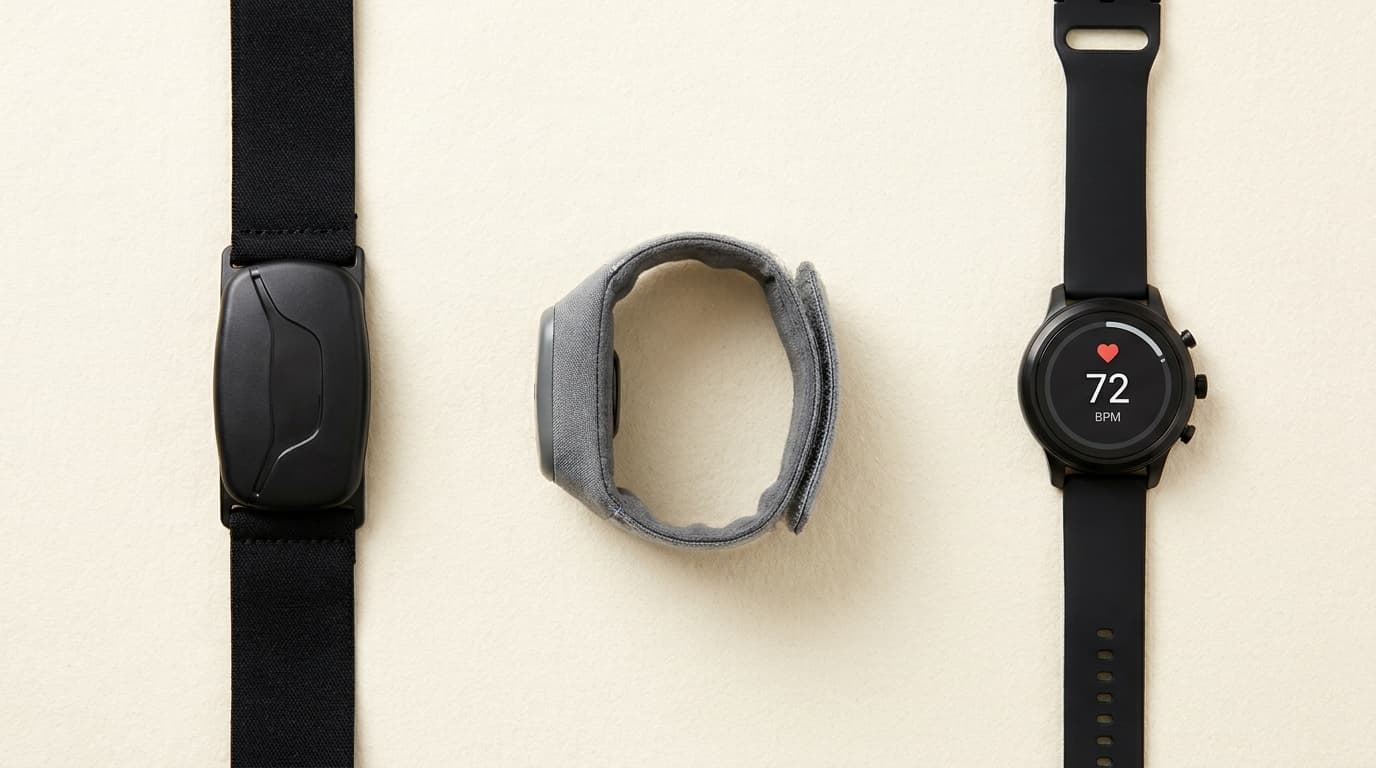
Best Heart Rate Monitors in 2026: Polar H10 Wins
The Polar H10 chest strap is the best heart rate monitor of 2026; Garmin owners should buy the HRM 200 and the COOSPO H6 is the budget answer. Five monitors scored.
Hilly Shore Labs
Editorial teamThe independent product research team behind GymScored. Every recommendation is researched, never hands-on tested — rankings come from manufacturer specifications, published standards, and aggregated buyer sentiment.
163 products scored across 26 home gym categories, each on the same 5-dimension Gym Score formula.
See the scoring methodology and who we are.
Affiliate disclosure: GymScored is a participant in the Amazon Services LLC Associates Program. We earn from qualifying purchases at no extra cost to you. Full disclosure →