Weighted Vest for Women: Fit, Load and the Bone-Density Question
A weighted vest for women is a fit decision before it is a bone decision: what differs on a short torso, how heavy to start, and what the research shows.
Start at about 5% of body weight and progress slowly. A vest builds strength, posture and endurance, and it's excellent for loading squats, lunges, step-ups and carries. It is not a proven stand-alone bone-density tool: the research that preserved bone added jumping or progressive resistance, and the largest recent trial found roughly 7 hours a day of passive vest wear did not prevent hip bone loss.
How GymScored is paid: Amazon Associates commission plus brand-direct affiliate (Rogue / REP / Titan when approved). No sponsored placements, no paid reviews, no pay-to-rank. Picks are ranked by the Gym Score formula and nothing else. Read the full disclosure.
A weighted vest is a legitimate way to add strength, posture and endurance work, and a smart way to load squats, lunges and carries at home. But the bone-density claim driving the trend is oversold: the studies that actually preserved hip bone paired the vest with impact and progressive resistance, not passive walking. Buy one for training load and fit, not as a walk-and-your-bones-thicken device.
| Product | Owner rating | Key specs | Pros | Cons | Price | Buy |
|---|---|---|---|---|---|---|
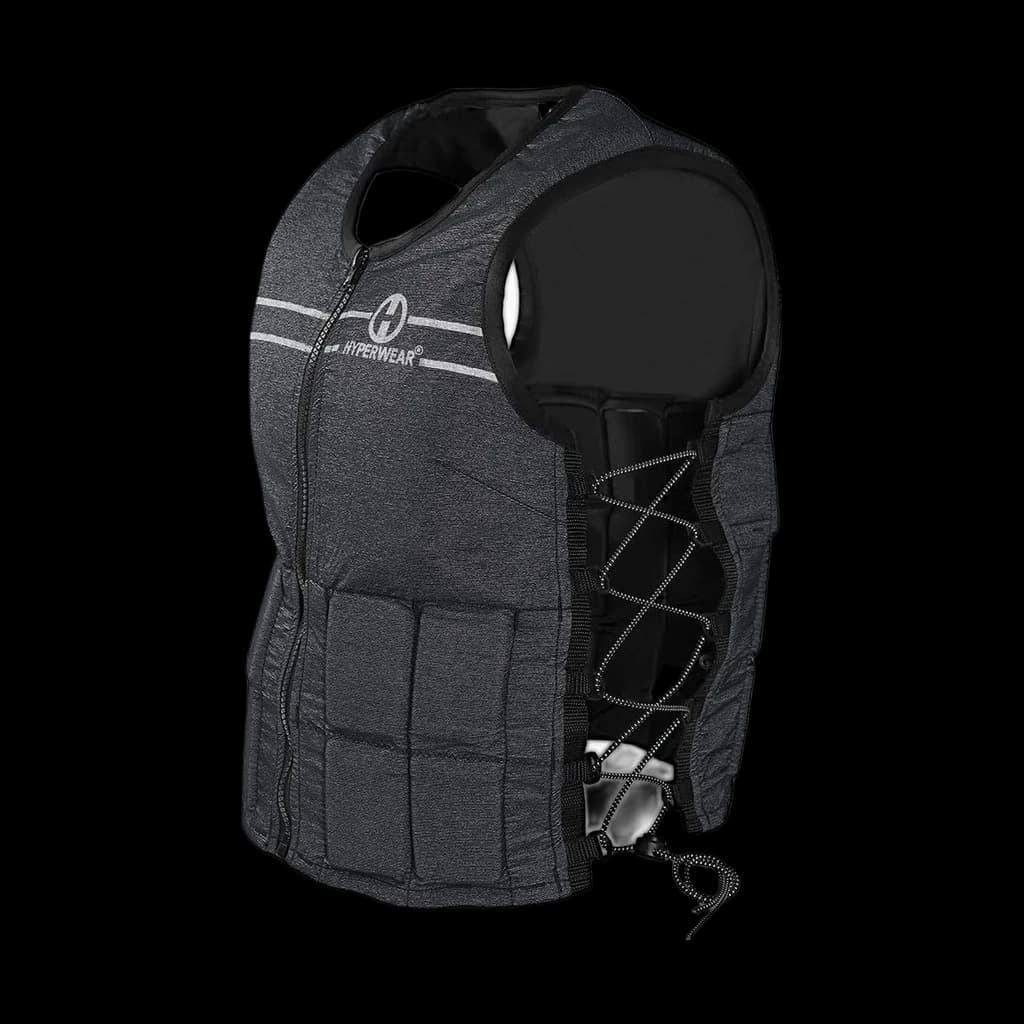 Half-pound removable weights, no load over the chest, and a machine-washable shell cut for a shorter torso. The ceiling is 10 lb. ↑ Fit↑ Comfort↓ PriceBased on 557 buyer mentions | Owner rating Gym Score 90 | Key specs
| Pros
| Cons
| List Price: | Buy on Amazon |
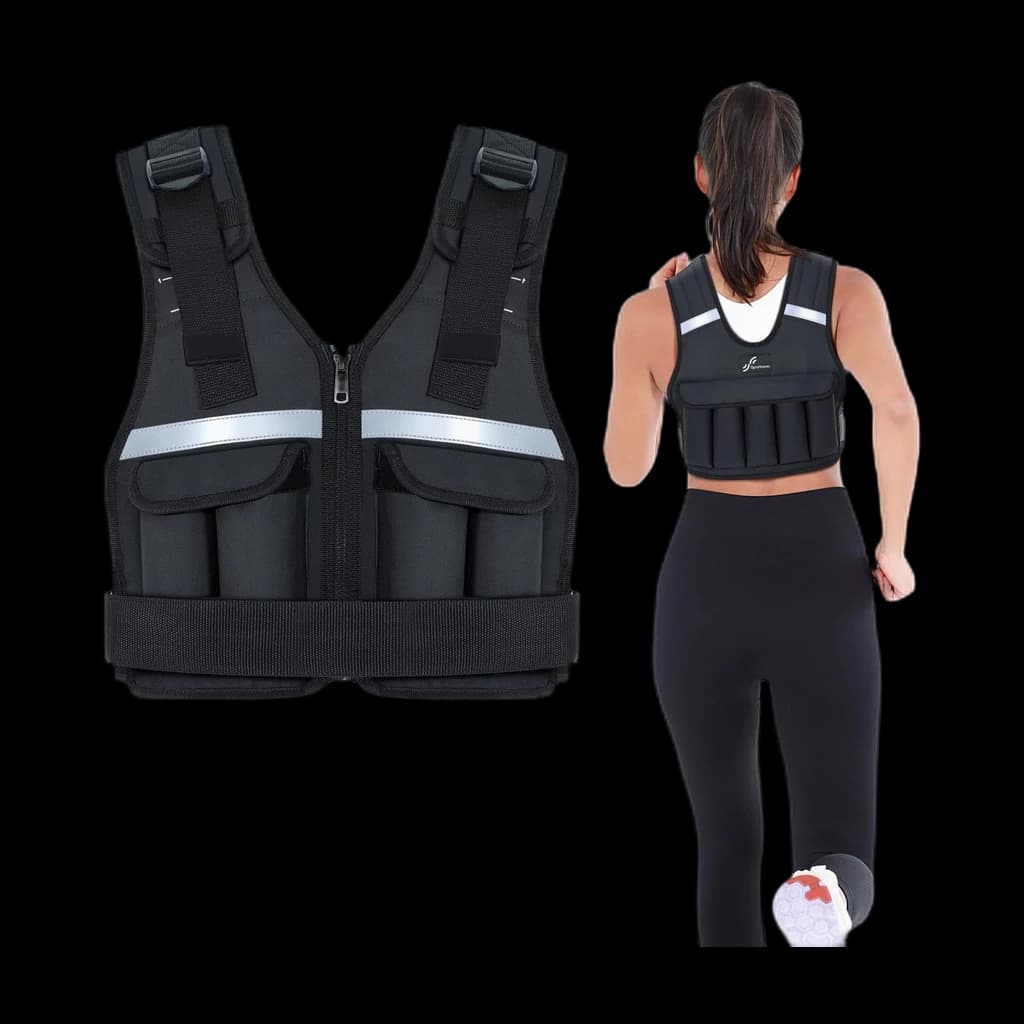 Eight 2 lb packs plus a 1 lb pack, and shoulder and waist locks that adjust separately. The walking vest of the group. ↑ Adjustability↑ Comfort↓ HeatBased on 1,434 buyer mentions | Owner rating Gym Score 90 | Key specs
| Pros
| Cons
| $69.99 | Buy on Amazon |
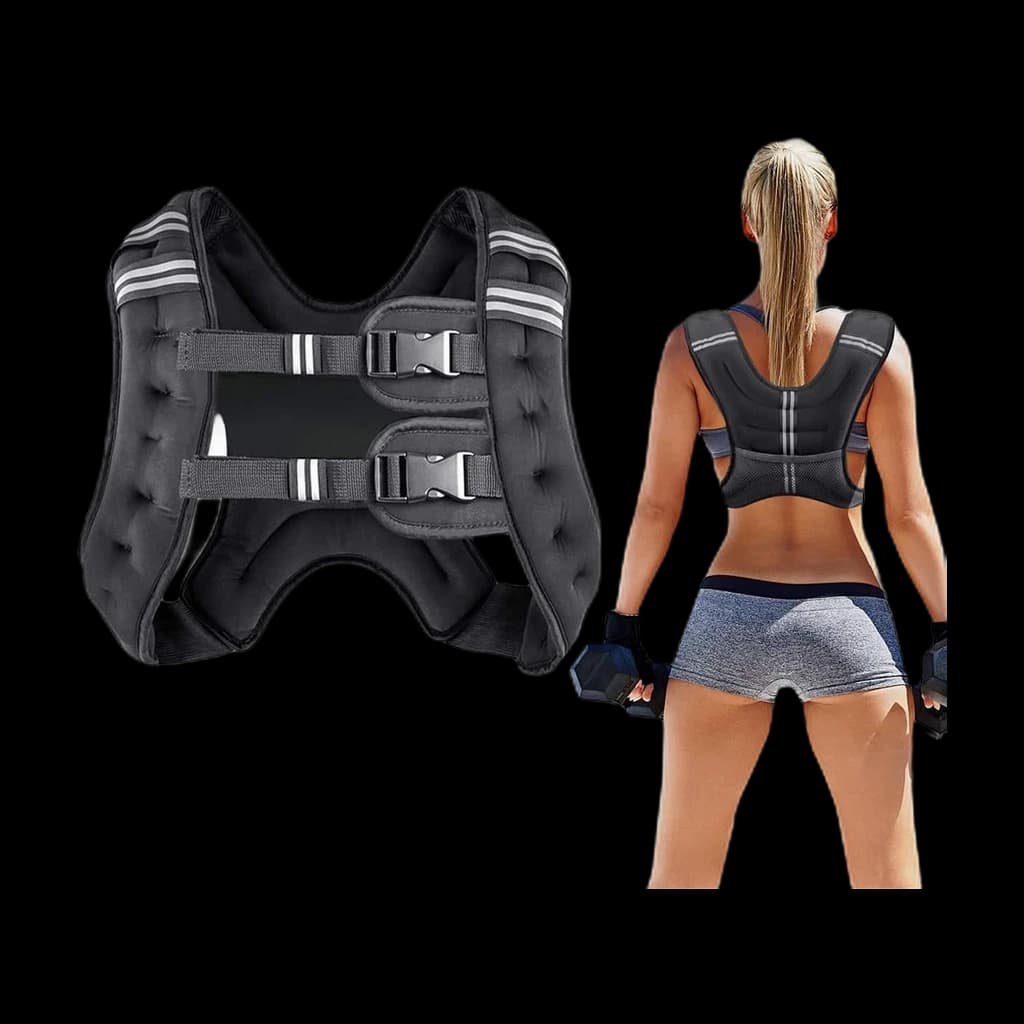 A fixed iron-sand vest in six weights. The cheapest way to find out whether you will actually wear one. ↑ Value for Money↑ Comfort↓ DurabilityBased on 4,424 buyer mentions | Owner rating Gym Score 90 | Key specs
| Pros
| Cons
| $12.99 | Buy on Amazon |
Amazon prices checked Oct 2, 2026. Amazon prices change often — the listing is authoritative.
Weighted vest load and progression
Progress distance, time or hills before you add plates. Fit and joint comfort cap the load, not ego.
| Level | Vest load | Where to use it | How to progress |
|---|---|---|---|
| Starter | ~5% body weight (7-8 lb at 150 lb) | Short walks, standing chores, posture practice | Add distance or time first, not weight |
| Building | 5-10% body weight | Weighted walks plus squats, lunges, step-ups | Add ~1-2% every 2-3 weeks if fit stays snug |
| Loaded strength | 10%+ (if the vest allows) | Carries, step-ups, stair and hill work | Cap by fit and joint comfort, not by number |
Fit check before you buy
Decide by your situation, not the generic ranking.
| If | You want | Pick |
|---|---|---|
| Torso length | A shorter or adjustable front panel that sits above the hip bones | A long unisex panel rides up on a shorter torso and bounces against the chest |
| Chest and rib fit | Side or shoulder straps that cinch independently | One-size vests are cut for wider frames; independent straps stop side-to-side shift |
| Load increment | Small plates or shot pockets in 1-2 lb steps | Big fixed jumps force too-heavy loads too soon, the main injury driver |
| Bounce test | Stays put when you jog three steps in place | Bounce means chafing and one-shoulder strain, and it defeats even weight distribution |
TL;DR — does a weighted vest build bone?
- A vest is a real strength and posture tool. UCLA Health notes it builds back, core and lower-body strength and endurance more than walking alone — with even weight distribution that's safer than hand or ankle weights.
- The bone-density claim is oversold. The trend says "wear a vest, save your bones." The studies that actually preserved hip bone paired the vest with jumping or progressive resistance — not passive walking.
- The biggest, newest trial is the reality check. In a 2025 randomized trial, older adults (three-quarters women) wore a loaded vest about 7 hours a day for a year and still lost hip bone during weight loss.
- "For women" is mostly a fit label. The variables that matter are torso length, independent chest straps, and small load increments — not the word on the box.
- Start at ~5% of body weight and add distance before you add plates.
What a weighted vest actually does
The honest pitch
Strip away the marketing and the case for a vest is genuinely good. Loading your torso forces your back and core to stabilize, so you build posture and trunk strength while you walk. It works your legs harder than unweighted walking, and the load sits centered and even rather than in your hands — which is why a vest is such a clean way to add resistance to squats, lunges, step-ups and carries at home.
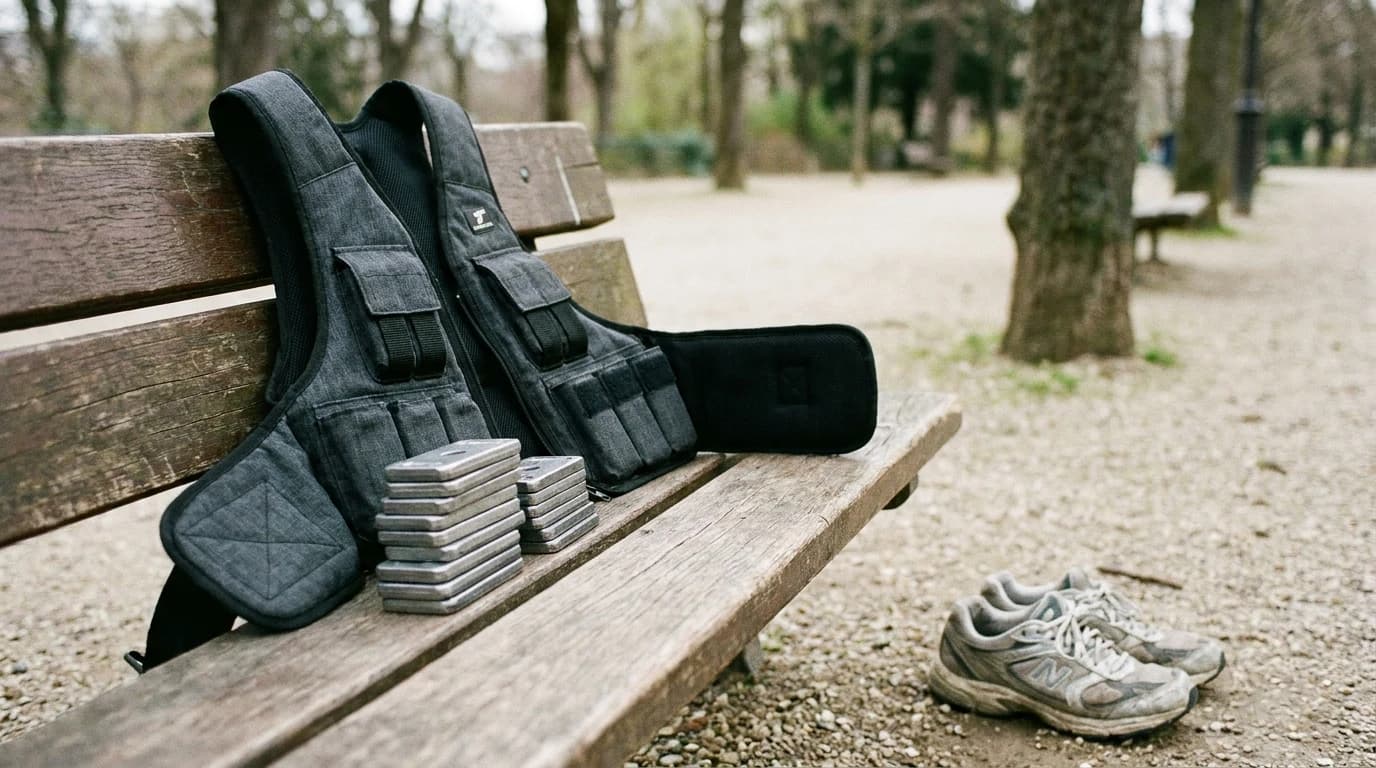
That's the honest pitch: a vest is progressive overload you can wear. Where it gets oversold is the leap from "extra load" to "thicker bones."
The bone-density question, honestly
What the specialist actually said
Here's the sentence the trend skips. Asked whether walking in a vest builds bone, UCLA sports-medicine surgeon Dr. Sharon Hame said the proof "is still lacking." Two studies explain why that caution is right:
- The study people cite (Snow, 2000). Postmenopausal women who did weighted-vest plus jumping exercise three times a week over five years held onto hip bone density, while the inactive control group lost about 3.8% at the total hip. Real, durable result — but the vest was strapped to impact. The jumping was doing heavy lifting the vest alone wasn't.
- The study people ignore (INVEST, 2025). A randomized trial of 150 older adults (about 75% women) had one group wear a loaded vest roughly 7 hours a day for a full year during weight loss. Hip bone density still dropped 1.2–1.9%, no better than weight loss alone — and a supervised resistance-training group didn't beat it either.
The falsifiable line: if passively wearing a loaded vest during daily activity built bone on its own, the INVEST participants — who did exactly that, for a year — would have kept their hip density. They didn't.
The bone signal came from impact and progressive resistance, not from the fabric being heavy. If bone density is the goal, pair the vest with what moves the needle: impact work if your joints tolerate it, and progressive strength training.
How heavy, and how to progress
Start light, add distance first
The near-universal starting point is about 5% of body weight — roughly 7–8 lb for a 150-lb person — and the biggest mistake is loading too much too soon. Add distance, time or hills before you add plates. The table below maps the progression.
"For women": the fit that actually matters
The label is not the fit test
A "women's" vest usually just means shorter shoulder straps and a shorter front panel. Useful — but the real test is whether the vest stays put on your frame. Run the fit check below before you buy.
Worth knowing: a vest that shifts side-to-side chafes, strains one shoulder, and undoes the even weight distribution that made it worth wearing in the first place.
What a short torso actually needs
A "women's" vest is a fit claim, and only three details are load-bearing: where the panel ends, whether chest and shoulders adjust independently, and how small the weight steps are.
| Fit variable | What good looks like | What goes wrong without it |
|---|---|---|
| Panel length | Ends above the hip bones, load low on the torso | A long unisex panel rides up and bounces against the chest |
| Chest and rib fit | Side lacing or straps that cinch independently of the shoulders | One strap for both means the vest shifts side to side |
| Weight steps | Half-pound to 2 lb increments | Big jumps force too-heavy loads too soon |
Three from the weighted vest picks:
| Vest | Price | Load | Who it is for |
|---|---|---|---|
| Hyperwear Hyper Vest FIT | List Price: | Up to 10 lb, half-pound steps | Short torso, daily wear |
| Sportneer Adjustable Weighted Vest | $69.99 | 2-18 lb, 1-2 lb steps | Narrower frames needing separate locks |
| Prodigen Weighted Vest | $12.99 | Fixed, 8-30 lb | Testing the habit first |
Worth knowing: a well-fitting unisex vest beats a badly-fitting women's one. The label is not the fit test. The three-step jog is.
Where a vest earns its keep
Skip the fantasy and use it for what works.
What to wear it for:
- Goblet-style squats, reverse lunges and step-ups.
- Push-ups and farmer-style carries.
- Adding load when you're short on equipment — see progressive overload at home.
- Stacking onto the full-body dumbbell-only workout, inside a sane weekly training frequency.
What not to buy it for:
- Building bone by wearing it during ordinary daily activity.
- Replacing impact work or progressive strength training if bone density is the goal.
- Any outcome the research attributes to jumping rather than to load.
Who should skip it (for now)
A vest raises workout intensity — but it's not for everyone on day one:
- New to exercise? Build several weeks of unweighted walking and bodyweight strength first, then start with a vest on a walk half your normal distance.
- Back or neck issues? UCLA flags these as caution zones — the added load increases strain. Ask your doctor first.
- Arthritis in hips, knees or ankles? Extra weight can make those joints feel worse; loaded step-ups and carries may suit you better than long weighted walks.
Bought for strength, posture and progressive load, a weighted vest is a smart home-gym buy. Bought as a shortcut to bone density, it's a promise the research doesn't keep.
Frequently Asked Questions
Does walking with a weighted vest build bone density?+
The evidence for passive weighted walking is weak. UCLA Health says the proof is still lacking. The studies that did preserve hip bone in postmenopausal women paired the vest with jumping or progressive resistance, and the largest recent trial (2025) found about 7 hours a day of vest wear for a year did not prevent hip bone loss. Treat a vest as a strength tool, and add impact or resistance work if bone is the goal.
How heavy should a weighted vest be for a woman starting out?+
Start at roughly 5% of body weight, about 7-8 lb for a 150-lb person, per UCLA Health's general recommendation. Build distance, time or intensity before adding plates, and increase weight only once the current load feels easy and the vest still fits snugly.
Is a 'women's' weighted vest different from a unisex one?+
Mostly it means shorter shoulder straps and a shorter front panel. The variables that actually matter are torso length, straps that cinch independently around the chest and ribs, small load increments, and a vest that doesn't bounce when you move. A well-fitting unisex vest can beat a poorly fitting 'women's' one.
Who should avoid a weighted vest?+
People new to exercise should build unweighted walking and bodyweight strength first. Anyone with a back or neck injury should be cautious because the load adds strain, and arthritis in the hips, knees or ankles can feel worse under added weight. Check with a doctor if you have any of these concerns.
Sources & Research
- UCLA Health — Should you walk with a weighted vest?review
- Journal of Gerontology (PubMed) — Long-term exercise using weighted vests prevents hip bone loss in postmenopausal womenresearch
- JAMA Network Open — Weighted Vest Use or Resistance Exercise to Offset Weight Loss-Associated Bone Loss in Older Adults: A Randomized Clinical Trial (INVEST)research
Related reviews
Progressive Overload at Home Without Adding Weight
Progressive overload without adding weight: progress with reps, sets, tempo, range, and rest when the next dumbbell jump is too big. The full method.
A Full-Body Dumbbell-Only Home Workout (One Pair)
One pair of adjustable dumbbells covers every major muscle group in this 3-day full-body home workout: the exact plan, sets and reps, and how to progress.
How Often Should You Train Each Muscle at Home?
About twice a week per muscle, says the research - but once weekly volume is equal, frequency barely matters. How to set your volume and split at home.
Hilly Shore Labs
Editorial teamThe independent product research team behind GymScored. Every recommendation is researched, never hands-on tested — rankings come from manufacturer specifications, published standards, and aggregated buyer sentiment.
161 products scored across 26 home gym categories, each on the same 5-dimension Gym Score formula.
See the scoring methodology and who we are.
Affiliate disclosure: GymScored is a participant in the Amazon Services LLC Associates Program. We earn from qualifying purchases at no extra cost to you. Full disclosure →