Best All-in-One Home Gyms in 2026
The Major Fitness Drone2 Smith machine is the best all-in-one home gym you can buy today; the Force USA G3 is the editorial pick but backordered.

- Smith + power cage + dual cable crossover
- 1:1 pulley ratio (listing)
- Sold by the brand's own Amazon store
Evidence snapshot · Updated October 21, 2026
The evidence-backed answer
Major Fitness Drone2 Smith Machine All-in-One is our default pick for the scope of this guide: Smith machine, power cage, dual cable crossover and pull-up station in one frame; the listing states a 1:1 pulley ratio and a 2,000 lb capacity. Plate-loaded Smith, no subscription, and you can order it today.
Scope: 7 shortlisted products compared using published specifications, owner-feedback signals, value and category-specific performance. 6 comparison entries match our catalog. Retailer rating totals are snapshots, not a count of people whose reviews we independently analyzed. This is research synthesis, not hands-on testing.
The side-by-side comparison below carries each shortlisted product's owner rating, price context, pros, cons and buy state in one actionable view.
How GymScored is paid: Amazon Associates commission plus brand-direct affiliate (Rogue / REP / Titan when approved). No sponsored placements, no paid reviews, no pay-to-rank. Picks are ranked by the Gym Score formula and nothing else. Read the full disclosure.
Major Fitness Drone2 if you want the best all-in-one available today. Force USA G3 if you can wait out a restock and want a real rack with a cable column attached. On a tight budget, the Roygym and the Major Fitness Drone3 are the cheapest frames here with a cable crossover; what you give up is owner-review depth and service history, so compare the stated capacity, pulley ratio and warranty before you buy. Total Gym XLS if the gym has to fold away.
| Product | Owner rating | Key specs | Pros | Cons | Price | Buy |
|---|---|---|---|---|---|---|
 The Amazon-shipped all-in-one. The listing states a Smith machine, power cage, dual cable crossover with a 1:1 pulley ratio, pull-up station and a 2,000 lb capacity. It does not publish a cable stack weight, so check the listing before you plan cable loads. ↑ Quality↑ SturdinessBased on 31 buyer mentions | Owner rating Gym Score 78 | Key specs
| Pros
| Cons
| $1,529.99 | Buy on Amazon |
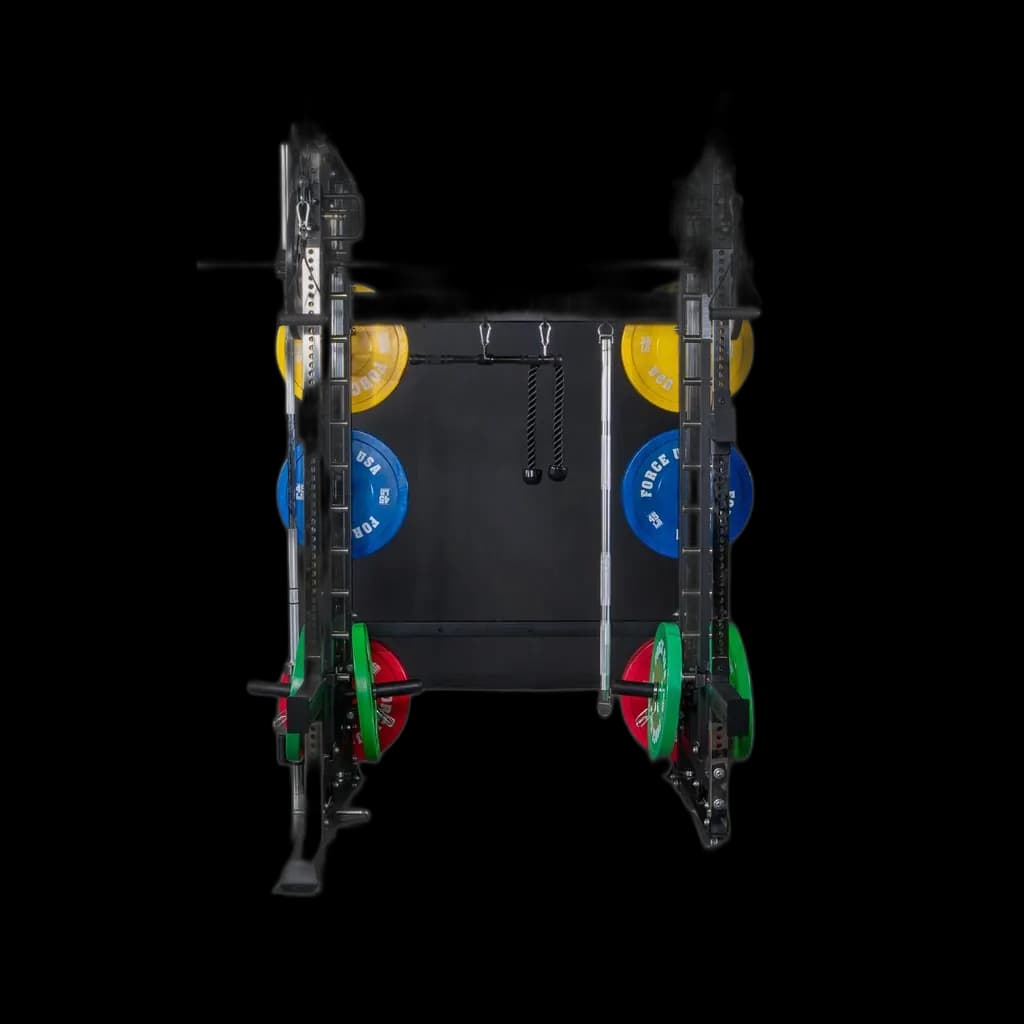 A real 11-gauge rack, a dual cable column and a Smith machine in one plate-loaded footprint. Force USA listed it as sold out with a stated 30-45 day restock when this page was verified, which is the only reason it is not the top pick. | Owner rating Gym Score 80 | Key specs
| Pros
| Cons
| $1,999 direct | See our review |
 The sub-$600 entry into this category, where the established all-in-one machines cost several times more. The listing sells a Smith machine home gym: a Smith bar on linear bearings with safety stops, a power cage and a dual-pulley 1:1 cable crossover. | Owner rating Gym Score 75 | Key specs
| Pros
| Cons
| $584.99 | Buy on Amazon |
 Budget Smith machine + cable + leg developer combo. Plate-loaded (you supply the weights), bench included, and ships via Amazon — the largest owner-review record of the Smith machines here. ↑ Quality↑ Value for money↓ AssemblyBased on 1,065 buyer mentions | Owner rating Gym Score 75 | Key specs
| Pros
| Cons
| $1,299.99 | Buy on Amazon |
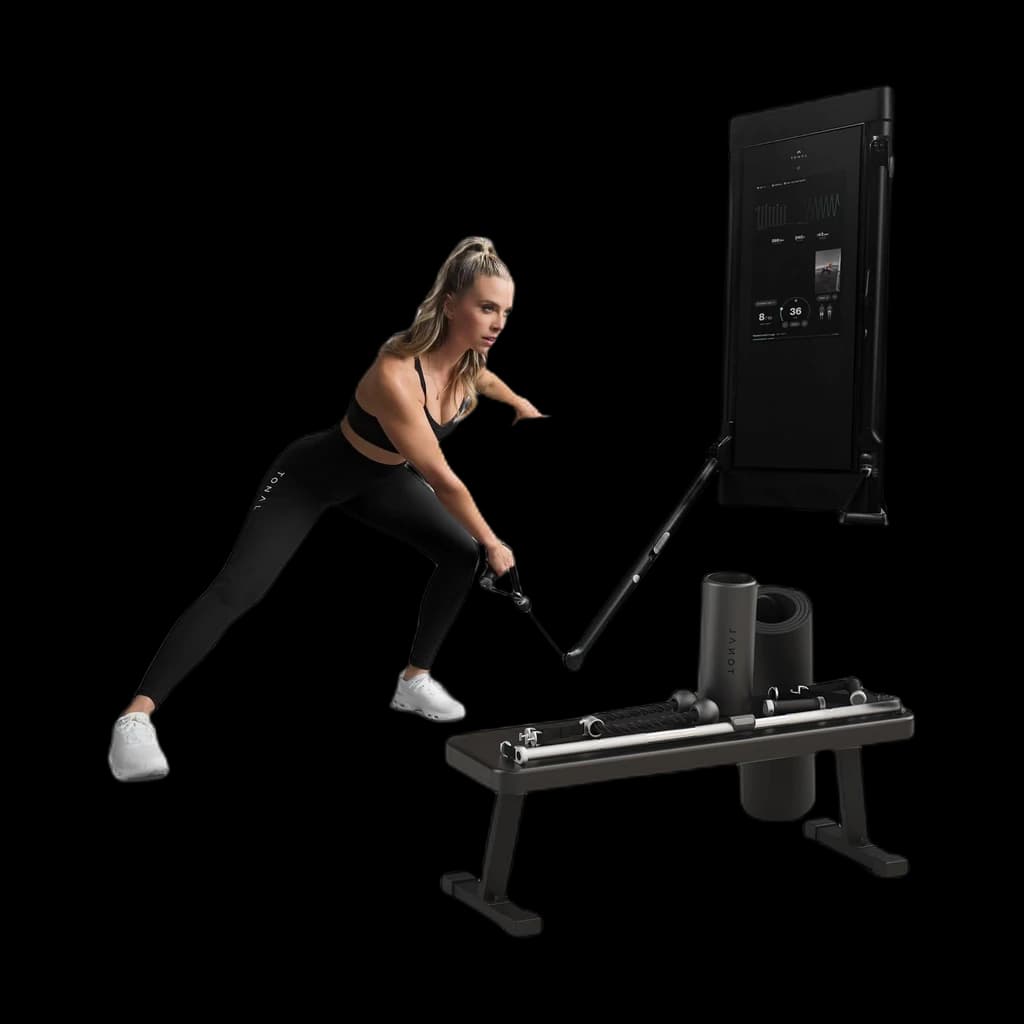 Wall-mounted electromagnetic resistance with coached programming. The listing we link is the bundle — unit plus bench and smart handles, with delivery and installation included — not the bare wall unit. ↑ AI Coaching↑ Space-Saving↓ Subscription RequiredBased on 25 buyer mentions | Owner rating Gym Score 68 | Key specs
| Pros
| Cons
| $4,590.00 | Buy on Amazon |
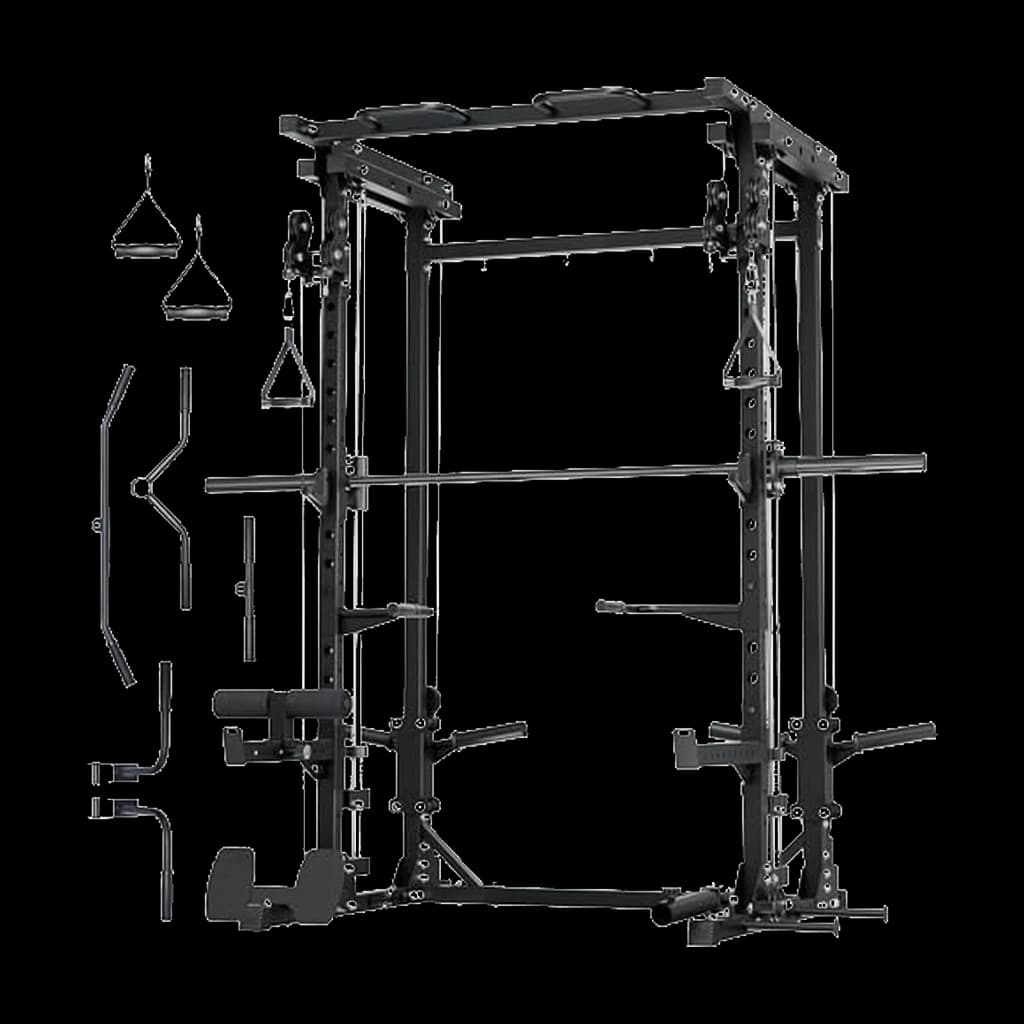 The under-$800 step between the Roygym and the Drone2: the listing states a Smith bar on linear bearings, a power cage, a dual-pulley cable crossover, a T-bar row and a squat station on 2x2-inch uprights rated to 2,500 lb. Only 34 ratings so far. | Owner rating Gym Score 75 | Key specs
| Pros
| Cons
| $799.99 | Buy on Amazon |
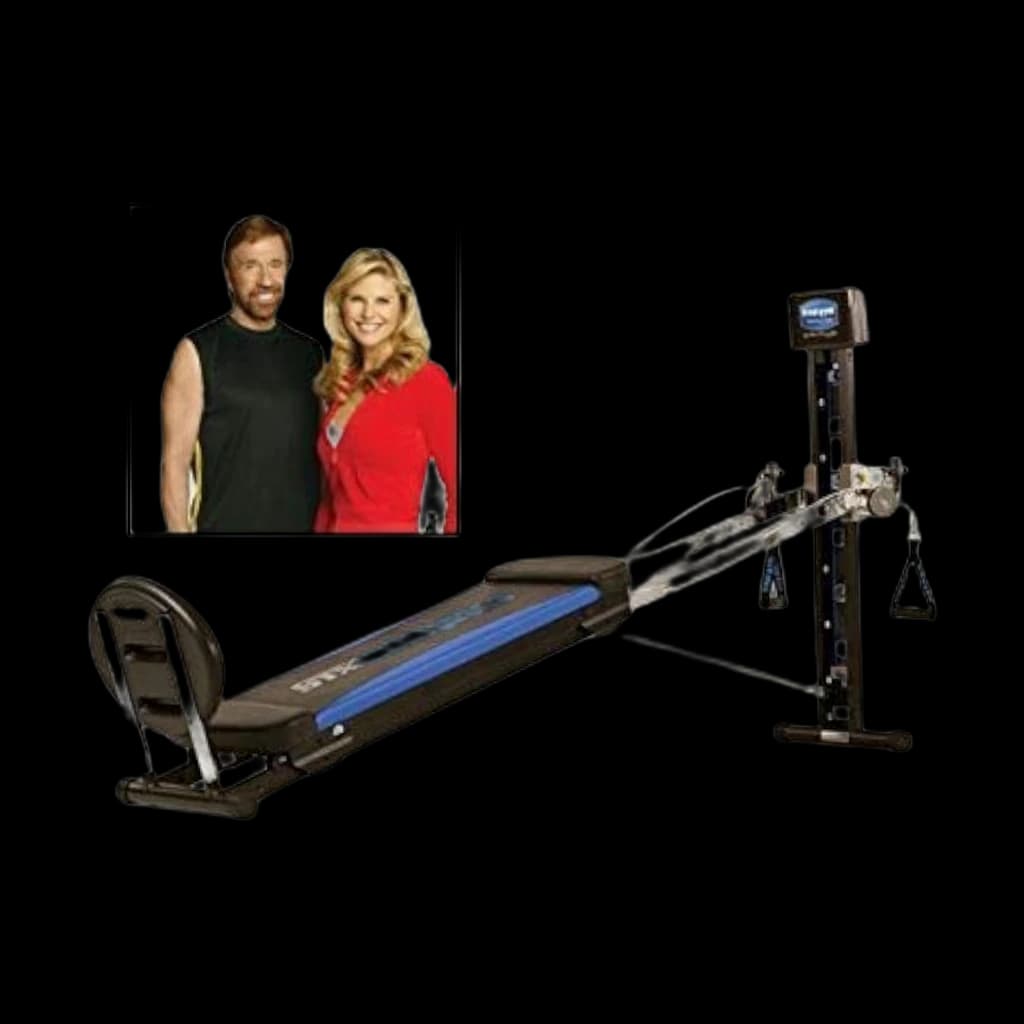 The folding all-in-one: bodyweight incline resistance rather than plates, a 400 lb user capacity, and it folds to 9 inches deep. Sold by Total Gym's own Amazon store. | Owner rating Gym Score 78 | Key specs
| Pros
| Cons
| $750.00 | Buy on Amazon |
Amazon prices checked Oct 17, 2026. Amazon prices change often — the listing is authoritative.
All-in-one spec comparison
Resistance type, ceiling, subscription dependency and footprint. Manufacturer and listing figures; listings and prices re-verified 2026-09-01, Major Fitness Drone2 and Tonal 2 rows re-checked 2026-09-12, Drone3 and Total Gym XLS rows added 2026-10-21.
| Product | Resistance type | Ceiling | Subscription | Footprint |
|---|---|---|---|---|
| Force USA G3 | Plate-loaded | 992 lb training capacity (manufacturer) | None | 78 x 60.5 in |
| Major Fitness Drone2 Smith Machine All-in-One | Plate-loaded Smith + dual 1:1 cable | 2,000 lb stated; no stack weight published | None | 76 x 67 in |
| Roygym Smith Machine Home Gym | Plate-loaded Smith + cage + dual 1:1 pulley | Depends on plates | None | Floor-standing |
| Major Fitness Drone3 | Plate-loaded Smith + cage + cable (2:1 or 1:1) | 2,500 lb stated | None | 78.1 x 45.9 in |
| Marcy MD-9010G | Plate-loaded Smith + cable | 300 lb total | None | 78 x 49 in |
| Tonal 2 | Electromagnetic (digital) | Up to 250 lb (manufacturer) | $59.95/mo, 12-month commit | Wall-mounted |
| Total Gym XLS | Bodyweight incline | 400 lb user capacity | None | Folds to 9 in deep |
Total cost of ownership
Five-year ownership exposes the subscription gap
Scenario re-checked 2026-09-01; Amazon hardware prices updated 2026-09-12 (Major Fitness Drone2 and Tonal 2: 2026-10-09) and they change, so the listing is authoritative. Plate budgets are ranges because existing Olympic plates can be reused. The Tonal figure is the bundle listing, which includes delivery and installation; installation, shipping and tax vary elsewhere.
| Product | Hardware | Setup / required extras | Subscription (5 yr) | Estimated 5-year cost | Dependency risk |
|---|---|---|---|---|---|
| Force USA G3 | $1,999 direct | $400-$1,000 plates; substantial assembly | $0 | $2,399-$2,999 | Mechanical and plate-loaded; usable without an app |
| Major Fitness Drone2 Smith Machine All-in-One | $1,599.99 | $300-$800 plates; heavy assembly | $0 | $1,900-$2,400 | Mechanical; wear is concentrated in cables and pulleys |
| Tonal 2 | $5,085.00 bundle | Structural wall required; install included in this listing | ~$3,597 at $59.95/mo | $8,682+ | Full experience depends on subscription, software and company support |
Pick by situation
Decide by your situation, not the generic ranking.
| If | You want | Pick |
|---|---|---|
| Cheapest real cage | Buyers who want a squat cage and a cable crossover in one frame without freight scheduling | Roygym Smith Machine Home Gym with Dual Pulley |
| Best buyable value | Spare-bedroom or basement builds that want a Smith track and a dual cable crossover | Major Fitness Drone2 Smith Machine All-in-One |
| Strength-first, can wait | Garage or dedicated room where the machine has to feel like a rack under load, and a restock wait is acceptable | Force USA G3 All-in-One Trainer |
| Has to fold away | Shared rooms where the gym must store against a wall | Total Gym XLS |
TL;DR — should you read this?
- The Major Fitness Drone2 Smith Machine All-in-One ($1,529.99) is the best all-in-one you can order today — the listing states a Smith track, power cage, dual 1:1 cable crossover and pull-up station on a 2,000 lb-rated frame, and it is subscription-free.
- The Force USA G3 is the better machine and costs $1,999 direct — but Force USA listed it as sold out with a stated 30 to 45 day restock when we checked. It is the pick if you can wait.
- Avoid digital-resistance all-in-ones if you have ever max-tested a squat or deadlift. The ceilings sit below where serious lifters operate.
- Subscription-locked machines carry real shutdown risk. lululemon discontinued the Studio Mirror in 2023 as part of its Peloton deal; every buyer became dependent on a migration path they did not choose.
Our pick
Smith machine, power cage, dual cable crossover and pull-up station in one frame; the listing states a 1:1 pulley ratio and a 2,000 lb capacity. Plate-loaded Smith, no subscription, and you can order it today.
Our picks at a glance
| Pick | Who it is for | Key spec | Price |
|---|---|---|---|
| Major Fitness Drone2 All-in-One — best overall | Spare bedroom or basement, Smith plus cables | Smith + cage + dual 1:1 cables; 2,000 lb stated | $1,529.99 |
| Force USA G3 — best if you can wait | Garage or dedicated room, strength-first | Plate-loaded rack + dual cable + Smith; 78 x 60.5 in | $1,999 direct, backordered |
| Roygym Smith Machine — cheapest real cage | Squat cage plus a crossover in one frame | Smith + cage + dual 1:1 pulley, plate-loaded | $584.99 |
| Major Fitness Drone3 — budget step up | Smith, crossover and T-bar row under the Drone2 | 2,500 lb stated; cable ratio 2:1 or 1:1 | $799.99 |
| Tonal 2 — wall-mounted digital | Structural wall, coached programming | Up to 250 lb stated; bundle includes install | $4,590.00 |
| Total Gym XLS — folds away | Shared rooms, bodyweight training | 400 lb user capacity; folds to 9 in deep | $750.00 |
Picks verified 2026-09-01; the Major Fitness Drone2, Force USA G3 and Tonal 2 specs were re-checked against the listing and manufacturer pages on 2026-09-12. Amazon prices on this page come from the live listings. The Force USA G3 is sold direct, and Force USA listed it as temporarily out of stock with new inventory usually within 30 to 45 days.
What separates good from bad in this category
Three variables decide the entire category:
- Resistance type. Plate-loaded (Force USA G3, Major Fitness Drone2 and Drone3, Roygym, Marcy) uses real weight plates you own forever. Digital resistance (Tonal 2) uses electromagnetic motors that depend on the manufacturer staying in business.
- Resistance ceiling. Plate-loaded units cap at whatever your plates and the frame allow. Digital machines cap at the motor: Tonal at the 250 lb of resistance Tonal states.
- Footprint and clearance. Wall-mounted units save floor space but need a structural wall. Floor-standing racks need roughly 7 feet of ceiling clearance and 60-80 square feet of floor.
The Mirror precedent is the reason resistance type matters
lululemon acquired Mirror in 2020, then in September 2023 announced a five-year partnership with Peloton and discontinued the Studio Mirror, with Peloton content replacing lululemon's own. Hardware owners kept a working screen and lost the product they bought into.
The trap: a Force USA G3 works even if Force USA goes out of business. A Tonal depends on Tonal's servers staying up. That asymmetry does not show up on any spec sheet.
Guided bar paths are an accessory layer, not a foundation
Smith machines, cable systems and digital resistance all constrain bar path in ways that change the muscular demands of compound lifts. The NSCA Kinetic Select articles treat free-weight compounds as the foundation of strength development.
Plate-loaded is the right call if:
- You already squat or deadlift near or above the digital ceiling
- You want the machine to keep working with zero ongoing spend
- You have a garage, basement or dedicated room to give it
Digital resistance is the right call if:
- Floor space is the binding constraint and you have a structural wall
- You want coached programming and will actually keep the subscription
- Your training is accessory and conditioning work rather than heavy compounds
The cheap end of this category is now genuinely usable
Two years ago the honest advice below $1,000 was "buy a rack and a bench instead." That has changed: the Roygym and the Major Fitness Drone3 both put a plate-loaded Smith frame and a real cable crossover under $800. What you give up is service history and owner-review depth, not function.
The picks, ranked
1. Major Fitness Drone2 Smith Machine All-in-One — $1,529.99 — Best you can order today
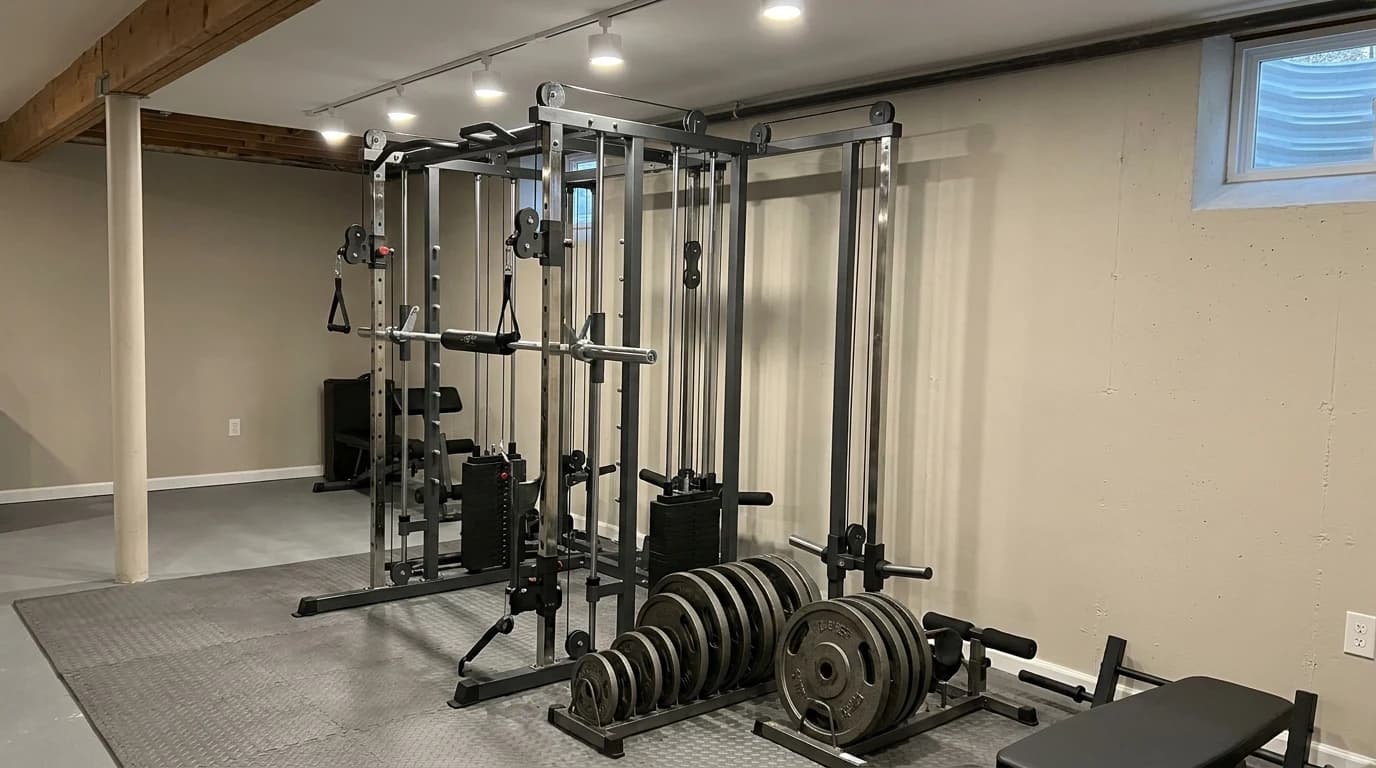
A Smith machine, power cage, dual cable crossover and pull-up station in one frame. The listing states a 1:1 pulley ratio, 2 by 2 inch steel uprights and a 2,000 lb capacity, and bundles a lat pulldown bar, T-bar, tricep rope and dip handles. It does not publish a cable stack weight, so confirm the cable resistance you need on the listing before you order. No subscription and no app. The owner-review base is still small, and Amazon now shows a newer Major Fitness model, the Drone MAX V, alongside this one. At this price, with the G3 out of stock, it is the right buy.
2. Force USA G3 — $1,999 direct — Best machine, if you can wait
A real 11-gauge steel rack plus a dual cable column plus a Smith machine in one plate-loaded footprint — no electronics, no subscription, no manufacturer dependency. Force USA state an assembled 78 by 60.5 inch footprint and a 445 lb unit weight. It was listed as sold out with a stated 30 to 45 day restock on our verification date, which is the only reason it is not first here. Cons beyond that: heavy assembly, plates not included, and freight delivery.
No longer ranked: Goimu S1-V4 Smith Machine
The Goimu S1-V4 is no longer ranked: its Amazon listing reads 4.0 stars from 57 ratings (2026-10-21), against the 5.0 this page once showed.
3. Roygym Smith Machine Home Gym with Dual Pulley — $584.99 — Cheapest real cage
The sub-$600 entry. Roygym list a power cage with a Smith bar on linear bearings, built-in safety stops and two independent 1:1 pulleys, plate-loaded throughout. It does the two things an all-in-one has to do; the trade is a thin owner record (4.6 on Amazon from 40 ratings), no load capacity stated on the listing and a 1-year cover.
4. Major Fitness Drone3 Smith Machine — $799.99 — Best budget step up
The under-$800 step between the Roygym and the Drone2, from the same brand as the top pick. The listing states a Smith bar on linear bearings with 19 height settings, a power cage, a dual-pulley cable crossover whose ratio switches between 2:1 and 1:1, a T-bar row and a squat station, on 2 by 2 inch uprights rated to 2,500 lb. Sold by Major Fitness's own Amazon store; with 34 ratings (4.7 on Amazon) the owner record is thin, the uprights are lighter than premium 3 by 3 tubing, and the frame is about 78 inches wide. The listing states a 1-year parts replacement cover.
5. Marcy MD-9010G Smith Machine Home Gym — $1,299.99 — Best for total beginners
Plate-loaded Smith machine with a basic cable system and a 300 lb total capacity. Right pick for beginners or teens learning the lifts. That 300 lb figure is the lowest stated capacity in this guide, so a lifter who keeps progressing will reach it sooner than on the 2,000 lb-rated frames above.
No longer ranked: NordicTrack Fusion CST
The NordicTrack Fusion CST is no longer ranked: its Amazon listing reads 3.7 stars from 46 ratings with no current seller (2026-10-21), and it is a circa-2020 iFIT unit.
6. Tonal 2 — $4,590.00 — Best for tech-forward training with tight space
Wall-mounted electromagnetic resistance that Tonal states runs from 5 to 250 lb, with coached programming and zero floor footprint. Two caveats: the listing we link is the bundle — unit, bench, smart handles, delivery and installation — so compare it against Tonal's own direct pricing before you buy, and the $59.95 per month membership carries a 12-month commitment. It reads 4.1 on Amazon from 12 ratings, too few to score.
7. Total Gym XLS — $750.00 — Best if the gym has to fold away
A different kind of all-in-one: bodyweight incline resistance on a glideboard rather than plates, a 400 lb maximum user weight, and it folds to 9 inches deep for storage. Open, it needs about 90 inches of floor. Bodyweight-only resistance caps how heavy you can go, so it suits general strength and conditioning in a shared room rather than heavy compound lifting. Sold by Total Gym's own Amazon store, 4.7 on Amazon from 1,036 ratings.
What the research actually says
- Free-weight compound lifts remain the foundation of strength development. The NSCA treats compound free-weight movements as the primary stimulus and machine-based work as the accessory layer. Source: NSCA Kinetic Select.
- Guided machines change muscular demands compared to free weights. Smith squats and cable rows remove the stabiliser demand the free-weight versions impose.
- Adherence beats the theoretical effectiveness of inaccessible equipment. ACE frames it plainly: the best gym is the one you use. Source: ACE Fitness — Expert Articles.
- Muscle-strengthening twice weekly is the CDC baseline. Any machine on this list clears that bar; the difference is whether you outgrow the ceiling. Source: CDC Physical Activity Basics — Adults.
- Subscription-based fitness hardware carries shutdown risk. The 2023 Mirror discontinuation is the documented precedent. Source: Retail Dive.
What the research does not support: that AI-coached digital machines build strength as effectively as free weights in trained lifters. Beginners see comparable early gains because volume drives early adaptation regardless of modality; intermediates outgrow the digital ceiling.
What to skip
- Subscription-locked machines if you have ever lost interest in a fitness app. If you would cancel after six months, you have bought a wall ornament.
- All-in-ones bought on price alone. At the bottom of this category the frames cost less but the owner-review record is short, so compare the stated capacity, pulley ratio and warranty on the listing rather than the sticker.
- Compact fold-up digital home gyms from unbranded sellers. If the seller publishes no resistance rating and no software-support commitment, there is nothing to judge the motor or the app on.
- Any all-in-one without a published structural rating. If the manufacturer will not say what the uprights hold, assume it is less than you need.
How to actually use this
- Apartment, no garage. Tonal 2 on a structural wall; accept the subscription and the ceiling and train accessory and conditioning work. If you would rather not drill, the Total Gym XLS folds away with no subscription.
- Spare bedroom or basement, budget-conscious. Roygym or Major Fitness Drone3 at the bottom of the range, Major Fitness Drone2 in the middle, Marcy MD-9010G for a true beginner.
- Garage or dedicated room, strength-first. Force USA G3 for plate-loaded rack feel — if the restock timing works for you. Otherwise the Major Fitness Drone2.
- Do not buy an all-in-one at all if you have floor space for a dedicated rack plus a separate bench and cable station. At the same money, that combination outperforms any all-in-one.
Budget the extras before you commit: plate-loaded all-in-ones ship without plates. Plan another $300-$600 for 300 lb of plates and $200-$400 for a bench.
How we chose
We weighted resistance type and ceiling (25%), build quality and rated capacity (20%), footprint efficiency (15%), subscription dependency and shutdown risk (15%), movement-library breadth (15%), and five-year total cost (10%). The full rubric is on the /methodology page. Rankings come from manufacturer specs, the documented Mirror shutdown precedent, NSCA and ACE programming guidance, and owner feedback on r/homegym and r/weightroom. We do not operate a test facility. Listings and prices re-verified 2026-09-01.
Not sure an all-in-one is the right use of your space? The free home gym planner runs the alternative for you — it lays out both an all-in-one and a modular rack-plus-bench build in your room's dimensions so you can compare footprint and cost side by side.
Frequently Asked Questions
Is the Force USA G3 a real rack?+
Yes. Force USA include J-hooks and safety spotter arms, so the rack section works as a rack, alongside the Smith machine and cables. The compromise is in the rack footprint, not the build quality.
Can I do heavy squats on a Tonal?+
No. Tonal states a 250 lb resistance ceiling, which isn't enough for heavy compound work for most intermediate lifters.
Is a Tonal worth the subscription long-term?+
If you'll use the coaching content and you train mostly accessories and conditioning well inside its 250 lb ceiling, yes. If you'd cancel the subscription within a year or you train heavy compound lifts, no — the resistance ceiling and the subscription dependency are both limitations. Plate-loaded systems don't have either.
How does the Force USA G3 compare to a dedicated rack plus separate cable machine?+
Close. A dedicated rack plus a separate functional trainer costs about the same once both are on the floor and needs roughly twice the space. The G3 gives up the 1:1 pulley ratio of a dedicated cable station (its cables are 2:1) and some rack rigidity, but consolidates everything into one 78 by 60.5 inch footprint. For most home buyers it is the better single purchase.
What happens to a Tonal if the company shuts down?+
It depends what gets shut down. If a company discontinues hardware but keeps servers running — the documented Mirror precedent — the equipment keeps working at reduced functionality. If it fully winds down, the machine loses its coaching and may lose connectivity. Plate-loaded machines have zero exposure to this risk.
Can I bolt a Force USA G3 to a concrete floor for stability?+
Yes, the base is designed for optional floor anchoring with concrete wedge anchors. Most home users don't need to anchor it — the 78 by 60.5 inch frame is stable under typical loads. Anchoring matters for kipping pull-ups or maximum-effort dynamic work where the unit might shift.
Which all-in-ones on this page can I actually buy today?+
Six of the seven ranked here link to Amazon listings with current prices shown on this page: the Major Fitness Drone2 and Drone3, the Roygym, the Marcy MD-9010G, Tonal 2 and the Total Gym XLS. The Force USA G3 is sold direct, and Force USA listed it on preorder when we checked on 2026-10-21.
Sources & Research
- Peloton Investor Relations — lululemon and Peloton announce five-year strategic global partnership — lululemon discontinues the Studio Mirror (Sept 2023)authority
- Retail Dive — lululemon discontinues Mirror in Peloton apparel and fitness-content partnershipreview
- NSCA — NSCA Kinetic Select — strength program design articlesauthority
- ACE Fitness — ACE Fitness — expert articles on resistance trainingauthority
- CDC — Physical Activity Basics — Adultsauthority
- r/homegym — r/homegym — functional trainer and all-in-one threadscommunity
Related reviews
How Much Space Does a Functional Trainer Need?
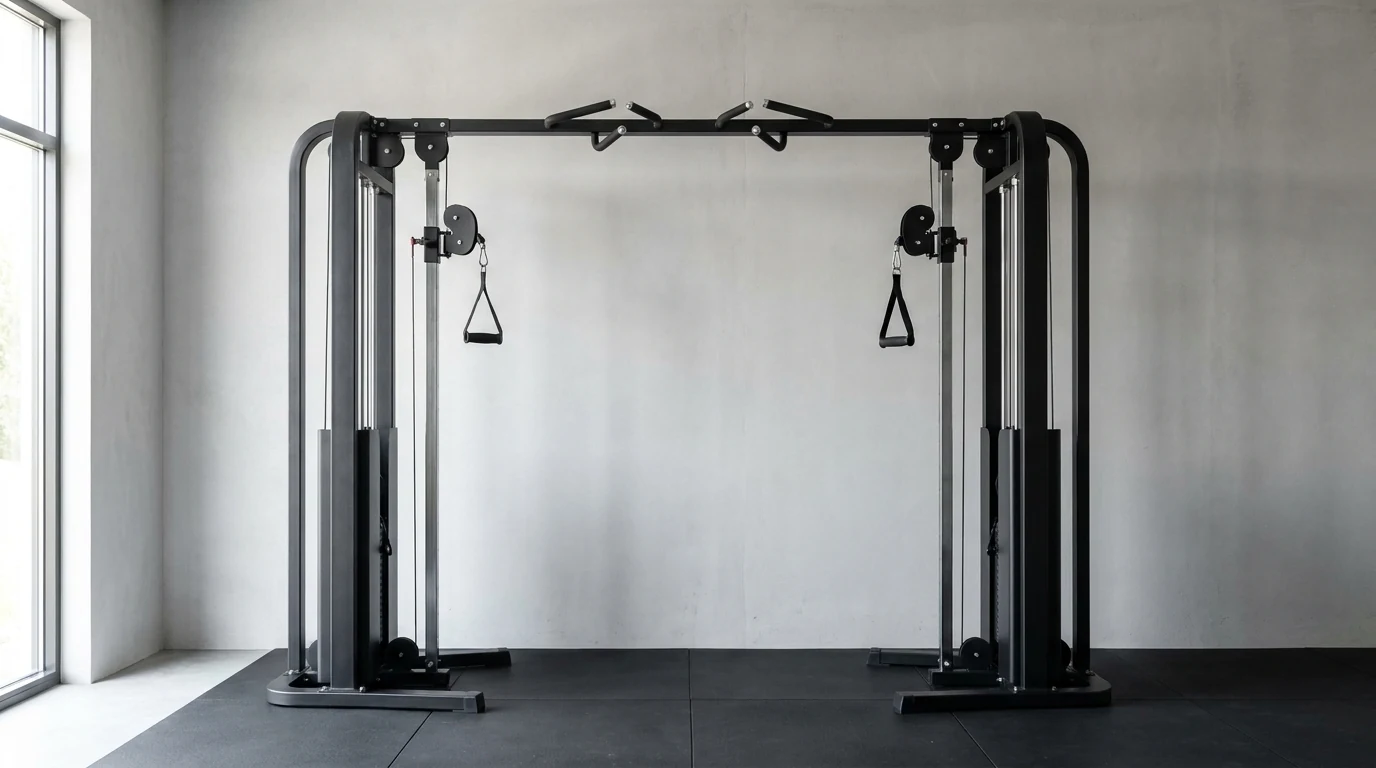
A functional trainer needs working clearance, not just its footprint: budget an 8x10 ft floor, the cable arc, and ceiling height before you buy.
Best Power Racks for a Home Gym in 2026
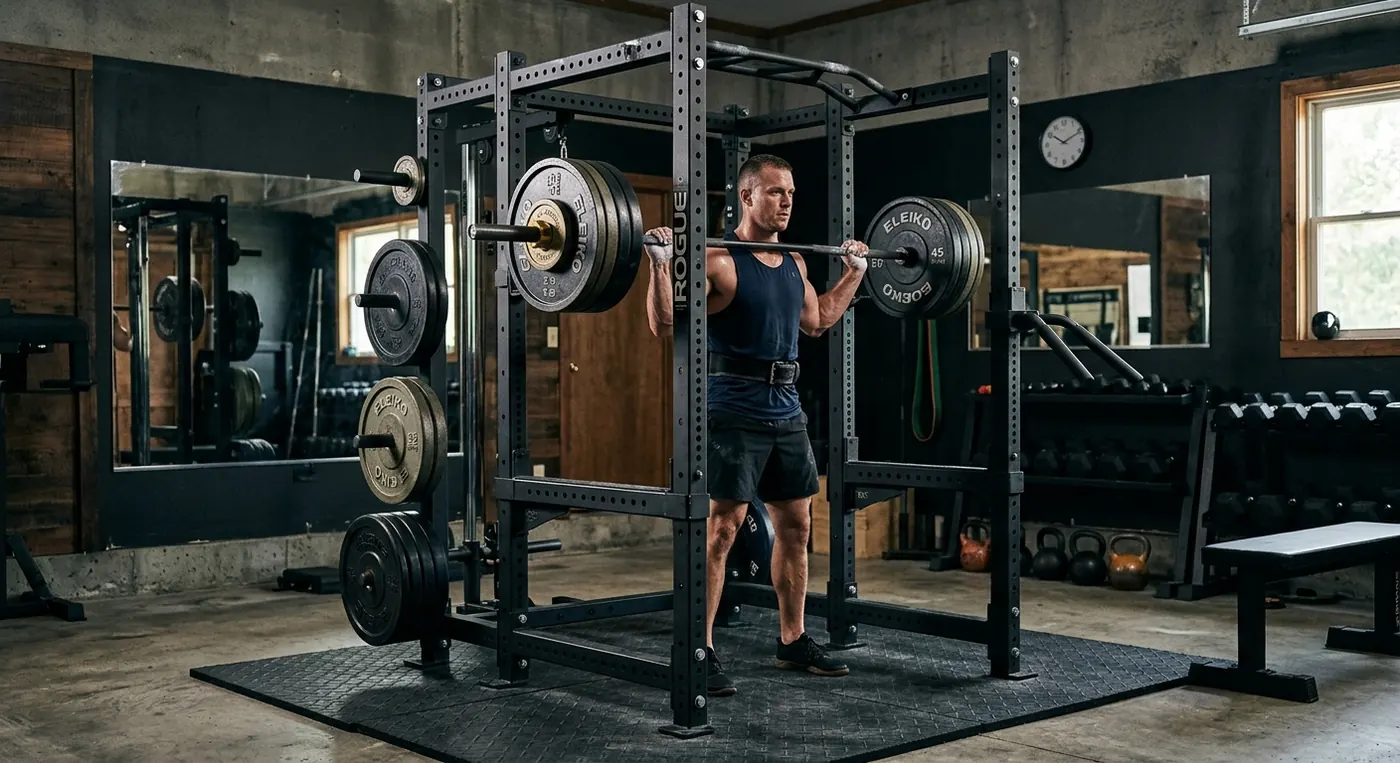
The Rep PR-4000 is the best home gym power rack of 2026 at under $900. Five racks ranked on build quality and footprint; Rogue R-4 is the lifetime pick.
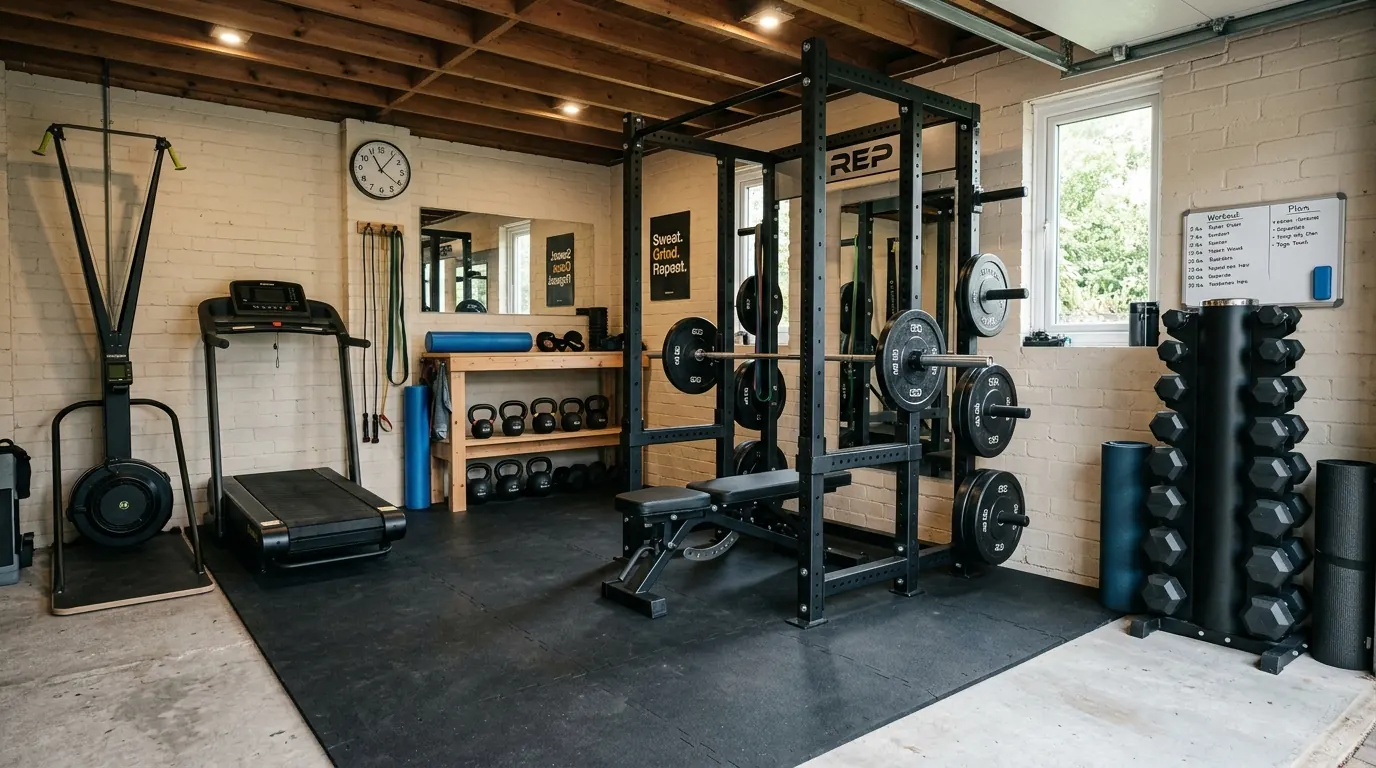
How to Build a Home Gym on Any Budget
Five complete home gym builds at $500, $1,500, $3,500, $7,500, and $15,000 - what to buy first, what to add later, and what to skip at every budget level.
Hilly Shore Labs
Editorial teamThe independent product research team behind GymScored. Every recommendation is researched, never hands-on tested — recommendations draw on manufacturer specifications and available published research. Category order is editorial; the Gym Score is a separate comparison aid.
170 listed products across 26 home gym categories. Scores use category criteria, value and owner-rating inputs; missing evidence limits what a score can tell you.
See the scoring methodology and who we are.
Affiliate disclosure: GymScored is a participant in the Amazon Services LLC Associates Program. We earn from qualifying purchases at no extra cost to you. Full disclosure →