Best Gym Flooring for Home Gyms in 2026: Stall Mats Win
Horse stall mats win best home gym flooring for barbell setups, no contest. We scored 6 flooring options on thickness, durability, and impact reduction.
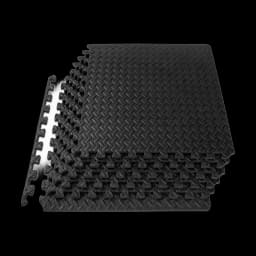
- Quality
- Home Gym Suitability
- Ease Of Assembly
Evidence snapshot · Updated September 14, 2026
The evidence-backed answer
ProsourceFit Puzzle Exercise Mat is our default pick for the scope of this guide: 4'x6' x 3/4" dense rubber. The home-gym flooring secret r/homegym has been quietly buying for a decade.
Scope: 4 shortlisted products compared using published specifications, owner-feedback signals, value and category-specific performance. The matched catalog records represent 47,715 owner ratings. This is research synthesis, not hands-on testing.
| Product | Rating | Current price context |
|---|---|---|
| ProsourceFit Puzzle Exercise Mat | 4.3/5 | $54.99 |
| BalanceFrom Puzzle Exercise Mat | 4.6/5 | $24.99 |
| IncStores Rubber Gym Flooring Tiles | 4.6/5 | $161.26 |
| SUPERJARE Rubber-Top Exercise Mats (96 sq ft) | 4.5/5 | $152.99 |
How GymScored is paid: Amazon Associates commission plus brand-direct affiliate (Rogue / REP / Titan when approved). No sponsored placements, no paid reviews, no pay-to-rank. Picks are ranked by the Gym Score formula and nothing else. Read the full disclosure.
Tractor Supply horse stall mats for any barbell setup, full stop. Rogue Crash Cushion for apartment lifters. Puzzle mats for bodyweight-only spaces.
| Product | Rating | Pros | Cons | Price | |
|---|---|---|---|---|---|
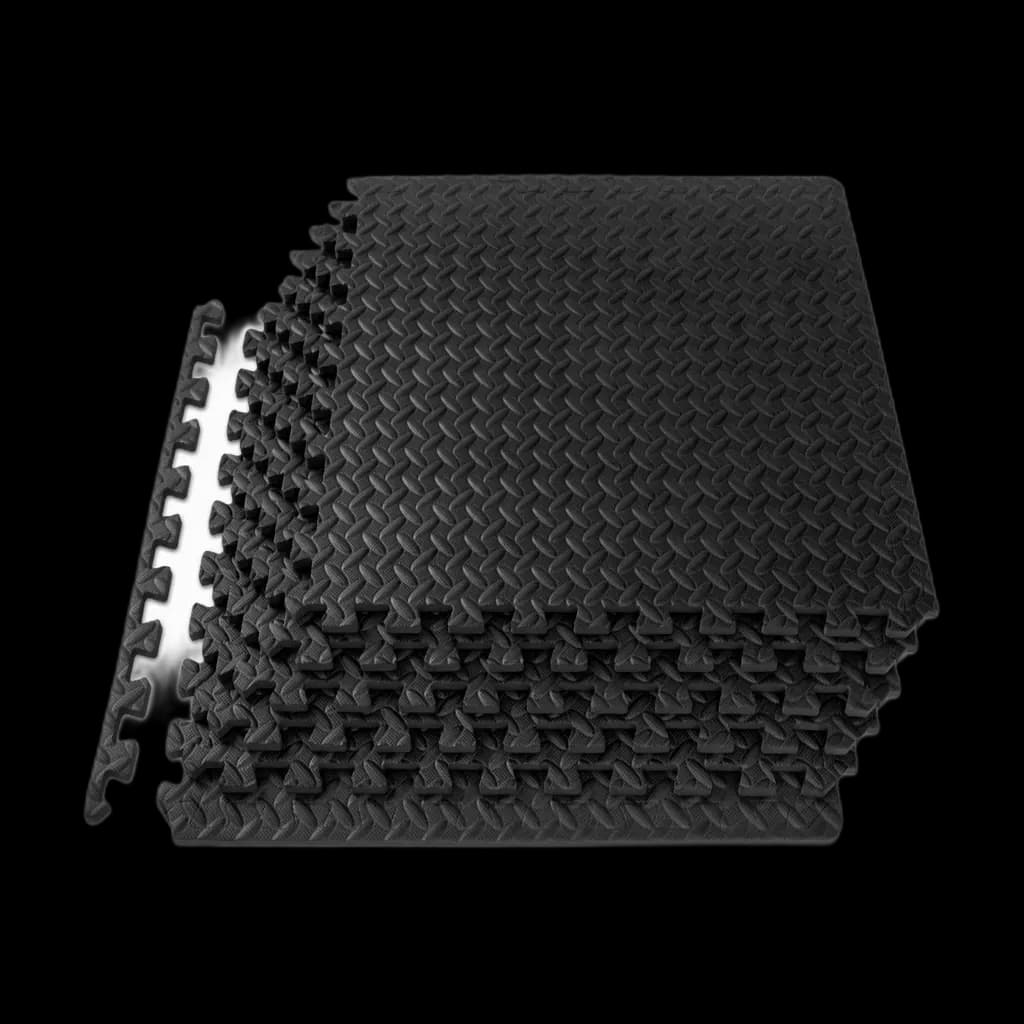 Standard interlocking puzzle mat. Fine for kettlebells, yoga, and dumbbells up to 75 lb. ↑ Quality↑ Home Gym Suitability↓ GripBased on 10,751 buyer mentions | 4.3 Gym Score 86 | Pros
| Cons
| $54.99 | Buy on Amazon |
 EVA puzzle mat — fine for yoga, cardio, and bodyweight work. Under iron, it crushes. The honest budget option, used correctly. ↑ Quality↑ Home Gym SuitabilityBased on 12,226 buyer mentions | 4.6 Gym Score 92 | Pros
| Cons
| $24.99 | Buy on Amazon |
 8mm-12mm rubber tiles, true vulcanized rubber (not EVA). Better than ProsourceFit at slightly higher price. The pick when you want stall-mat density in modular form. ↑ Quality↑ Floor Protection↓ OdorBased on 149 buyer mentions | 4.6 Gym Score 89 | Pros
| Cons
| $161.26 | Buy on Amazon |
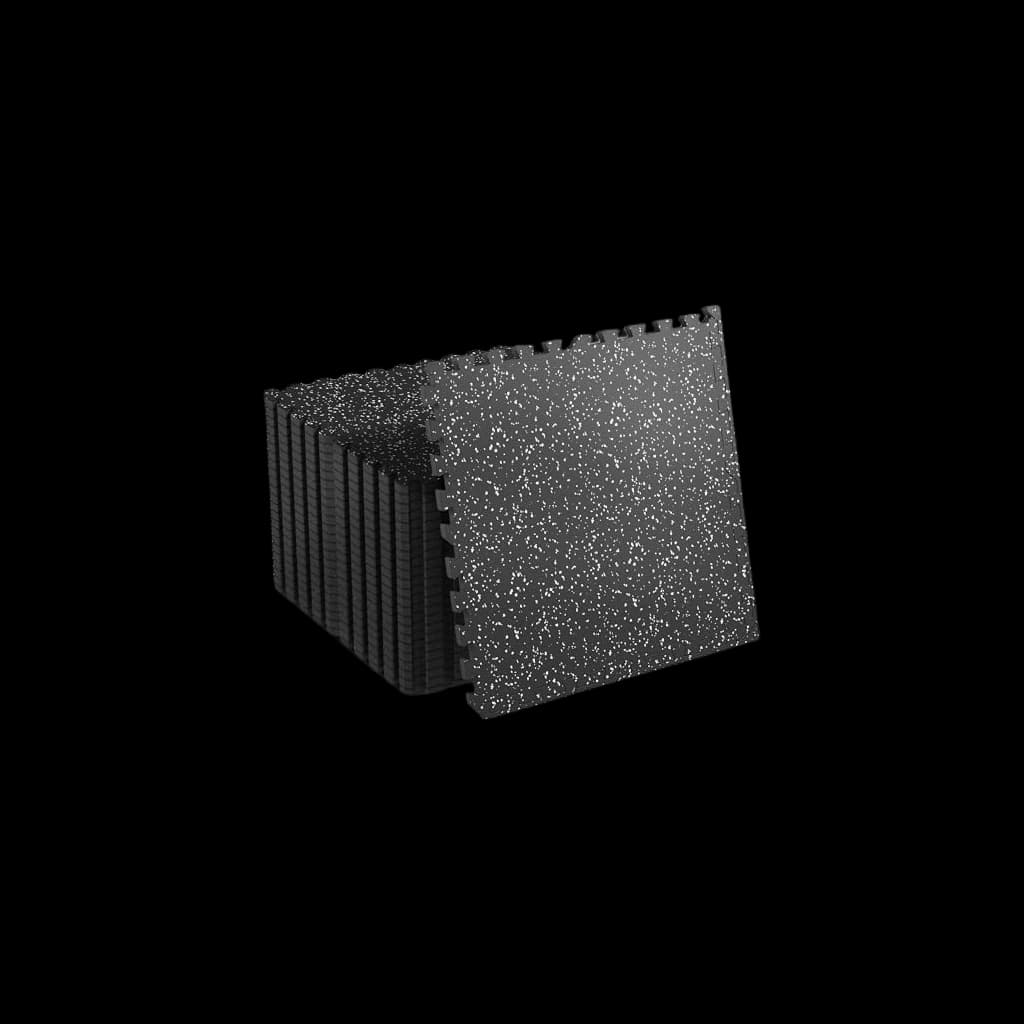 Rubber-topped rather than plain EVA foam, which is the difference that matters under a rack or a dropped dumbbell — foam dents permanently, rubber does not. | 4.5 Gym Score 96 | Pros
| Cons
| $152.99 | Buy on Amazon |
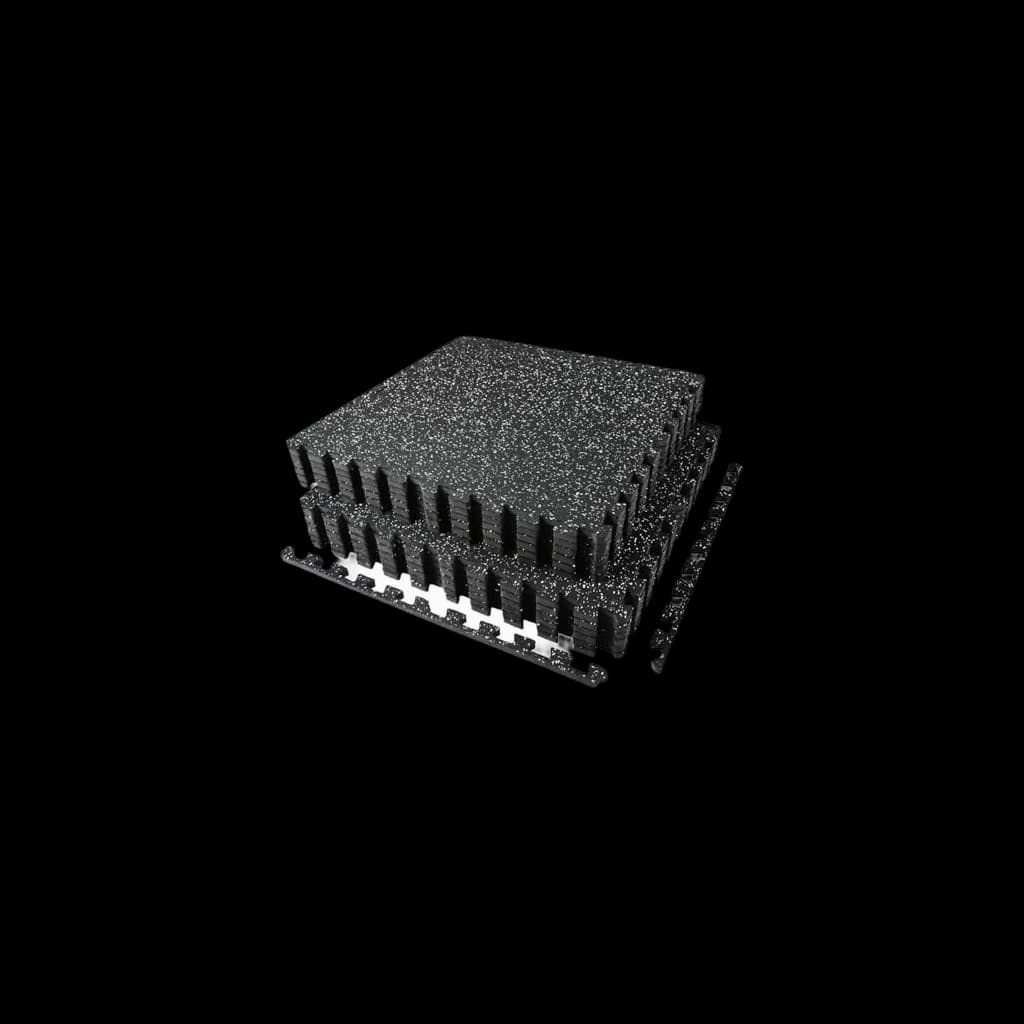 The middle option: rubber-topped like the SUPERJARE but at half the coverage and half the price, which is the right size for a single rack or treadmill footprint rather than a whole room. | 4.4 Gym Score 93 | Pros
| Cons
| $99.99 | Buy on Amazon |
Amazon prices checked Sep 12, 2026. Amazon prices change often — the listing is authoritative.
Top picks spec comparison
Specs Amazon listings rarely aggregate side-by-side. Sourced from manufacturer data.
| Product | Material | Thickness | Tile Size |
|---|---|---|---|
| ProsourceFit Puzzle Exercise Mat | EVA rubber blend | 3/8" or 3/4" | 24" x 24" |
| BalanceFrom Puzzle Exercise Mat | EVA foam | 1/2" or 3/4" | 24" x 24" |
| IncStores Rubber Gym Flooring Tiles | Vulcanized rubber | 8-12mm | 24" x 24" |
Pick by situation
Decide by your situation, not the generic ranking.
| If | You want | Pick |
|---|---|---|
| Budget under $300 | Yoga, stretching, mobility, and floor-based bodyweight work | BalanceFrom Puzzle Exercise Mat |
TL;DR — should you read this?
- Verdict: Tractor Supply horse stall mats ($60/each, 4x6, 3/4-inch dense rubber) are the no-contest winner for any barbell setup. Four mats cover an 8x12 deadlift platform for under $250.
- ProSourceFit Puzzle Mats ($60 per 24 sqft) are fine for bodyweight, kettlebells, and light dumbbells. They compress and curl under heavy plates.
- Thicker is not always better. Too-soft rubber lets dumbbells bounce, which damages plates and equipment.
- Concrete is what you're protecting. Repeated barbell impact cracks slabs and shatters plate edges. The mat protects both directions.
- The smell is the real trade-off with stall mats, not durability. See the off-gassing section below before you commit to an indoor room.
Our pick
4'x6' x 3/4" dense rubber. The home-gym flooring secret r/homegym has been quietly buying for a decade.
What separates good from bad in this category
Three specs decide gym flooring quality: thickness, material density (durometer), and impact-attenuation behavior.
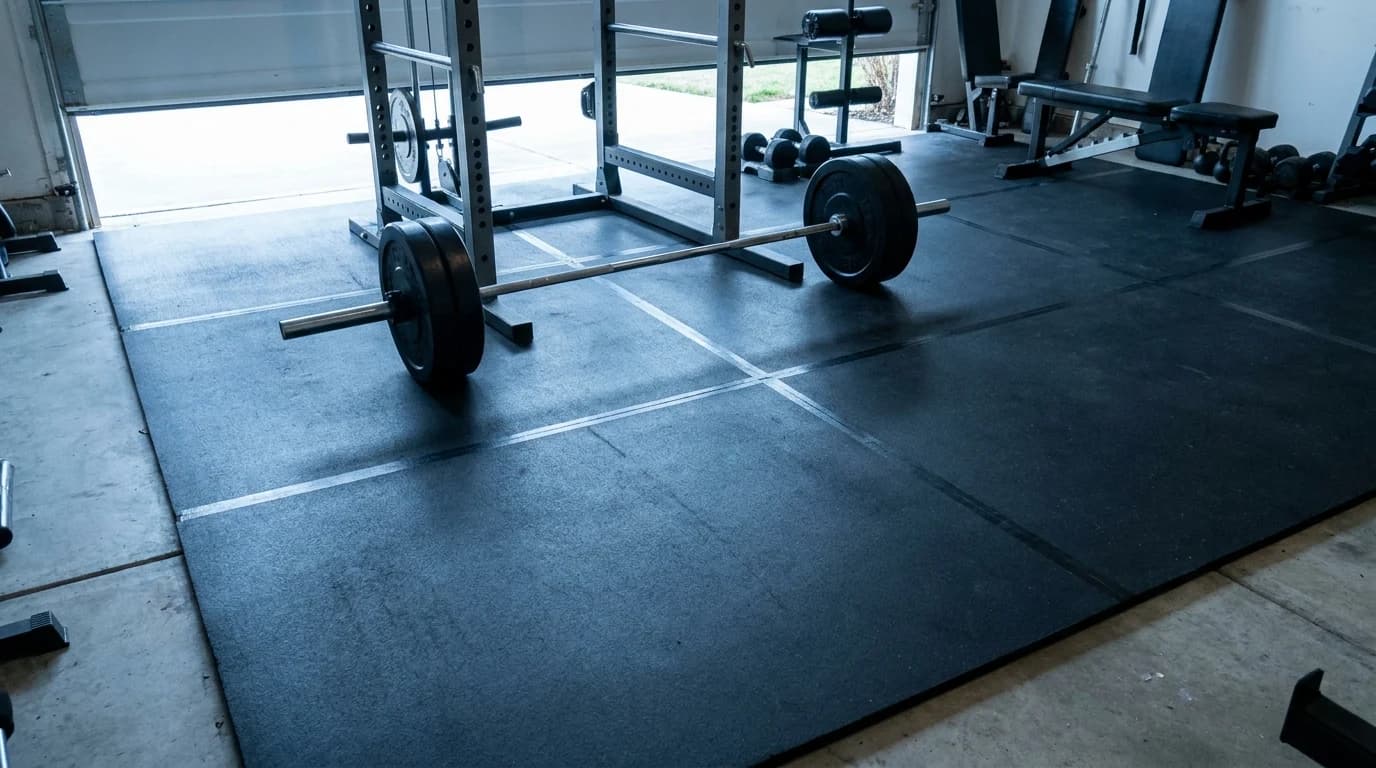
Thickness is a use-case decision, not a quality tier
| Training type | Thickness | What it buys you |
|---|---|---|
| Barbell / deadlift platform | 3/4 inch (~19mm) | Dropped plates dissipate into rubber instead of the slab |
| Dumbbell and kettlebell | 1/2 inch | Enough cushion without spongy footing |
| Bodyweight and yoga | 3/8 inch | Comfort underfoot, minimal cost |
Below 1/2 inch, heavy plates compress the mat fully and the slab takes the impact anyway. Above 1 inch, the floor becomes spongy and starts to mute the Olympic-lift technique cues lifters rely on.
Durometer is the spec that separates rubber from foam
Material density is measured in Shore A durometer. Quality gym tiles run 60-70 Shore A — firm enough to support heavy plates without compression set, soft enough to absorb impact. Cheap EVA foam tiles sit at 30-40 Shore A and compress permanently within a few months of heavy use. The ASTM Standard F355 — available from ASTM — covers impact attenuation testing for flooring under shock loads.
Impact attenuation is about bounce, not softness
You want enough deflection to absorb impact without springing back. Too stiff and the force goes into the slab; too soft and the plate rebounds sideways into your equipment. Stall mats land in the middle because 3/4 inch of mid-durometer rubber damps the bounce.
Worth knowing: the CDC's NIOSH program documents impact noise as a health concern above 85 dB sustained. A loaded barbell dropped on bare concrete from waist height routinely peaks at 90-100 dB.
Rubber stall mats are the right call if:
- You drop barbells, or ever will
- You own the space, or can move 100 lb mats when you leave
- You'd rather buy once at $60 a mat than replace foam every two years
Puzzle or EVA mats are the right call if:
- You rent and need something you can lift out in an afternoon
- Your heaviest impact is a 75 lb dumbbell or a cardio machine
- You need modularity — covering a zone rather than a whole room
Stall mats: what the garage-gym default costs per square foot
A horse stall mat is a 4x6 foot sheet of 3/4-inch recycled rubber sold for livestock stalls. It covers 24 square feet, weighs about 100 lb, and dominates garage gyms for one reason: cost per square foot.
| Option | Coverage | Price | Cost per sq ft |
|---|---|---|---|
| BalanceFrom Puzzle Exercise Mat | 24 sq ft | $24.99 | about $1.08 per sq ft |
| ProsourceFit Puzzle Exercise Mat | 24 sq ft | $54.99 | about $2.08 per sq ft |
| SUPERJARE Rubber-Top Exercise Mats | 96 sq ft | $152.99 | about $2.08 per sq ft |
| AIRHOP Rubber Equipment Mats | 48 sq ft | $99.99 | about $2.50 per sq ft |
| Horse stall mat, 4x6 at 3/4 inch | 24 sq ft | Farm-supply counter price | about $2.50 per sq ft |
| IncStores Rubber Gym Flooring Tiles | 24 sq ft | $161.26 | about $4.58 per sq ft |
Each figure is that row's price divided by that row's coverage. Foam at a dollar a foot is not competing with 3/4-inch rubber; the finding is that stall mats cost about what a mid-tier rubber-topped mat costs at twice the thickness.
The cost that is not on the tag: stall mats are freight-weight. You hire a truck or make four trips, and every mat is a two-person carry.
The smell: what off-gassing actually looks like
In Stall Mats vs Other Rubber Flooring and Non-smelly alternative to stall mats, r/homegym names recycled crumb rubber as the offender: congestion in a closed indoor room, and odour still present months later. Urethane-bonded and vulcanised rubber recur as the lower-odour alternative.
What owners report helps:
- Airing outside for days, not hours, before they come in.
- Washing with a neutral-pH cleaner alongside the airing.
- Real ventilation for the first few weeks.
What owners report does not fix it:
- Waiting it out indoors, which is where the months-later reports come from.
- Paying more for stall mats. Crumb rubber smells; it is not a quality tier.
The rule: stall mats belong in a garage or a ventilated basement. For a finished room you share, pay up for vulcanised or urethane-bonded rubber.
Noise reduction by flooring type
| Setup | Impact noise cut |
|---|---|
| 3/4-inch rubber mat | 8-12 dB |
| Rolled rubber | 10-14 dB |
| Crash cushion stacked on stall mat | Up to 20 dB |
The picks, ranked
1. Tractor Supply Rubber Stall Mat (4x6, 3/4-inch) — $60 per mat — Best for any barbell setup
The flooring r/homegym has traded openly for over a decade. Recycled rubber, dense enough to take dropped 405-lb deadlifts without permanent compression. Four mats cover a standard 8x12 deadlift platform for under $250. Install is a two-person job at 100 lb a mat, and they need airing before they come indoors — but after break-in they are functionally identical to a gym-branded 3/4-inch tile.
2. ProSourceFit Puzzle Exercise Mat (1/2 inch or 3/4 inch) — $50-60 per 24 sqft — Best for bodyweight and dumbbells
Interlocking EVA puzzle mats are the renter's answer. The 3/4-inch variant handles dumbbells up to 75 lb and cardio gear, and at 10 lb per 24 sqft it lifts out in an afternoon. The cons are real: corners curl after 12-18 months, EVA compresses permanently under heavy plates, and foam absorbs sweat odour.
3. Rubber-Cal Recycled Rubber Rolled Flooring — $4-6 per sqft — Best for permanent installs
Rolled rubber lays flat, looks cleaner long-term and has no puzzle seams to collect dust. A 4x10 roll at 8mm handles dumbbells, kettlebells and most cardio gear; use 3/8-inch over plywood for the platform area. A permanent lay needs a utility knife and rubber adhesive.
4. BalanceFrom Puzzle Exercise Mat — $30-45 per 24 sqft — Best budget option
The cheapest credible option — same EVA foam as ProSourceFit at 70% of the price, with the same caveats. Corners curl, foam compresses, smells for the first week. Fine for a yoga room or a bodyweight gym; insufficient for barbell.
5. IncStores Rubber Gym Flooring Tiles (8-12mm vulcanized rubber) — $4-7 per sqft — Best for cardio zones
Vulcanized rubber, denser than recycled rubber, at 8-12mm. Best under a treadmill, rower, or exercise bike where you want vibration dampening without the sponginess of 3/4-inch stall mats. Don't substitute it for a deadlift platform.
6. Rogue Crash Cushion — $290 each — Best for apartment lifters who drop barbells
A 36 x 22 x 2-inch high-density foam pad that lands directly under bumper plates on a drop. Stacked over a stall-mat platform it is the closest thing to silent deadlifting on a slab, and $290 per pad isn't a typo — the apartment math only works when neighbours are the binding constraint.
What the research actually says
- Concrete cracks under repeated impact loading without a barrier. Standard residential garage slabs are 4 inches of 2,500-3,000 psi concrete, and dropped Olympic plates exceed point load capacity within a few drops. ASTM F355 is the published standard for shock-attenuating flooring evaluation. (ASTM F355 reference.)
- Olympic plate edges shatter when dropped on hard surfaces. Steel and iron plates can crack at the rim from a single impact on concrete. Bumper plates are more forgiving but still chip over time.
- VOC off-gassing from new rubber is measurable. The EPA treats VOCs in indoor air as a concern at sustained elevated concentrations; ventilation is the documented mitigation.
- Impact noise reduction is real but partial. No flooring makes a dropped barbell inaudible downstairs; it lowers the peak. Our apartment noise guide covers the stacked approach that actually works, and the CDC NIOSH noise pages cover why peak impact level is the number that matters.
What the research does not support: that thicker flooring is universally better. Mats over 1 inch mute Olympic-lift bar feedback and make stability work harder. Going thicker because "more is better" makes the floor worse for actual training.
What to skip
- Foam interlocking tiles thinner than 3/8 inch. They compress fully under any meaningful weight and shred at the seams.
- Carpet over concrete. The carpet hides the impact path, you'll punch through to the slab anyway, and the fibers absorb sweat odor permanently.
- Vinyl plank flooring. Looks great in marketing photos, cracks at the seams within months of barbell drops.
- "Gym-branded" puzzle mats at 3x the Tractor Supply price. Verify the spec sheet matches a generic mat at the same thickness. Branding without denser material is markup.
- Loose-lay vinyl gym tiles. They migrate, gap, and trip you. Glue it down or accept that it'll move.
How to actually use this
The decision tree:
- Bodyweight or yoga gym ($100-200): 1/2-inch ProSourceFit or BalanceFrom puzzle mats. Cover the bodyweight zone; leave the dumbbell area exposed concrete.
- Dumbbell and kettlebell gym ($300-500): 3/4-inch puzzle mats over the entire floor, or 1/2-inch over the lifting area with a stall mat under the heaviest dumbbells.
- Barbell gym ($250-400 for the platform): Four Tractor Supply 4x6 stall mats as an 8x12 deadlift platform. Concrete or thin rolled rubber elsewhere.
- Apartment lifter (need silence): Stall mat platform plus a Rogue Crash Cushion stack under the drop zone. Budget $550+, and accept that neighbors below will still hear you if their ceiling is unfinished.
Setup notes worth knowing before install day
- Lay stall mats slightly-pebbled side up — better grip, easier on shoes.
- For an 8x12 platform, run two stall mats along the long axis side by side; the seam lands in the middle.
- Sweep weekly for the first 2-3 months. Recycled rubber sheds black dust.
- Air new mats out before they come inside — see the off-gassing section above.
How we chose
We scored six flooring options on thickness, material density (Shore A durometer where published), impact attenuation per ASTM F355 where available, durability under repeated plate drops, ease of removal for renters, off-gassing, and owner-reported satisfaction on r/homegym and r/garagegym. Durability and attenuation weigh heaviest for barbell platforms; removal and noise weigh heaviest for renters. Full framework on our methodology page.
Frequently Asked Questions
Are horse stall mats really the same as gym mats?+
Functionally yes. They're both dense recycled rubber at 3/4" thickness. The gym-branded mats are sometimes pre-cut to specific dimensions and don't off-gas as long, but the underlying material is identical.
Will gym flooring protect my downstairs neighbor?+
Partially. Stall mats reduce impact noise by about 50%. A Rogue Crash Cushion gets you to 80%. No flooring fully isolates a dropped 405 lb deadlift from a wood-frame floor.
How thick do I need for kettlebell drops?+
1/2" rolled rubber or 3/8" puzzle mat handles a 35 kg kettlebell drop without floor damage. For heavier kettlebells (40 kg+) or barbells, go to 3/4" stall mats.
How long do horse stall mats off-gas indoors?+
Most stall mats off-gas the strongest rubber smell within 7-10 days outdoors, with residual scent fading over 3-4 weeks. Air them in a garage or porch for at least two weeks before installing in a closed indoor space. The EPA's indoor air quality guidance recommends ventilation during the off-gassing window. After break-in, the rubber is functionally inert.
Can I install gym flooring over carpet?+
No, not for barbell work. Carpet hides the impact path and you'll punch through to the slab anyway, ruining both the carpet and the slab. Pull the carpet first, lay flooring directly on concrete or a plywood subfloor. For dumbbell-only or yoga gyms, 3/4-inch puzzle mats can sit on low-pile carpet temporarily without damage.
What thickness do I actually need under my squat rack?+
3/4-inch rubber (stall mat thickness) is the home-gym standard under any barbell setup. The squat rack itself doesn't need impact-rated flooring — racks are bolted or weighted down and don't drop. The flooring spec is set by what falls off the bar, not the rack itself. If you'll drop loaded barbells, 3/4 inch is the floor. Going thicker doesn't help.
Sources & Research
- BIFMA — Equipment installation guidelinesstandards
- r/homegym — Flooring threadscommunity
- EPA — Volatile organic compounds' impact on indoor air qualityauthority
- ASTM — ASTM F355 — Standard test method for impact-attenuating flooringstandard
- CDC NIOSH — Occupational noise exposureauthority
- EPA — Indoor air quality overviewauthority
- r/homegym — Stall Mats vs Other Rubber Flooringcommunity
- r/homegym — Non-smelly alternative to stall mats?community
Related reviews
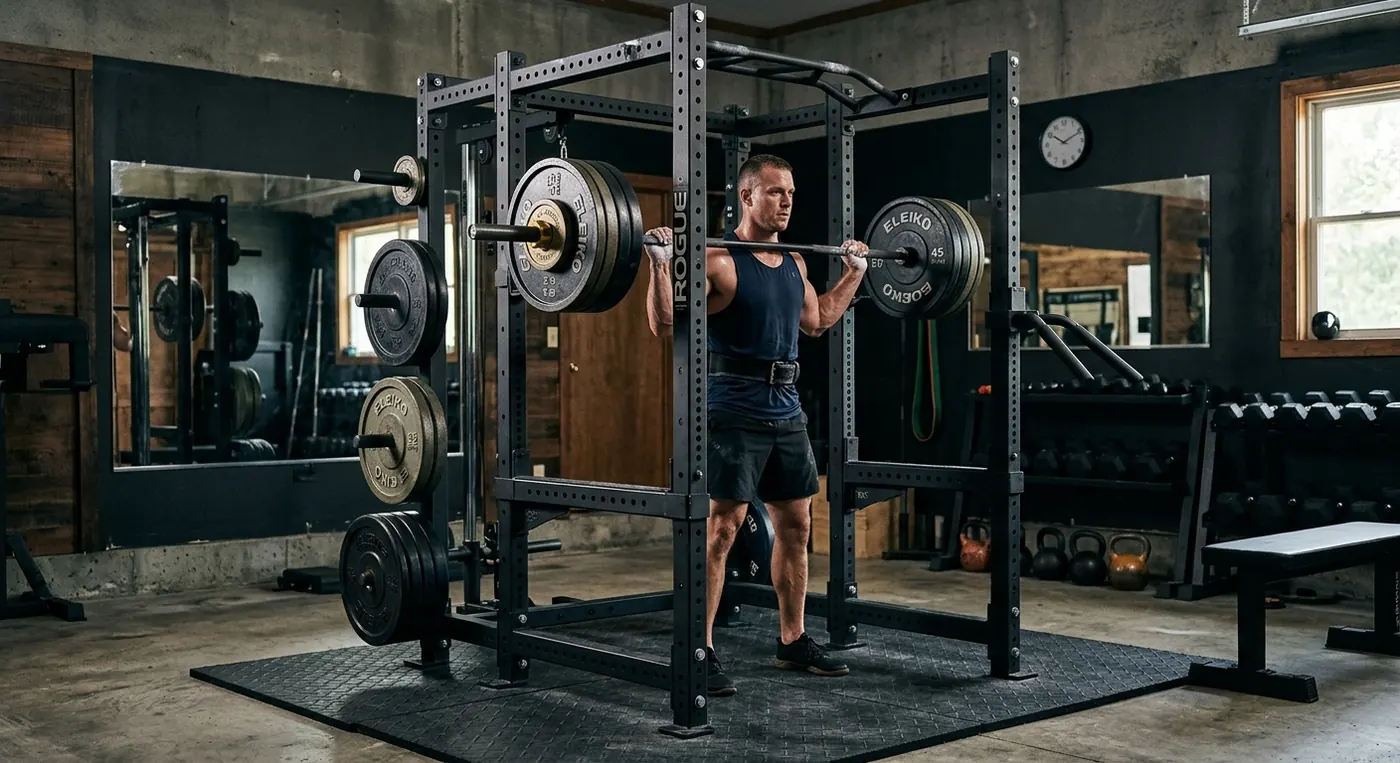
Best Power Racks for a Home Gym in 2026
The Rep PR-4000 is the best home gym power rack of 2026 at under $900. We scored 12 racks on build quality and footprint; Rogue R-4 is the lifetime pick.
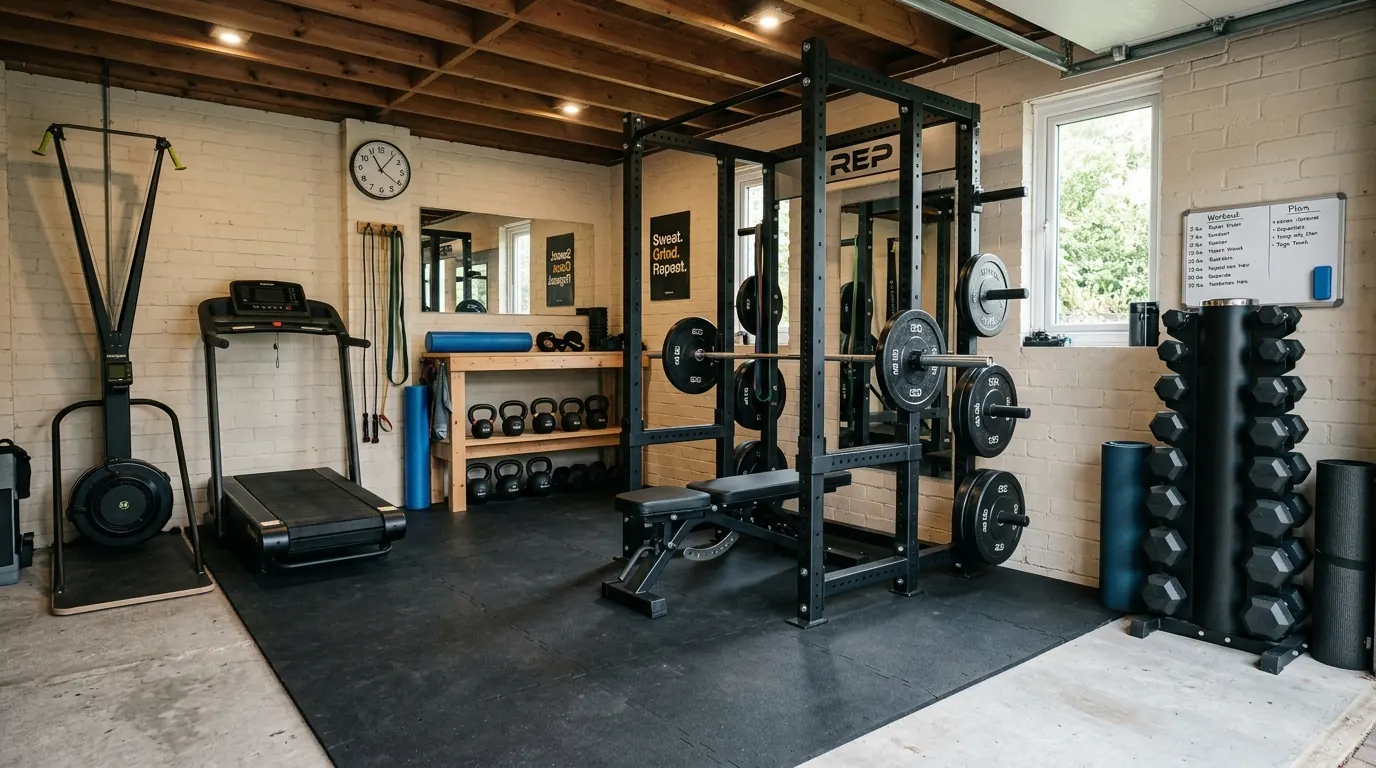
How to Build a Home Gym on Any Budget
Five complete home gym builds at $500, $1,500, $3,500, $7,500, and $15,000 - what to buy first, what to add later, and what to skip at every budget level.
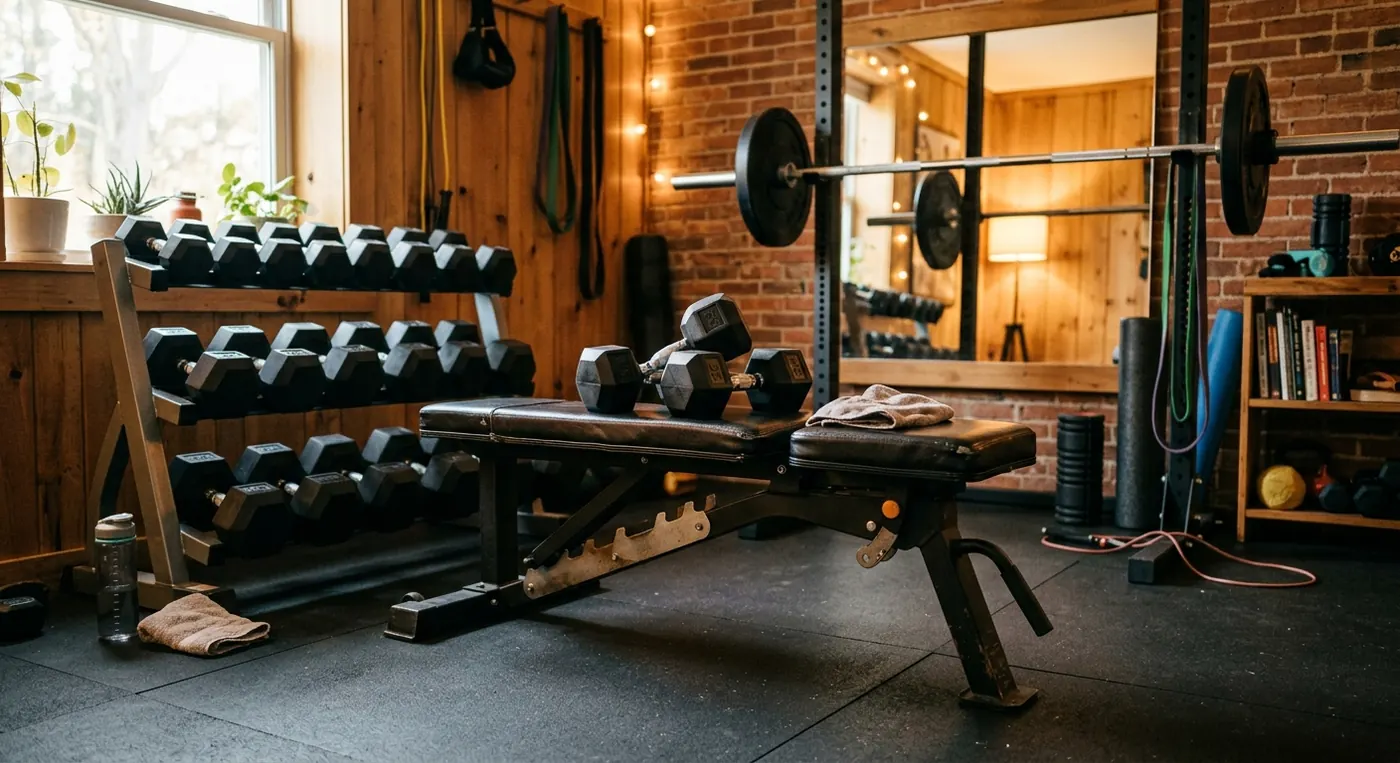
Best Weight Benches for a Home Gym
The Rep AB-5200 is the best weight bench under $400; the Rogue AB-3 is the lifetime pick. We scored 8 benches on stability, adjustability, and pads.
Hilly Shore Labs
Editorial teamThe independent product research team behind GymScored. Every recommendation is researched, never hands-on tested — rankings come from manufacturer specifications, published standards, and aggregated buyer sentiment.
163 products scored across 26 home gym categories, each on the same 5-dimension Gym Score formula.
See the scoring methodology and who we are.
Affiliate disclosure: GymScored is a participant in the Amazon Services LLC Associates Program. We earn from qualifying purchases at no extra cost to you. Full disclosure →