Best Kettlebells for Home Gyms in 2026: Yes4All Wins
Which kettlebell for beginners, by bodyweight and background, plus 5 bells scored on handle, finish and weight accuracy. Yes4All Powder-Coated wins.
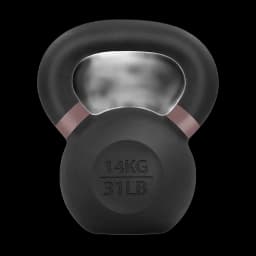
- Single-piece cast iron, no welds
- Matte powder coat takes chalk perfectly
- Flat bottom enables push-ups and rows
Evidence snapshot · Updated September 1, 2026
The evidence-backed answer
Yes4All Powder-Coated Kettlebell is our default pick for the scope of this guide: 33-35mm handle, accurate weight, powder-coat grip. Best price-to-quality for the first kettlebell.
Scope: 4 shortlisted products compared using published specifications, owner-feedback signals, value and category-specific performance. The matched catalog records represent 36,000 owner ratings. This is research synthesis, not hands-on testing.
| Product | Rating | Current price context |
|---|---|---|
| Yes4All Powder-Coated Kettlebell | 4.8/5 | — |
| Rogue Kettlebell E-Coat | 4.9/5 | ~$2.20/lb |
| Amazon Basics Cast Iron Kettlebell (Enamel) | 4.8/5 | $35.99 |
| CAP Vinyl Coated Cast Iron Kettlebell | 4.8/5 | $73.99 |
How GymScored is paid: Amazon Associates commission plus brand-direct affiliate (Rogue / REP / Titan when approved). No sponsored placements, no paid reviews, no pay-to-rank. Picks are ranked by the Gym Score formula and nothing else. Read the full disclosure.
Yes4All Powder-Coated for the first 1-3 bells. Rogue E-Coat if you're committing long-term. Competition style only if you're training kettlebell sport.
| Product | Rating | Pros | Cons | Price | |
|---|---|---|---|---|---|
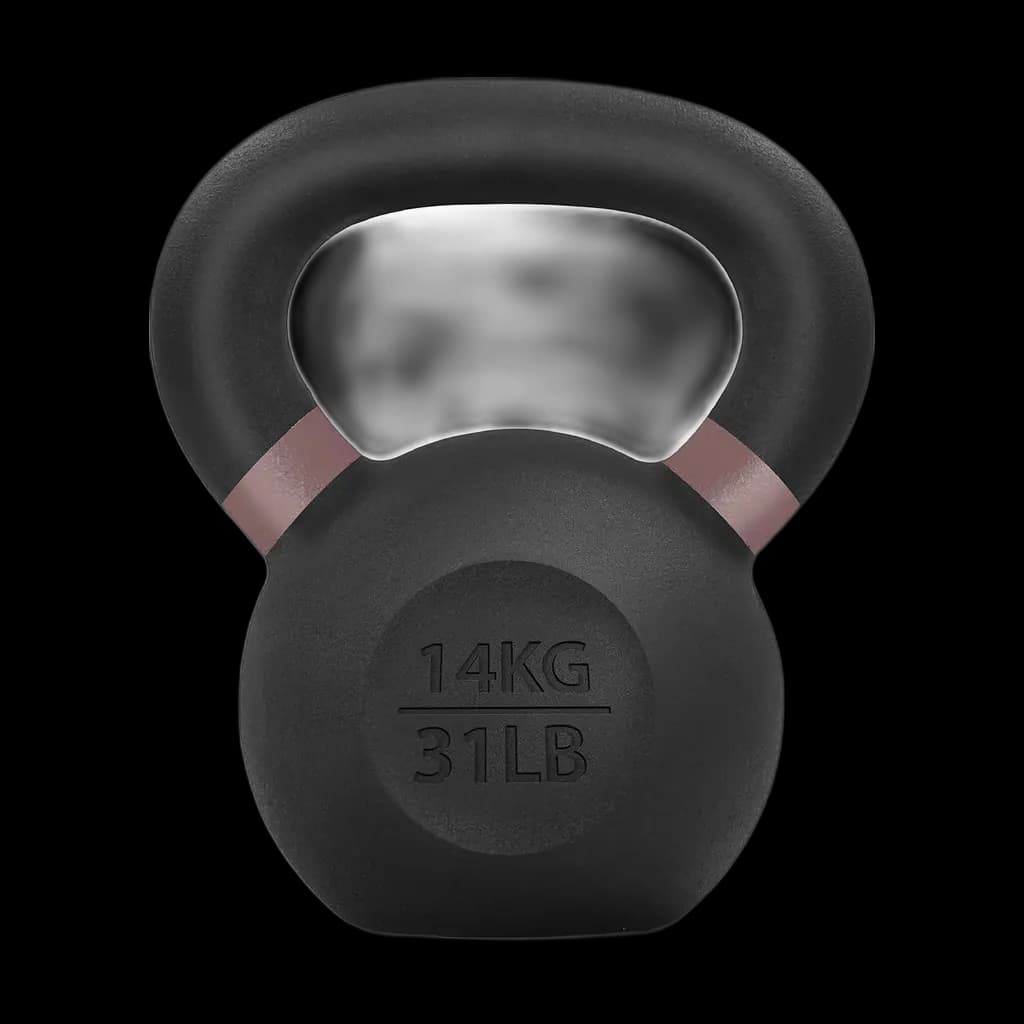 The default first kettlebell. 33-35mm handle, accurate weight, powder-coat grip. ↑ Quality↑ Value for money↓ DurabilityBased on 968 buyer mentions | 4.8 Gym Score 95 | Pros
| Cons
| — | Check on Amazon |
Rogue Kettlebell E-Coat The lifetime kettlebell. 33mm handle at every weight, E-coat finish, color-coded by weight. | 4.9 | Pros
| Cons
| ~$2.20/lb | Sold direct by Roguefitness |
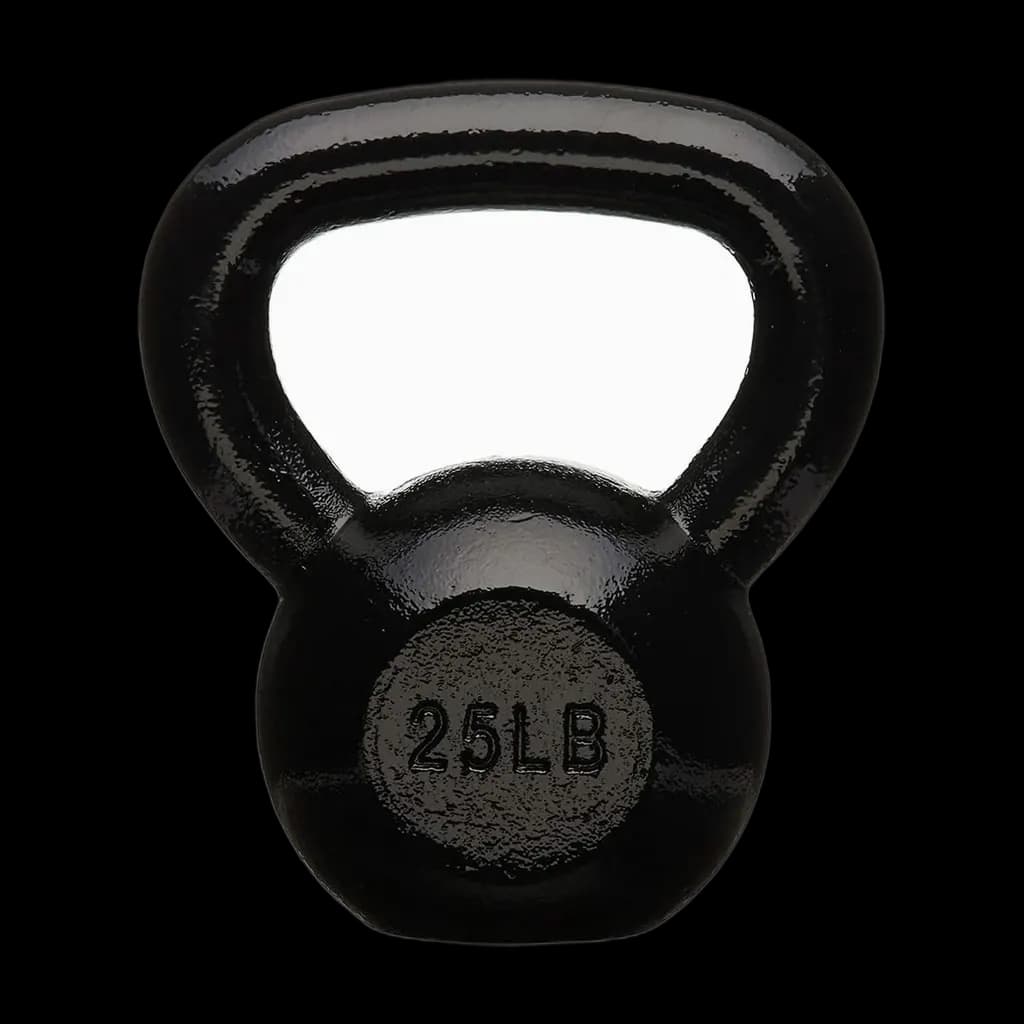 Honest budget kettlebell. Enamel finish, fine for swings and goblet squats. ↑ Quality↑ Value for moneyBased on 256 buyer mentions | 4.8 Gym Score 95 | Pros
| Cons
| $35.99 | Buy on Amazon |
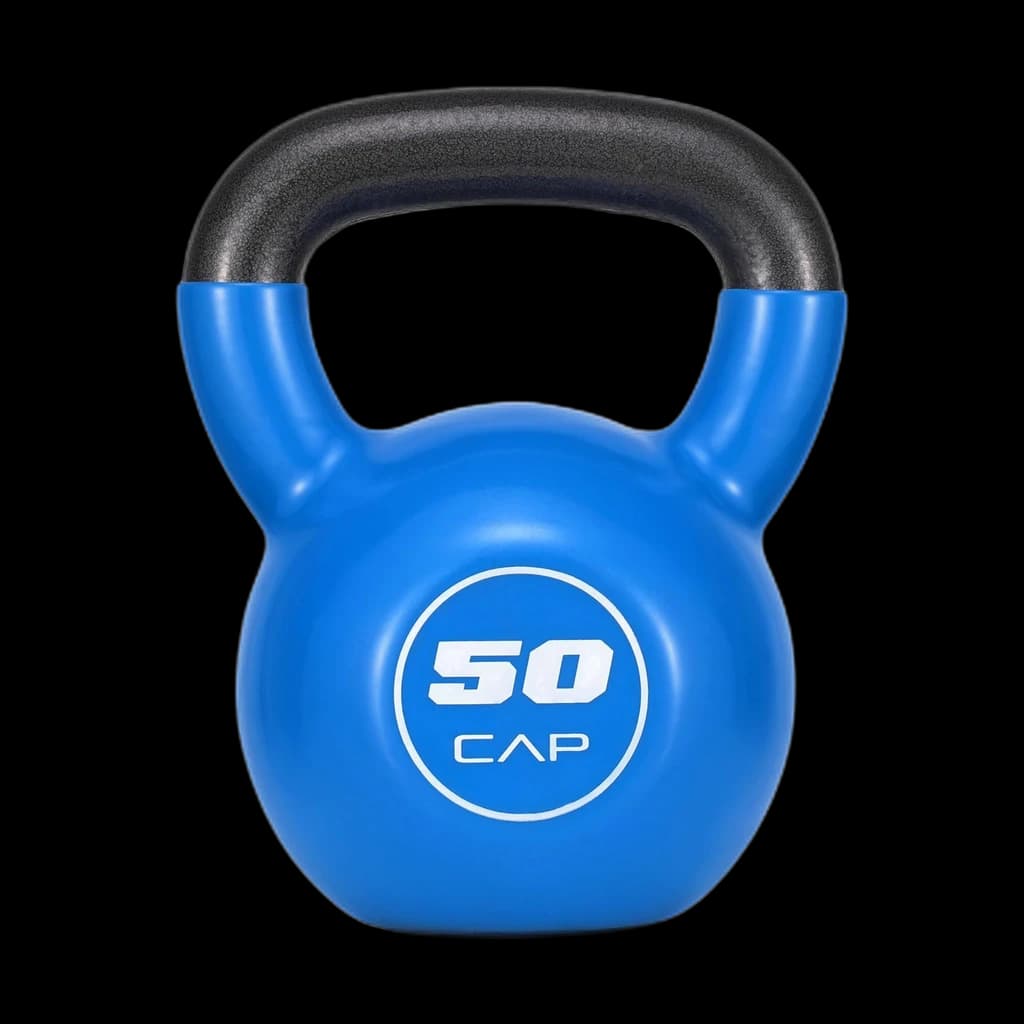 The default beginner buy: a solid one-piece cast-iron bell with a vinyl coat that protects your floors and quiets the clank. Sold in single weights from 10 to 50 lb, so you can build a rack a plate at a time without committing to a full set. | 4.8 Gym Score 96 | Pros
| Cons
| $73.99 | Buy on Amazon |
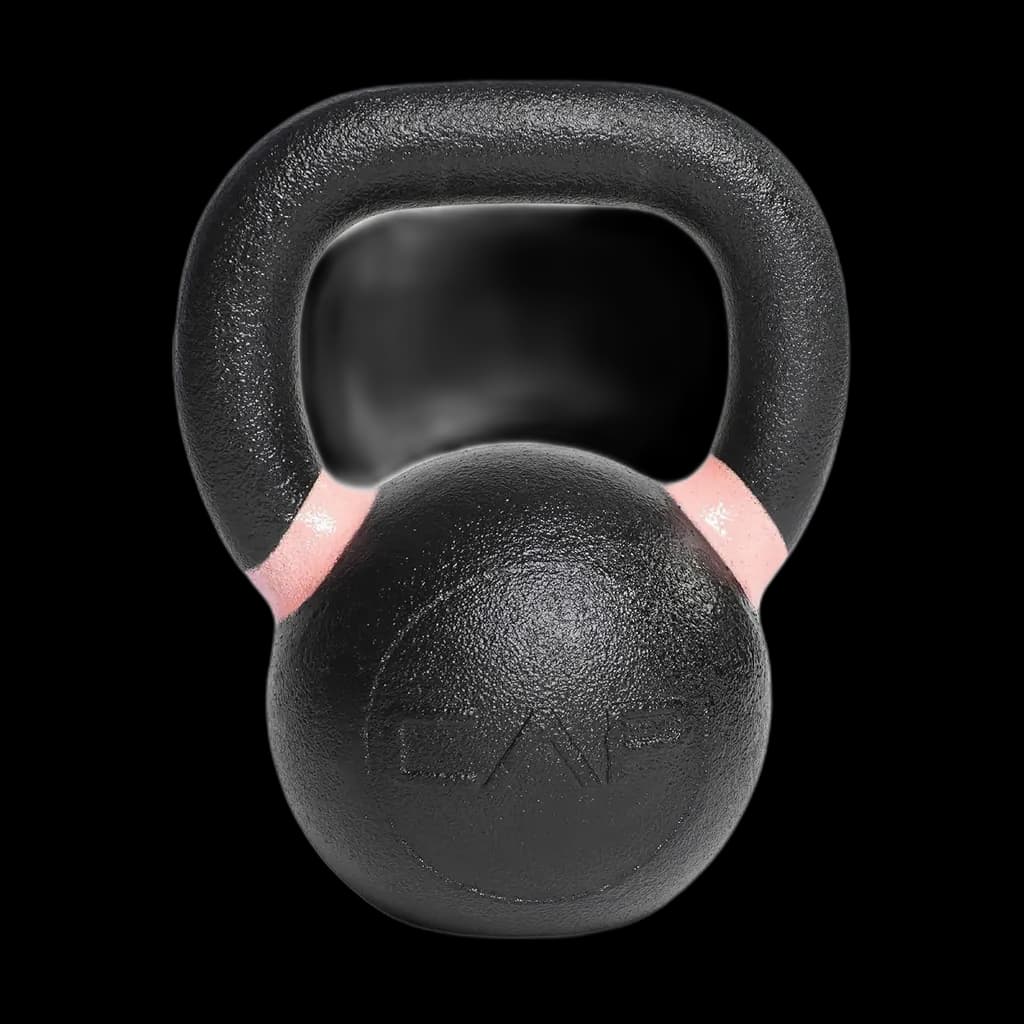 CAP's competition-style bell is the alternative if Yes4All's competition line is out of stock or you want a slightly larger handle. 35mm handle (vs. Yes4All's 33mm) is more forgiving for larger hands but slightly less optimal for very high-rep snatches. The powder coat is thicker than Yes4All's, which means fewer chips but also a slightly slicker feel until it wears in. Same uniform body sizing as any competition bell. Good middle-ground option. ↑ Quality↑ Value for moneyBased on 426 buyer mentions | 4.5 Gym Score 88 | Pros
| Cons
| $39.99 | Buy on Amazon |
Amazon prices checked Sep 12, 2026. Amazon prices change often — the listing is authoritative.
Top picks spec comparison
Specs Amazon listings rarely aggregate side-by-side. Sourced from manufacturer data.
| Product | Material | Handle Diameter | Finish | Style |
|---|---|---|---|---|
| Yes4All Powder-Coated | Single-piece cast iron | 33-35mm | Powder coat | Cast iron |
| Rogue Kettlebell E-Coat | Single-piece cast iron | 33mm uniform | E-coat | Cast iron |
| CAP Barbell Competition | Steel | 33mm uniform | Painted steel | Competition |
| Amazon Basics Cast Iron | Solid cast iron | 35-38mm | Enamel | Cast iron |
| Kettlebell Kings Powder Coat | Single-piece cast iron | 33-35mm | Powder coat | Cast iron |
Pick by situation
Decide by your situation, not the generic ranking.
| If | You want | Pick |
|---|---|---|
| Budget under $300 | Absolute beginners testing whether kettlebells fit their training before committing | Amazon Basics Cast Iron Kettlebell (Enamel) |
TL;DR — should you read this?
- Yes4All Powder-Coated is the right first kettlebell for almost everyone. The Rogue E-Coat is the lifetime upgrade at roughly 2x the price.
- The single spec that matters: handle diameter. 33-35mm grips correctly; 38mm+ slips during high-rep snatches and tears callouses.
- Start with one bell at the right weight — see the starting-weight selector below — before adding a second. Most home lifters never need more than three.
- Skip enamel-finished kettlebells. The glossy coat is pretty in the photo and slips when sweat hits the handle.
- Powder coat vs e-coat is a real tradeoff. Powder grips chalk aggressively but wears the handle finish faster. E-coat is smoother and more durable.
Our pick
33-35mm handle, accurate weight, powder-coat grip. Best price-to-quality for the first kettlebell.
What separates a serious kettlebell from a paperweight
Three specs decide whether a kettlebell is worth owning: handle diameter, weight accuracy, and finish.
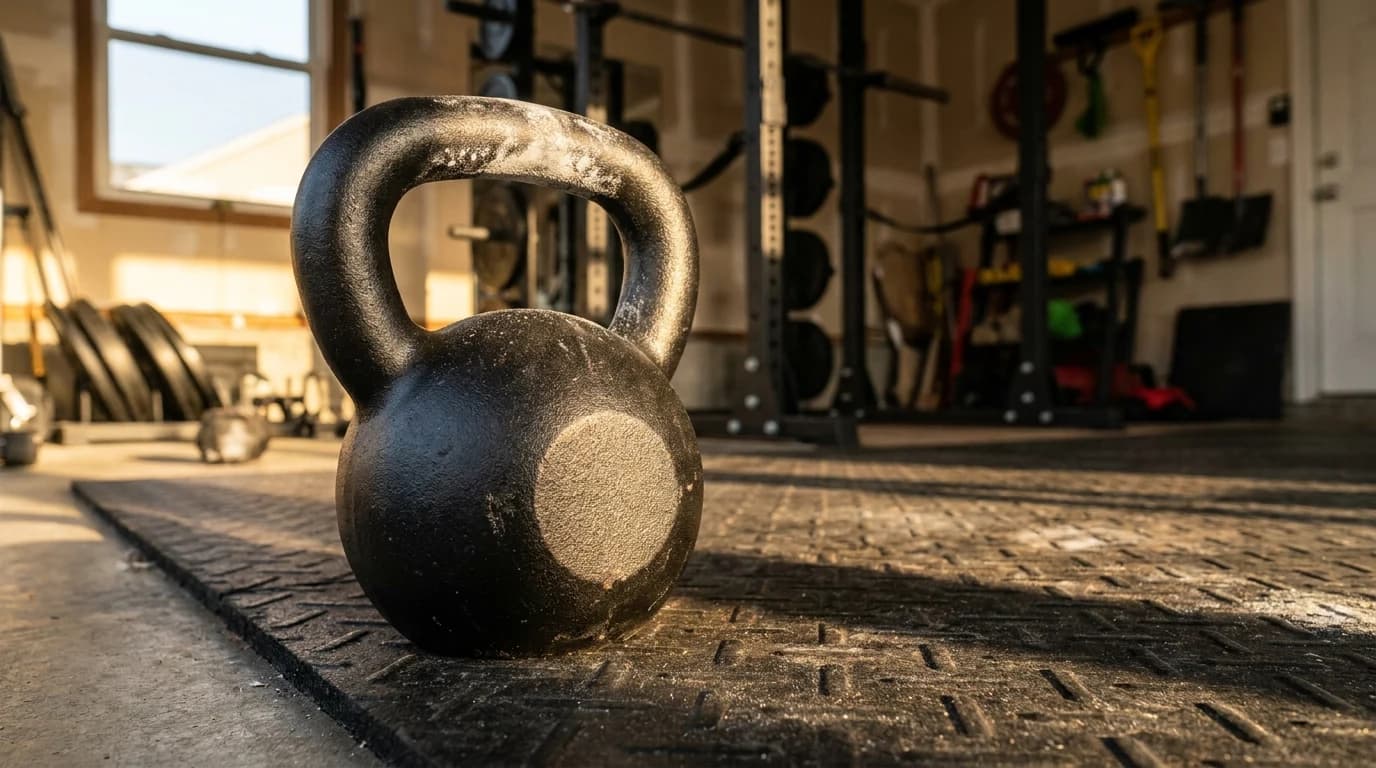
Handle diameter sets your maximum rep capacity — a chunkier handle exhausts grip before the work is done. Weight accuracy matters because cheap bells run 5-10% off the label, and finish decides how the bell feels in a chalked, sweaty hand five sets in.
The trap: grip is the limiting factor in ballistic work, not strength. A 33mm handle outlasts a 38mm handle by 15-25% on snatch tests in trained populations.
Cast iron is right for you if:
- You're training general strength and conditioning rather than kettlebell sport
- You want the cheapest path to the right weight — it runs $0.40-0.80/lb less
- You don't mind the bell growing physically as the load goes up
Competition-style is right for you if:
- You train Long Cycle, Biathlon, or another high-rep ballistic protocol
- Consistent rack position matters — competition bells park on the same forearm spot at 16 kg or 32 kg
- You'd rather pay for uniformity than save on the bell
The American Council on Exercise's expert article hub covers kettlebell programming for general fitness, and the NSCA articles library discusses periodization with ballistic implements. Both align: kettlebells deliver concurrent strength and conditioning when programmed correctly, which is why the American Heart Association twice-weekly strength recommendation maps well onto a kettlebell-only home gym.
Which kettlebell for beginners: the starting-weight selector
The question that stops most first purchases is not which brand, it is which weight — and the answer is heavier than beginners expect. r/kettlebell's getting-started wiki is explicit that going lighter than recommended to work on form first is a bad idea: too light and a ballistic swing becomes a muscled-up arm raise.
| Who you are | Start here | Add next | Then |
|---|---|---|---|
| Average male, some training history | 16 kg / 35 lb | 24 kg / 53 lb | 32 kg / 70 lb |
| Sedentary male beginner | 12 kg / 26 lb | 16 kg / 35 lb | 24 kg / 53 lb |
| Average female, some training history | 12 kg / 26 lb | 16 kg / 35 lb | 20 kg / 44 lb |
| Sedentary female beginner | 8 kg / 18 lb | 12 kg / 26 lb | 16 kg / 35 lb |
| Buying for swings specifically | One step heavier than the row above | — | — |
Those weights recur across the wiki and the starting weight and what weight should I start with threads: 16 kg is the standard male recommendation, 8-12 kg for people starting from nothing, and the FAQ pushes swings higher again.
Plan for this: the recurring warning is that you move through the early weights fast — people describe buying a 12 kg and wanting a 16 kg within two months. If the two are close in price, buy both up front.
The picks, ranked
| Kettlebell | Cost | Handle | Style |
|---|---|---|---|
| Yes4All Powder-Coated | ~$1.50/lb | 33-35mm | Cast iron |
| Rogue Kettlebell E-Coat | ~$2.30/lb | 33mm at every weight | Cast iron |
| CAP Barbell Competition | ~$1.80/lb | Medium-aggressive knurl | Competition |
| Kettlebell Kings Powder Coat | ~$2.20/lb | Consistent across weights | Cast iron |
| Amazon Basics Cast Iron | ~$1.10/lb | 35-38mm | Cast iron |
1. Yes4All Powder-Coated — ~$1.50/lb — Best for first 1-3 kettlebells
The default starter bell. Weight accuracy within manufacturer tolerance, powder-coat grip that chalks well, available in 5 lb increments from 5 to 80 lb on Amazon Prime. The finish wears slightly faster than e-coat, but you replace nothing for the first five years.
2. Rogue Kettlebell E-Coat — ~$2.30/lb — Best for lifetime ownership
A uniform 33mm handle at every weight, color-coded by kilogram so you grab the right one across the room, and lifetime durability. The smoother e-coat finish grips chalk less aggressively than powder, which kettlebell sport athletes prefer. Direct ship from Rogue, with the freight cost that implies.
3. CAP Barbell Competition — ~$1.80/lb — Best honest competition-style pick
Uniform external dimensions regardless of weight. The right choice for kettlebell sport or any high-rep ballistic protocol where consistent rack position matters. The handle knurl is medium-aggressive — fine for chalk users.
4. Kettlebell Kings Powder Coat — ~$2.20/lb — Best for matched-set buyers
Cast-iron bells with above-average finish quality and tight weight tolerance. The premium over Yes4All buys slightly better handle consistency across weights — worth it for lifters building a 5-bell starter set from one manufacturer.
5. Amazon Basics Cast Iron — ~$1.10/lb — Best ultra-budget option
The honest cheapest bell that isn't embarrassing. Wider handle, enamel-style finish on smaller weights, less consistent tolerance. Fine for goblet squats, swings, and occasional use. Wrong pick if kettlebells are your primary training modality.
What the research actually says
- Kettlebell training meaningfully improves both strength and cardiovascular conditioning. The ACSM resistance training framework covers concurrent training adaptations, and kettlebells uniquely deliver both within the same set.
- Two strength sessions per week is the minimum effective dose. The CDC adult activity guidelines and the AHA recommendations align — a single 30 lb kettlebell at home satisfies the spec for most adults.
- Ballistic kettlebell work distributes load through the forearm rather than the wrist. That's why high-rep swing and snatch programs don't accumulate wrist injury at the same rate as equivalent dumbbell volume (NSCA articles on implement selection).
- Handle diameter changes maximum rep capacity, not strength. Grip fatigue is the limiting factor in high-rep ballistic work.
What the research does not support: the marketing claim that kettlebell swings "burn 20 calories per minute." The original 2010 ACE study cited the metabolic equivalent of a brisk run — real but unremarkable, and not the number social media keeps recycling.
What to skip
- Enamel-finished kettlebells over 35 lb. The glossy coat slips when sweat hits the handle. Fine for low-rep goblet squats, dangerous for high-rep snatches.
- Vinyl-coated "color" kettlebells. The coating tears at the first ground impact and the wobble inside it throws off bell mechanics.
- Plastic-filled or sand-filled "adjustable" kettlebells. The shifting load makes ballistic work uncoordinated. Real adjustable kettlebells exist but they're niche; for a first bell, fixed cast iron is the call.
- "Smart" Bluetooth kettlebells. Same critique as smart dumbbells. The app stops getting updates in three years and you've got a heavy boat anchor with dead electronics.
How to actually buy this
- Pick the right starter weight from the selector above. The bell has to be heavy enough that the swing path is ballistic — too light and you muscle the rep, which defeats the implement.
- Decide cast iron vs competition. Cast iron for general training. Competition only if you train kettlebell sport or value the uniform rack position above the price difference.
- Build the set in jumps, not bundles. One bell, then a second once the first feels easy on swings, then a third for max-effort presses — the columns in the selector are that runway.
- Avoid pre-bundled sets. "5-bell starter packs" usually run 5, 10, 15, 20, 25 lb — all too light for real ballistic work. Build the set yourself.
- Use rubber-base bells on hardwood. Otherwise an unprotected cast iron bell gouges the floor on bottom-position deadlifts.
How we evaluated
We scored each bell on Handle Quality (diameter, finish, consistency across the weight range), Weight Accuracy (tolerance vs labeled weight), and Build & Durability (single-piece casting, finish longevity, owner-reported wear). Specs sourced from manufacturer data and verified third-party reviews. Owner reports paraphrased from r/kettlebell and r/homegym. We do not perform physical product testing — the scoring synthesizes published specs, owner-reported wear patterns, and third-party reviewer data. See /methodology for the rubric.
Frequently Asked Questions
What weight kettlebell should I start with?+
16 kg (35 lb) for most men, 12 kg (26 lb) for most women. The bell needs to be heavy enough to make swings ballistic - too light and the swing path collapses.
Cast iron or competition style?+
Cast iron for general training (swings, goblet squats, deadlifts). Competition for kettlebell sport or anyone doing high-rep one-arm work where rack position consistency matters.
Is the Rogue E-Coat worth 1.5x the Yes4All price?+
If you're owning kettlebells for a decade, yes - the handle, finish, and uniform sizing earn the premium. For your first bell, Yes4All is plenty.
Can I drop a kettlebell on hardwood?+
Once or twice without major damage, but bottom-position deadlifts grind the bell base against the floor and gouge the finish over time. A 1/2" rubber mat or a stall mat is a $40 investment that saves your floor and protects the bell.
Are competition kettlebells worth the premium for a beginner?+
Usually not. The uniform-size advantage only matters if you're training kettlebell sport or do high-rep one-arm work where rack-position consistency affects your set. For swings and goblet squats, cast iron is functionally identical.
How many kettlebells do I actually need?+
One for the first 3-6 months. Two (one for swings/deadlifts, one heavier for two-arm work) for the first 1-2 years. Three covers indefinite progression for most lifters. Past five bells you're collecting, not training.
Sources & Research
- StrongFirst — Kettlebell sport standardsauthority
- r/kettlebell — Community kettlebell reportscommunity
- ACE Fitness — ACE Insights Blog (Expert Articles)authority
- NSCA — Latest Strength and Conditioning Articlesauthority
- Current Sports Medicine Reports — Resistance Training for Health and Performanceresearch
- American Heart Association — Recommendations for Physical Activity in Adultsauthority
- CDC — Adult Physical Activity Guidelinesauthority
- r/kettlebell — Beginner's Guide: Getting Started (wiki)community
- r/kettlebell — Kettlebell starting weightcommunity
Related reviews
Best Adjustable Dumbbells in 2026
Bowflex 1090 wins on its 10-90 lb range, NUOBELL 80 on feel, PowerBlock on durability. We scored 8 adjustable dumbbell sets on mechanism and build.
Best Power Racks for a Home Gym in 2026
The Rep PR-4000 is the best home gym power rack of 2026 at under $900. We scored 12 racks on build quality and footprint; Rogue R-4 is the lifetime pick.
How to Build a Home Gym on Any Budget
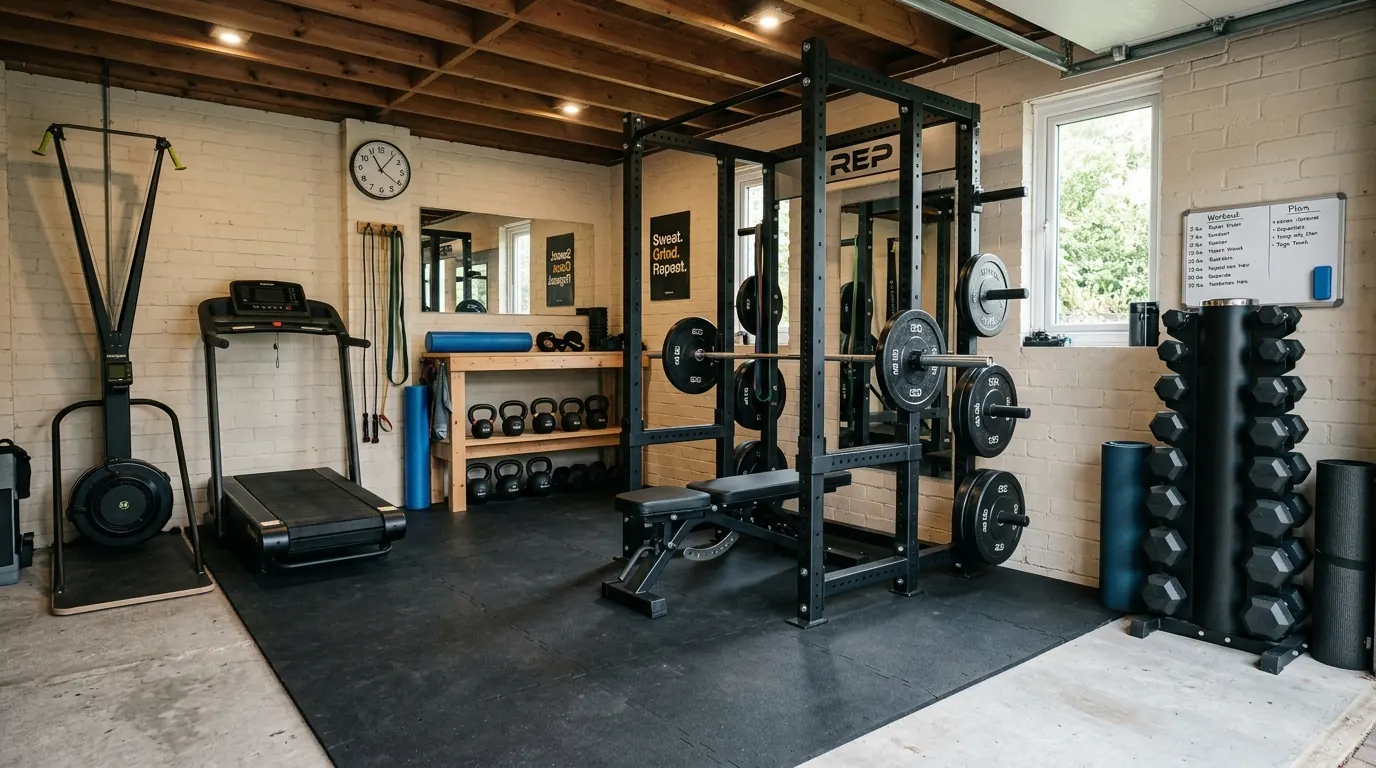
Five complete home gym builds at $500, $1,500, $3,500, $7,500, and $15,000 - what to buy first, what to add later, and what to skip at every budget level.
Hilly Shore Labs
Editorial teamThe independent product research team behind GymScored. Every recommendation is researched, never hands-on tested — rankings come from manufacturer specifications, published standards, and aggregated buyer sentiment.
163 products scored across 26 home gym categories, each on the same 5-dimension Gym Score formula.
See the scoring methodology and who we are.
Affiliate disclosure: GymScored is a participant in the Amazon Services LLC Associates Program. We earn from qualifying purchases at no extra cost to you. Full disclosure →