How to Use a Rowing Machine: Stroke, Damper and Pace
How to use a rowing machine: why the damper isn't a difficulty dial, the 1:2 stroke ratio, beginner stroke rates, six common faults and a two-week plan.
Push with your legs, swing your back, then pull with your arms, and reverse that order on the way back, taking about twice as long to return as to push. Keep a Concept2 damper around 3-5, not 10: it changes how the stroke feels, not how hard the workout is. While learning, British Rowing suggests 18-24 strokes per minute, focusing on consistency rather than speed.
How GymScored is paid: Amazon Associates commission plus brand-direct affiliate (Rogue / REP / Titan when approved). No sponsored placements, no paid reviews, no pay-to-rank. Picks are ranked by the Gym Score formula and nothing else. Read the full disclosure.
Set the damper low, slow the recovery to twice the length of the drive, and row at 18-24 strokes a minute until the sequence is automatic. Every common fault on the list traces back to rushing, so the fastest way to improve as a beginner is to row slower and push harder with the legs. Start with British Rowing's two short sessions a week and build from there.
| Product | Rating | Pros | Cons | Price | |
|---|---|---|---|---|---|
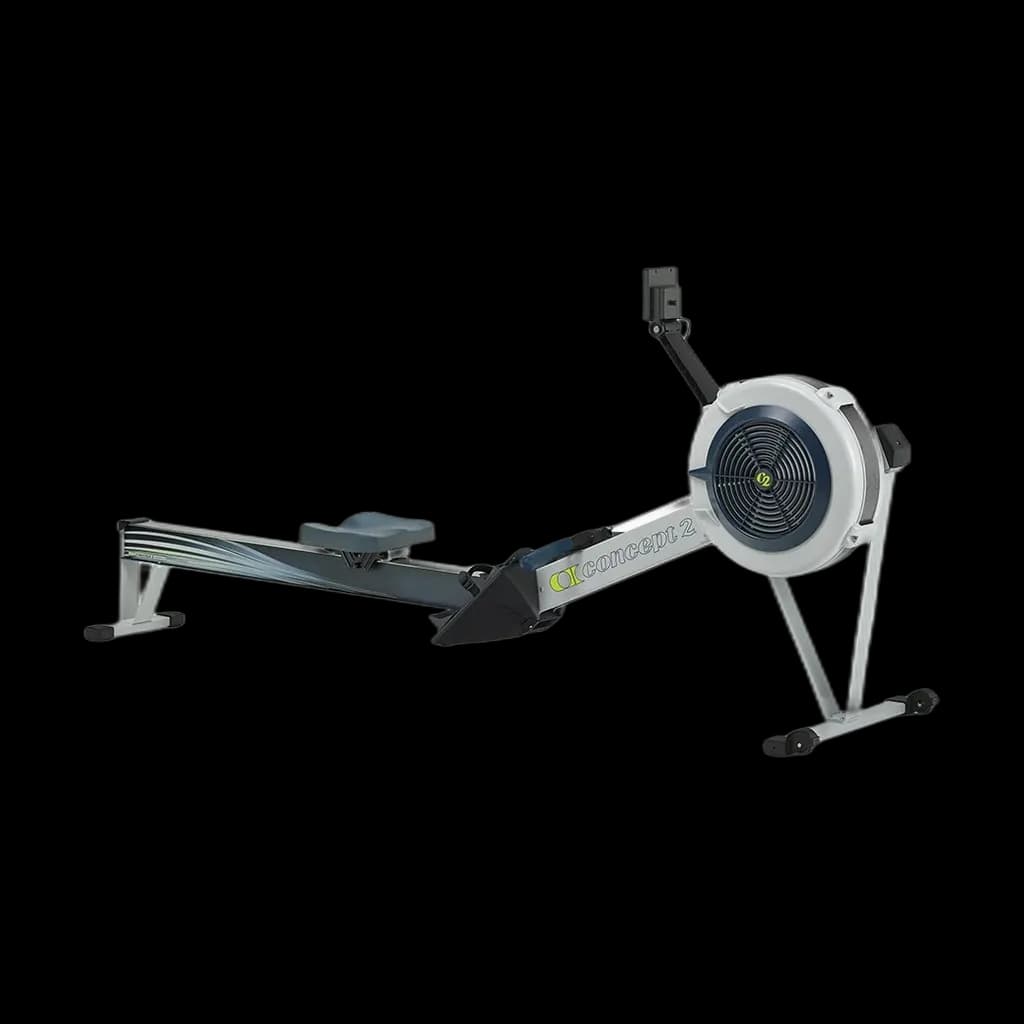 Full-body cardio and the competitive-rowing data standard. The default Concept2. | 5.0 Gym Score 72 | Pros
| Cons
| $899.99 | Buy on Amazon |
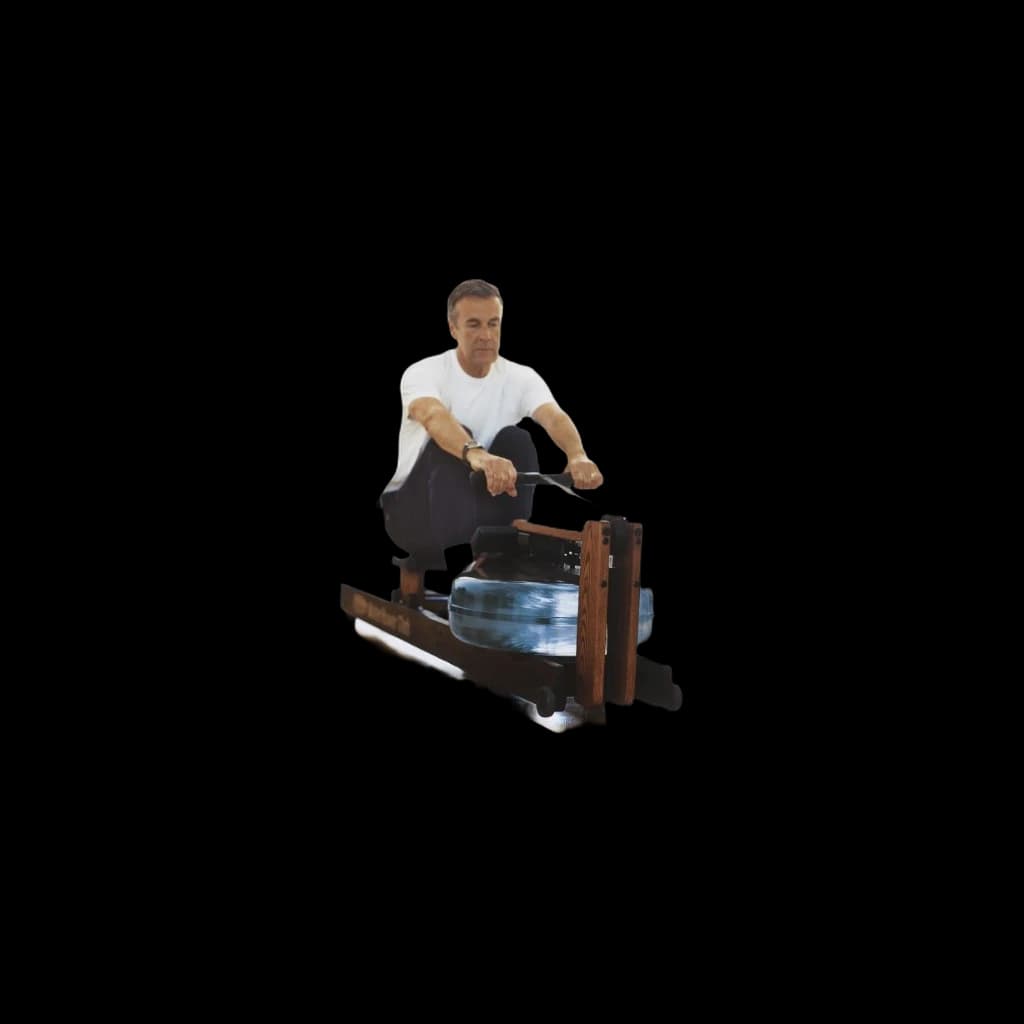 Solid ash, a water flywheel, an S4 Bluetooth monitor and no recurring cost. Warranted 5 years on the frame, 3 on parts, commercial use included. | 4.4 Gym Score 83 | Pros
| Cons
| $1,424.00 | Buy on Amazon |
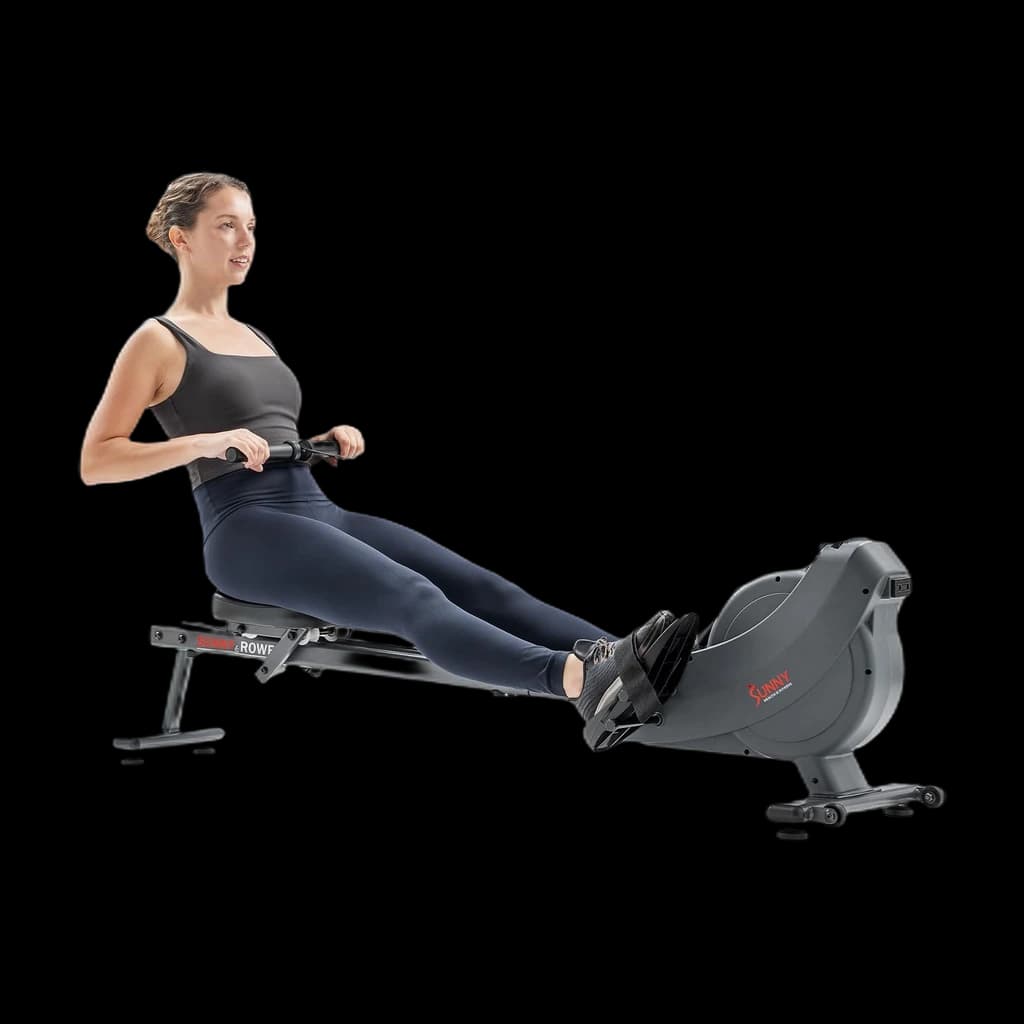 The honest entry point. Sixteen magnetic levels, a 45.7-inch rail and a 300 lb frame rating, at roughly a fifth of what the top of this page costs. | 4.4 Gym Score 78 | Pros
| Cons
| $199.99 | Buy on Amazon |
Amazon prices checked Sep 19, 2026. Amazon prices change often — the listing is authoritative.
Damper setting vs drag factor: what each one is
From Concept2's damper-setting article and the Viewing Drag Factor section of its PM5 instructions, read September 22, 2026. The new-machine drag factor figures assume sea level; Concept2 notes elevation has a large effect.
| Damper setting | Drag factor | |
|---|---|---|
| What it is | The 1-10 lever on the fan cage | The flywheel's rate of slowing between strokes |
| Who sets it | You, by moving the lever | The monitor, recalculated on every stroke |
| On a new RowErg | 1 to 10 | 90 or less at damper 1; 200 or more at damper 10 |
| What changes it | Only the lever | Lever position, air temperature, elevation, lint in the housing |
| Does it set intensity? | No. How hard you pull does | No. It lets the monitor measure your true effort |
| Where to start | 3-5, per Concept2 | Read it under More Options, Display Drag Factor |
Most rowing-machine guides stop at "legs, body, arms." That sequence matters, but three other things decide whether a beginner's first month builds fitness or just sore hands: the damper is not a difficulty dial, the recovery should take about twice as long as the drive, and a slower stroke rate is usually the better workout. Fix those three and the stroke sequence gets easier to learn.
- 3-5 The damper range Concept2 recommends starting on for most RowErg workouts. Not 10.
- 1:2 Drive to recovery. The slide back to the flywheel should take twice as long as the push away from it.
- 18-24 spm The stroke rate British Rowing suggests while you are still learning the technique.
Source: Concept2, What Damper Setting and Drag Factor to Use and What is the Best Damper Setting for Me; British Rowing, Beginner Training Plan. All linked in full at the foot of this page.
Fix one: the damper changes the feel, not the workout
The lever on the side of an air rower's fan cage runs from 1 to 10 and controls how much air reaches the flywheel. Concept2's damper guide compares it to bicycle gearing: it changes how the stroke feels, not how hard the session is. Concept2 states plainly that intensity comes from how hard you pull, whatever the lever says. At 1-4 the machine feels like a sleek racing shell; higher settings feel like a slow, heavy rowboat.
The number your monitor actually uses is the drag factor: how quickly the flywheel slows between strokes, measured on every stroke. That self-calibration is why scores compare across machines, and why "damper 5" on your machine and "damper 5" at the gym can feel different.
Concept2 also warns that a lever set too high can exhaust your muscles before you get the full cardiovascular benefit. Its myths article says the best rowers in the world do not race at 10. British Rowing's beginner plan says the same thing more bluntly: on a Concept2, set the damper to four or below to help maintain good technique.
Fix two: slow the recovery down
Concept2's technique page describes the drive as the work and the recovery as the rest that prepares the next stroke. The recovery is the drive in reverse. Written out, the two halves look like this:
One stroke, in order
- Catch: arms straight, shoulders level and relaxed, leaning forward from the hips, shins vertical or as close as is comfortable.
- Drive: press with the legs first, swing the back through vertical, then add the arm pull. Hands travel in a straight line.
- Finish: legs extended, upper body leaning back slightly, handle held lightly below the ribs, wrists flat.
- Recovery: arms straighten first, then lean from the hips, and only once the hands clear the knees do the knees bend and the seat slide forward.
The timing is where beginners go wrong. Concept2 puts the drive-to-recovery ratio at 1:2, so the recovery takes twice as long as the drive. British Rowing gives a counting cue for the same idea: count two on the drive and three on the recovery.
Fix three: row slower to row harder
Stroke rate is strokes per minute (spm), and a high number is not a hard workout. Concept2 calls fast, powerless sliding "spinning your wheels" and says power comes from making the flywheel spin faster, not you. British Rowing ties rate to intensity in its beginner plan:
| Intensity | How it feels | Guide rate (spm) |
|---|---|---|
| Low | Comfortable, can hold a conversation | 18-22 |
| Medium | Heart rate up, shorter sentences | 22-26 |
| High | Breathing hard, short efforts only | 26+ |
Concept2's target for most workouts sits a little higher, at 24-30 spm, but it is written for rowers who already have the technique. While you are learning, British Rowing's advice to stay at 18-24 and chase consistency rather than speed is the safer starting point. For a heart-rate view of the same easy-to-hard scale, see our heart rate zones guide.
British Rowing's plan also defines the other number on the screen: the split, or pace, is the time it takes to row 500 meters, and the aim early on is to keep it consistent.
Pace, decoded: the split on the monitor is the time it takes to row 500 meters. Keep it steady before you try to make it faster.
The six faults, and what fixes them
Concept2 groups common errors into arms and grip, back, and legs. These six come straight from its technique-improvement page:
| Fault | What happens | Fix |
|---|---|---|
| Bending the arms too early | The stroke starts with the arms instead of the large leg muscles | Start every drive with the legs |
| Overgripping | A tense grip strains the wrists and forearms | Fingers wrapped loosely, thumbs underneath, wrists flat |
| Lunging at the catch | Diving or reaching too far forward weakens the leg drive | Set the body position early in the recovery |
| Extreme layback | Leaning far back adds no powerful length | Engage the core and finish leaning back only slightly |
| Knees bending early | The hands have to go up and over the knees, like rowing over a barrel | Hands clear the knees before the knees bend |
| Rushing the slide | No rhythm, no rest before the next stroke | Accelerate the handle on the drive, relax on the recovery |
Your first two weeks
British Rowing's eight-week beginner plan asks for two sessions a week, each wrapped in a five-minute warm-up and a five-minute cool-down. Weeks one and two are all low intensity, which means the 18-22 guide rate from the table above:
| Week | Session | Work | Rest | Rowing time |
|---|---|---|---|---|
| 1 | 1 | 1 min row, 5 times | 1 min | 5 min |
| 1 | 2 | 5 min row, 2 times | 3 min | 10 min |
| 2 | 1 | 2 min row, 5 times | 1 min | 10 min |
| 2 | 2 | 5 min row, 3 times | 3 min, or a light row | 15 min |
Before the first session, set up the machine the way the plan describes:
Set up before you row
- Monitor at eye level
- Foot strap across the ball of your foot
- Damper at four or below on a Concept2
- Five minutes of easy exercise to warm up
Concept2's own Couch to Consistency plan is the alternative for someone who wants four shorter sessions a week and uses its ErgData app. Its second week includes a 30-minute row alternating between 22 and 26 spm.
Magnetic and water rowers work differently
The damper advice applies to air rowers like the Concept2 RowErg, the machine Concept2's figures were written for. Other machines have no fan cage and no drag factor:
- Magnetic: you pick a resistance level with a dial. The Sunny Health & Fitness Smart Magnetic Rower has 16 of them, so the "not too high" rule becomes "not the top levels while you are learning."
- Water: the WaterRower Club uses a paddle turning in a water tank, with no lever to set. WaterRower's own pages refused our fetch, so check your manual for its tank-fill guidance rather than trusting a number from a blog.
The stroke sequence, the 1:2 ratio and the stroke-rate bands transfer to every machine. If you are still choosing one, our home rowing machine guide compares them, and the Hydrow vs WaterRower breakdown covers the electromagnetic-versus-water choice.
Frequently Asked Questions
What damper setting should a beginner use on a rowing machine?+
Concept2 recommends starting between 3 and 5 on its RowErg, and British Rowing's beginner plan suggests four or below to help maintain good technique. A higher setting is not a harder workout. Intensity comes from how hard you pull, and a lever set too high can tire your muscles before you get the cardiovascular benefit.
What is the correct order of the rowing stroke?+
On the drive, legs first, then the back swings through vertical, then the arms pull. On the recovery the order reverses: arms straighten, the body leans forward from the hips, and only after the hands clear the knees do the knees bend and the seat slide forward.
How many strokes per minute should I row?+
While learning, British Rowing suggests 18-24 strokes per minute, with a guide of 18-22 for low intensity, 22-26 for medium and 26 or more for short hard efforts. Concept2 puts a good target for most workouts at 24-30 once the technique is in place.
Why does the recovery need to be slower than the drive?+
The recovery is the rest portion of the stroke that prepares you for the next drive. Concept2 puts the drive-to-recovery ratio at 1:2, and British Rowing's cue is to count two on the drive and three on the recovery. Rushing the slide is one of the common faults Concept2 lists.
Does the damper advice apply to magnetic and water rowers?+
No. The damper and drag factor belong to air rowers such as the Concept2. A magnetic rower uses a resistance dial, and a water rower has no lever at all. The stroke sequence, the 1:2 ratio and the stroke-rate ranges apply to every type.
Sources & Research
- Concept2 — Indoor Rowing Technique: the catch, drive, finish and recoveryauthority
- Concept2 — Improve Your Rowing Technique: common errors by arms and grip, back, and legsauthority
- Concept2 — What Damper Setting and Drag Factor to Use on the Concept2 RowErgauthority
- Concept2 — What is the Best Damper Setting for Me? (includes the 1:2 drive-recovery ratio)authority
- Concept2 — Debunking the Myths: Damper Setting, Stroke Rate and Intensityauthority
- Concept2 — How To Use Your PM5: Viewing Drag Factorauthority
- Concept2 — From Couch to Consistency training planauthority
- British Rowing — Go Row Indoor Beginner Training Plan (PDF): stroke rate, intensity guide and weeks 1-8authority
Related reviews
Best Rowing Machines for Home Use in 2026
The Concept2 RowErg is the best rowing machine of 2026. We scored 9 rowers on data, durability, and community; nothing has beaten it since 1981.
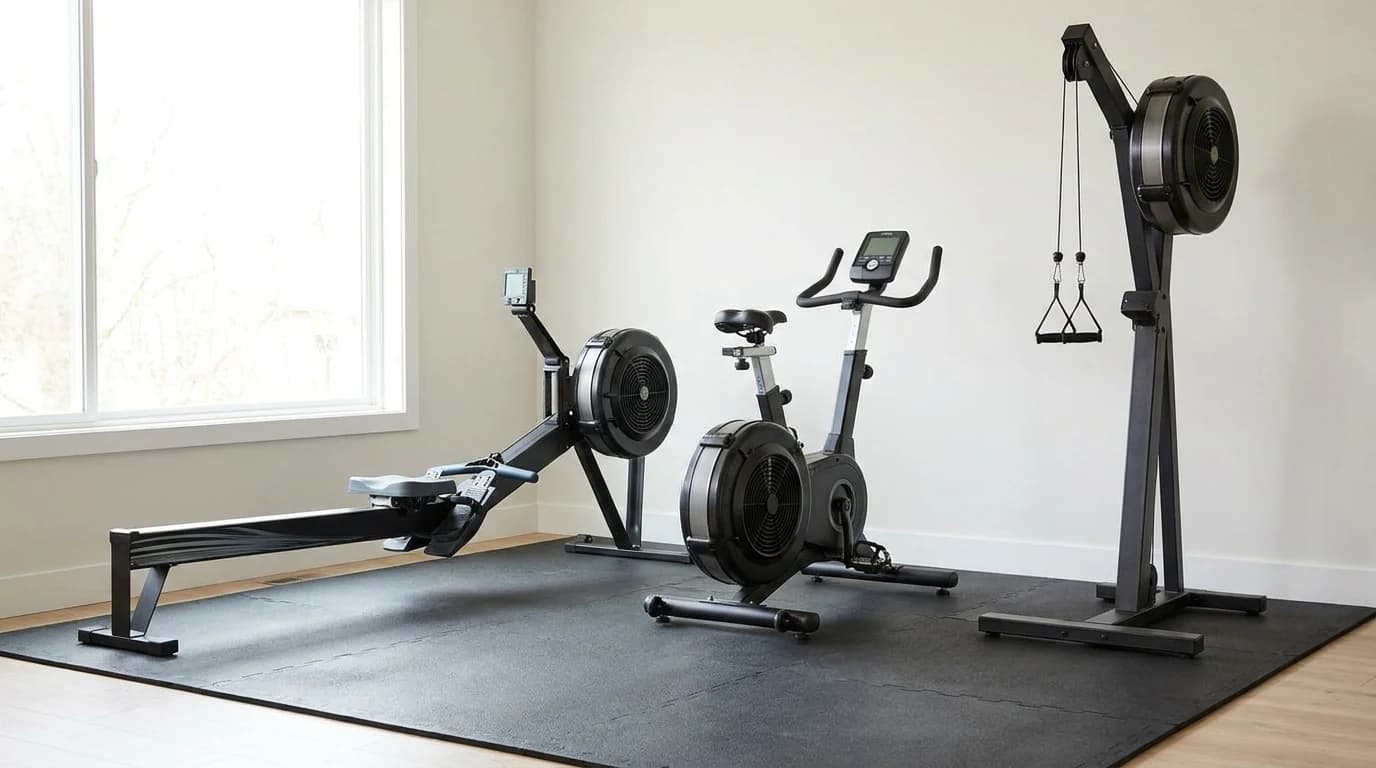
Concept2 RowErg vs BikeErg vs SkiErg: Which Erg to Buy?
The Concept2 RowErg ($990) is the top pick for most home gyms; the BikeErg wins for cyclists, the wall-mounted SkiErg for space. All three ergs compared.
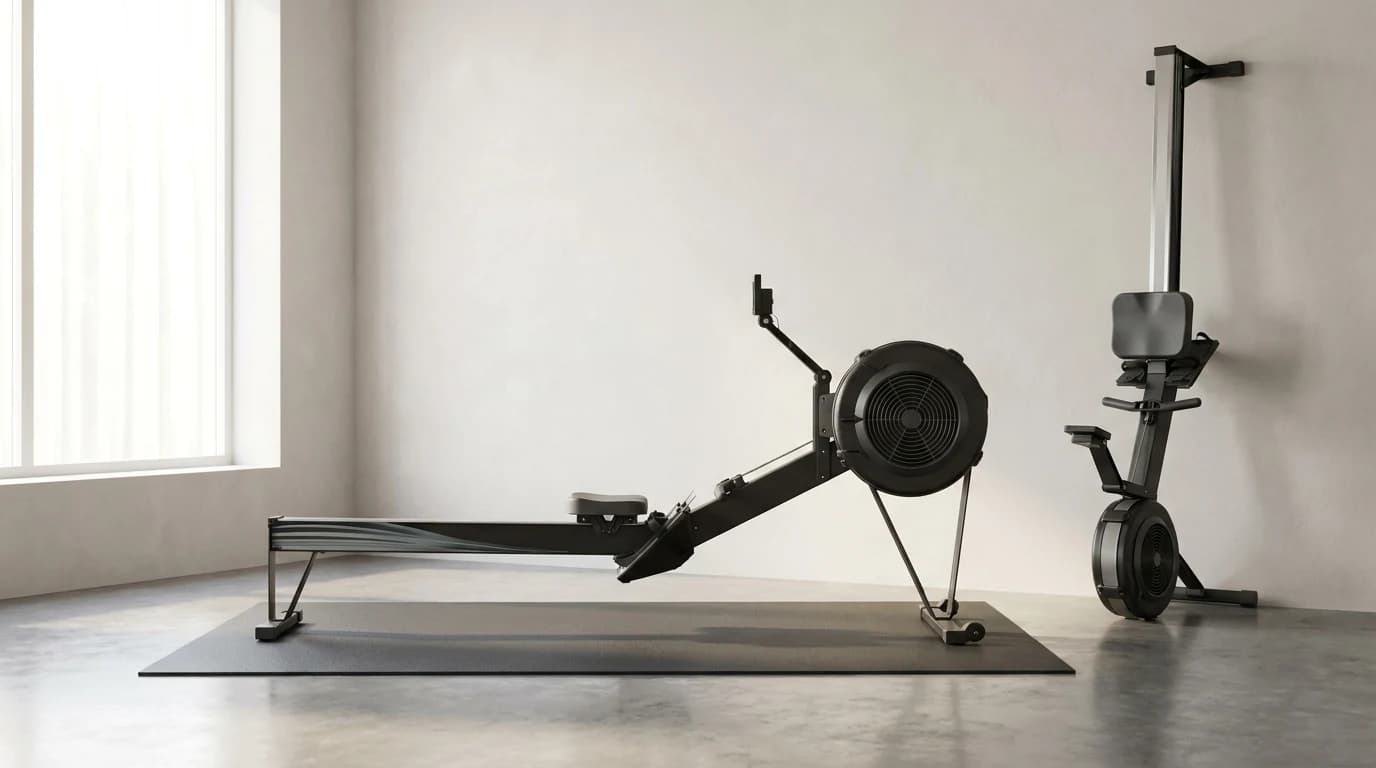
Concept2 RowErg Dimensions: Will It Fit Your Room?
Concept2 RowErg dimensions: 96 inches long in use, but it stores upright in about 6 square feet with a tool-free two-piece split. Will it fit your room?
Hilly Shore Labs
Editorial teamThe independent product research team behind GymScored. Every recommendation is researched, never hands-on tested — rankings come from manufacturer specifications, published standards, and aggregated buyer sentiment.
163 products scored across 26 home gym categories, each on the same 5-dimension Gym Score formula.
See the scoring methodology and who we are.
Affiliate disclosure: GymScored is a participant in the Amazon Services LLC Associates Program. We earn from qualifying purchases at no extra cost to you. Full disclosure →