How GymScored is paid: Amazon Associates commission plus brand-direct affiliate (Rogue / REP / Titan when approved). No sponsored placements, no paid reviews, no pay-to-rank. Picks are ranked by the Gym Score formula and nothing else. Read the full disclosure.
Home Gym Setup for Bodybuilding & Hypertrophy
Build the look. Volume beats max effort here — bring the cables and DBs.
Hypertrophy work needs more variety than powerlifting: cable angles, dumbbell range, machine isolation. The all-in-one or cable stack is where the budget goes. Free weights still anchor the plan.
Coach's note
Cables are the underrated lever for hypertrophy at home. A functional trainer with a wide pulley range opens 80%+ of the isolation work most lifters can't replicate with free weights alone.
Bodybuilding at home means volume, variety, and angles — not max effort on three lifts. The kit looks different from a powerlifting setup: more cables, more dumbbell range, more machine isolation work. The all-in-one or cable stack is where the budget goes, and free weights still anchor the program.
What you actually need
Five core categories:
- Cable machine — Functional trainer with wide pulley range. The hypertrophy lever you can't replicate with free weights.
- Adjustable dumbbells — 90 lb top end matters. Bowflex 552 caps at 52.5 lb and you'll outgrow it inside a year.
- Adjustable bench — 0–85° range with a wide pad acceptable here (bodybuilding doesn't need narrow benches like powerlifting does).
- Olympic bar and plates — For compound work that anchors hypertrophy programs (squat, bench, row, deadlift).
- All-in-one home gym (alternative) — If space is the constraint, an all-in-one consolidates the rack + cable into one piece.
Nice to have: pull-up bar (rack-mounted), kettlebells, lifting accessories (straps for back work).
Buy in this order
- Cable machine first. This is the bodybuilding differentiator. A functional trainer with adjustable pulleys opens lat pulldowns, face pulls, triceps pushdowns, cable rows, cable crossovers, cable curls — the entire isolation library. See the under-$5,000 build.
- Adjustable dumbbells second. PowerBlock Pro EXP at 90 lb top end, or Nuobell 80 if you prefer real-dumbbell feel. Skip Bowflex 552 for serious hypertrophy work.
- Bench third. Adjustable, 0–85° range. A wide pad (12"+) is acceptable and arguably preferable for incline pressing variety.
- Bar and plates fourth. 245 lb of bumpers handles most hypertrophy programs. You won't pull 600 lb deadlifts at home if you're focused on size.
- Pull-up bar and accessories fifth. Rack-mounted bar, straps for heavy row work.
What each piece does for bodybuilding specifically
- Cable machine. Cables apply tension at constant resistance through the entire range of motion — different stimulus than free weights, where peak tension is at a specific joint angle. Cables also let you train from angles free weights can't replicate (lateral raise with cable behind you, cable crossover, kneeling pulldown).
- Adjustable dumbbells with 90 lb top end. Most intermediate bodybuilders work in the 40–80 lb dumbbell range for compound presses, rows, and Bulgarian split squats. Bowflex 552's 52.5 lb cap becomes the limiter inside 12 months.
- Adjustable bench with wide pad. Incline pressing at 30°, 45°, and 60° hits different chest fibers. A bench locked at flat only gives you one angle.
- Barbell. Anchors compound lifts that recruit the most muscle. Squat, deadlift, bench, row — still the foundation, even in a hypertrophy program.
Substitutions by space and budget
- Spare bedroom, $5,000 budget: Rep PR-4000 rack with cable attachment + Bells of Steel cable tower + PowerBlock Pro EXP + Rep AB-3000 bench + 245 lb bumpers. The whole hypertrophy kit in 120 sqft.
- Garage, $7,500+: Rogue R-4 + Body-Solid GDCC210 + Nuobell 80 + Rogue Adjustable 3.0 + 350 lb Rogue Echo bumpers. Lifetime kit.
- Apartment corner: swap rack + barbell for an all-in-one home gym (Tonal, Force USA G3) — single piece, single footprint, hypertrophy-capable.
- Budget under $2,000: skip the rack and barbell. Cables-plus-dumbbells-plus-bench is roughly 80% of a hypertrophy program by itself.
What to skip (and why)
- Walking pads — for bodybuilding specifically. Cardio is supportive at best. A walking pad doesn't help hypertrophy enough to justify the floor space.
- Smart mirrors. Unless the class library is your motivation, a wall-mounted TV with YouTube is equivalent at one-tenth the cost.
- Cold plunges. Roberts 2015 (Journal of Physiology) shows cold immersion immediately after strength training blunts hypertrophy adaptations. Cold plunges are net-negative for size goals if used post-workout. Use sauna instead, or wait 6+ hours after lifting.
- Specialty bars (deadlift bar, safety squat bar) at first. Add at dream tier when budget allows. Not the first hypertrophy purchase.
Common pitfalls
The most common bodybuilding-setup mistake is buying a powerlifting rack-only build and discovering you need cables for isolation work. Build the cable in from the start — at the under-$5,000 tier, the cable is a planned purchase, not an afterthought.
The second pitfall is buying Bowflex 552 when you need PowerBlock Pro EXP or Nuobell. The 52.5 lb cap stalls intermediate lifters. Spending $700–850 once beats spending $349 and re-buying $700 at the 12-month mark.
The third pitfall is skipping the barbell to "focus on cables." Free-weight compounds recruit more total muscle mass than any cable movement. Squat, bench, row, deadlift still anchor the program — cables supplement, not replace.
A few honest caveats
- Cable machine ceiling. Most functional trainers want 7.5'+ ceiling for full top-pulley arc. Sub-7.5' ceilings limit lat pulldown range. Check before ordering.
- Cold post-workout. Roberts 2015 — skip the cold plunge for at least 6 hours after lifting. Sauna is fine. Foam roll and massage gun are fine.
- Resale. Cable machines depreciate faster than racks (newer models hit the market more often). Plan for 50–60% resale on cables vs 65–70% on racks.
- Programming tip. Cables are the underrated lever for hypertrophy at home. A functional trainer with a wide pulley range opens 80%+ of the isolation work most lifters can't replicate with free weights alone.
Citation: Roberts, Llion A., et al. "Post-exercise cold water immersion attenuates acute anabolic signalling and long-term adaptations in muscle to strength training." Journal of Physiology 593.18 (2015): 4285-4301.
Core kit (buy in this order)
$2,914.91 of $3,000 budgetBuy in order — each step compounds the previous. Each pick is the highest Gym Score with a current Amazon price that still leaves budget for the pieces after it. Priced against a $3,000budget (the Planner's default) and checked to fit a 20′ × 20′ garage floor together, with one cardio piece per plan — for your own room and budget, open the Planner below. Picks and prices can differ from the guide above, which names editorial picks at the prices when it was written.
- 1$1,875.00
Cable Machines & Functional Trainers
~36 sqft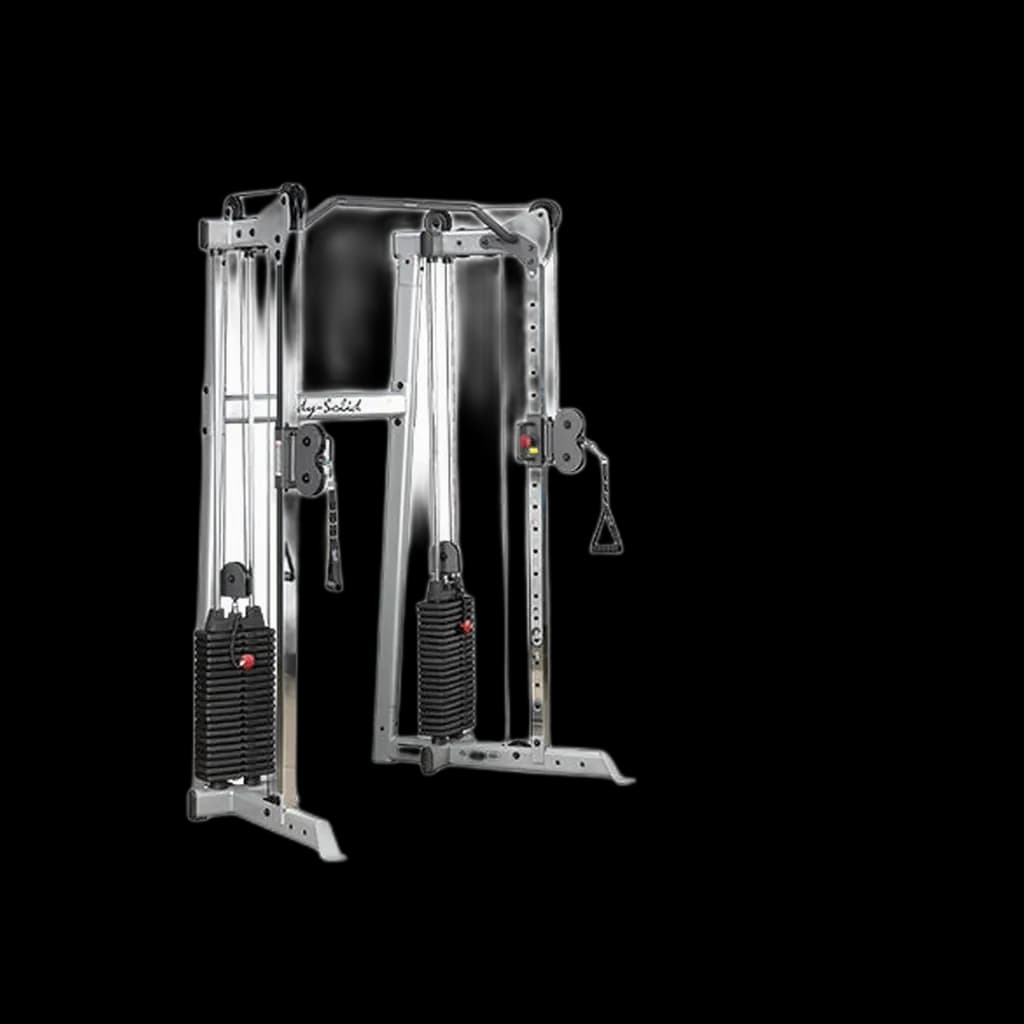
Body-Solid GDCC210 Functional TrainerScore 93
The home cable machine pros recommend. Dual 160 lb stacks, 2:1 ratio, 19 pulley positions, lifetime structural warranty — built like the gym version.
- 2$169.99
Adjustable Dumbbells
~5 sqft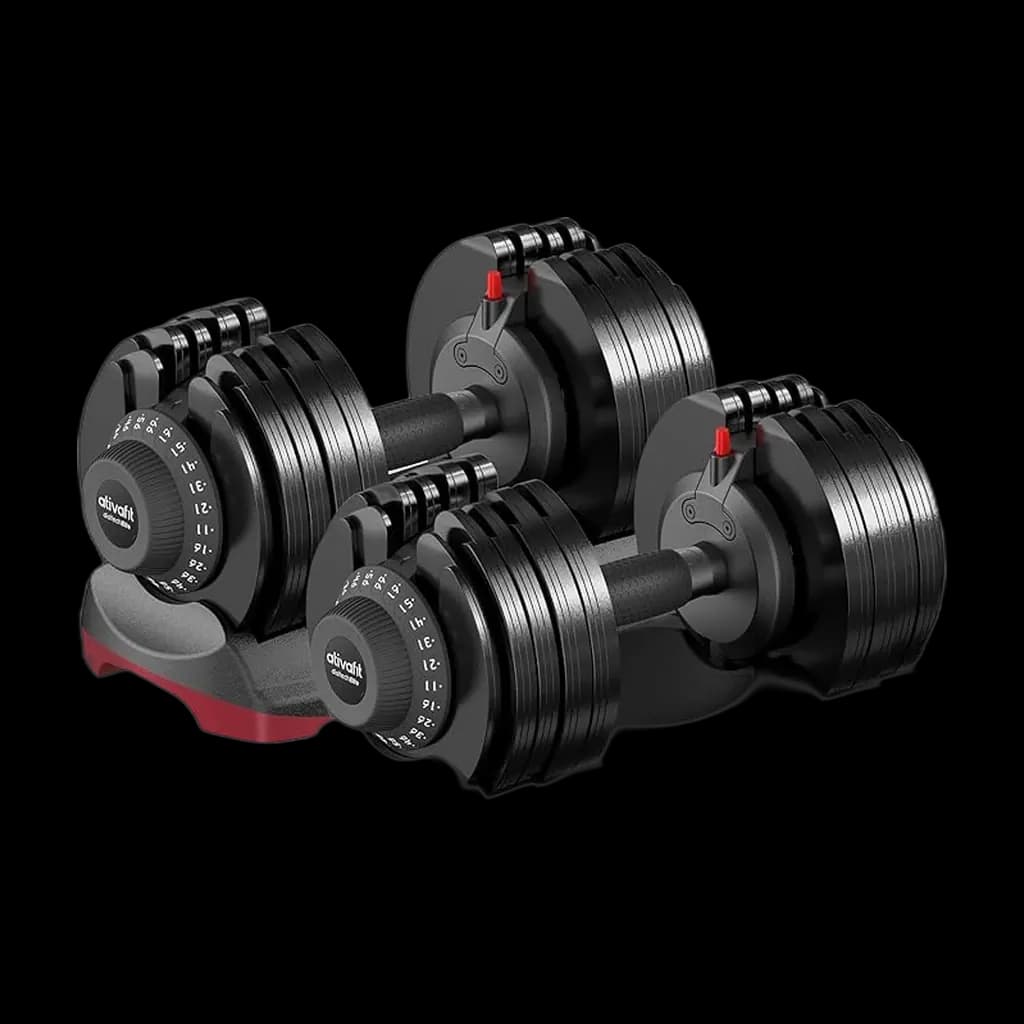
Ativafit Adjustable Dumbbell (5–88 lb)Score 79
Solid mid-range dial-adjust dumbbell. Goes from 5 to 88 lb in one unit with a double safety lock and anti-slip steel handle. Better build than budget competitors at a fair price.
- 3$79.99
Weight Benches
~14 sqft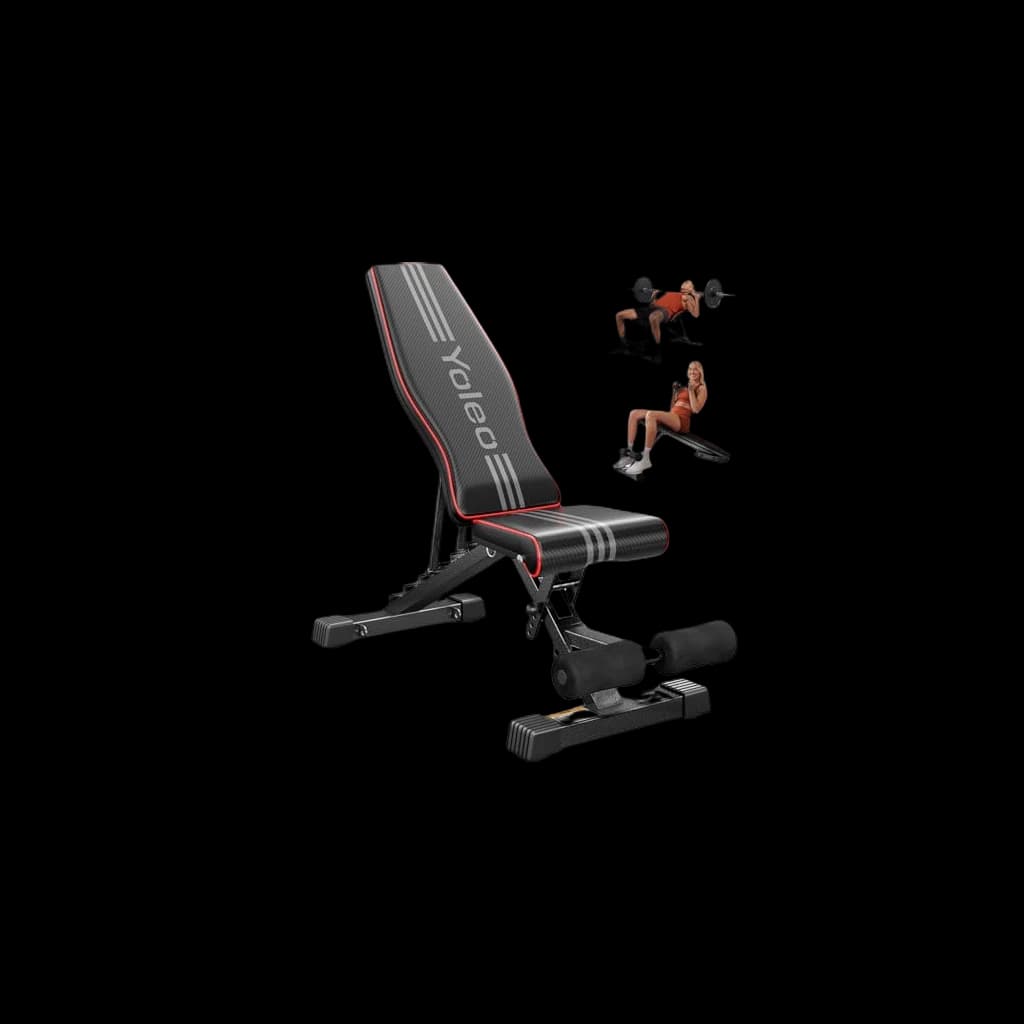
YOLEO Adjustable Weight Bench (827 lb)Score 76
The budget bench, and it still carries an ASTM certification — the thing actually worth checking on a cheap bench, because the failure mode is you under a loaded bar.
- 4$169.95
Barbells & Bumper Plates
~18 sqft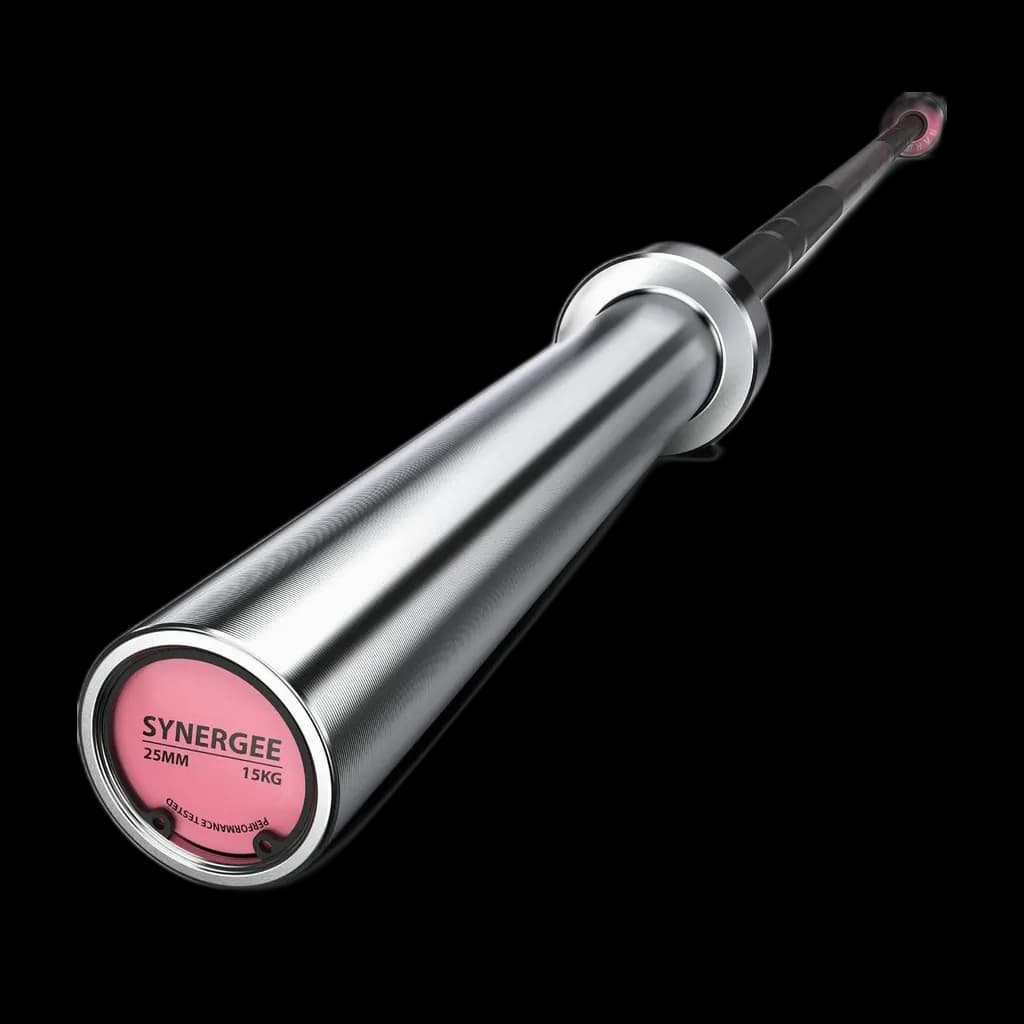
Synergee Games Barbell (20kg)Score 92
Synergee's Olympic bar is the CrossFit-leaning value pick — needle bearings instead of bushings give it noticeably more sleeve spin than the CAP Beast, which matters if you're cleaning and snatching. 190K PSI tensile is genuinely competitive with Rogue, and the 1000 lb capacity is plenty. Knurl is medium-aggression, no center knurl. Where it loses ground: long-term spin durability is hit-or-miss, with some owners reporting the bearings slowing within 2 years of high-volume Oly work.
- 5$619.98
All-in-One Home Gyms
~60 sqft
Goimu S1-V4 Smith MachineScore 80
A Smith machine at the bottom of this category's price range. Goimu state a 2000 lb cage rating, a 1000 lb Smith rating and a cable crossover, with a 2-year warranty.
Nice to have
Add these once the core kit is in place. None are essential.
Pull-up Bars & Dip Stations
The widest bar here at 48 inches, which is what makes wide-grip pull-ups possible — a doorway bar physically cannot give you that span.
Kettlebells
The default beginner buy: a solid one-piece cast-iron bell with a vinyl coat that protects your floors and quiets the clank. Sold in single weights from 10 to 50 lb, so you can build a rack a plate at a time without committing to a full set.
Lifting Belts, Wraps & Shoes
Padded neoprene cuffs on an 18-inch cotton lasso. The default answer when grip is the only thing stopping a heavy pulling set, and cheap enough that there is no reason to buy leather.
Skip these (for this goal)
These categories have value, but not for bodybuilding & hypertrophy. Don't blow budget on them when starting out.
Your next step
Know the goal — now pick the gear.
Building this gym? Use the Planner.
Plug in your space + budget and we'll lay out exactly what fits, what to buy first, and what to skip. Free, no signup.
Plan my home gym →Other goals
Powerlifting
Squat. Bench. Deadlift. Build a real rack and earn your numbers.
HIIT & Conditioning
Heart-rate-ceiling work. Cardio + kettlebells + bands cover 90% of it.
General Fitness
Three workouts a week, mixed strength + cardio. The most popular goal.
Yoga & Mobility
Recovery, range of motion, and joint health — minimal equipment, maximum consistency.
Cardio Only
No weights, just engine work. Pick one cardio piece and go deep.