How GymScored is paid: Amazon Associates commission plus brand-direct affiliate (Rogue / REP / Titan when approved). No sponsored placements, no paid reviews, no pay-to-rank. Picks are ranked by the Gym Score formula and nothing else. Read the full disclosure.
Home Gym Setup for Yoga & Mobility
Recovery, range of motion, and joint health — minimal equipment, maximum consistency.
A yoga and mobility setup needs almost no equipment — but the few things you do buy should be high quality. Floor space matters more than gear here. Smart mirrors earn their place if classes keep you consistent.
Coach's note
A high-density foam roller, a resistance band kit, and a yoga mat get most people 80% of the way. Smart mirrors are worth it ONLY if guided classes keep you consistent — otherwise, free YouTube routines are equivalent.
A yoga and mobility setup needs almost no equipment. Floor space matters more than gear here, and the few things you do buy should be high quality. The picks on this page cost a fraction of any other goal-page kit and deliver most of the benefit through pure consistency.
What you actually need
Five categories, mostly small:
- Foam roller — The single highest-leverage purchase in mobility work.
- Gym flooring — Or a thick yoga mat. Floor comfort enables consistency.
- Smart mirror — Only if guided classes keep you consistent. Otherwise skip.
- Vibration plate — Useful for circulation and warm-up. Not transformative.
- Massage gun — For deeper trigger-point work.
Nice to have: resistance bands for assisted stretching, kettlebells for loaded mobility work (Turkish get-ups, windmills).
Buy in this order
- Foam roller first. $25–40. A high-density 36" black roller from Rumble or OPTP outlasts textured rollers and is the highest-ROI mobility purchase in any home setup. Daily 10-minute use is the working consensus.
- Yoga mat or gym flooring second. $40 mat or $50 rubber tile. The floor surface enables consistency. A bad mat that slides makes you skip sessions.
- Massage gun third. $150–400. See Theragun vs Hypervolt vs Bob and Brad. The Bob and Brad C2 at the value tier delivers the same therapeutic outcome as the Theragun Prime at the premium tier.
- Smart mirror fourth (optional). $1,000–1,500 plus subscription. Only worth it if guided classes lock in your habit. Otherwise free YouTube routines are equivalent.
- Vibration plate and bands fifth. Vibration plate is a circulation tool; bands enable PNF-style assisted stretching.
What each piece does for yoga-mobility specifically
- Foam roller. Self-myofascial release improves short-term range of motion and reduces delayed-onset soreness. Evidence base is modest but consistent across published meta-analyses. Daily 10-minute use produces measurable ROM improvements over 4–8 weeks.
- Floor surface. A 6mm+ yoga mat or rubber tile reduces joint discomfort during long holds. Cheap mats compress under bodyweight and the discomfort breaks consistency.
- Massage gun. Acute benefits roughly equivalent to foam rolling — pre-workout activation and post-workout circulation. Doesn't replace the roller; supplements it.
- Smart mirror. Only a force multiplier if you actually use the classes. Without the content habit, it's a wall-mounted screen at one-tenth the value.
- Vibration plate. Modest evidence for circulation and warm-up benefits. Some published research on bone density in postmenopausal women. Not transformative for mobility specifically.
Substitutions by space and budget
- Sub-$200 starter: OPTP foam roller + a decent yoga mat + free YouTube routines. Covers the 80% case.
- $500 default: Add a Bob and Brad C2 massage gun + a resistance band kit for assisted stretching.
- $2,000+ premium: Add a smart mirror with class subscription, or a vibration plate, or a cold plunge for recovery.
- No floor space: the mobility-only kit fits in 4 sqft of closet storage. Roll out the mat when you train.
What to skip (and why)
- Power racks. No yoga or mobility program uses a rack. Skip entirely.
- Treadmills. Cardio is supportive at best. A daily walk outside delivers more than a treadmill in this context.
- Barbells and plates. No yoga program uses barbells. Loaded mobility (kettlebell Turkish get-ups, windmills) is the exception, and one bell covers it.
- Cold plunges for mobility specifically. Cold immersion is recovery-focused, not mobility-focused. Skip unless you have a real recovery use case.
Common pitfalls
The most common yoga-mobility mistake is buying a smart mirror "for motivation" and then not using the classes. The hardware costs $1,000–1,500 and the subscription is $39+/month. If you're not committed to the class habit, free YouTube routines are equivalent. Be honest about your class-consumption habit before buying.
The second pitfall is buying a cheap yoga mat that slides on hardwood floors. The discomfort and the slipping break consistency. A $40 cork or jute mat lasts years and grips properly.
The third pitfall is treating the massage gun as a replacement for foam rolling. They're complementary, not redundant. The foam roller covers broad muscle groups; the massage gun handles trigger points the roller can't reach.
A few honest caveats
- Foam rolling research. Meta-analyses show modest but real effect sizes for ROM and DOMS reduction. Daily use over 4–8 weeks produces measurable improvement. Single-session effects are smaller.
- Smart mirror longevity. Brands change hands frequently (Lululemon bought Mirror; Tonal acquired others). Subscriptions can be sunset by the company. Buy with subscription-risk in mind.
- Vibration plate research. Published studies show modest effects on circulation, warm-up, and bone density (in specific populations). Not a transformative recovery tool.
- Programming tip. A high-density foam roller, a resistance band kit, and a yoga mat get most people 80% of the way. Smart mirrors are worth it ONLY if guided classes keep you consistent — otherwise, free YouTube routines are equivalent.
Citation: Wiewelhove, Thimo, et al. "A Meta-Analysis of the Effects of Foam Rolling on Performance and Recovery." Frontiers in Physiology 10 (2019): 376.
Core kit (buy in this order)
$584.96 of $3,000 budgetBuy in order — each step compounds the previous. Each pick is the highest Gym Score with a current Amazon price that still leaves budget for the pieces after it. Priced against a $3,000budget (the Planner's default) and checked to fit a 20′ × 20′ garage floor together, with one cardio piece per plan — for your own room and budget, open the Planner below. Picks and prices can differ from the guide above, which names editorial picks at the prices when it was written.
- 1$61.99
Foam Rollers & Mobility Tools
~2 sqft
OPTP PRO-Roller Soft DensityScore 93
The PT-clinic standard. Closed-cell foam, 36" length covers full-spine alignment work. Softer density than TriggerPoint — used in physical therapy because beginners and post-surgery patients tolerate it.
- 2$152.99
Gym Flooring & Mats
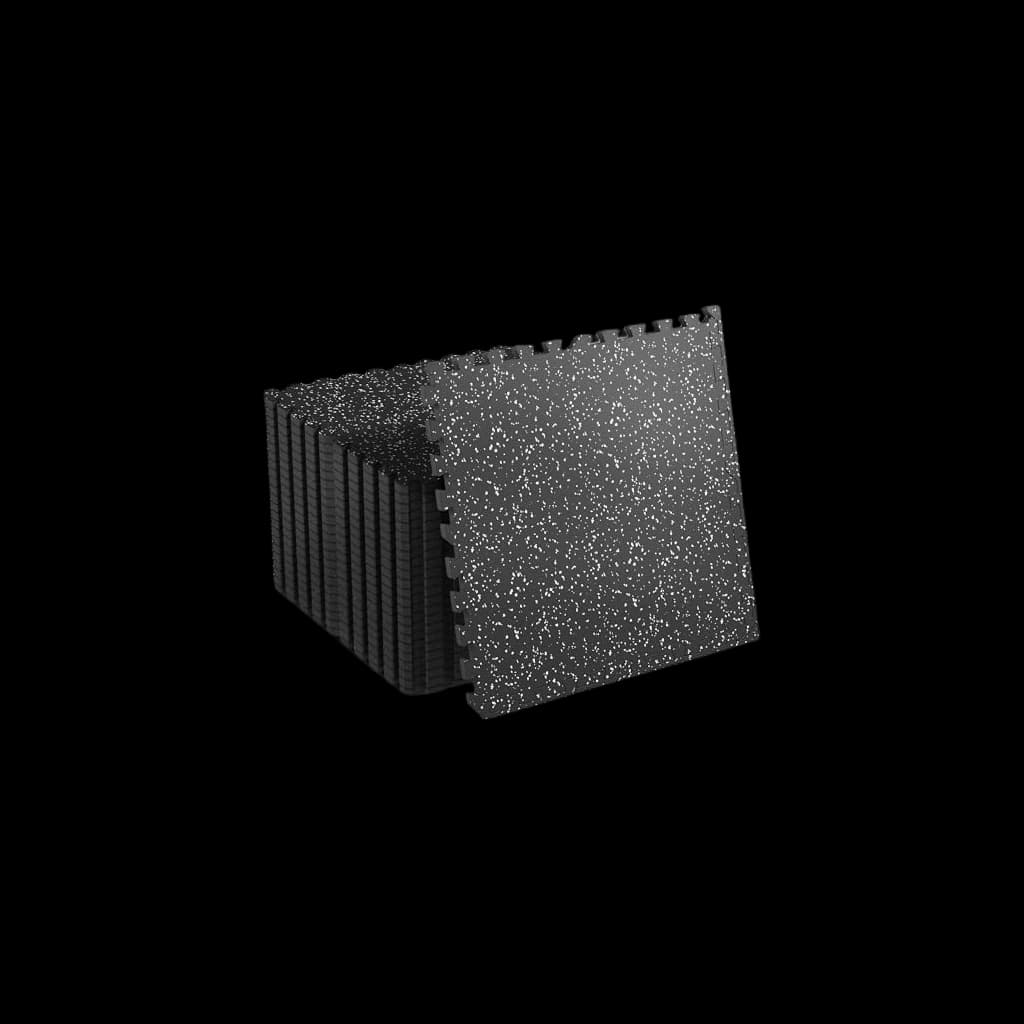
SUPERJARE Rubber-Top Exercise Mats (96 sq ft)Score 96
Rubber-topped rather than plain EVA foam, which is the difference that matters under a rack or a dropped dumbbell — foam dents permanently, rubber does not.
- 3$299.99
Vibration Plates
~4 sqft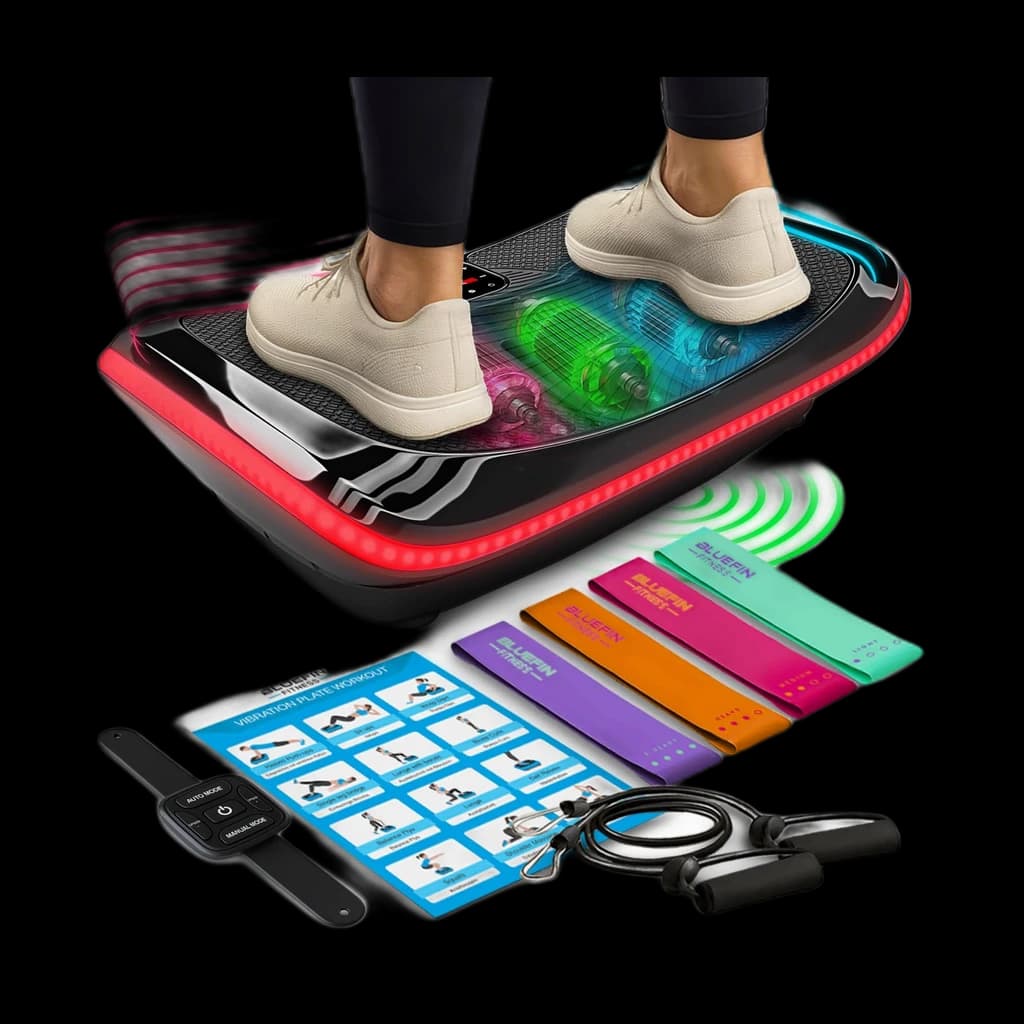
Bluefin Fitness 4D Vibration PlateScore 93
Combines oscillation, linear vibration, and a curved deck. UK brand with strong US presence. Mid-tier sweet spot at ~$400 — more sophisticated motion than LifePro, less than Power Plate.
- 4$69.99
Massage Guns
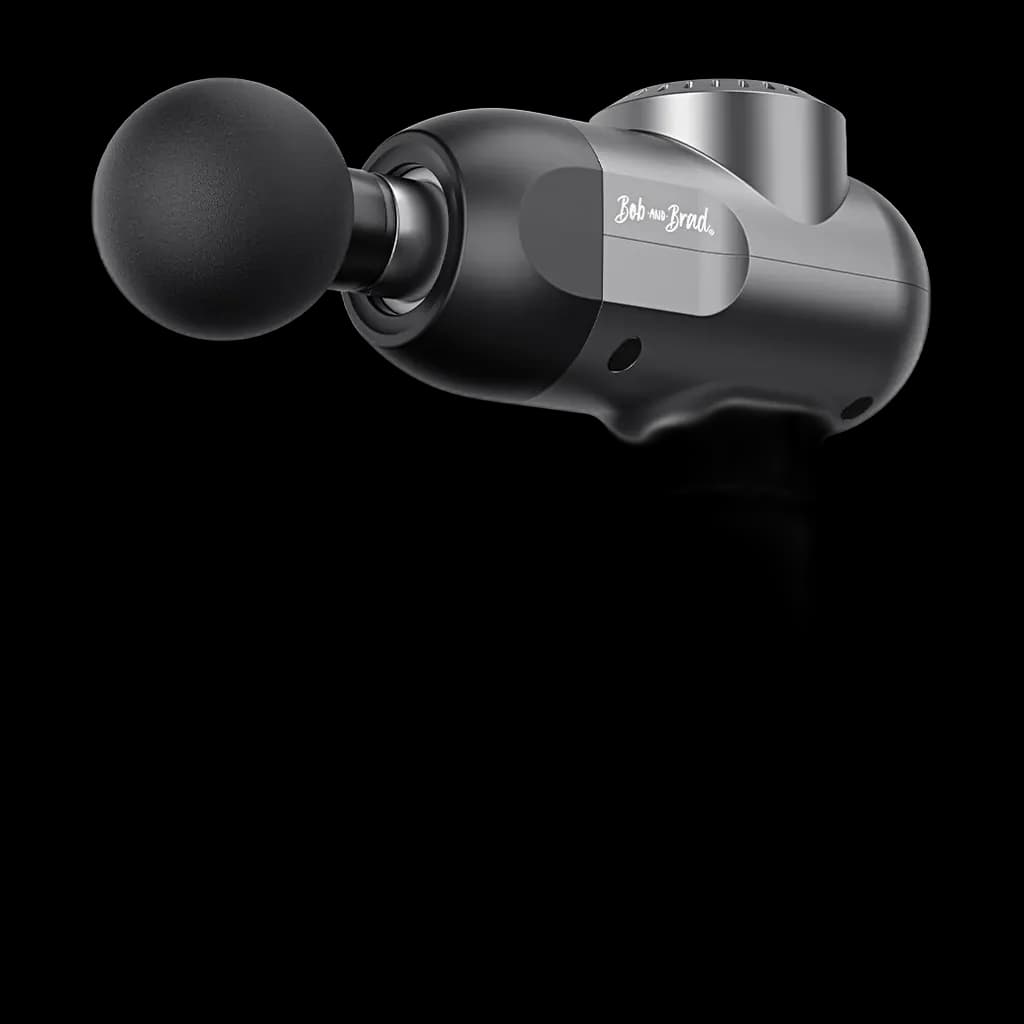
Bob and Brad C2 Massage GunScore 79
Designed by the YouTube physical therapists. 5 speeds, 5 heads, $80 — best ratio of brand trust to price. The PT-recommended pick at the budget end.
Nice to have
Add these once the core kit is in place. None are essential.
Resistance Bands & Suspension Trainers
The travel suspension trainer. Lighter than the TRX Pro, anchors to any door or tree, and brings a full-body workout to a hotel room. The brand that defined the category.
Kettlebells
The default beginner buy: a solid one-piece cast-iron bell with a vinyl coat that protects your floors and quiets the clank. Sold in single weights from 10 to 50 lb, so you can build a rack a plate at a time without committing to a full set.
Skip these (for this goal)
These categories have value, but not for yoga & mobility. Don't blow budget on them when starting out.
Your next step
Know the goal — now pick the gear.
Building this gym? Use the Planner.
Plug in your space + budget and we'll lay out exactly what fits, what to buy first, and what to skip. Free, no signup.
Plan my home gym →Other goals
Powerlifting
Squat. Bench. Deadlift. Build a real rack and earn your numbers.
Bodybuilding & Hypertrophy
Build the look. Volume beats max effort here — bring the cables and DBs.
HIIT & Conditioning
Heart-rate-ceiling work. Cardio + kettlebells + bands cover 90% of it.
General Fitness
Three workouts a week, mixed strength + cardio. The most popular goal.
Cardio Only
No weights, just engine work. Pick one cardio piece and go deep.