How GymScored is paid: Amazon Associates commission plus brand-direct affiliate (Rogue / REP / Titan when approved). No sponsored placements, no paid reviews, no pay-to-rank. Picks are ranked by the Gym Score formula and nothing else. Read the full disclosure.
Home Gym Setup for Powerlifting
Squat. Bench. Deadlift. Build a real rack and earn your numbers.
Powerlifting at home means investing in steel that won't let you down at heavier loads. The hierarchy is rack → barbell → bench → plates, then accessories. Skip the gimmicks — this discipline rewards a small, durable kit.
Coach's note
Build the rack right the first time. 3×3" 11-gauge with Westside hole pattern handles anything you'll pull at home. Cheap racks wobble at 250+ lb and become door stops.
Powerlifting at home means building a setup that doesn't flinch at heavier loads. Squat, bench, deadlift — three lifts, one bar, one rack, one bench. Get those four pieces right and the rest of the budget pays for itself in plate inventory and accessories. Get them wrong and you'll fight cheap equipment instead of training.
What you actually need
Five core categories, in fixed order:
- Power rack — 3"×3" 11-gauge minimum, Westside hole spacing, full safety pin set. Non-negotiable.
- Barbell and plates — 20kg / 28.5mm power bar with 190k+ PSI tensile, bronze bushings. 245 lb of plates minimum, 450 lb for serious lifters.
- Adjustable bench — Stable flat-to-incline bench with narrow pad for benching. 0–85° range.
- Lifting accessories — Belt (10mm leather), wrist wraps, knee sleeves (7mm for squats), chalk.
- Gym flooring — Two horse stall mats minimum under the deadlift zone.
Nice to have once core is built: adjustable dumbbells for accessory work, a pull-up bar (rack-mounted), kettlebells for warm-up. None of those affect the main lifts.
Buy in this order
- Rack first, always. A 3"×3" 11-gauge rack with Westside hole spacing handles anything you will ever pull at home. Cheap 2"×3" racks wobble at 250+ lb and become door stops. See the Rogue vs REP vs Titan comparison.
- Bar second. A quality power bar (Rep Deep Knurl at $295, Rogue Ohio Power Bar at $395) outlasts three cheap bars and has knurling that doesn't shred your hands. Aggressive knurling matters for squat and deadlift.
- Plates third. Start with 245 lb (2×45, 2×35, 2×25, 2×10, 2×5, 4×2.5) — enough for a 290 lb working set with bar. Add plates as you progress; serious lifters want 450 lb on hand.
- Bench fourth. A narrow-pad adjustable that locks flat for bench press, inclines for OHP setup, and decline-locks for rows.
- Accessories and flooring fifth. Belt, sleeves, chalk before the first heavy session.
What each piece does for powerlifting specifically
- Rack. Holds the bar safely. Catches failed squats and benches. Provides pull-up bar overhead. Houses pin work for partial lifts and rack pulls.
- Bar. The 28.5mm shaft diameter is the powerlifting standard — easier to grip for deadlifts than 28mm Olympic bars. Bronze bushings spin slower than ball bearings (correct for slow controlled lifts). Aggressive knurling locks your hand on heavy pulls.
- Bench. The narrow pad (10–11" wide) keeps your shoulders free to retract during bench press. Wide pads (12"+) cramp the scapula and limit bench leverage.
- Belt. A 10mm single-prong leather belt increases intra-abdominal pressure on squat and deadlift. Most lifters add roughly 10% to their max once they learn to brace into a belt.
Substitutions by space and budget
- Garage, $3,500 budget: Rep PR-4000 + Rep Deep Knurl bar + 245 lb plates + Rep AB-3000 bench + flooring. The honest sweet spot.
- Garage, $7,000+: Rogue RML-490 + Ohio Power Bar + Texas Deadlift Bar + 450 lb Echo plates + Rogue 3.0 bench + full flooring. Lifetime kit.
- Basement with low ceiling: swap the rack pull-up bar for a wall-mount at lower height. Use seated overhead press instead of standing OHP.
- No room for full plate set: prioritize 25 lb and 45 lb plates first (most common loads). Add 10s and 5s next. Smaller plates last.
What to skip (and why)
- Smart mirrors. No powerlifting program in 2026 is built around a smart mirror. The only use case is form video review, and your phone does that for free.
- Vibration plates. No published research supports vibration plates for strength gains. They're a recovery and warm-up tool at best.
- Infrared saunas — for powerlifting specifically. The cardiovascular benefits are real, but the powerlifting-specific use case is weak. Add at the dream tier when budget allows.
- Cable machines (at first). Hypertrophy-specific tool. Add at under-$5,000 after the rack-bar-plates trinity is fully built.
Common pitfalls
The most expensive powerlifting setup mistake is buying a cheap rack to save $300. A $600 2"×3" rack wobbles at 350+ lb, has a shallow attachment ecosystem, and resells for 40% of cost. A $900 3"×3" 11-gauge rack handles anything and resells for 65%. Spend the extra $300 once.
The second pitfall is buying a cheap bar. A $150 bar bends at 350 lb deadlifts and the bushings fail inside 18 months. A $295 Rep Deep Knurl handles 600+ lb pulls indefinitely. Bar is the second-most-important piece after the rack.
The third pitfall is overspending on accessories before the core is built. A $200 chalk-and-belt-and-wraps kit doesn't help if you don't have a rack. Build the four core pieces first.
A few honest caveats
- Floor load. A 3"×3" rack with 450 lb of plates plus the lifter is significant point load. Concrete handles it. Wood subfloors above ground floor flex under deadlift drops — reinforce or train on the ground floor.
- Bar resale. A quality power bar holds 70%+ resale on Facebook Marketplace. Plates hold 80%+. The rack itself holds 60–70%. Powerlifting gear is the most liquid home-gym category if you sell.
- Programming tip. Build the rack right the first time. Cheap racks become door stops within 12 months at serious loads. The marginal dollar between "good" and "great" rack is the highest-ROI dollar in the whole build.
Core kit (buy in this order)
$1,417.87 of $3,000 budgetBuy in order — each step compounds the previous. Each pick is the highest Gym Score with a current Amazon price that still leaves budget for the pieces after it. Priced against a $3,000budget (the Planner's default) and checked to fit a 20′ × 20′ garage floor together, with one cardio piece per plan — for your own room and budget, open the Planner below. Picks and prices can differ from the guide above, which names editorial picks at the prices when it was written.
- 1$999.99
Power Racks
~30 sqft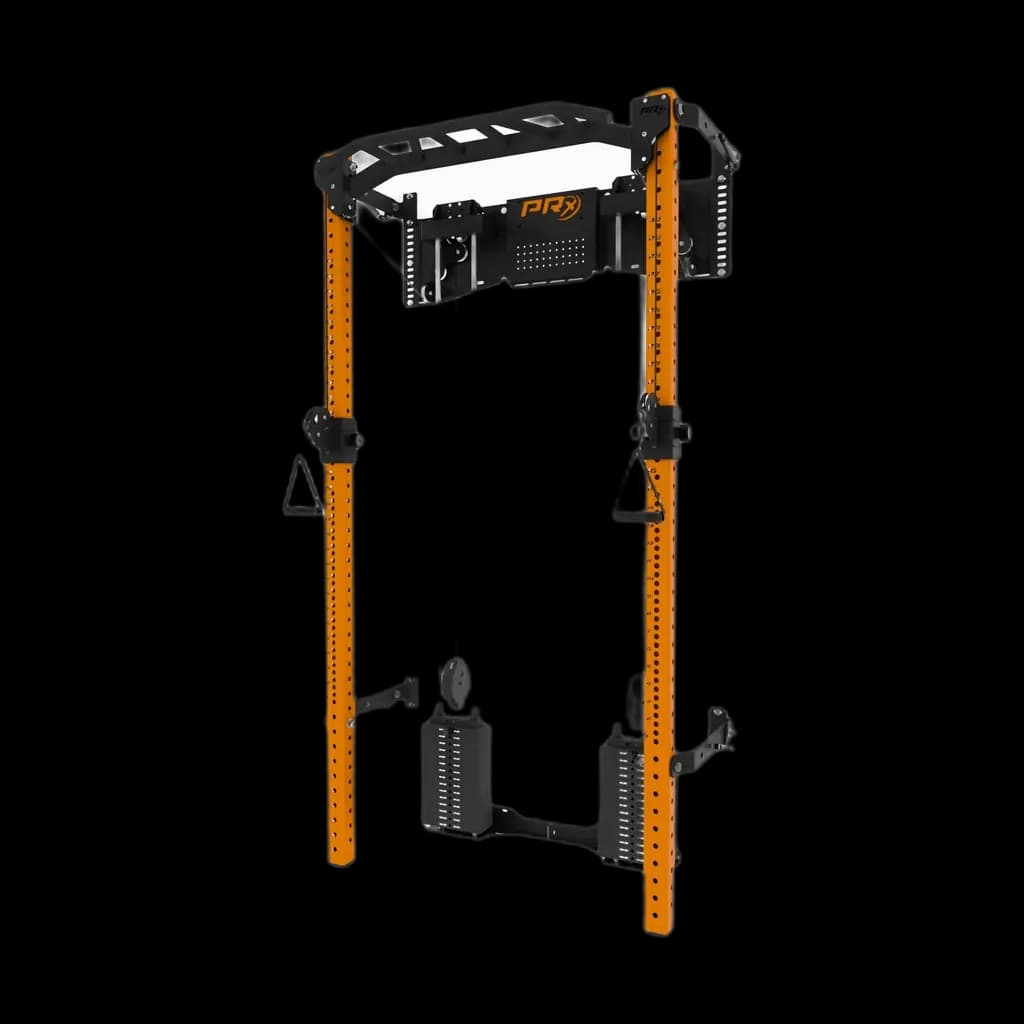
PRX Profile PROScore 81
Apartment and garage savior. Folds flat to 4" against the wall when not in use. Pricier per vertical inch of rack, but the only rack that truly disappears.
- 2$169.95
Barbells & Bumper Plates
~18 sqft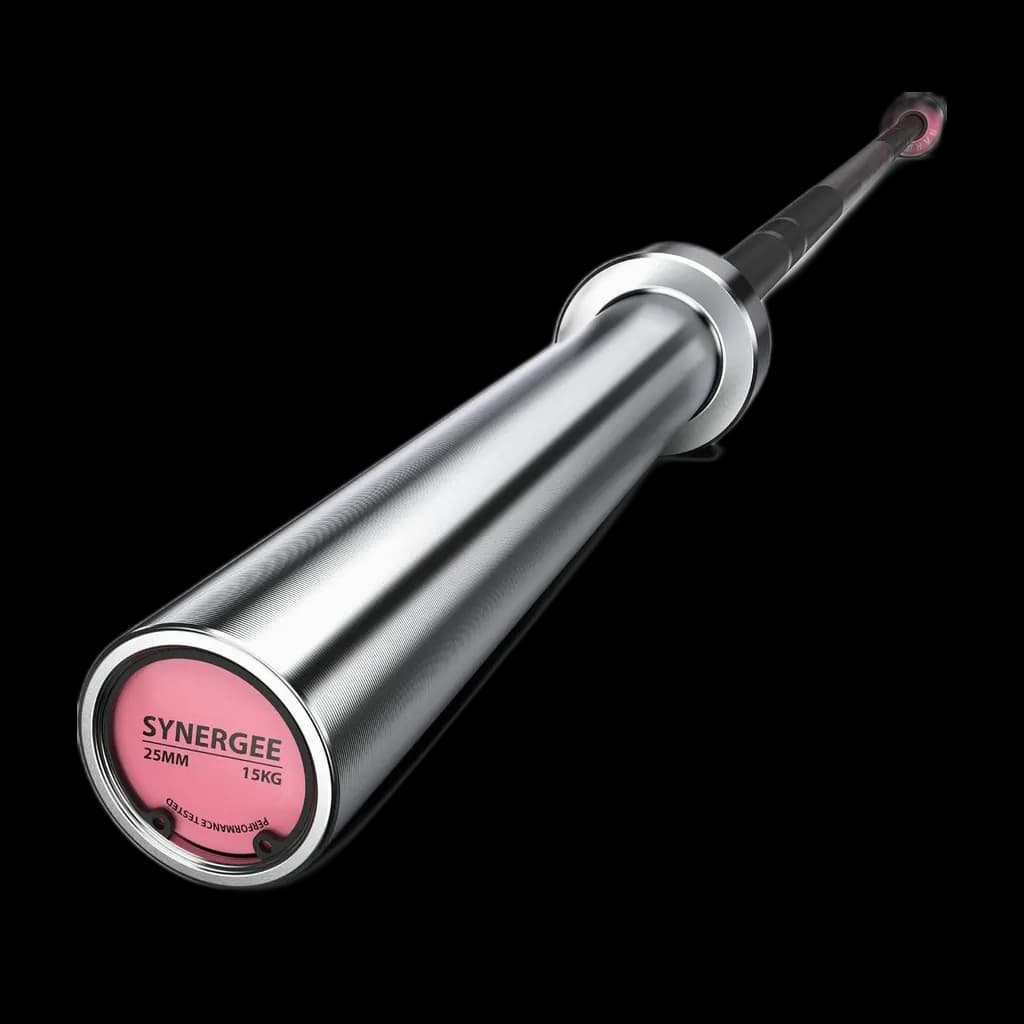
Synergee Games Barbell (20kg)Score 92
Synergee's Olympic bar is the CrossFit-leaning value pick — needle bearings instead of bushings give it noticeably more sleeve spin than the CAP Beast, which matters if you're cleaning and snatching. 190K PSI tensile is genuinely competitive with Rogue, and the 1000 lb capacity is plenty. Knurl is medium-aggression, no center knurl. Where it loses ground: long-term spin durability is hit-or-miss, with some owners reporting the bearings slowing within 2 years of high-volume Oly work.
- 3$79.99
Weight Benches
~14 sqft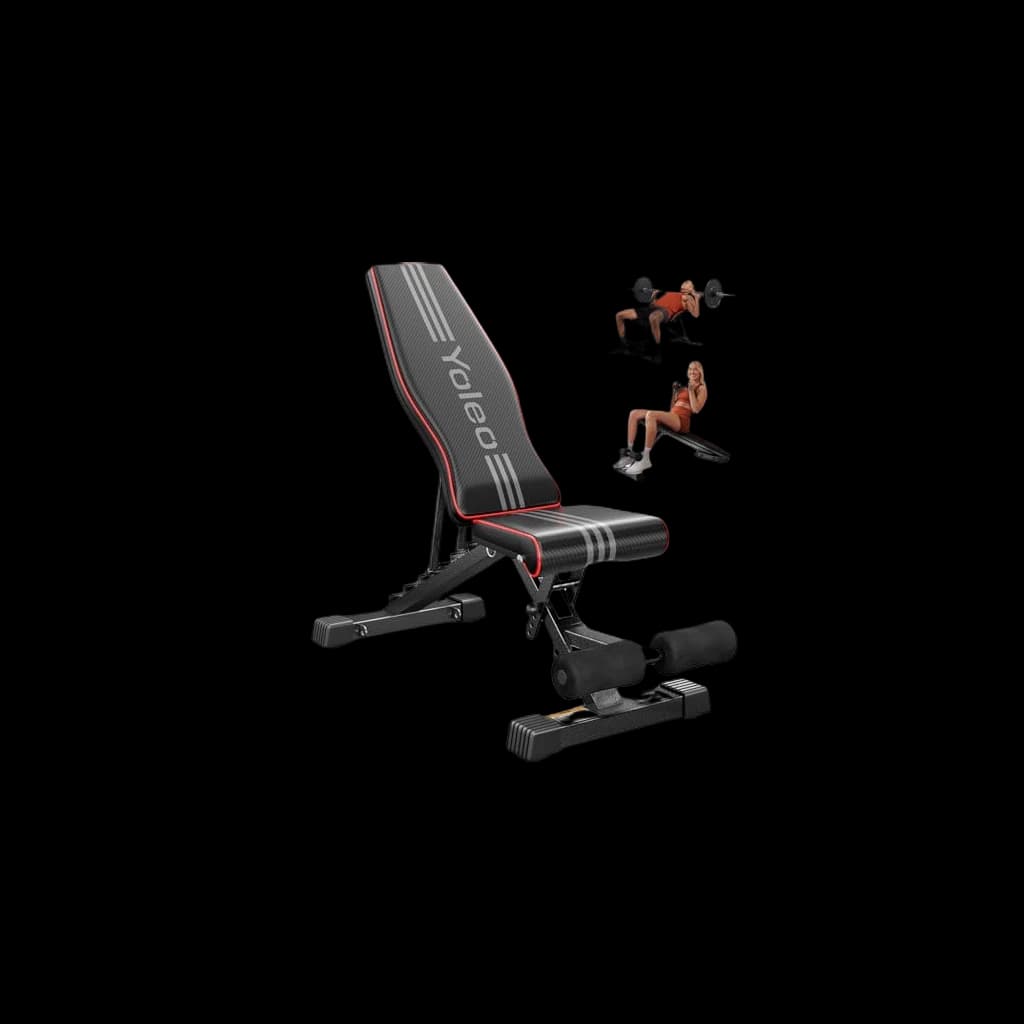
YOLEO Adjustable Weight Bench (827 lb)Score 76
The budget bench, and it still carries an ASTM certification — the thing actually worth checking on a cheap bench, because the failure mode is you under a loaded bar.
- 4$14.95
Lifting Belts, Wraps & Shoes
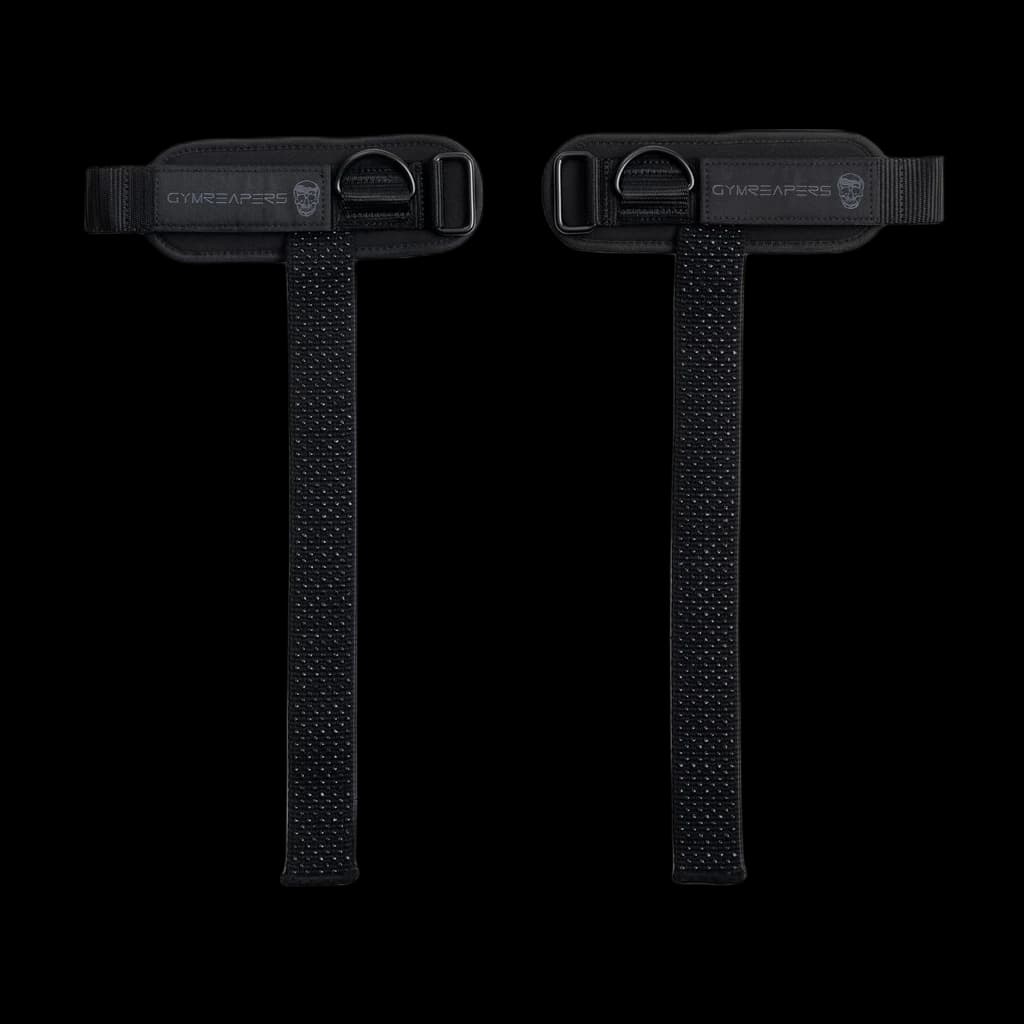
Gymreapers Lifting Wrist StrapsScore 94
Padded neoprene cuffs on an 18-inch cotton lasso. The default answer when grip is the only thing stopping a heavy pulling set, and cheap enough that there is no reason to buy leather.
- 5$152.99
Gym Flooring & Mats
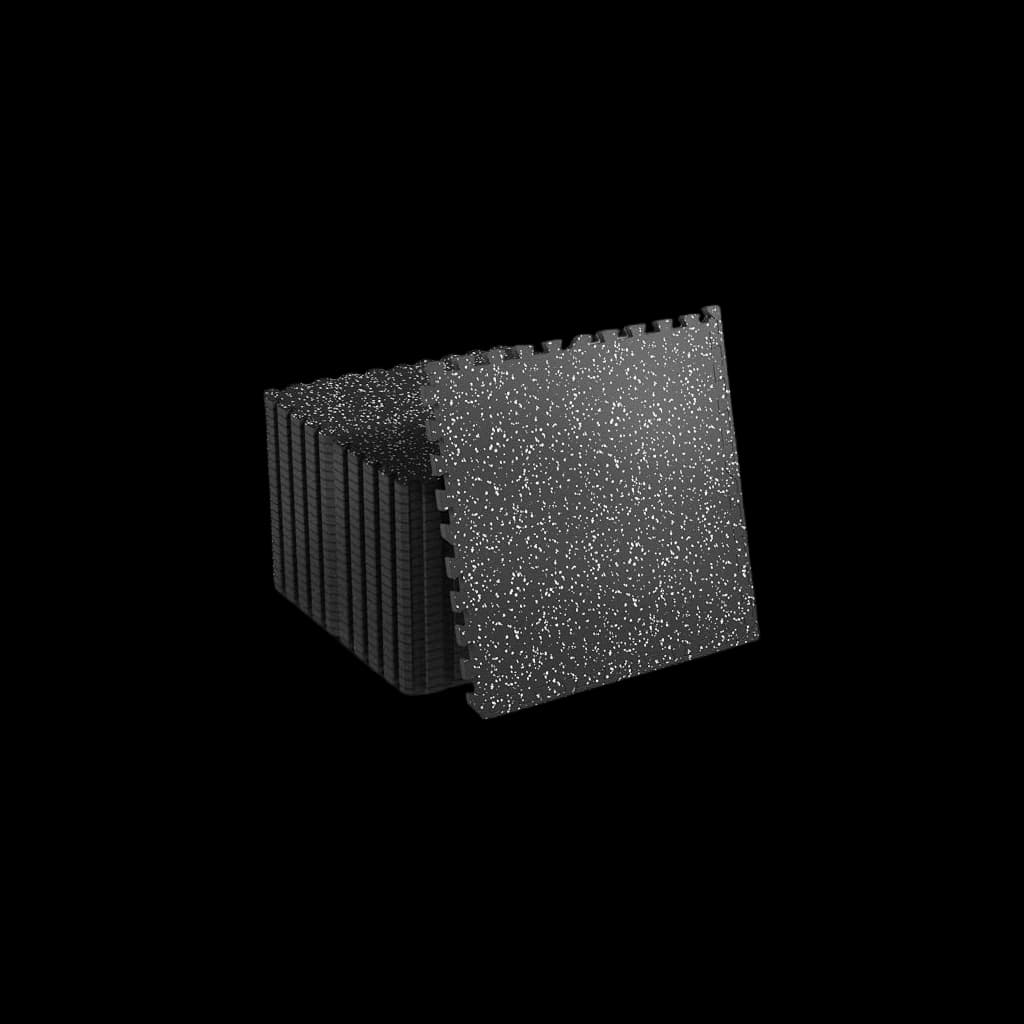
SUPERJARE Rubber-Top Exercise Mats (96 sq ft)Score 96
Rubber-topped rather than plain EVA foam, which is the difference that matters under a rack or a dropped dumbbell — foam dents permanently, rubber does not.
Nice to have
Add these once the core kit is in place. None are essential.
Adjustable Dumbbells
For the 5-90 lb crowd. Pin-based, compact footprint, expandable with add-on kits. Not pretty, but they'll last 30 years.
Pull-up Bars & Dip Stations
The widest bar here at 48 inches, which is what makes wide-grip pull-ups possible — a doorway bar physically cannot give you that span.
Kettlebells
The default beginner buy: a solid one-piece cast-iron bell with a vinyl coat that protects your floors and quiets the clank. Sold in single weights from 10 to 50 lb, so you can build a rack a plate at a time without committing to a full set.
Skip these (for this goal)
These categories have value, but not for powerlifting. Don't blow budget on them when starting out.
Your next step
Know the goal — now pick the gear.
Building this gym? Use the Planner.
Plug in your space + budget and we'll lay out exactly what fits, what to buy first, and what to skip. Free, no signup.
Plan my home gym →Other goals
Bodybuilding & Hypertrophy
Build the look. Volume beats max effort here — bring the cables and DBs.
HIIT & Conditioning
Heart-rate-ceiling work. Cardio + kettlebells + bands cover 90% of it.
General Fitness
Three workouts a week, mixed strength + cardio. The most popular goal.
Yoga & Mobility
Recovery, range of motion, and joint health — minimal equipment, maximum consistency.
Cardio Only
No weights, just engine work. Pick one cardio piece and go deep.