Workout Planner: A Weekly Exercise Schedule for Your Home Gym
By Hilly Shore Labs Updated
A weekly workout plan should match your days to a split that trains each muscle group at least twice: full body on 2–3 days, upper/lower on 4, push/pull/legs on 5–6. ACSM recommends 2–3 training days a week for beginners, 3–4 for intermediate and 4–5 for advanced lifters. Pick your days, goal and gear below for a printable plan.
Runs in your browser. Nothing you enter is stored or sent.
Your 3-day plan · Muscle size · Beginner
Full body ×3
Three different full-body sessions on non-consecutive days.
- Strength days3 (HHS: at least 2)
- Each muscle group3× a week or more
- Cardio150 min a week
MondayFull body A
Monday exercises, sets, reps and rest Exercise Sets × reps Rest Dumbbell goblet squatSquat 3 × 8–12 1–2 min Dumbbell bench pressHorizontal push 3 × 8–12 1–2 min Chest-supported dumbbell rowHorizontal pull 3 × 8–12 1–2 min Dumbbell Bulgarian split squatSingle leg 2 × 8–12 1–2 min Dead bugCore 2 × 8–12 1–2 min Then 30 min moderate cardio, e.g. a brisk walk
TuesdayCardio
30 min moderate cardio, e.g. a brisk walk
WednesdayFull body B
Wednesday exercises, sets, reps and rest Exercise Sets × reps Rest Dumbbell Romanian deadliftHip hinge 3 × 8–12 1–2 min Seated dumbbell shoulder pressVertical push 3 × 8–12 1–2 min Floor lat slide (no load)Vertical pull · gear gap 3 × 8–12 1–2 min Dumbbell Bulgarian split squatSingle leg 2 × 8–12 1–2 min Dumbbell farmer carryCarry 2 × 8–12 1–2 min ThursdayCardio
30 min moderate cardio, e.g. a brisk walk
FridayFull body C
Friday exercises, sets, reps and rest Exercise Sets × reps Rest Dumbbell goblet squatSquat 3 × 8–12 1–2 min Dumbbell bench pressHorizontal push 3 × 8–12 1–2 min Floor lat slide (no load)Vertical pull · gear gap 3 × 8–12 1–2 min Dumbbell hip thrustGlutes 2 × 8–12 1–2 min Dumbbell curlBiceps 2 × 8–12 1–2 min Dead bugCore 2 × 8–12 1–2 min SaturdayCardio
30 min moderate cardio, e.g. a brisk walk
SundayCardio
30 min moderate cardio, e.g. a brisk walk
Rep ranges and rest periods follow the ACSM 2009 position stand for this goal and level; set counts are GymScored defaults. Pick a weight that leaves you near the top of the range with good form.
Gear gaps in this plan
- Vertical pull: with your gear the plan falls back to Floor lat slide (no load), which can't be loaded heavier as you get stronger. Any one of these fills it: pull-up bar (pull-up or chin-up), cable machine or functional trainer (lat pulldown) or resistance bands (band lat pulldown).
Weekly workout splits for 2 to 6 days
The planner uses one split per day count. Each is laid out so the same session never runs on back-to-back days, and every major muscle group (legs, pushing muscles, pulling muscles) is trained at least twice a week.
| Days | Split | Mon | Tue | Wed | Thu | Fri | Sat | Sun |
|---|---|---|---|---|---|---|---|---|
| 2 | Full body ×2 | Full body A | Rest | Rest | Full body B | Rest | Rest | Rest |
| 3 | Full body ×3 | Full body A | Rest | Full body B | Rest | Full body C | Rest | Rest |
| 4 | Upper / lower | Upper | Lower | Rest | Upper | Lower | Rest | Rest |
| 5 | Upper / lower + push / pull / legs | Upper | Lower | Rest | Push | Pull | Legs | Rest |
| 6 | Push / pull / legs ×2 | Push | Pull | Legs | Push | Pull | Legs | Rest |
Full body A
squat, horizontal push, horizontal pull, single leg (accessory), core (accessory)
Full body B
hip hinge, vertical push, vertical pull, single leg (accessory), carry (accessory)
Full body C
squat, horizontal push, vertical pull, glutes (accessory), biceps (accessory), core (accessory)
Upper
horizontal push, horizontal pull, vertical push, vertical pull, biceps (accessory), triceps (accessory)
Lower
squat, hip hinge, single leg (accessory), glutes (accessory), calves (accessory), core (accessory)
Push
horizontal push, vertical push, side delts (accessory), triceps (accessory), core (accessory)
Pull
vertical pull, horizontal pull, rear delts (accessory), biceps (accessory), carry (accessory)
Legs
squat, hip hinge, single leg (accessory), calves (accessory), core (accessory)
How many days a week should you train?
The American College of Sports Medicine's position stand on progression in resistance training ties frequency to training experience. Separately, the HHS Physical Activity Guidelines for Americans ask adults for muscle-strengthening activity on at least 2 days a week and 150 to 300 minutes of moderate aerobic activity.
| Level | ACSM definition | Days a week |
|---|---|---|
| Beginner | no resistance training experience, or none for several years | 2–3 |
| Intermediate | about 6 months of consistent resistance training | 3–4 |
| Advanced | years of resistance training | 4–5 |
The planner still builds a plan outside these ranges, but tells you when your days fall outside ACSM's recommendation for your level.
Reps and rest by goal
Rep ranges and rest periods follow the same ACSM position stand. "Main" lifts are the big compound movements that open each session; "accessory" lifts follow them. Set counts are GymScored defaults: ACSM recommends multiple-set programs but its summary gives no per-exercise number.
| Goal | Level | Main lifts | Accessories | Rest (main) |
|---|---|---|---|---|
| Strength | Beginner | 3 × 8–12 | 2 × 8–12 | 2–3 min |
| Strength | Intermediate | 4 × 3–6 | 3 × 8–12 | 3–5 min |
| Strength | Advanced | 4 × 3–6 | 3 × 8–12 | 3–5 min |
| Muscle size | Beginner | 3 × 8–12 | 2 × 8–12 | 1–2 min |
| Muscle size | Intermediate | 3–4 × 6–12 | 3 × 10–12 | 1–2 min |
| Muscle size | Advanced | 3–4 × 6–12 | 3 × 10–12 | 1–2 min |
| Muscular endurance | Beginner | 3 × 15–20 | 2 × 15–20 | under 90 s |
| Muscular endurance | Intermediate | 3 × 15–20 | 2 × 15–20 | under 90 s |
| Muscular endurance | Advanced | 3 × 15–20 | 2 × 15–20 | under 90 s |
- Beginners: ACSM recommends loads corresponding to an 8–12 repetition maximum.
- Strength: a 1–12 RM range used in a periodized way, with eventual emphasis on heavy 1–6 RM loads and 3–5 minute rests.
- Muscle size: 1–12 RM with emphasis on the 6–12 RM zone and 1–2 minute rests.
- Muscular endurance: light to moderate loads for more than 15 reps with rests under 90 seconds.
Exercise substitutions by equipment
Every session is built from movement slots. For each slot the planner takes the first exercise in this list that your equipment allows; on the second time a session appears in the week it takes the next one, for variety. Moves marked "gear gap" can't be loaded heavier and are flagged in your plan.
Squat
- Barbell back squat : barbell and plates + power rack or squat stands
- Barbell front squat : barbell and plates + power rack or squat stands
- Dumbbell goblet squat : dumbbells (adjustable or fixed)
- Dumbbell front squat : dumbbells (adjustable or fixed)
- Kettlebell goblet squat : kettlebell
- Banded squat : resistance bands
- Bodyweight squat, slow lowering : no equipment
Hip hinge
- Barbell deadlift : barbell and plates
- Barbell Romanian deadlift : barbell and plates
- Dumbbell Romanian deadlift : dumbbells (adjustable or fixed)
- Kettlebell Romanian deadlift : kettlebell
- Cable pull-through : cable machine or functional trainer
- Band good morning : resistance bands
- Single-leg hip hinge (bodyweight) : no equipment (gear gap)
Single leg
- Dumbbell Bulgarian split squat : dumbbells (adjustable or fixed) + weight bench
- Dumbbell reverse lunge : dumbbells (adjustable or fixed)
- Kettlebell reverse lunge : kettlebell
- Bulgarian split squat (bodyweight) : weight bench
- Bodyweight reverse lunge : no equipment
Glutes
- Barbell hip thrust : barbell and plates + weight bench
- Dumbbell hip thrust : dumbbells (adjustable or fixed) + weight bench
- Cable pull-through : cable machine or functional trainer
- Banded glute bridge : resistance bands
- Single-leg glute bridge : no equipment
Horizontal push
- Barbell bench press : barbell and plates + power rack or squat stands + weight bench
- Dumbbell bench press : dumbbells (adjustable or fixed) + weight bench
- Incline dumbbell press : dumbbells (adjustable or fixed) + weight bench
- Dumbbell floor press : dumbbells (adjustable or fixed)
- Cable chest press : cable machine or functional trainer
- Banded push-up : resistance bands
- Push-up : no equipment
Horizontal pull
- Barbell bent-over row : barbell and plates
- Chest-supported dumbbell row : dumbbells (adjustable or fixed) + weight bench
- One-arm dumbbell row : dumbbells (adjustable or fixed)
- Seated cable row : cable machine or functional trainer
- Kettlebell row : kettlebell
- Inverted row under the rack's bar : power rack or squat stands + barbell and plates
- Band row : resistance bands
- Prone Y-T-W raise (no load) : no equipment (gear gap)
Vertical push
- Barbell overhead press : barbell and plates + power rack or squat stands
- Seated dumbbell shoulder press : dumbbells (adjustable or fixed) + weight bench
- Standing dumbbell overhead press : dumbbells (adjustable or fixed)
- Kettlebell overhead press : kettlebell
- Band overhead press : resistance bands
- Pike push-up : no equipment
Vertical pull
- Pull-up or chin-up : pull-up bar
- Lat pulldown : cable machine or functional trainer
- Band-assisted pull-up : pull-up bar + resistance bands
- Band lat pulldown : resistance bands
- Floor lat slide (no load) : no equipment (gear gap)
Side delts
- Dumbbell lateral raise : dumbbells (adjustable or fixed)
- Cable lateral raise : cable machine or functional trainer
- Band lateral raise : resistance bands
- Wall slide : no equipment
Rear delts
- Cable face pull : cable machine or functional trainer
- Band pull-apart : resistance bands
- Dumbbell rear-delt fly : dumbbells (adjustable or fixed)
- Prone Y-T-W raise : no equipment
Biceps
- Dumbbell curl : dumbbells (adjustable or fixed)
- Barbell curl : barbell and plates
- Cable curl : cable machine or functional trainer
- Kettlebell curl : kettlebell
- Band curl : resistance bands
- Chin-up hold : pull-up bar
- Towel isometric curl : no equipment
Triceps
- Dumbbell overhead triceps extension : dumbbells (adjustable or fixed)
- Cable triceps pushdown : cable machine or functional trainer
- Band triceps pushdown : resistance bands
- Bench dip : weight bench
- Diamond push-up : no equipment
Calves
- Dumbbell standing calf raise : dumbbells (adjustable or fixed)
- Kettlebell single-leg calf raise : kettlebell
- Single-leg calf raise : no equipment
Core
- Hanging knee raise : pull-up bar
- Cable Pallof press : cable machine or functional trainer
- Band Pallof press : resistance bands
- Dead bug : no equipment
Carry
- Dumbbell farmer carry : dumbbells (adjustable or fixed)
- Kettlebell suitcase carry : kettlebell
- Bear crawl : no equipment
How the planner works
- Your day count picks the split from the table above and places it on the week.
- Each session's movement slots are filled with the best exercise your ticked equipment allows.
- Sets, reps and rest come from your goal and level (the reps-and-rest table).
- Cardio minutes are split into equal sessions and placed on rest days first, then after lifting: 150 minutes becomes 5 × 30, 300 minutes becomes 6 × 50.
- Any slot that fell back to an unloaded move is listed as a gear gap, with the single items that would fill it.
The split templates, exercise order and set counts are our editorial defaults for a home gym, not a published prescription. The day ranges, rep ranges and rest periods are ACSM's; the twice-a-week target per muscle follows Schoenfeld et al. (2016).
Gear that fills the usual gaps
The most common gap is a vertical pull: dumbbells, a bench and a barbell can't load one. A pull-up bar or a set of bands fixes it for little money and floor space. These are picks we rank in those categories:
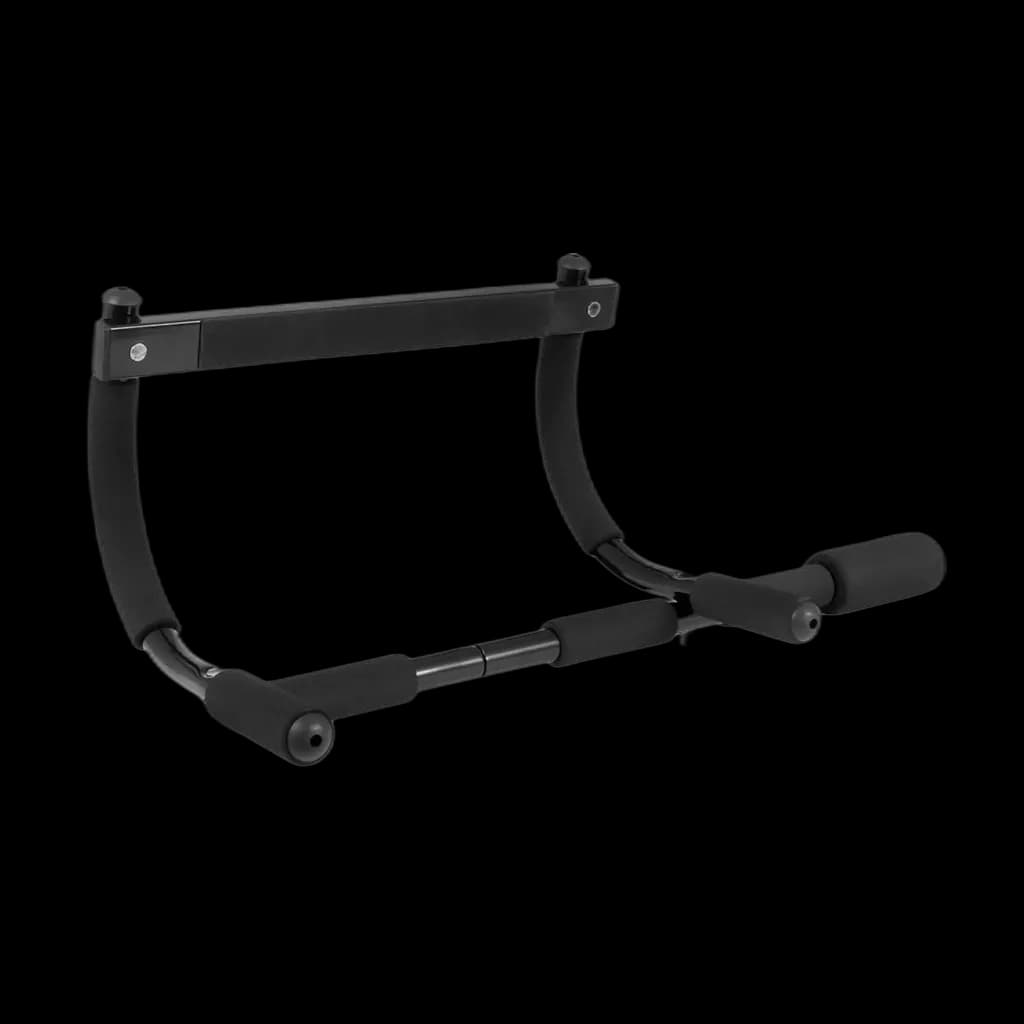
- Pull-up bar
The ProsourceFit is the Iron Gym's main competitor in the doorway-bar category, with one structural difference worth caring about: the multi-grip layout includes two parallel grips that the Iron Gym lacks, which lets you do neutral-grip pull-ups (easier on shoulders for many lifters). 300 lb rated, fits 24-36 inch doorways. Same caveats as any leverage-mount bar — fine for users under 250 lb in homes with hardwood trim, sketchy in apartments with cheap composite trim. Good Iron Gym alternative if neutral grip matters to you.
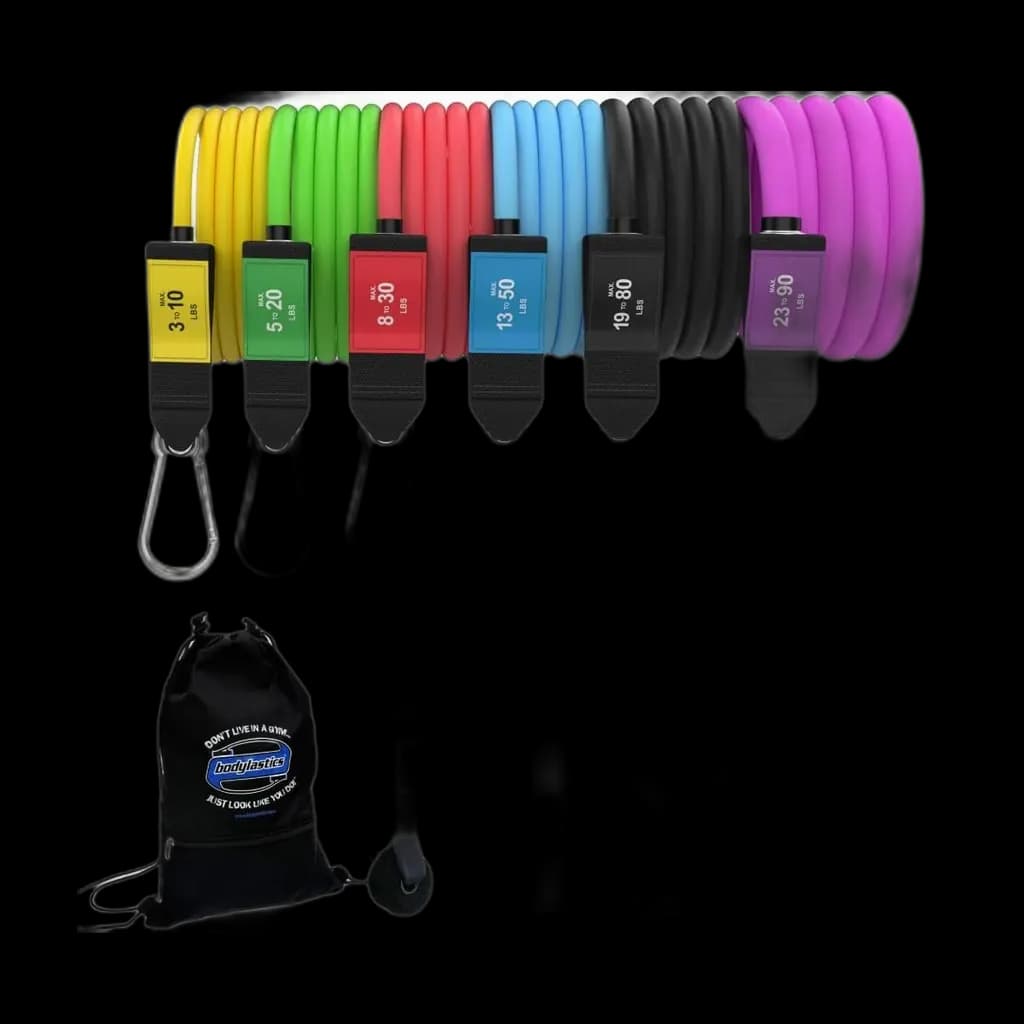
$25.99checked Nov 1, 2026Buy on Amazon - Resistance bands
The stackable tube band benchmark. Snap-guard inner cord, named carabiners, and component replacement parts available — the system you'll still be using in 10 years.
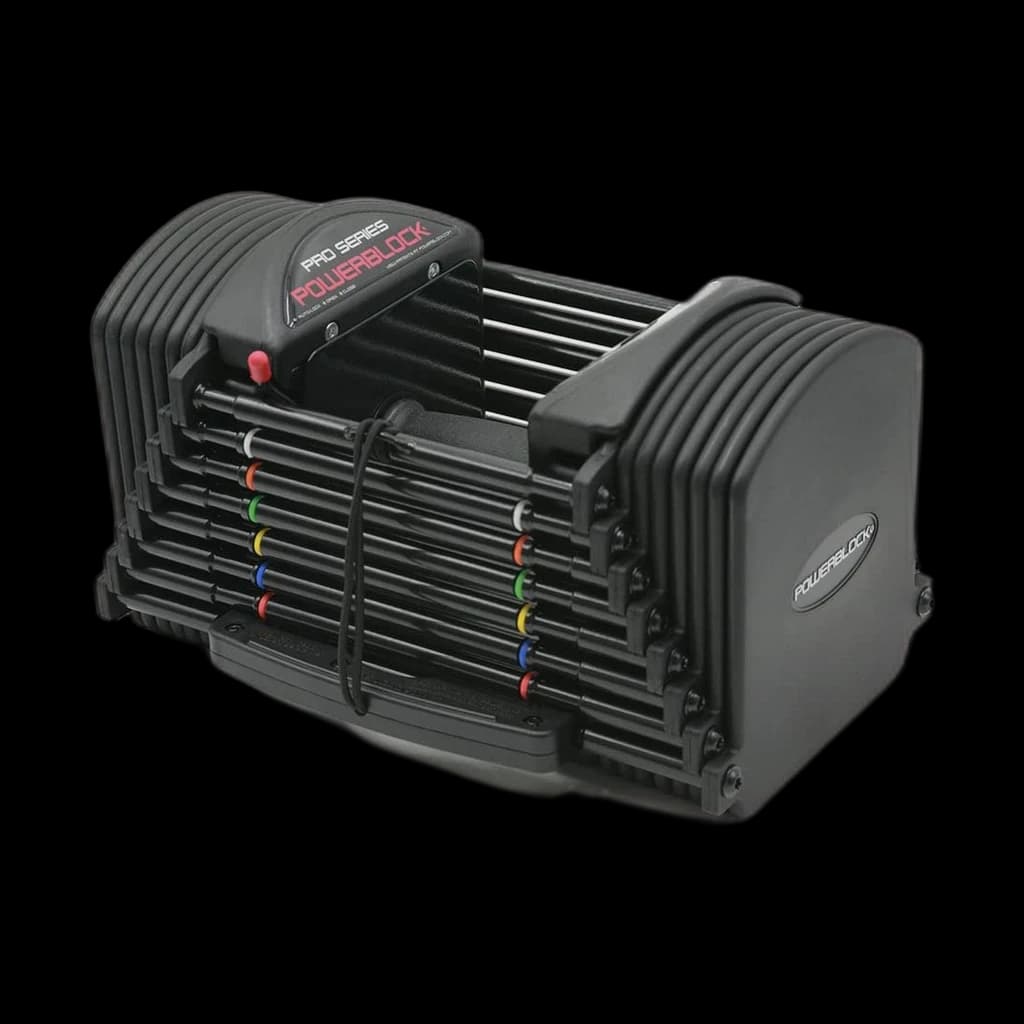
$61.97checked Nov 1, 2026Buy on Amazon - Dumbbells
PowerBlock's 5-50 lb pair: pin-selected in 2.5 and 5 lb steps, in a compact nested-cage shape. PowerBlock sells the Pro 50 as a fixed-range set that cannot be expanded past 50 lb per hand, so a lifter who expects to outgrow it should look at the expandable Pro 100 EXP instead. Utilitarian looks, 5-year residential warranty.
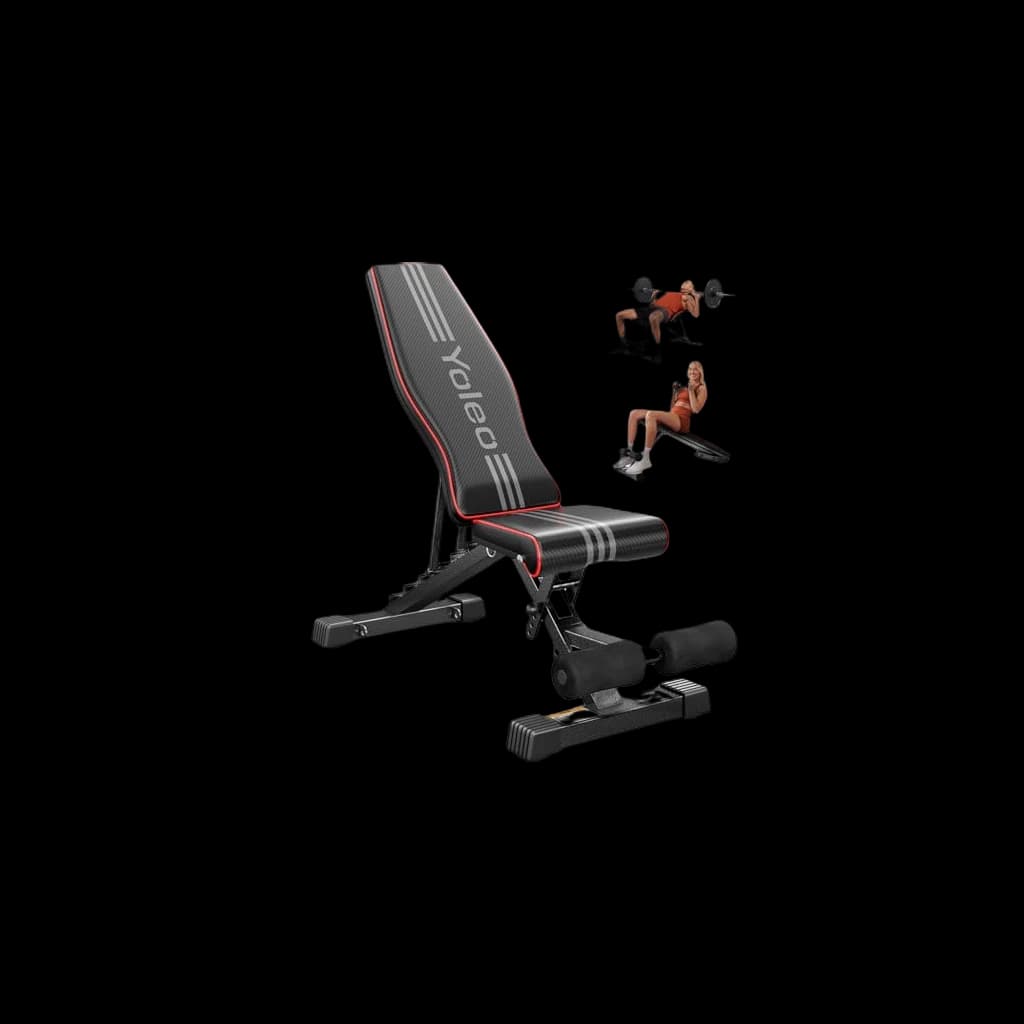
$549.00 per pairchecked Nov 1, 2026Buy on Amazon - Bench
The budget bench, and it still carries an ASTM certification — the thing actually worth checking on a cheap bench, because the failure mode is you under a loaded bar. Sold by a third-party seller at or under the maker's price.
$79.99checked Nov 1, 2026Buy on Amazon - Kettlebell
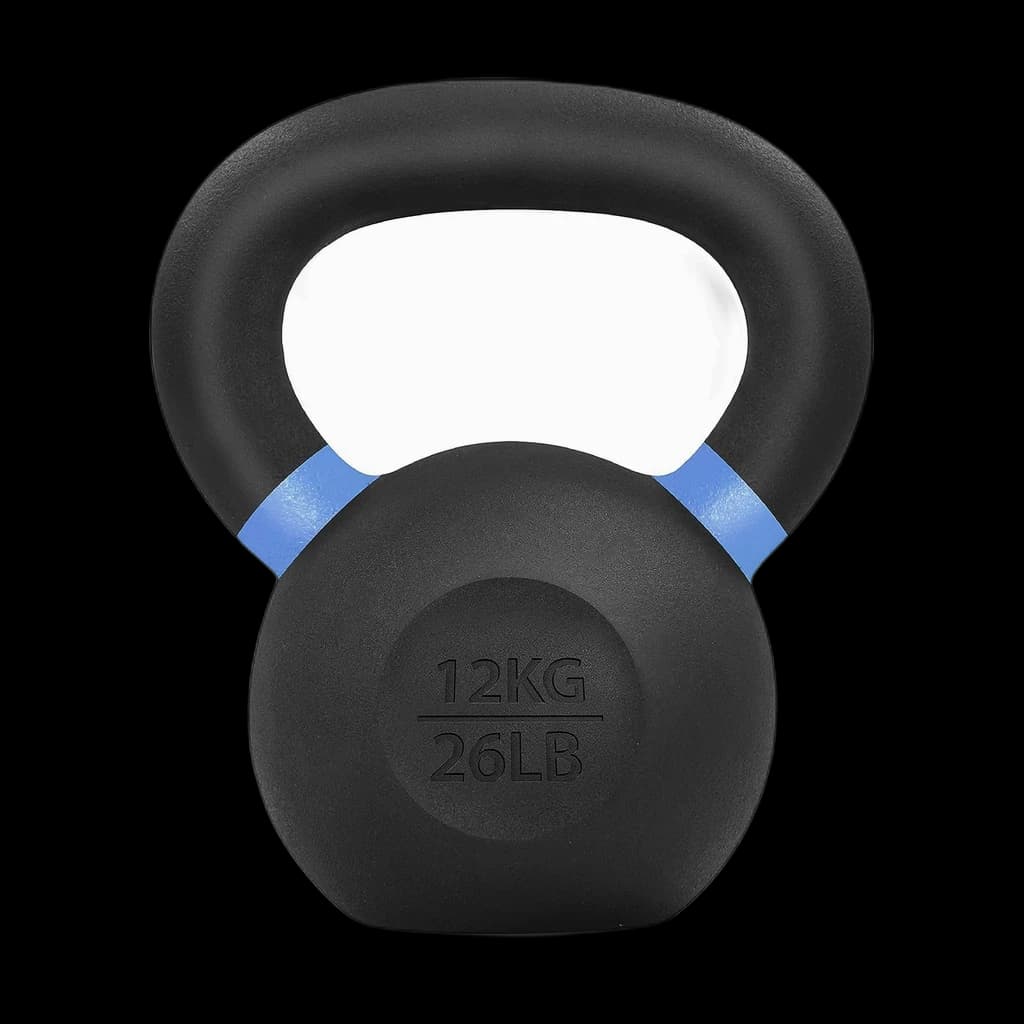
The Yes4All powder-coated kettlebell is the default Amazon answer to 'I want one good kettlebell'. Single-piece cast iron, no welds or seams, and Yes4All lists each bell's actual weight within about 3% of the label. The powder coat has a slight texture that Yes4All says grips without chalk, and each weight is colour-coded. The flat bottom matters more than people expect: it lets you do renegade rows or push-ups on the bell without it rocking. Yes4All sells it from 9 to 88 lb. The link opens on the 26 lb bell (Yes4All's listing bullet: "26 Lbs"), single, blue; other weights are on the same listing. Sold by a third-party seller at or under the maker's price, shipped by Amazon (checked 2026-10-21).
$43.99 (26 lb)checked Nov 1, 2026Buy on Amazon
Compare the full rankings: pull-up bars & dip stations, resistance bands & suspension trainers, adjustable dumbbells, weight benches and kettlebells. Still choosing the room's gear? The home gym planner builds a shopping list for your goal, space and budget, and the one rep max calculator turns a hard set into training weights for the main lifts.
Workout planner FAQ
How many days a week should I work out?
- The ACSM position stand on resistance training recommends 2–3 days a week for beginners, 3–4 for intermediate lifters and 4–5 for advanced lifters. The HHS Physical Activity Guidelines ask adults for muscle-strengthening on at least 2 days a week plus 150 to 300 minutes of moderate aerobic activity.
What is a good 6 day gym workout schedule?
- The common 6-day schedule is push, pull, legs run twice (Monday to Saturday) with Sunday off, which trains each muscle group twice a week. Six days is above the 4–5 days ACSM recommends even for advanced lifters, so the planner flags it.
Is a full-body routine or a split better?
- Either works if each muscle gets enough work. Schoenfeld, Ogborn and Krieger's 2016 meta-analysis found training a muscle twice a week beat once a week on a volume-equated basis, and left open whether three times beats twice. Every split this planner builds hits each major muscle group at least twice a week.
How many sets and reps should I do?
- ACSM recommends 8–12 reps for beginners; heavier 1–6 rep sets with 3–5 minute rests for strength; mostly 6–12 reps with 1–2 minute rests for muscle size; and more than 15 reps with under 90 seconds' rest for muscular endurance. Set counts in this planner are our defaults, not a published number.
Can I make a weekly workout plan with only dumbbells?
- Yes. Tick only dumbbells and the planner builds every day from dumbbell and bodyweight moves. The one pattern dumbbells can't load is a vertical pull, so it lists a pull-up bar, bands or a cable machine as the gear gap.
When should I add weight?
- ACSM's rule is to add 2–10% to the load once you can do one or two reps more than the target for that exercise. With fixed gear, adding reps, sets or a slower lowering phase is the alternative.
Sources
Last checked: . Each page below was opened and read; for the two journal papers that is the published abstract.
- American College of Sports Medicine. ACSM position stand: Progression models in resistance training for healthy adults. Med Sci Sports Exerc. 2009;41(3):687–708 (abstract, PMID 19204579): days per week by training level, rep ranges and rest periods by goal, novice/intermediate/advanced definitions
- Schoenfeld BJ, Ogborn D, Krieger JW. Effects of resistance training frequency on measures of muscle hypertrophy: a systematic review and meta-analysis. Sports Med. 2016;46(11):1689–1697 (PMID 27102172): training each major muscle group at least twice a week
- U.S. Department of Health and Human Services (ODPHP): Top 10 Things to Know About the Second Edition of the Physical Activity Guidelines for Americans: 150–300 minutes of moderate aerobic activity and muscle-strengthening on at least 2 days a week
- Centers for Disease Control and Prevention: Adult Activity: An Overview: the major muscle groups (legs, hips, back, abdomen, chest, shoulders, arms) and the 2-day strengthening guideline
This is a training-schedule tool only. It is not medical, injury or rehabilitation advice.
Hilly Shore Labs
Editorial teamThe independent product research team behind GymScored. Every recommendation is researched, never hands-on tested — recommendations draw on manufacturer specifications and available published research. Category order is editorial; the Gym Score is a separate comparison aid.
170 listed products across 26 home gym categories. Scores use category criteria, value and owner-rating inputs; missing evidence limits what a score can tell you.
See the scoring methodology and who we are.