Do Vibration Plates Actually Work? What the Science Says
Vibration plates build lower-limb strength and some hip-bone density in older adults - but the research kills the fat-loss claim. What the science shows.
Partly. A 2023 meta-analysis of older adults found whole-body vibration significantly improved lower-limb strength (knee extensors SMD 0.53, p < 0.00001), and a 2025 meta-analysis found it raised bone mineral density at some hip sites (Ward's triangle, greater trochanter, femoral neck). But it showed no significant effect on upper-limb strength, power, or muscular endurance, and nearly all positive trials used older or deconditioned adults. A plate supplements training; it does not replace loaded resistance or burn fat passively.
How GymScored is paid: Amazon Associates commission plus brand-direct affiliate (Rogue / REP / Titan when approved). No sponsored placements, no paid reviews, no pay-to-rank. Picks are ranked by the Gym Score formula and nothing else. Read the full disclosure.
Only for specific goals. A 2023 meta-analysis found whole-body vibration significantly improved lower-limb strength in older adults (knee extensors SMD 0.53, p < 0.00001), and a 2025 meta-analysis found it raised bone density at some hip sites. But the data shows no significant gains in upper-body strength, power, or endurance, and the trials studied older and deconditioned populations. A plate is a recovery-and-mobility supplement, not a workout that replaces loaded resistance.
Quick answer: only for specific, limited goals
Whole-body vibration plates produce real, measurable gains — but in a narrow band, mostly for older and deconditioned users. A 2023 meta-analysis of older adults found vibration training significantly improved lower-limb strength (knee extensors SMD 0.53, p < 0.00001), and a 2025 meta-analysis found it raised hip-region bone density in elderly subjects.
What the data does not show: meaningful upper-body strength gains, improved power, better muscular endurance, or anything resembling a fat-loss machine. If you're a healthy lifter expecting a plate to replace squats, the evidence isn't on your side.
The one we would buy: if the evidence below fits your goal, the LifePro Waver Vibration Plate at $199.99 — the default oscillating home plate, rated to 330 lb, with the largest owner-review base in the category. Full comparison in best vibration plates for home.
Key takeaways
- Lower-limb strength gains are real and statistically strong in older adults — but not upper-limb strength, power, or endurance.
- Bone density improves at specific hip sites (Ward's triangle, greater trochanter, femoral neck), not everywhere.
- The studied population matters. Nearly all the positive trials used older or postmenopausal adults, not young, healthy lifters chasing hypertrophy.
- It's a supplement, not a strength program. A plate clears part of the CDC's muscle-strengthening guideline for some people, but it doesn't deliver progressive overload like loaded resistance does.
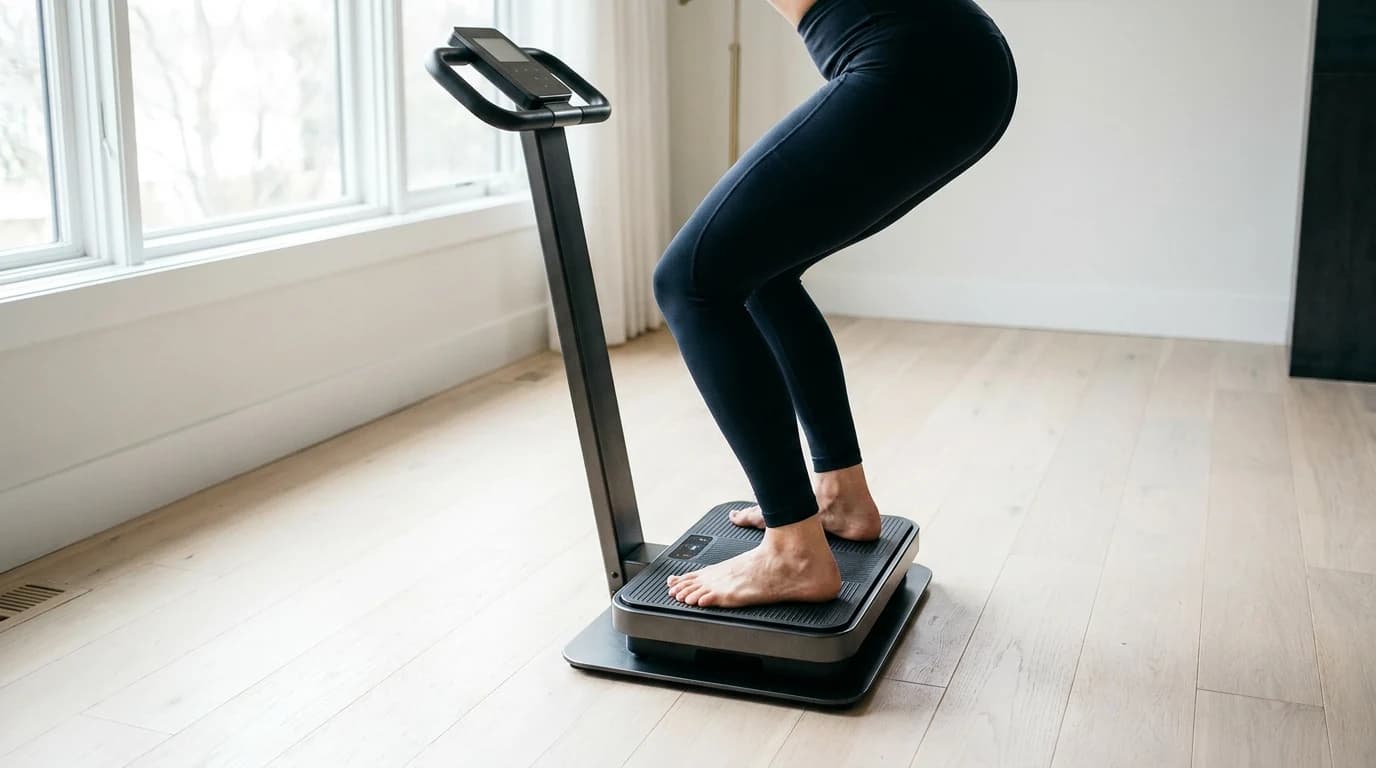
The trap: the marketing claim that 10–15 minutes of standing on a plate "burns fat" or "builds muscle" the way a workout does. The trials measuring strength used structured vibration exercise protocols (squats, holds) over weeks — not passive standing.
What the research actually shows
Lower-body strength responds; nothing else does
The strongest muscle evidence comes from a 2023 systematic review and meta-analysis of whole-body vibration (WBV) in older adults. It pooled controlled trials by muscle group and found clear lower-limb effects:
| Outcome | Studies | Participants | SMD | 95% CI | p-value | Verdict |
|---|---|---|---|---|---|---|
| Knee extensors | 9 | 937 | 0.53 | 0.32–0.74 | < 0.00001 | Significant |
| Knee flexors | 4 | 161 | 0.64 | 0.31–0.96 | 0.0002 | Significant |
| Leg extensors | 3 | 209 | 0.68 | 0.17–1.20 | 0.009 | Significant |
| Ankle plantar flexors | 2 | 61 | 0.65 | 0.12–1.18 | 0.02 | Significant |
So lower-body strength genuinely responds. But the same review reported no significant effect on upper-limb strength, lower-limb power (countermovement jump, sit-to-stand), or muscle endurance. The authors' bottom line: WBV "was effective in increasing lower limb muscle strength" — and that's where it stops.
What it does for bone
Some hip sites move, total hip doesn't
A 2025 updated meta-analysis of 14 randomized trials (1,447 participants, aged 60–93, 96% women) found WBV training raised bone mineral density at some hip sites but not others:
| Bone site | WMD | p-value | Effect |
|---|---|---|---|
| Ward's triangle | 0.04 | < 0.00001 | Significant |
| Greater trochanter | 0.03 | 0.0002 | Significant |
| Femoral neck | 0.01 | 0.01 | Significant |
| Lumbar spine L2–L4 | 0.04 | 0.003 | Significant |
| Lumbar spine L1–L4 | 0.00 | 0.79 | No effect |
| Total hip | 0.01 | 0.56 | No effect |
The takeaway: a plate may help defend against bone loss at specific hip regions in older adults — a real and useful outcome for fall-and-fracture risk — but it isn't a uniform bone-builder, and total-hip density didn't budge.
Who a vibration plate is actually for
Match the tool to the goal honestly.
Reasonable reasons to own one:
- Older or deconditioned adults working on leg strength, balance, and hip-region bone density — the best-supported use case.
- People rehabbing or easing back in, where loaded squats aren't yet an option and any structured stimulus helps.
- Warm-up and circulation before or between sessions — low-stakes, plausible, low-evidence.
Reasons that don't hold up:
- Building a physique.
- Replacing strength training.
- "Passive" fat loss. No quality trial supports standing on a plate as a substitute for training.
Shopping notes, if you've decided anyway
Our vibration plates category ranks the current options by Gym Score. The Hurtle Fitness Vibration Plate is the budget pick people search for most; the LifePro Waver scores higher on build and motor consistency. Either is fine for the supported use cases above — neither is a strength program.
How to use one if you have it
To get the studied benefit, treat it like exercise equipment, not a massage chair.
Do active movements on the plate — bodyweight squats, calf raises, isometric holds — not passive standing. The strength trials all used loaded or active protocols, so passive standing is not what was measured.
Two-plus sessions a week, progressing hold time or movement difficulty, mirrors the trial designs and the CDC's 2+ days/week strength target.
Pair it with real resistance. A plate complements kettlebells or adjustable dumbbells; it doesn't replace them, because it cannot deliver progressive overload.
Set expectations by age and starting point. A 70-year-old gains the most; a trained 30-year-old gains the least.
Rule of thumb: if the protocol you're doing on the plate wouldn't be exercise off the plate, it isn't exercise on it either.
Bottom line
A vibration plate is a legitimate piece of recovery-and-mobility gear with a specific, evidence-backed lane: lower-limb strength and some hip-bone density in older adults, when used with active movement. It is not a workout shortcut, an upper-body builder, or a fat-loss device — the trials that show benefits are clear about what they measured, and it isn't any of those.
Sources
- Impacts of Whole-Body Vibration on Muscle Strength, Power, and Endurance in Older Adults: A Systematic Review and Meta-Analysis (PMC, 2023)
- Whole-body vibration training and bone mineral density in older adults: an updated systematic review and meta-analysis (PMC, 2025)
- CDC Physical Activity Guidelines for Adults
Frequently Asked Questions
Do vibration plates build muscle?+
They build lower-limb strength in older and deconditioned adults — a 2023 meta-analysis found a significant effect on knee extensors, knee flexors, leg extensors, and ankle plantar flexors. They do not show significant gains for upper-body strength, power, or endurance, and the evidence comes from older populations, not young lifters chasing hypertrophy.
Do vibration plates help bone density?+
At specific sites, yes. A 2025 meta-analysis of 14 trials (1,447 older adults) found significant bone-mineral-density gains at Ward's triangle, the greater trochanter, the femoral neck, and lumbar spine L2–L4 — but no significant effect at the total hip or whole lumbar spine. It is not a uniform bone-builder.
Can a vibration plate replace strength training?+
No. The strength benefits in the research came from active movements done on the plate over weeks, not passive standing, and they were limited to the lower body in older adults. For continued strength and hypertrophy you still need progressive loaded resistance like dumbbells or kettlebells.
Do vibration plates burn fat?+
No quality trial supports passive standing on a plate as a fat-loss method. The studies that showed benefits measured strength and bone density from structured vibration exercise, not weight loss. Treat fat-loss marketing claims as unsupported.
Sources & Research
- Impacts of Whole-Body Vibration on Muscle Strength, Power, and Endurance in Older Adults: A Systematic Review and Meta-Analysis (2023)
- Whole-body vibration training and bone mineral density in older adults: an updated systematic review and meta-analysis (2025)
- CDC Physical Activity Guidelines for Adults
Your next step
If you still want one, start with the ranked plates.
Related reviews
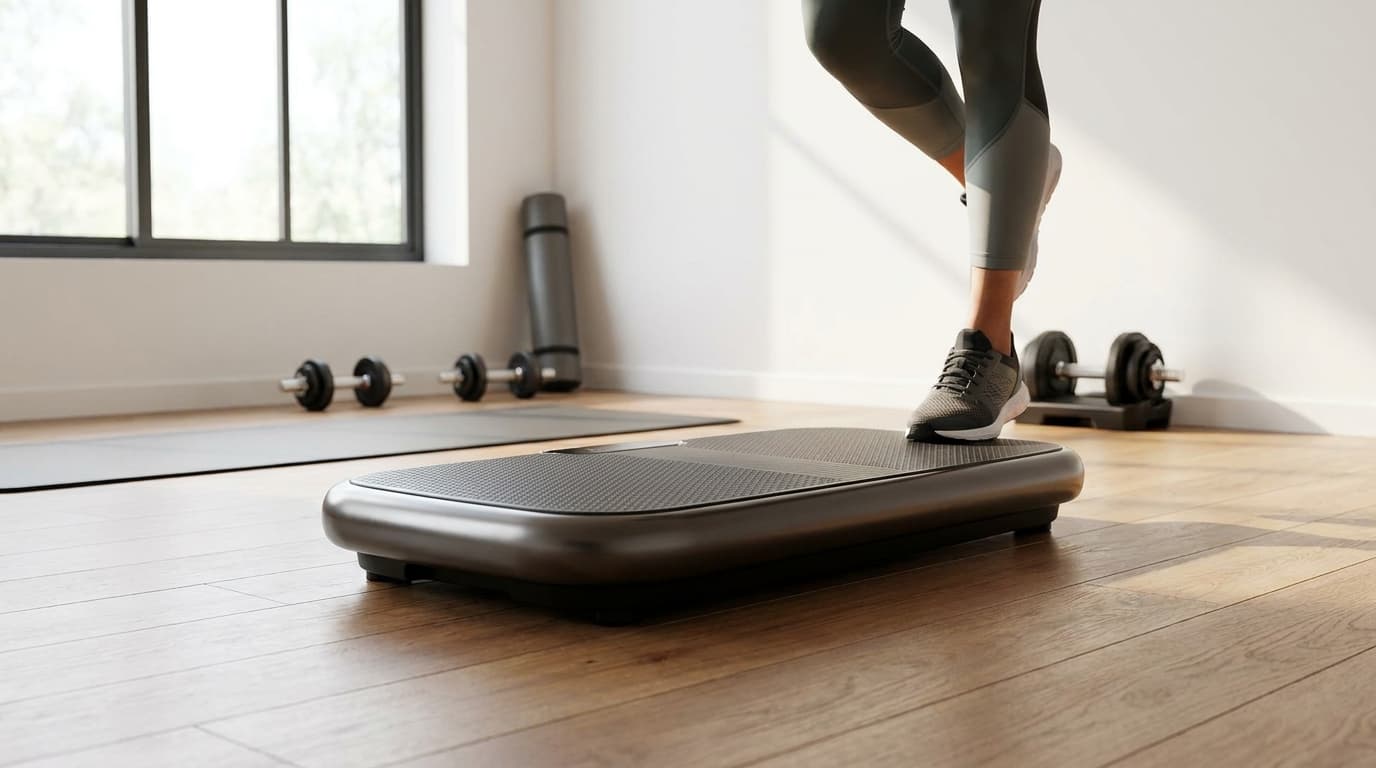
Best Vibration Plates for Home Use in 2026: LifePro Waver Wins
The LifePro Waver is the best value vibration plate; the Power Plate Personal wins the premium tier on published frequency. Five plates scored and re-verified.
Do Resistance Bands Actually Build Muscle? The Science
Yes - meta-analyses show resistance bands match free weights for strength in most lifters. The evidence, the mechanism, the hard ceiling, and how to train.
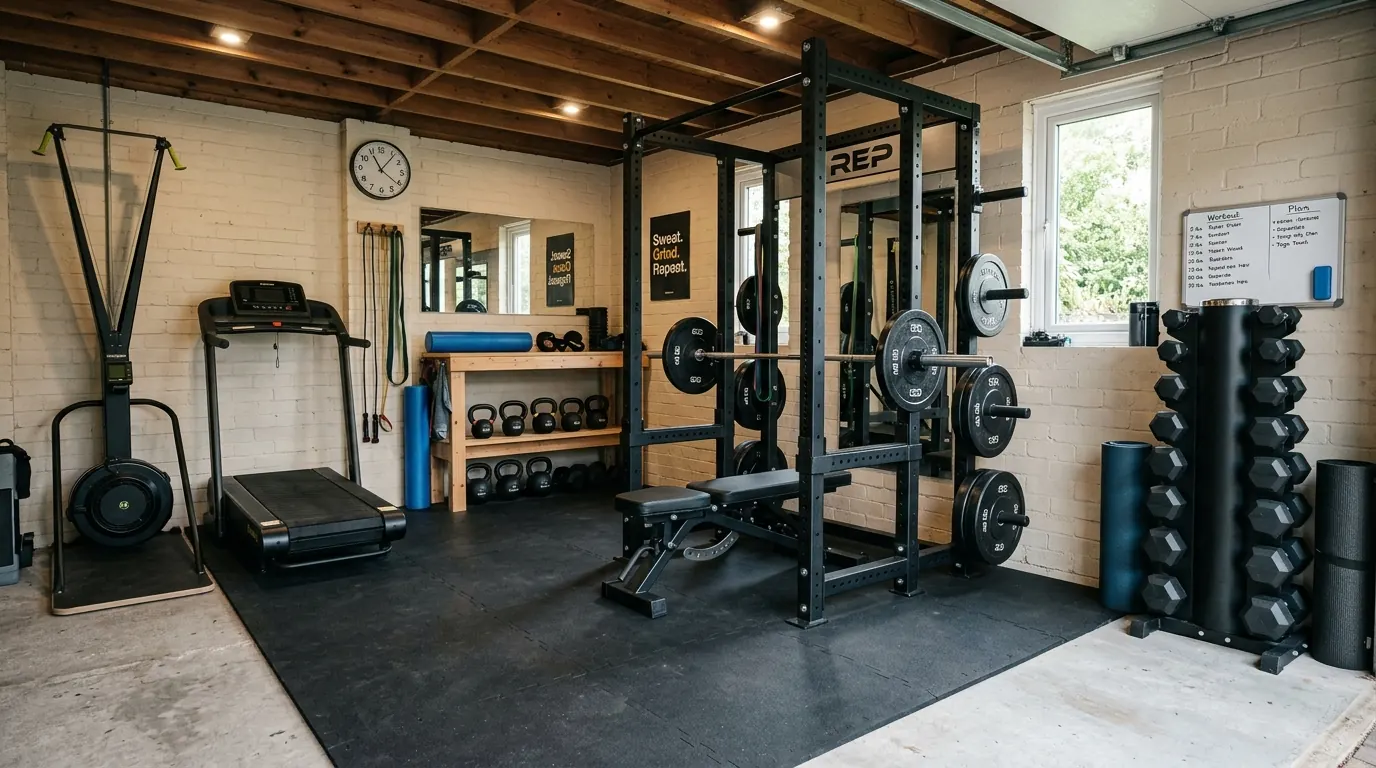
How to Build a Home Gym on Any Budget
Five complete home gym builds at $500, $1,500, $3,500, $7,500, and $15,000 - what to buy first, what to add later, and what to skip at every budget level.
Hilly Shore Labs
Editorial teamThe independent product research team behind GymScored. Every recommendation is researched, never hands-on tested — rankings come from manufacturer specifications, published standards, and aggregated buyer sentiment.
163 products scored across 26 home gym categories, each on the same 5-dimension Gym Score formula.
See the scoring methodology and who we are.
Affiliate disclosure: GymScored is a participant in the Amazon Services LLC Associates Program. We earn from qualifying purchases at no extra cost to you. Full disclosure →