Best Vibration Plates for Home Use in 2026: LifePro Waver Wins
The LifePro Waver is the best value vibration plate; the Power Plate Personal wins the premium tier on published frequency. Five plates scored and re-verified.
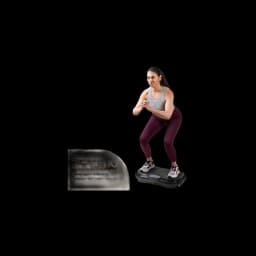
- 1-99 speed range
- 330 lb user weight cap
- Resistance bands included
Evidence snapshot · Updated September 14, 2026
The evidence-backed answer
LifePro Waver Vibration Plate is our default pick for the scope of this guide: For most home buyers — circulation, balance work and movement breaks, seated or standing. A 330 lb platform, a 1-99 speed range and the largest owner-review base in the category, and it sits in the sub-$250 tier rather than the four-figure one.
Scope: 4 shortlisted products compared using published specifications, owner-feedback signals, value and category-specific performance. The matched catalog records represent 34,738 owner ratings. This is research synthesis, not hands-on testing.
| Product | Rating | Current price context |
|---|---|---|
| LifePro Waver Vibration Plate | 4.6/5 | $199.99 |
| Bluefin Fitness 4D Vibration Plate | 4.7/5 | $299.99 |
| Power Plate Personal Power Plate | 4.7/5 | $1,721.25 |
| Hurtle Fitness Vibration Plate | 4.3/5 | $119.90 |
How GymScored is paid: Amazon Associates commission plus brand-direct affiliate (Rogue / REP / Titan when approved). No sponsored placements, no paid reviews, no pay-to-rank. Picks are ranked by the Gym Score formula and nothing else. Read the full disclosure.
LifePro Waver for the default. Bluefin 4D if you want multi-axis feel. Power Plate Personal when a published frequency spec is the binding requirement. Skip if you're a healthy lifter expecting performance gains.
| Product | Rating | Pros | Cons | Price | |
|---|---|---|---|---|---|
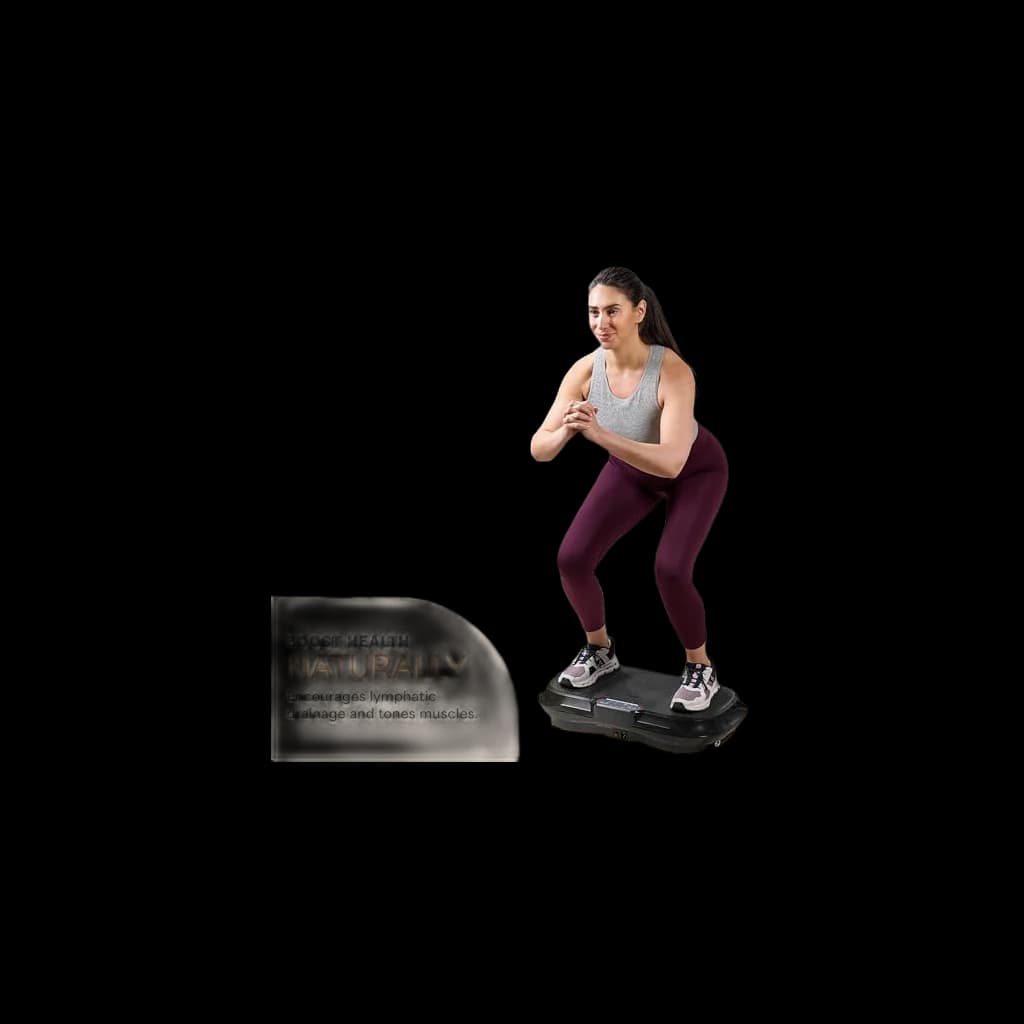 The default Amazon vibration plate. 30-speed oscillation, stable platform, sane price. ↑ Quality↑ Muscle ToningBased on 10,487 buyer mentions | 4.6 Gym Score 92 | Pros
| Cons
| $199.99 | Buy on Amazon |
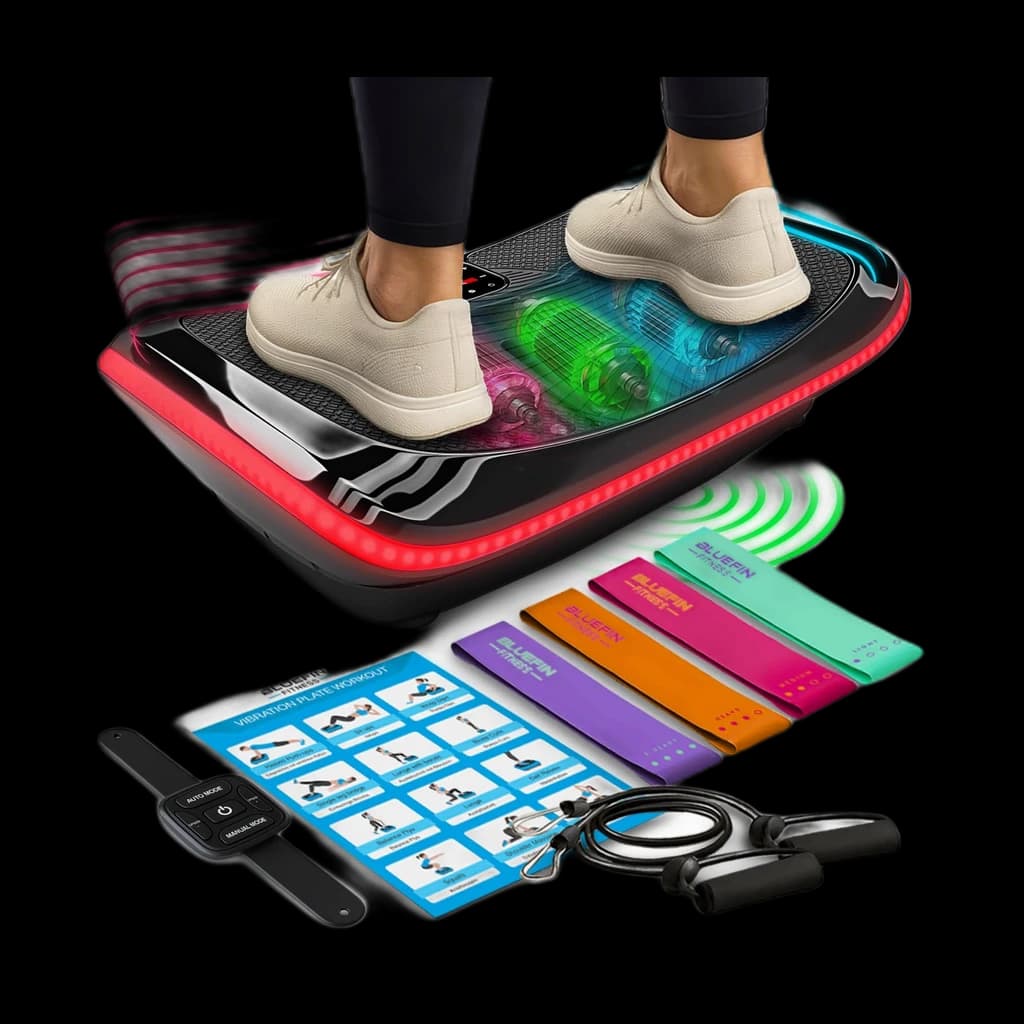 Honest 4D plate with consistent multi-year owner reviews. ↑ Quality↑ Muscle Work↓ Remote ControlBased on 128 buyer mentions | 4.7 Gym Score 93 | Pros
| Cons
| $299.99 | Buy on Amazon |
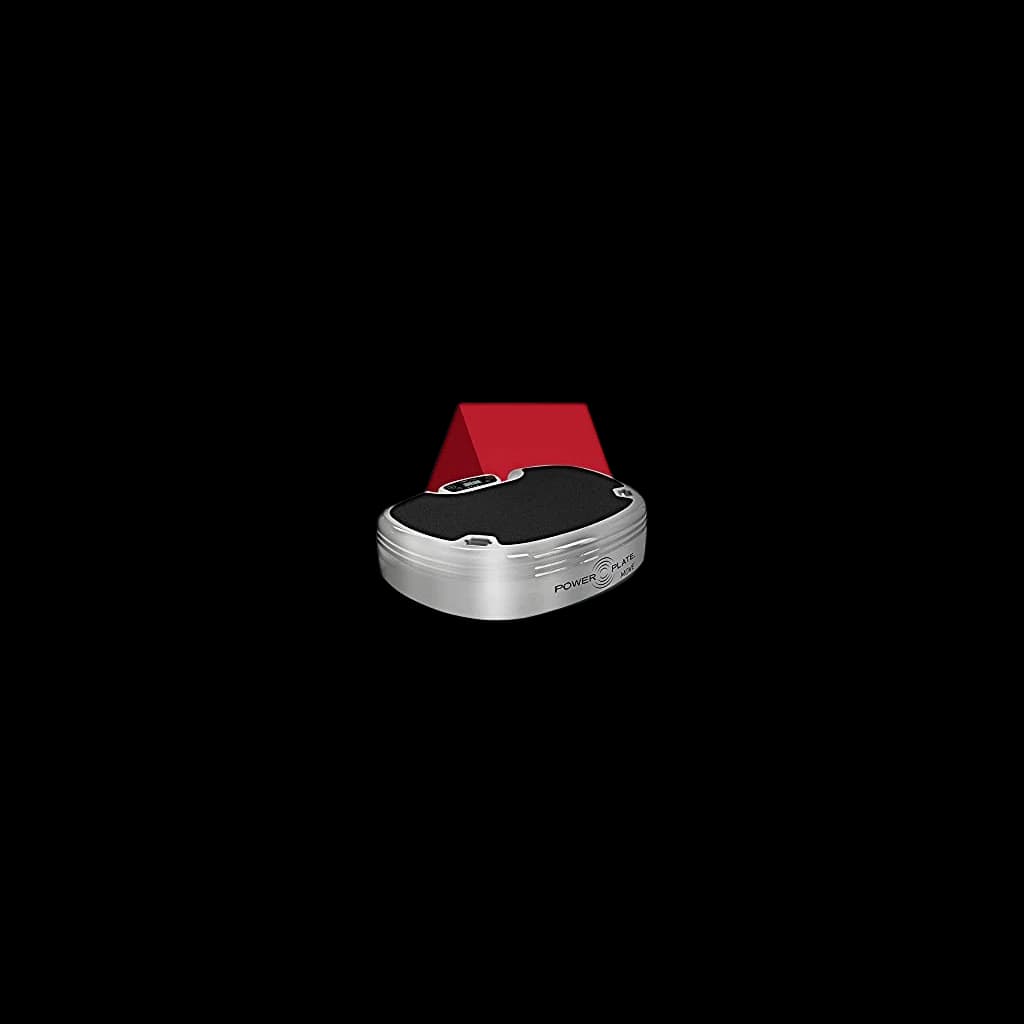 The premium home plate, and the only one here that publishes a frequency spec at all. Tri-planar motion, a 10-year frame warranty, and now a live Amazon listing rather than brand-direct only. ↑ Effectiveness↑ Quality↓ Value for moneyBased on 18 buyer mentions | 4.7 Gym Score 90 | Pros
| Cons
| $1,721.25 | Buy on Amazon |
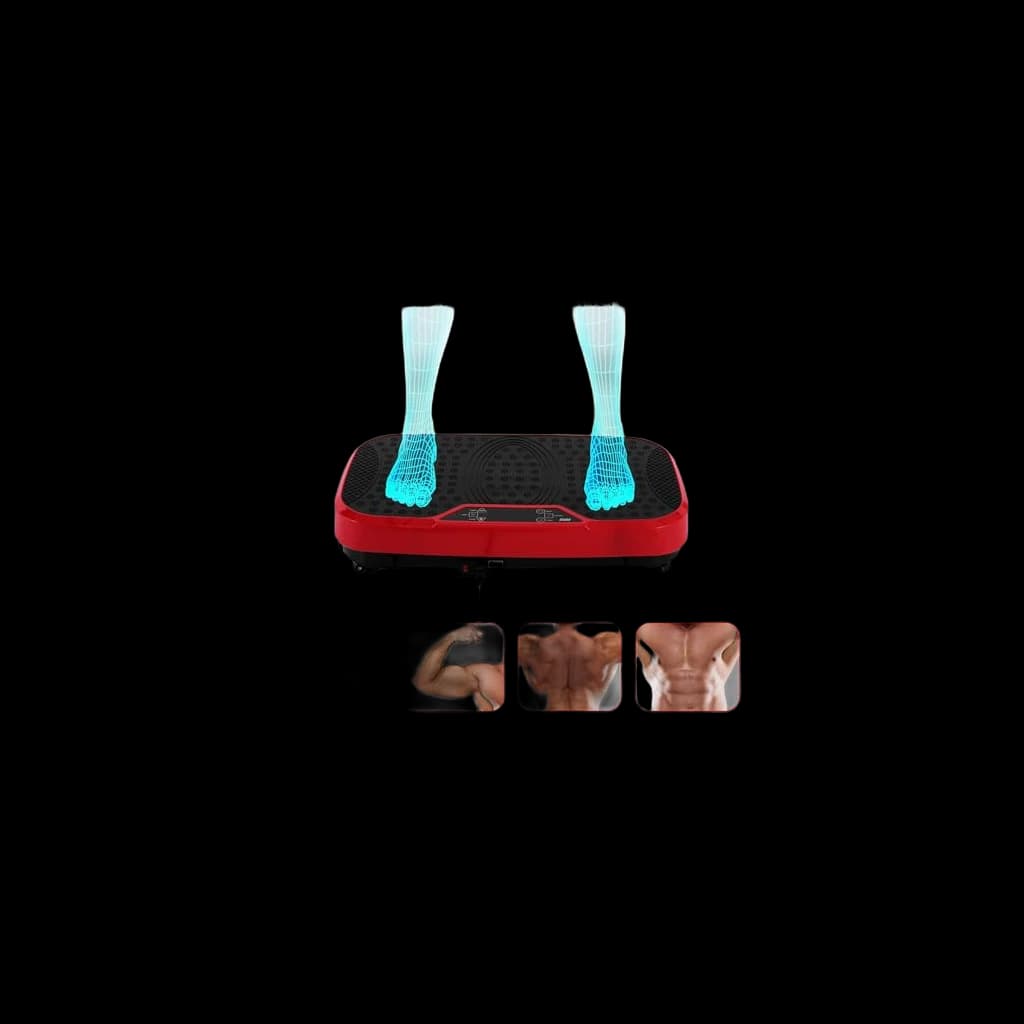 Honest budget plate. Fine for occasional use under 200 lb users. ↑ Quality↑ CirculationBased on 1,009 buyer mentions | 4.3 Gym Score 86 | Pros
| Cons
| $119.90 | Buy on Amazon |
Amazon prices checked Sep 12, 2026. Amazon prices change often — the listing is authoritative.
Vibration plate spec comparison
Motion type, published frequency or speed range, and stated capacity — manufacturer figures. Listings and prices re-verified 2026-09-01.
| Product | Motion | Frequency / speed range | Stated capacity | Published Hz spec? |
|---|---|---|---|---|
| LifePro Waver | Oscillating | 1-99 speed levels | 330 lb | No |
| Bluefin Fitness 4D | 4D (oscillation + linear) | 1-180 speed levels | 265 lb | No |
| Power Plate Personal | Tri-planar | 30 / 35 / 40 Hz | 265 lb | Yes |
| Hurtle Fitness | Oscillating | Speed levels only | 265 lb | No |
Pick by situation
Decide by your situation, not the generic ranking.
| If | You want | Pick |
|---|---|---|
| Under $250 | First-time buyers who want a stable full-size platform without overpaying | LifePro Waver Vibration Plate |
| Small spaces | Anyone whose plate has to disappear between sessions or it stops being used | Hurtle Fitness Vibration Plate |
| Frequency matters | Buyers who want a published, repeatable frequency rather than an unlabelled speed dial | Power Plate Personal Power Plate |
TL;DR — should you read this?
- The LifePro Waver is the default home plate — a 330 lb platform, a 1-99 speed range, and the largest owner-review base in the category.
- Power Plate Personal Power Plate ($1,721.25) is the only plate here that publishes an actual frequency spec — 30, 35 and 40 Hz — and it is now buyable directly rather than brand-direct only.
- The peer-reviewed evidence base is weaker than the marketing. Benefits show up most clearly in older adults and rehab populations, not healthy lifters.
- Bluefin Fitness 4D ($299.99) is the value multi-axis pick if you specifically prefer that feel.
- Skip vibration plates entirely if you are a healthy lifter expecting performance or hypertrophy gains. The published evidence does not support those claims.
Our pick
For most home buyers — circulation, balance work and movement breaks, seated or standing. A 330 lb platform, a 1-99 speed range and the largest owner-review base in the category, and it sits in the sub-$250 tier rather than the four-figure one.
Our picks at a glance
| Pick | Who it is for | Key spec | Price |
|---|---|---|---|
| LifePro Waver — best overall | Most home buyers, seated and standing work | Oscillating; 1-99 speeds; 330 lb stated cap | $199.99 |
| Bluefin Fitness 4D — best multi-axis | Buyers who prefer the multi-axis feel | 4D motion; 1-180 speeds; 265 lb stated cap | $299.99 |
| Power Plate Personal — best premium | Anyone who needs a published, repeatable frequency | Tri-planar; 30 / 35 / 40 Hz; 10-year frame warranty | $1,721.25 |
| Hurtle Fitness — best budget | Light users under about 180 lb | Oscillating; 265 lb stated cap; ~150 W | $119.90 |
Picks verified 2026-09-01; every price above is read from the live Amazon listing at build time, so a plate with no quotable price shows no number rather than a stale one.
What separates good from bad in this category
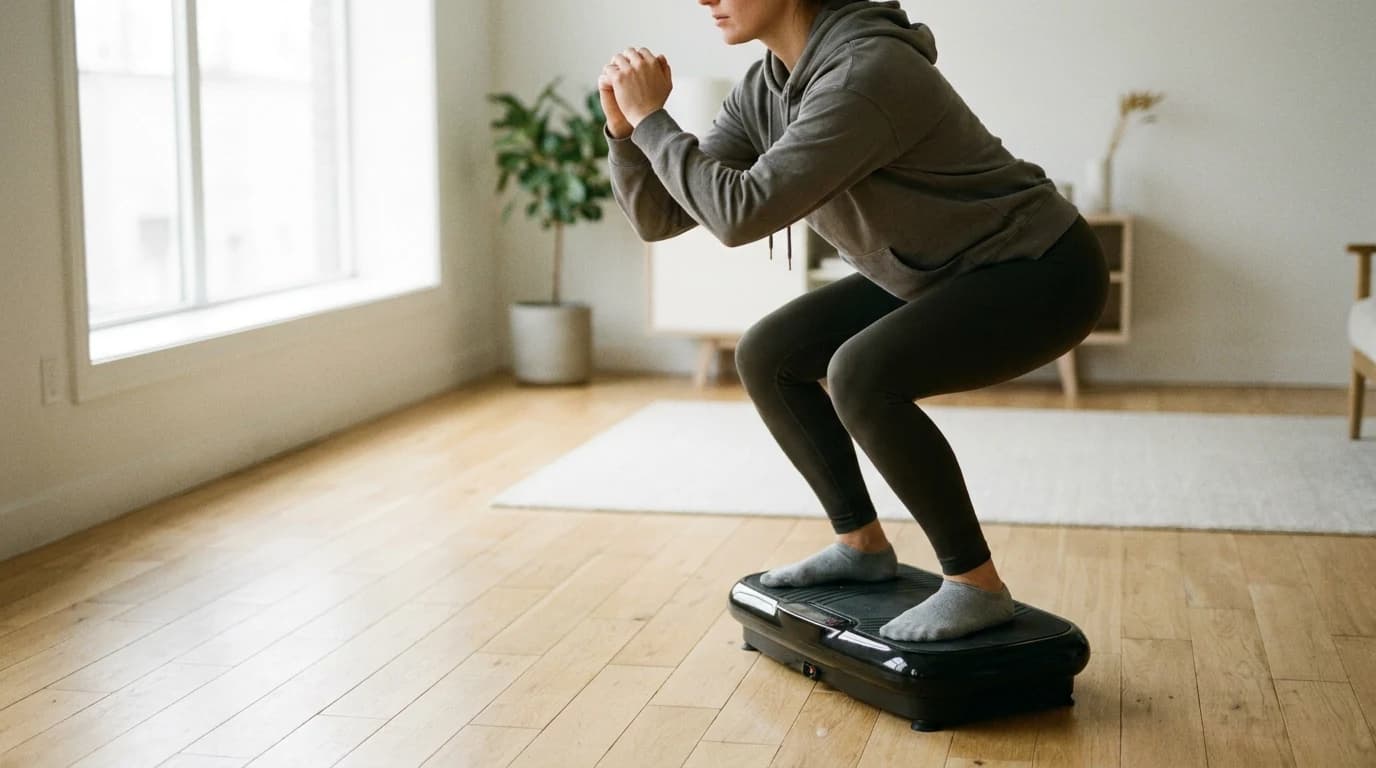
A published frequency is the spec that separates the tiers
Almost every plate under $500 advertises "speed levels" — a dial from 1 to 99, or 1 to 180 — and never states the frequency in hertz that those levels produce. Power Plate publishes three fixed frequencies (30, 35 and 40 Hz). That is the real difference between the tiers, and it is not a marketing distinction: a protocol you cannot reproduce is not a protocol.
| Tier | What the spec sheet says | Can you reproduce a published protocol? |
|---|---|---|
| Sub-$150 plates | Speed levels only | No |
| Mid-tier ($200-350) | Speed levels, sometimes a range | Not reliably |
| Premium (Power Plate Personal) | Frequencies in Hz | Yes |
Rule of thumb: if a plate will not tell you its frequency, treat it as a circulation and movement-break device rather than a bone-density tool. That is still a legitimate reason to own one.
"4D" is a feel upgrade, not an evidence upgrade
Oscillating plates tilt around a central axis, which is what most published research used. Tri-planar and 4D plates add axes. The extra axes change the sensation more than they change the mechanical dose, so pay for them only if you prefer how they feel.
A flexing platform converts force into bounce
Most plates state 260-330 lb capacity, but platform stability matters more than the number. Cheap plates wobble visibly under heavier users, which defeats the stabilisation goal. The Waver and the Power Plate hold steady through their stated capacity; the Hurtle plate shows flex well before its.
Footprint is why plates stop getting used
The most common failure of a vibration plate is not mechanical — it is that a 30-pound slab in the middle of a living room gets put away and never comes back out. That is the entire argument for choosing a plate you can actually store — measure the gap under your sofa or bed before you buy.
The picks, ranked
1. LifePro Waver Vibration Plate — $199.99 — Best for general use
A 1-99 speed range, a 330 lb stated capacity, and the deepest owner-review base of anything in this category. Stable platform, basic but functional remote. It does not publish a frequency, so treat it as a circulation, balance and movement-break tool rather than a bone-density protocol device.
The one we would buy: the LifePro Waver at $199.99 — the right plate for anyone who wants circulation and balance work at home and is not trying to reproduce a laboratory protocol.
2. Bluefin Fitness 4D Vibration Plate — $299.99 — Best for multi-axis feel
Multi-axis motion with a wider 1-180 speed range than the LifePro at a modest premium, and seven years of consistent owner reports behind it. Worth the upgrade if you prefer the feel; otherwise the Waver covers the same ground for less.
3. Power Plate Personal Power Plate — $1,721.25 — Best premium
Tri-planar motion at 30, 35 and 40 Hz, a 265 lb stated capacity, and a 10-year frame warranty — the only plate here that documents all three. Used in physiotherapy and rehab settings. The price gap versus the LifePro is real; buy this only when a repeatable frequency is a binding requirement rather than a nice-to-have.
4. Hurtle Fitness Vibration Plate — $119.90 — Best budget plate
An oscillating plate with a 265 lb stated capacity and a ~150 W motor, which is the floor of acceptable: fine for seated leg work, standing balance drills and moderate-intensity sessions for users under about 180 lb. It is the cheapest plate in this category that was in stock with a quotable price on the verification date. It shows visible flex above roughly 200 lb and publishes no frequency, so skip it if you weigh more than that, or if you want any protocol adherence at all. Treat it as a two-to-three-year starter, not a lifetime purchase.
What the research actually says
- Whole-body vibration shows modest benefits for bone health in older adults. A 2026 randomised study compared weighted vest and whole-body vibration in osteopenia and found measurable bone and muscle effects (Life (Basel) 2026, PMID 41752870).
- Acute vibration may improve popliteal blood flow. A 2023 study on localised vibration massage showed measurable circulation effects after a single session (J Clin Med 2023, PMID 36902835).
- Vibration is grouped with passive recovery strategies of modest effect size. A 2021 narrative review placed whole-body vibration alongside cold-water immersion and compression (Curr Sports Med Rep 2021, PMID 34234090).
- Older adults are the population with the clearest benefits. Most published positive outcomes — bone density maintenance, balance improvement, sarcopenia prevention — come from cohorts aged 60 and above. Younger healthy adults show smaller, less consistent effects.
What the evidence does not support: that vibration plates accelerate fat loss, drive meaningful hypertrophy in healthy adults, or substitute for strength training. "Ten minutes equals an hour of exercise" is a marketing claim, not a finding.
What to skip, and what to buy instead
Worth paying for:
- A published frequency in hertz, if you are trying to follow a protocol from the research.
- A published motor wattage and amplitude — hidden specs usually mean unflattering numbers.
- Platform stability rated honestly at your bodyweight, not just a large capacity sticker.
- A footprint you will actually leave out.
Not worth paying for:
- Plates that publish nothing but a speed dial, if a repeatable protocol is the goal.
- Extra motion axes when your goal is circulation or bone density.
- Vibration plates sold as a hypertrophy or fat-loss tool for healthy lifters.
- Daily sessions over 15 minutes: diminishing returns and more vestibular or joint complaints.
Medical clearance first if you have a pacemaker, are pregnant, have recent fractures, have severe osteoporosis without physiotherapy sign-off, or have retinal detachment risk. Vibration delivers real mechanical force through the body.
How to actually use this
- Budget: the Hurtle Fitness plate; the LifePro Waver if you can stretch to it.
- Mid: the Bluefin 4D for multi-axis feel. Skip it if simple oscillation matches your protocol.
- Premium: the Power Plate Personal when a documented frequency is binding. Built for clinics, warranted for a decade.
Protocol: 5-10 minute sessions, three to five times per week. Static positions — squat hold, calf raise hold — plus basic balance work is what most published protocols used. The CDC adult activity guidelines treat vibration training as a complement, not a substitute for the 150 minutes per week of moderate cardio.
How we chose
We analysed motion type, published frequency or speed range, stated capacity, platform stability, footprint, owner reports across r/biohackers and r/seniorfitness, and the peer-reviewed research. Scoring weights are on our methodology page. We do not operate a test facility; every listing and price here was re-verified 2026-09-01.
Frequently Asked Questions
Do vibration plates actually do anything?+
Yes, but mostly for older adults and circulation. The published research shows real benefits for bone density and balance in 60+ populations. The bodybuilding and weight-loss marketing claims are thinly supported.
Linear, 3D, or 4D?+
Linear oscillation is what most published research used. Tri-planar and 4D plates add axes and change the feel. The published evidence base is on the simpler motion, so do not pay extra for extra axes unless you prefer how they feel.
Power Plate or LifePro Waver?+
LifePro for the default budget pick. Power Plate if you want a unit that publishes its frequencies (30, 35 and 40 Hz) and carries a 10-year frame warranty. The price gap is large but it buys a documented spec rather than an unlabelled dial.
Will a vibration plate help me lose weight?+
The peer-reviewed evidence does not support meaningful fat loss from vibration plate use in healthy adults. Marketing claims like '10 minutes equals an hour of exercise' are not supported. Use it as adjunct to actual cardio and strength training, not a replacement.
Who should not use a vibration plate?+
Pacemakers, pregnancy, recent fractures, severe osteoporosis without PT clearance, retinal detachment risk, and uncontrolled vestibular conditions. The plate delivers real mechanical force through the body.
Is the price gap between LifePro and Power Plate justified?+
Only if a published frequency matters to you. Power Plate states 30, 35 and 40 Hz; the LifePro and Bluefin plates publish speed levels rather than a frequency, so you cannot reproduce a protocol on them. For circulation, balance and general use the LifePro is plenty.
Which vibration plates on this page can I actually buy today?+
All four. The LifePro Waver, Bluefin 4D, Power Plate Personal and Hurtle Fitness plate were in stock with live prices on the verification date; the price shown next to each pick is refreshed automatically.
Sources & Research
- PubMed — Weighted vest vs whole-body vibration in osteopenia 2026 (PMID 41752870)research
- PubMed — Localized vibration massage and popliteal blood flow (PMID 36902835)research
- PubMed — Dupuy 2021 — Passive Recovery Strategies after Exercise (PMID 34234090)research
- PubMed — PubMed search — whole-body vibration training literature (resource hub)research
- ACSM — ACSM — physical activity guidelines resource hubauthority
- Mayo Clinic — Mayo Clinic — fitness basics resource hubauthority
- CDC — Adult Physical Activity Guidelinesauthority
Related reviews
Best Foam Rollers for Recovery in 2026: TriggerPoint Grid Wins
The TriggerPoint Grid is the best foam roller of 2026; the Hyperice Vyper 3 is the vibrating pick. Six rollers scored on density, texture, and durability.
Best Cold Plunges for Home Use
Plunge wins best home cold plunge on its full stack; Ice Barrel on price, Renu Therapy on premium build. Five tubs scored on cooling, hygiene, footprint.
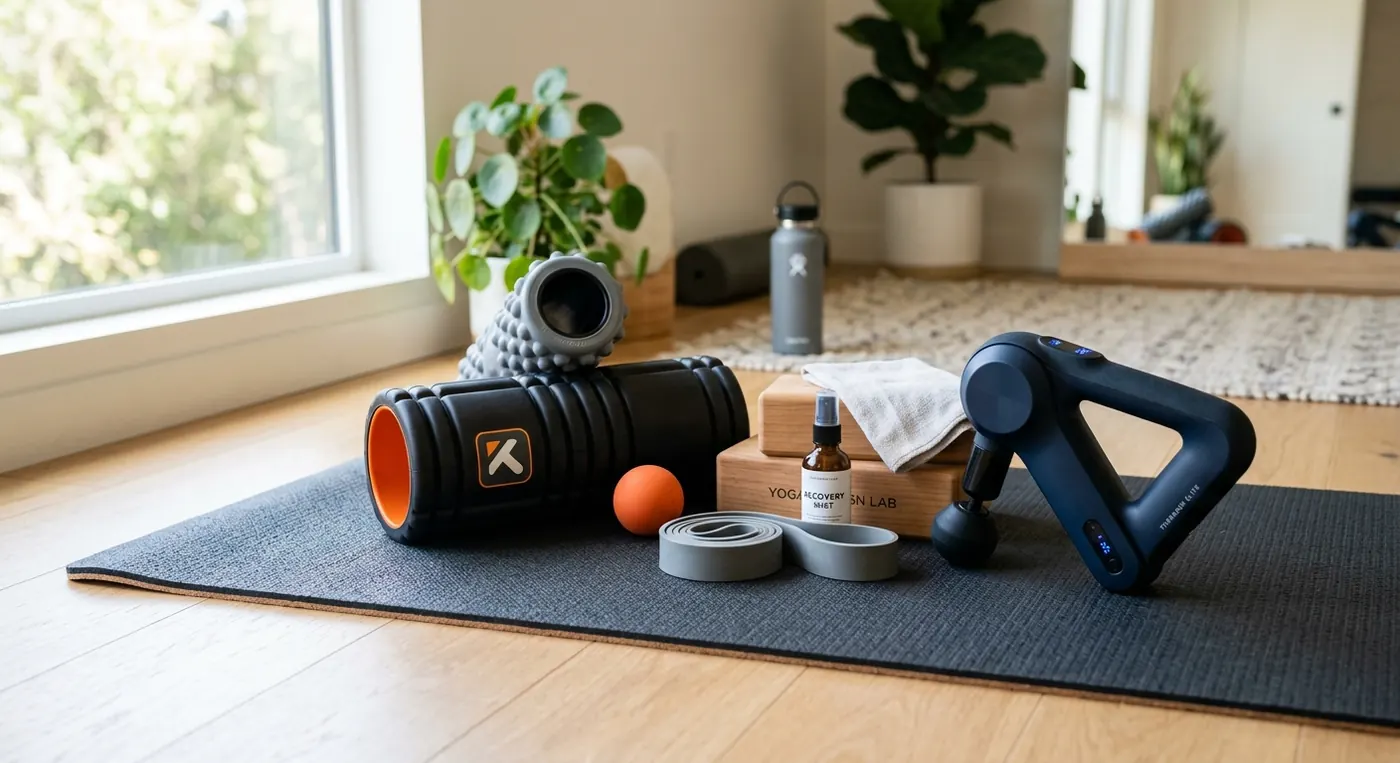
Best Massage Guns for Recovery in 2026
The Theragun Pro is the best massage gun for recovery in 2026; the Hypervolt 2 Pro runs quieter and Bob and Brad C2 wins value under $150. 9 guns scored.
Hilly Shore Labs
Editorial teamThe independent product research team behind GymScored. Every recommendation is researched, never hands-on tested — rankings come from manufacturer specifications, published standards, and aggregated buyer sentiment.
163 products scored across 26 home gym categories, each on the same 5-dimension Gym Score formula.
See the scoring methodology and who we are.
Affiliate disclosure: GymScored is a participant in the Amazon Services LLC Associates Program. We earn from qualifying purchases at no extra cost to you. Full disclosure →