Portable Cold Plunge Tub: Who It Is Actually For
A portable cold plunge tub suits renters, travellers and anyone testing the habit. The trade-off: you cannot hold cold, so you re-ice every session.
- Quality
- Easy To Set Up
- Size
Evidence snapshot · Updated September 1, 2026
The evidence-backed answer
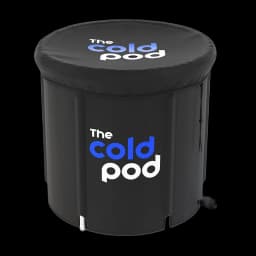
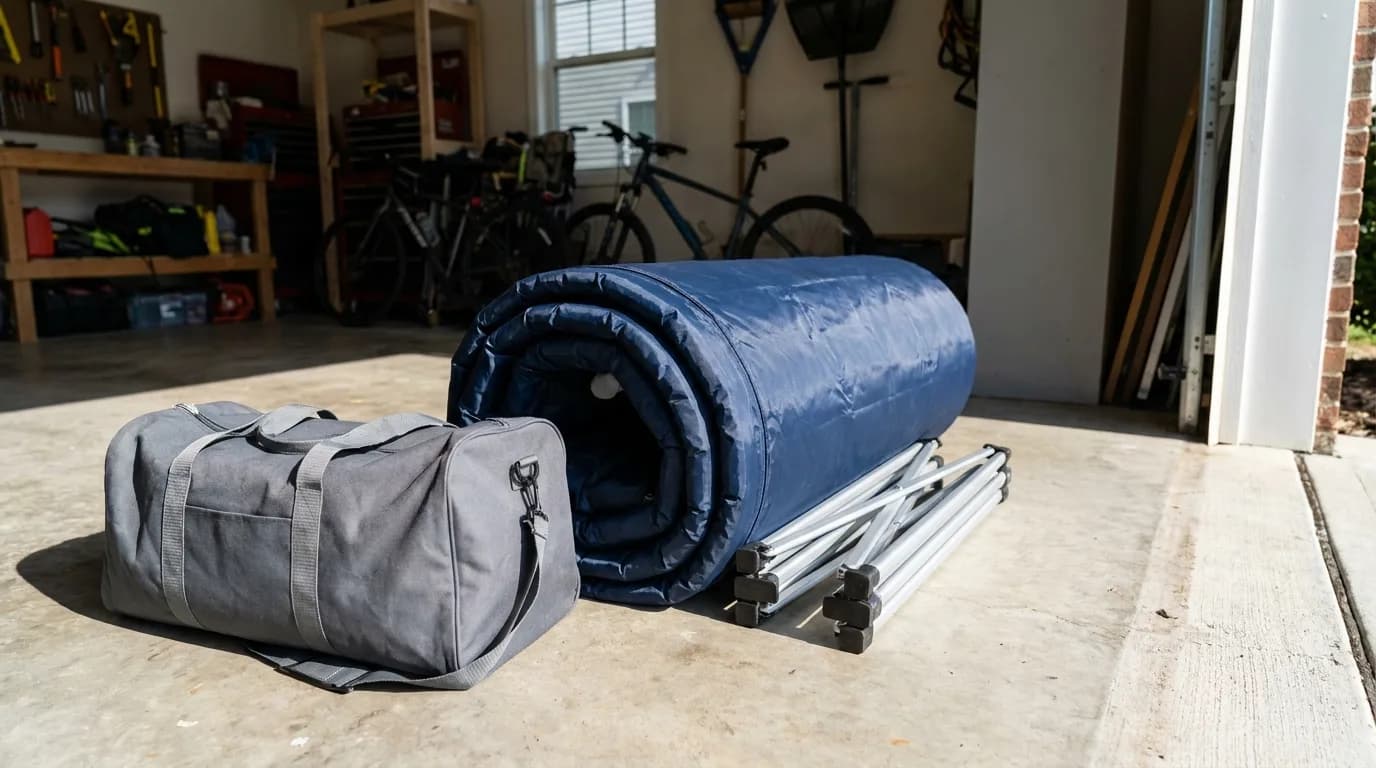
The Cold Pod is our default pick for the scope of this guide: An 88-gallon inflatable that packs into a bag and sets up in under ten minutes. The cheapest honest way to find out whether you will still be plunging in two months, and the right buy for renters and travellers. Not insulated, so plan on a fresh fill and fresh ice every session.
Scope: 3 shortlisted products compared using published specifications, owner-feedback signals, value and category-specific performance. The matched catalog records represent 3,852 owner ratings. This is research synthesis, not hands-on testing.
The side-by-side comparison below carries each shortlisted product's owner rating, price context, pros, cons and buy state in one actionable view.
How GymScored is paid: Amazon Associates commission plus brand-direct affiliate (Rogue / REP / Titan when approved). No sponsored placements, no paid reviews, no pay-to-rank. Picks are ranked by the Gym Score formula and nothing else. Read the full disclosure.
A portable tub is the right answer for renters, travellers and anyone testing whether the habit sticks. It is the wrong answer for daily home use, because an uninsulated tub cannot hold cold and you pay a full re-ice from tap temperature every session.
| Product | Owner rating | Key specs | Pros | Cons | Price | Buy |
|---|---|---|---|---|---|---|
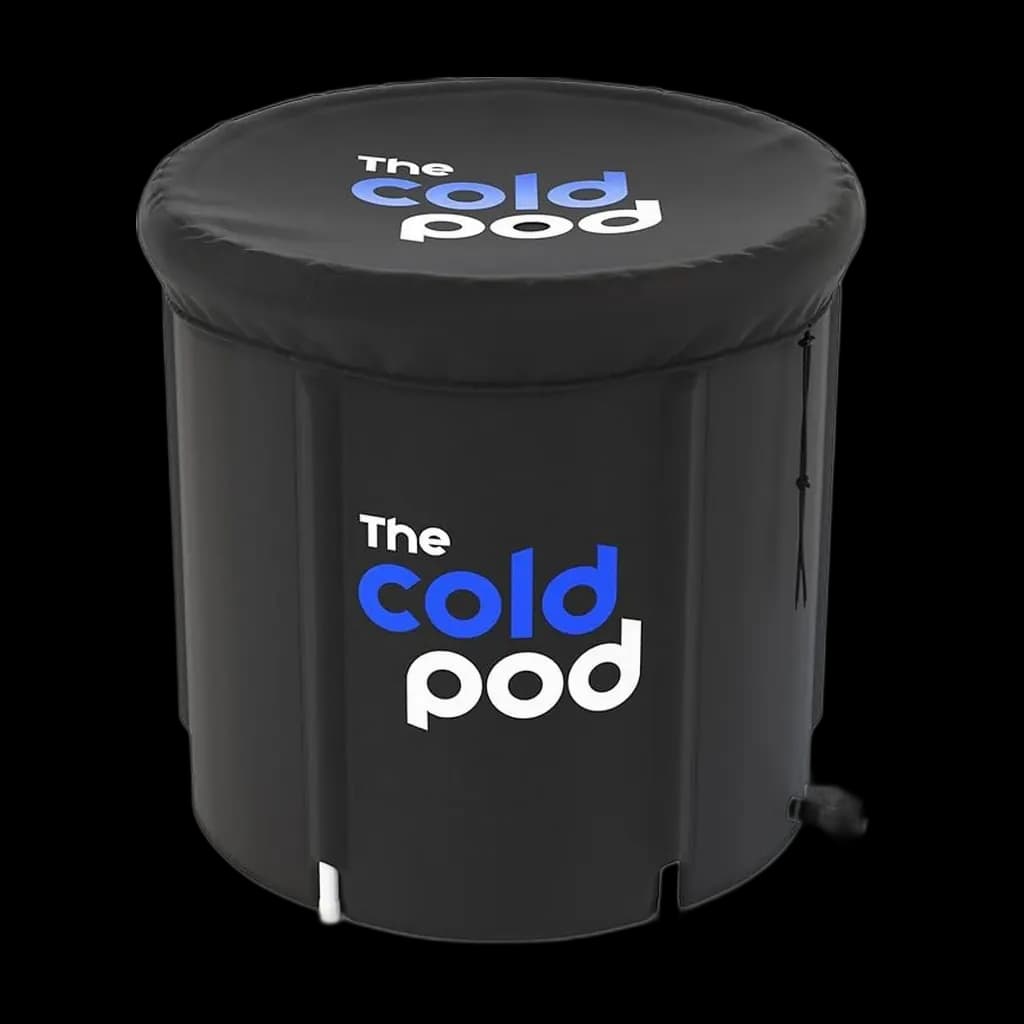 Inflatable, 88 gallons, packs away. The trial tub: cheap enough to be an experiment, not durable enough to be a plan. | Owner rating Gym Score 75 | Key specs
| Pros
| Cons
| $40.95 | Buy on Amazon |
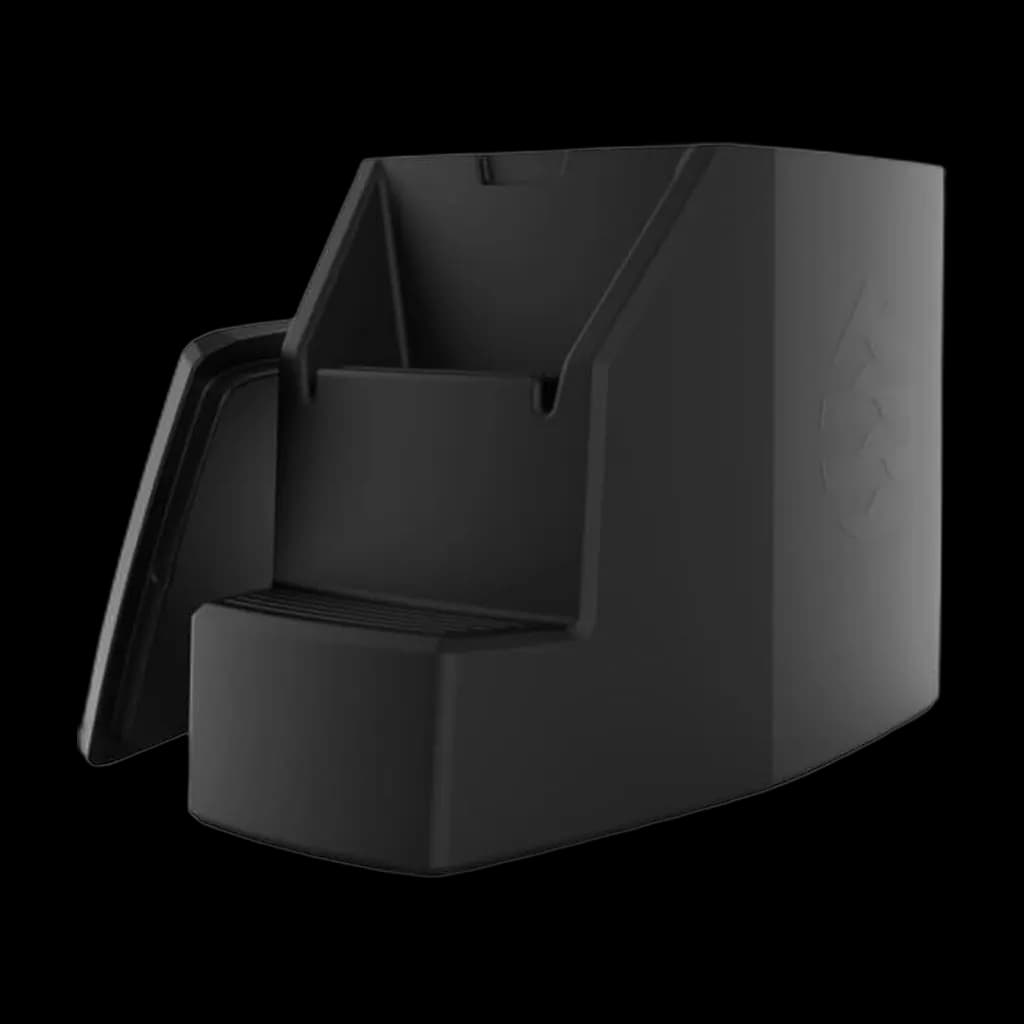 Freestanding and insulated. Movable rather than packable, and the only tub here you can add a chiller to later. | Owner rating Gym Score 79 | Key specs
| Pros
| Cons
| $1,749.99 | Buy on Amazon |
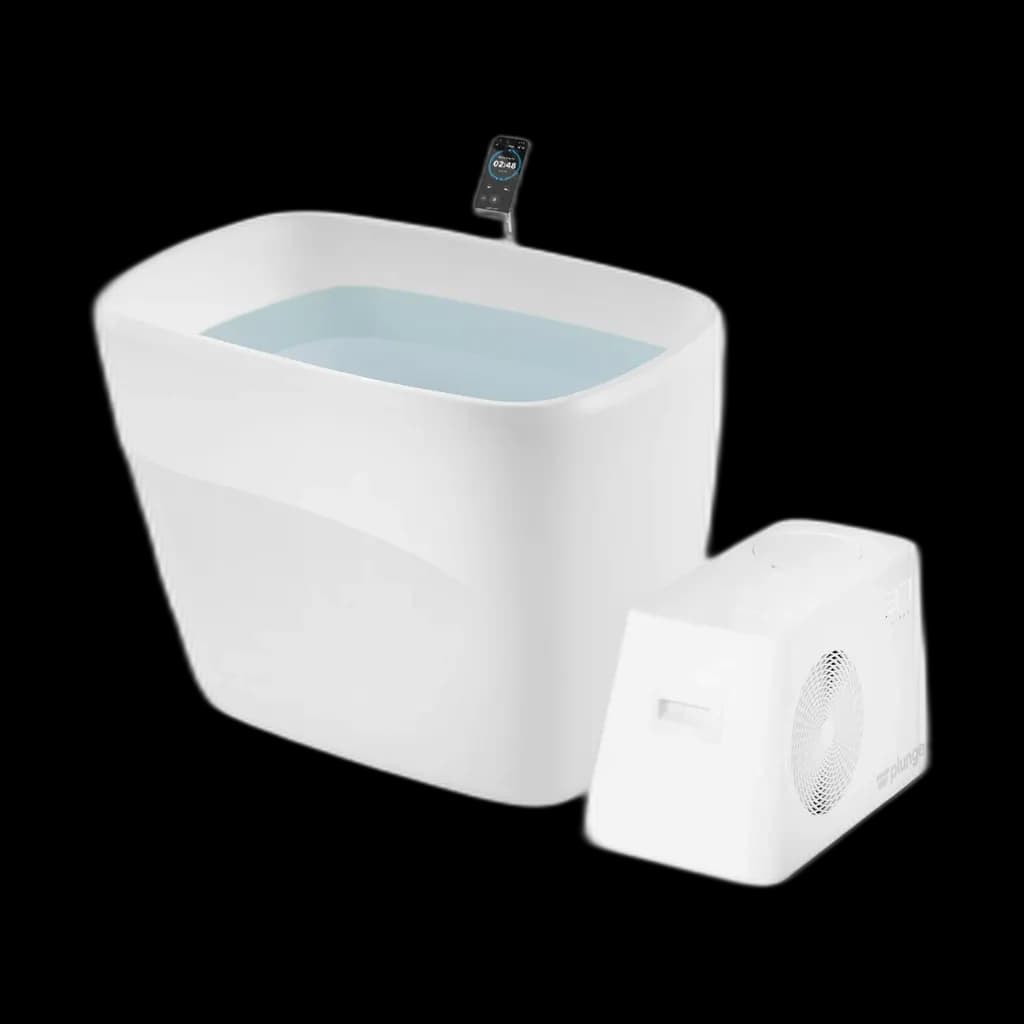 The destination, not a competitor. Integrated chiller, filter and ozone, and no ice errand ever again. | Owner rating Gym Score 83 | Key specs
| Pros
| Cons
| — | See our review |
Amazon prices checked Oct 10, 2026. Amazon prices change often — the listing is authoritative.
What one fill of an 88-gallon portable tub costs in ice
A model, not a measurement. Assumes an 88-gallon uninsulated tub filled from the tap and iced to the target in one go; water at 8.35 lb per gallon from the USGS density figure; ice at 144 BTU per lb heat of fusion (80 cal/g, HyperPhysics) plus sensible warming to the target; ice priced at 18.8 cents per pound, from Walmart's listing for a Reddy Ice 10 lb bag read in August 2026. Bag counts are rounded to one decimal. An uninsulated tub returns to room temperature within hours, so this is a per-session cost, not a per-week one.
| Tap or hose temperature | Target 55°F | Target 50°F |
|---|---|---|
| 75°F, summer hose | 8.8 bags, $16.53 | 11.3 bags, $21.31 |
| 65°F, spring or autumn | 4.4 bags, $8.27 | 6.8 bags, $12.78 |
| 55°F, winter mains | Already there | 2.3 bags, $4.26 |
Which tub, by situation
Decide by your situation, not the generic ranking.
| If | You want | Pick |
|---|---|---|
| Renting, no dedicated circuit, no floor drain | A tub that leaves no trace | An inflatable. Fill from a hose, drain to the lawn, pack it away at the end of the lease |
| Testing whether the habit sticks | The cheapest honest trial | An inflatable for eight weeks. Decide after, not before |
| Travelling to camps, races or rentals | Something that fits in a car | An inflatable is the only option here. Nothing plumbed travels |
| Committed, plunging four or more times a week at home | A portable tub that keeps up | There is not one. Move to an insulated barrel and hold it cold, or to an integrated chiller |
| Wants to start cheap and upgrade later | A path that does not mean buying twice | An insulated barrel with chiller ports. It is the only tub here that accepts a chiller later |
"Portable" covers two products that have almost nothing in common.
| Packable inflatable | Freestanding barrel | |
|---|---|---|
| What it is | Folds into a bag | Rotomoulded, moves once, with help |
| Weight | Costs less than a pair of lifting shoes | 104 lb empty, ships for $300 |
| Insulated | No | Yes |
Both are legitimate. They serve different people, and the category copy that lumps them together is why buyers end up with the wrong one.
Who a portable cold plunge tub is actually for
Four situations where portable is the correct answer rather than the compromise answer.
- Renters. A chiller-equipped plunge needs a dedicated 120V circuit and, indoors, a floor drain. Neither is something you install in a place you do not own. A tub you fill with a hose, drain to a lawn or a shower, and pack away when the lease ends sidesteps the whole problem.
- People testing whether the habit will stick. The dropout rate on cold exposure is high and the honest reason is friction, not willpower. Spending under $150 to find out whether you will still be doing this in eight weeks is a rational experiment, and it costs about two percent of a chiller-equipped tub.
- Travellers and athletes who plunge somewhere other than home. Training camps, race weekends, a rented cabin. Nothing plumbed goes with you.
- Seasonal outdoor users. If you plunge in a garden from October to April and pack the tub away in summer, ambient air is doing most of the cooling work and the case for permanent hardware is weak.
If none of those describe you and you plunge at home most days, the portable tub is a stepping stone rather than a destination, and the home cold plunge roundup is the better starting point.
Our pick
An 88-gallon inflatable that packs into a bag and sets up in under ten minutes. The cheapest honest way to find out whether you will still be plunging in two months, and the right buy for renters and travellers. Not insulated, so plan on a fresh fill and fresh ice every session.
The trade-off nobody puts on the box: you cannot hold cold
This is the single most consequential difference between a portable tub and a permanent one, and it is a heat-transfer fact rather than a matter of opinion.
An insulated tub loses heat slowly enough that roughly one 10 lb bag of ice a day holds it at temperature. An uninsulated inflatable loses heat at something like five times that rate, and the water is back at room temperature within a few hours. So you do not top up a portable tub. You re-chill it from your tap, every single session, from scratch.
That makes your incoming water temperature the dominant cost, and it swings by season more than most buyers expect. For an 88-gallon tub chasing 50°F:
| Fill water | Season | Ice per session |
|---|---|---|
| 75°F hose | Summer | About eleven 10 lb bags |
| 55°F tap | Winter | About two 10 lb bags |
What that means for the numbers you have read: the widely repeated "two or three bags a session" figure is true in winter, in a cold-tap region, at a modest target. It is not true in August in Texas. Both come from real owners.
Two things follow:
- A portable tub is cheapest to run in exactly the season when the outdoors is already cold.
- It is most expensive in the season when you most want it — the opposite of how the marketing photographs it.
Durability, honestly
Portable tubs wear out. That is not a defect claim, it is a materials claim, and the failure modes are consistent enough across owner reports to name them.
| What wears | Where it shows | Typical owner report |
|---|---|---|
| Inflatable ring pressure | Upper ring | Noticeable loss over a day or two; an ongoing chore, not a fault |
| Vinyl abrasion | The base, from grit and folding | Visible wear inside three to six months of daily use |
| Drain valve | The outlet | Ten to fifteen minutes to empty a tub you refill tomorrow |
| Steps and ladders | Rigid barrels rather than inflatables | Some report cracking at the step after a year |
The realistic service life on a sub-$150 inflatable under daily use is roughly four to nine months. Priced against a chiller-equipped tub that is still a bargain. Priced as a permanent solution, it is a subscription you did not know you were signing up for.
Hygiene is the other constraint
A portable tub has no filter and no circulation loop, which means the water is only as clean as your discipline. Still water at plunge temperatures is not self-sterilising: cold slows bacteria, but it also slows your sanitizer, and the familiar chlorine kill times everyone quotes were measured in water roughly thirty degrees warmer than a plunge. Our cold plunge water guide works through the numbers.
The practical consequence is simple: drain it. If you are refilling and re-icing every session anyway — which, per the section above, you are — hygiene costs you nothing extra. Portable tubs get into trouble when owners try to save ice by leaving water in for a week.
The picks
We only recommend products already in our catalog with verified live listings. Three tubs cover the useful range.
1. The Cold Pod — the honest trial tub
The Cold Pod is 88 gallons, inflatable, packs into a bag, and sets up in under ten minutes with the included hand pump. Current price: $40.95.
Buy it to answer one question: will you still be doing this in two months? It is very good at that. It is not insulated, so every session is a fresh fill; the ring needs topping up; the vinyl will show wear. All of that is fine for an eight-week experiment and none of it is fine for a five-year plan.
Skip it if you already know you are committed, because the ice bill will exceed the purchase price within the first month of summer use.
2. Ice Barrel 500 — portable in the freight sense
The Ice Barrel 500 is the insulated option, at $1,749.99:
- 94 gallons, rotomoulded, made in the USA from recycled materials.
- R16 polyurethane insulation and a limited lifetime warranty.
- Built-in steps and an internal seat; takes users up to 6 feet 9 inches.
Read the word "portable" carefully here. It weighs 104 lb empty, Ice Barrel lists shipping to the contiguous US at $300, and it is an upright design — you stand or squat, you do not lie back. What it does have is the thing the inflatables lack: real insulation, which changes the running-cost picture completely, because an insulated tub can be held cold rather than re-chilled. It also has 3/4-inch NPT chiller ports, so it is the one tub here you can upgrade later without replacing. Our chiller guide covers whether that upgrade is worth it, and the short answer is that it takes four to five years to pay for itself.
Buy it if you want a permanent tub without electrical work, and you have a garage or patio to keep it in.
3. The Plunge — the graduate-to option
The Plunge is not portable and does not pretend to be. It is about 105 gallons with an integrated 1/2 HP chiller holding 39°F on a dedicated 120V 15A circuit, a 20-micron filter plus ozone, and a one-year warranty. Plunge's own specification page lists it at a list price of $8,490, currently discounted on its product page.
It is here as the destination, not as a competitor. The sequence that makes financial sense is: inflatable for eight weeks, then either stop, or buy the thing that removes the friction permanently. What does not make sense is spending twice on mid-tier tubs in between.
When to stop being portable
Three signals, in rough order of reliability.
- You are plunging four or more times a week and still doing it after two months. At that frequency the ice errand is the constraint, not the money.
- Your ice bill has crossed roughly $40 a week. That is the point at which a chiller pays back in about two years rather than five.
- You have started skipping sessions because of the setup rather than the cold. That is the real failure mode, and no amount of willpower fixes a fifteen-minute drain valve.
The cold plunge category page has the full range of tubs with and without chillers.
Safety, before any of the gear
Cold water immersion is a cardiovascular event. The Cleveland Clinic lists heart disease, high blood pressure, diabetes, pregnancy, peripheral neuropathy, poor circulation, venous stasis and cold agglutinin disease as reasons to speak to a doctor before starting, and warns that cold water can trigger uncontrolled hyperventilation which becomes dangerous if it causes dizziness or fainting while you are in the water. Harvard Health states that people with cardiovascular disease, especially heart rhythm abnormalities, should avoid the practice entirely.
The stated safe envelope: Cleveland Clinic's starting range is 50 to 59°F, never below 40°F, sessions never exceeding five minutes, and beginners limited to one or two.
Cleveland Clinic's stated starting range is 50 to 59°F, never below 40°F, with sessions that never exceed five minutes and beginners limited to a minute or two. Portable tubs make this easier to get wrong, because ice-dumping is imprecise — use a thermometer rather than a guess. Our cold plunge protocol guide covers dose, frequency and timing around lifting. None of this is medical advice.
Frequently Asked Questions
Are portable cold plunge tubs any good?+
For the job they are built for, yes. An inflatable tub is the cheapest honest way to find out whether you will still be cold plunging in two months, and it is the only option for renters who cannot install a dedicated circuit or a drain, and for anyone who plunges away from home. What they cannot do is hold temperature: with no insulation the water returns to room temperature within hours, so every session is a fresh fill and a fresh bag run rather than a top-up.
How much ice does a portable cold plunge need?+
It depends far more on your tap temperature than on the tub. For an 88-gallon tub, chasing 50°F from a 75°F summer hose takes roughly 113 lb of ice, about eleven 10 lb bags. Chasing the same 50°F from a 55°F winter mains supply takes about 23 lb, a little over two bags. That is why owner reports of two or three bags a session and eight or more bags a session are both accurate. They are describing different seasons.
How long do portable cold plunge tubs last?+
Owner reports on inflatable tubs cluster around four to nine months of daily use before the vinyl shows meaningful wear or the inflatable ring stops holding pressure reliably. That is expected at this price rather than a defect. Rigid freestanding barrels last far longer, with the step or ladder the part most often reported failing. If you intend to plunge daily for years, price a portable tub as a consumable and budget for the replacement.
Can you leave water in a portable cold plunge between sessions?+
Not for long, and there is little reason to. With no filter and no circulation, still water needs an actively maintained sanitizer residual, and cold water is harder to disinfect than warm water rather than easier, because the same free chlorine needs several times the contact time at plunge temperatures. Since an uninsulated tub loses its cold within hours anyway, draining after each session costs you nothing you were not already paying.
Is an inflatable tub or a rigid barrel better?+
They answer different questions. An inflatable packs into a bag, costs a fraction as much and travels, at the cost of insulation and durability. A rigid insulated barrel can be held cold with about one bag of ice a day instead of a full re-ice each session, carries a much longer warranty, and can usually accept a chiller later, but it weighs around 100 lb empty, ships as freight and is not moving again once it is placed.
When should I upgrade from a portable tub?+
Three signals. You are plunging four or more times a week and still doing it two months in. Your weekly ice spend has crossed roughly $40, which is the point where a chiller pays back in about two years rather than five. Or you have started skipping sessions because of the setup rather than the cold, which is the failure mode willpower does not fix.
Sources & Research
- Cleveland Clinic — Are cold plunge ice baths good for you? — conditions warranting medical consultation, the hyperventilation risk, a 50 to 59°F beginner range, never below 40°F, and sessions under five minutes
- Harvard Health — Cold plunges: healthy or harmful for your heart? — cold water on the skin raises heart rate and blood pressure, and people with cardiovascular disease, especially rhythm abnormalities, should avoid the practice
- Walmart — Reddy Ice 10 lb bag of ice — listed at $1.88, or 18.8 cents per pound, read August 2026
- HyperPhysics, Georgia State University — Heat of fusion — the 80 calories per gram figure used for melting ice, and the worked ice-bath cooling example
- USGS Water Science School — Water density — 62.424 pounds per cubic foot at 39.2°F, the basis for the 8.35 lb per gallon figure
- Ice Barrel — Ice Barrel 500 — 94 gallons, R16 polyurethane insulation, 104 lb empty, 3/4-inch NPT chiller ports, limited lifetime warranty, $300 shipping to the contiguous US, chiller sold separately
- Plunge — Model specifications — The Plunge at 1/2 HP, 39°F, about 105 gallons, 120V/15A, 20-micron filter plus ozone, listed at $8,490
Related reviews
Best Cold Plunges for Home Use
Plunge wins best home cold plunge on its full stack; Ice Barrel on price, Renu Therapy on premium build. Five tubs scored on cooling, hygiene, footprint.
Cold Plunge Chiller: What It Costs to Run vs Ice
A cold plunge chiller swaps ice for electricity and adds filtration. Priced from published ice and power rates: payback is 4-5 years, not the sales pitch.
Cold Plunge Protocol: How Cold, How Long, How Often
A safe cold plunge protocol: what temperature to start at, how long to stay in, weekly frequency, timing around lifting, and what cold does not do.
Hilly Shore Labs
Editorial teamThe independent product research team behind GymScored. Every recommendation is researched, never hands-on tested — rankings come from manufacturer specifications, published standards, and aggregated buyer sentiment.
161 products scored across 26 home gym categories, each on the same 5-dimension Gym Score formula.
See the scoring methodology and who we are.
Affiliate disclosure: GymScored is a participant in the Amazon Services LLC Associates Program. We earn from qualifying purchases at no extra cost to you. Full disclosure →