Pull-Up Bar Mounting: Four Measurements Before You Drill
Door opening, stud or joist spacing, the lag bolt the maker names, and your loaded weight. The four measurements that decide whether a pull-up bar holds — with manufacturer numbers.
Four measurements decide whether a pull-up bar holds: the door opening measured jamb to jamb without the trim (and whether that trim is solid wood or MDF); the stud or joist spacing, which has to match the bracket or needs a stringer; the lag bolt the manufacturer names — Titan and Fringe specify 3/8-inch lags, 3 to 5 inches long, into solid wood with a pilot hole; and your loaded weight, planned at 1.25–1.5× body weight for anything dynamic. Doorway bars are rated 250–350 lb and the trim fails first; stud-mounted bars run 300–600+ lb and the fastener fails first.
How GymScored is paid: Amazon Associates commission plus brand-direct affiliate (Rogue / REP / Titan when approved). No sponsored placements, no paid reviews, no pay-to-rank. Picks are ranked by the Gym Score formula and nothing else. Read the full disclosure.
Measure the opening without the trim, find real wood on 16- or 24-inch centers, use the lag the maker names, and size for 1.25–1.5× body weight if you do anything dynamic.
| Product | Owner rating | Key specs | Pros | Cons | Price | Buy |
|---|---|---|---|---|---|---|
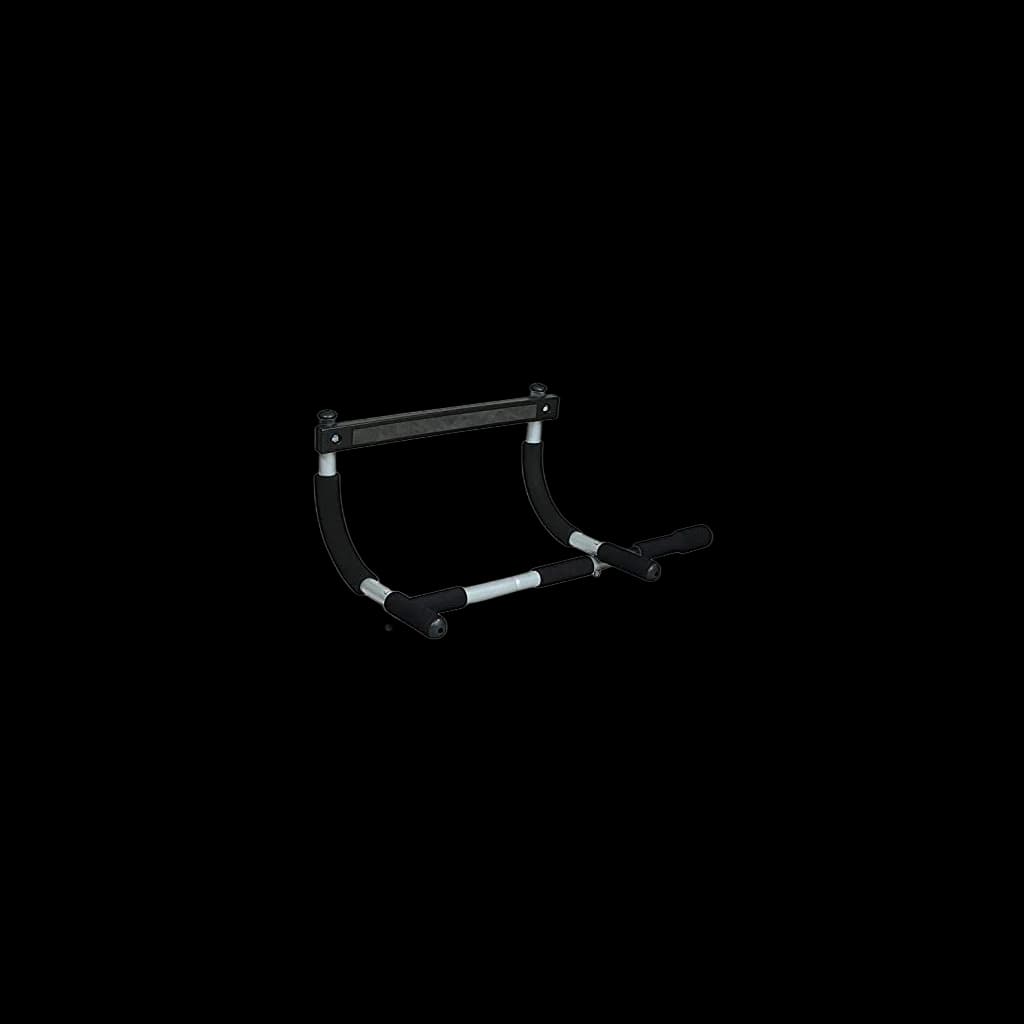 Doorway hook-over — strict reps, solid wood trim only | Owner rating Gym Score 89 | Key specs
| Pros
| Cons
| $47.99 | Buy on Amazon |
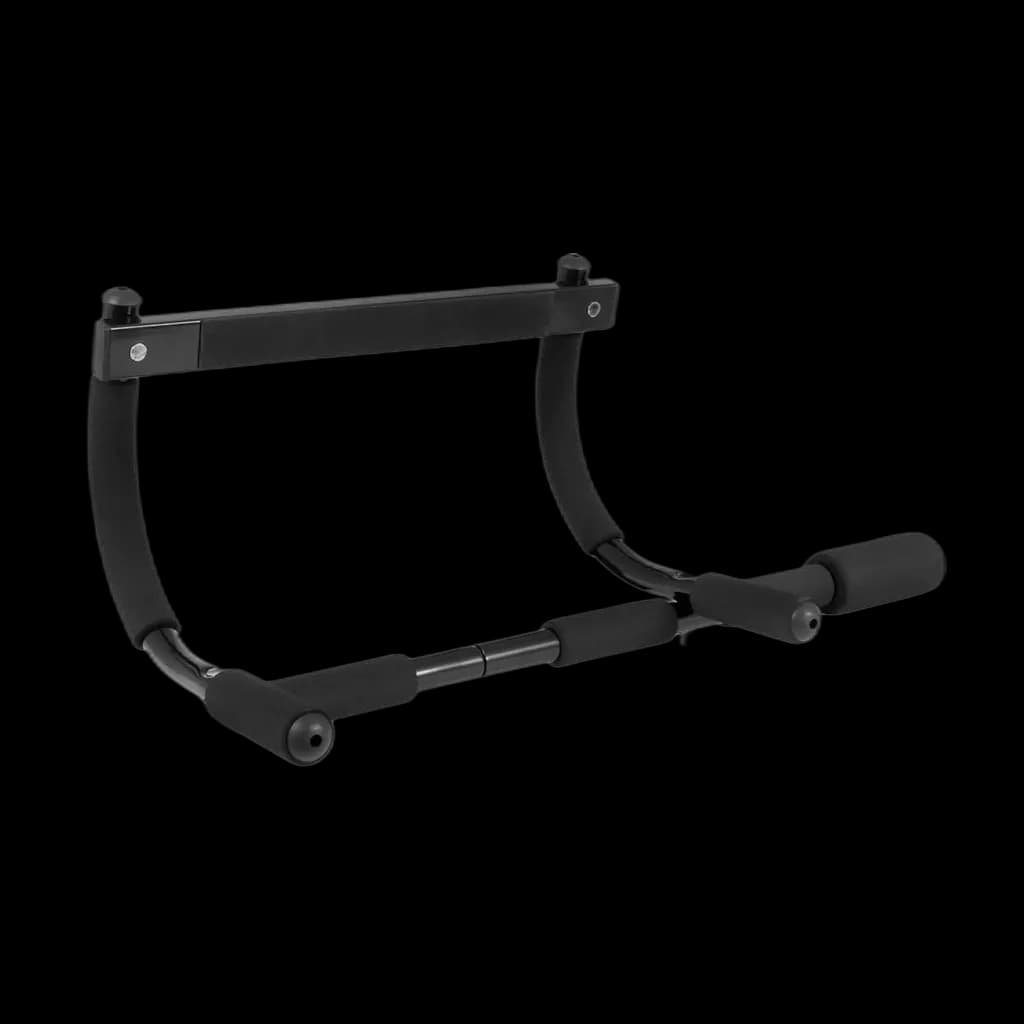 Doorway multi-grip — same rule: measure the opening first | Owner rating Gym Score 88 | Key specs
| Pros
| Cons
| $25.99 | Buy on Amazon |
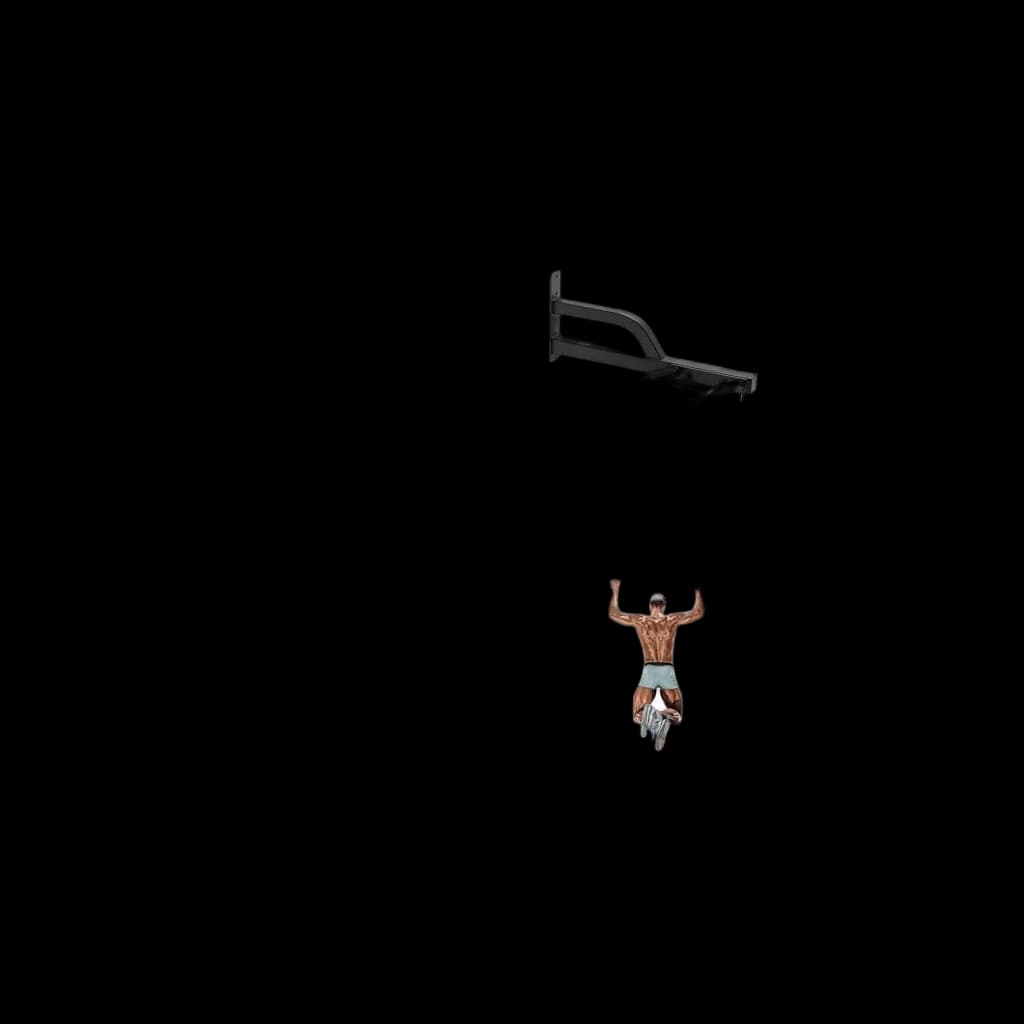 Wall-mount spanning three studs on 16-inch centers | Owner rating Gym Score 96 | Key specs
| Pros
| Cons
| Typical price: | Buy on Amazon |
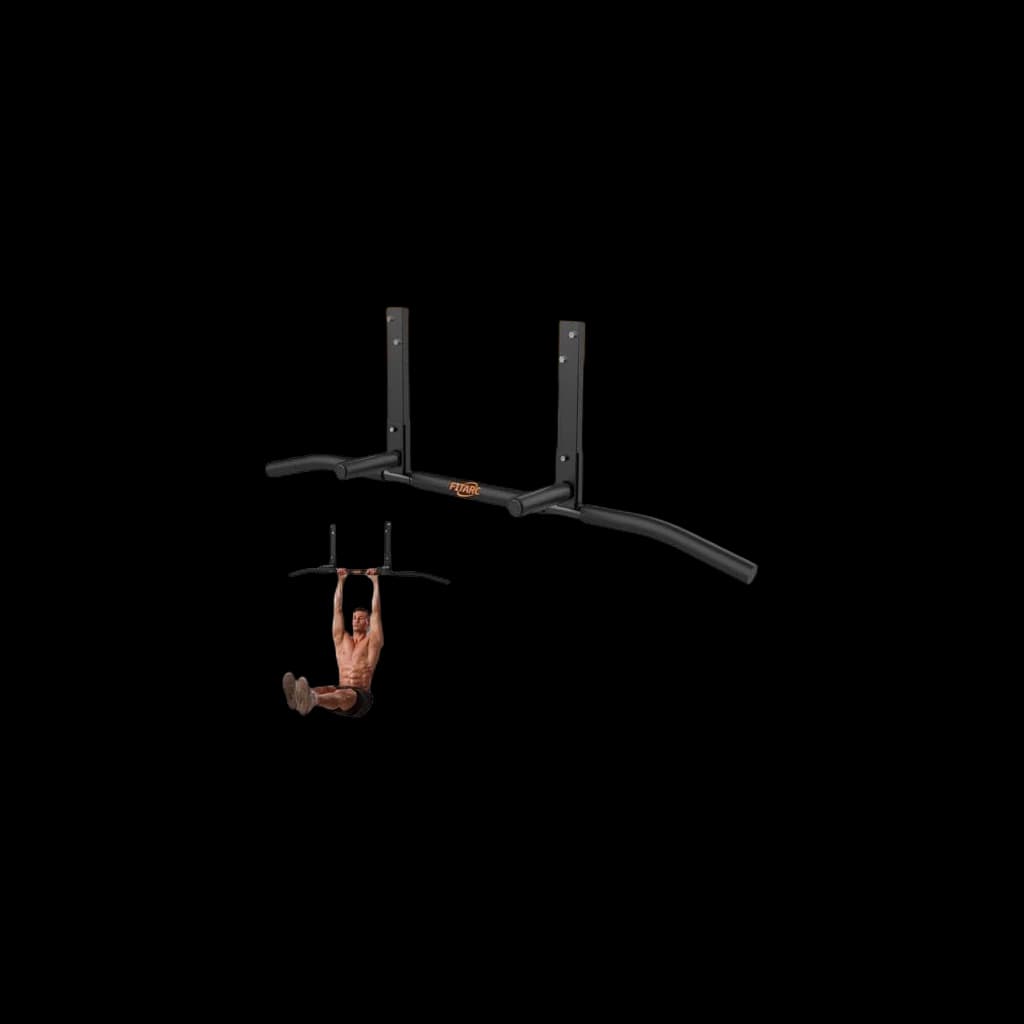 Joist mount — the cleanest install when the span matches | Owner rating Gym Score 91 | Key specs
| Pros
| Cons
| Typical price: | Buy on Amazon |
Amazon prices checked Oct 2, 2026. Amazon prices change often — the listing is authoritative.
What the manufacturers actually specify
Every figure quoted from the maker's own support or installation page, read August 2026. Where a maker names hardware per model, the model is named.
| Source | Spec | Number |
|---|---|---|
| Titan Fitness support (PullUpBarHD) | Recommended lag bolts | 3/8 × 3 in. (one FAQ answer) / 3/8 × 4 in. (another) |
| Titan Fitness support (SMPUB_S) | Wood lag screws into studs; joist span | 3/8 × 3 in.; 50 in. joist span |
| Fringe Sport installation guide | Lags into studs; lags into stringer | 3/8 × 5 in.; ½ × 2 in. |
| Stud Bar installation | Metal studs | ¼ × 4 in. toggle bolts; deep pilot holes, drill-driven |
| Fitbar Strong | Trim thickness | ½ to ¾ in. on most doors |
| Trahere | Dynamic load planning | 1.25–1.5× body weight |
| Perfect Fitness Multi-Gym Pro listing | Door frame fit | Up to 33 in. wide, 6 in. deep |
Which bar, by what you measured
Decide by your situation, not the generic ranking.
| If | You want | Pick |
|---|---|---|
| Renting; strict pull-ups; solid wood casing ½–¾ in. thick | Doorway hook-over bar | Measure jamb to jamb against the listed fit range; inspect trim before every session |
| MDF or thin casing, or any kipping / vest work | Wall-mount into studs | Bracket spacing must land on 16- or 24-in. centers, or add a stringer |
| Open joists in a garage or basement | Joist mount | Bracket span must match the joist span (Titan lists 50 in. for one model) |
| Can't drill and can't trust the trim | Power tower | Moves the load to the floor; check footprint and ceiling height instead |
Four numbers, before any drilling
Every pull-up bar failure we read about comes down to a measurement nobody took. Doorway bars chew through trim that was too thin; wall bars pull out of drywall because the lag went between studs; ceiling bars span joists that were further apart than the bracket. The fix is boring: four measurements, one afternoon, taken before you order.
The four: the door opening (width, and the trim's thickness and depth) for a doorway bar; the stud or joist spacing for a wall or ceiling bar; the lag bolt the manufacturer actually specifies; and your own loaded weight — body plus vest plus the jolt of a kip.
Which two apply depends on which kind of bar you're buying. The spacing and the lag decide a mounted bar. The opening and the trim decide a doorway bar. Your loaded weight decides both.
Measurement 1: the door opening — excluding the trim
A doorway bar hooks over the top casing and presses its bar against the far side of the frame, so two things matter: how wide the opening is, and what the trim is made of. Measure the opening from jamb to jamb and do not include the trim — that's the number the bar's "fits doors X to Y inches" spec is quoting.
- Trim thickness is the distance the casing stands proud of the wall. On most doors it's ½ to ¾ inch. Thicker custom casing can put the hooks at an angle the pads weren't designed for.
- Trim width is the face of the casing. The bar's top pad has to land on it, not hang past it.
- Trim material is the one nobody measures and everyone should. Press a fingernail into it: solid wood holds a dent poorly, MDF holds one easily. MDF casing is the single most common reason a doorway bar "destroys the frame".
Manufacturer fit ranges are concrete — the Perfect Fitness Multi-Gym Pro, for instance, lists door frames up to 33 inches wide and up to 6 inches deep — so the measurement is a pass/fail against the listing, not a judgment call.
Measurement 2: stud or joist spacing — the bracket has to match
A wall-mounted bar is only as strong as the wood behind the drywall. US framing runs on 16-inch or 24-inch centers; the International Residential Code caps utility-grade studs at 16 inches on center. Find the studs with a finder, mark both edges, and measure center to center. Then look at the bar's bracket: its bolt-hole spacing has to land on those centers, or you need a stringer.
| Bar type | What has to line up | The fix when it doesn't |
|---|---|---|
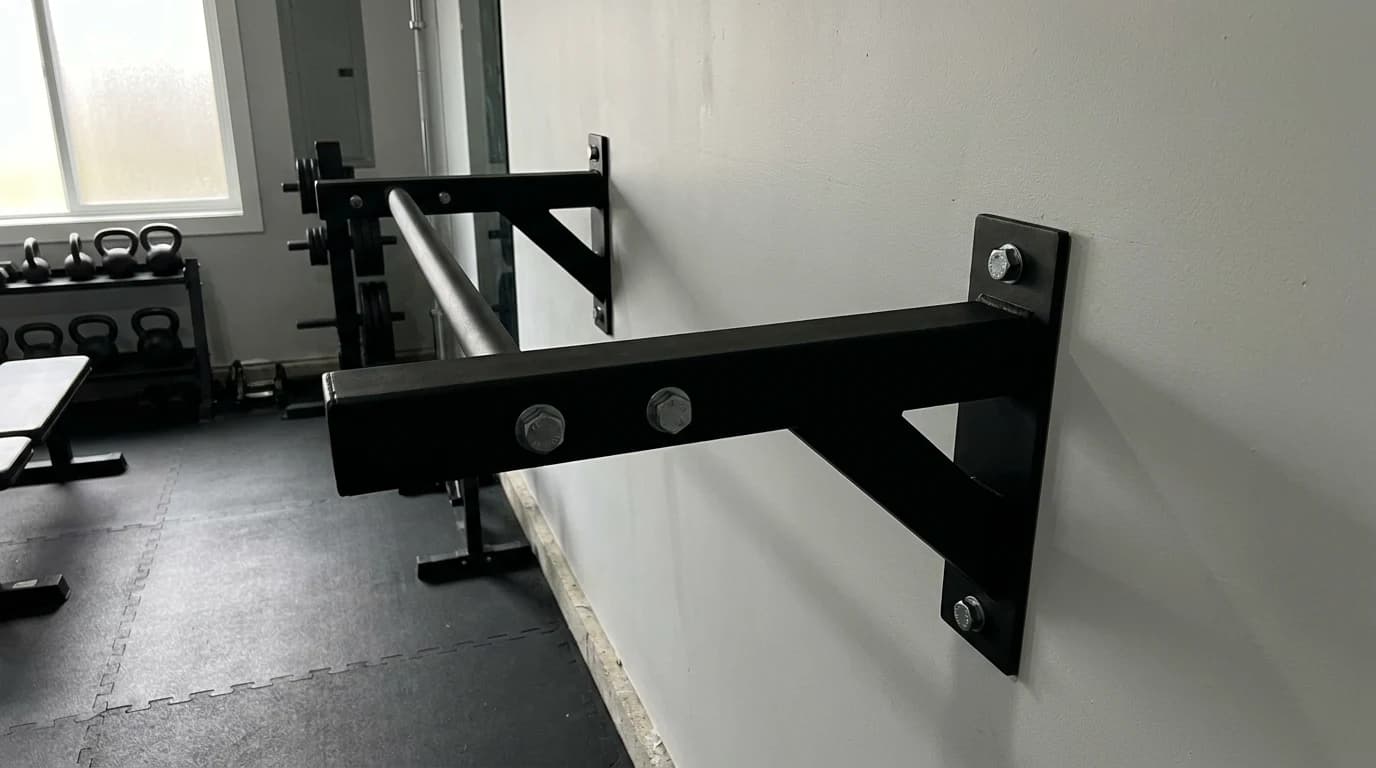
| Wall-mounted, two brackets | Bracket spacing = stud spacing (16 or 24 in.) | A stringer: a 2×6 or 2×8 lagged across several studs, bar lagged into the stringer |
| Ceiling-mounted | Bracket span = joist span | Titan lists a 50-inch joist span requirement for one of its ceiling bars — check yours |
| Metal studs | Lags won't hold | Stud Bar specifies ¼ × 4-inch toggle bolts for metal studs |
| Masonry | Wood lags won't hold | Sleeve or wedge anchors sized by the manufacturer |
Rule of thumb: if you can't put every bolt into solid wood or masonry, you haven't found a mounting spot yet — you've found drywall.
Measurement 3: the lag bolt the manufacturer names
"Lag bolt" is not one thing. The size is the load rating. Titan's support pages name the hardware per model — 3/8 × 3-inch lag bolts for one wall bar, 3/8 × 4-inch for another, 3/8 × 3-inch wood lag screws for a third into studs. Fringe Sport's installation guidance for rigs and bars uses 3/8 × 5-inch lags into the studs and ½ × 2-inch lags to fasten the bar to a stringer, because the stringer is thinner than the stud.
What the manufacturers agree on:
- Drill a pilot hole slightly smaller than the lag's shank. Stud Bar's instructions call for a deep pilot hole specifically, and warn against driving lags by hand with a ratchet — over-torque snaps them.
- Use a washer under every lag head.
- Drive with a drill, stop when it seats. Crushing the wood fibres is how a lag that held on day one loosens by month three.
What they don't: the lag in the box is sometimes for concrete, not wood. Titan's own FAQ says one model ships with concrete anchors and no wood alternative. Check before you're standing on a ladder.
Measurement 4: your loaded weight, not your body weight
The weight limit on the box is a static number. You are not a static load. A dead-hang pull-up is close to your body weight; a kip, a jump to the bar, or a drop from the top spikes it well past. One useful rule from a bar maker: plan dynamic reps as 1.25 to 1.5 times your body weight, then add any vest.
| Bar style | Typical stated rating | What actually fails first |
|---|---|---|
| Doorway hook-over | 250–350 lb | The trim — cracking or compressing under the pads |
| Doorway tension (friction) | 200–300 lb | Slip; friction depends entirely on installation |
| Wall-mounted into studs | 300–600+ lb | The fasteners — a missed stud, the wrong anchor |
| Ceiling-mounted into joists | 300–600+ lb | The joist anchoring, or blocking between joists |
- What actually fixes it: strict reps on a doorway bar; a wall or ceiling mount into studs for anything dynamic; inspecting the trim for dents before every session.
- What people try that doesn't: buying a higher-rated doorway bar for fragile trim — a 400 lb rating does nothing for MDF casing.
Putting the four together
- Renting, strict pull-ups only, solid wood trim: a doorway bar fits. The Iron Gym and the ProsourceFit multi-grip are the two most-bought shapes; measure the opening against their listed range first.
- Own the place, any dynamic work, or a vest: wall-mount into studs. The SELEWARE 48-inch wall bar spans three studs on 16-inch centers.
- Garage or basement with open joists: a joist mount like the Fitarc joist bar — the cleanest install of all, if the joist span matches.
- Can't drill, can't trust the trim: a power tower, which moves the whole problem to the floor — see our pull-up bar picks.
Sources
- Titan Fitness support, Mounted Pullup Bars — hardware and spacing FAQ: per-model lag bolt sizes and a 50-inch joist span requirement.
- Stud Bar, Installation instructions: deep pilot holes, drill-driven lags, toggle bolts for metal studs.
- Fringe Sport, What screws to use to install your pull-up rig or bar: 3/8 × 5-inch lags into studs, ½ × 2-inch into a stringer.
- Fitbar Strong, Measuring a doorway for a pull-up bar: measure the opening excluding trim; trim thickness ½–¾ inch.
- Trahere, Pull-up bar weight limit explained: rating ranges by bar style and the 1.25–1.5× dynamic-load rule.
- International Code Council, 2021 IRC R602.3.1: utility-grade studs not more than 16 inches on center.
- Perfect Fitness Multi-Gym Pro listing: fits door frames up to 33 inches wide and 6 inches deep.
Frequently Asked Questions
Can a doorway pull-up bar damage the door frame?+
Yes — and the trim, not the bar, is what fails. Thin or MDF casing compresses under the pads and cracks. Press a fingernail into the trim: if it dents easily, use a wall-mounted bar instead, or keep to strict reps and inspect the casing before every session.
What size lag bolts for a wall-mounted pull-up bar?+
Use what the manufacturer names for your model. Titan specifies 3/8-inch lags 3 to 4 inches long for its wall bars; Fringe Sport uses 3/8 × 5-inch lags into studs and ½ × 2-inch lags into a stringer. Drill a pilot hole, use a washer, and drive with a drill — don't over-torque by hand.
What if my studs don't line up with the bracket holes?+
Add a stringer: a 2×6 or 2×8 lagged horizontally across two or three studs, with the bar lagged into the stringer. It's the standard fix and stronger than trying to hit two studs with a fixed bracket.
Is a 300 lb weight limit enough if I weigh 200 lb?+
For dead hangs and strict reps, comfortably. For kipping, jumping to the bar or dropping off the top, plan on 1.25 to 1.5 times your body weight — 250 to 300 lb — plus any vest. That's the edge of a doorway bar's rating and well inside a stud-mounted one.
Sources & Research
- Titan Fitness support — Mounted Pullup Bars FAQ — per-model lag bolt sizes (3/8 × 3 in., 3/8 × 4 in.) and a 50-inch joist span requirement
- Stud Bar — Installation instructions — deep pilot holes, drill-driven lags, ¼ × 4-inch toggle bolts for metal studs
- Fringe Sport — What screws to use to install your pull-up rig or bar — 3/8 × 5-inch lags into studs, ½ × 2-inch into a stringer
- Fitbar Strong — Measuring a doorway for a pull-up bar — measure the opening excluding trim; trim thickness ½–¾ inch
- Trahere — Pull-up bar weight limit explained — rating ranges by bar style; plan dynamic reps at 1.25–1.5× body weight
- International Code Council — 2021 IRC R602.3.1 — utility-grade studs not more than 16 inches on center
Related reviews
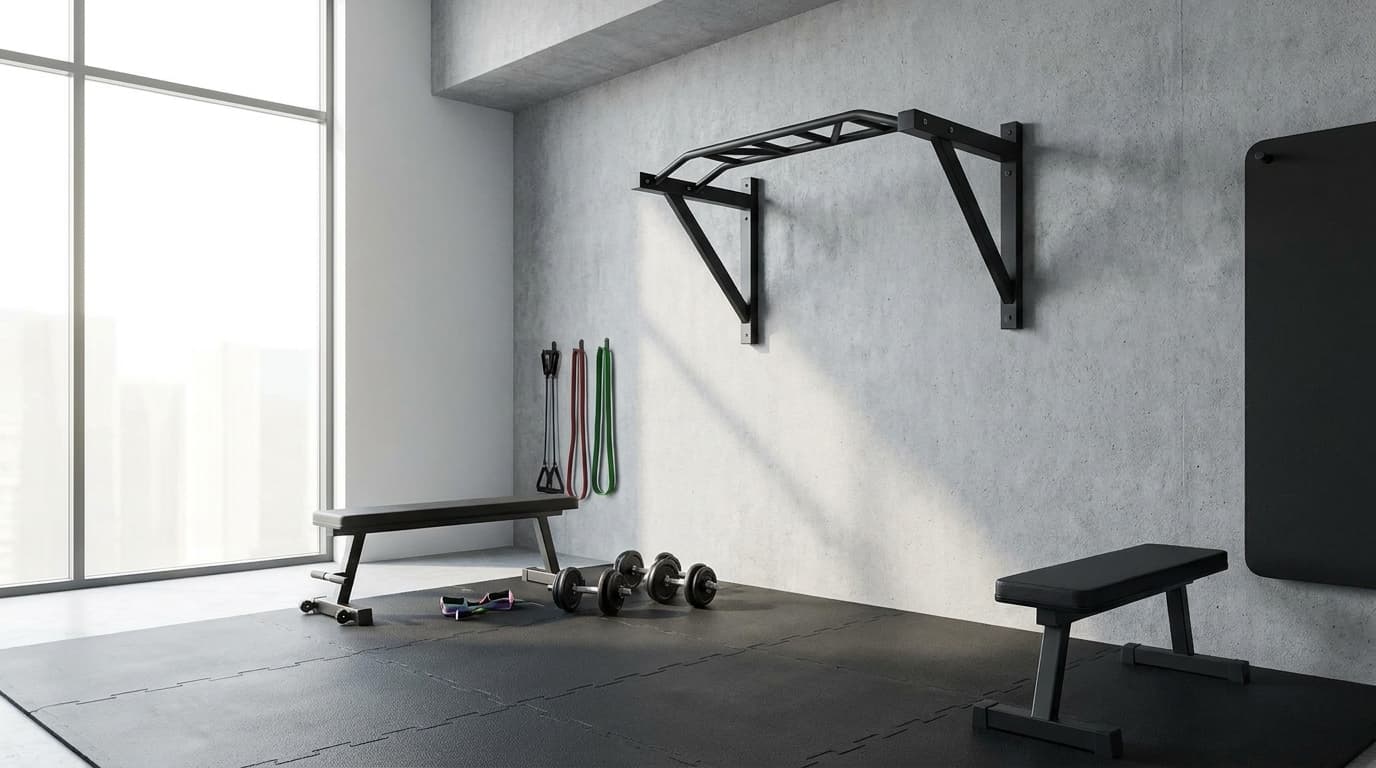
Best Pull-Up Bars for Home Gyms in 2026: Sportsroyals Wins
The Sportsroyals Power Tower is the best freestanding pull-up bar; the SELEWARE 48-inch bar wins wall-mount. Six bars scored on stability, span and install.
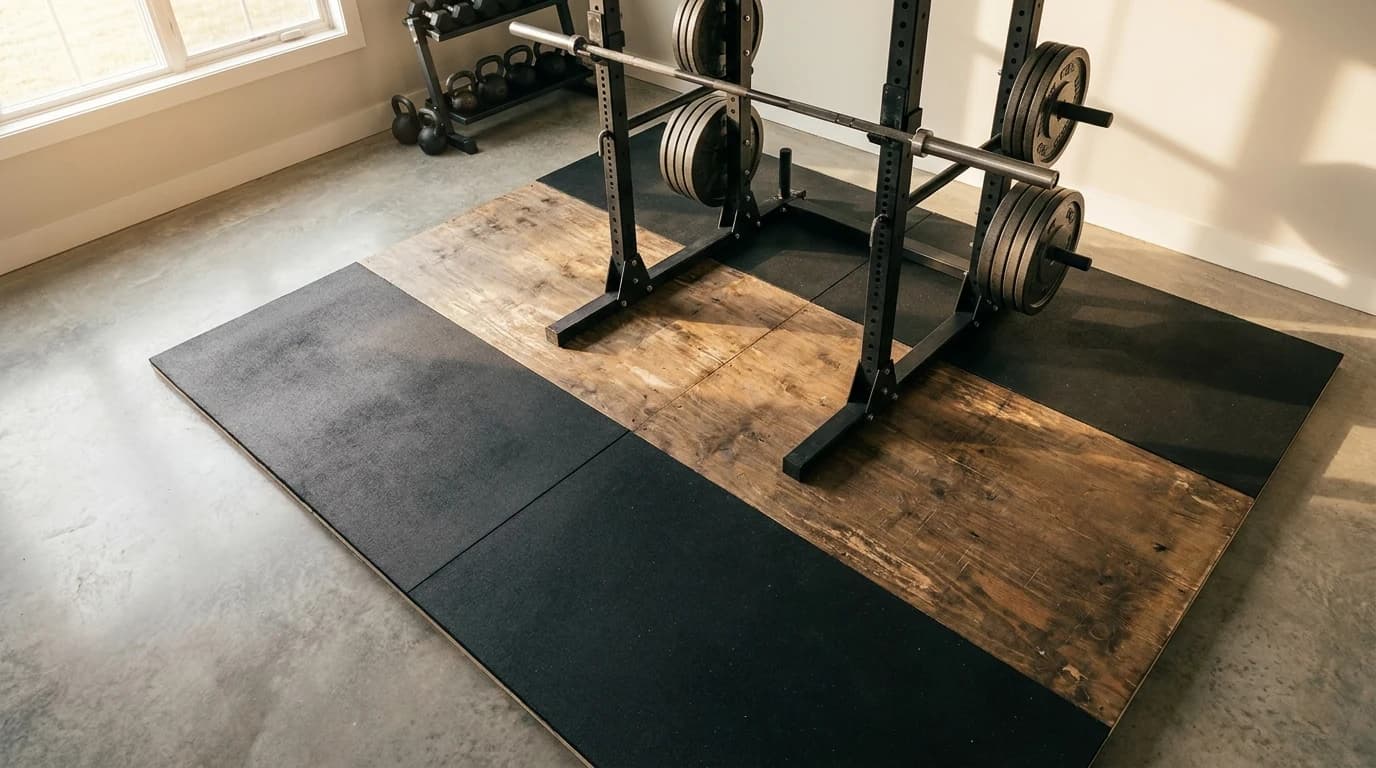
Can Your Floor Handle a Home Gym? The Real Math
Whether your floor can handle a home gym is rarely about total weight - it's load per square foot and dropped weights. The real math by floor type.
Hilly Shore Labs
Editorial teamThe independent product research team behind GymScored. Every recommendation is researched, never hands-on tested — rankings come from manufacturer specifications, published standards, and aggregated buyer sentiment.
161 products scored across 26 home gym categories, each on the same 5-dimension Gym Score formula.
See the scoring methodology and who we are.
Affiliate disclosure: GymScored is a participant in the Amazon Services LLC Associates Program. We earn from qualifying purchases at no extra cost to you. Full disclosure →