Best Pull-Up Bars for Home Gyms in 2026: Sportsroyals Wins
The Sportsroyals Power Tower is the best freestanding pull-up bar; the SELEWARE 48-inch bar wins wall-mount. Six bars scored on stability, span and install.
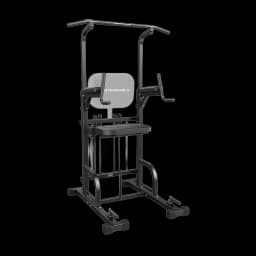
- 450 lb capacity handles weighted pull-ups and dips
- 8 height adjustments fit users 5'2"-6'8"
- Multiple stations: pull-up, dip, knee raise, push-up
Evidence snapshot · Updated September 1, 2026
The evidence-backed answer
Sportsroyals Power Tower is our default pick for the scope of this guide: Pull-up, dip, leg-raise and push-up stations in one freestanding frame, stable through normal use without bolting to anything.
Scope: 4 shortlisted products compared using published specifications, owner-feedback signals, value and category-specific performance. The matched catalog records represent 22,103 owner ratings. This is research synthesis, not hands-on testing.
| Product | Rating | Current price context |
|---|---|---|
| Sportsroyals Power Tower | 4.5/5 | $279.96 |
| Stamina Full Body Power Tower 735 | 4.5/5 | $272.04 |
| SELEWARE 48in Multi-Grip Wall Pull Up Bar | 5.0/5 | $119.99 |
| Fitarc Joist Mount Pull Up Bar | 4.6/5 | $39.99 |
How GymScored is paid: Amazon Associates commission plus brand-direct affiliate (Rogue / REP / Titan when approved). No sponsored placements, no paid reviews, no pay-to-rank. Picks are ranked by the Gym Score formula and nothing else. Read the full disclosure.
Sportsroyals Power Tower if you have floor space. SELEWARE 48-inch if you can drill a wall and want a true wide grip. Fitarc joist mount if you have exposed joists. Doorway bars are short-term tools.
| Product | Rating | Pros | Cons | Price | |
|---|---|---|---|---|---|
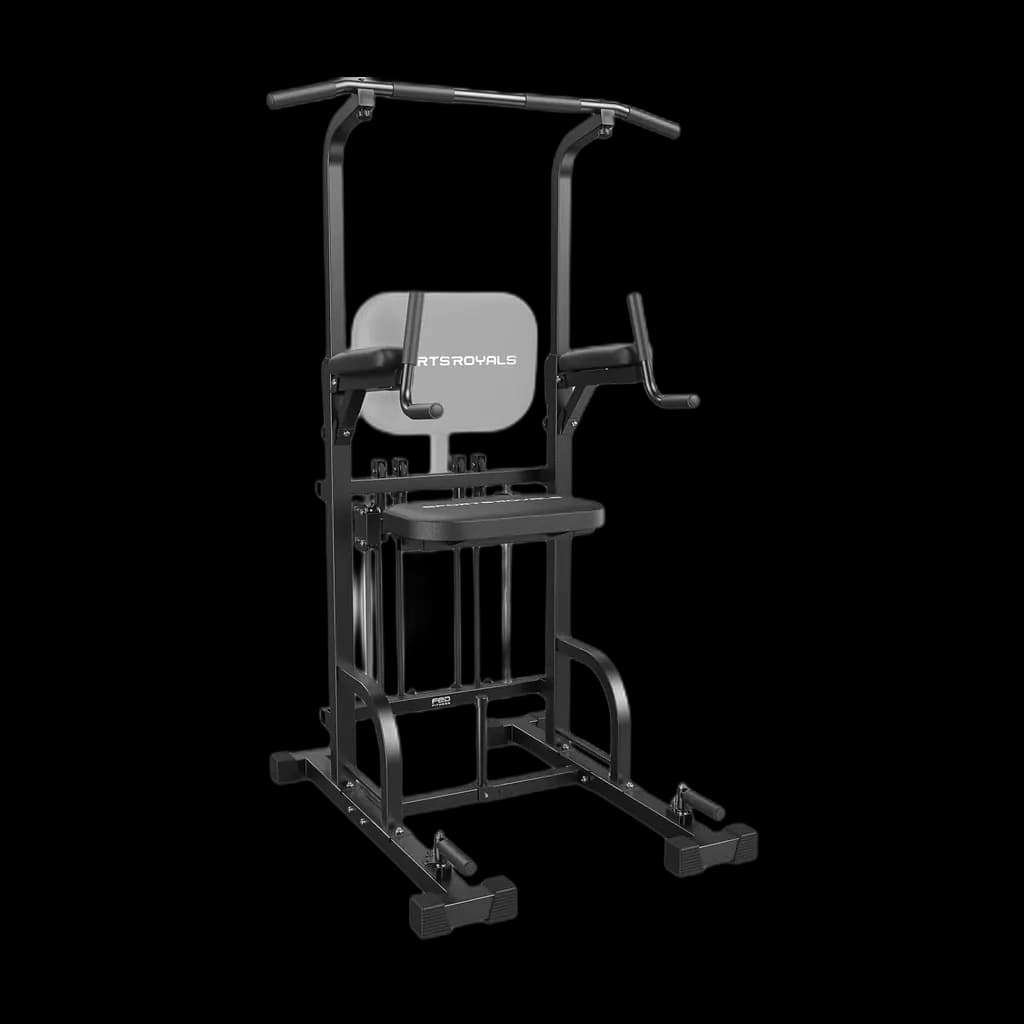 The default freestanding tower. Pull-up plus dip plus leg raise plus push-up in one unit. ↑ Sturdiness↑ Assembly↓ Missing PartsBased on 4,291 buyer mentions | 4.5 Gym Score 90 | Pros
| Cons
| $279.96 | Buy on Amazon |
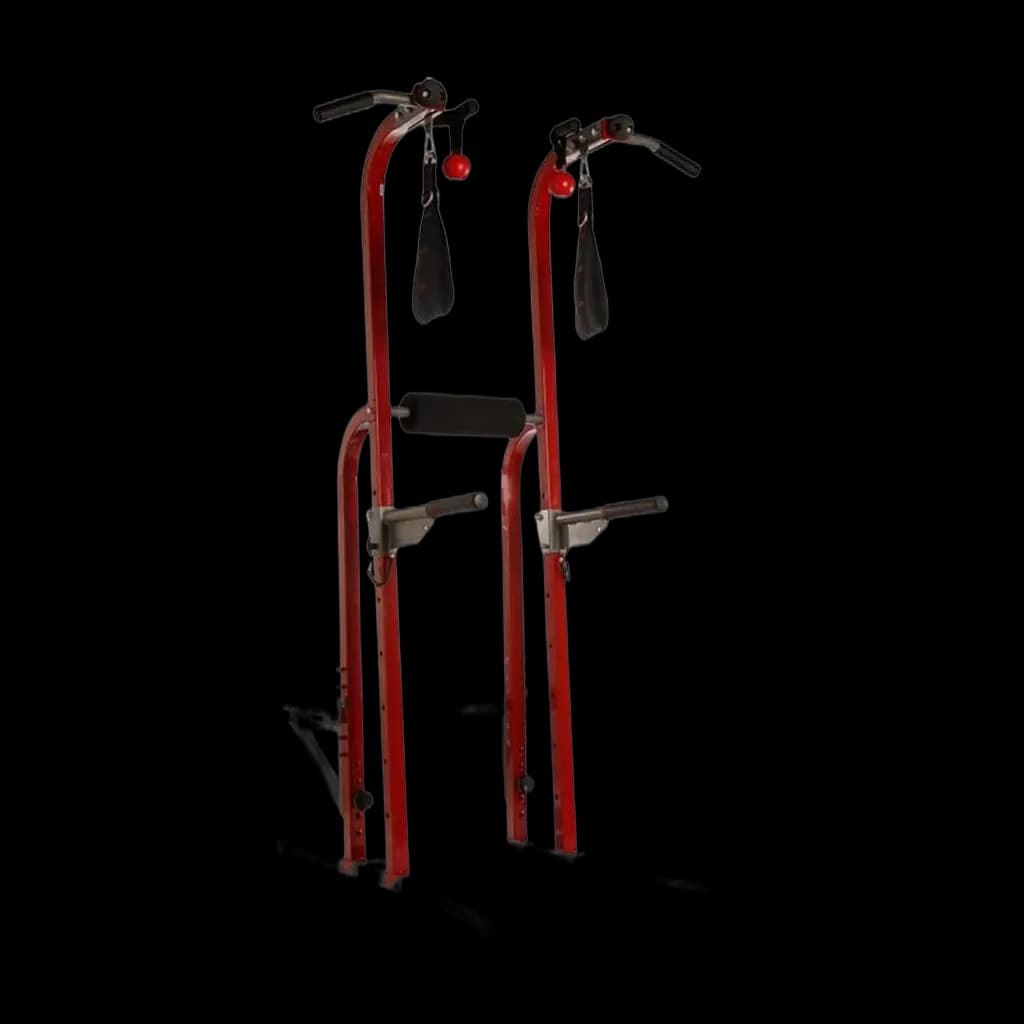 Steel power tower with a built-in bench and rack plus a guided smart workout app. | 4.5 Gym Score 89 | Pros
| Cons
| $272.04 | Buy on Amazon |
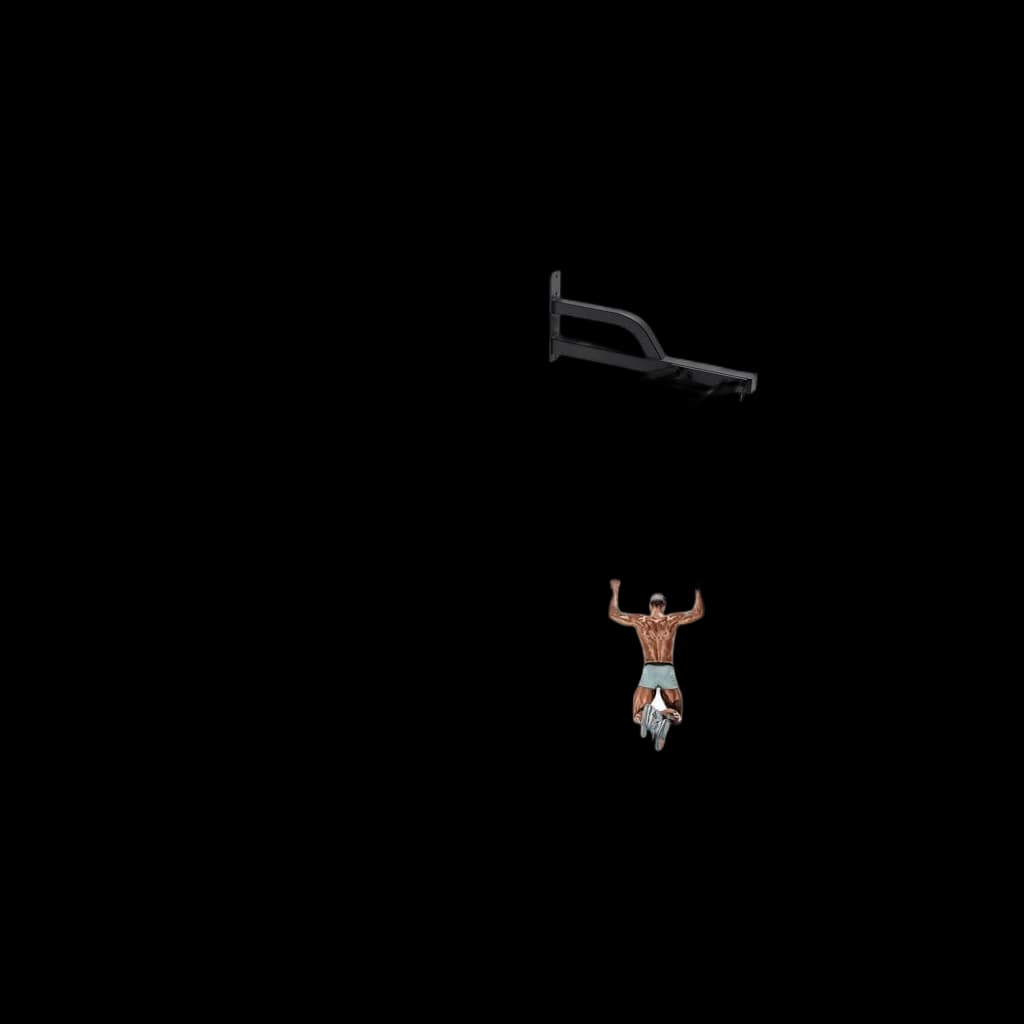 The widest bar here at 48 inches, which is what makes wide-grip pull-ups possible — a doorway bar physically cannot give you that span. | 5.0 Gym Score 96 | Pros
| Cons
| $119.99 | Buy on Amazon |
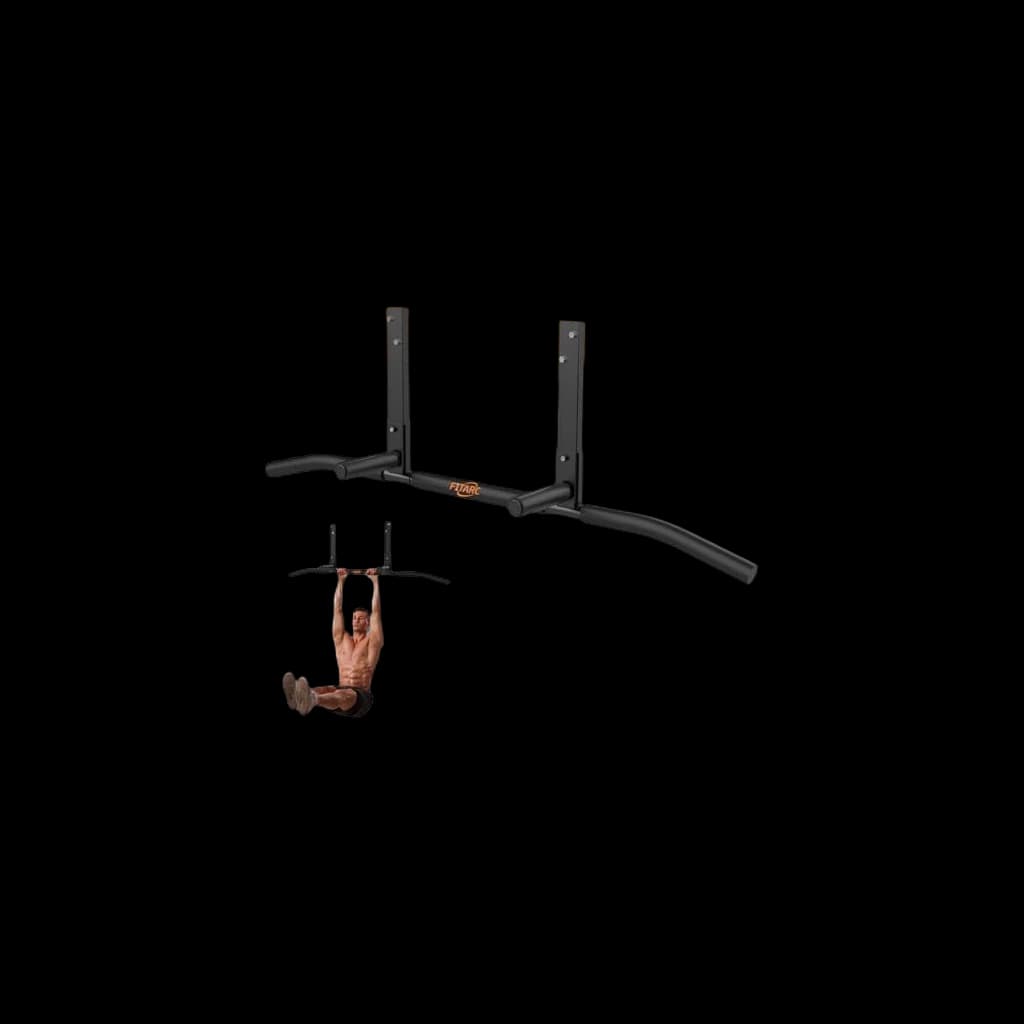 The fix for the doorway bar's real problem: doorway bars limit how tall you can be and how hard you can kip. A joist mount bolts to the structure, and Fitarc state a 440 lb capacity. | 4.6 Gym Score 91 | Pros
| Cons
| $39.99 | Buy on Amazon |
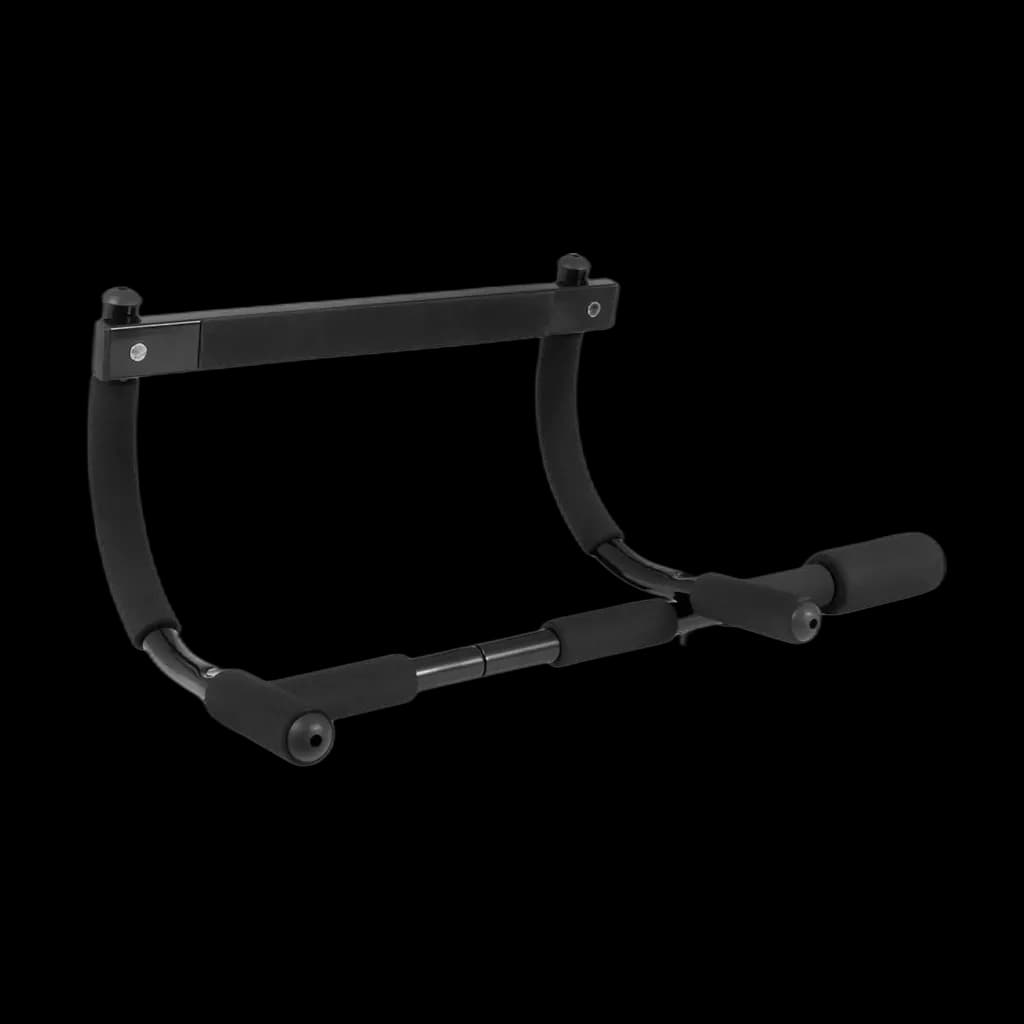 The multi-grip doorway bar, listed by ProsourceFit as the Multi-Grip Lite. The layout includes parallel grips the Iron Gym lacks, which allows neutral-grip pull-ups — easier on the shoulders for many lifters. 300 lb rated, fits 24 to 36 inch doorways. Same caveat as any leverage-mount bar: fine for lighter users in homes with hardwood trim, sketchy in apartments with composite trim. ↑ Assembly↑ Functionality↓ FitBased on 1,190 buyer mentions | 4.4 Gym Score 88 | Pros
| Cons
| $25.99 | Buy on Amazon |
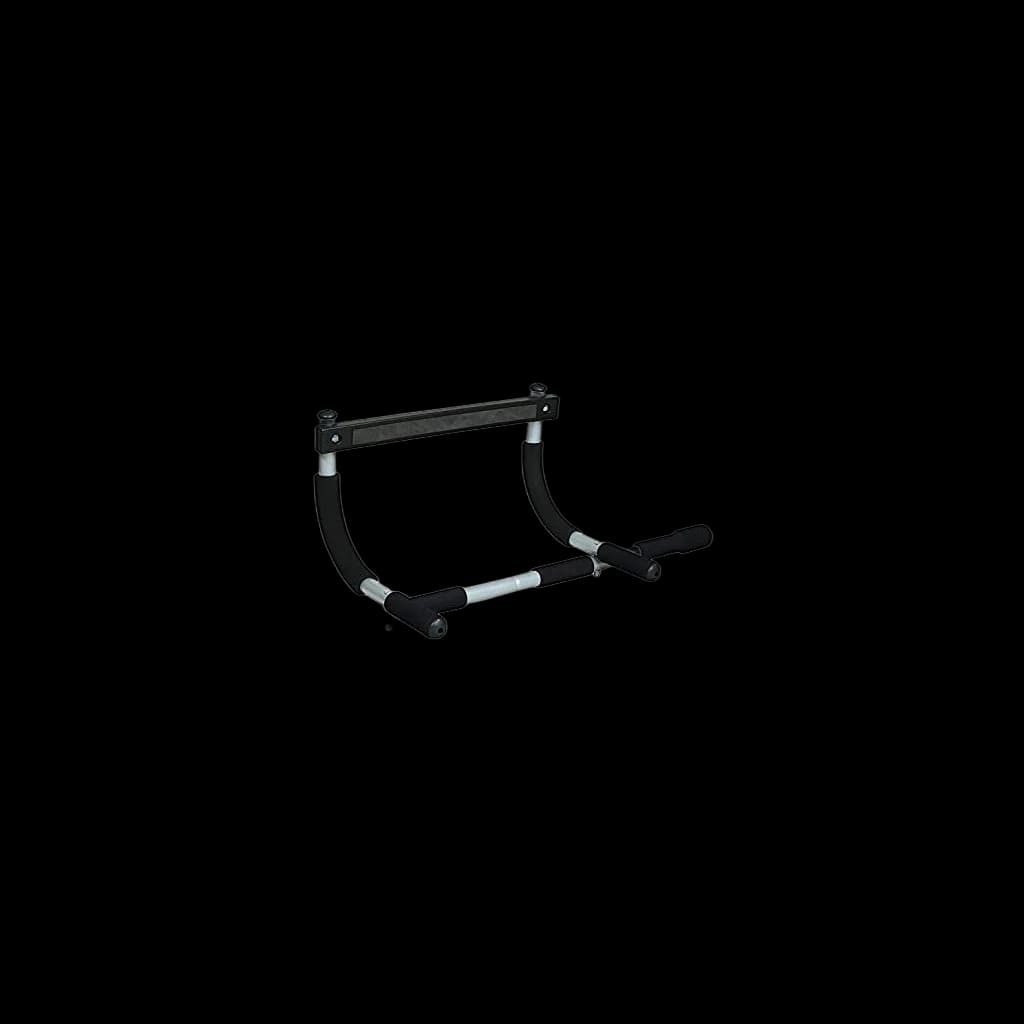 The original doorway pull-up bar, and it is back to a live listing as of this page's verification date. Three grip positions, 300 lb rated, fits doorways 24 to 32 inches. The leverage design locks tighter the more weight you put on it. Foam grips wear out in one to two years and hard kipping can crack door trim. ↑ Quality↑ AssemblyBased on 8,132 buyer mentions | 4.4 Gym Score 89 | Pros
| Cons
| $47.99 | Buy on Amazon |
Amazon prices checked Sep 12, 2026. Amazon prices change often — the listing is authoritative.
Pull-up bar spec comparison
Mount type, stated capacity and grip options as the manufacturers state them. Listings and prices re-verified 2026-09-01.
| Product | Mount type | Stated capacity | Grip options | Leaves marks? |
|---|---|---|---|---|
| Sportsroyals Power Tower | Freestanding | 330 lb | Pull-up, chin-up, dip, leg raise | No |
| Stamina Full Body Power Tower 735 | Freestanding | 250 lb | Pull-up, chin-up, dip, knee raise, bench | No |
| SELEWARE 48in Multi-Grip Wall Pull Up Bar | Wall-mount | Not published | Multi-position across a 48-inch span | Four bolt holes |
| Fitarc Joist Mount Pull Up Bar | Joist mount | 440 lb | Pull-up, chin-up | Permanent, drilled |
| ProsourceFit Multi-Grip Pull-Up Bar | Doorway leverage | 300 lb | Wide, narrow, neutral, parallel | Foam scuffs above the frame |
| Iron Gym Total Upper Body Workout Bar | Doorway leverage | 300 lb | Wide, narrow, neutral | Foam scuffs above the frame |
Pick by situation
Decide by your situation, not the generic ranking.
| If | You want | Pick |
|---|---|---|
| Renters who cannot drill | Lighter users doing strict pull-ups in a rental or dorm | ProsourceFit Multi-Grip Pull-Up Bar |
| Floor space, no drilling | Buyers who want dips and leg raises alongside pull-ups in one frame | Sportsroyals Power Tower |
| Can drill, want a true wide grip | Homeowners who want a span a doorway physically cannot give them | SELEWARE 48in Multi-Grip Wall Pull Up Bar |
TL;DR — should you read this?
- Buy the Sportsroyals Power Tower if you want pull-ups, dips, leg raises and push-up handles in one freestanding unit. Most home buyers fall into this bucket.
- If you can drill, the SELEWARE 48-inch wall bar buys you the one thing a doorway physically cannot: a true wide grip.
- If you have exposed joists, the Fitarc joist mount is the cheapest permanent bar here and Fitarc state a 440 lb capacity.
- Avoid pressure-mount doorway bars if you weigh over 220 lb, kip, or do weighted pull-ups. The drywall above a standard door frame fails long before the bar does.
Our pick
Pull-up, dip, leg-raise and push-up stations in one freestanding frame, stable through normal use without bolting to anything.
Our picks at a glance
| Pick | Who it is for | Key spec | Price |
|---|---|---|---|
| Sportsroyals Power Tower — best overall | Floor space, no drilling, wants dips too | Freestanding; 330 lb stated; 4 stations | $279.96 |
| Stamina Full Body 735 — best combo | Wants a bench and rack in the same frame | Freestanding; 250 lb stated; bench + rack | $272.04 |
| SELEWARE 48in Wall Bar — best wall-mount | Homeowners who want a true wide grip | 48-inch span; multi-position grips | $119.99 |
| Fitarc Joist Mount — best permanent budget | Garages and basements with exposed joists | 440 lb stated capacity; joist mount | $39.99 |
| ProsourceFit Multi-Grip — best doorway | Renters under about 200 lb | Doorway leverage; 300 lb stated; 24-36 in | $25.99 |
| Iron Gym Total Upper Body — classic doorway | Renters who want three grips and no drilling | Doorway leverage; 300 lb stated; 24-32 in | $47.99 |
Picks and prices verified 2026-09-01 — all six resolved to live, in-stock listings, including the Iron Gym bar, which was unavailable at the previous check.
What separates good from bad in this category
Three specs matter and the rest is noise:
- Stated load rating is the manufacturer's claim. Sportsroyals lists 330 lb, Fitarc lists 440 lb, and doorway bars list 300 lb on the box but slip on drywall well before that.
- Install method decides whether you can do weighted pull-ups or kipping work. Pressure-mount bars are stable enough for strict pull-ups but slide under sudden load.
- Grip span and variety determine which pulling muscles you actually train — palms-forward emphasises the lats, neutral grip emphasises the brachialis and biceps, and a wide grip needs a span no doorway can offer.
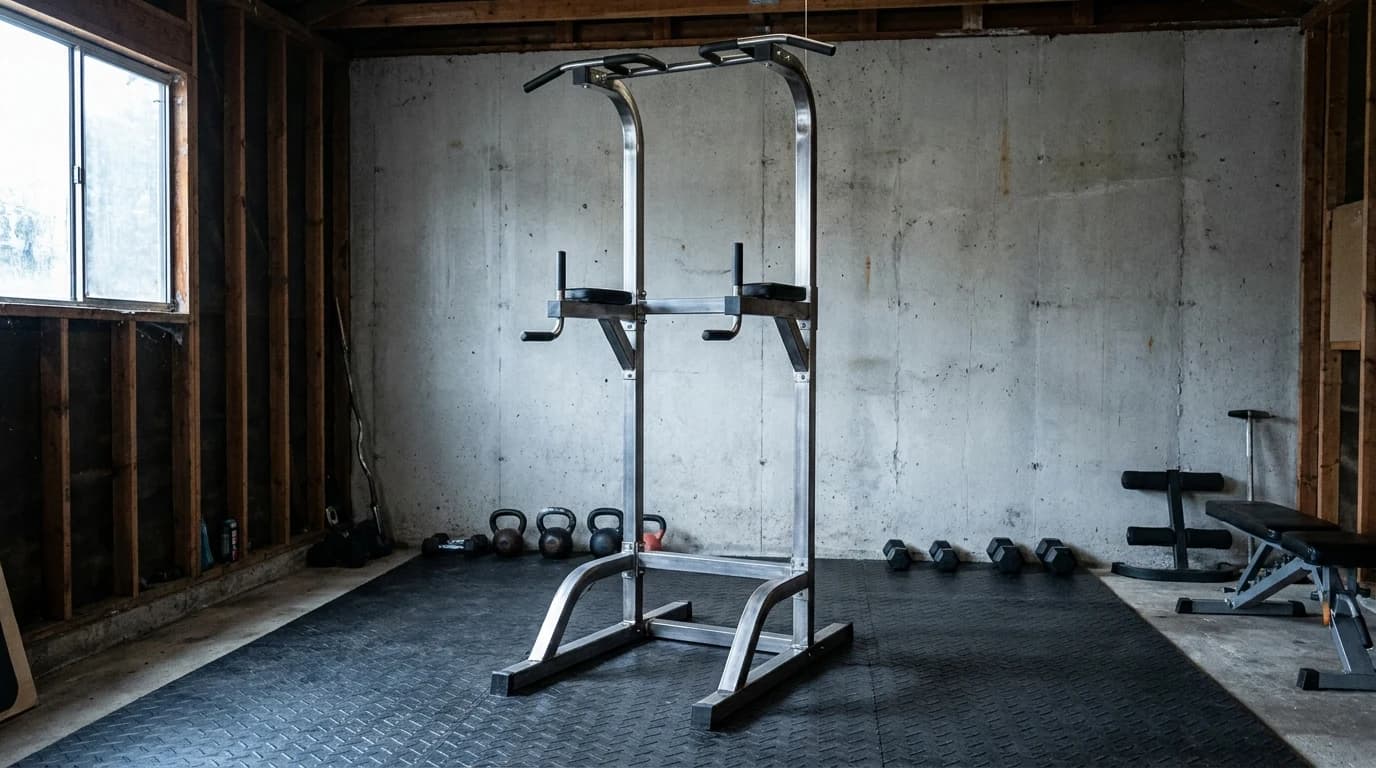
The doorway-bar failure mode, explained
Leverage-style bars wedge between the frame and the wall above, and the wall above a standard interior door is half-inch gypsum over studs. The bar's foam-padded contact pad concentrates force on a narrow strip of that drywall.
The trap: light users will not see issues. Anyone over about 200 lb sees paint smudges, then drywall dents, then surface failure within a year. No door-frame standard vouches for these.
Go wall-mount, joist-mount or freestanding if:
- You weigh more than 220 lb, kip, or do weighted pull-ups
- You want the bar to survive a full band-assisted-to-weighted progression
- You own the space, or can patch four bolt holes when you leave
A doorway bar is fine if:
- You are under about 200 lb and doing strict pull-ups only
- You are in a dorm or a short rental and cannot drill
- You accept replacing it in 12 to 18 months
Span is the spec nobody compares
Every doorway bar is limited to the width of your door frame, which is why "wide grip" on a doorway bar means shoulder-width-plus-a-bit. A 48-inch wall bar changes which exercises are available to you, not just how comfortable they are. That is the strongest argument for drilling.
The NSCA's pull-up progression guidance treats the pull-up as a non-negotiable upper-body pull pattern, with progressions from band-assisted to weighted. Whatever bar you buy needs to survive that progression — which is where doorway bars typically fail.
The picks, ranked
1. Sportsroyals Power Tower — $279.96 — Best for most home buyers
Pull-up, chin-up, dip, leg-raise and push-up stations in one freestanding four-foot footprint, stable through normal use without bolting to anything. Sportsroyals state a 330 lb capacity and an adjustable 71 to 93 inch height. The padded armrests wear in three to five years; the steel frame outlives them. Cons: the footprint, and assembly instructions owners consistently call frustrating.
2. Stamina Full Body Power Tower 735 — $272.04 — Best for combo training
The Sportsroyals' category with a built-in bench and rack added, so it covers pressing and rowing without a separate bench, plus Stamina's guided workout app. The tradeoff is a larger footprint, a longer assembly and a lower stated capacity of 250 lb.
3. SELEWARE 48in Multi-Grip Wall Pull Up Bar — $119.99 — Best wall-mount
The widest bar here at 48 inches, which is what makes a true wide-grip pull-up possible — a doorway bar cannot give you that span. Multiple grip positions, and wall mounting removes the door-frame stress that limits every doorway option. You need a solid wall, the right fixings, and a tolerance for bolt holes.
4. Fitarc Joist Mount Pull Up Bar — $39.99 — Best permanent budget bar
The fix for the doorway bar's real problem. A joist mount bolts into structural timber, so there is no doorway width limit and no drywall to fail; Fitarc state a 440 lb capacity, which is the highest number on this page. It costs less than most wall-mounted bars. The catch is that it is permanent and needs exposed or locatable joists.
5. ProsourceFit Multi-Grip Pull-Up Bar — $25.99 — Best doorway pick
Listed by ProsourceFit as the Multi-Grip Lite. Neutral and parallel grips the Iron Gym does not have, a 300 lb stated rating, and a fit for doorways 24 to 36 inches — wider than most. Installs in seconds and leaves no permanent damage in a healthy frame. All the standard drywall caveats apply.
6. Iron Gym Total Upper Body Workout Bar — $47.99 — The classic, back in stock
Three grip positions, a 300 lb stated rating, doorways 24 to 32 inches, and a leverage design that locks tighter under load. It was unavailable at our previous check and is live again as of 2026-09-01. Foam grips wear out in a year or two and hard kipping can crack trim, but for renters it still works.
The premium wall-mount alternative: the Rogue Jammer is $150 direct from Rogue and mounts to wood studs with six lag bolts. Note that its bar sits about 7 inches out from the wall — generous for strict work, tighter than people assume for kipping. Rogue publishes the full specification on its own product page.
What the research actually says
- Pull-up volume drives upper-back development. The NSCA frames the pull-up as a foundational pulling movement with band-assisted, eccentric and weighted progressions. Source: NSCA Kinetic Select.
- Muscle-strengthening twice weekly is the floor, not the ceiling. The CDC calls for muscle-strengthening activities involving all major muscle groups on two or more days per week. Source: CDC Physical Activity Basics — Adults.
- Bodyweight pulling carries over to barbell pulling, but only partly. Pull-ups train the same musculature as the barbell row in a different force vector; lifters who only pull vertically plateau on horizontal rowing. Source: ACE Fitness expert articles.
- Aerobic and resistance training are not interchangeable. The AHA separates the two and counts both. A pull-up bar covers the strength side; it does not cover the aerobic target. Source: AHA Recommendations.
What the research does not support: that passive hangs meaningfully improve shoulder mobility or decompress the spine. Hang because it builds grip and warms the lats, not for the posture claims.
What to skip
- Pressure-mount doorway bars if you weigh more than 220 lb. The drywall is the failure point, not the bar.
- Cheap power towers under $150. Lateral stability comes from base width and steel gauge; the cheapest towers compromise both, walk across the floor under load, and tear leg-raise pads within a year.
- Ceiling-mount bars in residential drywall ceilings. Unless you hit a joist directly, the drywall fails under shock load — which is exactly what a joist mount solves.
- Bars marketed as no-drilling, no-damage at premium prices. If it does not bolt in, you are paying extra for a doorway bar with a different sticker.
How to actually use this
- Renter who cannot drill. A ProsourceFit or Iron Gym doorway bar; replace it when the foam wears.
- Floor space, no drilling. The Sportsroyals Power Tower, or the Stamina 735 if you also want a bench.
- Homeowner committing to a lifetime piece. SELEWARE for span, Fitarc for the cheapest permanent option, Rogue Jammer for the premium version.
- Space planning. A tower needs a five-by-five-foot footprint and seven feet of clearance; a wall bar needs about two feet of pull-back room behind your head. Measure first.
- Grip variety beats station count. Pull-up, chin-up and neutral grip beats a six-station tower with two.
How we chose / methodology
We weighted stated load rating (30%), install method and stability (25%), grip variety and span (20%), component durability from owner-reported failure timelines (15%), and price per feature (10%). The full rubric is on the /methodology page. Rankings come from manufacturer spec sheets, owner-reported failure patterns on r/homegym and r/bodyweightfitness, and NSCA and CDC pulling-movement guidance. We do not load-test bars ourselves. Listings and prices re-verified 2026-09-01.
Frequently Asked Questions
Doorway bar or wall-mount?+
If you can drill into studs, wall-mount is the no-regret pick. Doorway bars are fine for renters under 220 lb who only do basic pull-ups.
Is a power tower better than a wall-mount bar?+
Different tools. Power towers add dips and leg raises in one unit. Wall-mount bars are sturdier for kipping and weighted pull-ups. If you do dips, tower. If you don't, wall-mount.
Will a doorway pull-up bar damage my door frame?+
Healthy hardwood frames usually survive light use under 200 lb. Drywall above the frame is the failure point — paint smudges first, then dents, then surface failure. If you weigh over 220 lb or kip, choose a freestanding tower or wall-mount instead.
How much overhead clearance do I need for a power tower?+
Plan for 7 feet of vertical clearance for the tower itself plus 6–8 inches above your fully extended arms at the top of the pull-up. Most standard 8-foot residential ceilings work; basements with ductwork often don't.
Can I bolt a wall-mount bar into a brick or concrete wall?+
Yes, but use the right anchors — wedge anchors or sleeve anchors rated for the load, not standard plastic drywall anchors. Brick veneer over wood framing is not the same as solid masonry; if you're unsure, bolt into the wood studs behind.
Which pull-up bars on this page can I actually buy today?+
All six. Every bar in the table resolved to a live, in-stock listing when this page was verified on 2026-09-01, including the Iron Gym doorway bar, which had been unavailable at the previous check.
Sources & Research
- NSCA — NSCA Kinetic Select — pull-up progressionsauthority
- ACE Fitness — ACE Fitness — expert articles on resistance trainingauthority
- American Heart Association — AHA recommendations for physical activity in adultsauthority
- CDC — Physical Activity Basics — Adultsauthority
- Rogue Fitness — Rogue Jammer Pull-Up Bar — manufacturer specifications and pricestandard
- r/bodyweightfitness — r/bodyweightfitness — community pull-up bar threadscommunity
Related reviews
Best Power Racks for a Home Gym in 2026
The Rep PR-4000 is the best home gym power rack of 2026 at under $900. We scored 12 racks on build quality and footprint; Rogue R-4 is the lifetime pick.

Best Resistance Bands for Home Gyms in 2026: Bodylastics Wins
Bodylastics wins best resistance bands for home gyms with its stackable tube system; Rogue Echo tops premium loops. Seven systems scored on durability.
How to Build a Home Gym on Any Budget
Five complete home gym builds at $500, $1,500, $3,500, $7,500, and $15,000 - what to buy first, what to add later, and what to skip at every budget level.
Hilly Shore Labs
Editorial teamThe independent product research team behind GymScored. Every recommendation is researched, never hands-on tested — rankings come from manufacturer specifications, published standards, and aggregated buyer sentiment.
163 products scored across 26 home gym categories, each on the same 5-dimension Gym Score formula.
See the scoring methodology and who we are.
Affiliate disclosure: GymScored is a participant in the Amazon Services LLC Associates Program. We earn from qualifying purchases at no extra cost to you. Full disclosure →