How Many Calories Does a Walking Pad Burn? The Real Math
A 13-study meta-analysis puts a walking pad at about 105 extra calories an hour over sitting. Here is the MET math by speed and body weight, and what the research doesn't show.
About 105 extra calories an hour over sitting — the pooled result of thirteen treadmill-desk studies (351 adults) in a 2021 BMC Public Health meta-analysis. The MET tables agree: at a typing pace of 1.5–2 mph an average adult adds roughly 70–120 kcal/h; at 2.5 mph about 115–160; at 3 mph you're exercising, not working, at 170–240. The total is set by hours on the belt, not by speed.
How GymScored is paid: Amazon Associates commission plus brand-direct affiliate (Rogue / REP / Titan when approved). No sponsored placements, no paid reviews, no pay-to-rank. Picks are ranked by the Gym Score formula and nothing else. Read the full disclosure.
About 100 extra calories an hour at typing speed — measured across thirteen studies — and the day's total is set by hours on the belt, not speed.
Calculator
Your walking pad calories, from the same MET table
Enter your weight, belt speed and time. The result uses the Compendium rows cited on this page and the rule that one MET is roughly 1 kcal per kg of body weight per hour.
Extra over sitting (net)
~122 kcal
Total while walking (gross)
~229 kcal
Sitting, same time
~106 kcal
kcal = MET × 81.6 kg × 1.00 h. Net uses (2.8 − 1.3) METs, the pad's cost over sitting at a computer (row 11582). Gross is what a pad display or fitness app usually shows.
An estimate for an average adult, not a measurement. Individual burn varies with fitness, stride and how much you hold on.
| Product | Owner rating | Key specs | Pros | Cons | Price | Buy |
|---|---|---|---|---|---|---|
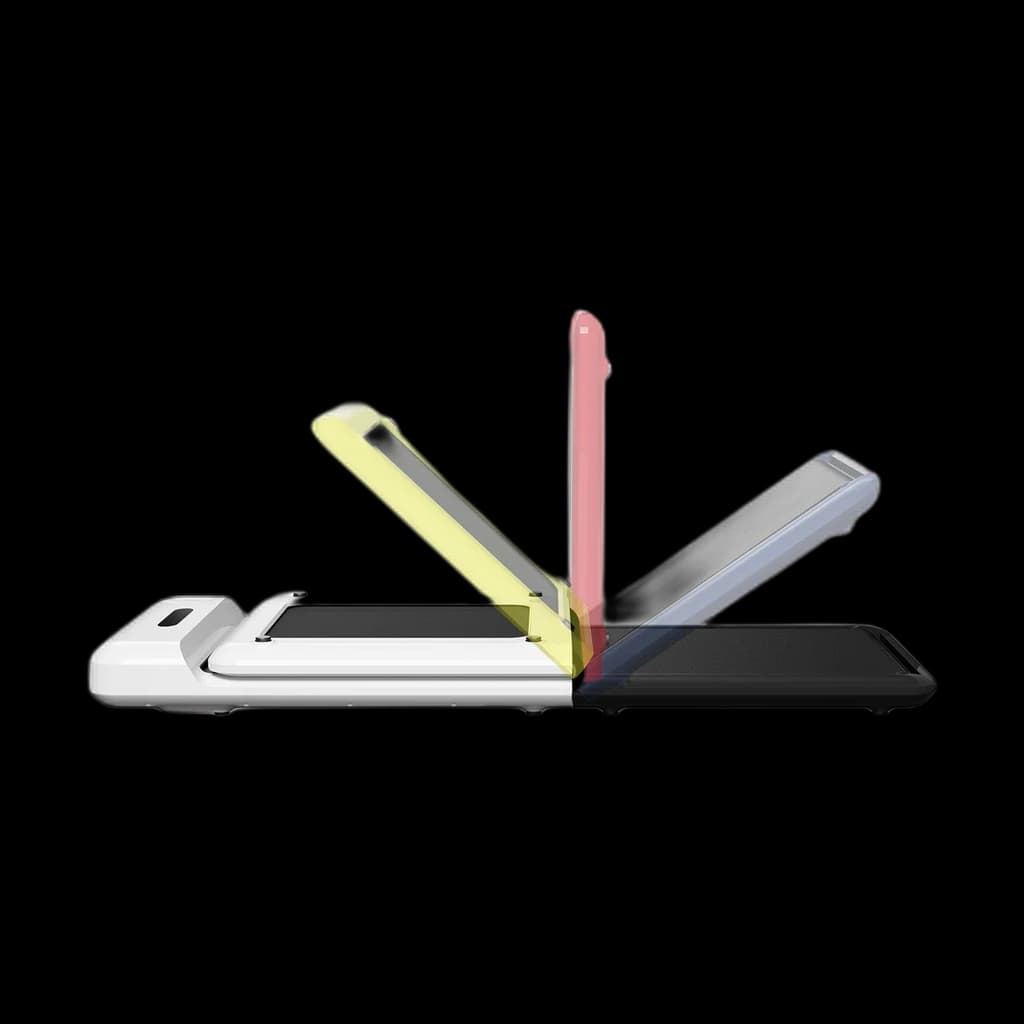 The pad readers keep — folds flat, quiet enough for calls | Owner rating Gym Score 74 | Key specs
| Pros
| Cons
| $449.00 | Buy on Amazon |
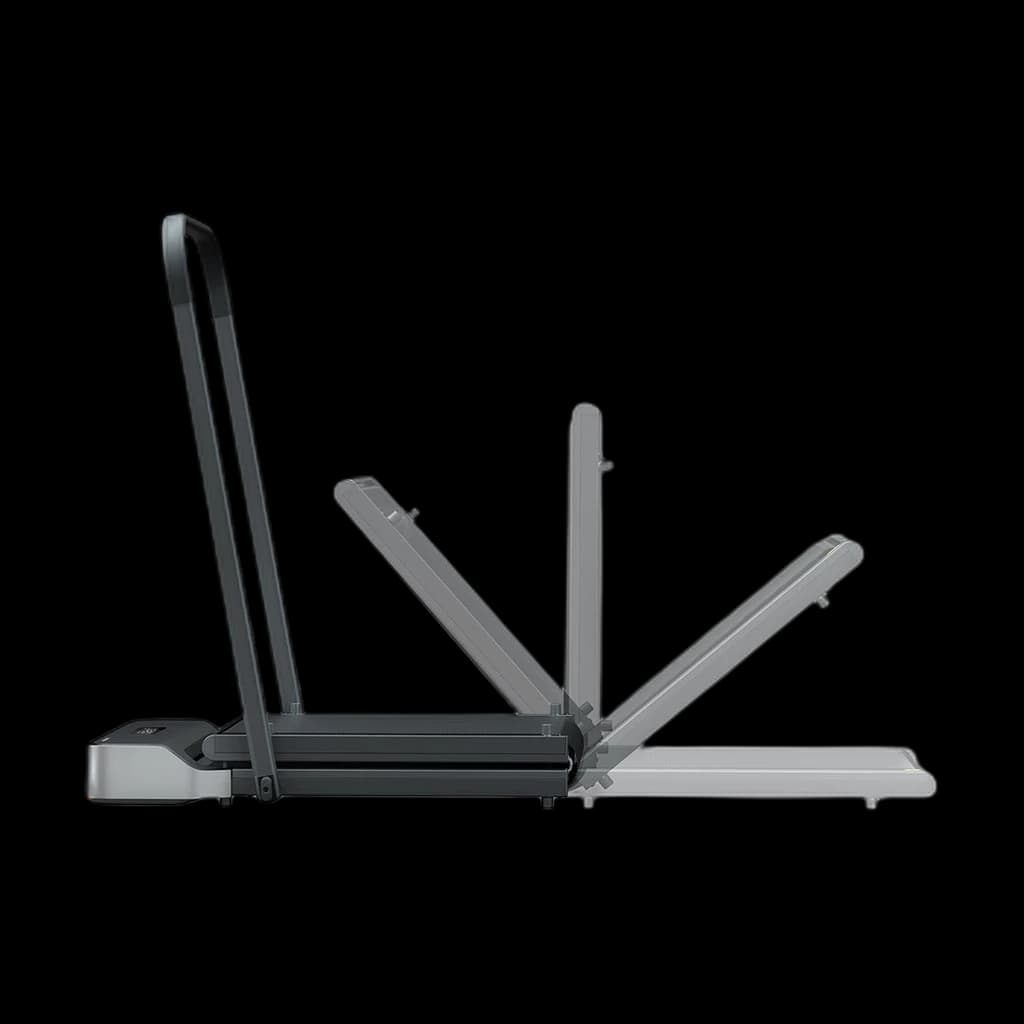 Higher top speed for call-time walks | Owner rating Gym Score 72 | Key specs
| Pros
| Cons
| $349.00 | Buy on Amazon |
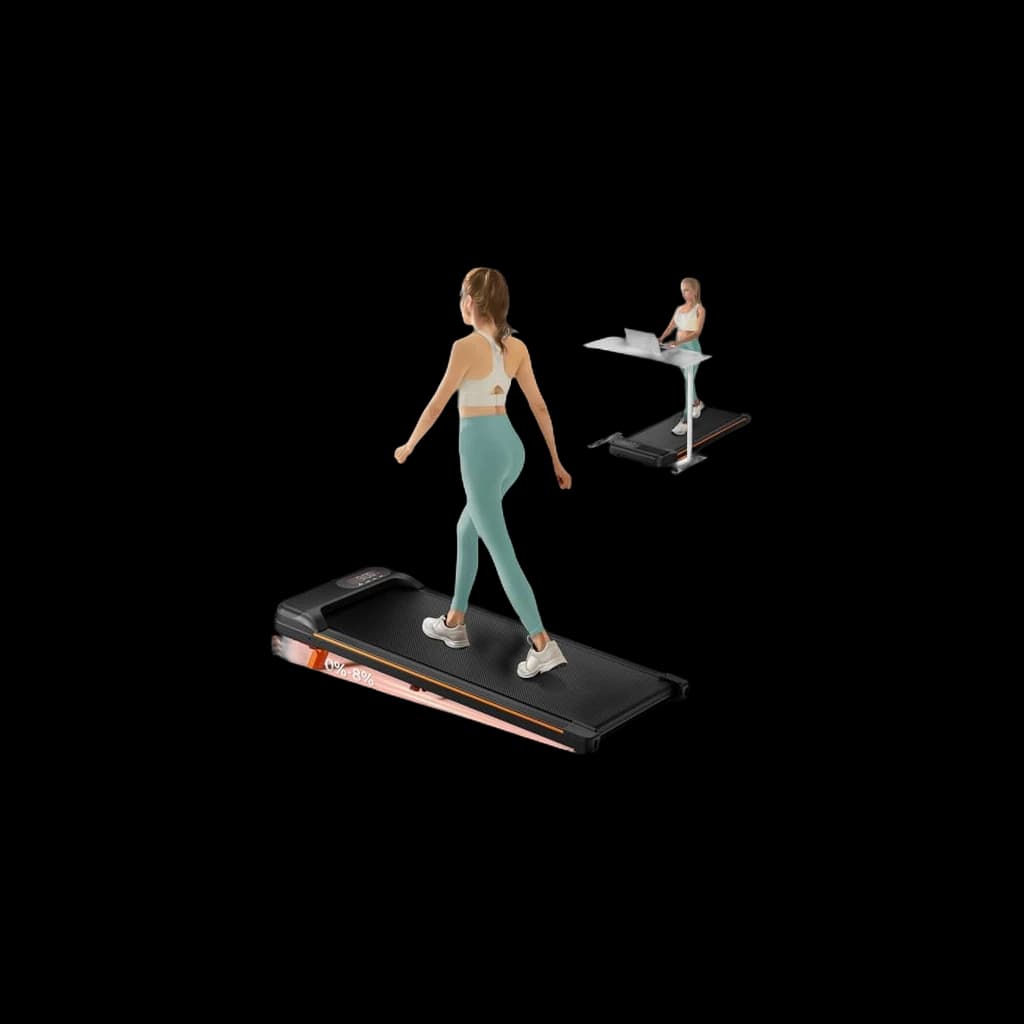 The budget answer if 1.5–2 mph is all you'll use | Gym Score 0 | Key specs
| Pros
| Cons
| $104.99 | Buy on Amazon |
 Auto-incline — the one spec that moves the burn past 4 METs | Owner rating Gym Score 75 | Key specs
| Pros
| Cons
| $279.00 | Buy on Amazon |
Amazon prices checked Sep 2, 2026. Amazon prices change often — the listing is authoritative.
The rows the calorie math rests on
MET values from the 2024 Adult Compendium of Physical Activities (pacompendium.com), read August 2026. One MET ≈ 1 kcal per kg of body weight per hour; the pad's net cost is the walking row minus the sitting row.
| Compendium code | Activity | METs | Net over sitting (1.3) |
|---|---|---|---|
| 11582 | Sitting, computer work | 1.3 | — |
| 17151 | Walking, under 2.0 mph, level, very slow | 2.3 | +1.0 |
| 17152 | Walking, 2.0–2.4 mph, level, slow pace, firm surface | 2.8 | +1.5 |
| 17170 | Walking, 2.5 mph, firm, level surface | 3.0 | +1.7 |
| 17190 | Walking, 2.8–3.4 mph, level, moderate pace | 3.8 | +2.5 |
What to set the belt to, by what you're after
Decide by your situation, not the generic ranking.
| If | You want | Pick |
|---|---|---|
| Work uninterrupted, burn something | 1.5–2.0 mph — the speed you can type at | ~70–120 kcal/h extra; the day total comes from hours, not pace |
| Calls, reading, review work | 2.5 mph | ~115–160 kcal/h; typing accuracy drops, comprehension doesn't |
| Actual exercise with a laptop nearby | 3.0 mph or incline | ~170–240 kcal/h on the flat; an incline pad is a different calculation |
| Weight loss as the goal | Any — and don't expect the pad alone to do it | The review found energy expenditure up, cardiometabolic outcomes mostly unchanged in the study windows |
The number everyone quotes, and where it comes from
Search this question and you get a spread from 100 to 400 calories an hour, usually with no source. There is a source. A 2021 systematic review in BMC Public Health pooled thirteen treadmill-desk studies — 351 adults in sedentary jobs — and found that walking while working raised energy expenditure by 105 kcal per hour over sitting (95% confidence interval 90 to 120). Metabolic rate rose by 5.0 mL of oxygen per kg per minute. Blood pressure did not change.
The honest headline: about 100 extra calories an hour, measured, across thirteen studies. Not 300. Not "the same as a gym session". A hundred — which over a four-hour walking block is a meaningful 400, and over a 30-minute one is a snack.
That figure is a difference — walking minus sitting — which is the number that matters for anyone asking whether the pad is worth it. A calorie app that shows you 250 for the hour is showing gross burn, which includes the 80 or so you'd have spent sitting still anyway.
Why the range is wide: speed is the whole story
The meta-analysis pooled desks running anywhere from about 1 to 2 mph, because that's the range people can type at. Move the speed and the number moves with it. The cleanest way to see this is the 2024 Adult Compendium of Physical Activities, the reference table researchers use to assign an energy cost (a MET) to an activity. The walking rows that apply to a pad:
| Compendium code | Activity | METs |
|---|---|---|
| 11582 | Sitting, computer work | 1.3 |
| 17151 | Walking, under 2.0 mph, level, very slow | 2.3 |
| 17152 | Walking, 2.0–2.4 mph, level, slow pace | 2.8 |
| 17170 | Walking, 2.5 mph, firm level surface | 3.0 |
| 17190 | Walking, 2.8–3.4 mph, level, moderate pace | 3.8 |
One MET is roughly one kilocalorie per kilogram of body weight per hour. So the net cost of the pad is (walking METs − 1.3) × your weight in kg. The calculator above runs that sum for your own weight, speed and time. Worked out for three body weights:
| Pad speed | 150 lb (68 kg) | 180 lb (82 kg) | 210 lb (95 kg) |
|---|---|---|---|
| Under 2.0 mph | ~70 kcal/h extra | ~80 | ~95 |
| 2.0–2.4 mph | ~100 | ~120 | ~140 |
| 2.5 mph | ~115 | ~140 | ~160 |
| 3.0 mph | ~170 | ~205 | ~240 |
The meta-analysis number — about 105 — lands exactly where the table says a 2 mph walker of average weight should land. That agreement is the reason to trust both.
- 1.5 mph is the typing speed. Most people who actually work on a pad settle here, and the honest number is 70–90 extra calories an hour.
- 2.5 mph is a call or reading speed. You can't type well, but you burn 40% more.
- 3.0 mph is a walk. You're not working any more; you're exercising with a laptop nearby.
What people actually do when nobody sets the speed
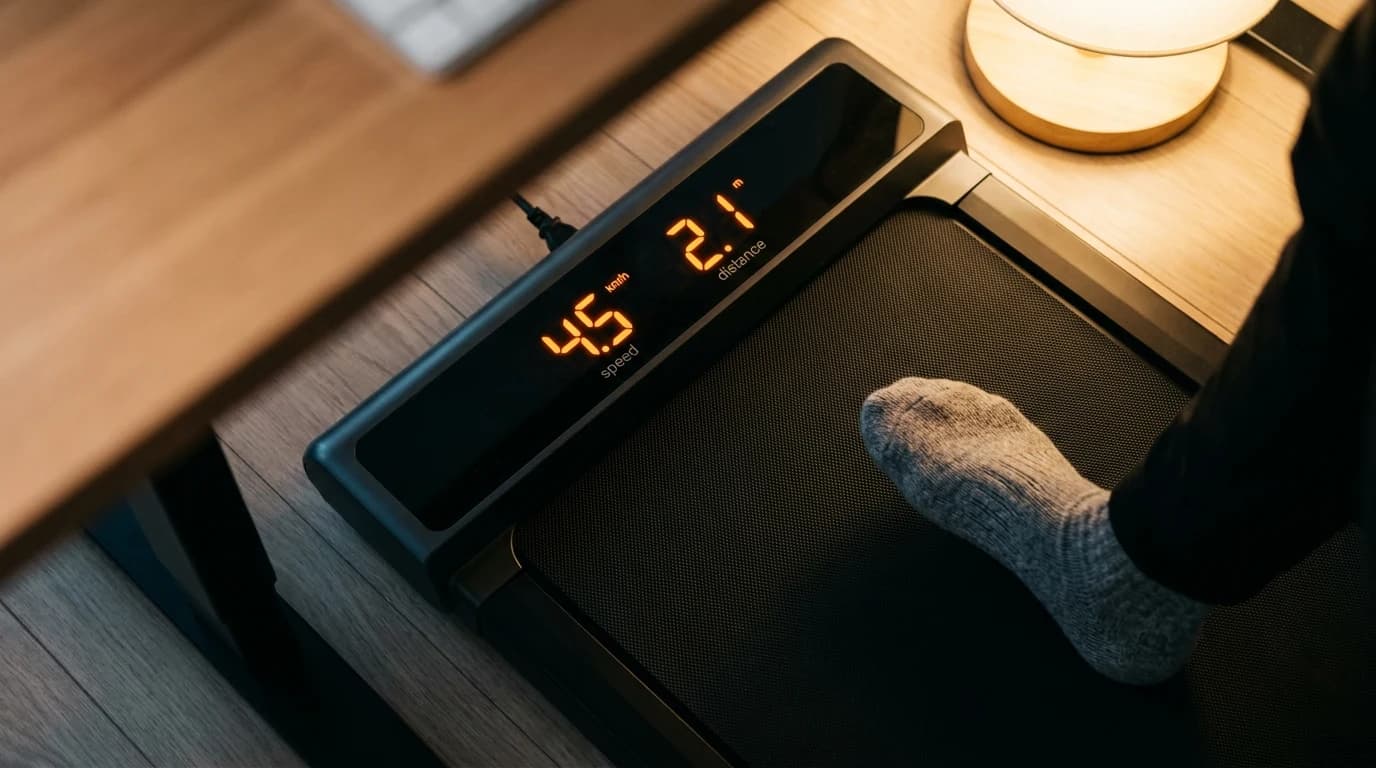
A 2019 study in the Journal of Physical Activity and Health measured sixteen office workers by indirect calorimetry while they typed at a pace they chose themselves. Self-paced treadmill-desk typing added 1.43 to 1.93 kcal per minute over seated typing — 86 to 116 per hour — roughly doubling what seated office work costs. Men walked harder than women on the treadmill; on a pedal desk the two groups matched.
Why self-selected matters: lab studies at a fixed 2 mph tell you what the pad can do. Studies where people pick their own speed tell you what it will do once the novelty fades — and the answer is still about 100 an hour.
Where the calories come from, by the hour
- Hour one feels like a workout, reads like 100 calories.
- Hours two to four are where a pad earns its footprint: the same 100 each, with no extra effort, because walking at 1.5–2 mph is below the threshold where fatigue accumulates for most people.
- The day's total is set by hours on the belt, not speed. Three hours at 1.5 mph beats one hour at 3.0 mph — and you got work done.
What the research does not show
It is worth being precise, because the marketing is not.
- No weight-loss outcome. The 2021 review found no significant change in cardiometabolic measures in workplace studies, and its sitting-time reduction was modest — 1.73 minutes less per hour. Energy expenditure went up; the downstream health numbers, in the trials that measured them, mostly did not move in the study windows available.
- Calorie displays on pads are estimates. They assume a body weight (often 70 kg) and apply a formula. If you weigh 95 kg the display is under-counting you; if you weigh 55 kg it is flattering you.
- Incline changes everything, and most pads have none. The Compendium's hill rows run 5 to 16 METs. A pad with auto-incline, like the TRAILVIBER, is a different calculation from a flat belt — if you want the burn and not the typing, that's the feature to pay for.
Which pad, if calories are the reason
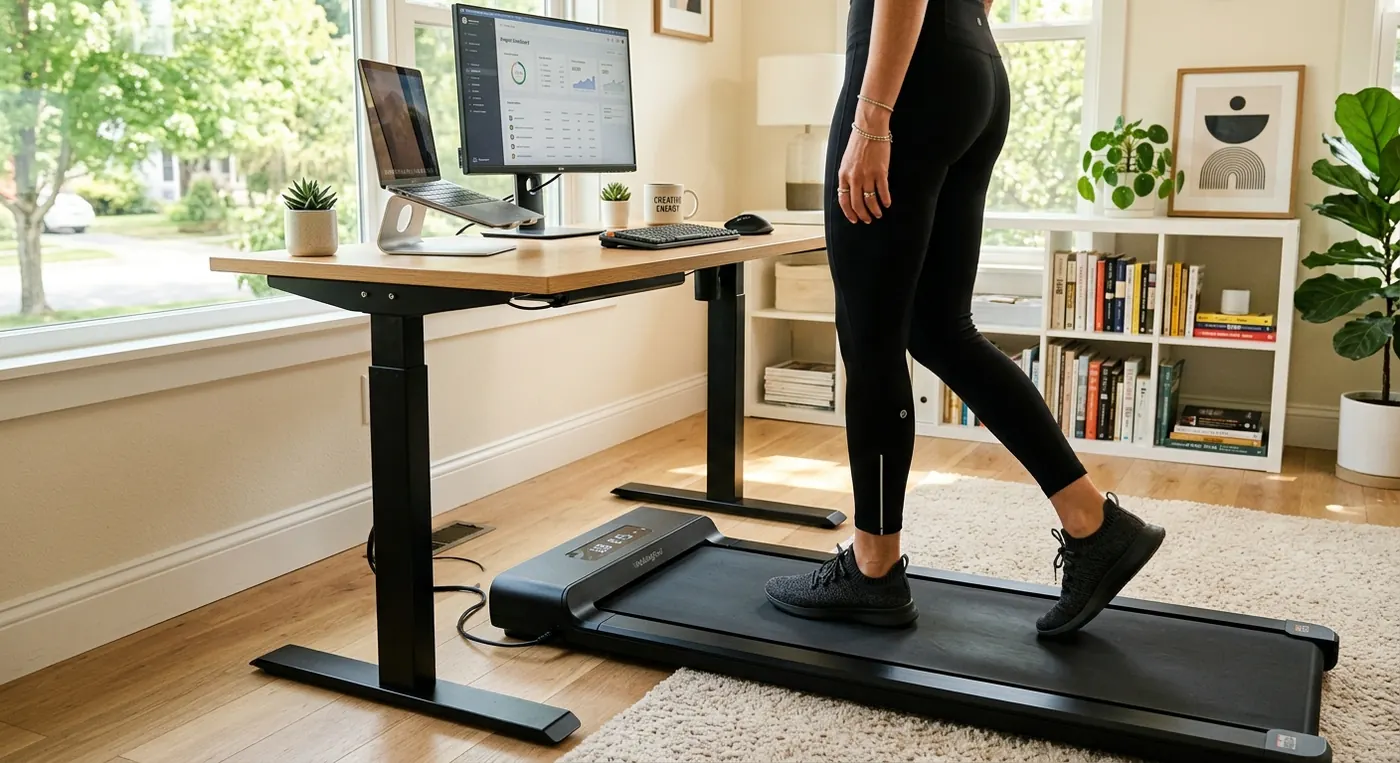
If you're buying a pad to burn calories while working, the spec that decides it is not motor size — it's whether you'll still be on it in month three. That's a noise, footprint and top-speed question. The WalkingPad C2 folds in half and is the pad our readers actually keep; the WalkingPad Z1R gives you a higher top speed for call-time walks; and the Abonow pad is the budget answer if 1.5–2 mph is all you'll ever use. For how those trade off against each other, see our under-desk walking pad picks and the speeds that don't wreck your work.
Sources
- Bodker et al., A systematic review and meta-analysis of the effect of treadmill desks on energy expenditure, sitting time and cardiometabolic health in adults, BMC Public Health, 2021.
- Carr et al., Energy Expenditure While Using Workstation Alternatives at Self-Selected Intensities, Journal of Physical Activity and Health, 2019.
- Herrmann et al., 2024 Adult Compendium of Physical Activities — walking and occupation rows, Journal of Sport and Health Science, 2024.
Frequently Asked Questions
How many calories does a walking pad burn in an hour?+
About 105 more than sitting, pooled across thirteen studies of treadmill desks at typing speeds. By the MET tables, an average adult at 1.5–2 mph adds roughly 70–120 kcal/h; at 2.5 mph about 115–160; at 3 mph about 170–240.
Is the calorie counter on my walking pad accurate?+
It's an estimate that assumes a body weight, often 70 kg, and a fixed formula. If you weigh more than that it under-counts you; less, and it flatters you. Use the MET math with your own weight instead.
Does walking slower for longer beat walking faster for less time?+
For total calories on a workday, yes — three hours at 1.5 mph beats one hour at 3 mph, and you got work done. Speed only wins when the time is fixed.
Will a walking pad help me lose weight?+
It raises daily energy expenditure — that part is well measured. The 2021 review found the downstream cardiometabolic numbers mostly did not change in the study windows, so treat it as a way to stop sitting, not as a weight-loss device on its own.
Sources & Research
- BMC Public Health — Bodker et al., Systematic review and meta-analysis of treadmill desks, 2021: 13 studies, 351 adults; +105.23 kcal/h (95% CI 90.41–120.4) vs sitting; sitting time −1.73 min/h; no significant blood-pressure change
- Journal of Physical Activity and Health — Carr et al., Energy expenditure at self-selected intensities, 2019: 16 office workers; treadmill-desk typing +1.43 to 1.93 kcal/min over seated typing
- 2024 Adult Compendium of Physical Activities — Herrmann et al., J Sport Health Sci 2024 — walking rows 17151/17152/17170/17190 and sitting-computer-work row 11582
Related reviews
Best Walking Pads to Use Under a Standing Desk
The WalkingPad C2 is the best under-desk walking pad for its fold-in-half design; the Abonow is the budget pick. Four pads compared on height and belt.
Walking Pad + Standing Desk: Speeds That Don't Wreck Work
Typing drops about 13 WPM at 1.5 mph on a walking pad - comprehension doesn't. The task-by-speed map, desk height, and a walk-stand-sit rotation.
How to Choose a Walking Pad for Home (Not Your Desk)
Choosing a walking pad for home cardio, not desk work: the specs that matter, why run-capable pads are a trap, and which features earn their footprint.
Hilly Shore Labs
Editorial teamThe independent product research team behind GymScored. Every recommendation is researched, never hands-on tested — rankings come from manufacturer specifications, published standards, and aggregated buyer sentiment.
161 products scored across 26 home gym categories, each on the same 5-dimension Gym Score formula.
See the scoring methodology and who we are.
Affiliate disclosure: GymScored is a participant in the Amazon Services LLC Associates Program. We earn from qualifying purchases at no extra cost to you. Full disclosure →