How GymScored is paid: Amazon Associates commission plus brand-direct affiliate (Rogue / REP / Titan when approved). No sponsored placements, no paid reviews, no pay-to-rank. Picks are ranked by the Gym Score formula and nothing else. Read the full disclosure.
Home Gym in A Closet (or Hallway)
10 sqft or less. Wall-mount and foldable only — every inch counts.
A closet gym sounds extreme, but it works. The constraint forces simplicity: door-frame pull-up bar, kettlebell or two, resistance bands, maybe a walking pad you slide under the bed when done. No floor footprint required.
A closet gym sounds extreme until you actually try it. The constraint forces ruthless simplicity, and the kit ends up working better than most 30-sqft setups because every piece earns its spot. The setups on this page fit in 6–10 sqft of permanent floor footprint, plus a doorway and a couple of cubic feet of shelf space.
Measured layout
Minimum usable closet: 6 sqft of floor (roughly 2' × 3'), 7' ceiling, and a sturdy door frame or wall stud nearby. If you're under 6' tall, this is workable. Over 6'4", the ceiling becomes the binding constraint for jumping movements.
Clearance zones to plan around:
- Pull-up arc: 30" forward of the door for full chin-up swing.
- Press overhead clearance: 7' minimum from floor to ceiling.
- Kettlebell swing arc: 4' × 4' open floor in front of the closet, even if storage is inside.
- Walking pad deploy: 22" × 56" of floor — usually rolled out of the closet into a hallway.
Buy in this order
- Door-frame pull-up bar, $30. No screws, no marks. Mount low for rows, high for chin-ups. Iron Gym Pro and Perfect Fitness Multi-Gym are the established picks.
- Two kettlebells, $80–150. One light (20–25 lb), one moderate (35–53 lb). Covers swings, get-ups, presses, goblet squats, rows. Skip dumbbells in a closet — kettlebells stack flat.
- Resistance bands, $40. Light through heavy. Door-anchored band work replaces a cable machine for 90% of accessory lifts.
- Foldable walking pad, $300–500 (optional). Slides under most beds when not in use. Check bed clearance before buying — most pads are 4.5–5" tall folded.
- Foam roller, $25. Lives upright in the closet between sessions.
What fits
| Piece | Footprint when stored | Footprint when used |
|---|---|---|
| Door-frame pull-up bar | 0 sqft (hangs) | 0 sqft (hangs) |
| Two kettlebells | 2 sqft | 4 sqft swing arc |
| Resistance bands | 0.5 sqft (rolled) | 16 sqft (anchored) |
| Foldable walking pad | 10 sqft (folded under bed) | 10 sqft (rolled out) |
| Foam roller | 1 sqft (upright) | 6 sqft (lying down) |
Everything in this list stows in a 6 sqft closet between sessions.
What does not fit
A 90" Olympic bar will not clear a 7' wide closet, never mind enter one. Power racks need 30+ sqft. Treadmills need 25+ sqft deployed and don't fold small enough for closet storage. Rowing machines need 28 sqft and 9' of length when deployed. Smart mirrors don't fit closets without permanent wall mounting that defeats the closet-gym point.
Tier up
When you outgrow a closet, the next step is an apartment corner (30–50 sqft) with adjustable dumbbells, a foldable bench, and a magnetic rower. That's roughly 12–18 months of progression for most users — long enough that the closet kit is not a wasted purchase.
Common pitfalls
The biggest closet-gym mistake is mounting a door-frame pull-up bar on a door that doesn't have a solid trim. Hollow-core interior doors have thin trim that flexes under bodyweight. Use the bar on a door frame with at least 4" of solid wood above the door opening.
The second pitfall is buying one heavy kettlebell instead of two. A 53 lb bell is great for swings but too heavy for Turkish get-ups and overhead press. Two bells (lighter + heavier) cover more movement patterns than one of any weight.
A few honest caveats
- Door-frame bar load ratings. Static bodyweight is fine. Kipping pull-ups, weighted vests, and ring work exceed the rated load and can pop the bar off the trim.
- Noise. A 35 lb kettlebell set down hard transmits through wood subfloors. Use a folded yoga mat or rubber tile as a landing pad.
- Storage. Wire shelving in the closet eats into ceiling clearance. Shelf any pull-up bar mounting at least 12" above the highest shelf.
- Renters. Door-frame bars technically leave faint wear marks on the door trim. Inspect before move-out and lightly sand if needed.
Critical tips for a closet (or hallway)
- •Door-frame pull-up bars (no screws, no marks) are the closet hero — Iron Gym Pro, Perfect Fitness, etc. Mount low for rows, high for pull-ups.
- •Foldable walking pads (under-2.5" thick) slide under most beds. Check your bed clearance before buying.
- •Two kettlebells (one light, one moderate) cover swings, get-ups, presses, squats. Skip dumbbells — kettlebells stack better.
Gear that fits a closet (or hallway)
$856.89 of $3,000 budgetOne Planner result for this room: the general fitness goal at a $3,000 budget (the Planner's defaults). Buy in order. Each pick is the highest Gym Score with a current Amazon price that still leaves budget for the pieces after it, every piece is checked to fit a 3′ × 2′ floor together, and there is one cardio piece per plan. Researched and scored — never hands-on tested. Change the goal or budget in the Planner →
- 1
Adjustable Dumbbells
$549.00 per pair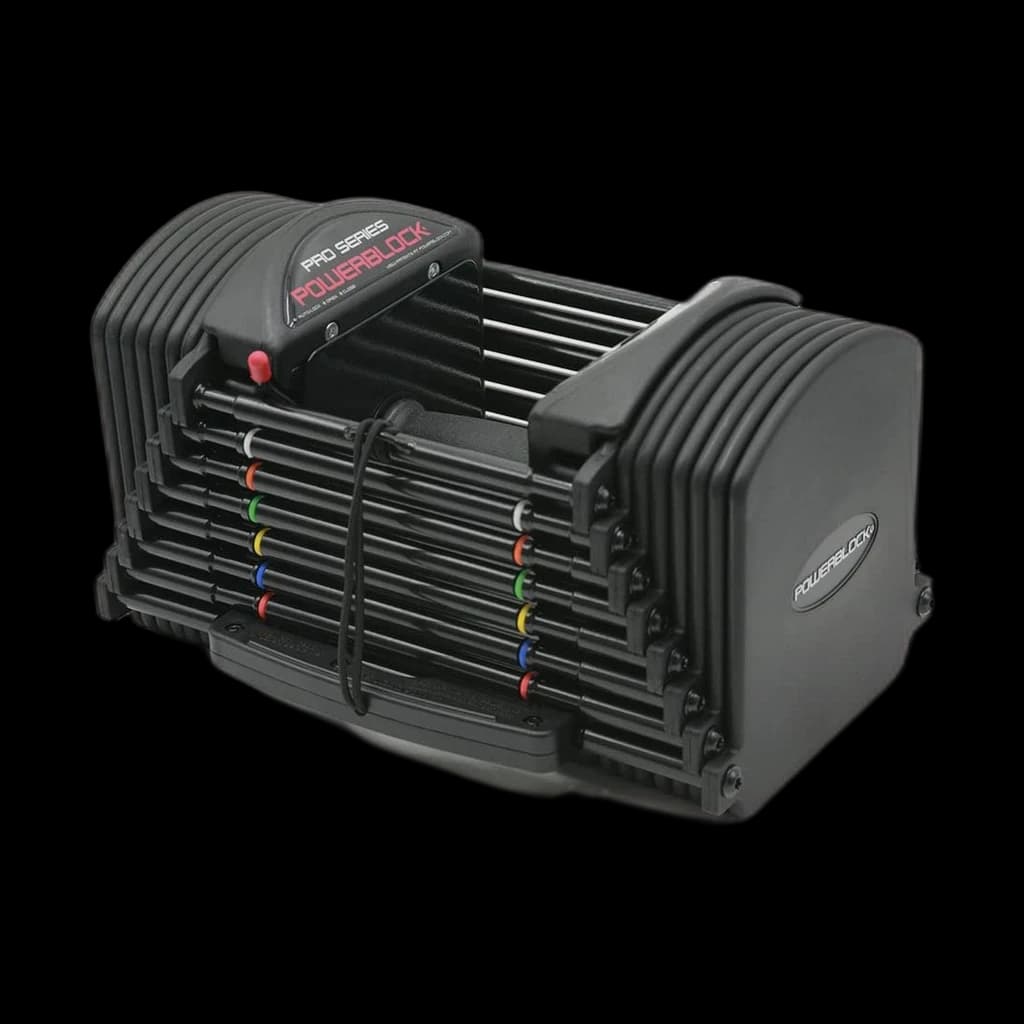
PowerBlock Pro 50 Adjustable Dumbbells
For the 5-90 lb crowd. Pin-based, compact footprint, expandable with add-on kits. Not pretty, but they'll last 30 years.
- 2
Resistance Bands & Suspension Trainers
$139.95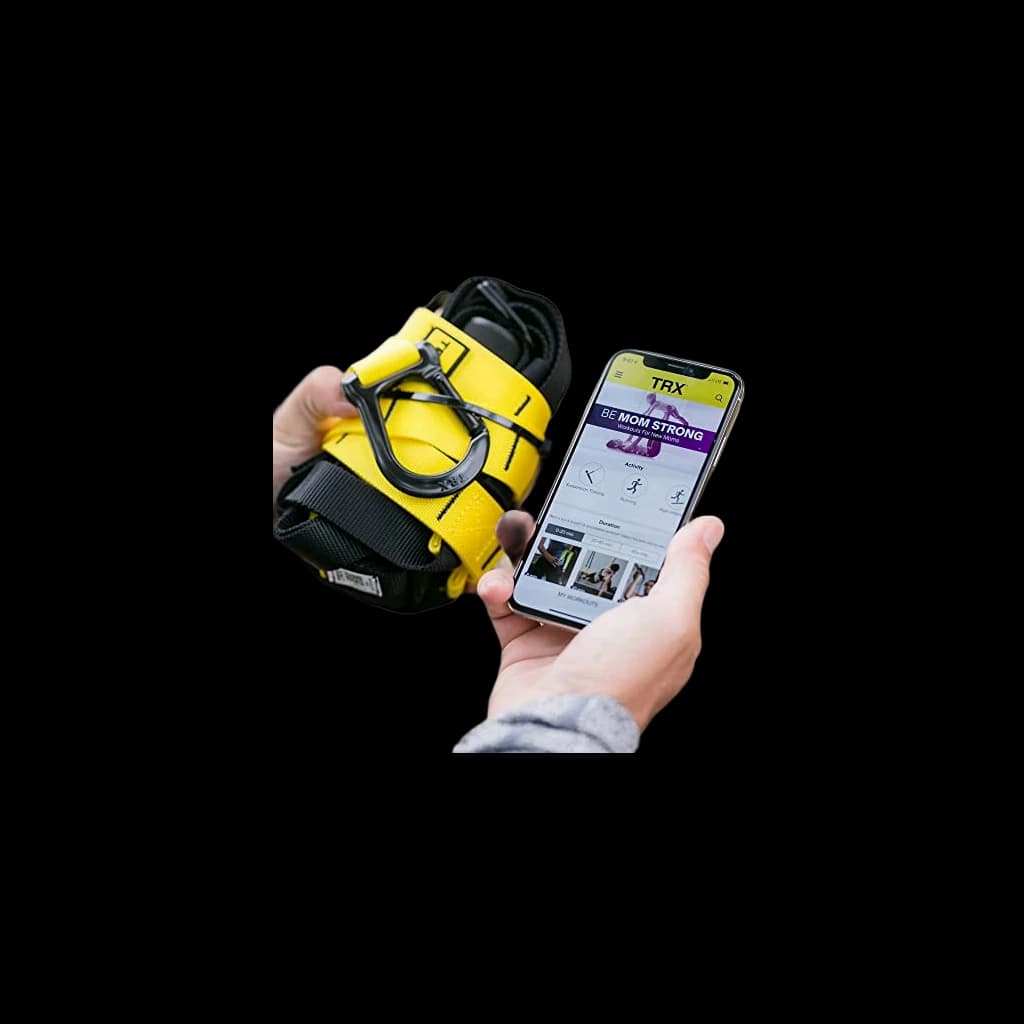
The travel suspension trainer. Lighter than the TRX Pro, anchors to any door or tree, and brings a full-body workout to a hotel room. The brand that defined the category.
- 3
Gym Flooring & Mats
$152.99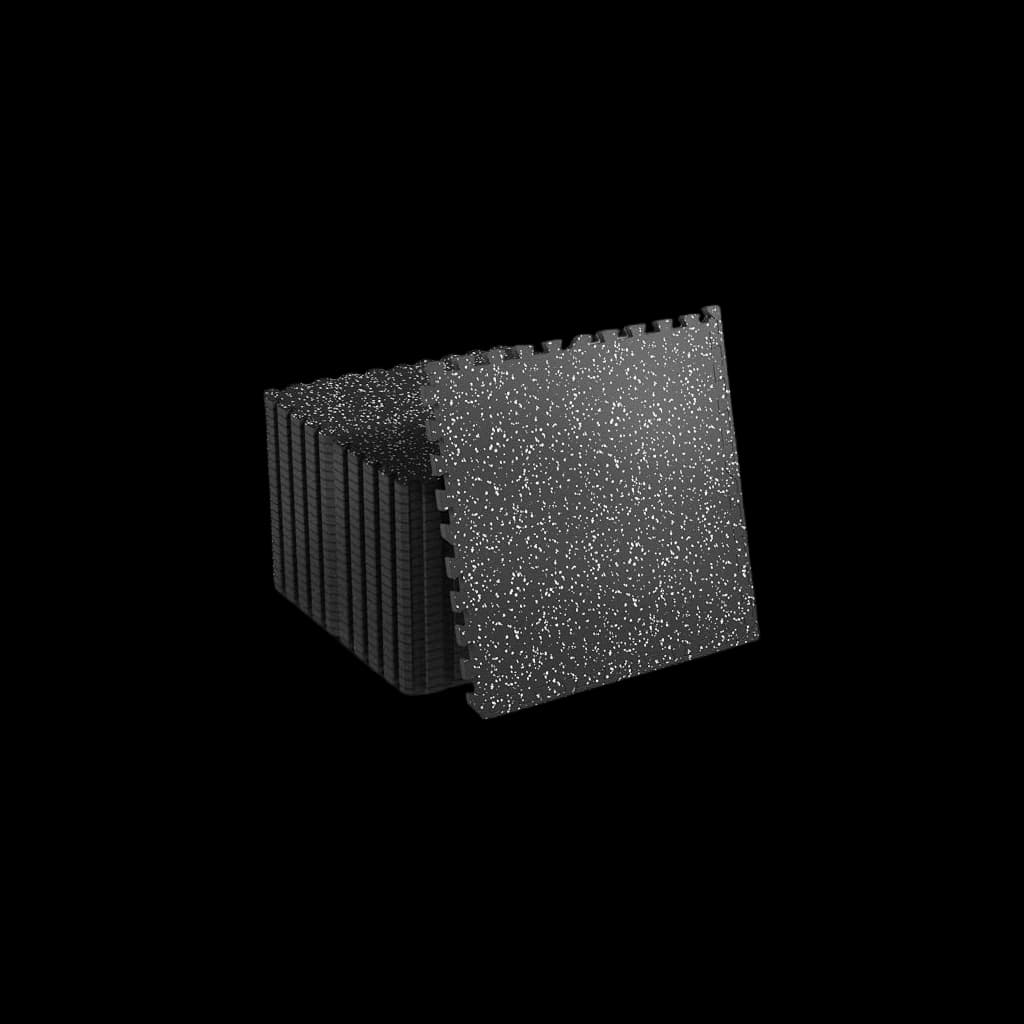
SUPERJARE Rubber-Top Exercise Mats (96 sq ft)
Rubber-topped rather than plain EVA foam, which is the difference that matters under a rack or a dropped dumbbell — foam dents permanently, rubber does not.
- 4
Lifting Belts, Wraps & Shoes
$14.95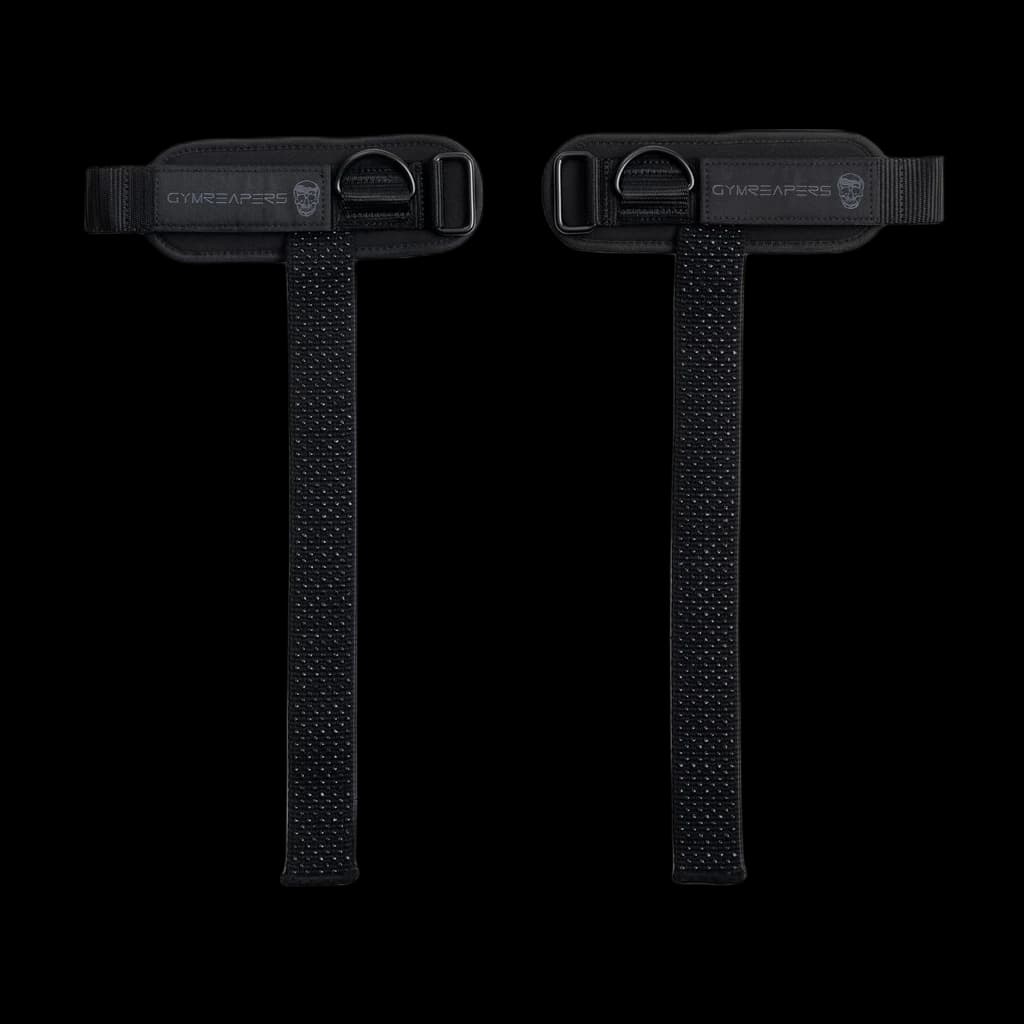
Gymreapers Lifting Wrist Straps
Padded neoprene cuffs on an 18-inch cotton lasso. The default answer when grip is the only thing stopping a heavy pulling set, and cheap enough that there is no reason to buy leather.
Left out of this plan
Not included in the total above.
- Weight BenchesWon't fit this room alongside the pieces above.
- KettlebellsWon't fit this room alongside the pieces above.
Equipment that fits
Categories that work in this space, with our highest-scored pick that has a current Amazon price.
Top pick: CAP Vinyl Coated Cast Iron Kettlebell
Top pick: OPTP PRO-Roller Soft Density
Doesn't fit (or shouldn't)
These categories either won't physically fit, or shouldn't be used in this space (noise, neighbors, ceiling height).
Your next step
Know the space — now pick the gear.
Plan your build
Use the Planner — combine this space with your goal and budget for an exact shopping list with floor layout.
Plan my home gym →