How GymScored is paid: Amazon Associates commission plus brand-direct affiliate (Rogue / REP / Titan when approved). No sponsored placements, no paid reviews, no pay-to-rank. Picks are ranked by the Gym Score formula and nothing else. Read the full disclosure.
Home Gym in An Apartment Corner
30–50 sqft, downstairs neighbors. Cardio + light strength, nothing dropped.
Apartment gyms work great if you respect three things: floor protection, noise, and footprint. Skip anything that requires dropping weight (powerlifting deadlifts), and prioritize foldable + quiet equipment. Walking pads and rowers reign here.
An apartment gym is a tight, noise-conscious, shared-wall design. You have 30–50 square feet of usable floor, downstairs neighbors who hear everything, and a security deposit that depends on respecting both. The setup on this page works in studio corners, one-bedroom living rooms, and dedicated home-office crossovers.
Measured layout
Minimum usable space: 30 sqft (roughly 5' × 6') of clear floor, 8' ceiling for overhead pressing, and a 6' × 6' lift zone with rubber mat protection. Walk-around clearance on at least two sides of any cardio piece.
Floor protection is non-negotiable. Two ¾" horse stall mats ($100 total) under the lift zone absorb sound and protect both the floor and your security deposit. Thinner gym tiles work for cardio-only zones.
Buy in this order
- Floor protection first. Two 4'×6' rubber mats, laid where you'll do dumbbell work. Skip the patterned gym tiles — they wear unevenly under a bench's feet.
- Adjustable dumbbells, $300–500. Bowflex 552 or PowerBlock Sport. Replaces 300 lb of fixed dumbbells in a 4 sqft footprint.
- Foldable adjustable bench, $120–250. Lives upright against a wall between sessions.
- Magnetic rower or magnetic spin bike, $400–1,000. Magnetic resistance is essentially silent. Skip air-resistance bikes and fan rowers entirely — they're vacuum-cleaner loud at intensity.
- Pull-up bar, $30–80. Doorway if you can't drill; wall-mount with a 4–6" standoff if you can.
- Resistance bands + kettlebell, $100. Round out accessory work.
What's actually quiet
- Magnetic rowers (Hydrow, Aviron, Ergatta) — nearly silent. Concept2's flywheel is louder but acceptable.
- Magnetic spin bikes (Peloton, NordicTrack, Schwinn IC4) — silent.
- Walking pads under 4 mph — quiet enough for most apartments with a mat underneath.
- Adjustable dumbbells — silent in use; the only noise is when you set them back in the cradle. Don't drop them.
What's loud: anything air-resistance (air bikes, fan rowers, Concept2 at high split), treadmills with runners over 180 lb, dropping any plate over 25 lb.
What does not fit
- Power racks. Even folding wall-mount racks need 50 sqft deployed and a wall stud to bolt into.
- Olympic barbells. An 84" bar plus plates needs 100+ sqft and you cannot deadlift without transmitting deck flex to the unit below.
- Air bikes. Decibel levels are inappropriate for any shared-wall building.
- Cable machines and all-in-one home gyms. 36–60 sqft and 8'+ vertical clearance.
- Saunas and cold plunges. Power and water requirements rule out most apartments.
Substitutions
- No drilling allowed: door-frame pull-up bar, freestanding bench, no wall mount.
- No rower budget: swap to a walking pad under the desk. Lower-intensity cardio, but used daily.
- Class motivation: Peloton Bike or Hydrow. Pay the subscription, use the content.
- Subscription-allergic: Schwinn IC4 + free YouTube routines, or Concept2 RowErg.
Common pitfalls
The most common apartment-gym mistake is dropping any weight. Even with bumper plates and a thick mat, a dropped plate carries through wood subfloors and concrete planks alike. Use a controlled lower, every rep, every time. If your program requires drops (cleans, snatches), an apartment is not the right space — see the garage gym hub instead.
The second pitfall is underestimating the floor protection budget. A $40 cheap gym mat shifts under the bench and doesn't absorb noise. Two horse stall mats at $100 total is the floor we actually recommend.
A few honest caveats
- Lease language. Some leases explicitly prohibit exercise equipment over a certain weight or treadmills entirely. Check before buying.
- Hours of use. Even quiet equipment carries through walls at 6 AM. Train at sensible hours when shared-wall living demands it.
- Storage. Adjustable dumbbells, a folded bench, and bands all need somewhere to live between sessions. Plan storage before the equipment ships.
- Resale. Adjustable dumbbells hold roughly 50% resale; magnetic rowers and bikes hold 40–50%; connected bikes drop to under 30% once the screen is two generations behind.
Critical tips for an apartment corner
- •Floor protection is non-negotiable. ¾" rubber mats absorb noise and protect your security deposit.
- •Adjustable dumbbells (Bowflex 552, Powerblock) let you replace a 600 lb dumbbell rack with one 4 sqft footprint.
- •Avoid anything that requires dropping weight. Plate-loaded moves should be done from a controlled lower, not a deadlift miss.
- •Hydraulic / magnetic resistance > air resistance for noise. Concept2 is loud; magnetic rowers (Hydrow, Aviron) are not.
Gear that fits an apartment corner
$936.88 of $3,000 budgetOne Planner result for this room: the general fitness goal at a $3,000 budget (the Planner's defaults). Buy in order. Each pick is the highest Gym Score with a current Amazon price that still leaves budget for the pieces after it, every piece is checked to fit a 8′ × 5′ floor together, and there is one cardio piece per plan. Researched and scored — never hands-on tested. Change the goal or budget in the Planner →
- 1
Adjustable Dumbbells
$549.00 per pair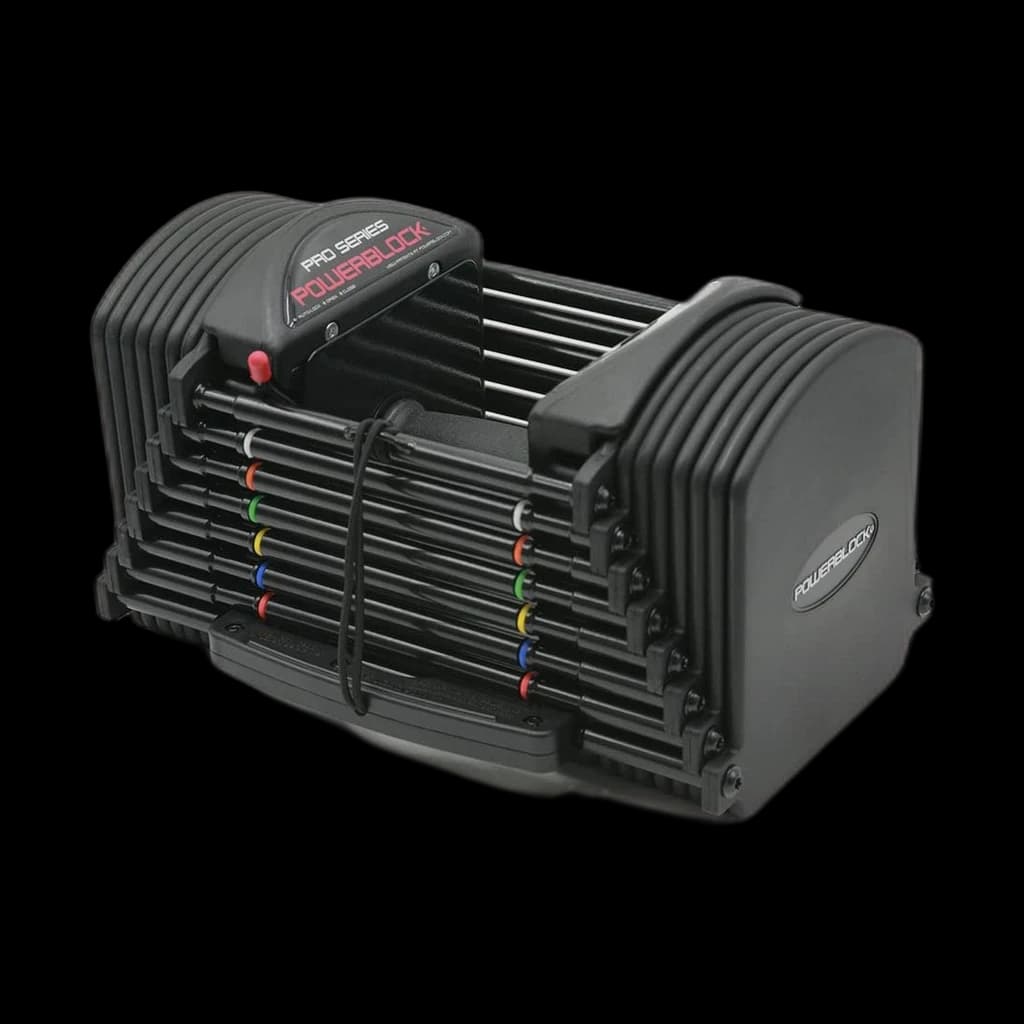
PowerBlock Pro 50 Adjustable Dumbbells
For the 5-90 lb crowd. Pin-based, compact footprint, expandable with add-on kits. Not pretty, but they'll last 30 years.
- 2
Weight Benches
$79.99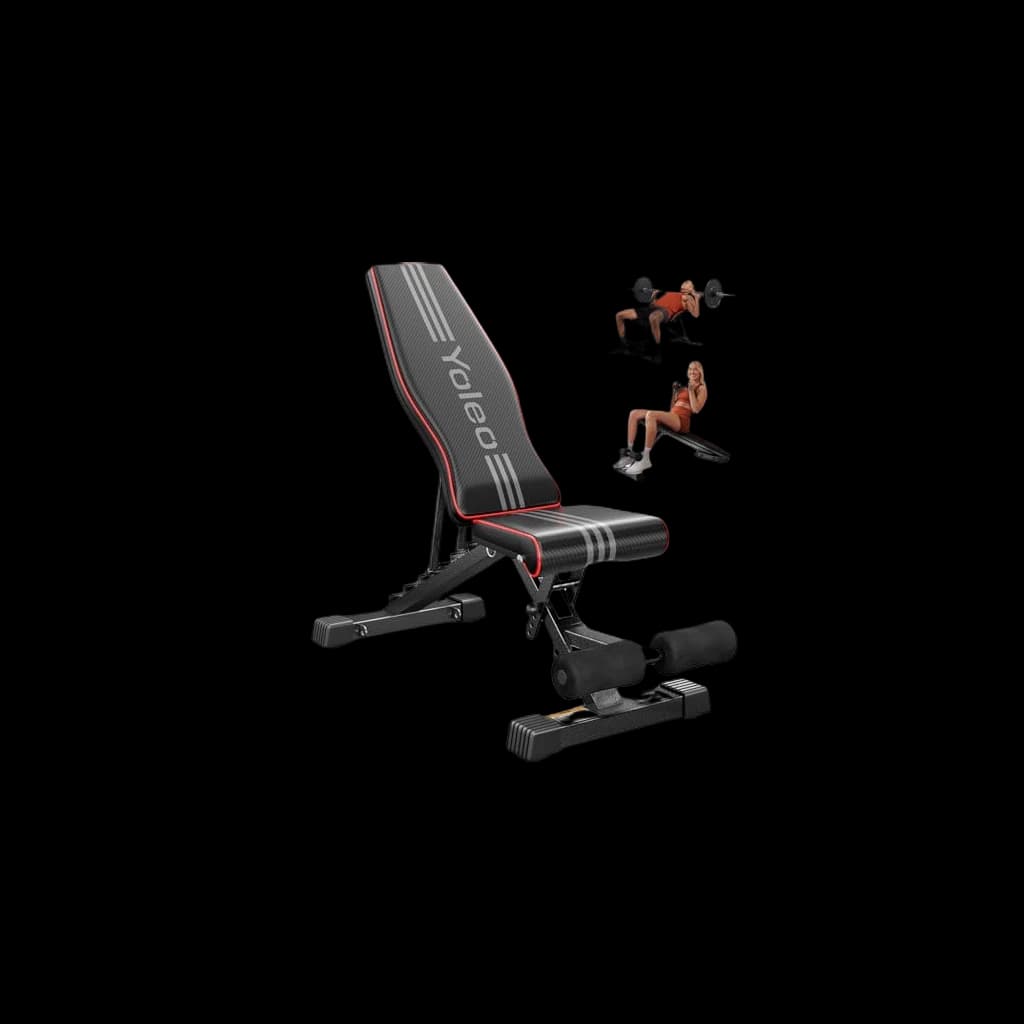
YOLEO Adjustable Weight Bench (827 lb)
The budget bench, and it still carries an ASTM certification — the thing actually worth checking on a cheap bench, because the failure mode is you under a loaded bar.
- 3
Resistance Bands & Suspension Trainers
$139.95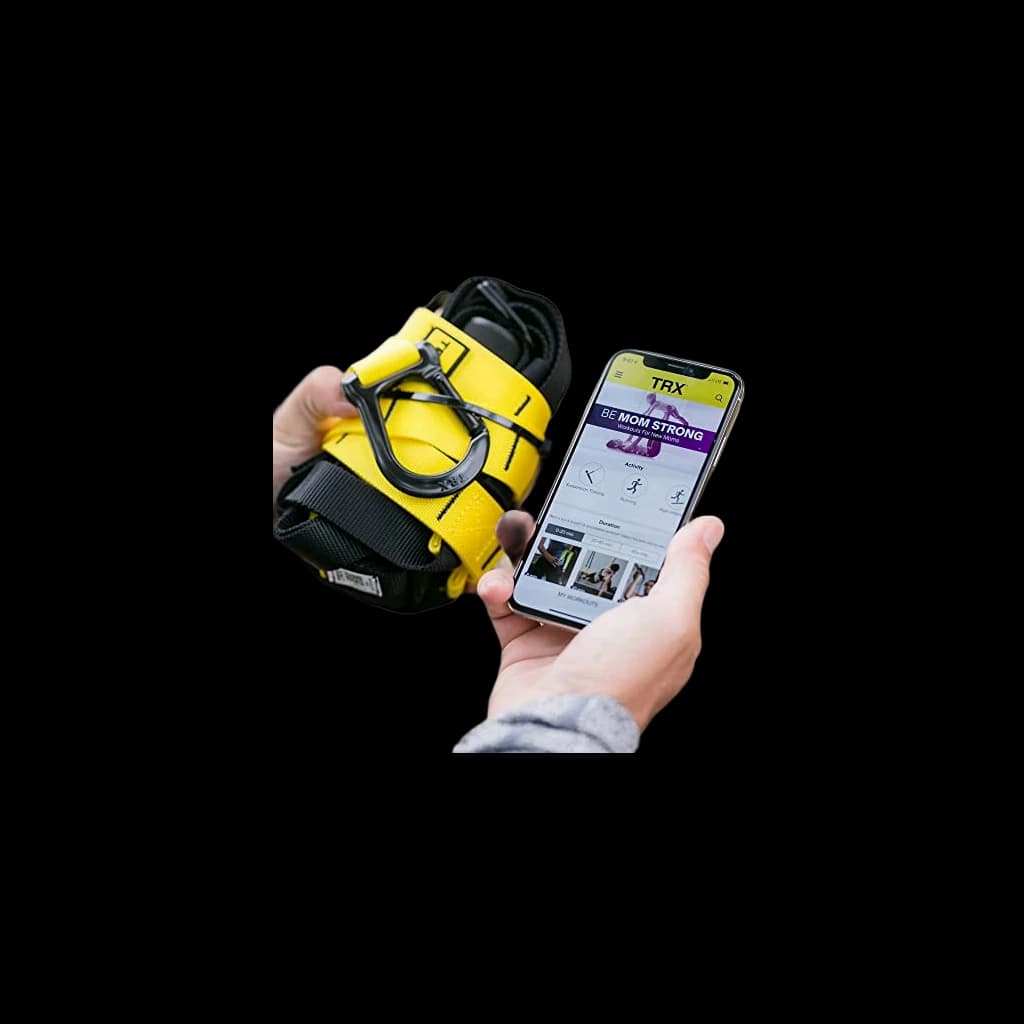
The travel suspension trainer. Lighter than the TRX Pro, anchors to any door or tree, and brings a full-body workout to a hotel room. The brand that defined the category.
- 4
Gym Flooring & Mats
$152.99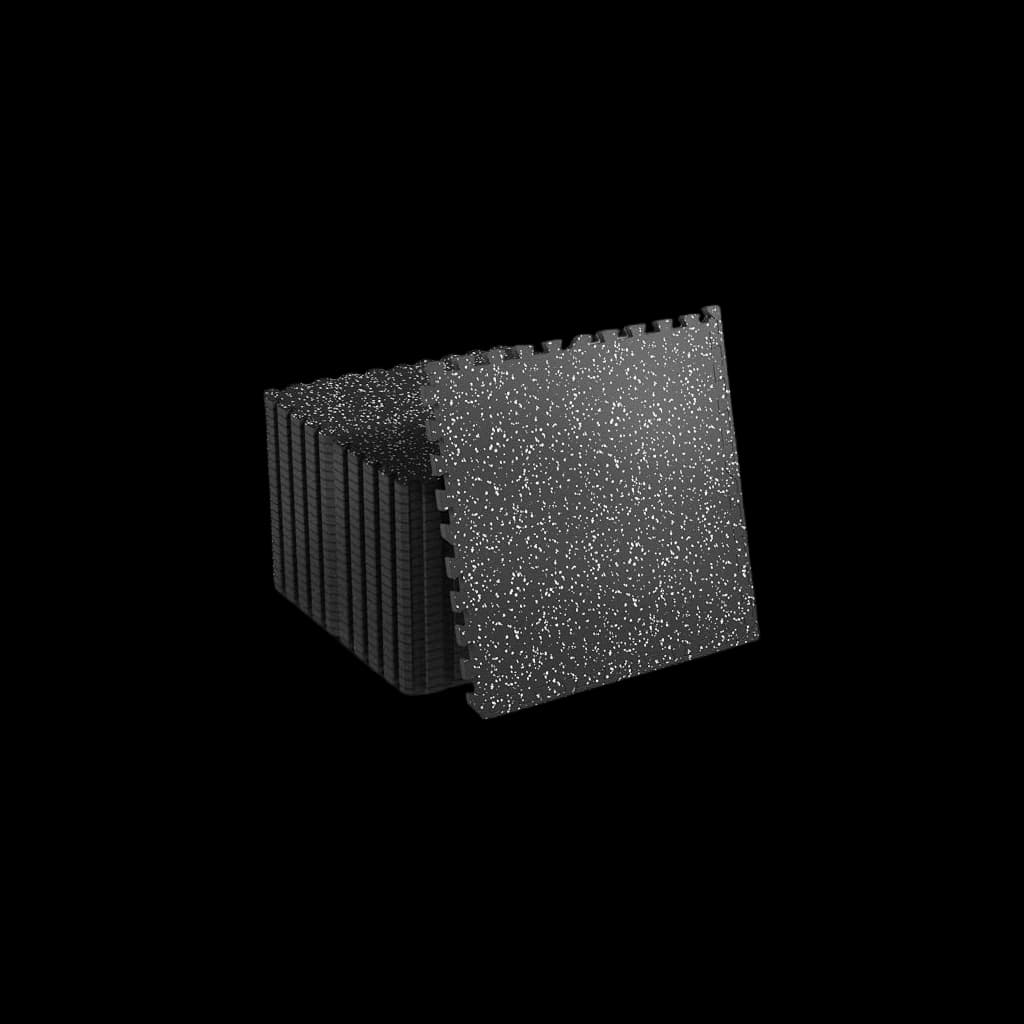
SUPERJARE Rubber-Top Exercise Mats (96 sq ft)
Rubber-topped rather than plain EVA foam, which is the difference that matters under a rack or a dropped dumbbell — foam dents permanently, rubber does not.
- 5
Lifting Belts, Wraps & Shoes
$14.95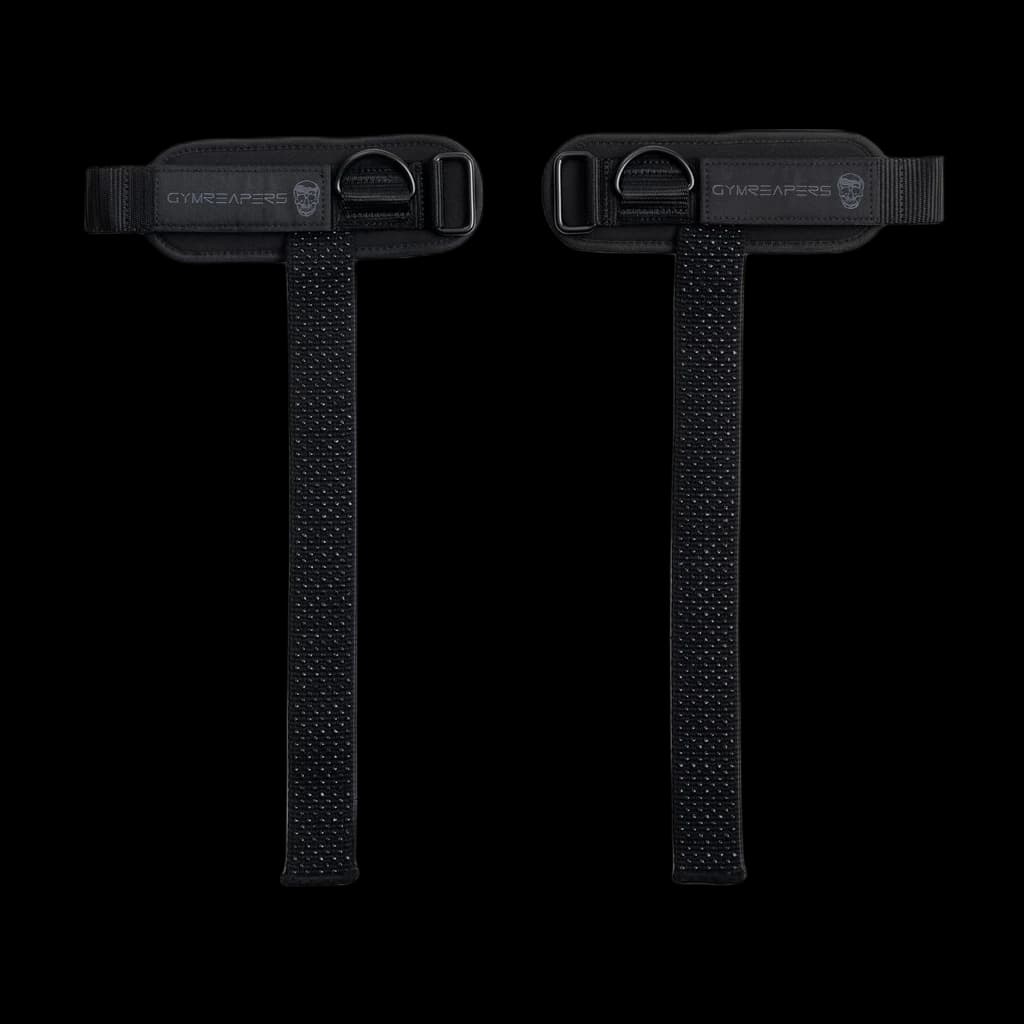
Gymreapers Lifting Wrist Straps
Padded neoprene cuffs on an 18-inch cotton lasso. The default answer when grip is the only thing stopping a heavy pulling set, and cheap enough that there is no reason to buy leather.
Left out of this plan
Not included in the total above.
- TreadmillsWon't fit this room alongside the pieces above.
- KettlebellsWon't fit this room alongside the pieces above.
- Barbells & Bumper PlatesWon't fit this room alongside the pieces above.
- Rowing MachinesWon't fit this room alongside the pieces above.
Equipment that fits
Categories that work in this space, with our highest-scored pick that has a current Amazon price.
Top pick: Schwinn IC4
Top pick: PowerBlock Pro 50 Adjustable Dumbbells
Top pick: CAP Vinyl Coated Cast Iron Kettlebell
Doesn't fit (or shouldn't)
These categories either won't physically fit, or shouldn't be used in this space (noise, neighbors, ceiling height).
Your next step
Know the space — now pick the gear.
Plan your build
Use the Planner — combine this space with your goal and budget for an exact shopping list with floor layout.
Plan my home gym →