CAP Vinyl Coated Cast Iron Kettlebell
Kettlebells
96
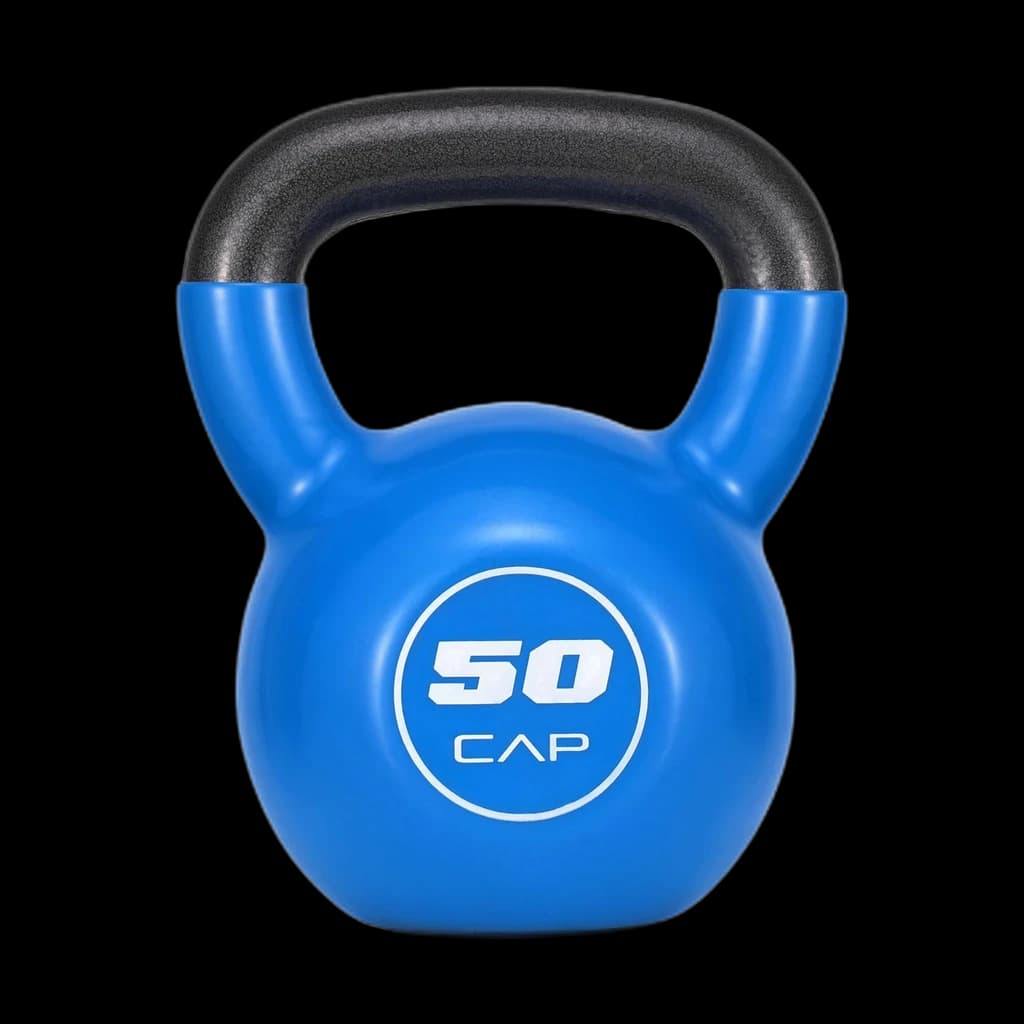
Best for: First kettlebell
$73.99Buy on Amazon
How GymScored is paid: Amazon Associates commission plus brand-direct affiliate (Rogue / REP / Titan when approved). No sponsored placements, no paid reviews, no pay-to-rank. Picks are ranked by the Gym Score formula and nothing else. Read the full disclosure.
Garage gyms have one thing apartment gyms don't: room to drop weight. They also have humidity, cold mornings, and concrete that eats joints. The picks below are the ones owners report holding up to garage conditions over multiple winters.
The three highest-scoring picks in this hub that are in stock at a price we could verify this week.
Best for: First kettlebell
A garage gym is the home-gym format that gives back the most per dollar — but only if you accept its tradeoffs. You get noise tolerance, vertical space, and permission to drop weight. You also inherit cold mornings, humid summers, and a concrete slab that will eat any joint not protected by good flooring. The picks on this page are the ones owners report holding up to those conditions over multiple seasons, not the prettiest ones on Instagram.
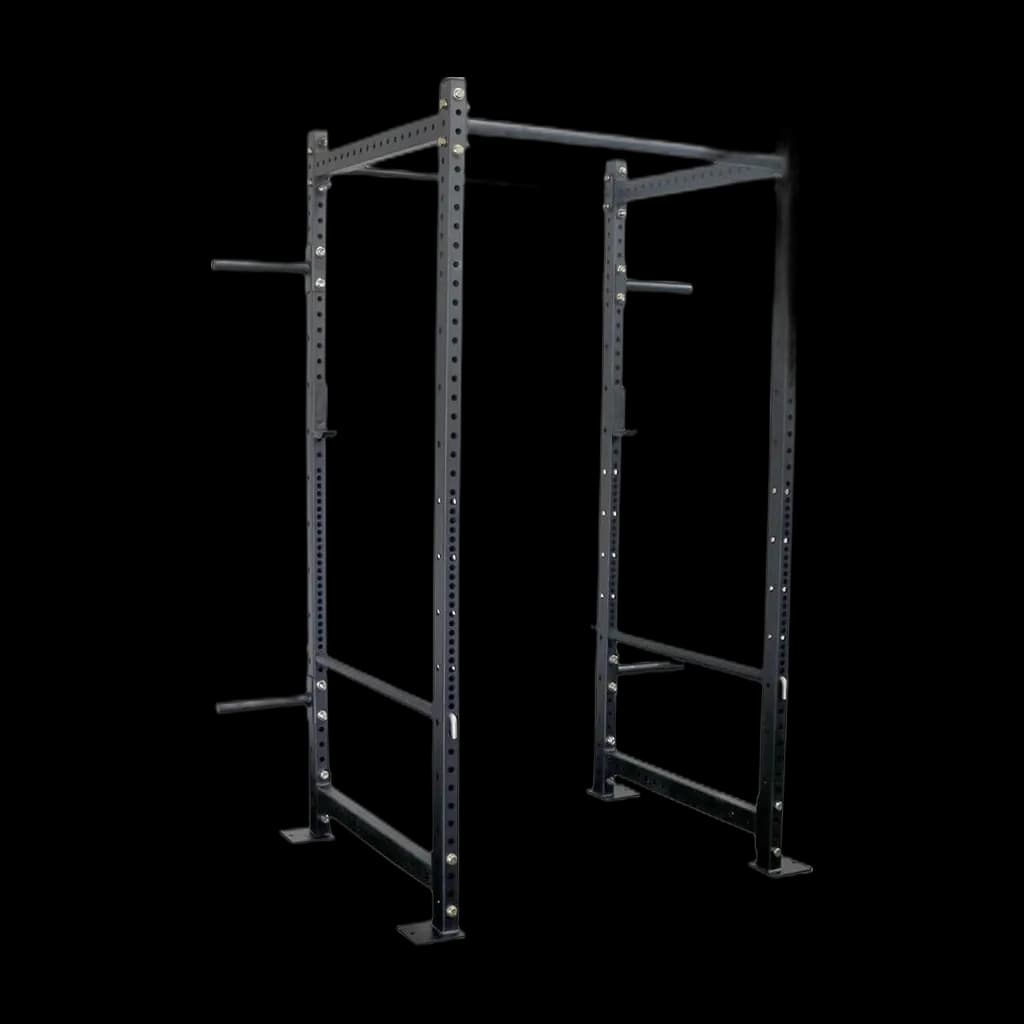
A complete garage strength setup is four pieces in a fixed order: flooring, a power rack, an Olympic barbell and plates, and an adjustable bench. That is the entire core. Cardio, kettlebells, and recovery come after — never before — because the rack defines where everything else sits.
Floor space planning: a 60" wide × 72" deep rack needs roughly a 10' × 10' footprint once you add the bar (84" wide), bench rotation, and walk-around clearance. If your garage has a parked car most of the time, a wall-mounted folding rack is the better path.
The most expensive error in garage gyms is buying the rack before the floor. A rack on bare concrete walks itself out of position every session, and your bar bends if you set it down at any angle. Lay flooring first, every time.
The second-most-expensive error is underestimating winter. A bar at 35°F feels like it is going to break your hands. A small space heater run for 20 minutes before training fixes the human side; a dehumidifier in summer fixes the rust side. Together they cost less than one cheap bar replacement.
Suggested build order
Best for: CrossFit-style home programming with cleans and snatches
Best for: Yoga, stretching, mobility, and floor-based bodyweight work
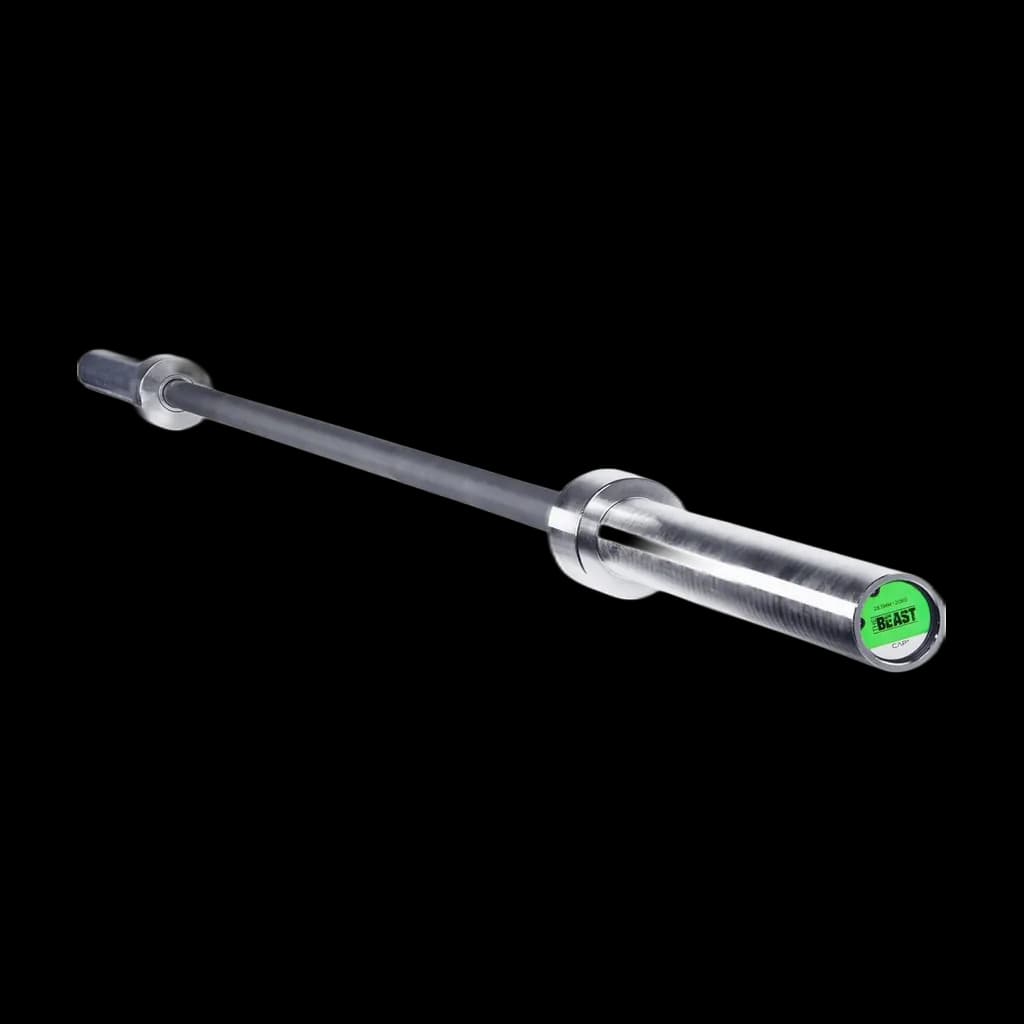
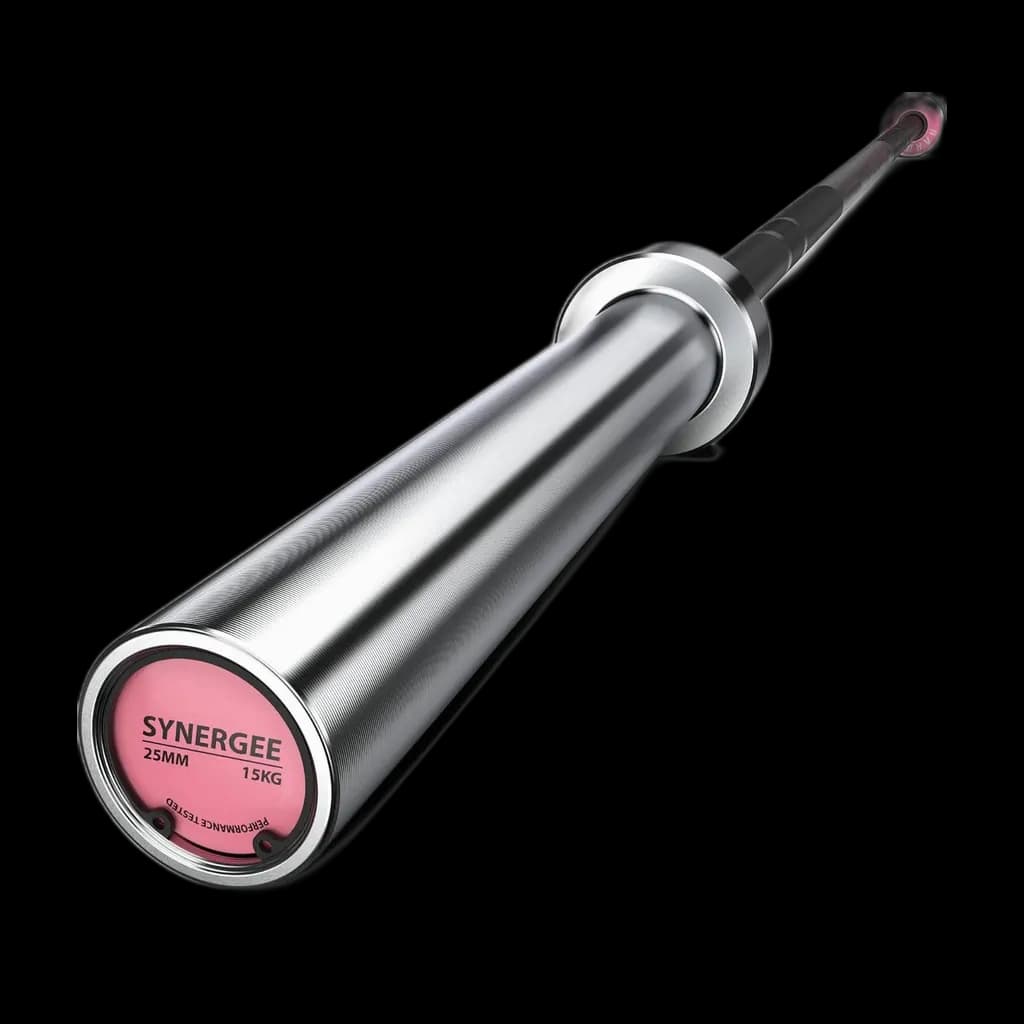
Best for: First serious barbell for a lifter under 405 lb in any compound lift
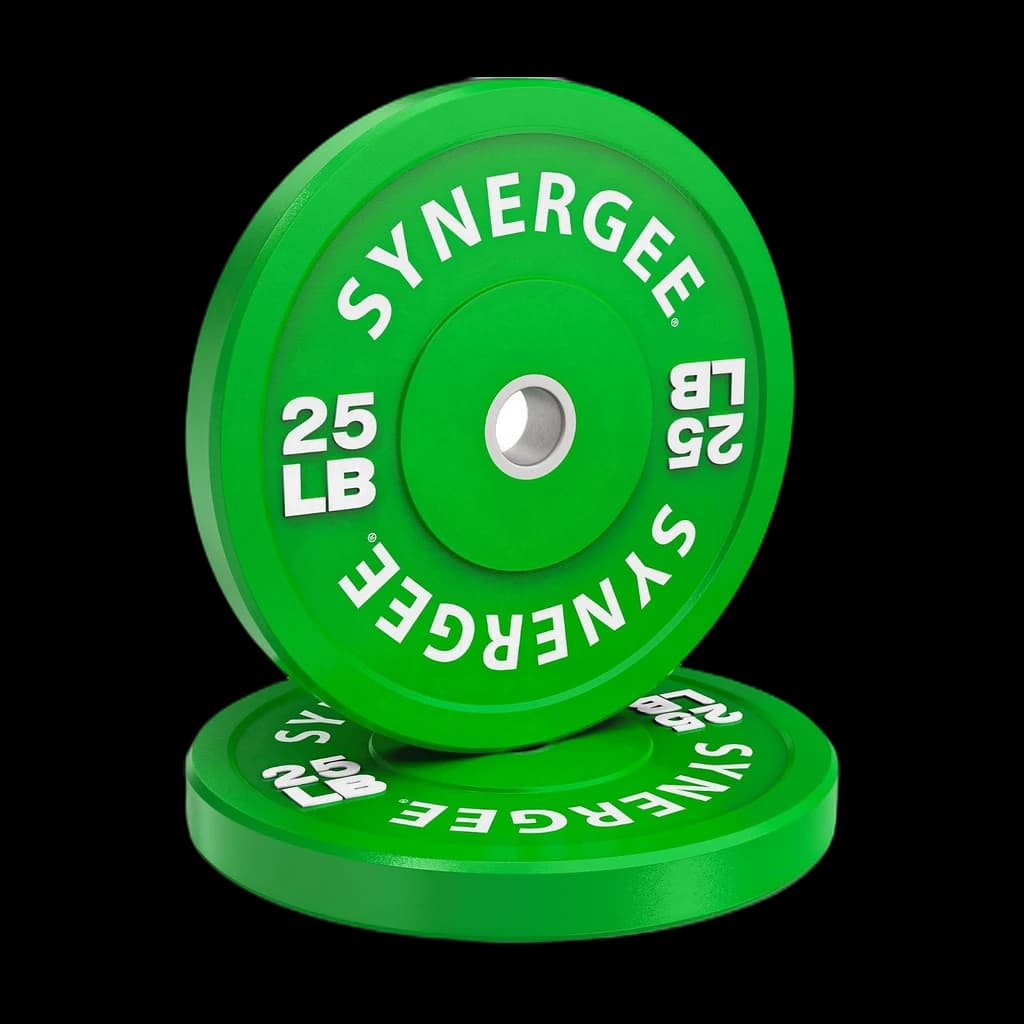
Best for: Building a plate set one jump at a time instead of buying a fixed package
Best for: Bodyweight, cardio, yoga and martial-arts spaces that want a rubber surface with foam cushioning underneath
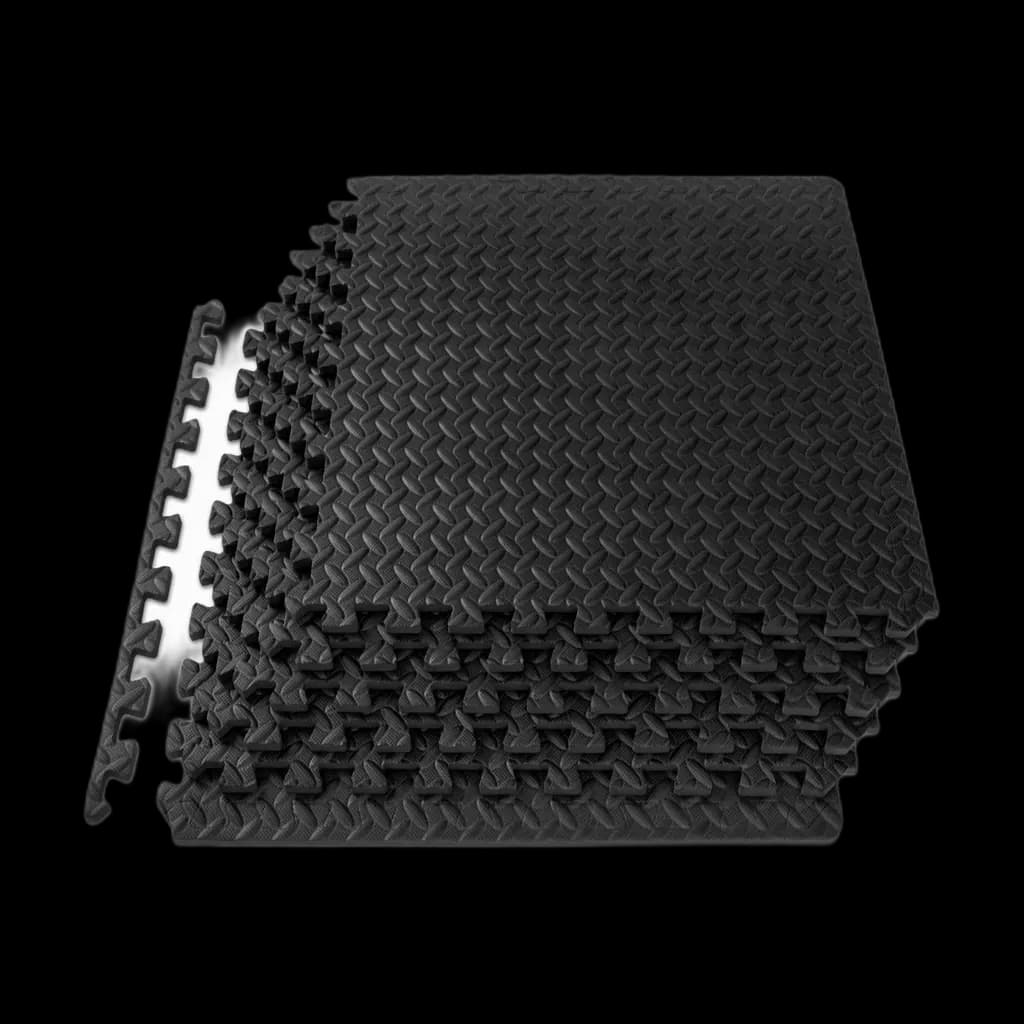
Best for: Renters who need a removable floor and can't bolt or glue anything down
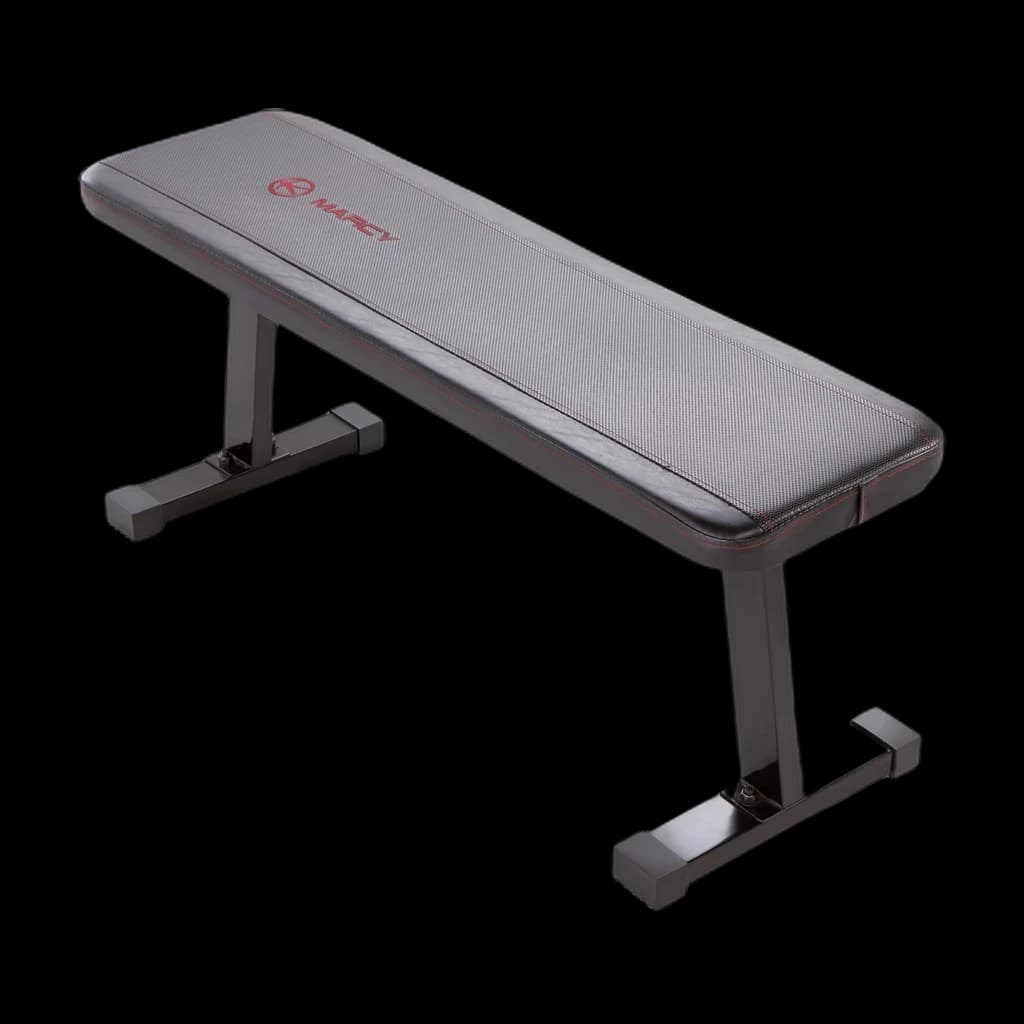
Best for: A dedicated flat bench for barbell and dumbbell pressing, rows and step-ups, where an adjustable bench is more mechanism than the job needs
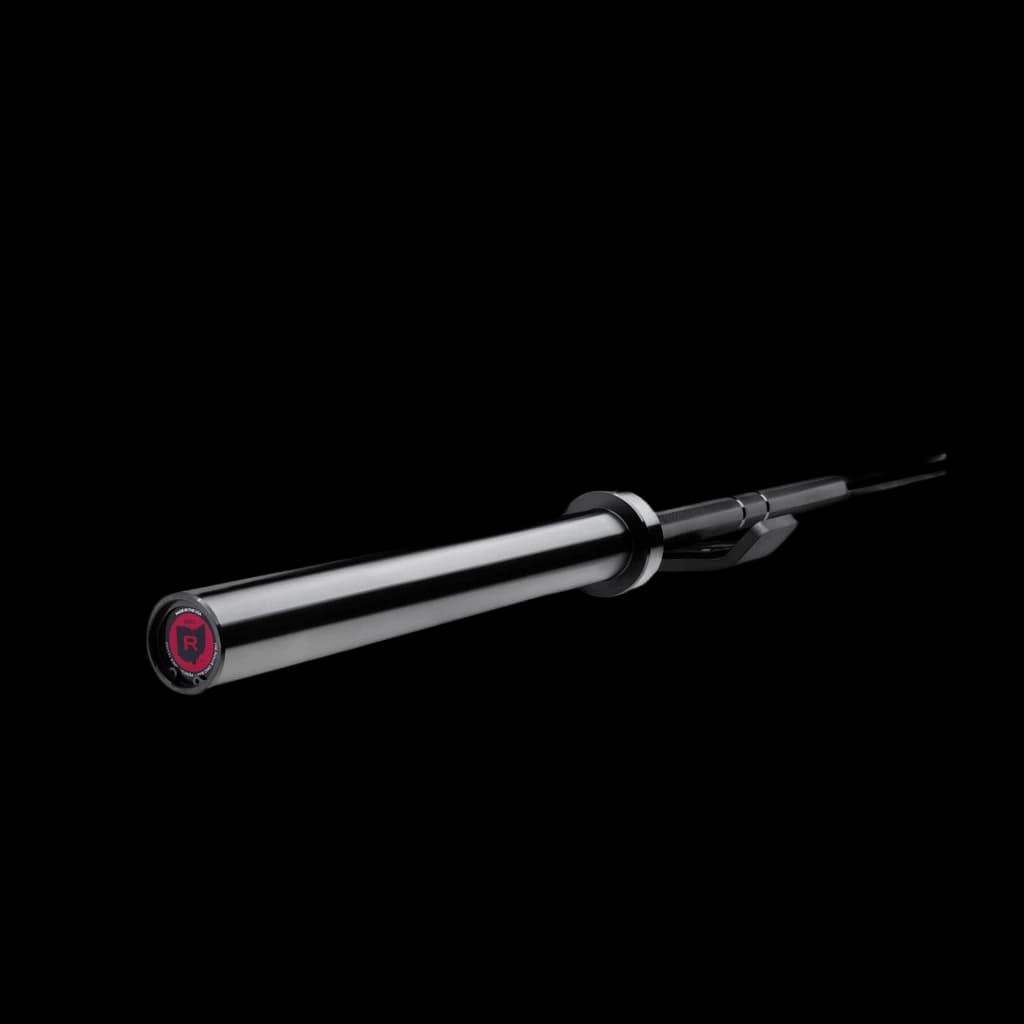
Best for: Default home-gym barbell for general strength work
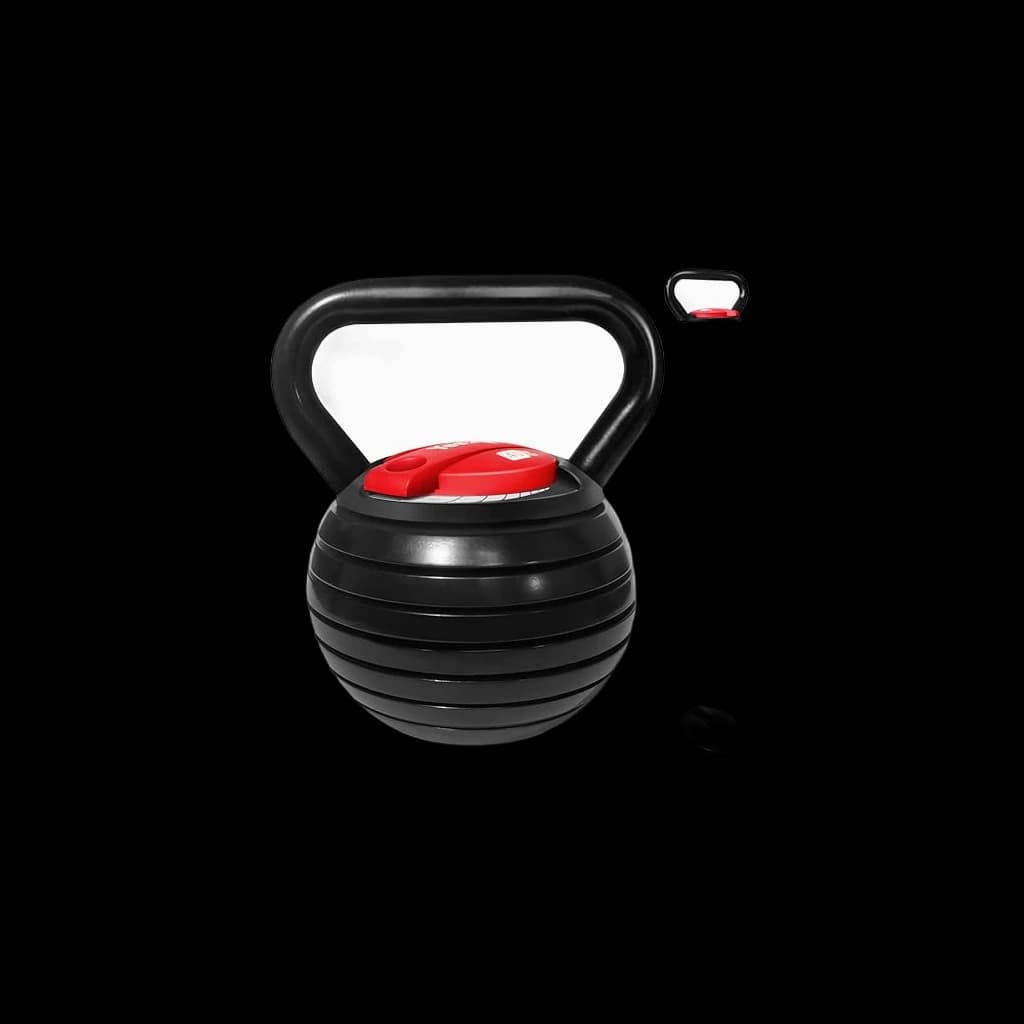
Best for: First kettlebell
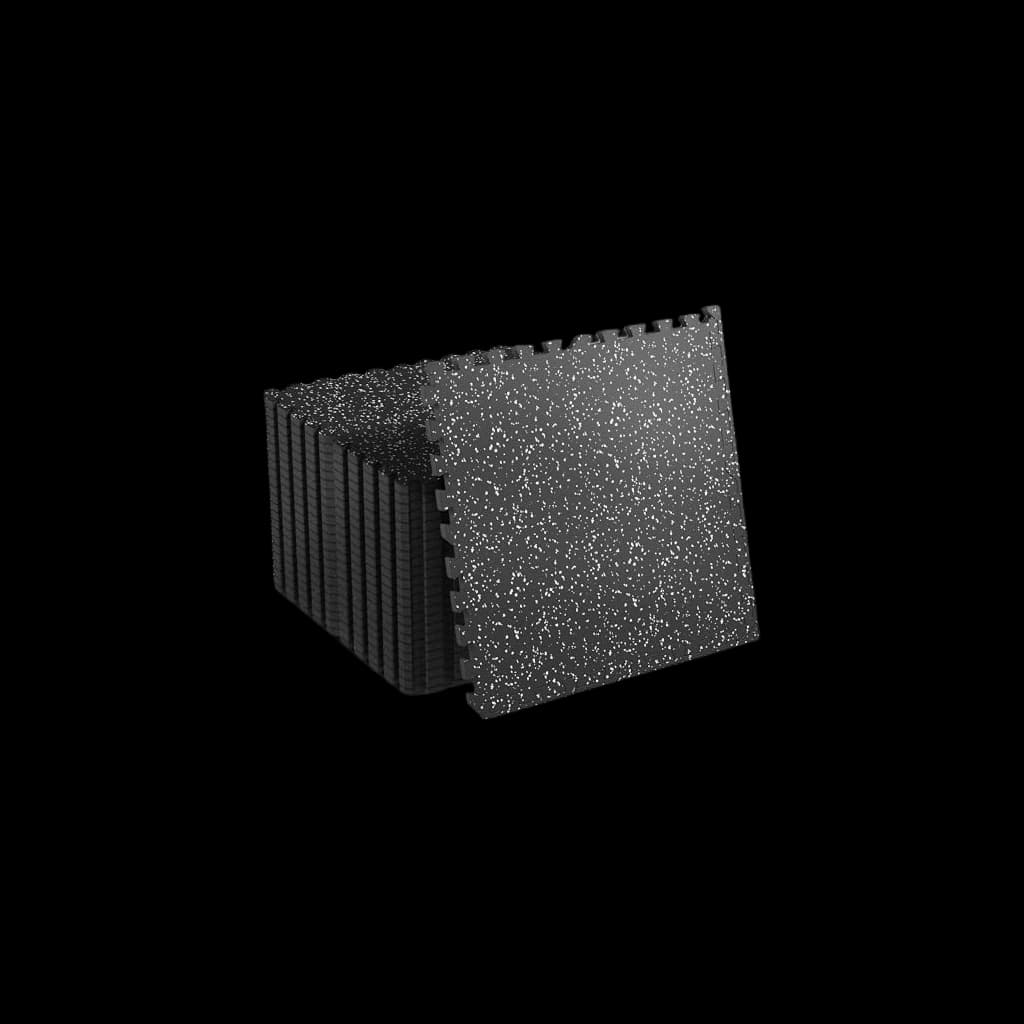
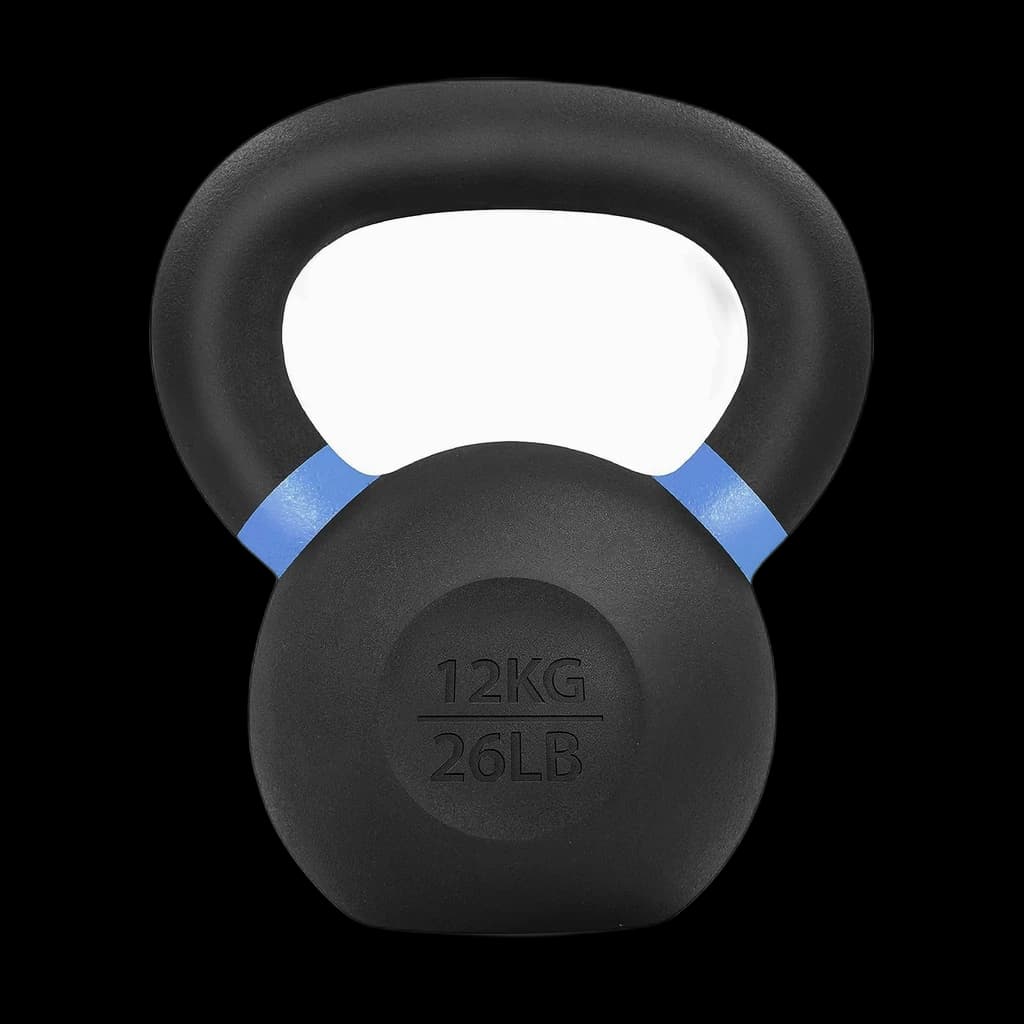
Best for: Anyone buying their first or second kettlebell for general training
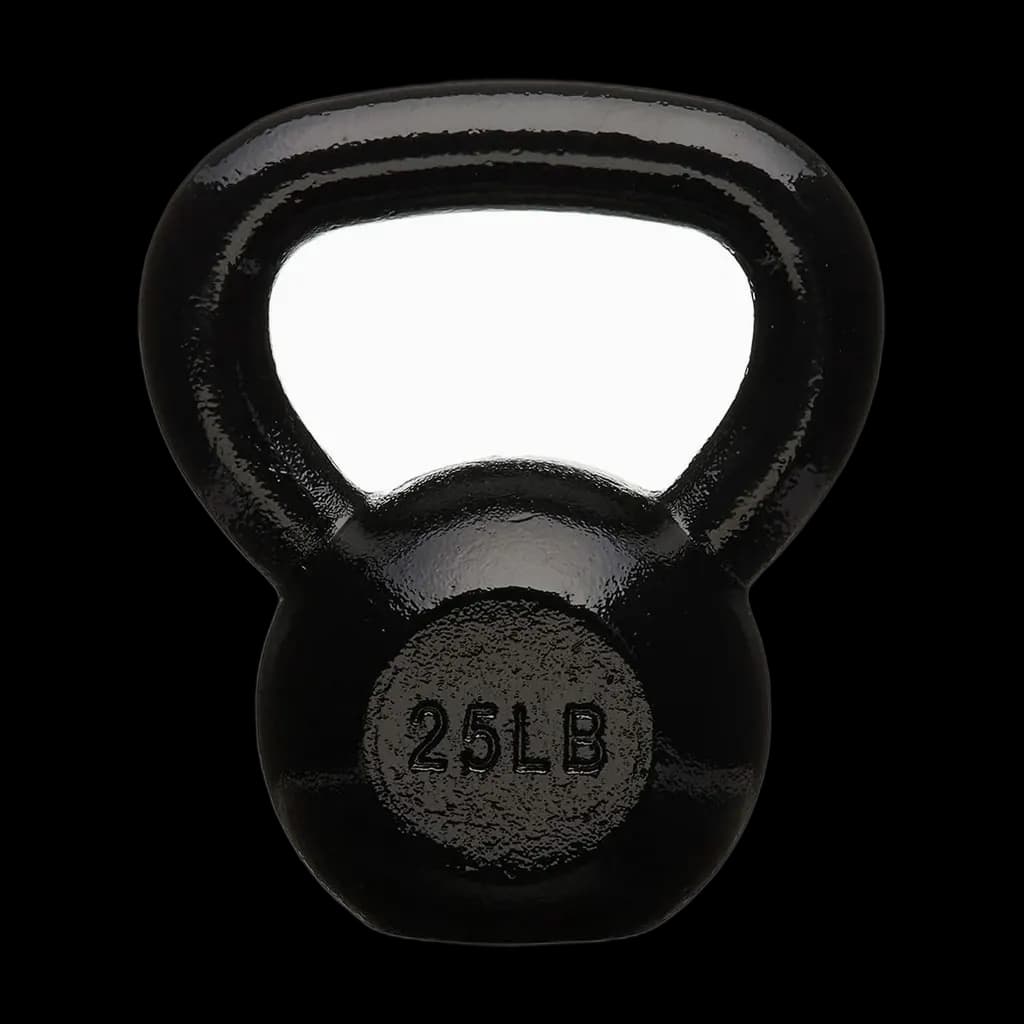
Best for: Absolute beginners testing whether kettlebells fit their training before committing
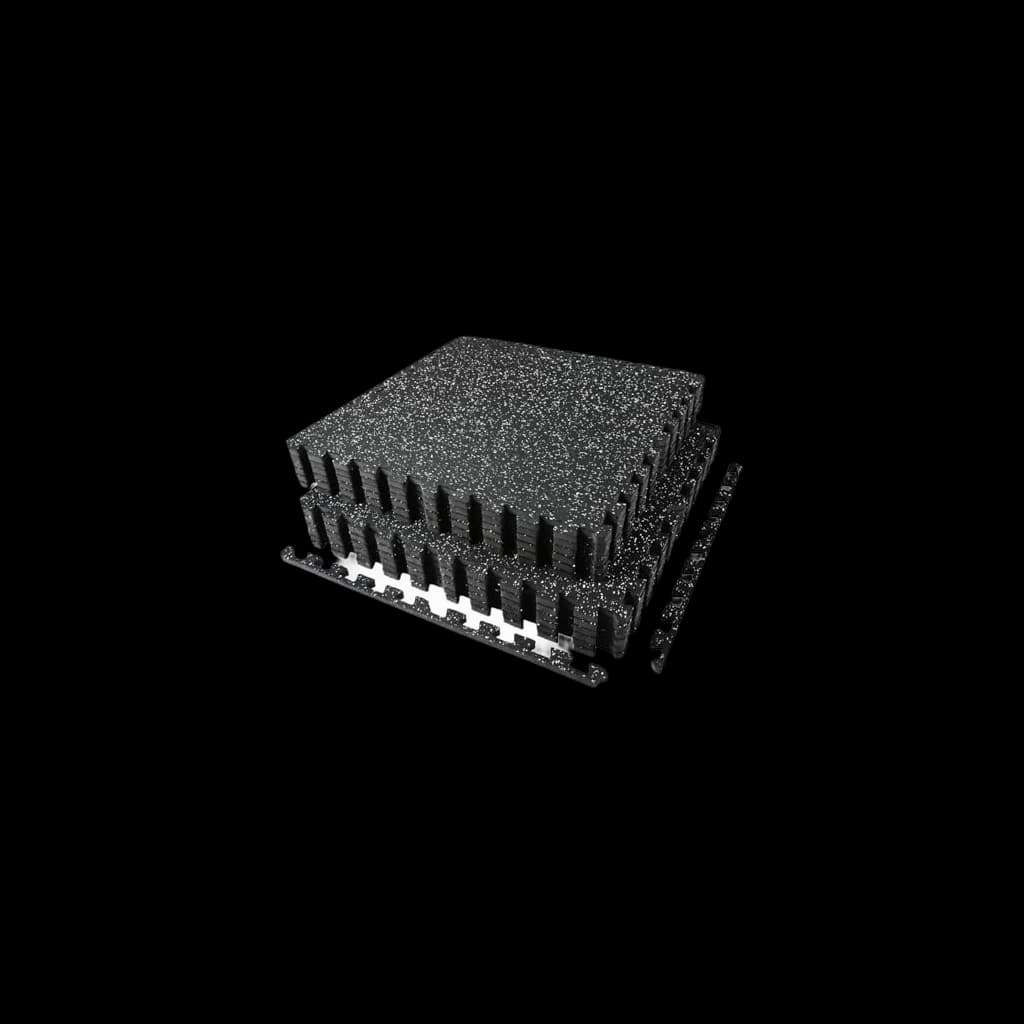
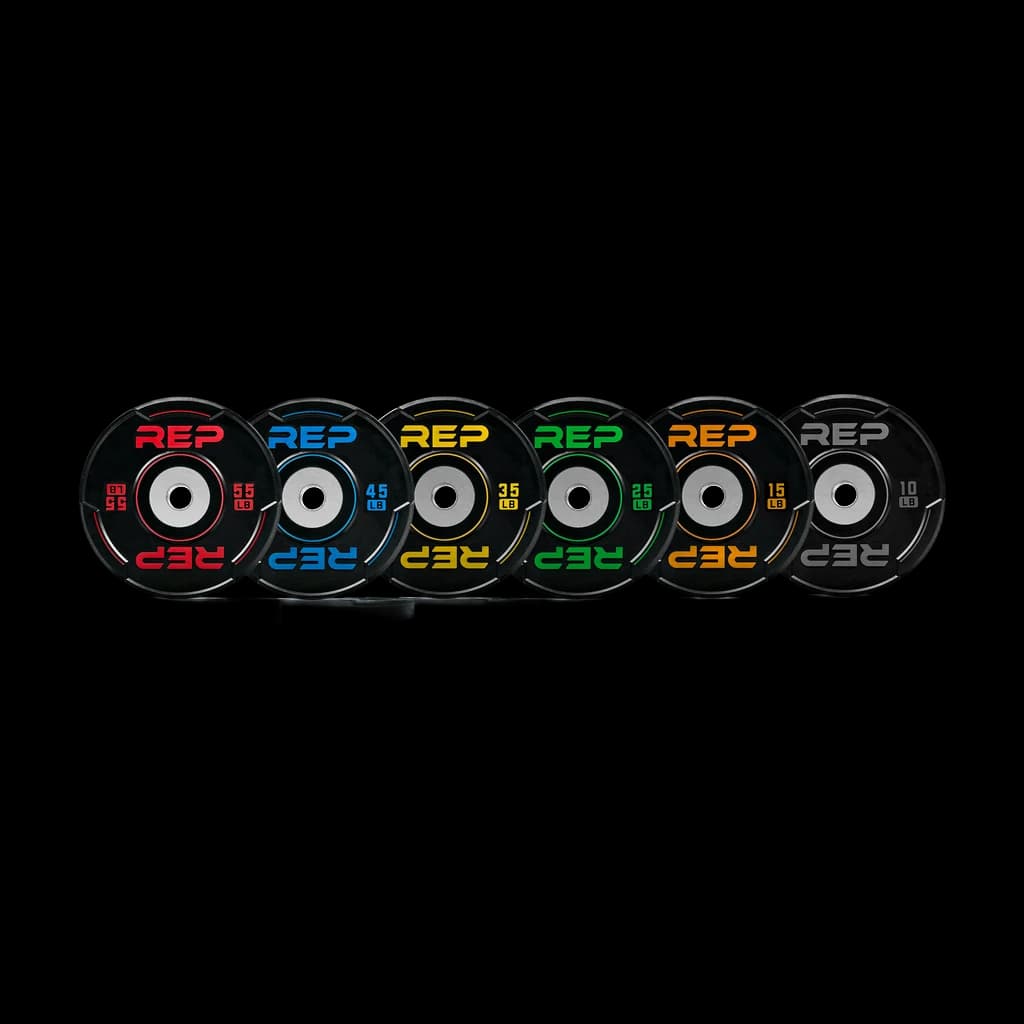
Best for: Home gyms with apartment-adjacent neighbors
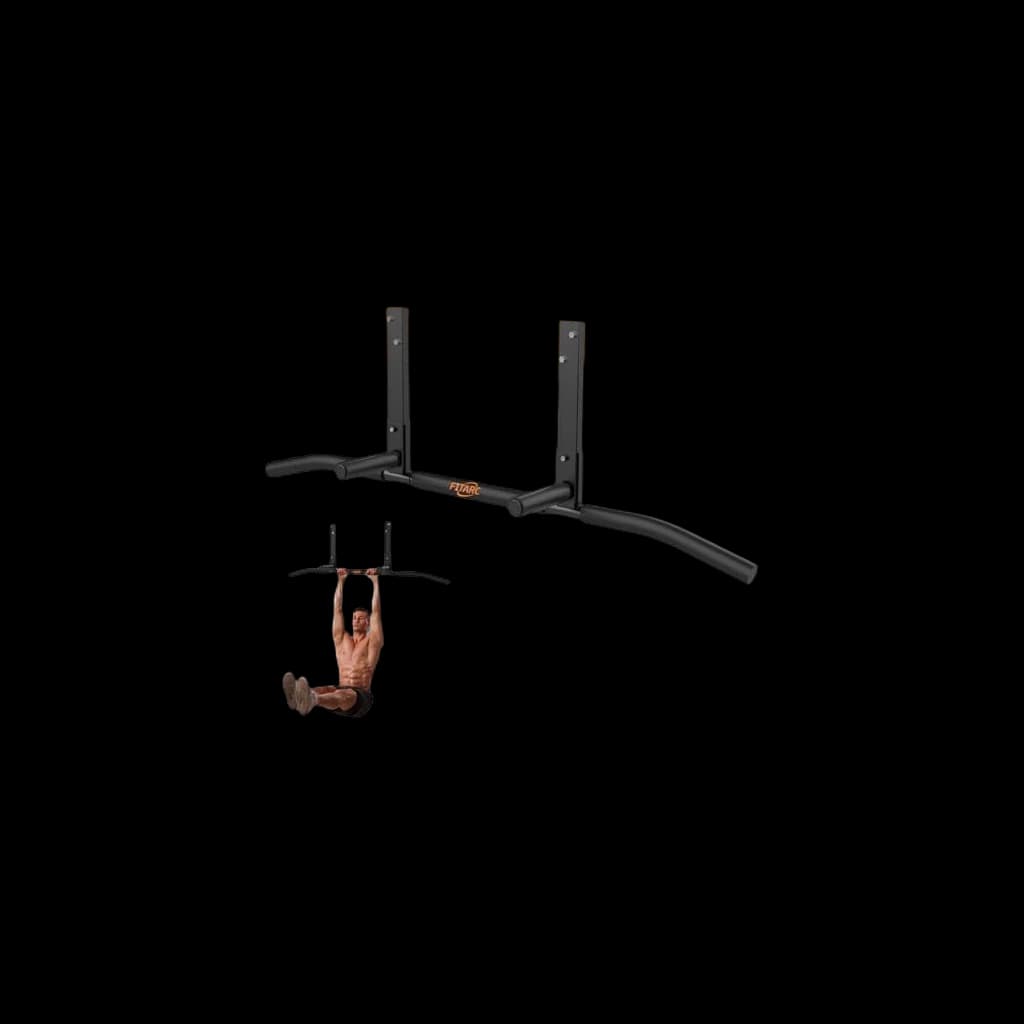
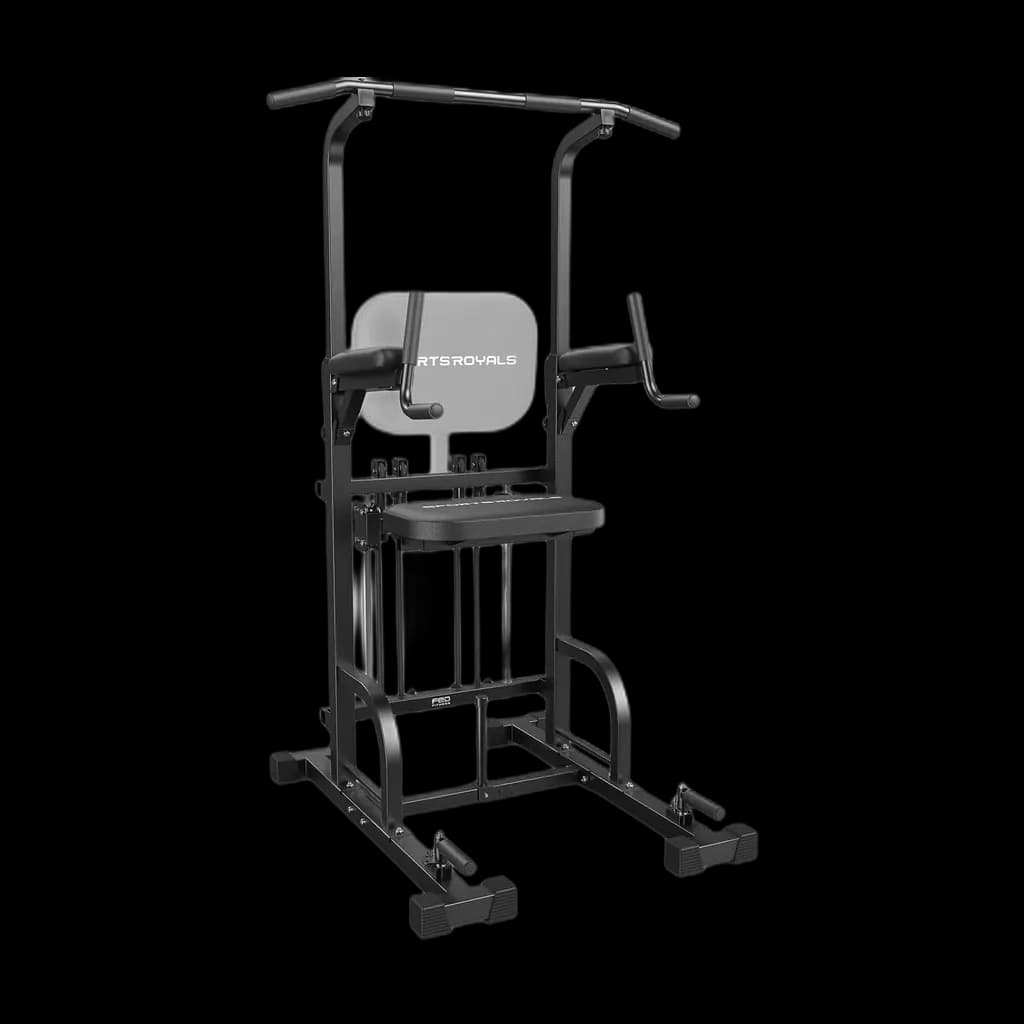
Best for: Bodyweight-first lifters who can't justify a full power rack
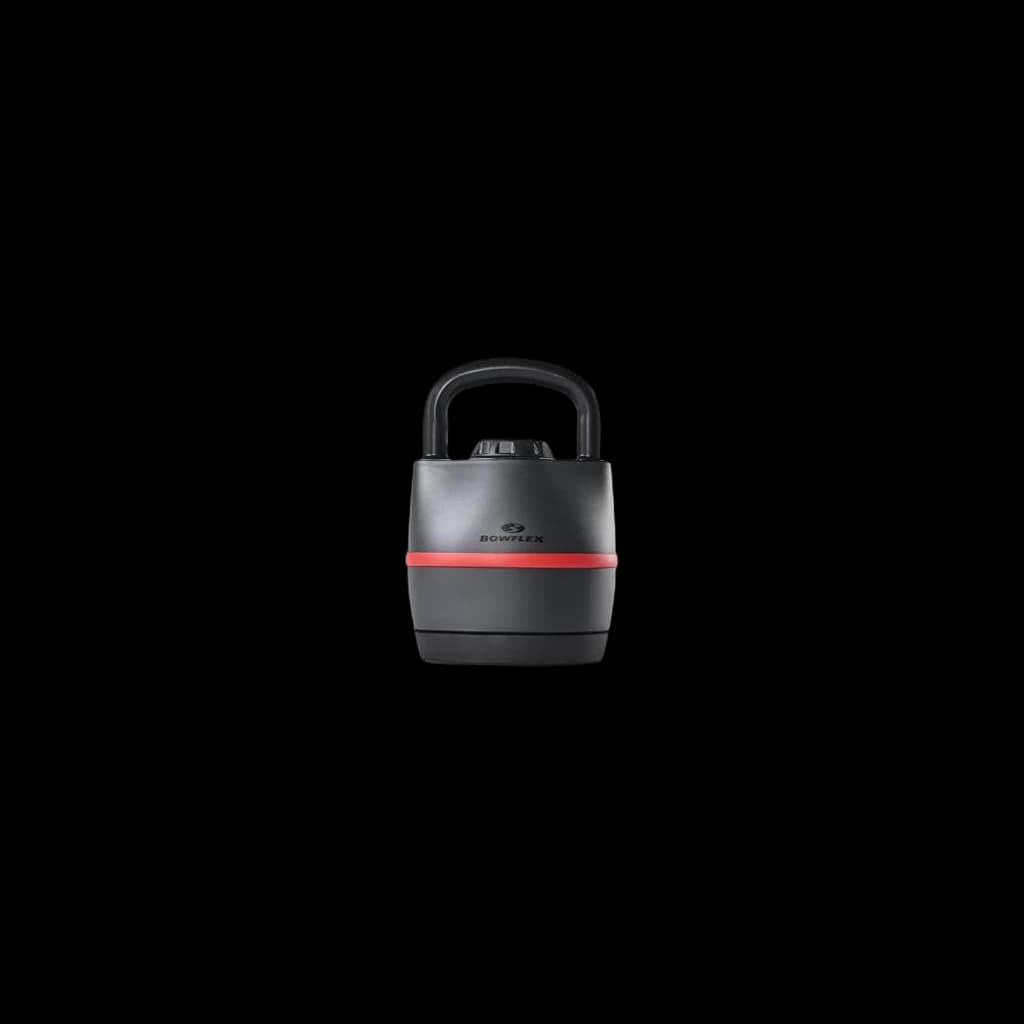
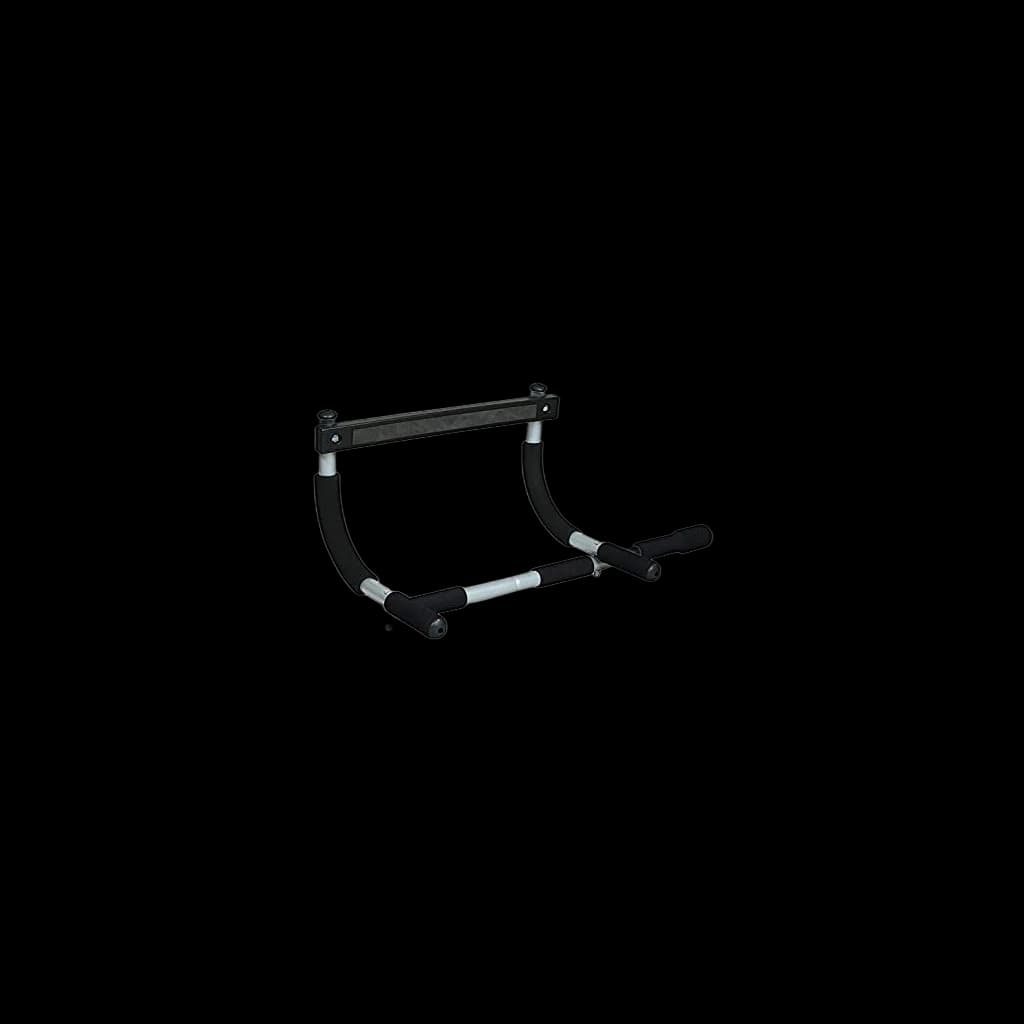
Best for: Renters and apartment dwellers who can't drill
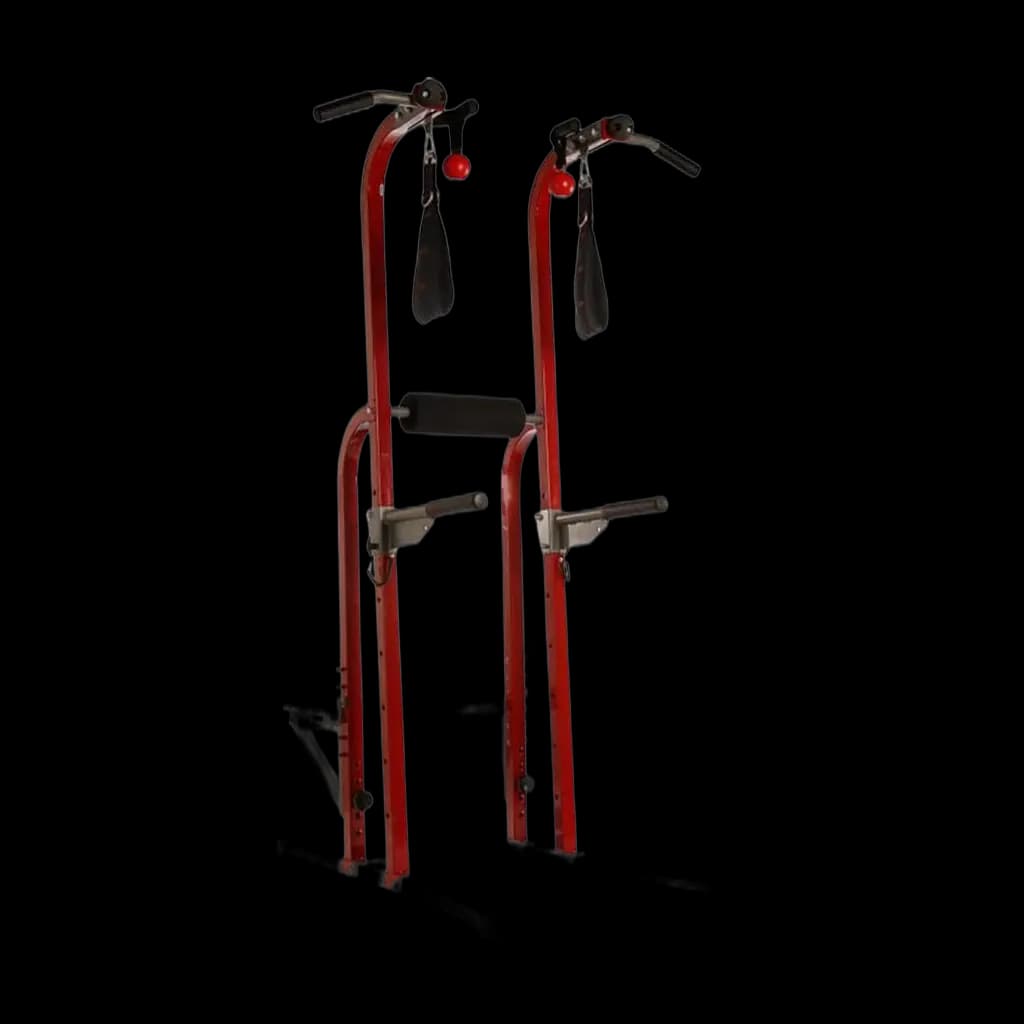
Best for: Lifters who want bodyweight strength plus low-box plyometrics in one footprint, and who do not need to lift more than around 225 lb of bodyweight plus added load.
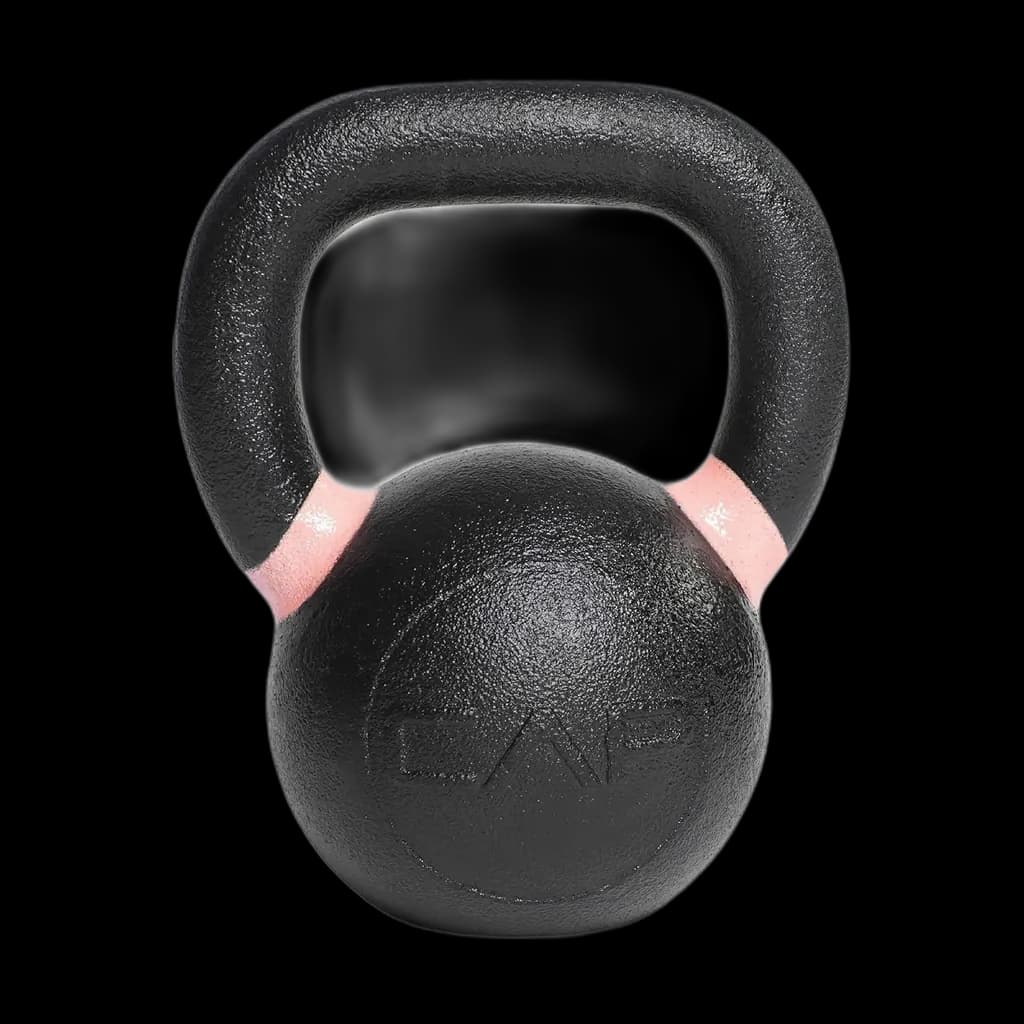
Best for: Lifters with larger hands who find 33mm competition handles cramped
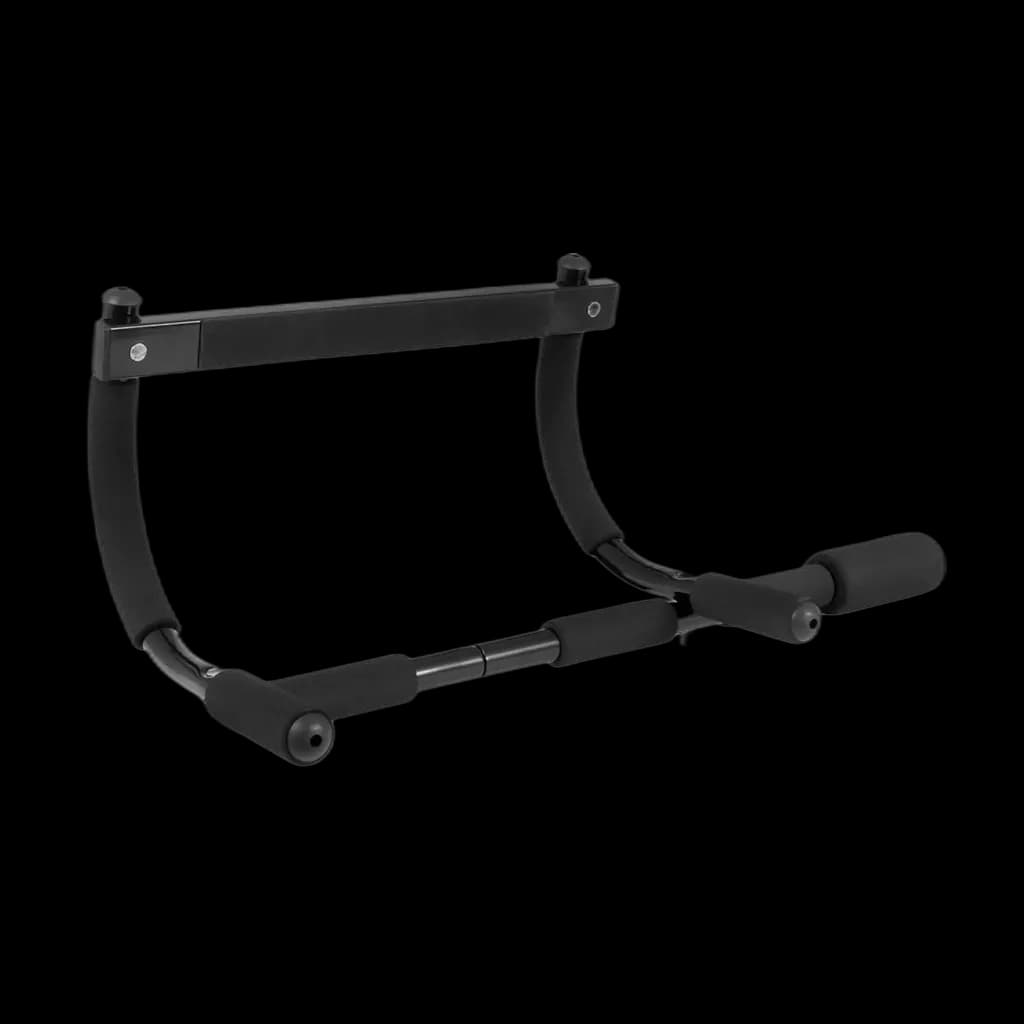
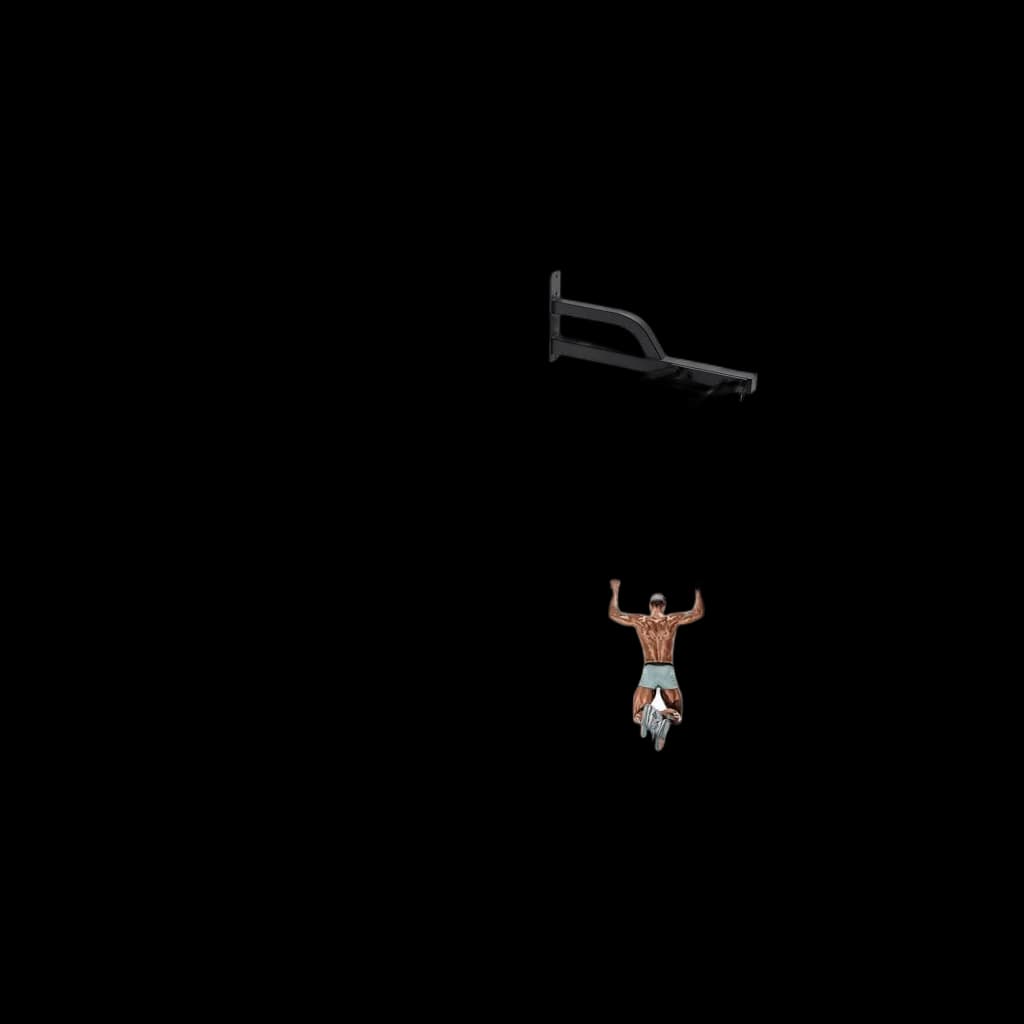
Best for: Renters or anyone who wants pull-ups without drilling, especially if the doorway is on the wider end (up to 36 in) and the user weighs under 250 lb.
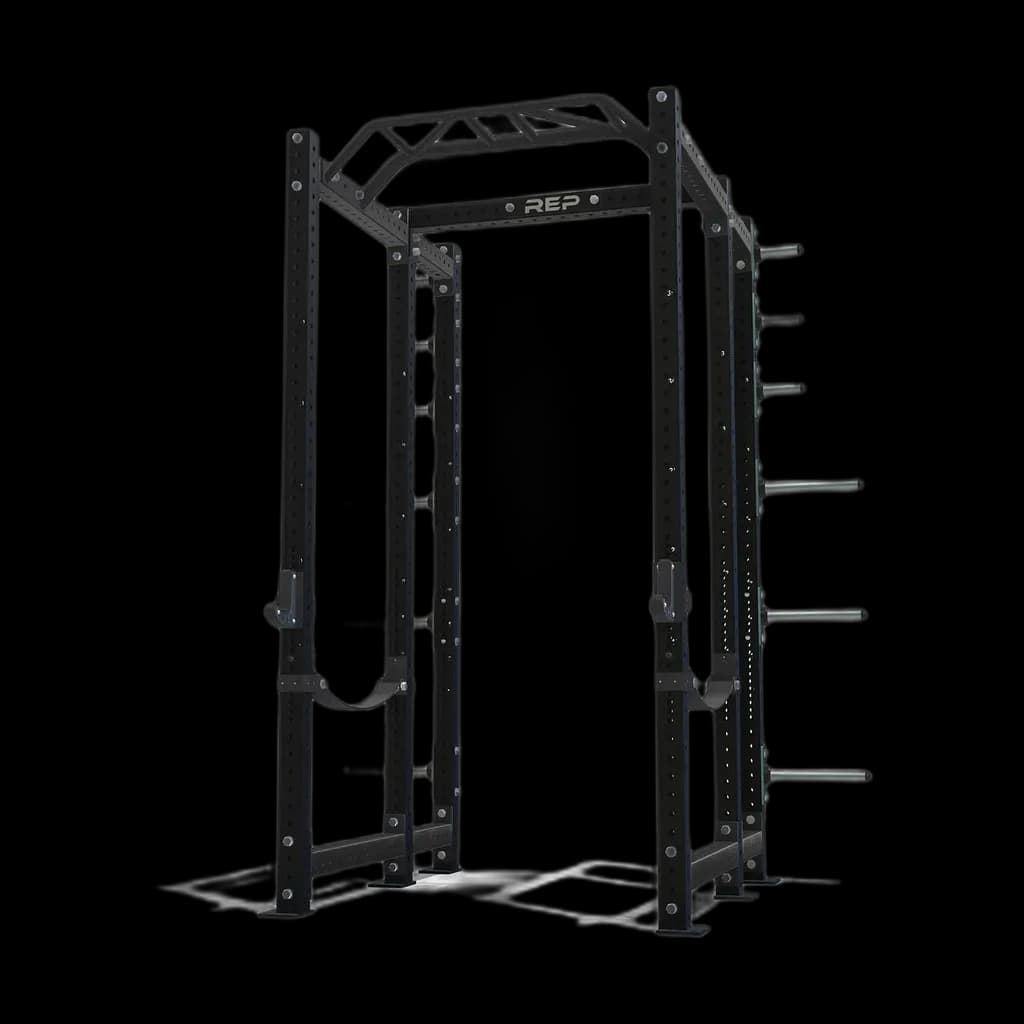
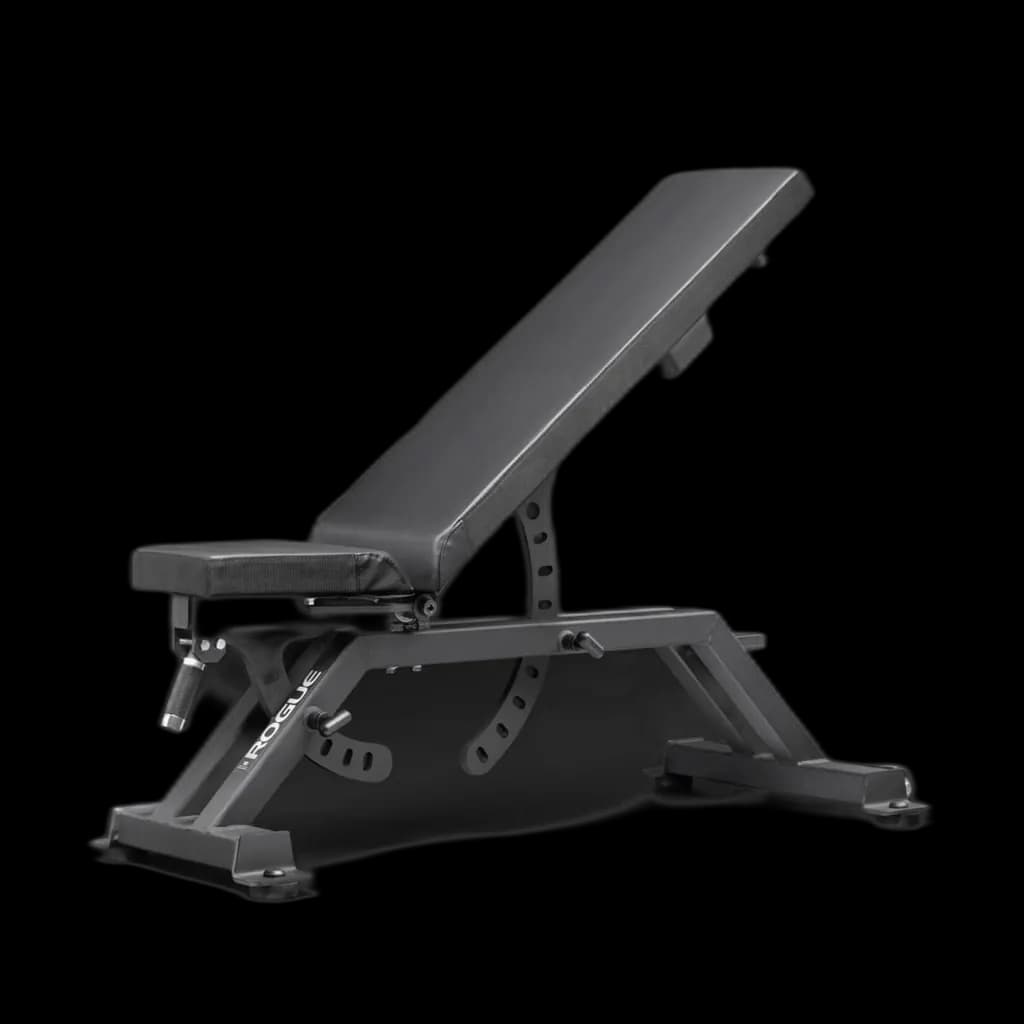
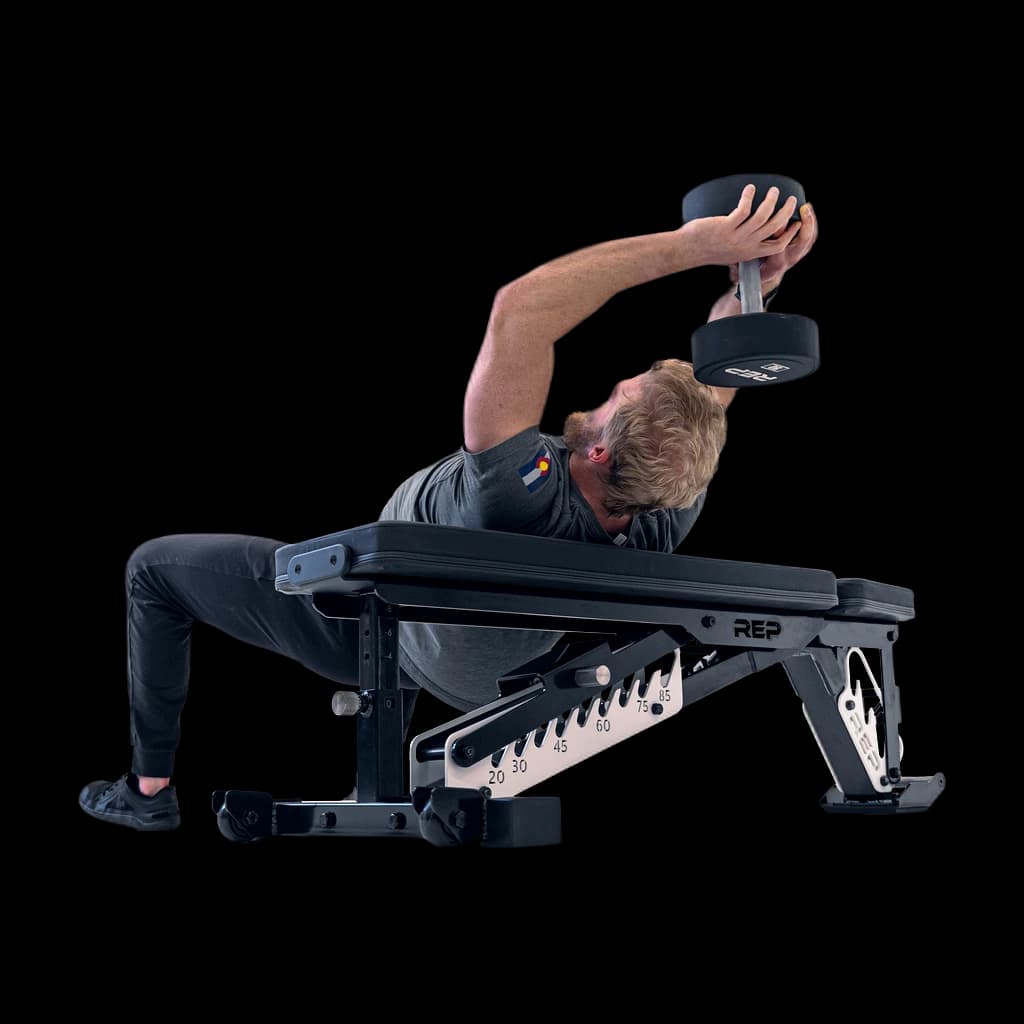
Best for: Lifters who bench 250+ lb and want zero pad-flex under heavy load
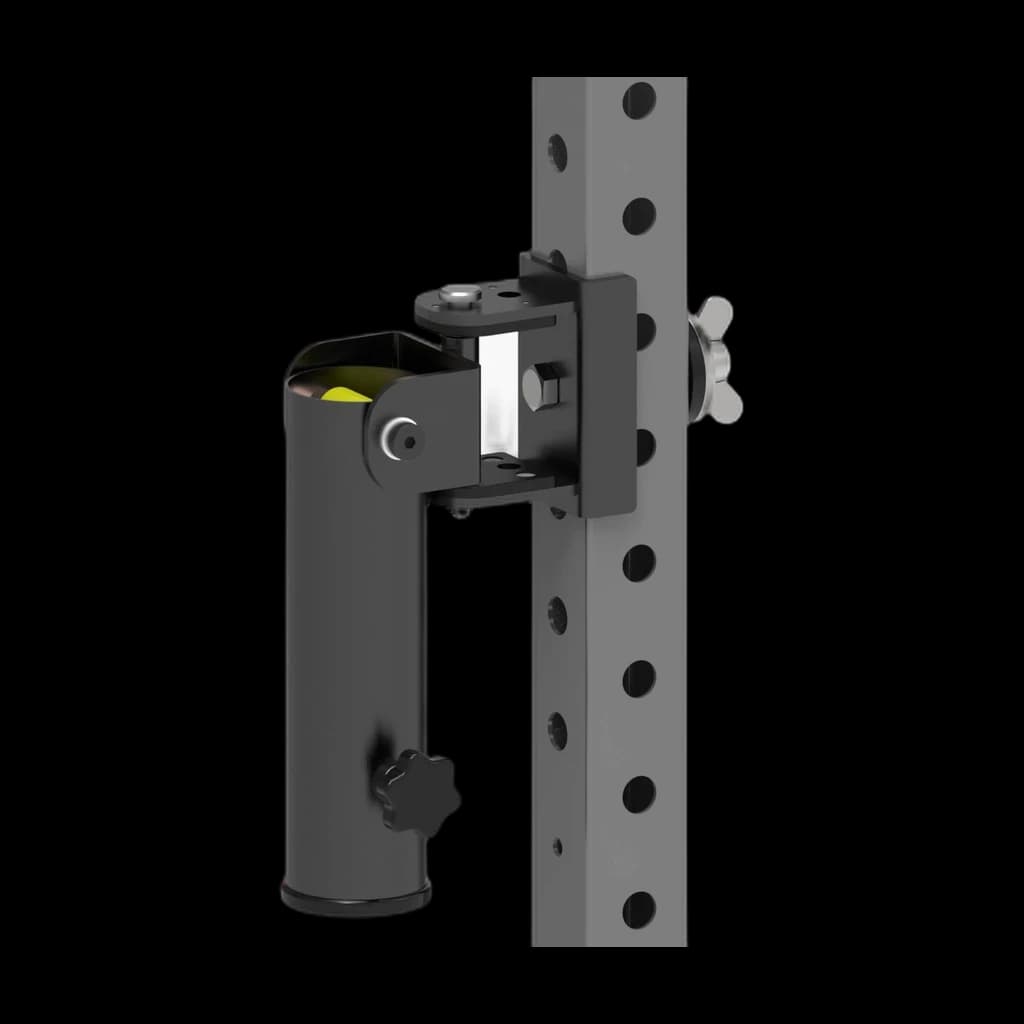
Best for: Lifters who want T-bar rows, landmine presses and rotational work without giving up floor space to a corner landmine unit. The sleeve liner matters if the bar in it is also your main barbell.
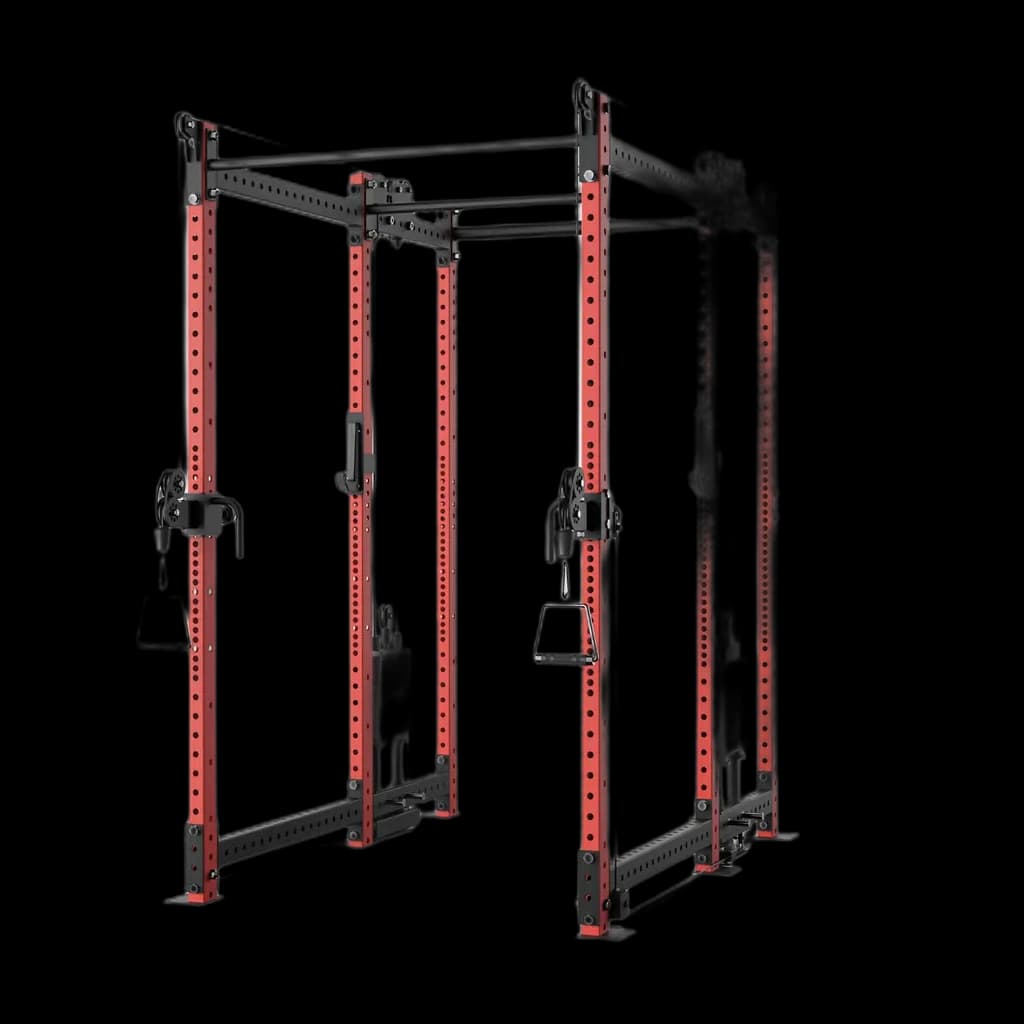
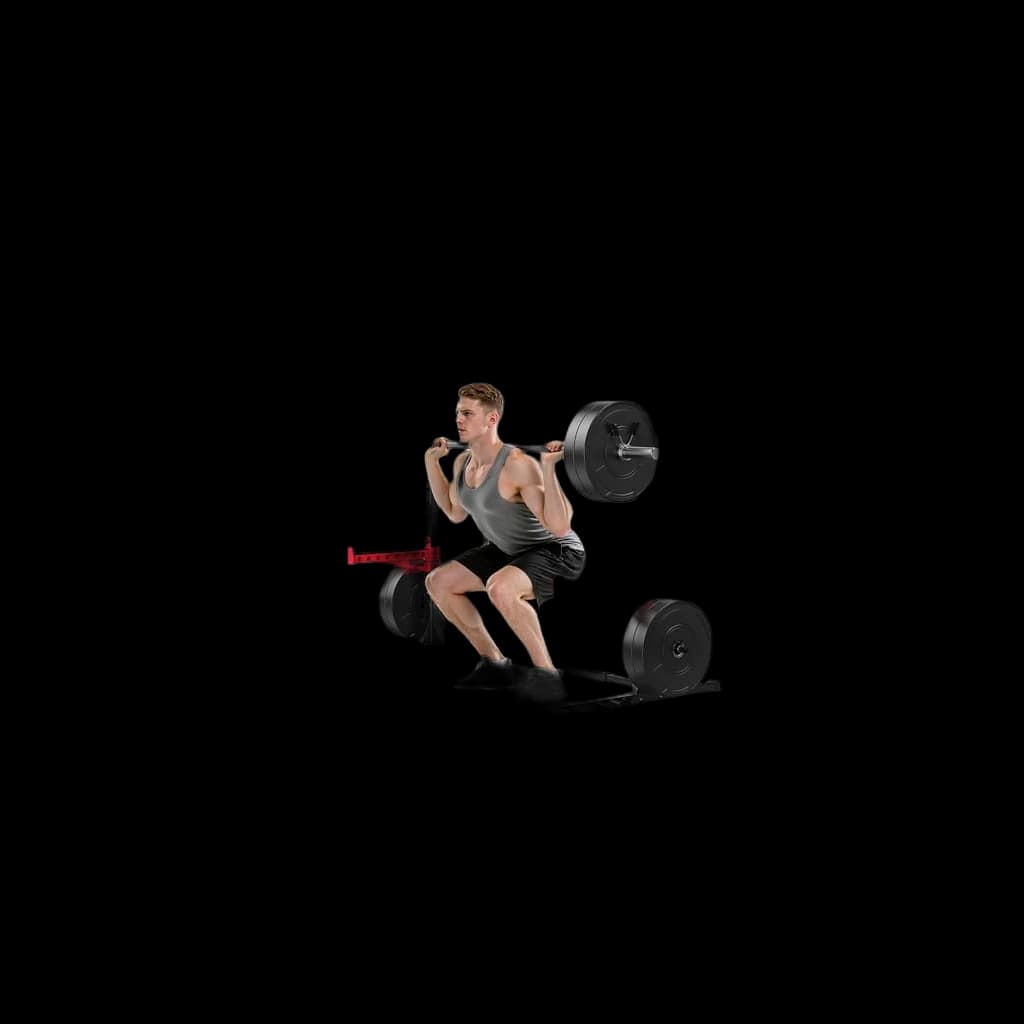
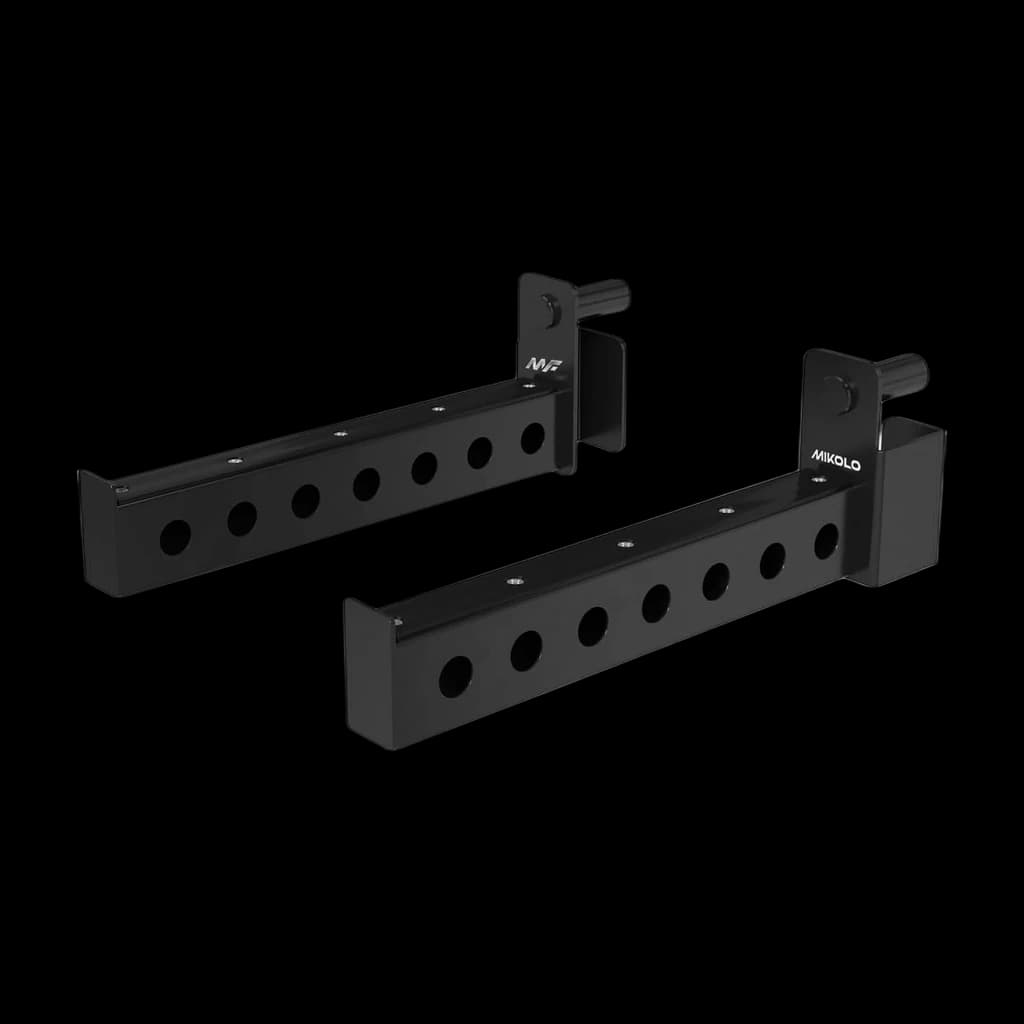
Best for: Anyone training alone who currently benches without a catch under the bar. Also the cheapest way to make a half rack usable for heavy squats.
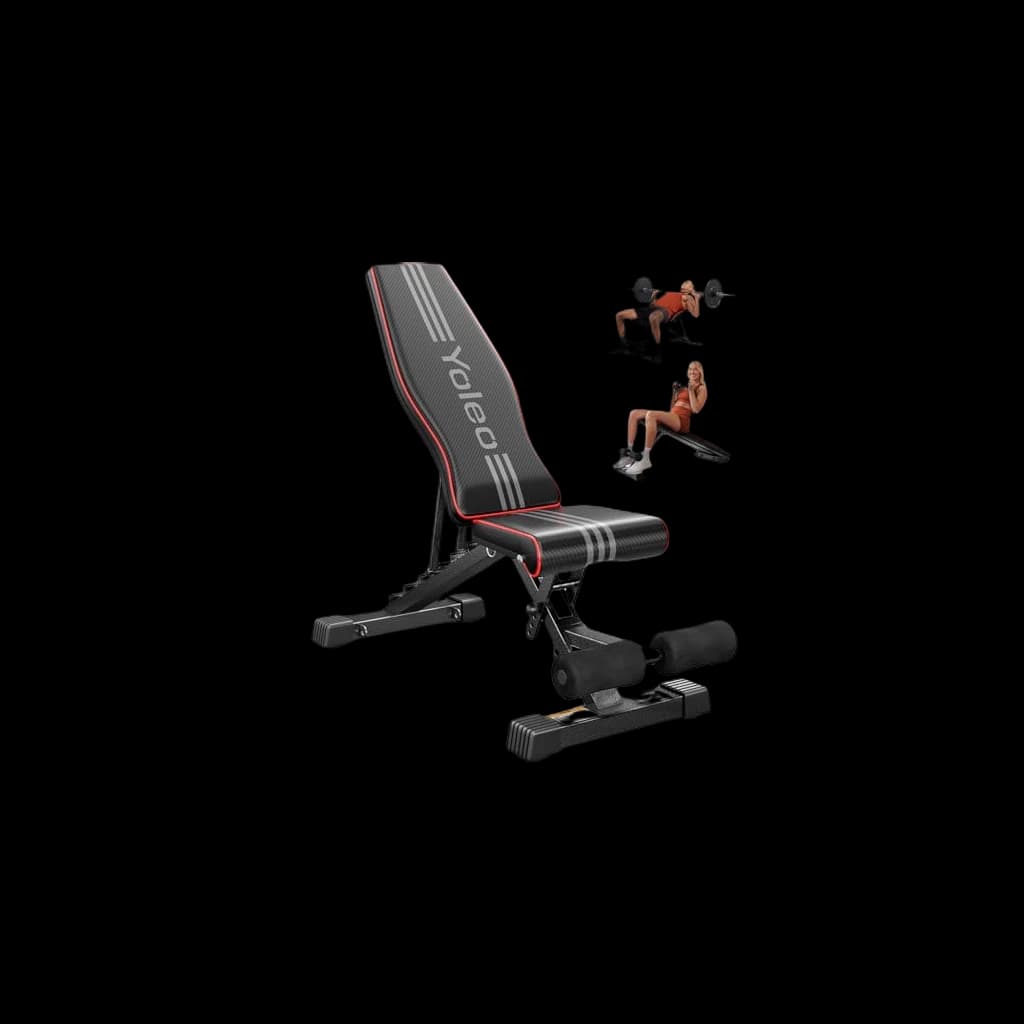
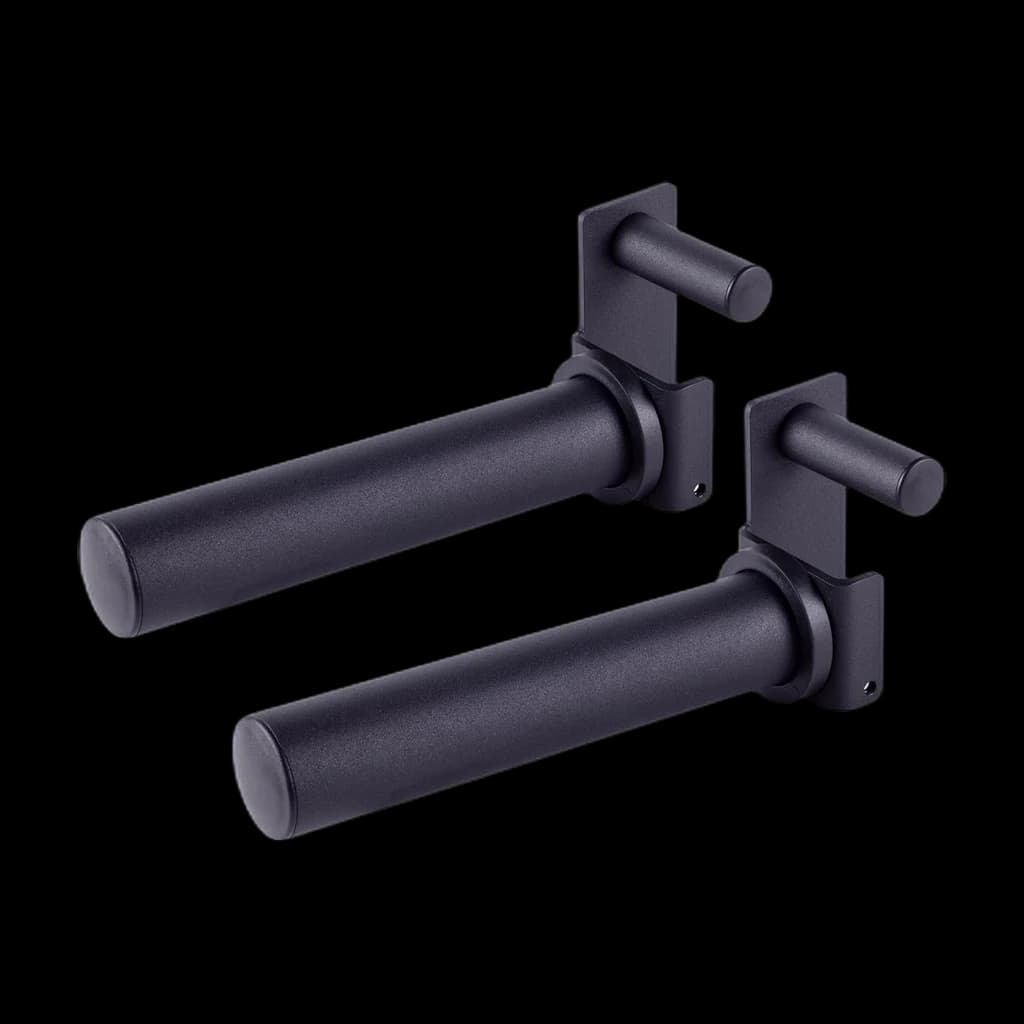
Best for: Anyone whose plates currently live on the floor, and anyone with an unbolted rack that shifts during dips or pull-ups. Loaded horns add ballast where you need it.
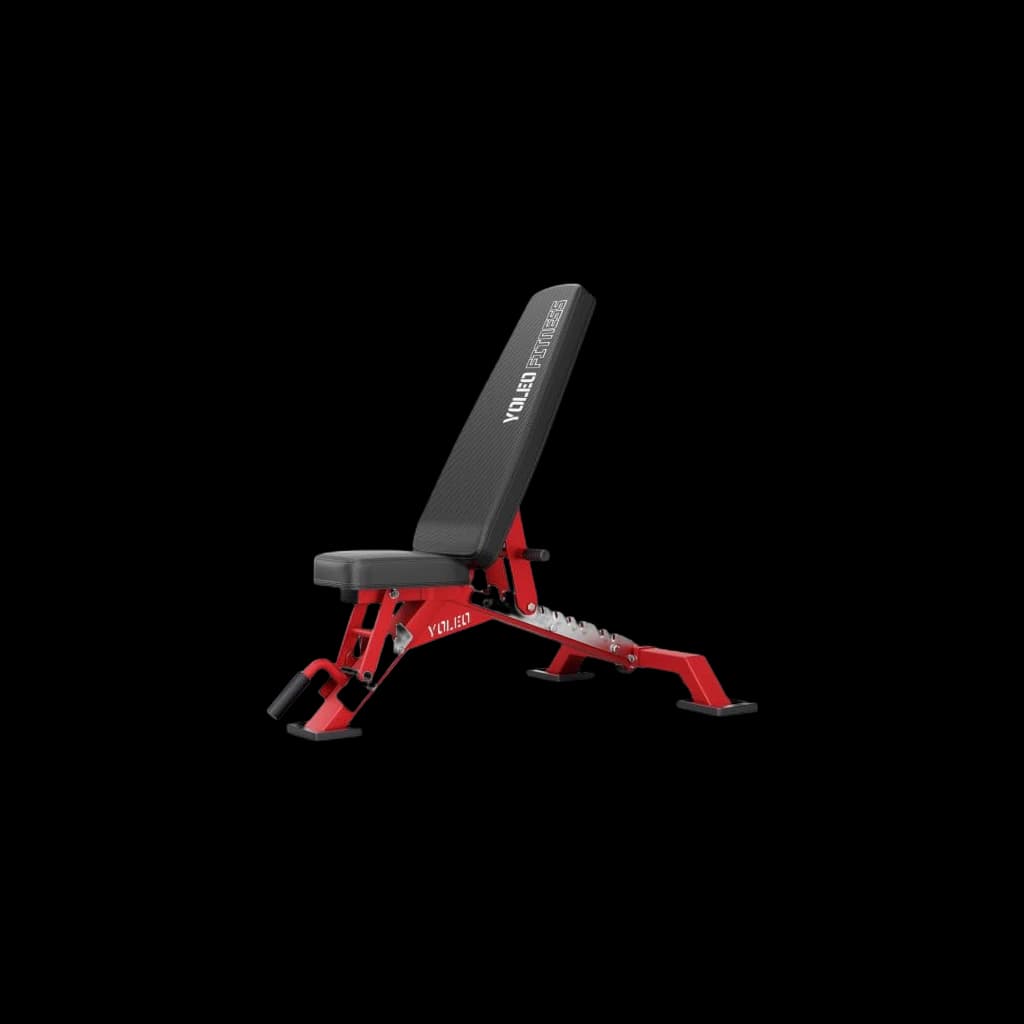
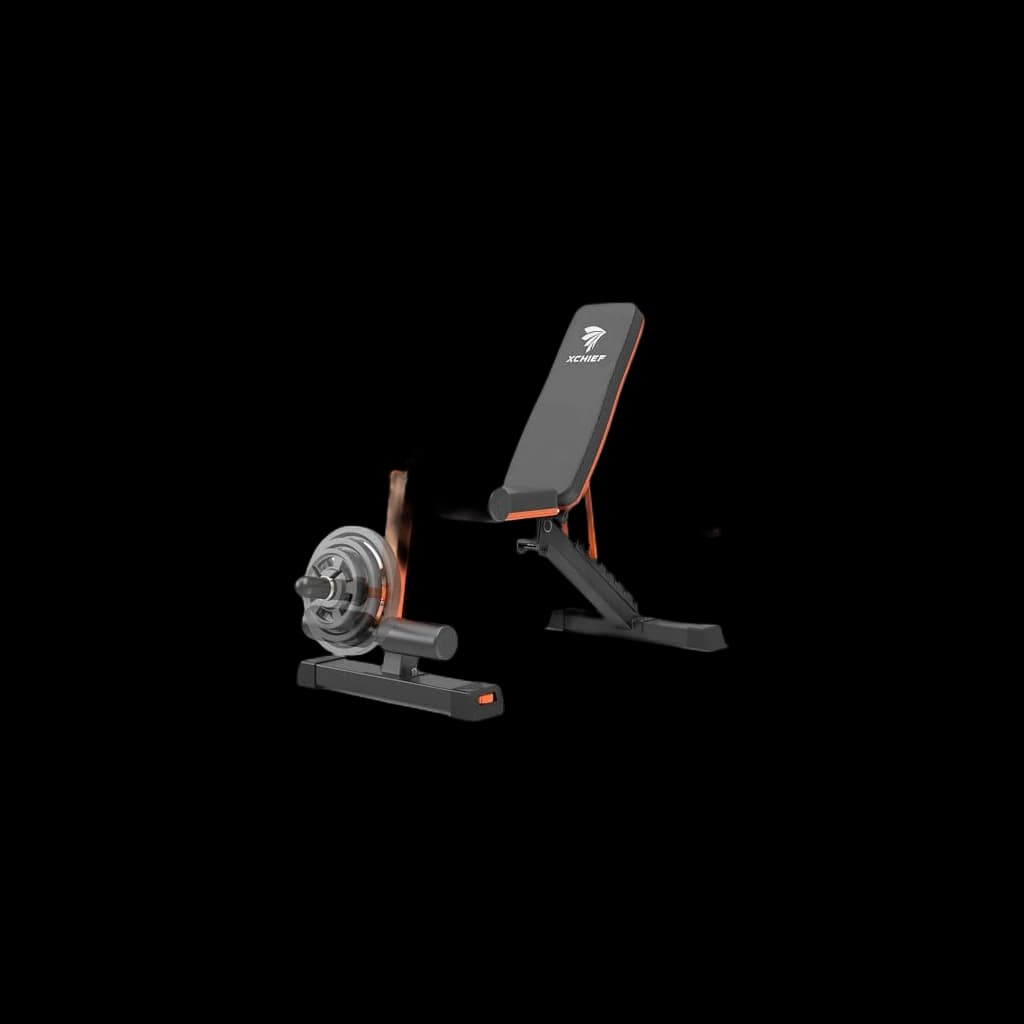
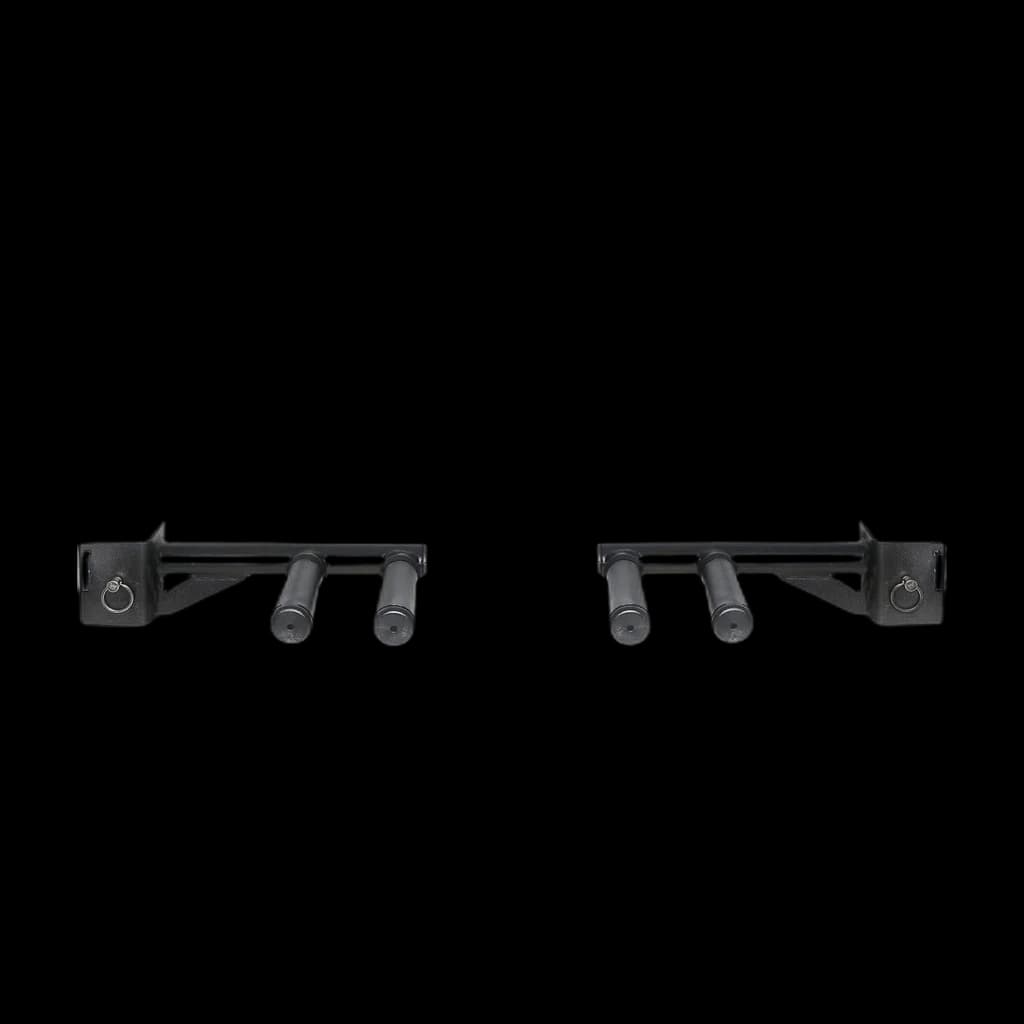
Best for: Anyone with a 2x2 rack who wants dips and inverted rows without buying a separate dip station or a power tower. The wide and narrow grip positions cover both chest-biased and triceps-biased dips.
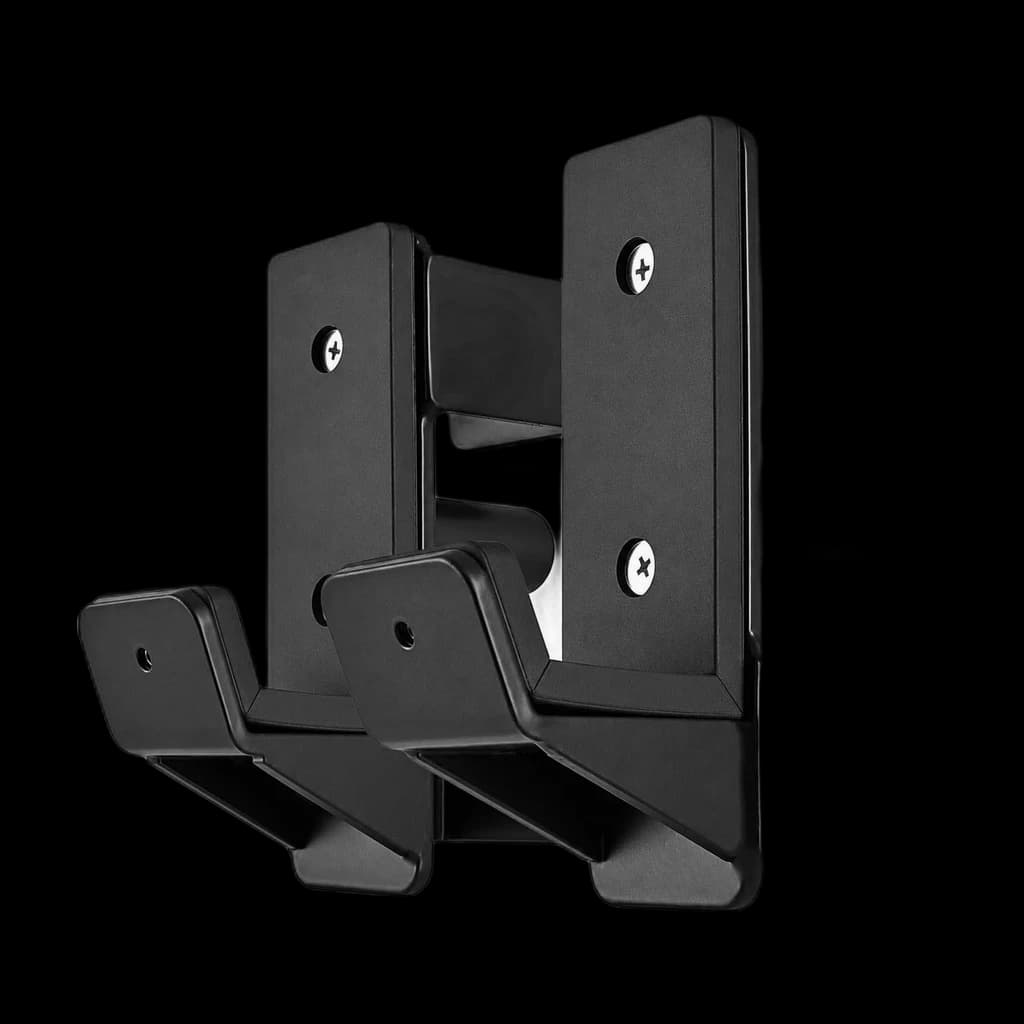
Best for: Anyone running one pair of J-cups across both bench and squat. A second pair left at bench-handoff height removes a height reset from every session that contains both.
Yes for bare steel bars and chrome plates. Cerakote or zinc bars handle humidity better. Wipe sweat off after sessions and keep a small dehumidifier in winter.
Most flat-foot racks rated for the loads you'll lift do not require anchoring, but pull-up + kipping movements move them. Bolt-down kits are ~$20 and remove all wobble.
Your next step