How GymScored is paid: Amazon Associates commission plus brand-direct affiliate (Rogue / REP / Titan when approved). No sponsored placements, no paid reviews, no pay-to-rank. Picks are ranked by the Gym Score formula and nothing else. Read the full disclosure.
Home Gym in A Basement Gym
Quiet, climate-stable, the largest blank canvas. Watch ceiling height.
Basements are great home gym spaces — climate-stable, quiet, and usually larger than spare rooms. The two real constraints are ceiling height (often under 7 ft) and access (will the rack fit down the stairs?).
Basements are quietly the best home-gym spaces. Climate-stable, sound-isolated, usually larger than spare rooms, and with concrete or reinforced subfloors that handle any load. The two real constraints — ceiling height and access — kill more basement builds than budget does. Measure both before ordering anything.
Measured layout
Minimum usable space: 300 sqft is typical, with 7'–7'10" ceiling clearance the limiting factor. Beams, ducts, and plumbing drop the usable height further. A 1,000 sqft finished basement with a 6'8" beam running through the middle is functionally a 600 sqft training space.
Suggested 15' × 20' basement layout:
- Rack zone: 10' × 10' under the highest ceiling. Avoid beam zones for overhead movements.
- Cardio zone: 4' × 10' along one wall.
- Recovery zone: 5' × 5' for foam rolling, mobility, or a small infrared sauna.
- Storage: wall-mounted racks for plates and accessories.
Map the ceiling before you map the equipment. Walk the entire basement with a tape measure and a flashlight, marking every overhead obstacle. The pull-up arc needs continuous clearance — a duct in the middle of the rack zone is a dealbreaker.
Buy in this order
- Measure the stairs first. Confirm equipment fits down the stairs before ordering anything. Power racks ship in long boxes; some won't make a 90° turn at the landing. A 7' upright cannot navigate a U-turn staircase even disassembled in some cases.
- Dehumidifier second. Basement humidity is the silent killer of barbells and rubber mats. A 50-pint dehumidifier on a hygrometer-controlled outlet keeps the space at 45–55% RH.
- Gym flooring. Concrete floor handles the load; rubber mats handle the joints. Same horse stall mat strategy as a garage.
- Power rack. Pick height based on the lowest beam, not the average ceiling.
- Bar, plates, bench, cardio. Same priority order as any strength foundation build.
What fits
Basements fit essentially everything except smart mirrors (touchscreens dislike basement humidity) and very tall rack attachments. A finished basement with 8'+ ceilings fits a full rack, cable machine, all-in-one home gym, and multiple cardio pieces simultaneously.
Cold plunges and saunas fit basements better than any other home format. Both want dedicated power, both produce heat and moisture (drain access matters), and basements typically have the slab and the headroom for installation.
Tier by ceiling
- Sub-7' ceiling: skip rack pull-up bars, use a wall mount at lower height. Switch to seated overhead press. Jumping movements outdoors.
- 7'–7'10": standard rack works for benching and most pressing. Pull-ups require head-tilt; overhead press requires shorter bumper plates.
- 8'+ ceiling: all standard movements work for users under 6'2".
- 9'+ ceiling: full freedom for any height user and any rack.
Substitutions for tight stairs
- U-turn staircase: a wall-mount folding rack (Rogue RML-3W, PRX Profile) ships in shorter boxes that navigate turns.
- Tight doorway: disassemble equipment as much as the manual allows. Some welded racks cannot be broken down further than shipped.
- Steep stairs: rent a dolly. Two-person assembly is required for any rack assembled in place.
Common pitfalls
The most expensive basement-gym mistake is ordering equipment without confirming it fits down the stairs. Power rack manufacturers ship in long boxes that don't always pivot through residential staircases. Measure twice, order once.
The second pitfall is underestimating humidity. Even a "dry" basement runs 60%+ RH in summer. That humidity rusts bare steel bars in a single season. A dehumidifier is not optional in any basement gym.
The third pitfall is ignoring ceiling obstacles. A duct that drops to 6'4" in the middle of the rack zone makes overhead pressing impossible from that exact spot. Walk and measure the entire space, not just the average.
A few honest caveats
- Water risk. Even finished basements occasionally flood. Mount any electronics (smart trainer, treadmill console) on stands at least 4" off the floor. Plates and bars handle minor water; electronics don't.
- Lighting. Basements have weak natural light. Two or three 4' LED shop lights ($30 each) make the space usable.
- Ventilation. Strength work and conditioning produce CO2 and humidity. Crack a window or run a small intake fan during sessions.
- Egress. Most building codes require an egress window in a finished basement room. If you're converting an unfinished basement, check before assuming the space is permitted for occupancy.
Critical tips for a basement gym
- •Measure ceiling height at multiple spots. Beams, ducts, and plumbing often drop usable height to under 7 ft — a deal-breaker for tall lifters.
- •Confirm equipment fits down the stairs before ordering. Power racks ship in long boxes; some won't make a 90° turn at the landing.
- •Add a dehumidifier. Basement humidity is the silent killer of barbells and rubber mats.
Gear that fits a basement gym
$2,973.84 of $3,000 budgetOne Planner result for this room: the general fitness goal at a $3,000 budget (the Planner's defaults). Buy in order. Each pick is the highest Gym Score with a current Amazon price that still leaves budget for the pieces after it, every piece is checked to fit a 25′ × 20′ floor together, and there is one cardio piece per plan. Researched and scored — never hands-on tested. Change the goal or budget in the Planner →
- 1
Adjustable Dumbbells
$549.00 per pair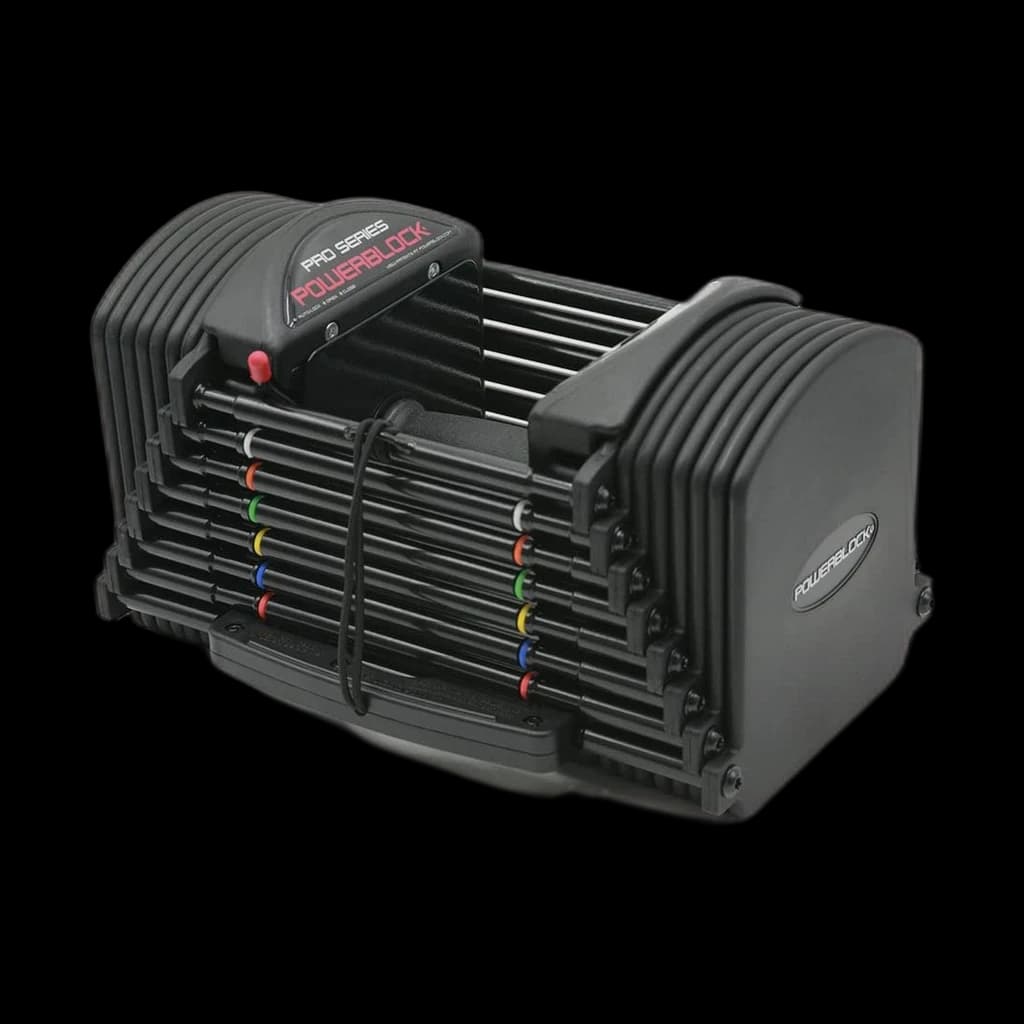
PowerBlock Pro 50 Adjustable Dumbbells
For the 5-90 lb crowd. Pin-based, compact footprint, expandable with add-on kits. Not pretty, but they'll last 30 years.
- 2
Weight Benches
$79.99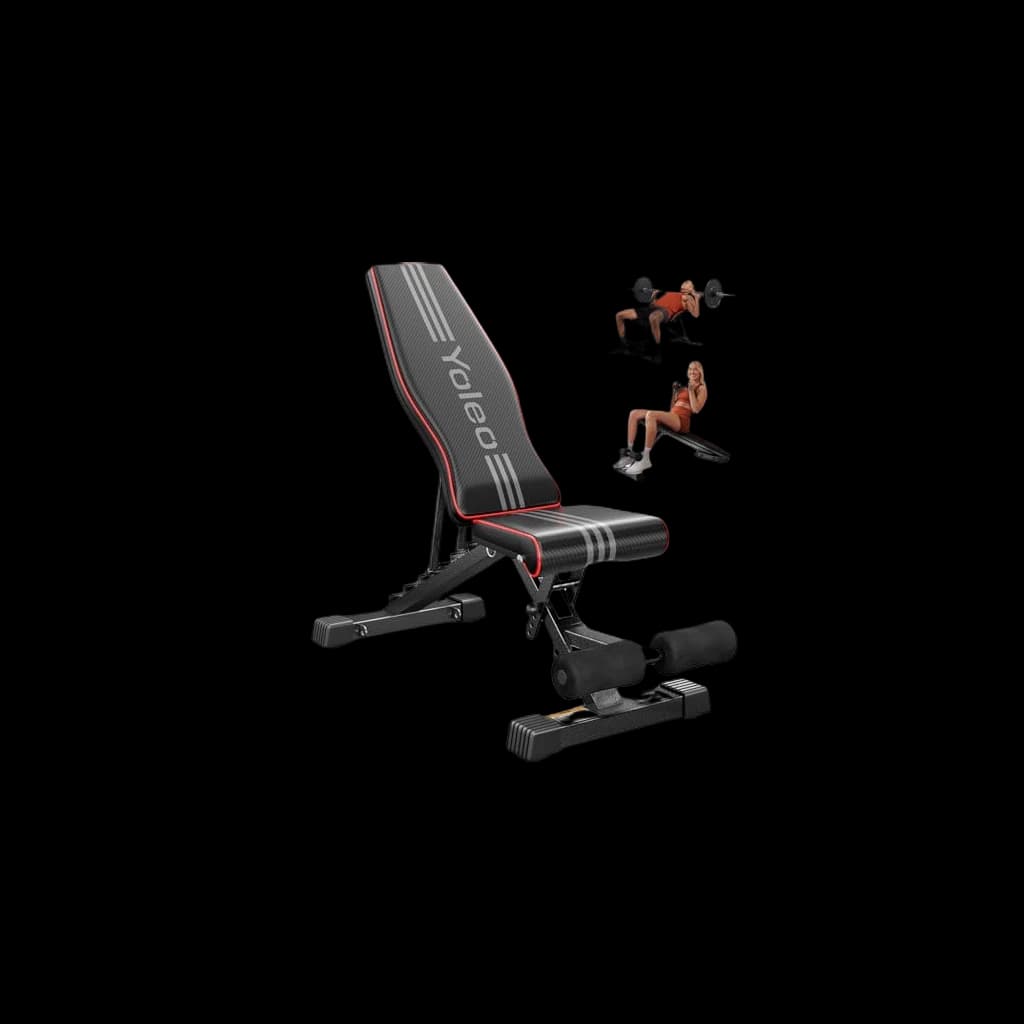
YOLEO Adjustable Weight Bench (827 lb)
The budget bench, and it still carries an ASTM certification — the thing actually worth checking on a cheap bench, because the failure mode is you under a loaded bar.
- 3
Treadmills
$1,999.00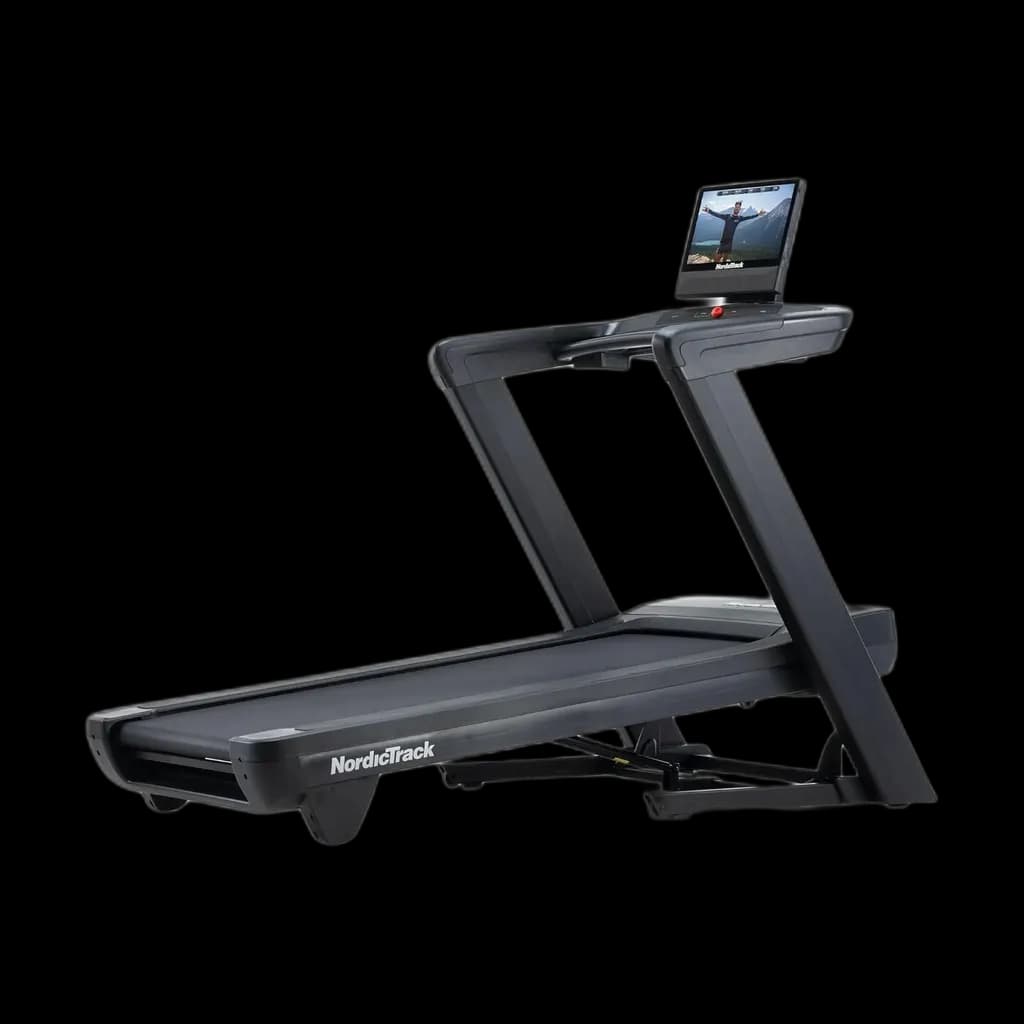
The best-balanced treadmill in the $1,500-2,000 window. 3.5 CHP motor, 60" deck, 12" HD touchscreen with iFIT — and it folds.
- 4
Kettlebells
$73.99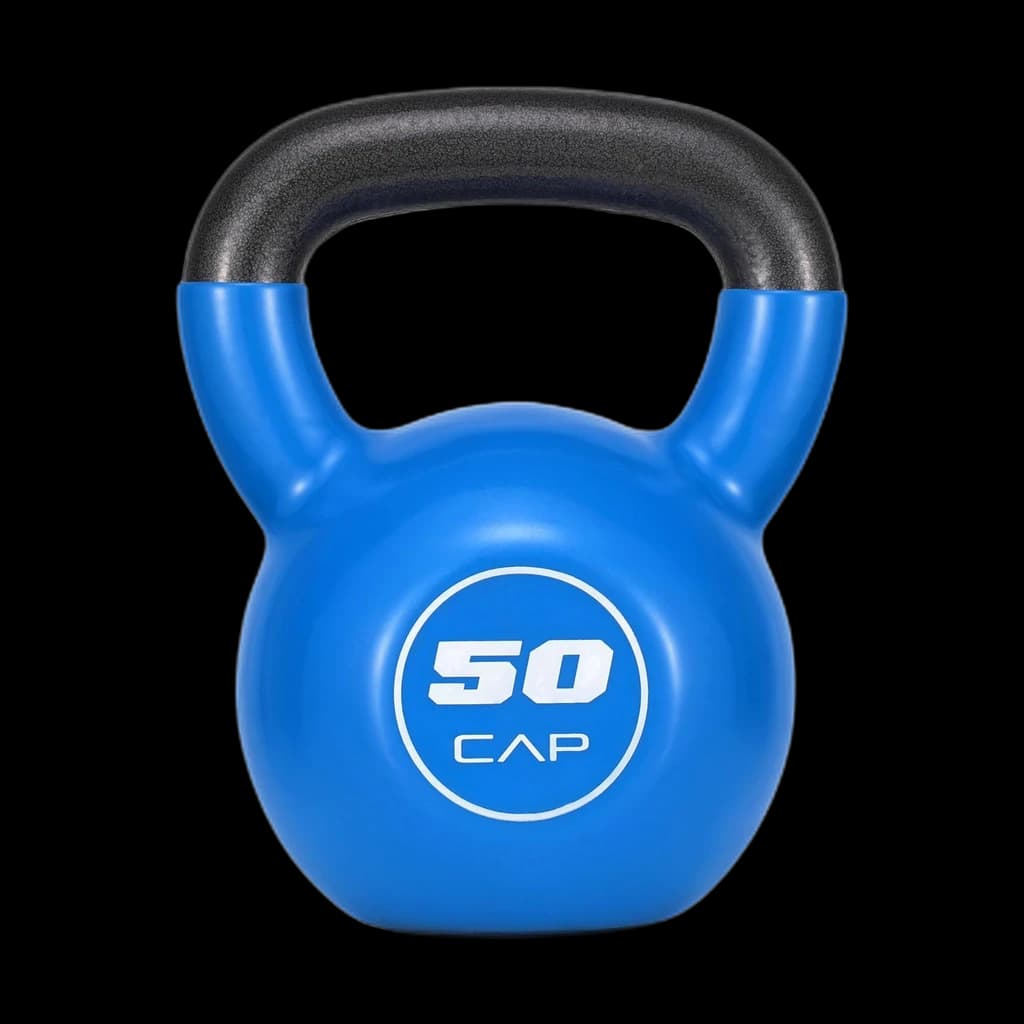
CAP Vinyl Coated Cast Iron Kettlebell
The default beginner buy: a solid one-piece cast-iron bell with a vinyl coat that protects your floors and quiets the clank. Sold in single weights from 10 to 50 lb, so you can build a rack a plate at a time without committing to a full set.
- 5
Resistance Bands & Suspension Trainers
$61.97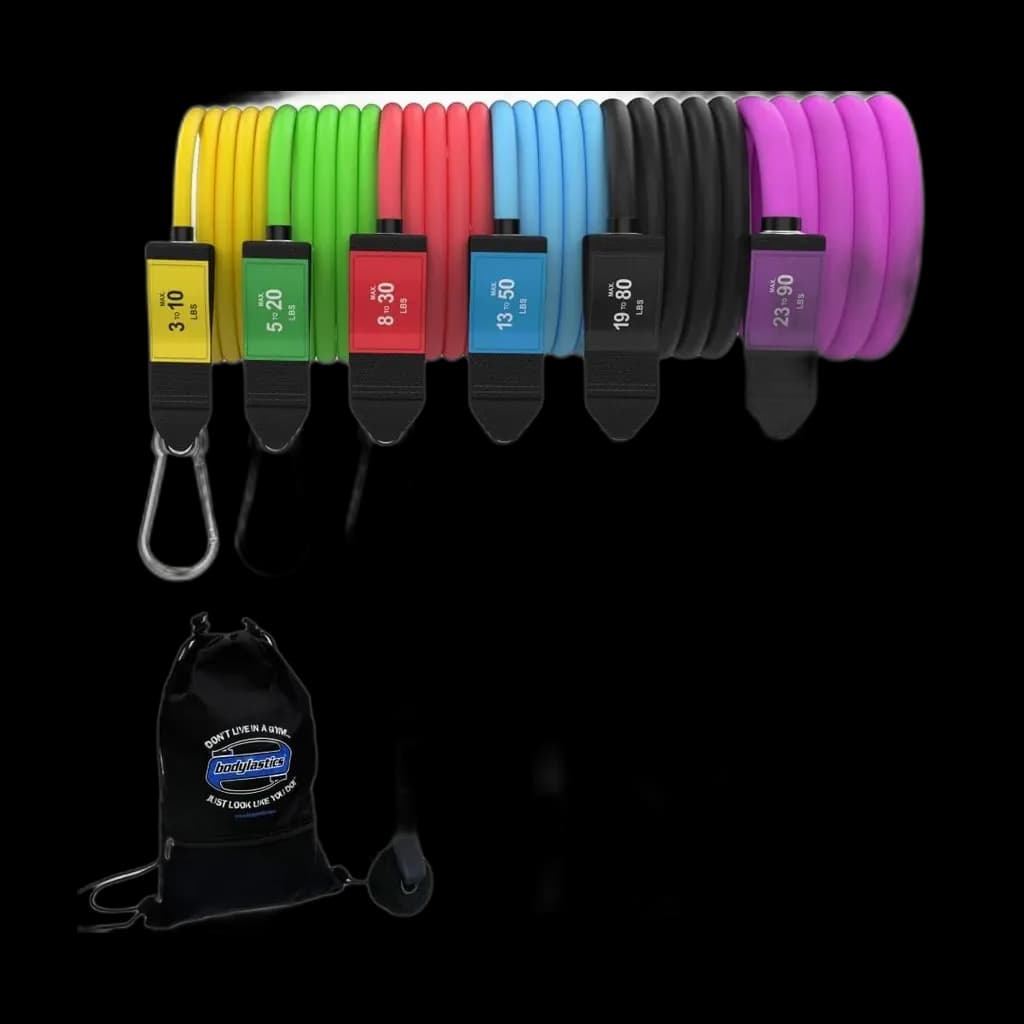
Bodylastics Stackable Resistance Bands Set
The stackable tube band benchmark. Snap-guard inner cord, named carabiners, and component replacement parts available — the system you'll still be using in 10 years.
- 6
Barbells & Bumper Plates
$169.95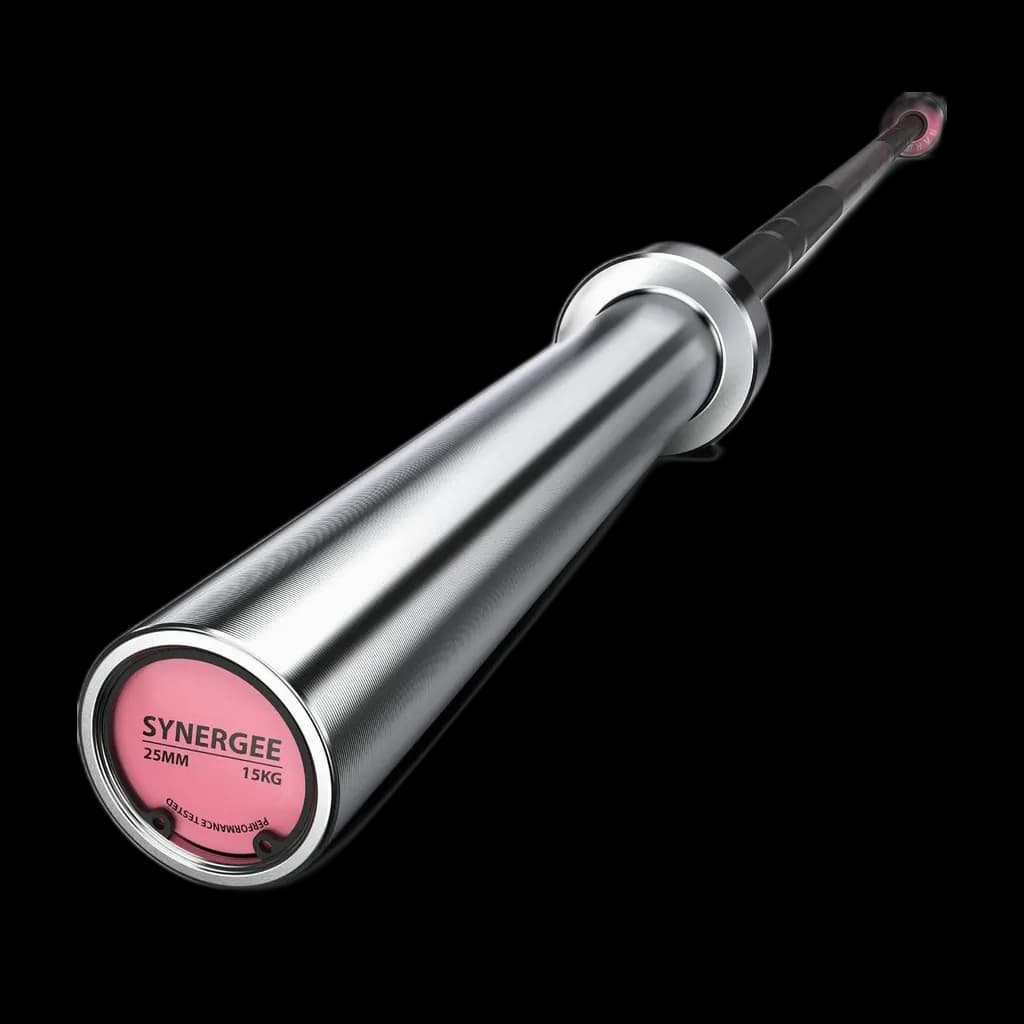
Synergee's Olympic bar is the CrossFit-leaning value pick — needle bearings instead of bushings give it noticeably more sleeve spin than the CAP Beast, which matters if you're cleaning and snatching. 190K PSI tensile is genuinely competitive with Rogue, and the 1000 lb capacity is plenty. Knurl is medium-aggression, no center knurl. Where it loses ground: long-term spin durability is hit-or-miss, with some owners reporting the bearings slowing within 2 years of high-volume Oly work.
- 7
Gym Flooring & Mats
$24.99
BalanceFrom Puzzle Exercise Mat
EVA puzzle mat — fine for yoga, cardio, and bodyweight work. Under iron, it crushes. The honest budget option, used correctly.
- 8
Lifting Belts, Wraps & Shoes
$14.95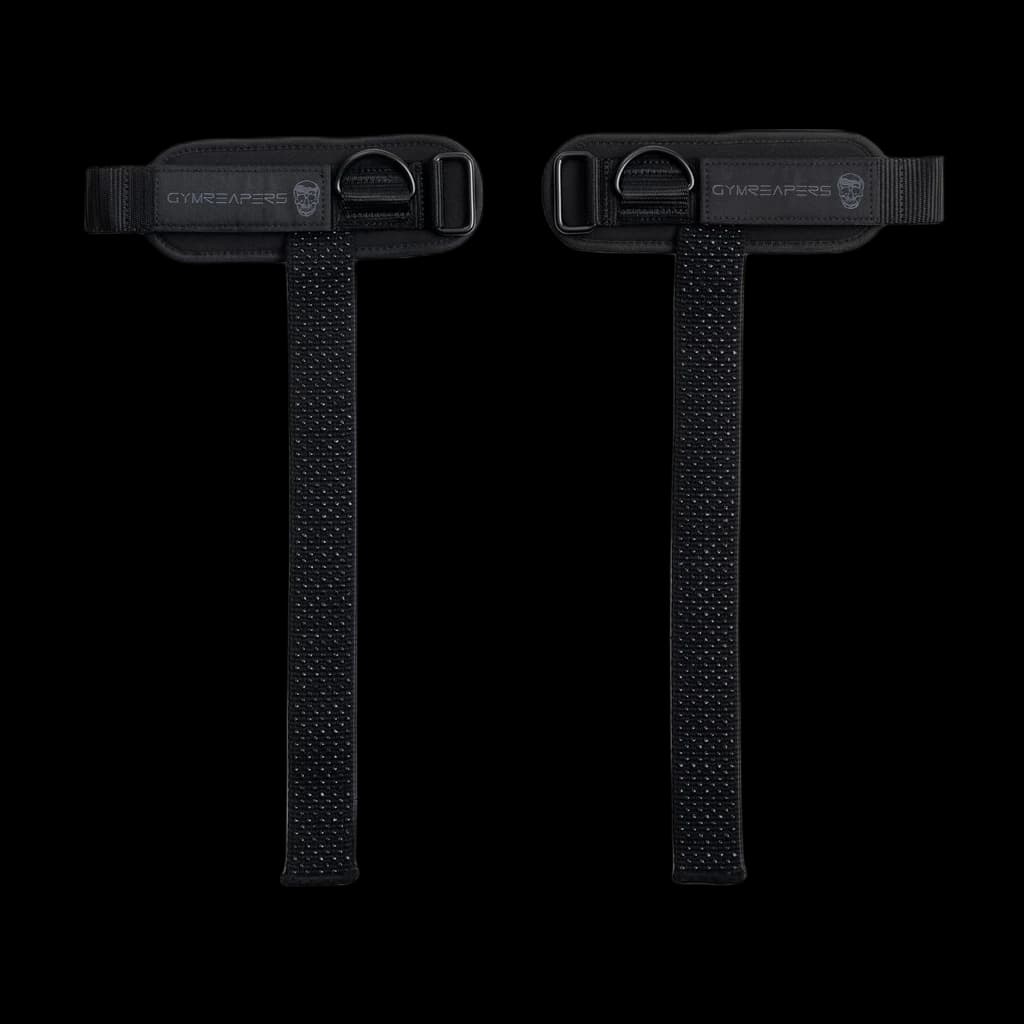
Gymreapers Lifting Wrist Straps
Padded neoprene cuffs on an 18-inch cotton lasso. The default answer when grip is the only thing stopping a heavy pulling set, and cheap enough that there is no reason to buy leather.
Left out of this plan
Not included in the total above.
- Rowing MachinesAlternative cardio piece — the plan already includes one.
Equipment that fits
Categories that work in this space, with our highest-scored pick that has a current Amazon price.
Top pick: PRX Profile PRO
Top pick: Synergee Games Barbell (20kg)
Top pick: Schwinn IC4
Top pick: Marcy AIR-1 Upright Fan Exercise Bike
Top pick: PowerBlock Pro 50 Adjustable Dumbbells
Top pick: CAP Vinyl Coated Cast Iron Kettlebell
Top pick: Goimu S1-V4 Smith Machine
Top pick: Ice Barrel 500
Top pick: Dynamic Saunas Andora 2-Person
Top pick: OPTP PRO-Roller Soft Density
Your next step
Know the space — now pick the gear.
Plan your build
Use the Planner — combine this space with your goal and budget for an exact shopping list with floor layout.
Plan my home gym →