Best Lifting Accessories in 2026: Inzer Forever Wins
The Inzer Forever is the lifetime lifting belt; Element 26 makes the default wrist wraps. Seven lifting accessories scored on durability, function, value.
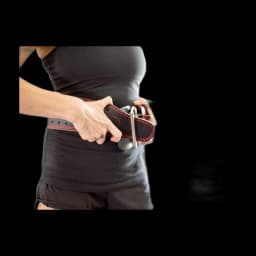
- Genuine leather
- Double-prong (forgiving sizing)
- Lifetime replacement guarantee
Evidence snapshot · Updated September 1, 2026
The evidence-backed answer
Dark Iron Fitness Genuine Leather Belt is our default pick for the scope of this guide: Honest budget prong belt: genuine leather, double-prong buckle, lifetime replacement guarantee.
Scope: 4 shortlisted products compared using published specifications, owner-feedback signals, value and category-specific performance. The matched catalog records represent 3,981 owner ratings. This is research synthesis, not hands-on testing.
| Product | Rating | Current price context |
|---|---|---|
| Dark Iron Fitness Genuine Leather Belt | 4.6/5 | $49.99 |
| Element 26 Self-Locking Wrist Wraps | 4.7/5 | $19.97 |
| Adidas Powerlift 5 Shoes | 4.5/5 | $120.00 |
| Nike Romaleos 4 Olympic Lifting Shoes | 4.2/5 | $154.44 |
How GymScored is paid: Amazon Associates commission plus brand-direct affiliate (Rogue / REP / Titan when approved). No sponsored placements, no paid reviews, no pay-to-rank. Picks are ranked by the Gym Score formula and nothing else. Read the full disclosure.
Inzer Forever Lever 10mm if you'll lift for a decade. Dark Iron Fitness if you want honest prong-belt value. Element 26 wraps. Lifting shoes only for high-bar squatters.
| Product | Rating | Pros | Cons | Price | |
|---|---|---|---|---|---|
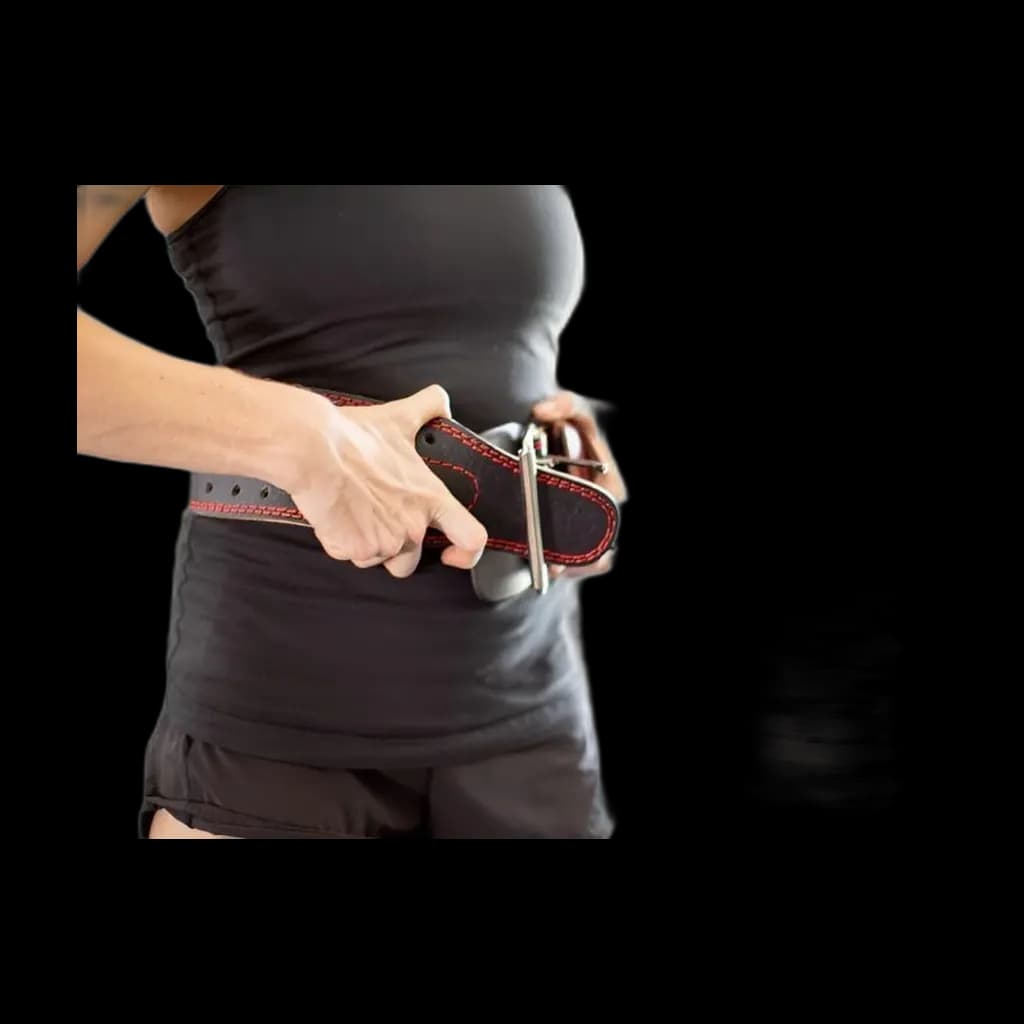 Honest budget prong belt. Genuine leather, lifetime warranty, available Prime. ↑ Quality↑ SupportBased on 9,497 buyer mentions | 4.6 Gym Score 92 | Pros
| Cons
| $49.99 | Buy on Amazon |
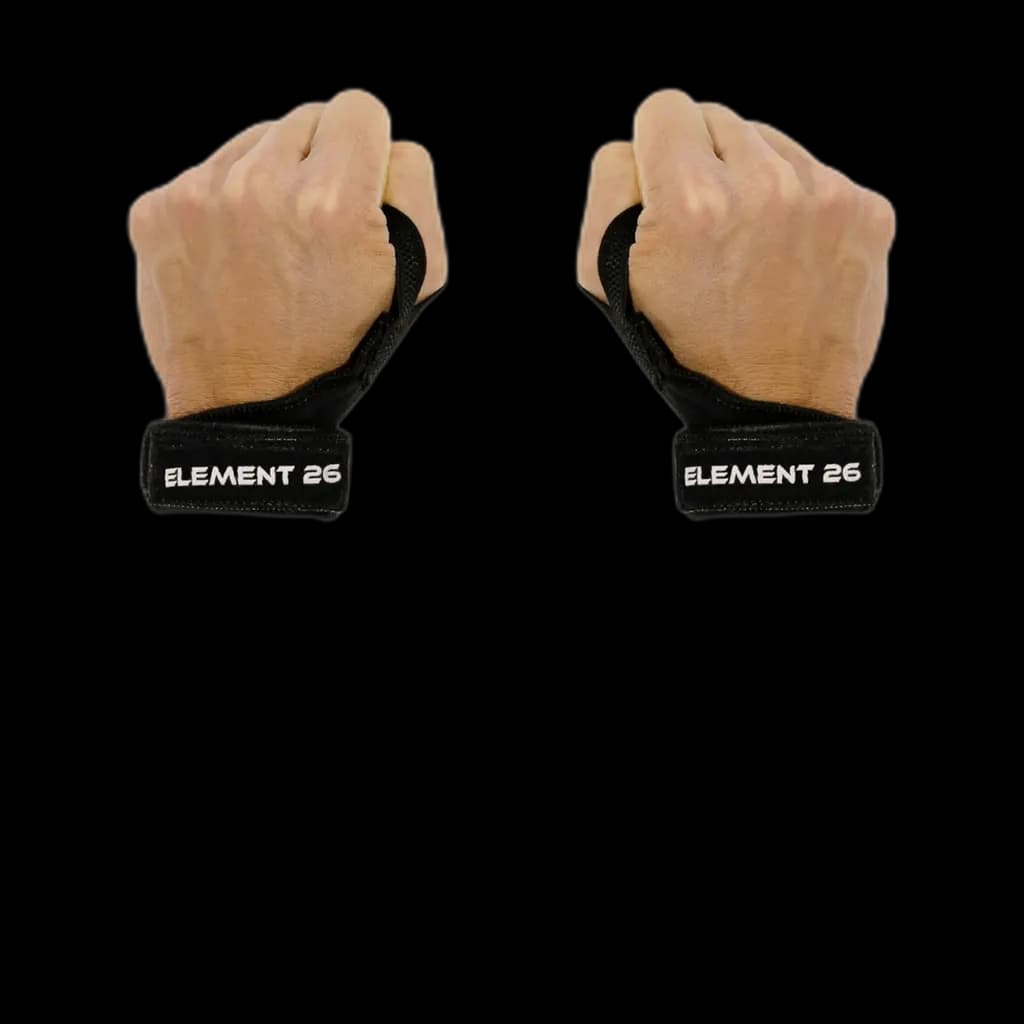 The default wrist wrap. Self-locking design, 18" length, fits most lifters. ↑ Self-Locking Hook↑ 3 Length Options↓ Less Stiff Than SbdBased on 25 buyer mentions | 4.7 Gym Score 94 | Pros
| Cons
| $19.97 | Buy on Amazon |
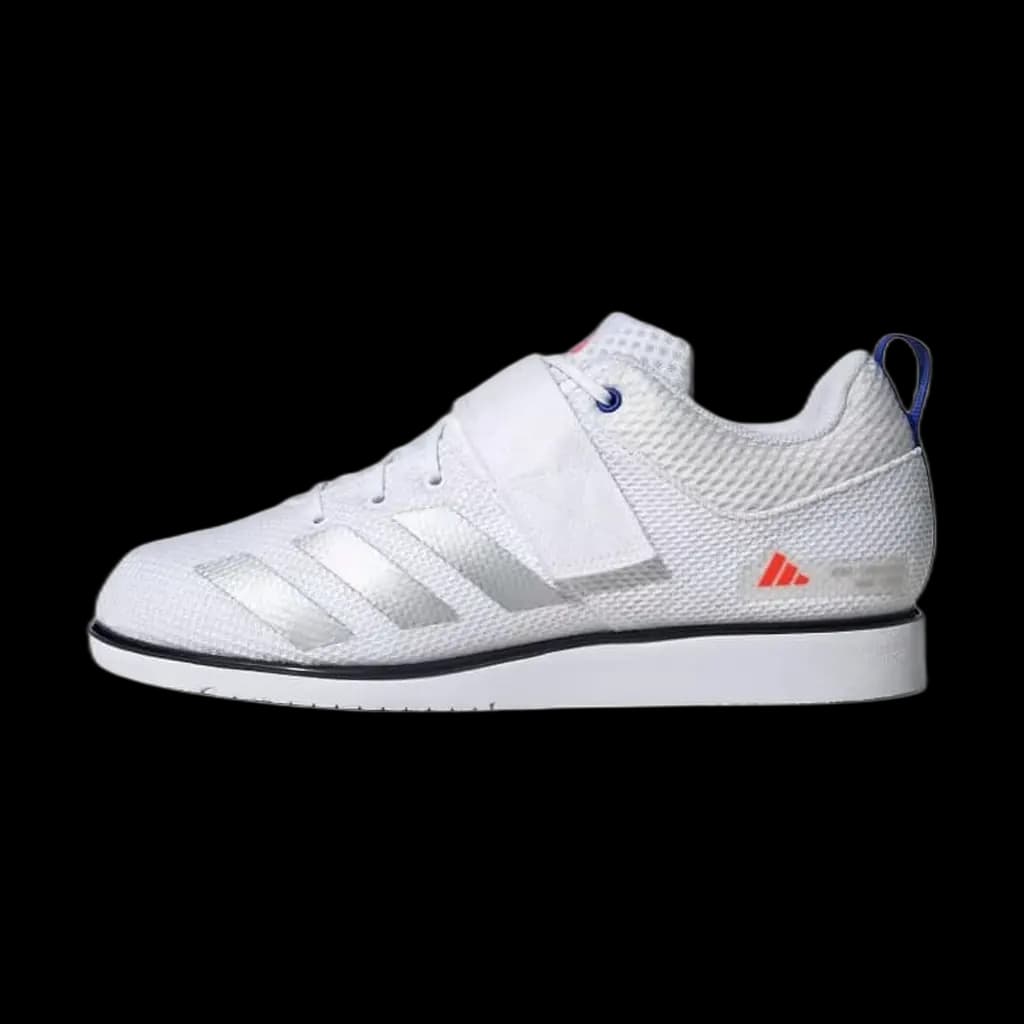 The genre-standard entry-level lifting shoe. 15mm hard heel, canvas upper, fine for high-bar squats. ↑ Quality↑ FunctionalityBased on 154 buyer mentions | 4.5 Gym Score 88 | Pros
| Cons
| $120.00 | Buy on Amazon |
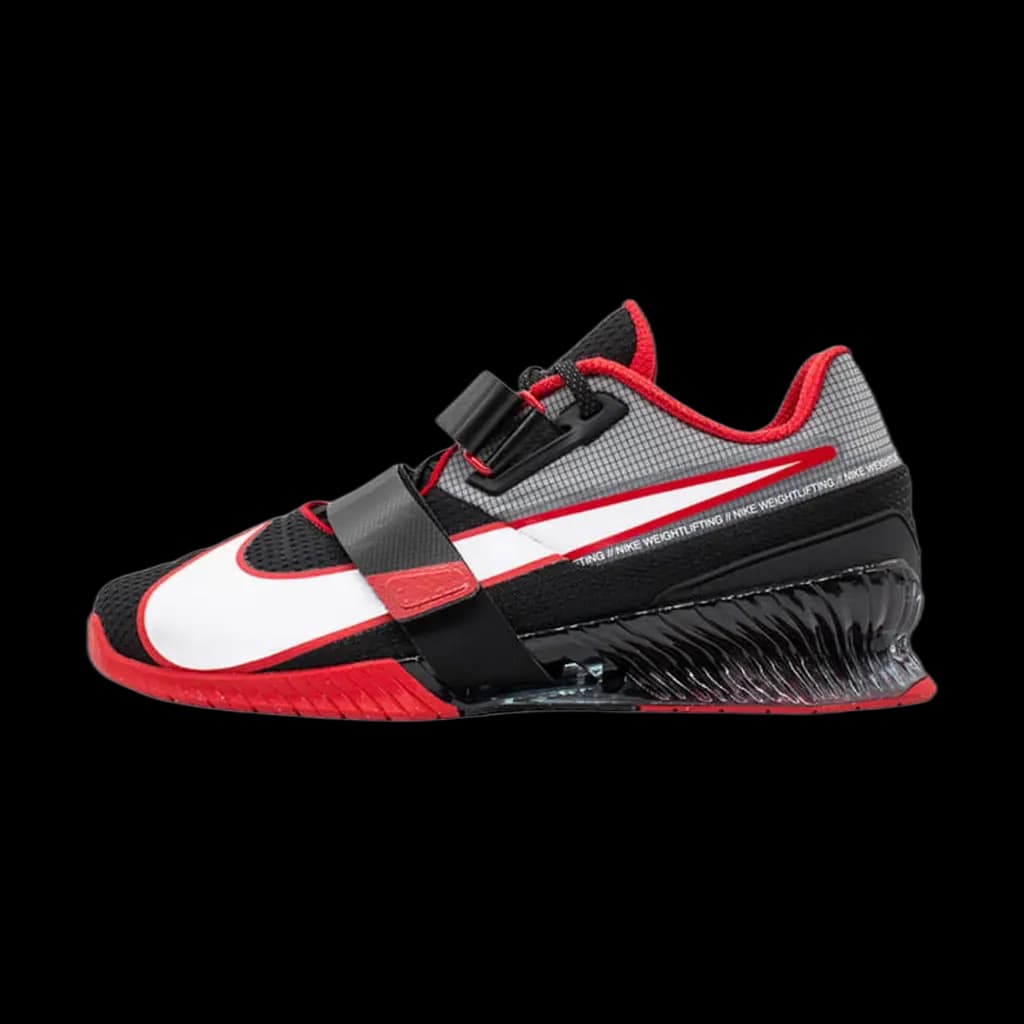 The Olympic lifter's reference shoe. 20mm TPU heel, dual-strap, glove-tight fit. Used by USA Weightlifting national-team athletes — the gold standard for snatch and clean. ↑ Quality↓ FitBased on 21 buyer mentions | 4.2 Gym Score 82 | Pros
| Cons
| $154.44 | Buy on Amazon |
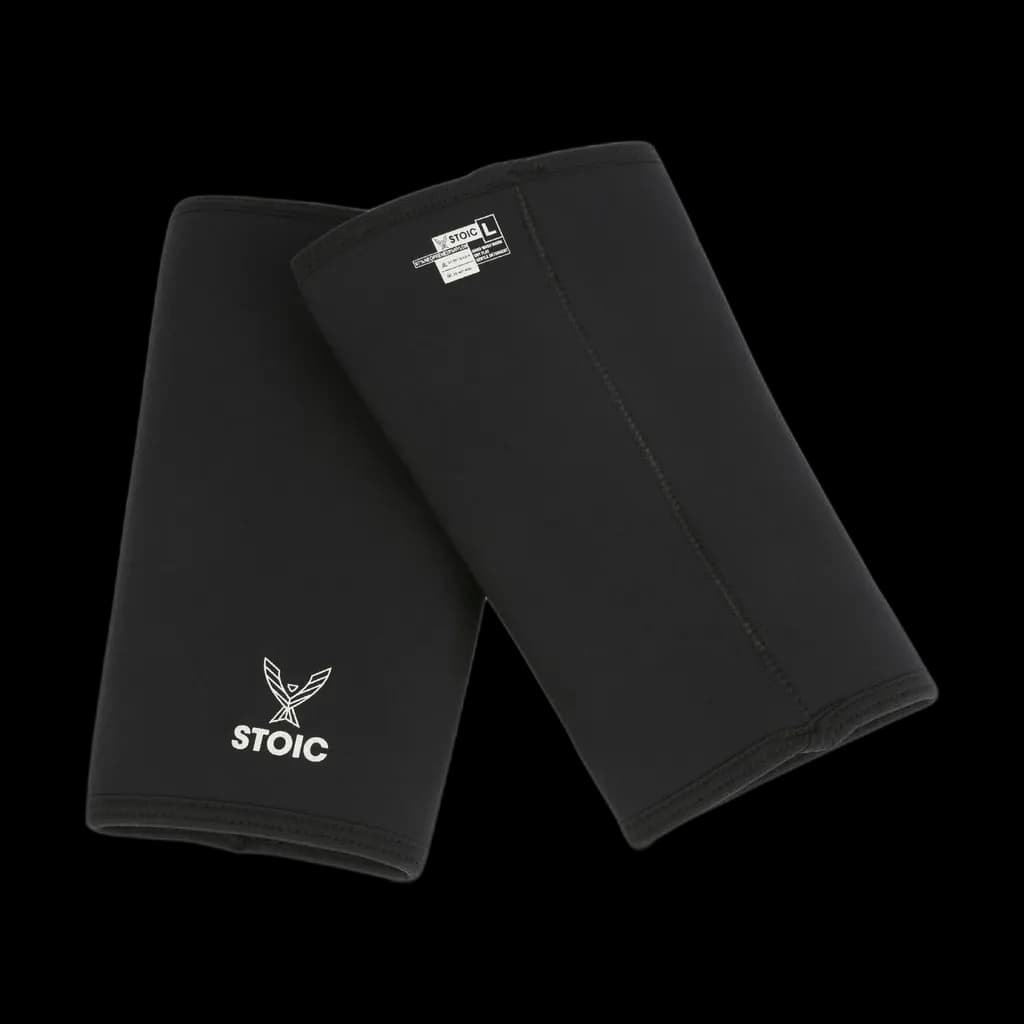 Best-value 7mm neoprene knee sleeves on Amazon. SBD-clone tightness at half the price, IPF-approved, and lifetime-guaranteed. The r/powerlifting beginner default. ↑ Quality↑ SupportBased on 1,257 buyer mentions | 4.7 Gym Score 93 | Pros
| Cons
| $75.00 | Buy on Amazon |
Amazon prices checked Sep 12, 2026. Amazon prices change often — the listing is authoritative.
Top picks spec comparison
Specs Amazon listings rarely aggregate side-by-side. Sourced from manufacturer data.
| Product | Material | Sizing | Use Case |
|---|---|---|---|
| Inzer Forever Lever Belt | 10mm or 13mm leather | Sized to waist; lever set with screwdriver | Heavy squat, deadlift, overhead press above 80% 1RM |
| Dark Iron Fitness Genuine Leather Belt | Genuine leather | Double-prong buckle, adjustable | General home gym bracing, all lifts |
| Element 26 Wrist Wraps | Cotton + elastic blend | 18ʺ length, self-locking | Bench, overhead press, handstand work |
| Adidas Powerlift 5 | EVA midsole, rubber outsole, hard heel | 15mm heel | High-bar squat, front squat, OHP only |
| Iron Bull Lifting Straps | Cotton canvas, 21ʺ | One-size-fits-most | Heavy deadlift, snatch-grip work, rows |
| Iron Bull Knee Sleeves | 7mm neoprene | Sized to knee circumference | Squat warmth and proprioception |
| Versa Gripps PRO Straps | Rubber-grip wrap-around | Multiple sizes | Heavy and frequent pulling work |
Pick by situation
Decide by your situation, not the generic ranking.
| If | You want | Pick |
|---|---|---|
| Premium $700+ | Serious Olympic weightlifters, competitive lifters, and advanced trainees who want the stiffest available platform under maximum snatch, clean, and high-bar squat loads. Suits lifters whose feet fit the dual-strap glove-tight design. | Nike Romaleos 4 Olympic Lifting Shoes |
TL;DR — should you read this?
- Buy the Inzer Forever Lever Belt if you're past beginner and want a lifetime belt that delivers maximum intra-abdominal bracing. 10mm or 13mm thickness, lever closure, the genre standard in powerlifting for 30 years.
- Buy the Dark Iron Fitness Genuine Leather Belt if you want 80% of the Inzer's function at half the price with a double-prong buckle.
- Buy Element 26 Self-Locking Wrist Wraps for pressing support — 18ʺ length covers most lifters; SBD is the competition upgrade you don't need until you compete.
- Buy lifting shoes (Adidas Powerlift 5 or Nike Romaleos) only if you squat high-bar regularly. Don't deadlift in them — the raised heel actively hurts your deadlift mechanics.
Our pick
Honest budget prong belt: genuine leather, double-prong buckle, lifetime replacement guarantee.
What separates good from bad in this category
Three features matter for belts, and the rest is brand religion:
- Thickness is the stiffness ceiling. 10mm flexes enough for hour-long sessions; 13mm is competition-grade and uncomfortable for general use.
- Closure style is lever versus prong.
- Width is regulated for competition — the IPF spec is 4ʺ wide and 13mm max thick. Recreational lifters can use whatever feels right, but 4ʺ is the most common.
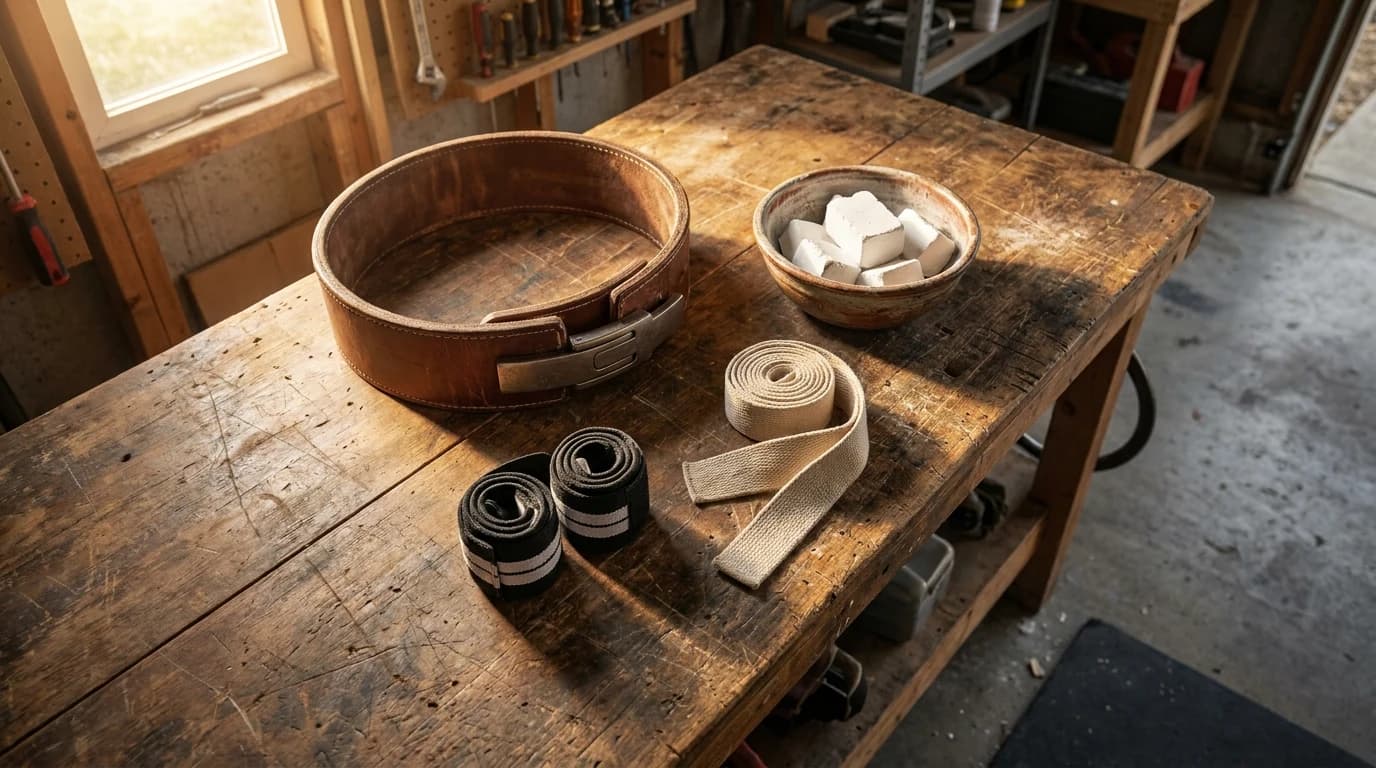
A lever belt suits you if:
- You want the exact same tightness every single rep, snapped shut with a steel lever
- Your bodyweight is stable — the lever sizes once with a screwdriver
- You're past beginner and belt only on near-max work
A prong belt suits you if:
- Your waist fluctuates and you need variable tightness without re-drilling
- You want a belt that buckles like a normal belt with no mechanism to jam
- You're in the sub-$50 tier, where cheap lever mechanisms bend or jam anyway
Wraps and shoes are sized by job, not by brand
For wrist wraps, length and stiffness are everything: 12ʺ for accessory pressing, 18ʺ for heavy bench and overhead press, 24ʺ stiff wraps for competition lifters above 90% of max. For shoes the variable is heel height — the Powerlift 5's 15mm covers most home squatters, the 20mm TPU heel of a Romaleos is the Olympic standard. A hard sole is non-negotiable.
Worth knowing: the NSCA TSAC piece on belts and back strength frames the belt correctly. It doesn't make your back stronger, it makes your bracing more effective.
The peer-reviewed picture is clearer than people realize. Intra-abdominal pressure measurably increases when lifters wear a belt and brace into it, and that pressure stiffens the lumbar spine hydraulically. The PubMed body of work on belts and intra-abdominal pressure consistently shows belts raise IAP, allow heavier loads, and reduce perceived exertion at matched loads.
The picks, ranked
| Accessory | Price | Key spec |
|---|---|---|
| Inzer Forever Lever Belt | ~$99–$129 | 10mm or 13mm leather, 4ʺ IPF width, lever |
| Dark Iron Fitness Belt | $49.99 | Genuine leather, double prong |
| Element 26 Wrist Wraps | $19.97 | 18ʺ cotton-elastic, self-locking |
| Adidas Powerlift 5 | $120.00 | 15mm heel, hard EVA sole |
| Iron Bull Lifting Straps | ~$15 | 21ʺ cotton lasso, 600+ lb pulls |
| Iron Bull Knee Sleeves | ~$45 | 7mm neoprene, IPF-legal stitching |
| Versa Gripps PRO | ~$50–$80 | Rubber-grip wrap-once straps |
1. Inzer Forever Lever Belt — ~$99–$129 — Best for serious lifters
The default answer in every "what belt should I buy" thread on r/powerlifting, for a reason. The lever closure snaps to the exact same tightness every rep, and the 4ʺ width meets IPF specs. Owners report the belt outlasting multiple lifting careers — the leather softens but doesn't lose stiffness, and the lever mechanism is rebuildable. Cons: the lever is sized once with a screwdriver, so a waist change beyond 1–2 inches means re-drilling or replacing.
2. Dark Iron Fitness Genuine Leather Belt — $49.99 — Best budget belt
Double-prong buckle, lifetime warranty, available on Amazon Prime. Stiff enough for most home lifters, flexible enough that it doesn't bruise the obliques after 45 minutes. Half the price of an Inzer at roughly 80% of the function. Wrong pick if you compete — the leather isn't competition-stiff and the buckle isn't IPF-approved.
3. Element 26 Self-Locking Wrist Wraps — $19.97 — Best wrist wraps for most lifters
A self-locking design that holds tension without re-tightening between reps: stiffer than no-name gym-bag wraps, flexible enough for general pressing. The default for anyone benching, overhead pressing or doing handstand work. SBD wraps lock tighter and cost twice as much, and only matter at competition loads.
4. Adidas Powerlift 5 — $120.00 — Best lifting shoe for most squatters
Hard EVA sole that doesn't compress, single midfoot strap. The right shoe for high-bar and front squats, where heel elevation helps you reach depth without losing balance. Don't deadlift in them — the raised heel increases bar travel and changes hip angle in ways that hurt pulling mechanics.
5. Iron Bull Strength Lifting Straps — ~$15 — Best for grip on heavy pulls
Cotton lasso straps that hold heavy pulls without slipping — the default for deadlifts, snatch-grip work and rows where grip fails before the back does. Figure-8 straps hold similar loads but are slower to set.
6. Iron Bull Strength Knee Sleeves — ~$45 — Best for squat warmth and proprioception
7mm neoprene is the sweet spot: warm enough to lubricate the joint within the first set, stiff enough to give a small carryover from elastic recoil on heavy squats. SBD sleeves are stiffer and IPF-approved for competition; for home use, Iron Bull or Stoic are equivalent at half the price.
7. Versa Gripps PRO Lifting Straps — ~$50–$80 — Best for users who hate cotton straps
Rubber-grip straps that wrap once around the bar and snap back on themselves. Faster to set up than cotton lasso straps and more secure on thick-handled bars. Right pick if you pull heavy and often; wrong pick if you deadlift once a week.
The grip stack: chalk, liquid chalk, straps or hooks
Grip is the cheapest thing in a home gym to fix and the one most often fixed in the wrong order. All four options cost less than a belt, and the mistake is buying straps for a problem chalk solves.
| Aid | When it wins | What it costs you | Price |
|---|---|---|---|
| Block chalk | Sweat and bar slip on any lift | Dust on the floor; banned in many gyms | $14.57 |
| Liquid chalk | Same job where loose chalk is not allowed | More per use, and dry hands | $26.99 |
| Lasso straps | High-volume pulling where the back should fail first | Grip development on those sets | $14.95 |
| Hooks | Very high reps, or an injured hand or thumb | Bar feel, and setup speed on singles | Not a pick we carry |
The r/Fitness thread on the pros and cons of chalk versus straps settles the order: the recurring line is that chalk has no downsides while straps mean no grip development, and most lifters progress a long way before straps are worth considering. The straps or hooks thread splits on the same axis — hooks raise top-set weight and set fast, but padded lasso straps are the more versatile default.
Buy in this order:
- Rage Fitness gym chalk first, unless your training space forbids dust.
- Fire Team Fit liquid chalk instead, if it does.
- Gymreapers lifting straps only once grip is genuinely the limiter on a pulling set, not the whole of it.
The line that decides it: if your back is still working when your hands give out, that is a straps problem. If the bar is sliding in a wet hand, that is a chalk problem, and straps will not fix it.
What the research actually says
- Belts increase intra-abdominal pressure and reduce perceived exertion at matched loads. Source: PubMed — weightlifting belt and intra-abdominal pressure.
- The belt does not strengthen your back — it amplifies your bracing. Belts give you a wall to push your stomach into, increasing torso stiffness, but they don't compensate for weak abdominals or untrained bracing. Source: NSCA TSAC Report.
- Lifting shoes change squat kinematics. A raised, hard heel allows greater knee flexion at depth, a more upright torso, and better balance — at the cost of shifting demand between quadriceps and hip extensors. Source: PubMed — weightlifting shoe squat kinematics.
- Belt use makes most sense above 80% of 1RM. Using a belt on light sets defeats the bracing-skill development belts are supposed to amplify. Source: ACE Fitness — Lifting Belts.
- Lifting shoes help squats; they hurt deadlifts. The same heel that lets you sit deeper rotates the hips into a worse pulling angle. Source: ACE Fitness — The Correct Shoe for Strength Training.
What the research does not support: that beginners should belt up from day one to "protect their back." Beginners who learn to brace without a belt build the patterns that make belts effective later.
What to skip
- Velcro belts for anything but cardio. Velcro fails under heavy load and provides almost no torso stiffness.
- Lever belts under $50. The mechanism bends or jams. If you want a lever, buy Inzer; if you want under $50, buy a prong belt.
- 24ʺ stiff wraps for general home gym use. Competition-grade wraps are uncomfortable for accessory pressing and add nothing below 90% of max.
- Cushioned "cross-trainers" for squats. The midsole compresses under load and steals force. If you don't want lifting shoes, squat in flat-soled Chuck Taylors or Vans.
- Cheap leather straps. Leather feels premium and slips more than cotton — see the grip stack above.
How to actually use this
- Belt timing. Don't belt warm-ups. Add the belt above 80% of your working max, and only on lifts where bracing matters — squat, deadlift, overhead press, heavy row. Skip it on bench, curls, and accessory work.
- Wrap timing. Wear wrist wraps for working sets of bench, overhead press, and handstand work above roughly 70% of max. Don't wrap for warm-ups or grip work.
- Sleeve timing. Wear sleeves on working squat sets above roughly 60% of max for warmth and joint lubrication. Treat them as joint-protection tools, not performance enhancers.
- Shoe rotation. Lifting shoes for squats, front squats, snatches, clean & jerks, and overhead press. Flat shoes for deadlifts, rows, and bench. Most home gyms benefit from owning both.
Sizing, in three lines
- Belts size by waist measurement at the navel, not pant size.
- Wraps and sleeves size by circumference at the joint.
- Shoes typically run small — go a half-size up.
How we chose / methodology
We weighted durability and rated lifespan (30%), function-specific performance (25%), value relative to competition-grade alternatives (20%), sizing range and adjustability (15%), and price (10%). The full scoring rubric lives on the /methodology page. Rankings come from manufacturer spec sheets, IPF equipment regulations, the peer-reviewed literature on belts and lifting shoes, ACE Fitness and NSCA programming guidance, and owner-reported failure timelines from r/powerlifting, r/weightroom, and r/Stronglifts5x5.
Frequently Asked Questions
Do I need a belt as a beginner?+
No. Belts make sense above 80% of your max. For your first 6-12 months, focus on bracing without a belt - then add one when sets above 80% become regular.
Are wrist wraps the same as wrist straps?+
No. Wraps support the wrist during pressing. Straps wrap around the wrist AND bar to help grip during pulls. Buy wraps for bench and overhead press, straps for heavy deadlifts and rows.
Is a $135 Inzer belt worth it over a $45 Dark Iron?+
If you'll lift seriously for the next decade, yes. The Inzer outlasts everything and the lever is faster between sets. If you're early in lifting, Dark Iron is plenty.
10mm or 13mm belt for a home gym?+
10mm. The 13mm is competition-grade — stiffer but punishing on the obliques after 30 minutes of training. For general home gym use the 10mm flexes enough to wear all session while still delivering maximal bracing wall.
Do I need a belt for the deadlift if I belt my squat?+
Most lifters belt both. The deadlift braces against the belt just as the squat does; the bracing pattern is similar. Some elite deadlifters pull beltless for skill reasons, but at recreational level the belt helps both.
Can I wear lifting shoes for general training in the gym?+
Not recommended. The raised heel changes your standing-still posture and the hard sole is uncomfortable to walk in. Treat lifting shoes as gear you put on for squats and take off afterward — like cycling shoes.
Sources & Research
- IPF — Approved equipment specsstandards
- NSCA — Lifting equipment guidanceauthority
- r/powerlifting — Gear discussioncommunity
- PubMed — Weightlifting belt and intra-abdominal pressure — research aggregateresearch
- NSCA — The Weightlifting Belt and Back Strength — TSAC Reportauthority
- PubMed — Weightlifting shoe squat kinematics — research aggregateresearch
- ACE Fitness — Lifting Belts: Can They Improve Performance?authority
- ACE Fitness — The Correct Shoe for Strength Trainingauthority
Related reviews
Best Power Racks for a Home Gym in 2026
The Rep PR-4000 is the best home gym power rack of 2026 at under $900. We scored 12 racks on build quality and footprint; Rogue R-4 is the lifetime pick.
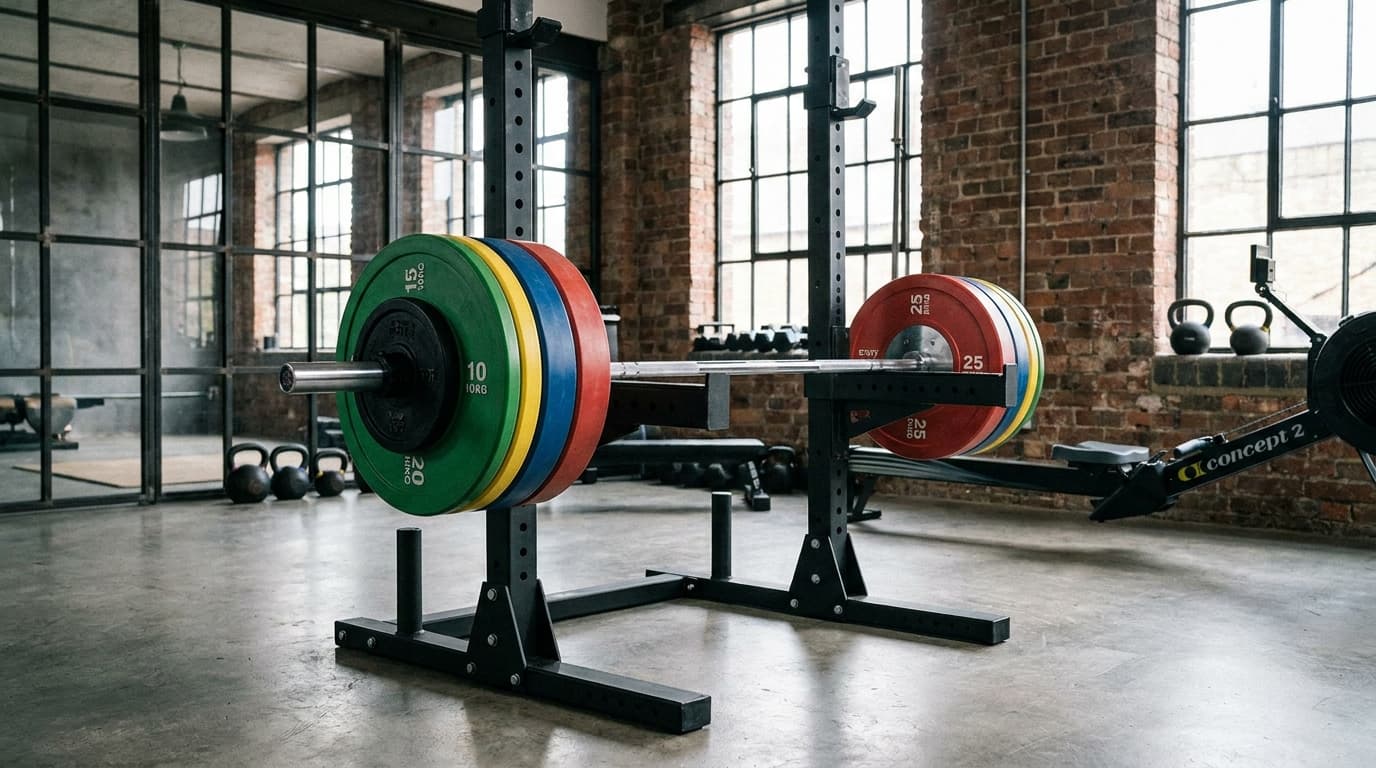
Best Barbell and Plates for Home Gyms 2026: Rogue Ohio Wins
The Rogue Ohio Bar is the best barbell for home gyms in 2026, and Rep V2 bumpers are the plate standard. Plus when a trap bar wins, and bumper vs iron.
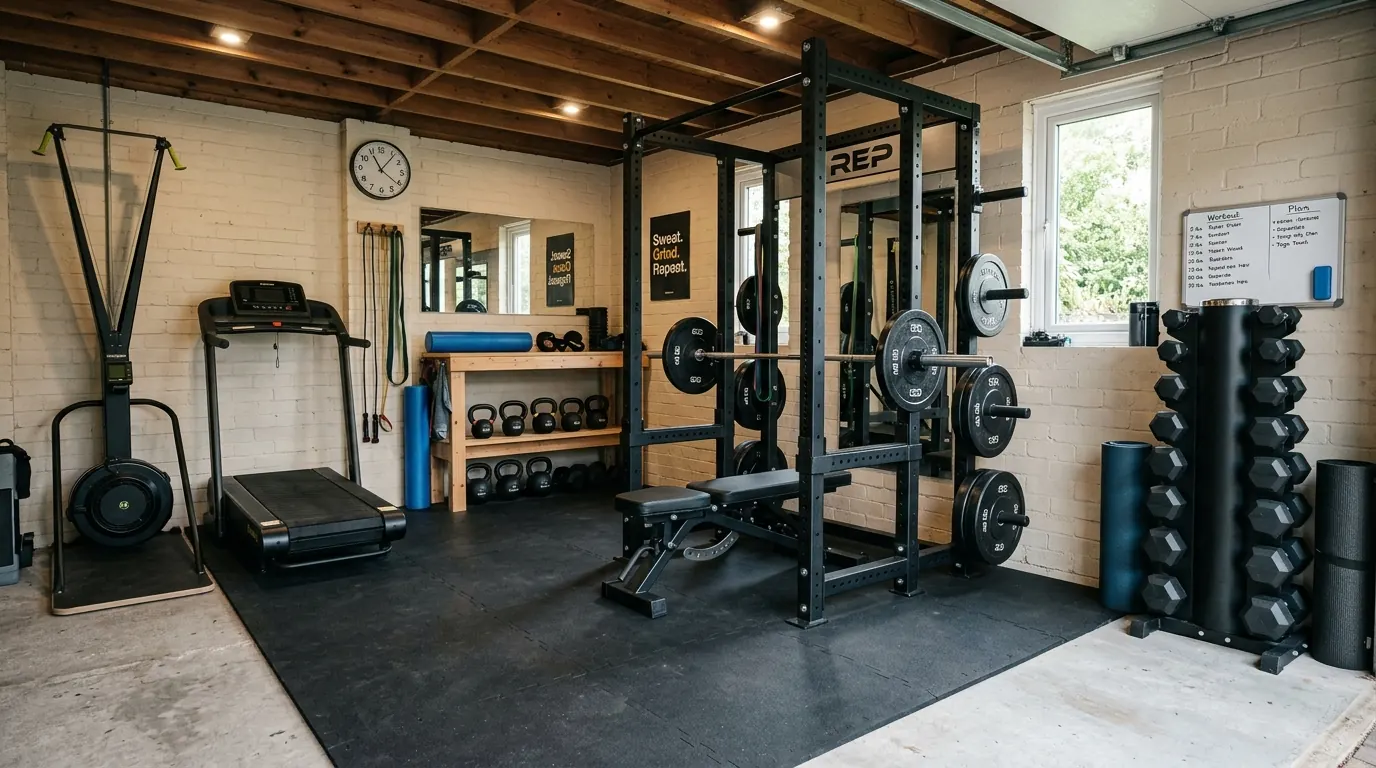
How to Build a Home Gym on Any Budget
Five complete home gym builds at $500, $1,500, $3,500, $7,500, and $15,000 - what to buy first, what to add later, and what to skip at every budget level.
Hilly Shore Labs
Editorial teamThe independent product research team behind GymScored. Every recommendation is researched, never hands-on tested — rankings come from manufacturer specifications, published standards, and aggregated buyer sentiment.
163 products scored across 26 home gym categories, each on the same 5-dimension Gym Score formula.
See the scoring methodology and who we are.
Affiliate disclosure: GymScored is a participant in the Amazon Services LLC Associates Program. We earn from qualifying purchases at no extra cost to you. Full disclosure →