Working Out on Night Shift: When to Train and What to Skip
The one training window that does not compete with sleep, when to shrink a session, and the quiet home kit that survives a run of night shifts.
For most night-shift workers the first slot worth testing is after your main sleep and before the shift, because it is the one window that does not compete with sleep. Skip the session - or shrink it - when you are severely sleepy, when it would push back your daytime sleep, or when getting home safely matters more than finishing the workout.
How GymScored is paid: Amazon Associates commission plus brand-direct affiliate (Rogue / REP / Titan when approved). No sponsored placements, no paid reviews, no pay-to-rank. Picks are ranked by the Gym Score formula and nothing else. Read the full disclosure.
Protect the sleep opportunity and move the workout around it. Test the window after waking and before the shift first; it is the only one that does not compete with sleep. Keep a shorter fallback for the nights the schedule takes your window away, and treat skipping a session when you are severely sleepy as a training decision rather than a failure. Persistent sleepiness despite an adequate sleep opportunity is a reason to see a clinician, not to train harder.
| Product | Rating | Pros | Cons | Price | |
|---|---|---|---|---|---|
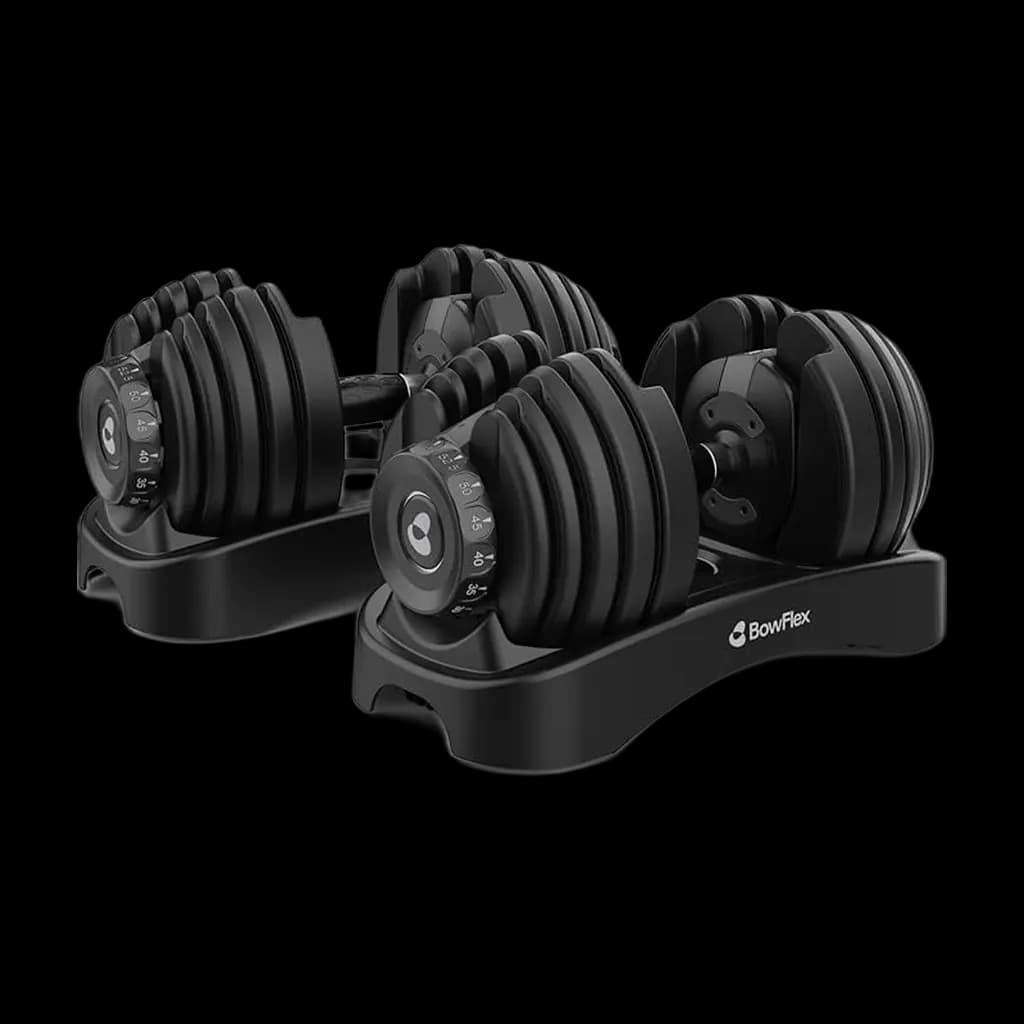 One pair covers squat, hinge, push and pull without changing plates. | 4.4 Gym Score 75 | Pros
| Cons
| $189.99 | Buy on Amazon |
 One implement, no assembly, and a vinyl coat that quiets the clank on a hard floor. | 4.8 Gym Score 96 | Pros
| Cons
| $73.99 | Buy on Amazon |
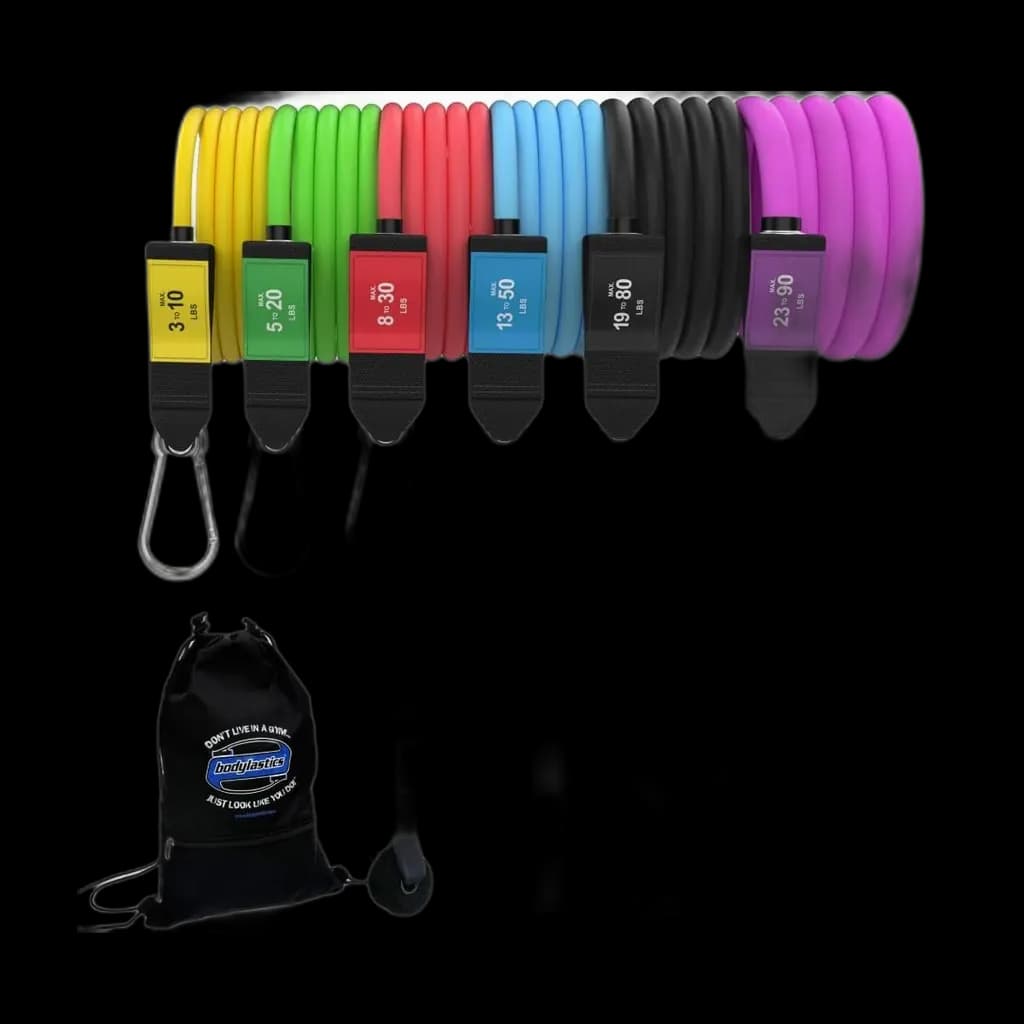 The fallback session that fits in a drawer and makes almost no noise. | 4.7 Gym Score 93 | Pros
| Cons
| $61.97 | Buy on Amazon |
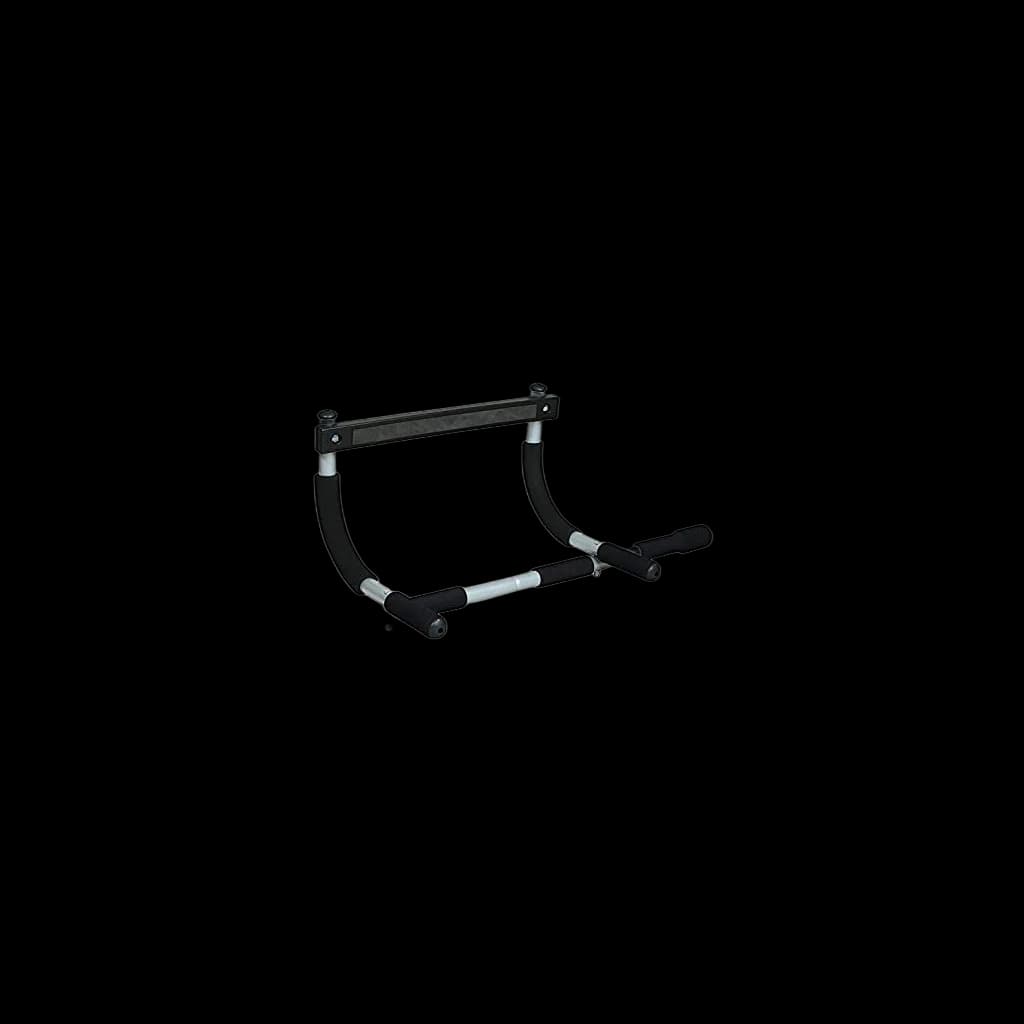 The pull pattern at home, with no drilling and nothing left mounted. | 4.4 Gym Score 89 | Pros
| Cons
| $47.99 | Buy on Amazon |
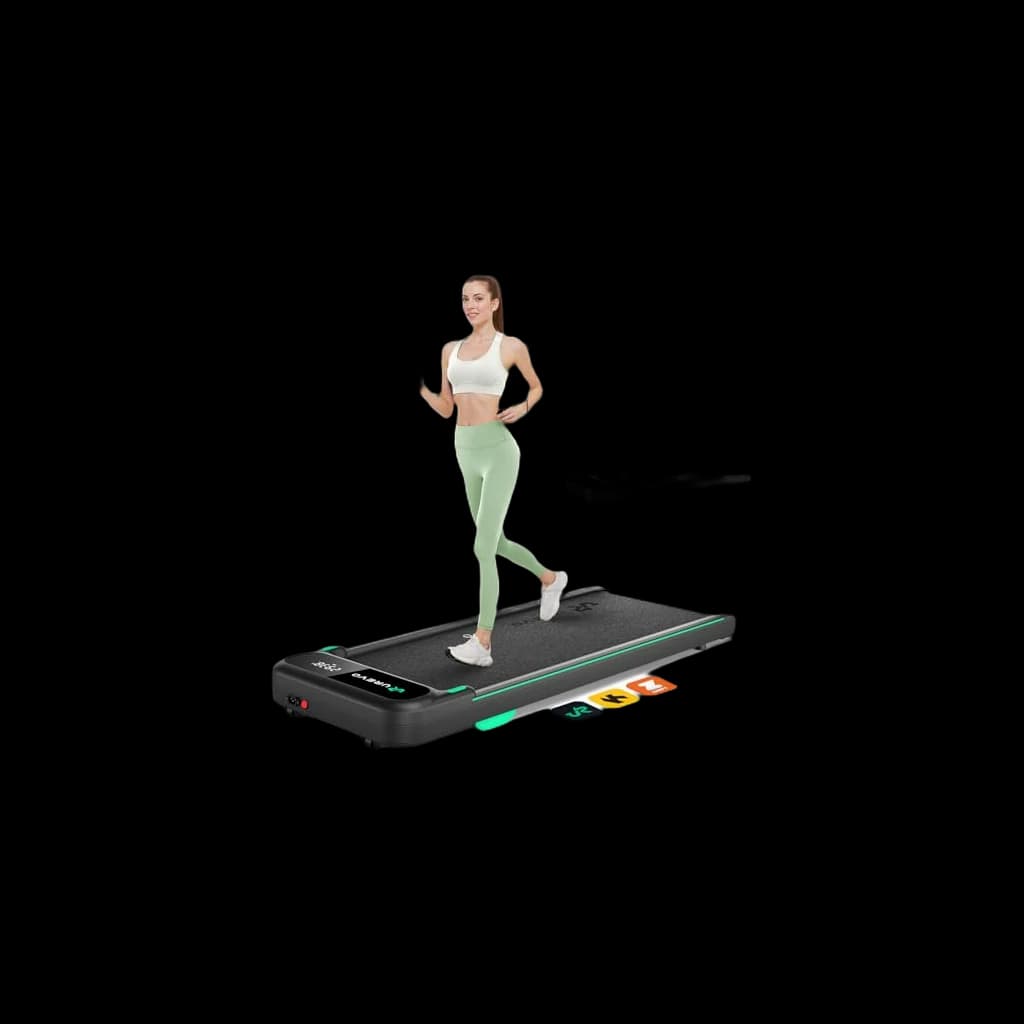 A quiet indoor walk for the days when the plan is a walk. | 4.3 Gym Score 71 | Pros
| Cons
| $139.99 | Buy on Amazon |
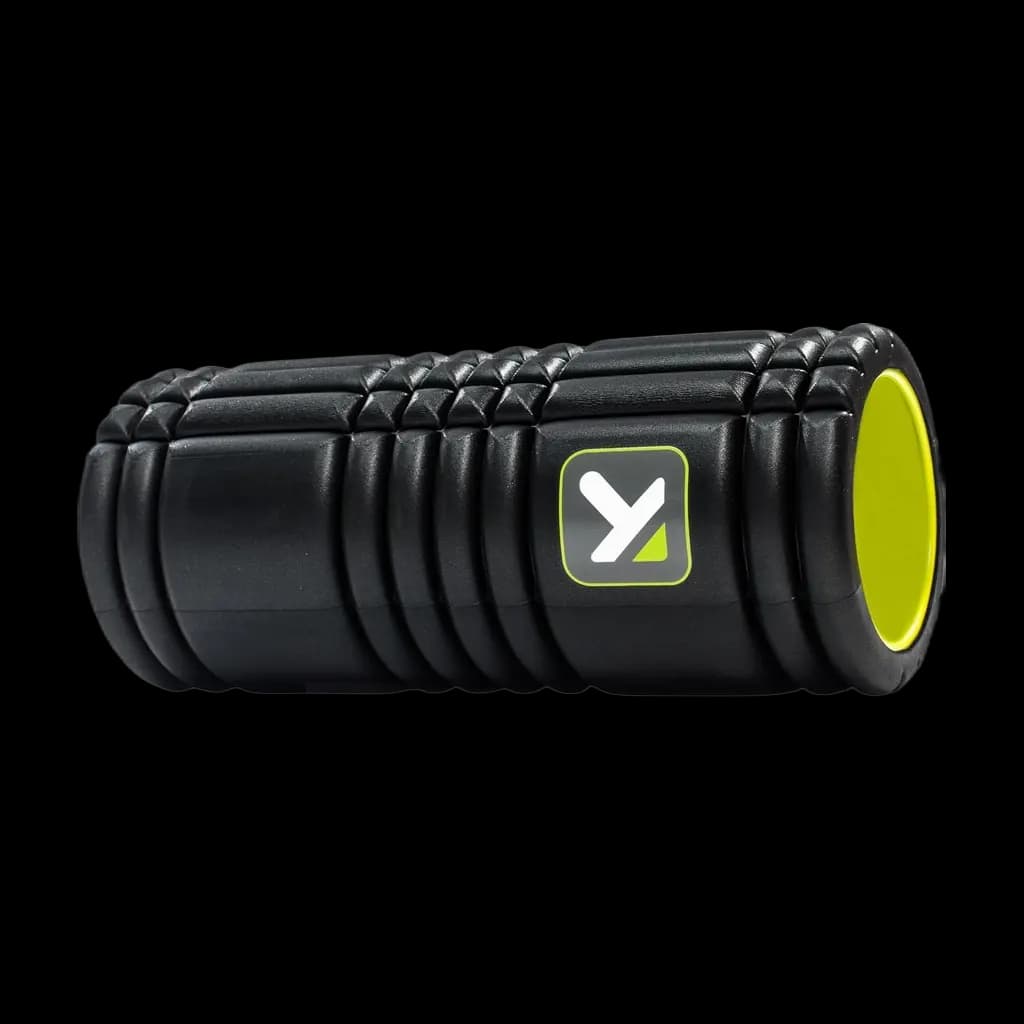 The mobility-break day, with nothing to charge and nothing to learn. | 4.6 Gym Score 92 | Pros
| Cons
| $27.99 | Buy on Amazon |
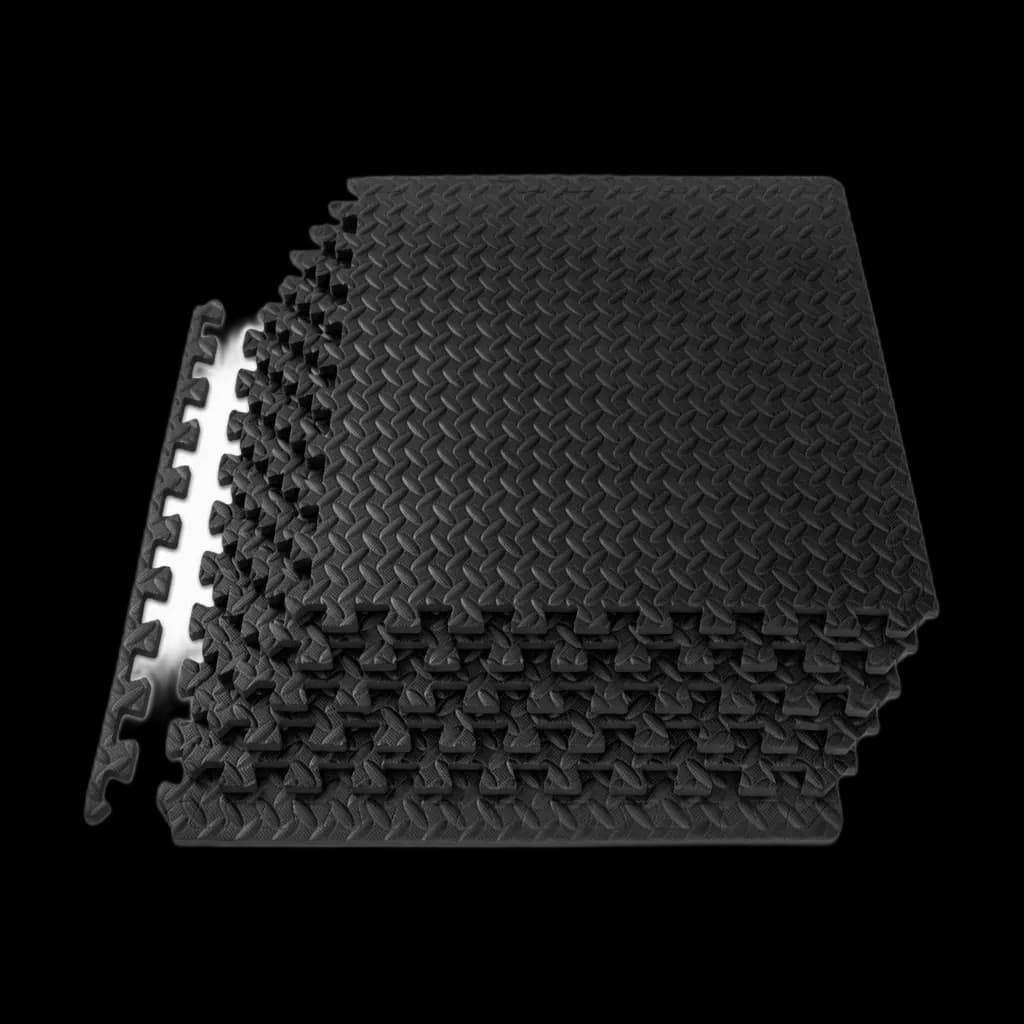 Makes the floor usable and the noise less of a neighbour problem. | 4.3 Gym Score 86 | Pros
| Cons
| $54.99 | Buy on Amazon |
Amazon prices checked Sep 12, 2026. Amazon prices change often — the listing is authoritative.
The usual advice to exercise before or after work stops being useful when work begins in the evening and ends after sunrise. Before work may be the only quiet time you have; after work, you have been awake all night and still need to drive home, eat and sleep.
The practical rule comes first: protect sleep rather than financing exercise with it. NIOSH's guidance for nurses explicitly advises against cutting sleep time to work out, and suggests moving exercise farther from bedtime when sleep is difficult. Sleep is the constraint; the workout moves around it.
Use your sleep schedule, not the clock on the wall
A workout at four in the afternoon is not an evening workout for someone who woke at two. Describe the schedule relative to waking, working and sleeping before deciding where training belongs.
Finding the window that is actually there
- Write the real sequence — waking, commuting, meals, showering, family responsibilities.
- Mark the protected sleep opportunity first, before you look for a training slot.
- Subtract the transition around the shift: eating, washing, travelling, arriving unrushed.
- Whatever minutes are left are the training window. Plan a session that fits them.
A nominal two-hour gap may hold thirty usable minutes. A flexible plan tolerates a shorter session; repeatedly shrinking sleep is a different tradeoff, and not one a fitness schedule should hide.
Before the shift is often the first option to test
Training after your main sleep and before work can be practical: you have rested, and the next planned sleep is hours away. That makes it a reasonable first experiment, not a proven best time for all night workers.
Training before the shift
What makes it work
- You have already slept, so the session is not financed with rest
- It sits far from the next planned sleep, sidestepping the spacing problem
What gets in the way
- It competes with eating, washing, travelling and arriving unrushed
- Childcare or household responsibilities often occupy exactly this window
After the shift is a different decision
For some workers the equipment is already at hand, and some find a session helps them settle. It still depends on how tired you are, whether it postpones sleep, and whether it makes getting home less safe.
NIOSH suggests trying an interval of at least three hours between exercise and bedtime when falling or staying asleep is a problem. For someone who sleeps shortly after getting home, that makes a substantial post-shift workout impractical.
Training between consecutive nights needs restraint
A run of night shifts compresses everything outside work: the first session may fit easily, and by the third night the same plan takes far more effort. Save the demanding sessions for the days your rotation allows.
For night-shift nurses and anyone like them, overtime or a delayed handoff can remove the window entirely. Keep a shorter fallback rather than forcing the original session into whatever remains.
An example for a fixed overnight schedule
Imagine a shift running 7 p.m. to 7 a.m., with a sleep opportunity of roughly 9 a.m. to 4:30 p.m. — illustrative, not a claim that those hours suit everyone.
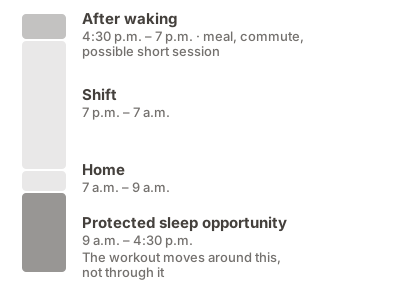
The point is positional: the only segment that does not touch sleep is the one after waking.
A short workout after waking could fit before the evening meal and commute. Change one detail — childcare occupies that period — and the answer stops working.
On a rotating roster, tie the plan to recovery opportunities rather than weekdays: label two sessions A and B, do A at the next suitable opportunity, then B after an appropriate interval.
Keep the strength routine simple enough to repeat
For a generally healthy beginner, a basic home session centres on four familiar patterns: a brief warm-up, then a couple of controlled sets of each at a resistance you can handle with sound technique. This is not a personalized prescription, and new or painful movements may warrant instruction before loading them.
The four patterns a short home session covers
- Squat or sit-to-stand — bodyweight first, add load once it is comfortable
- Hip hinge — one implement is enough, with nothing to adjust when tired
- Push — floor press, push-up, or an overhead press with what you own
- Pull — the pattern most home setups lack, and the one worth solving
Two of those patterns stall most home setups. A single vinyl-coated kettlebell covers the hinge with no assembly and a coating that keeps the clank down on a hard floor, and a doorway pull-up bar covers the pull without drilling anything.
Use smaller sessions without pretending they solve everything
A short session preserves the habit and makes a crowded week workable; it need not imitate a full workout at double speed. But stretching does not replace resistance training, and a busy shift does not automatically meet every exercise goal.
- 150 minutes Moderate-intensity activity per week in general CDC adult guidance, or an equivalent vigorous combination. A population guideline, not a shift-specific prescription.
- 2 days Muscle-strengthening days in the same guidance, which also notes activity can be divided into smaller amounts.
- 3 hours The gap between exercise and bedtime NIOSH suggests trying when sleep is difficult. Conditional, not universal.
Source: CDC, Adult Activity: An Overview; NIOSH, Module 6 — both linked in full below.
On a day when even a walk is too much, a foam roller is about as low-friction as mobility gets — silent, nothing to charge or set up. It is still not a replacement for resistance training.
Let alertness influence the session
Unusual sleepiness is not ordinary reluctance to start. When you are notably fatigued, remove complexity: no unfamiliar equipment, no maximal lifts alone, no test of willpower. If you are struggling to remain awake, prioritize rest and safe transportation. NIOSH identifies impaired attention and increased safety risk as important consequences of fatigue.
Caffeine can complicate the plan
Using caffeine to force a workout after a night shift conflicts with the sleep that follows. NIOSH notes that caffeine commonly has a half-life of about five to six hours, with meaningful variation, and that consuming it late in a night shift can interfere with subsequent sleep.
Think about the next planned sleep, not whether the clock says morning. When the only way to finish a session is to stimulate yourself through serious fatigue, reconsider its timing or size, not the drink.
Food and preparation should reduce friction
Arrange ordinary food around the schedule so exercise does not keep landing in the middle of a missed-meal problem. Prepare the space in advance, and store equipment safely where children or others use the room.
Measure success across weeks, not one difficult day
Track completed sessions, how they fit around sleep, and whether the routine leaves you able to manage work and home. Persistent difficulty sleeping, excessive sleepiness despite an adequate opportunity to sleep, or problems staying awake at work or while driving deserve professional attention — exercise is not a treatment plan for an undiagnosed sleep disorder or an unsafe staffing schedule.
The most effective night-shift plan is not the hardest one you can occasionally survive; it is the one you can repeat while protecting sleep and safety.
Frequently Asked Questions
When is the best time to work out on night shift?+
There is no proven best hour for all night workers. The slot worth testing first is after your main sleep and before the shift, because it is the one window that does not compete with sleep. Whether it works depends on how much transition time you have before work and what else occupies that period.
Is it bad to exercise right after a night shift?+
Not automatically. Some people find it helps; others find it delays sleep or leaves them too alert to settle. NIOSH suggests trying an interval of at least three hours between exercise and bedtime when falling or staying asleep is a problem, which can make a substantial post-shift session impractical if you sleep shortly after getting home.
Should I cut sleep to fit a workout in?+
No. NIOSH's guidance for nurses explicitly advises against cutting sleep time to work out. A flexible plan can tolerate a shorter session; repeatedly shortening sleep is a different tradeoff, and a fitness schedule should not hide it.
Sources & Research
Related reviews
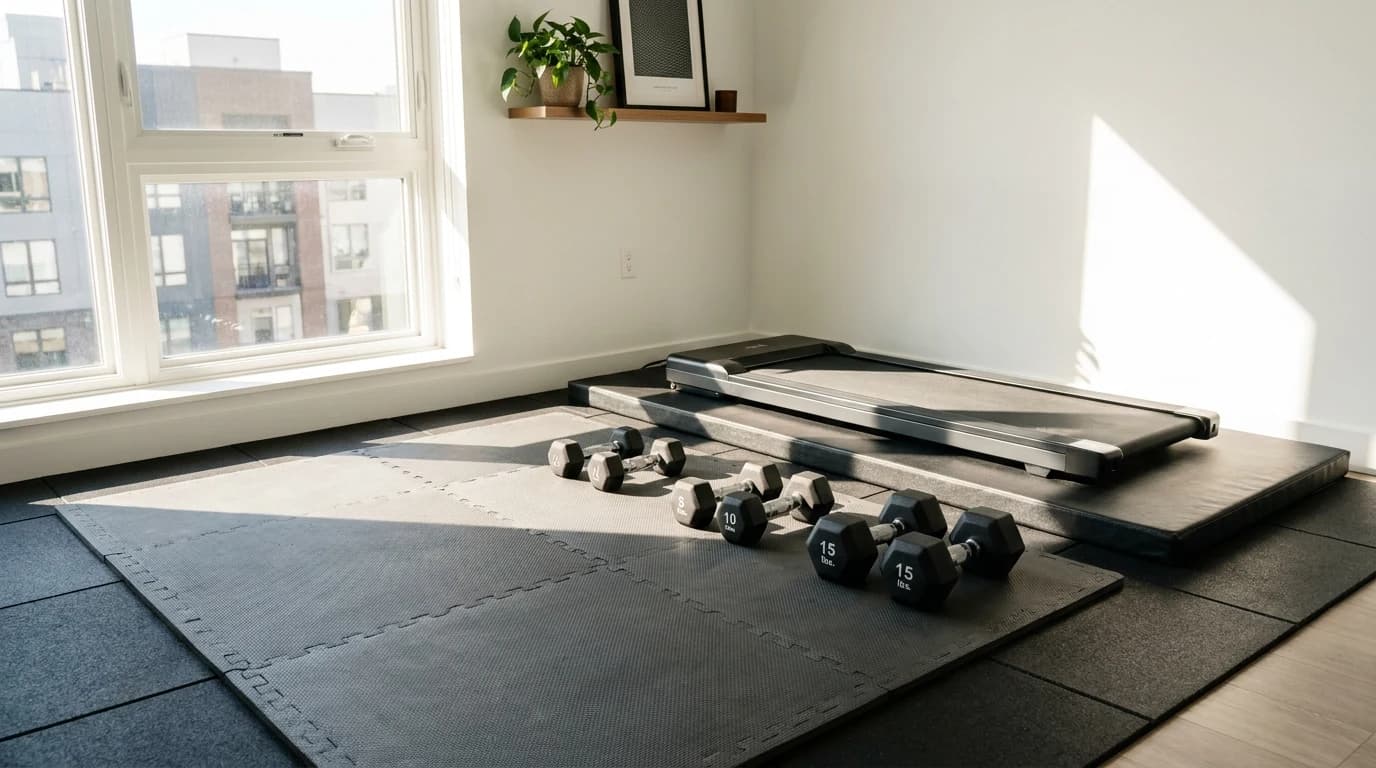
How to Make a Home Gym Quiet (Apartment and Upstairs Fixes)
Most home gym noise is impact, not effort. Layer dense rubber and cushion flooring, isolate cardio, and lower weights under control in an apartment.
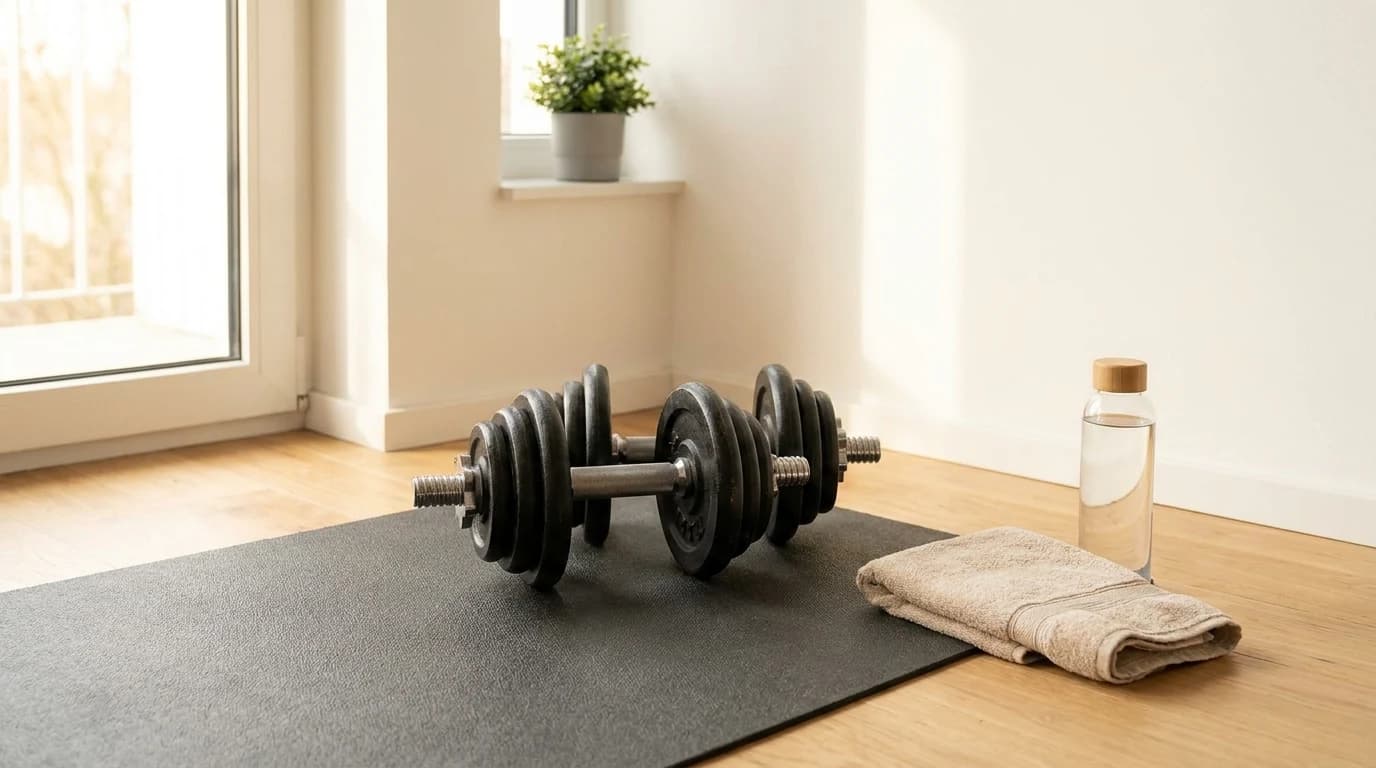
A Full-Body Dumbbell-Only Home Workout (One Pair)
One pair of adjustable dumbbells covers every major muscle group in this 3-day full-body home workout: the exact plan, sets and reps, and how to progress.
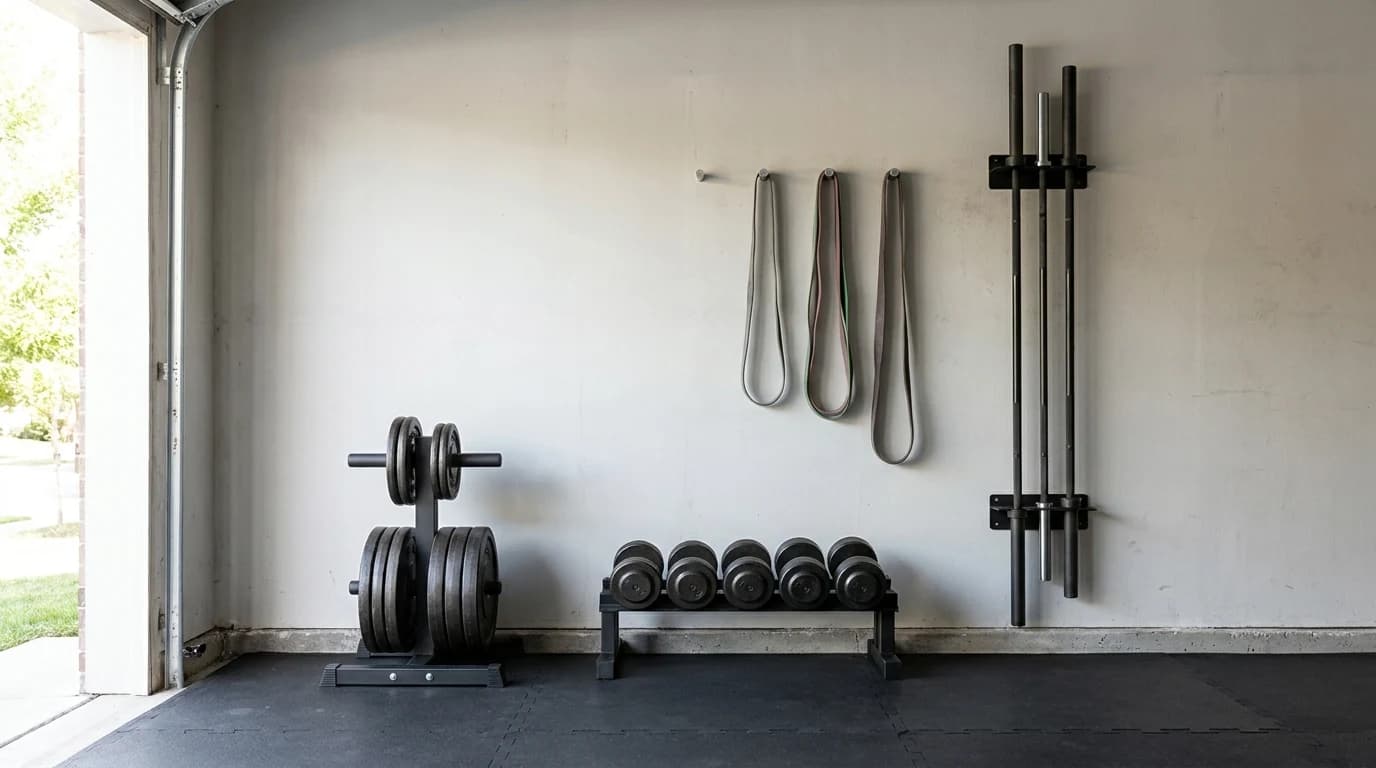
Home Gym Storage: Where to Put Plates, Bars, and Dumbbells
Store home gym gear by weight, not type: heavy stays low, bars and bands go vertical. Where plates, dumbbells, and accessories belong in a small space.
Hilly Shore Labs
Editorial teamThe independent product research team behind GymScored. Every recommendation is researched, never hands-on tested — rankings come from manufacturer specifications, published standards, and aggregated buyer sentiment.
163 products scored across 26 home gym categories, each on the same 5-dimension Gym Score formula.
See the scoring methodology and who we are.
Affiliate disclosure: GymScored is a participant in the Amazon Services LLC Associates Program. We earn from qualifying purchases at no extra cost to you. Full disclosure →