CAP Vinyl Coated Cast Iron Kettlebell
Kettlebells
96
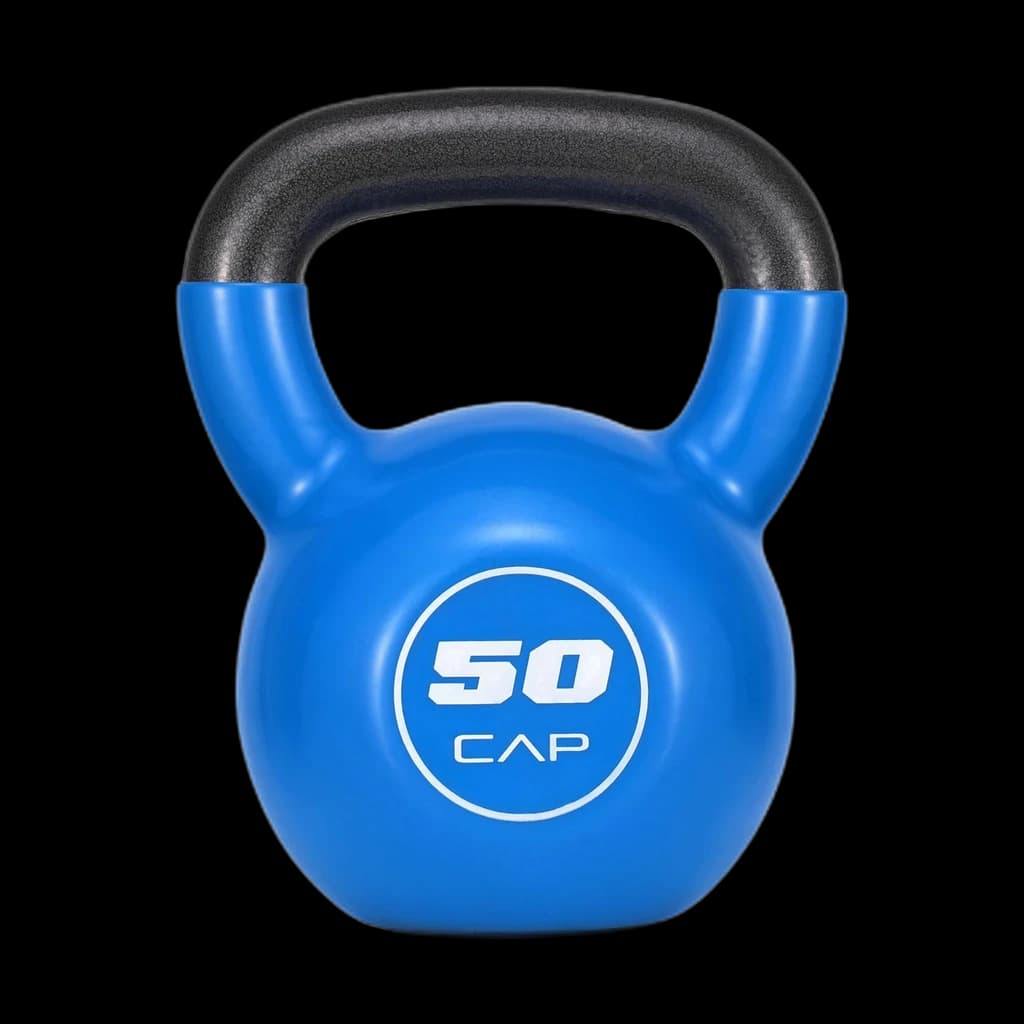
Best for: First kettlebell
$73.99Buy on Amazon
How GymScored is paid: Amazon Associates commission plus brand-direct affiliate (Rogue / REP / Titan when approved). No sponsored placements, no paid reviews, no pay-to-rank. Picks are ranked by the Gym Score formula and nothing else. Read the full disclosure.
Apartments mean shared floors and shared ceilings. The cardio machines, weights, and recovery tools below all have honest noise notes. We flag the ones owners report getting complaints about.
The three highest-scoring picks in this hub that are in stock at a price we could verify this week.
Best for: First kettlebell
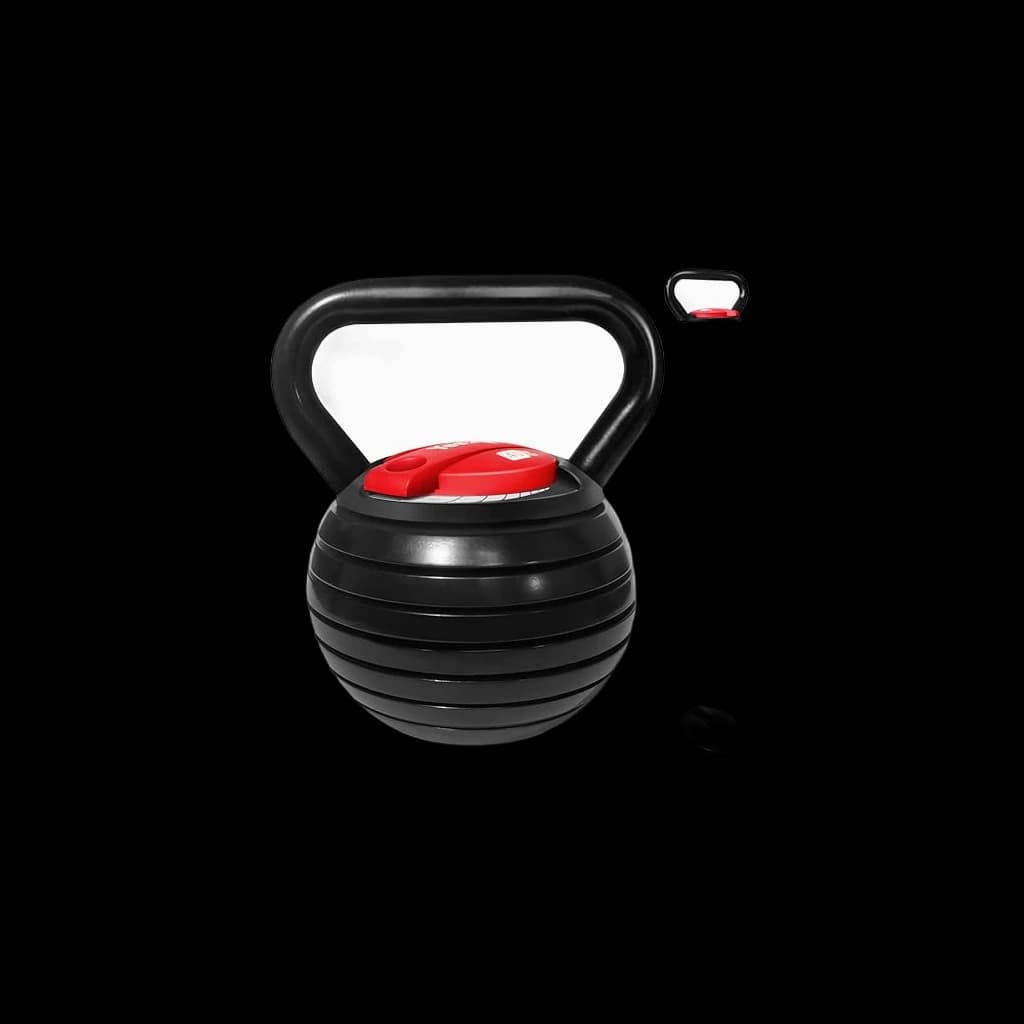
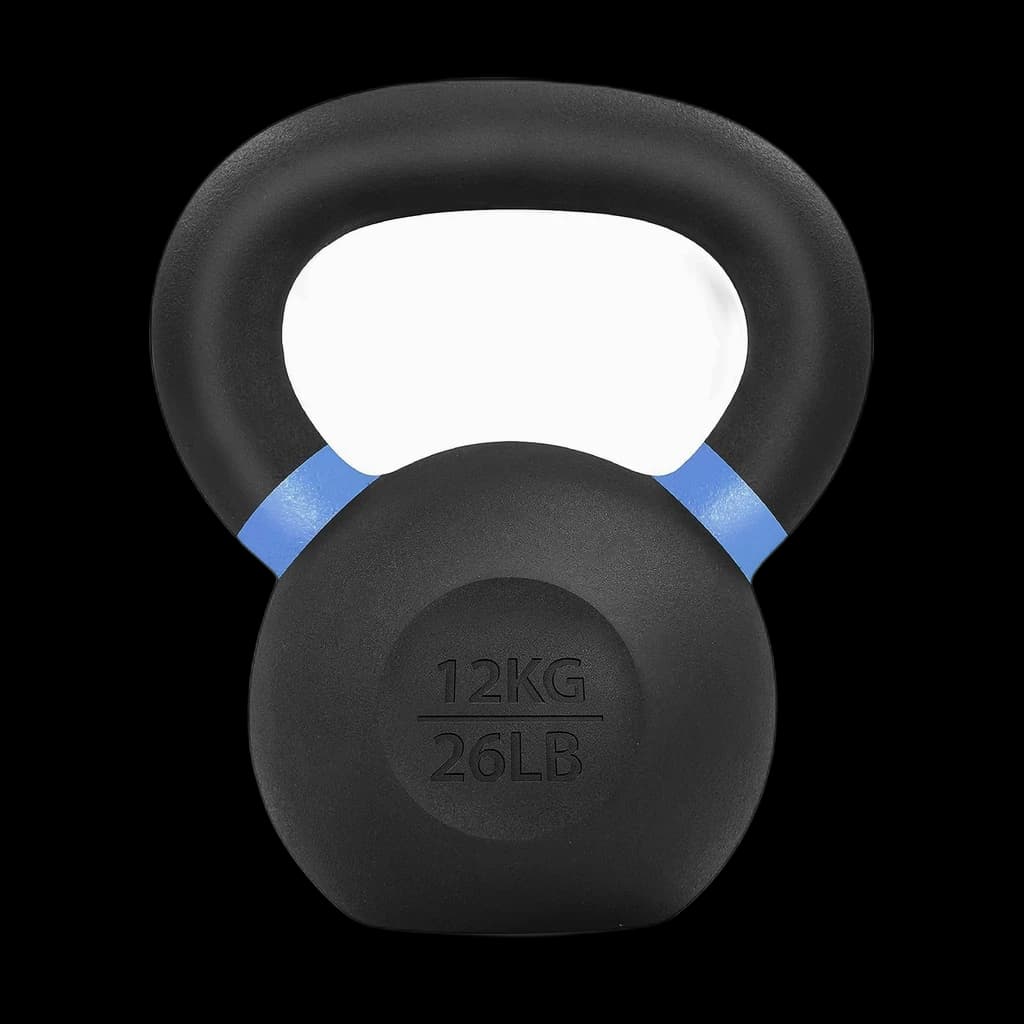
Best for: Anyone buying their first or second kettlebell for general training
An apartment gym is a compromise design, and the compromises are real. You share floors with neighbors who did not sign up for your 5 AM kettlebell swings. You have a security deposit that does not survive a dropped 45 lb plate. And you usually have under 50 square feet of usable training floor. The picks on this page are the ones owners report getting the fewest noise complaints about, not the ones with the best Instagram aesthetic.
The apartment kit is three small pieces and one optional cardio piece: adjustable dumbbells, resistance bands, a doorway or wall-mount pull-up bar, and either a walking pad or a magnetic rower. That covers strength, pull, and cardio in roughly 25 square feet of floor footprint plus a hung doorway bar.
Skip everything plate-loaded. Yes, this rules out powerlifting deadlifts. The downstairs neighbor wins that fight every time.
Magnetic and hydraulic resistance pieces are essentially silent. Air-resistance pieces — air bikes, Concept2-style fan rowers, classic air assault bikes — are loud enough to wake a baby in the next unit. If you live in a shared-wall building, magnetic is non-negotiable for any cardio piece you'll use early or late.
Walking pads under 5 mph are usually fine for downstairs neighbors with the right mat underneath. Treadmills with a runner over 180 lb often are not.
The most common apartment-gym mistake is buying a folding treadmill thinking it will be quiet — the deck flex on cheap folding treadmills is louder than the motor. If you want to run at home, you need a steel-deck commercial treadmill that costs $2,500+, or you run outside. There is no $500 quiet running treadmill.
The second pitfall is underestimating floor protection. A ¾" rubber mat under the lift zone protects both the floor and your security deposit. Two horse stall mats stacked at $100 total saves you a $1,000 deposit dispute.
Suggested build order
Best for: Beginners and post-surgical patients tolerating softer density during the first 6-12 weeks of mobility work
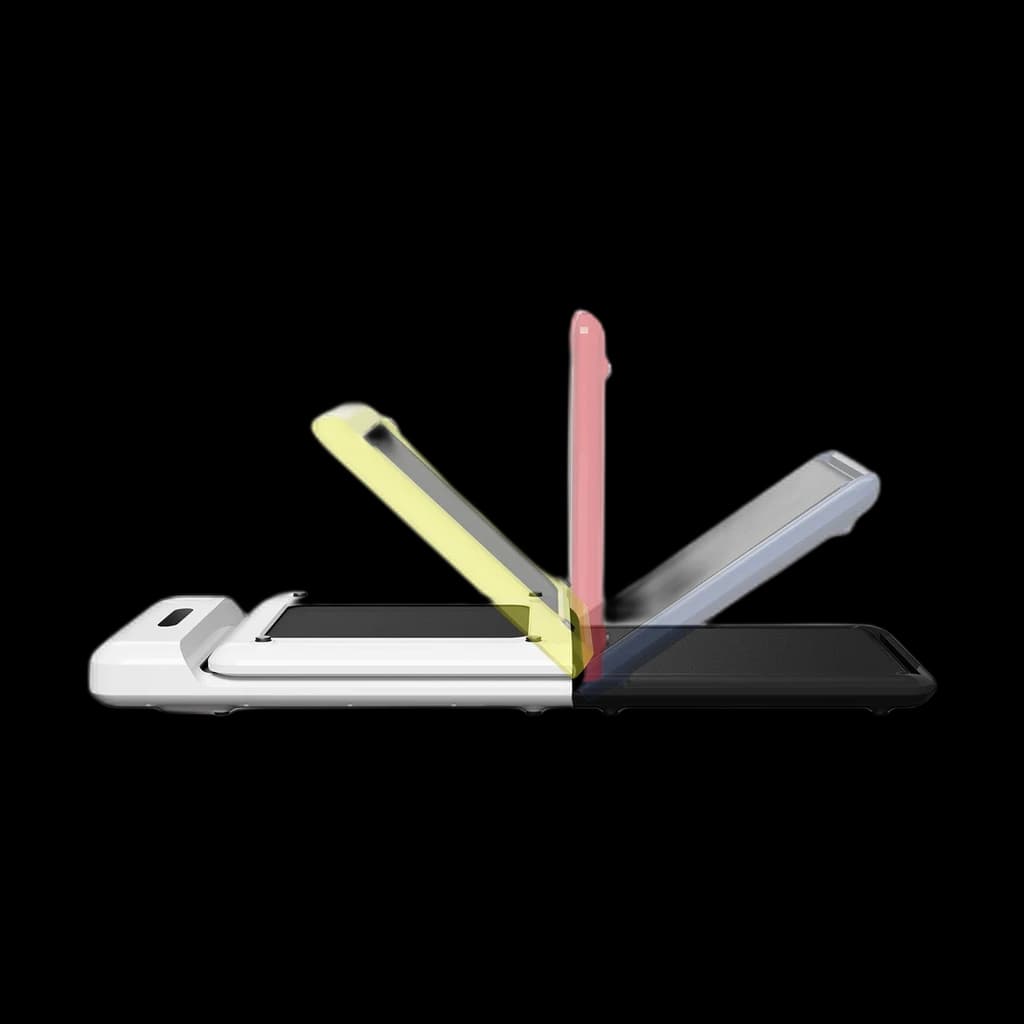
Best for: Standing desk users who want to walk during meetings or focused work
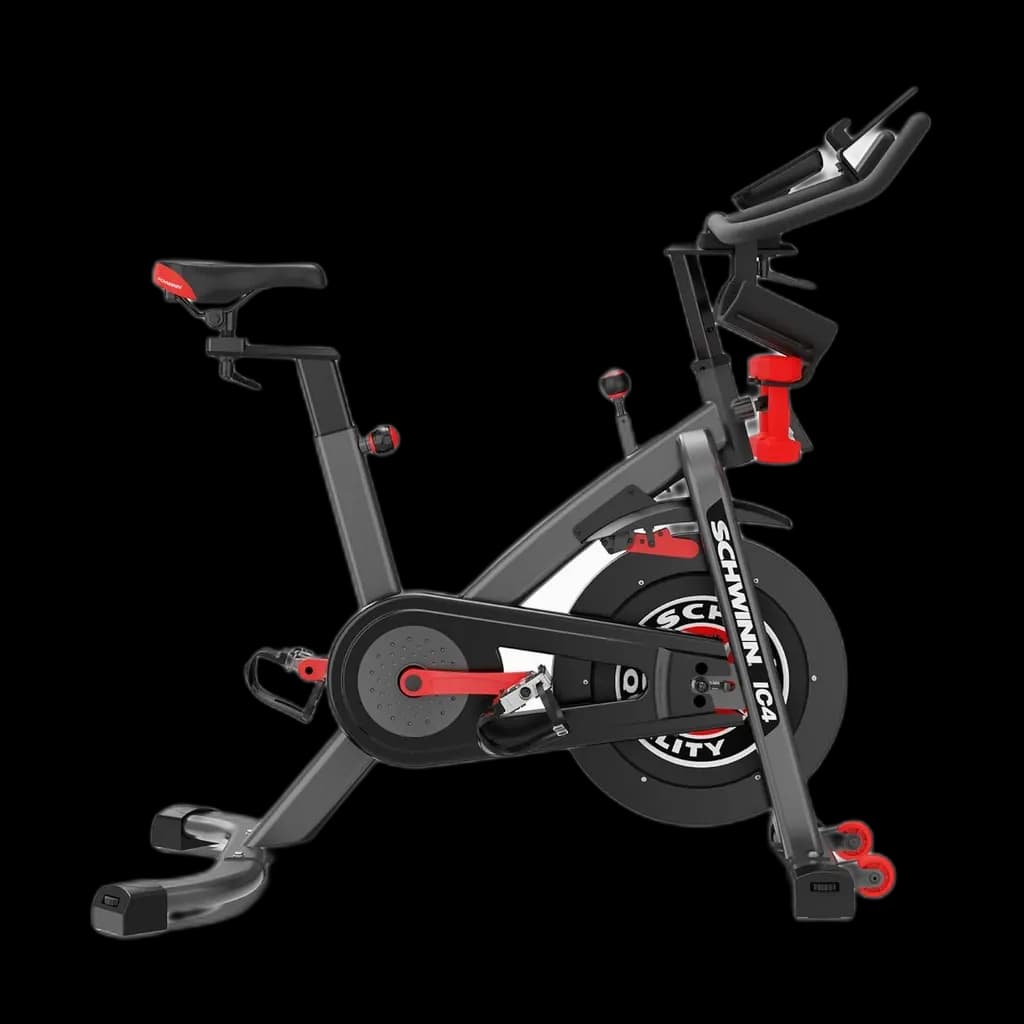
Best for: Peloton-curious buyers who want the classes without Peloton hardware
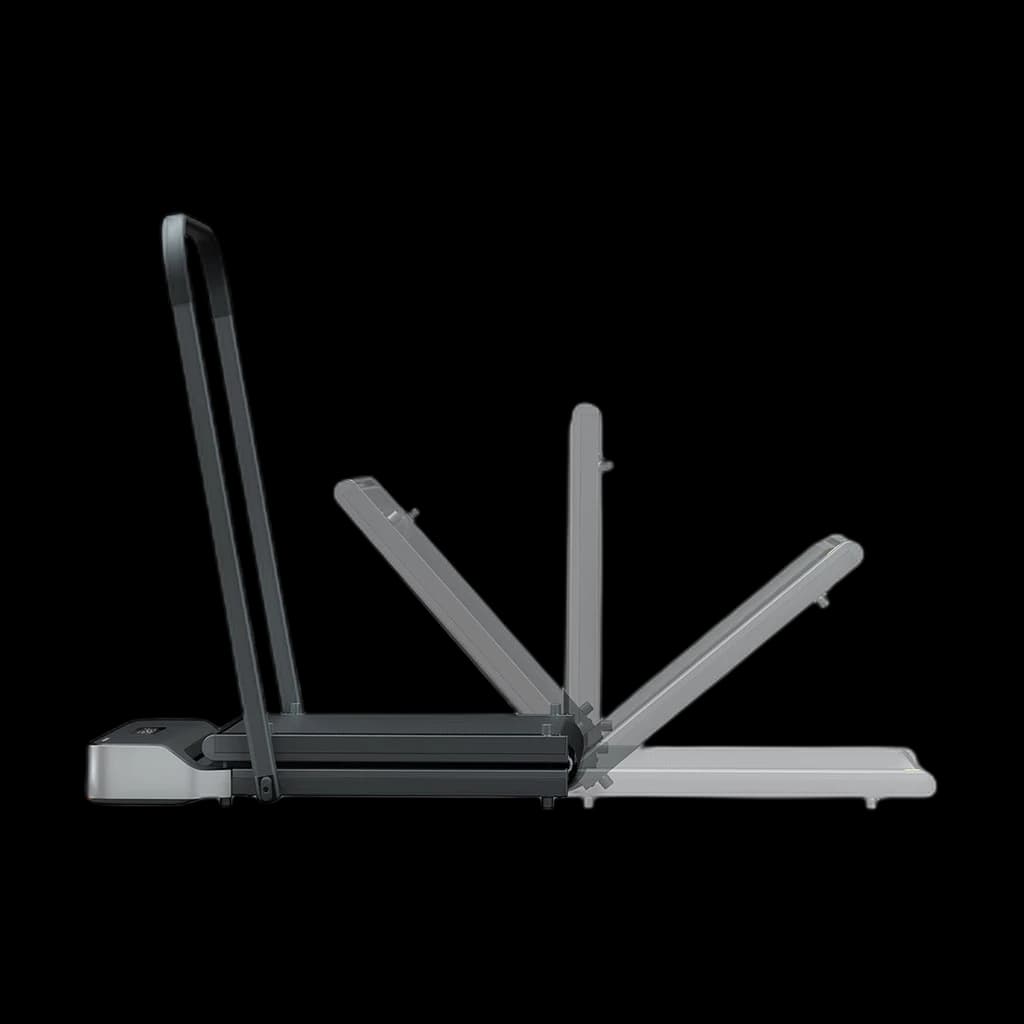
Best for: Hybrid users who want walking and occasional jogging in one unit
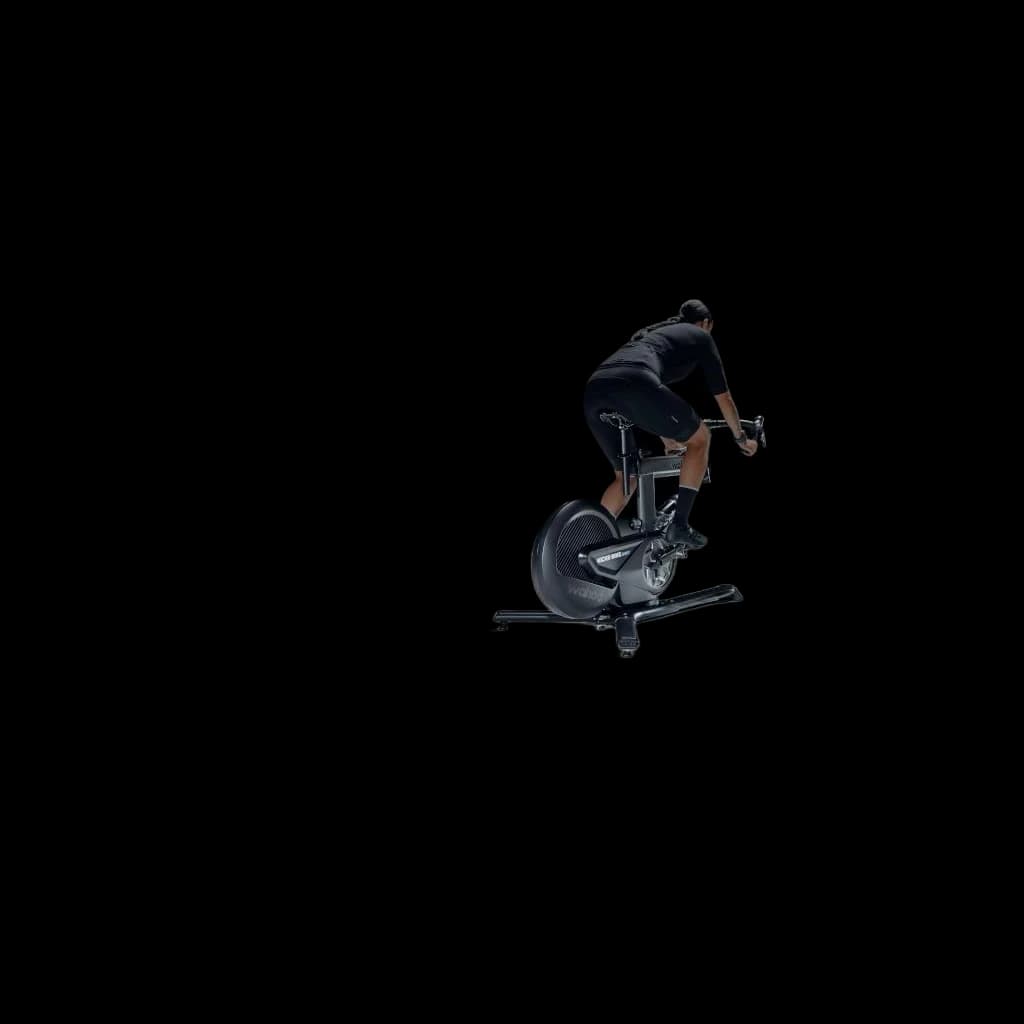
Best for: Outdoor cyclists training indoors in winter or bad weather
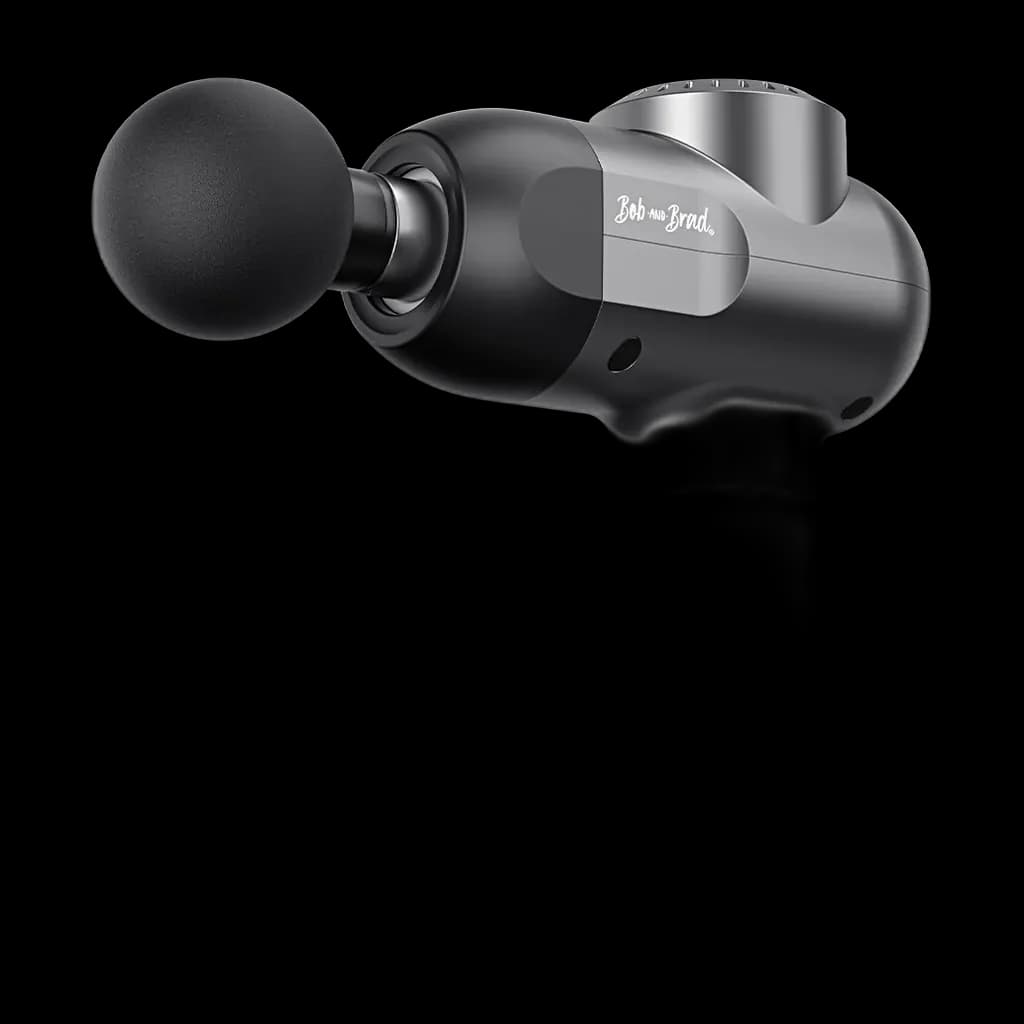
Best for: Buyers wanting a percussive gun designed in consultation with two licensed physical therapists
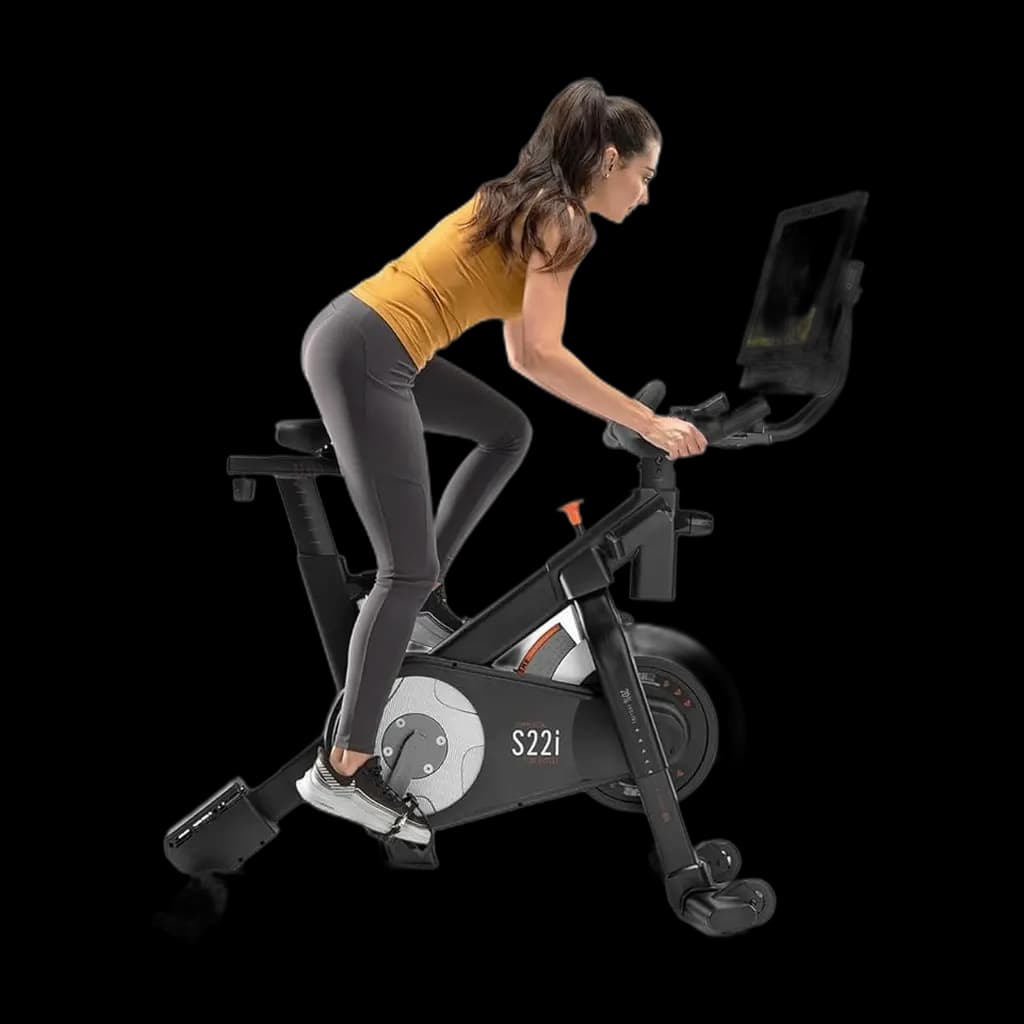
Best for: Riders training for outdoor climbs who want incline-and-decline simulation
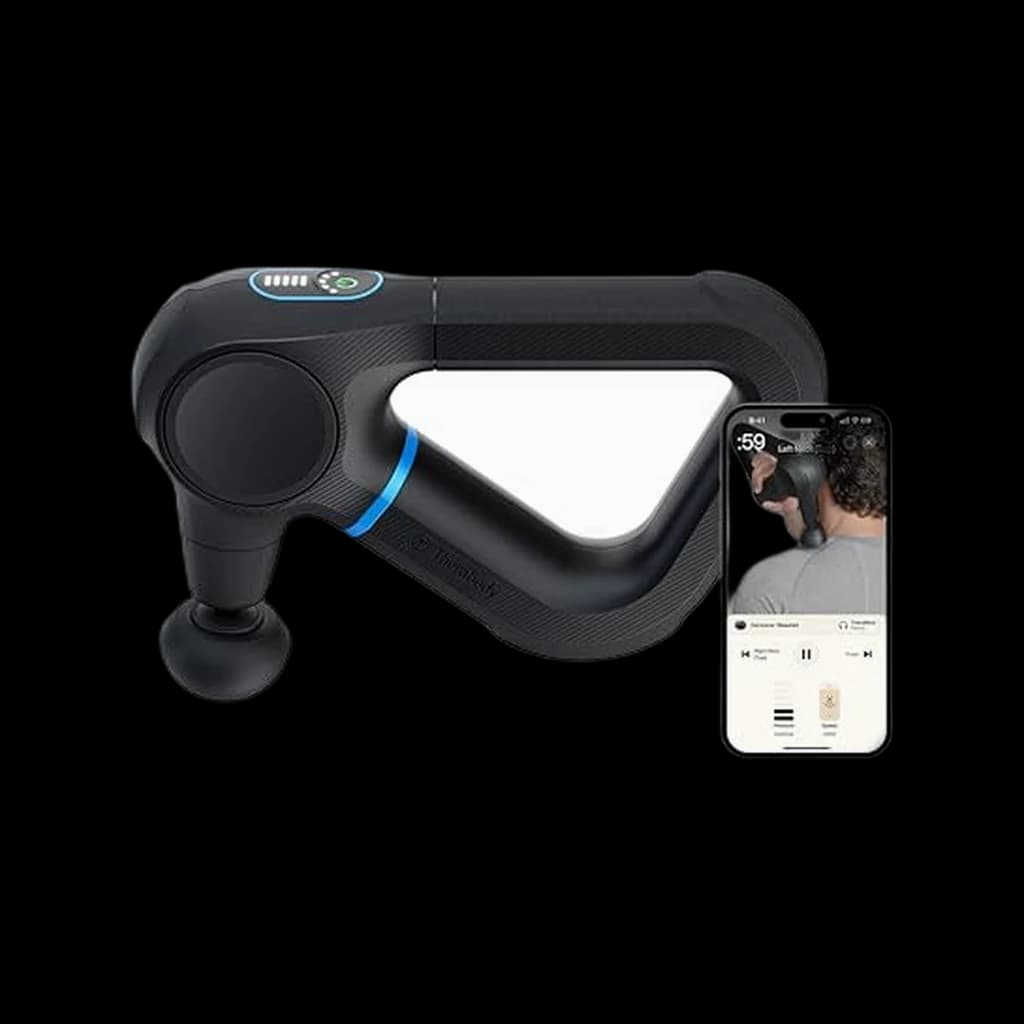
Best for: Lifters who want one device for pre-workout activation and post-workout recovery
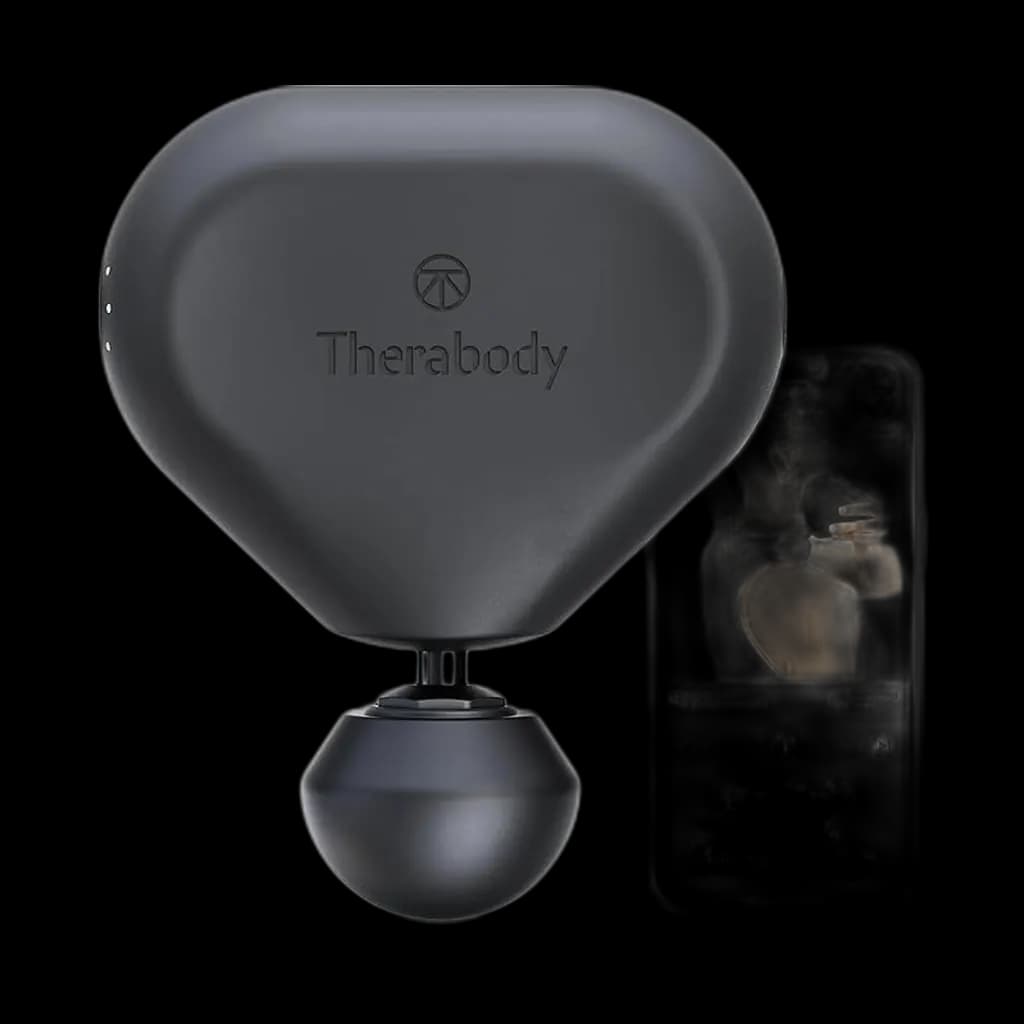
Best for: Frequent travelers who want a TSA-friendly recovery tool
Best for: Buyers wanting the cheapest legitimate percussive gun under $100
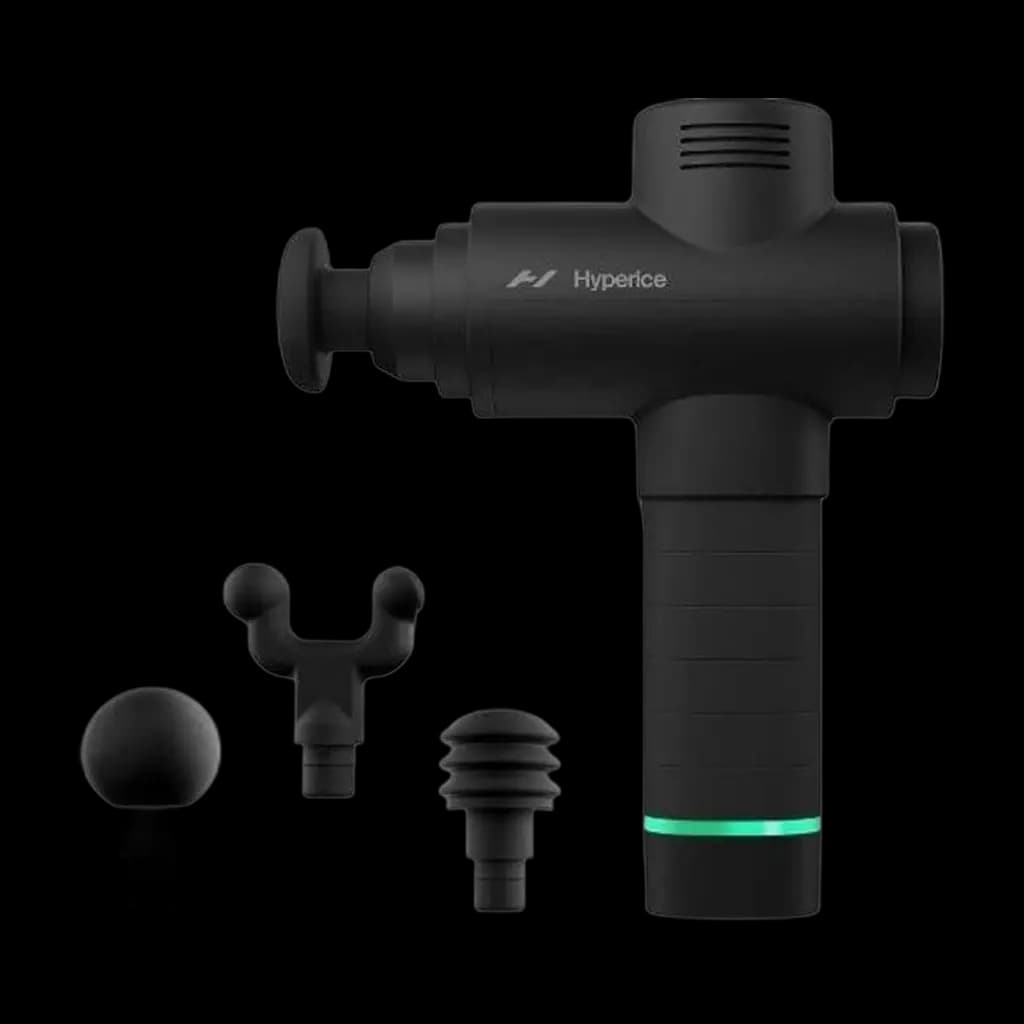
Best for: Apartment dwellers and parents who need a quiet recovery tool
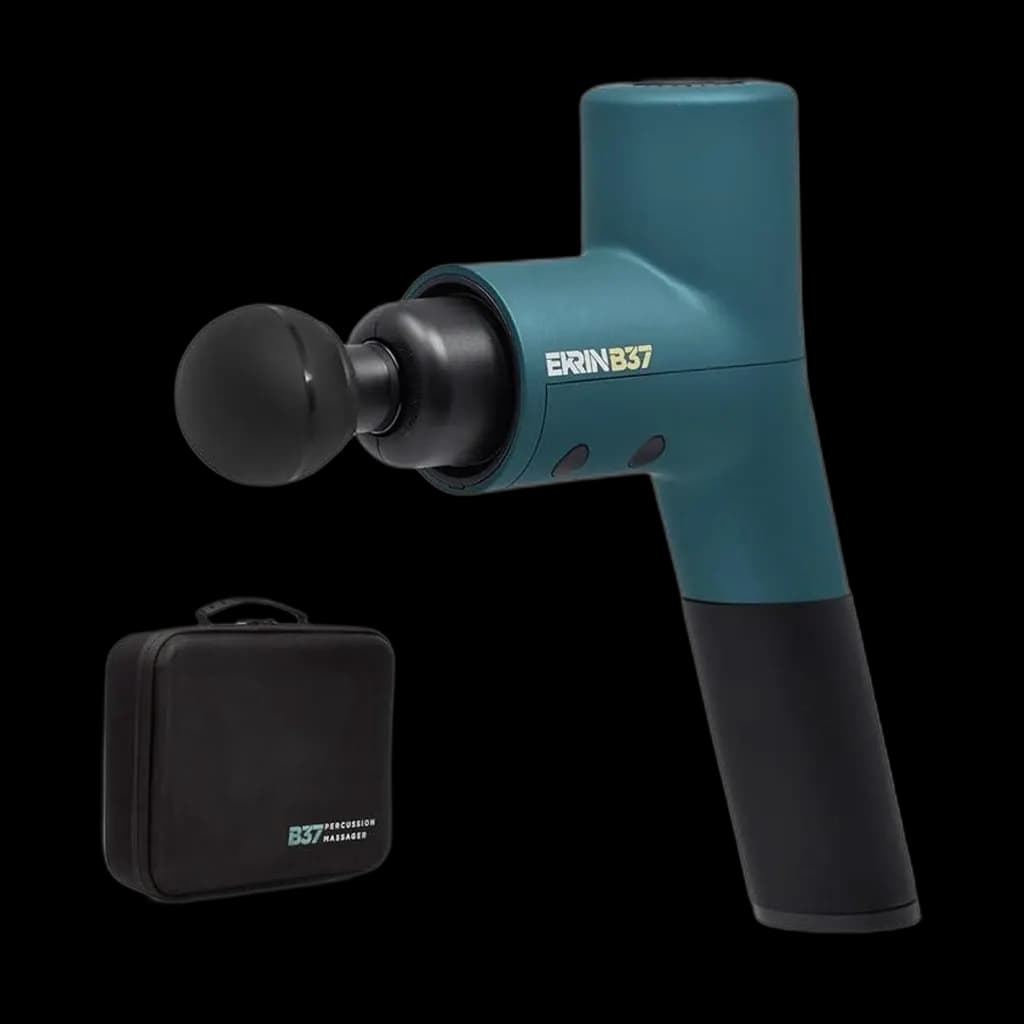
Best for: Buyers who value a lifetime warranty over flashy specs
Best for: First kettlebell
Best for: Anyone buying their first or second kettlebell for general training
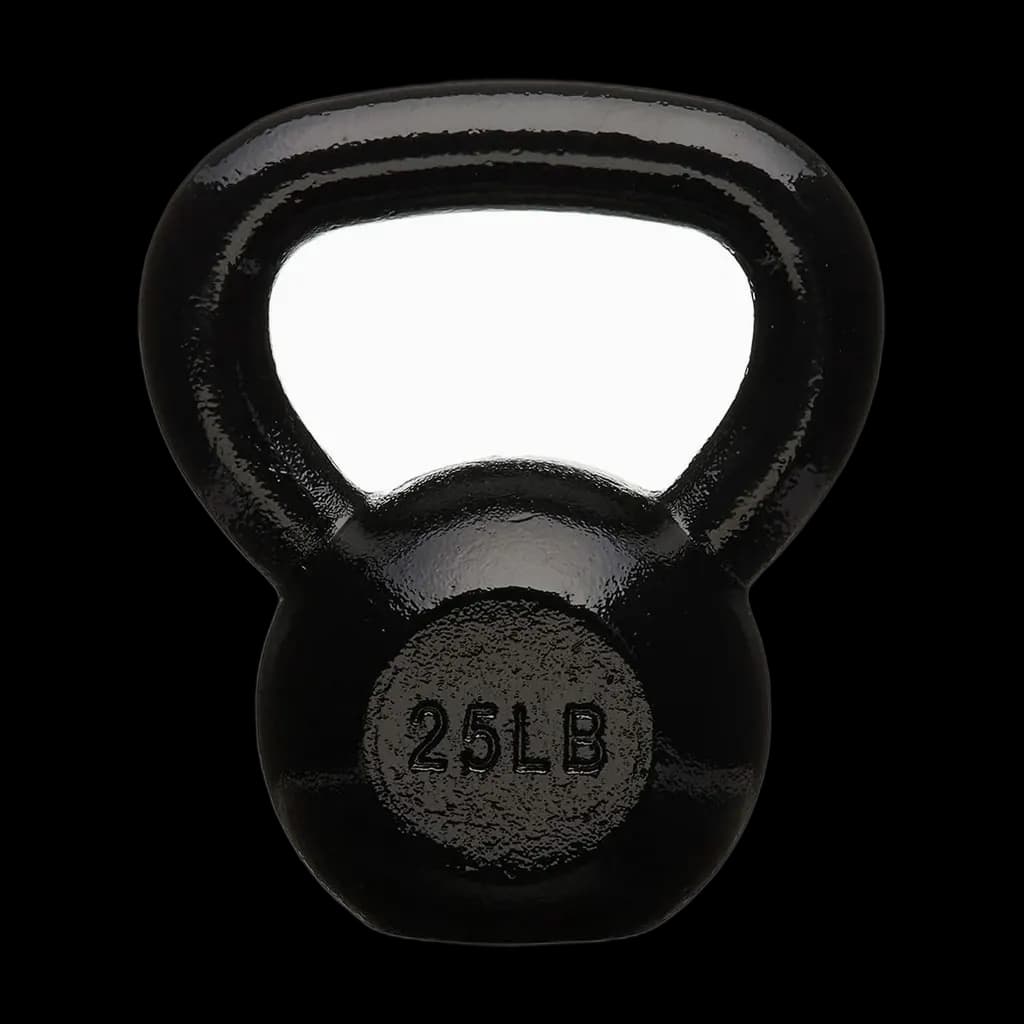
Best for: Absolute beginners testing whether kettlebells fit their training before committing
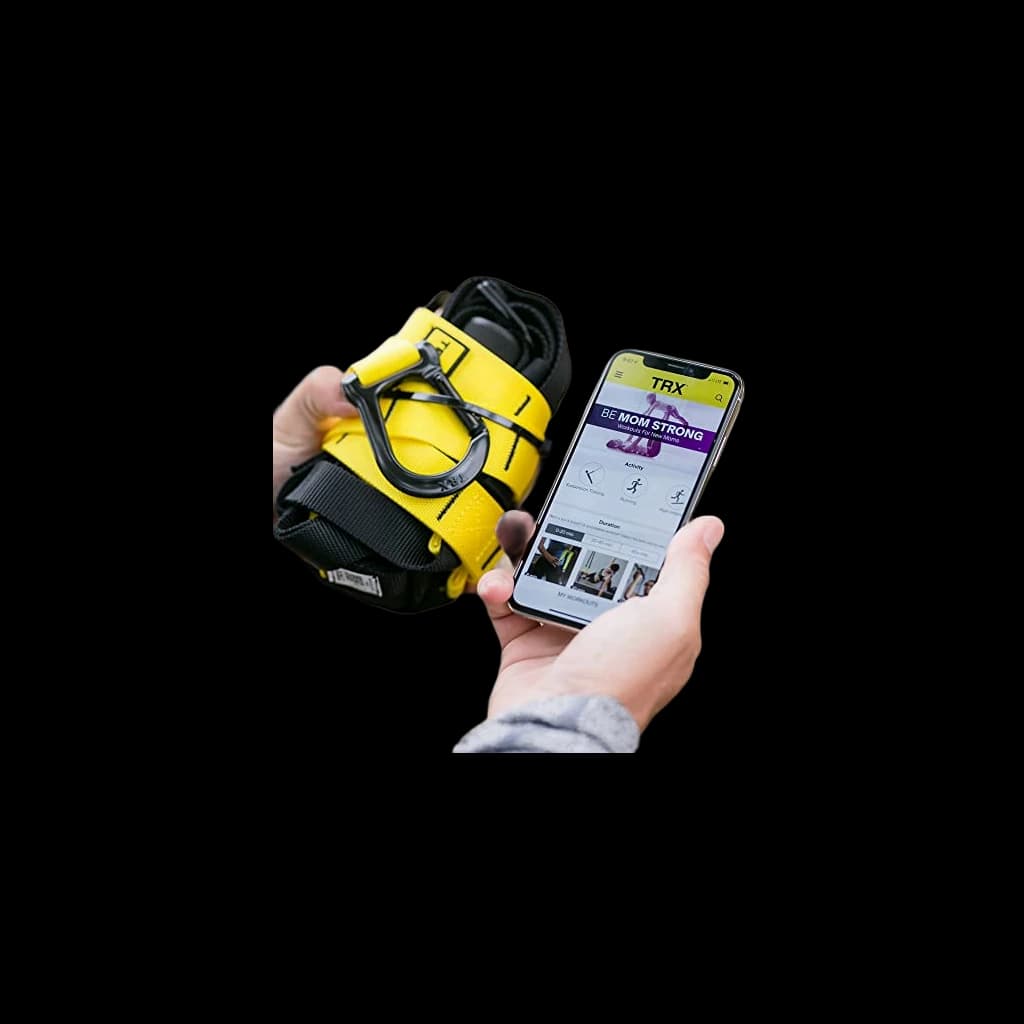
Best for: Travelers, road warriors, and beginners who want a name-brand suspension trainer at the lowest TRX price point and do not need the heavier-duty PRO 4 fabric.
Best for: Daily trainers, personal trainers running clients through suspension sessions, and home users who want the flagship TRX build with padded foot cradles and the heaviest fabric in the line.
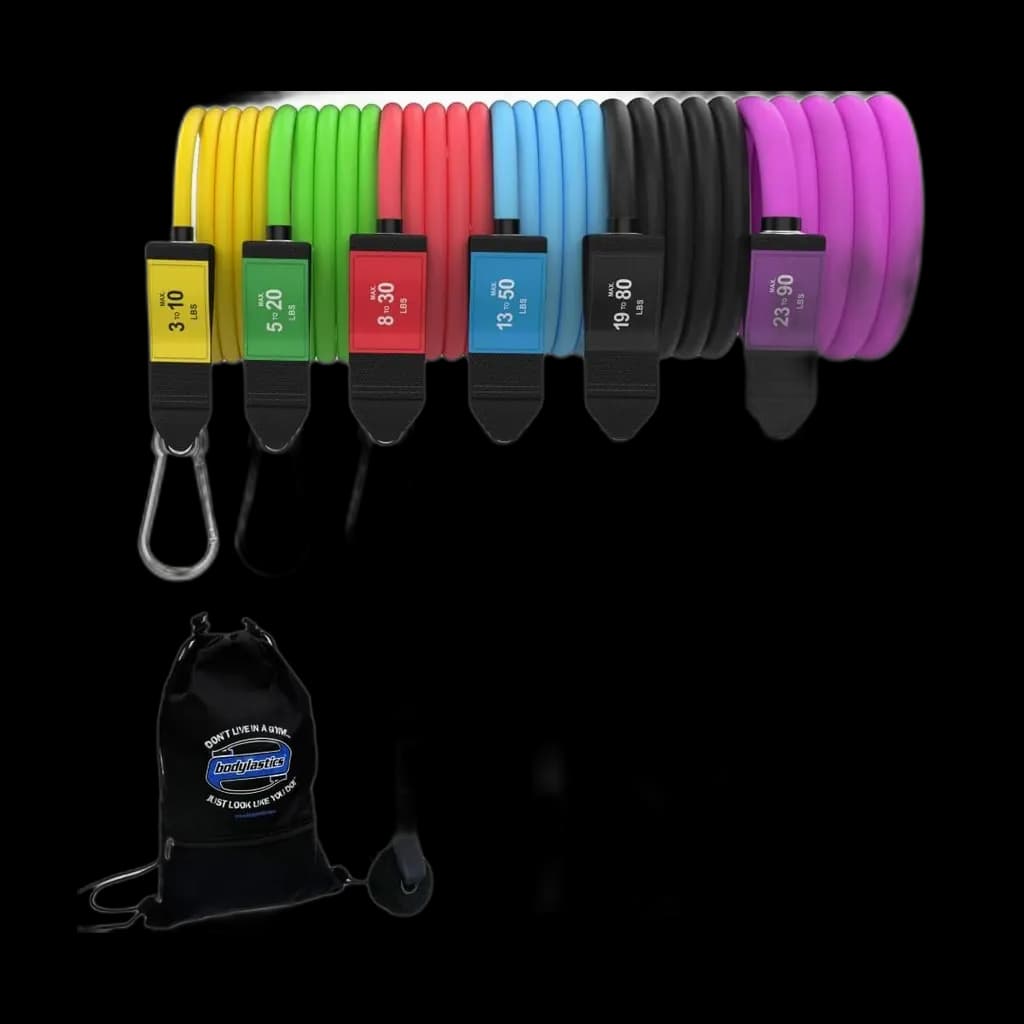
Best for: Travelers, apartment lifters, and rehab users who want a serious band system with safety-first construction and the option to scale resistance over years.
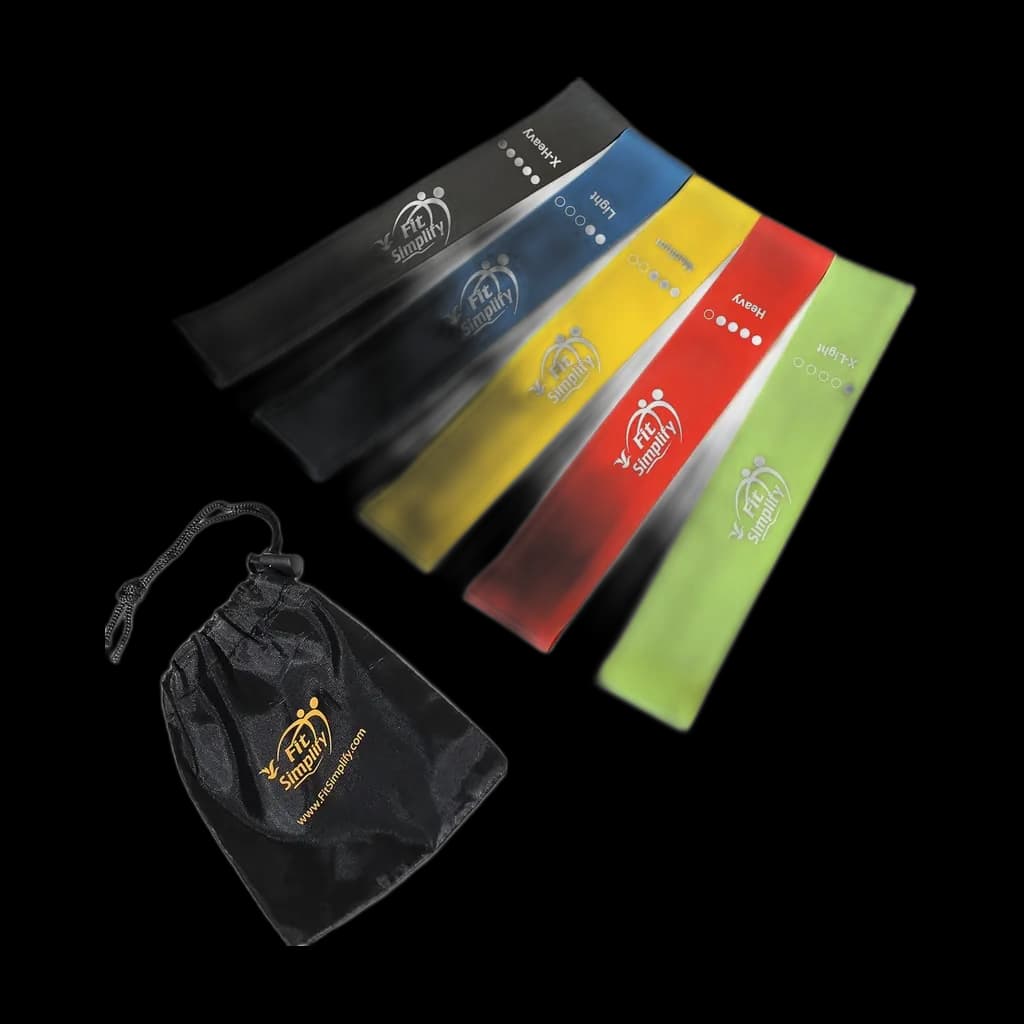
Best for: First-time band buyers, gift purchases, and anyone who wants the most-reviewed loop set on Amazon for under $15 with no risk of getting a counterfeit.
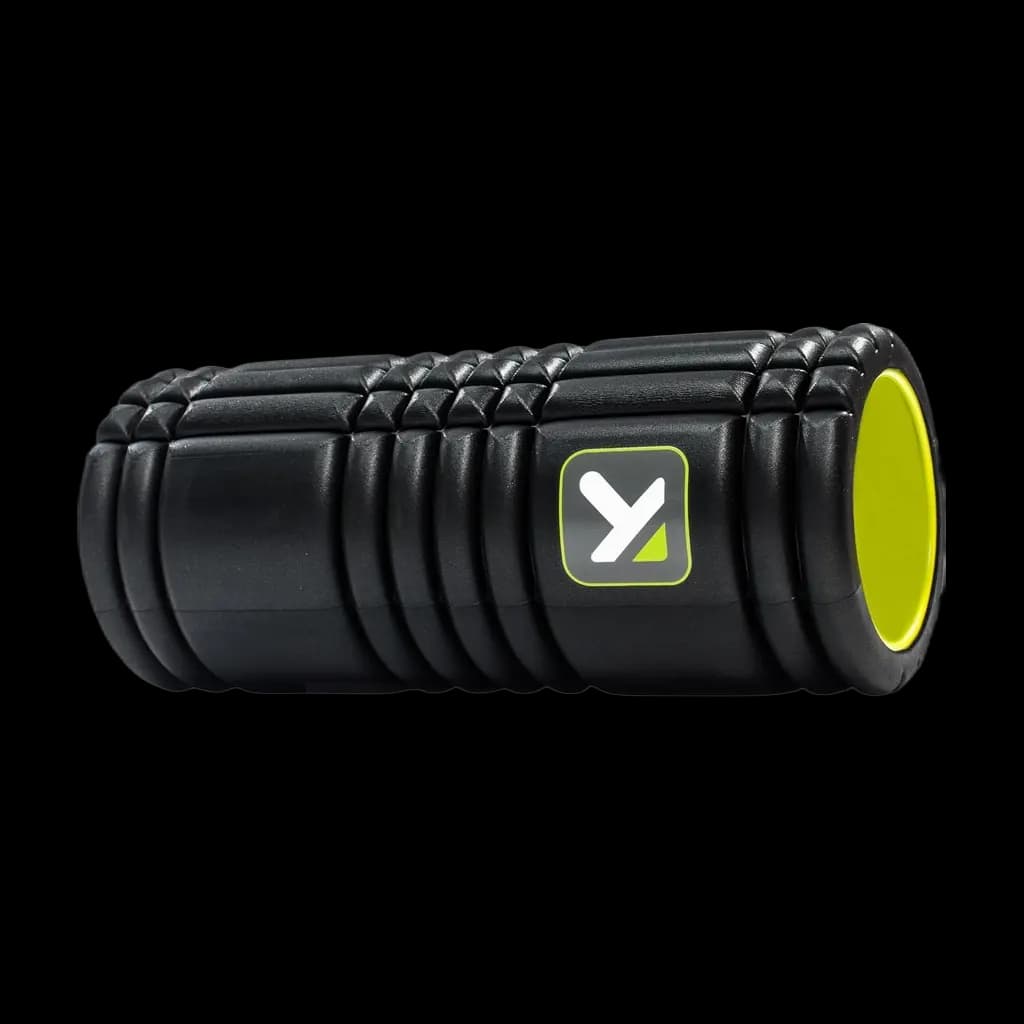
Best for: Beginners who want the safest, most-used foam roller in the category
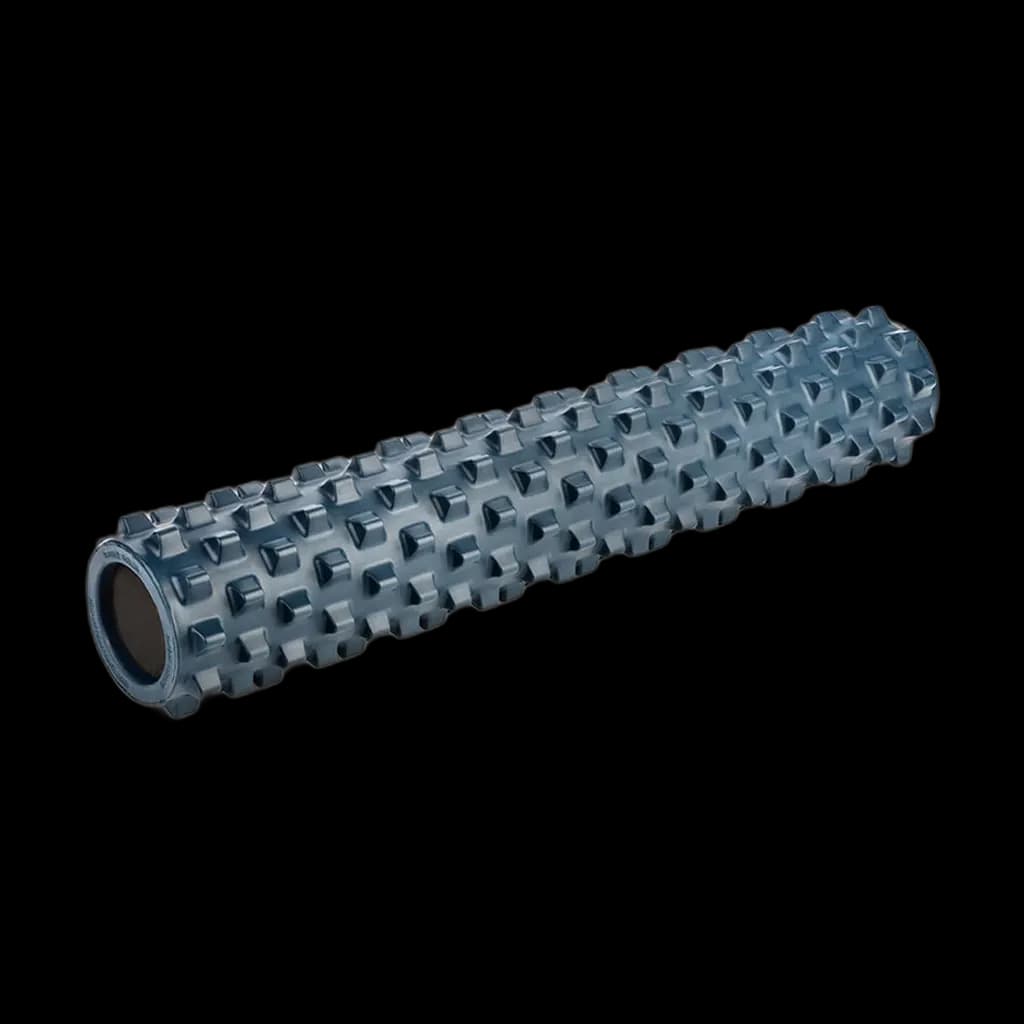
Best for: Intermediate-to-advanced users with established rolling tolerance
Best for: Pull-up assistance for beginners building up to bodyweight, plus accommodating resistance work on barbell lifts for intermediate and advanced lifters.
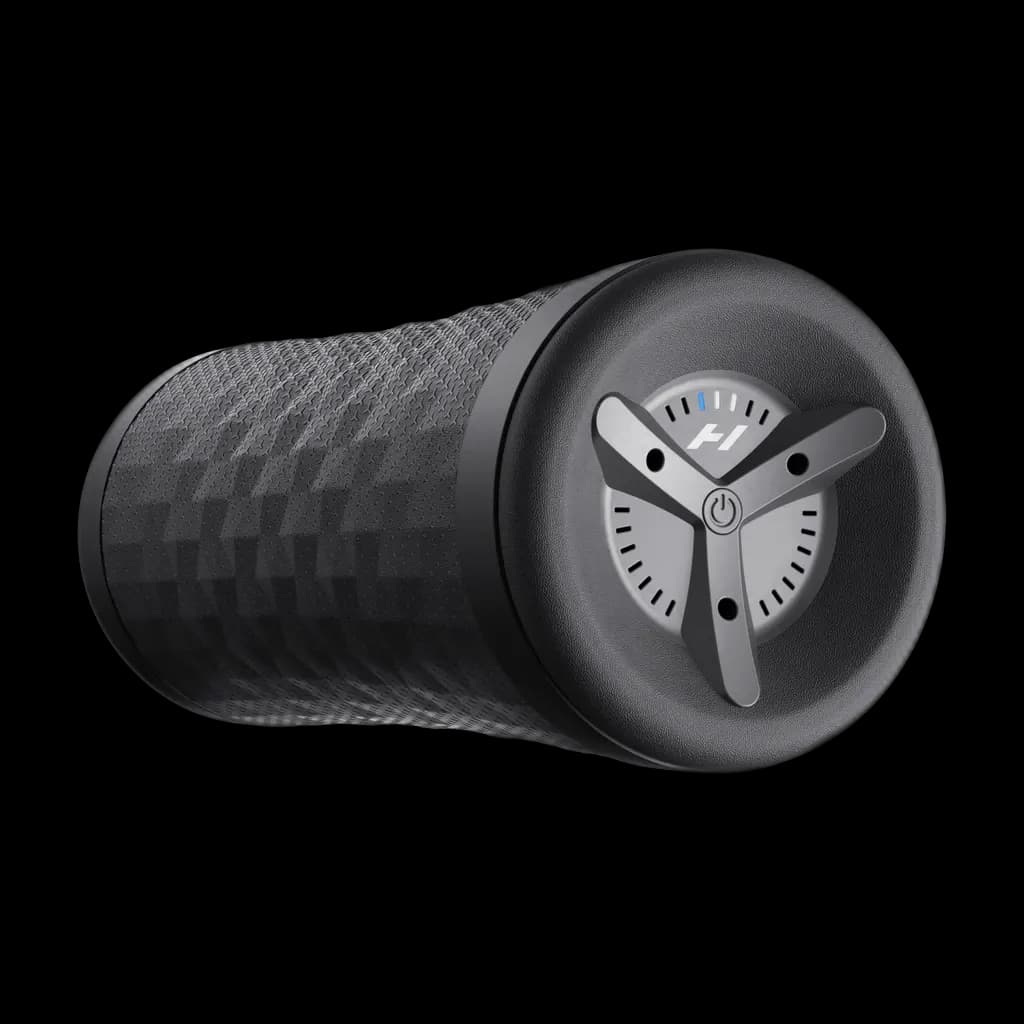
Best for: Users with chronic tight tissue that does not respond to static rolling
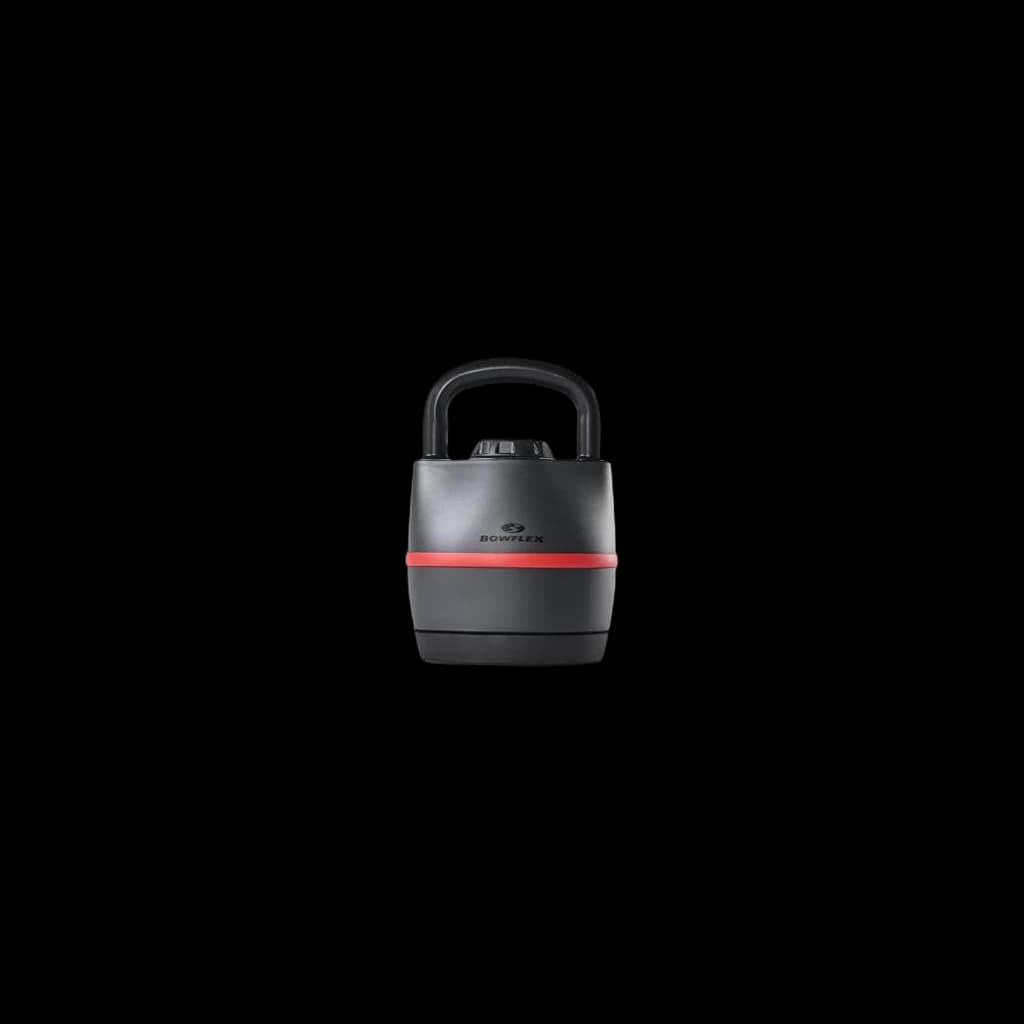
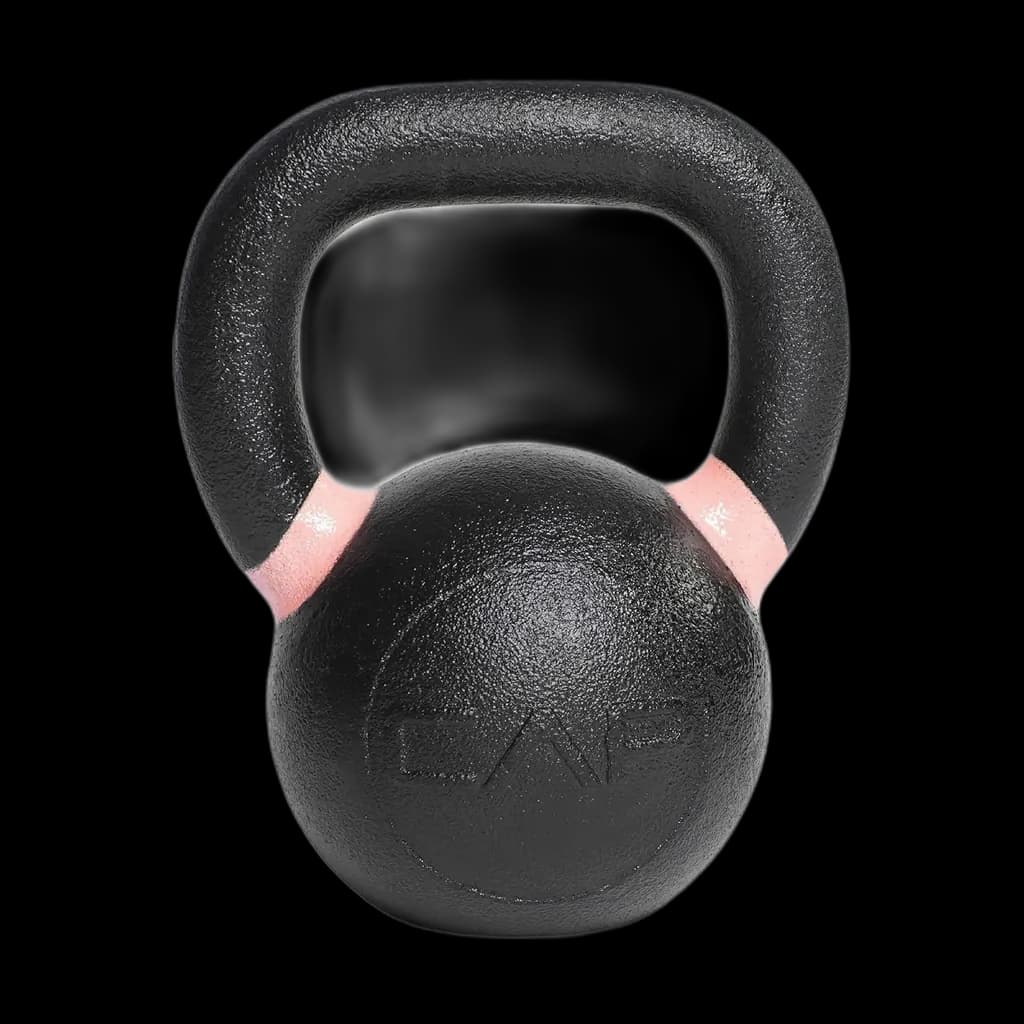
Best for: Lifters with larger hands who find 33mm competition handles cramped
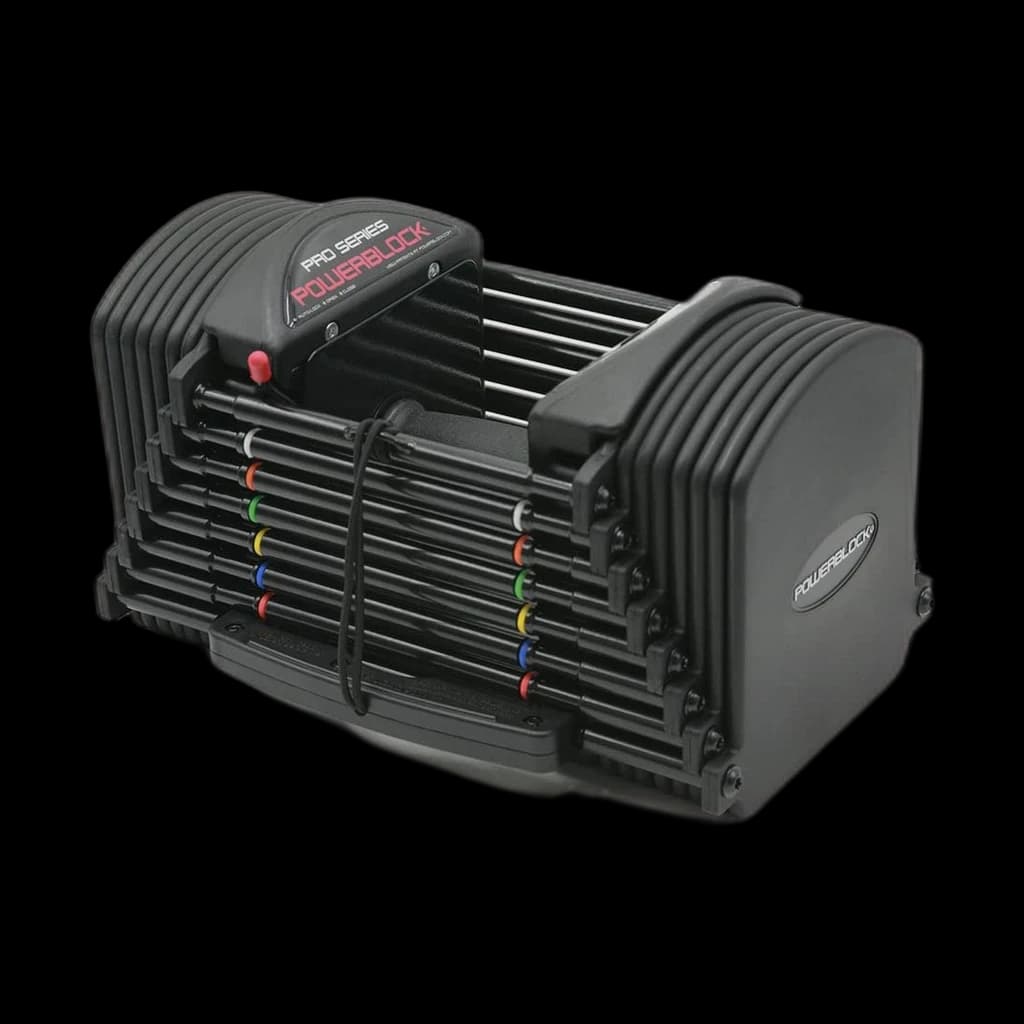
Best for: Lifters whose dumbbell work tops out around 50 lb per hand
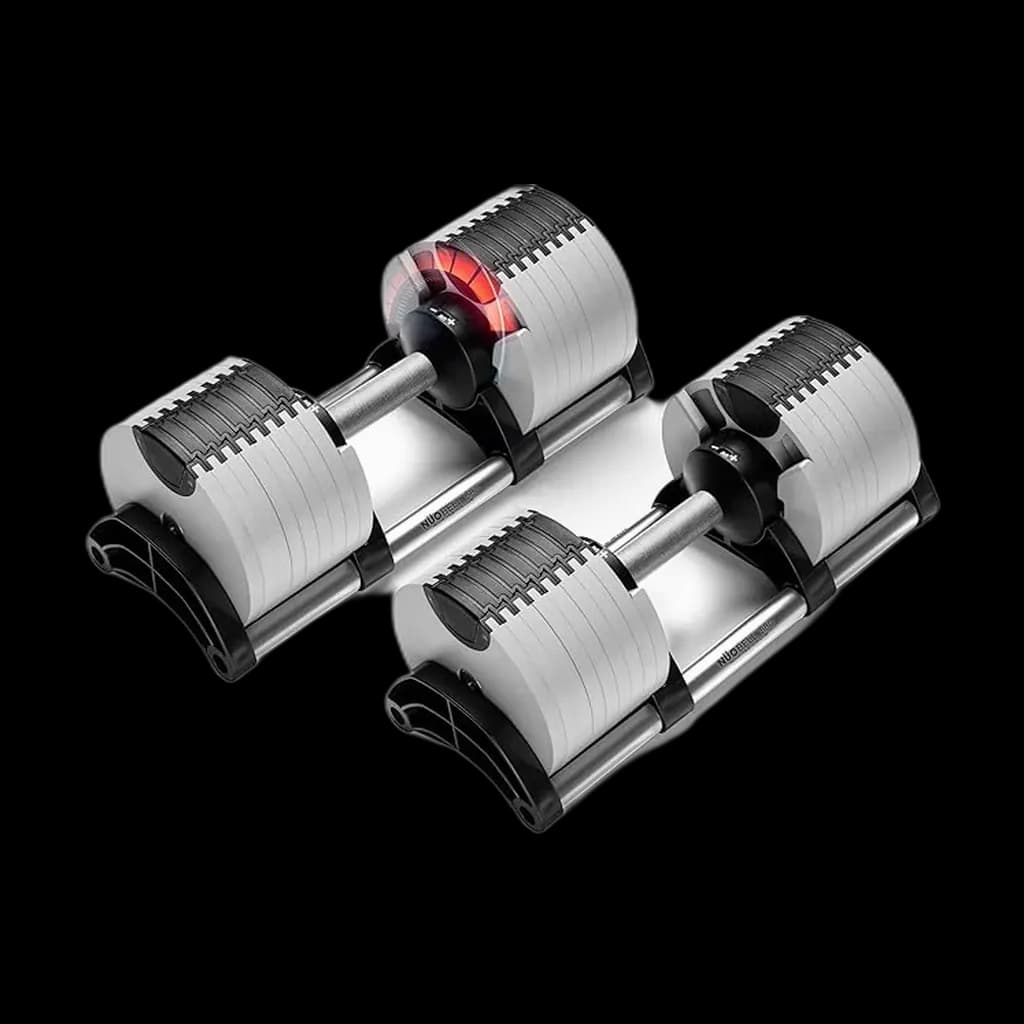
Best for: Lifters who want adjustable dumbbells that feel like fixed bells in the hand
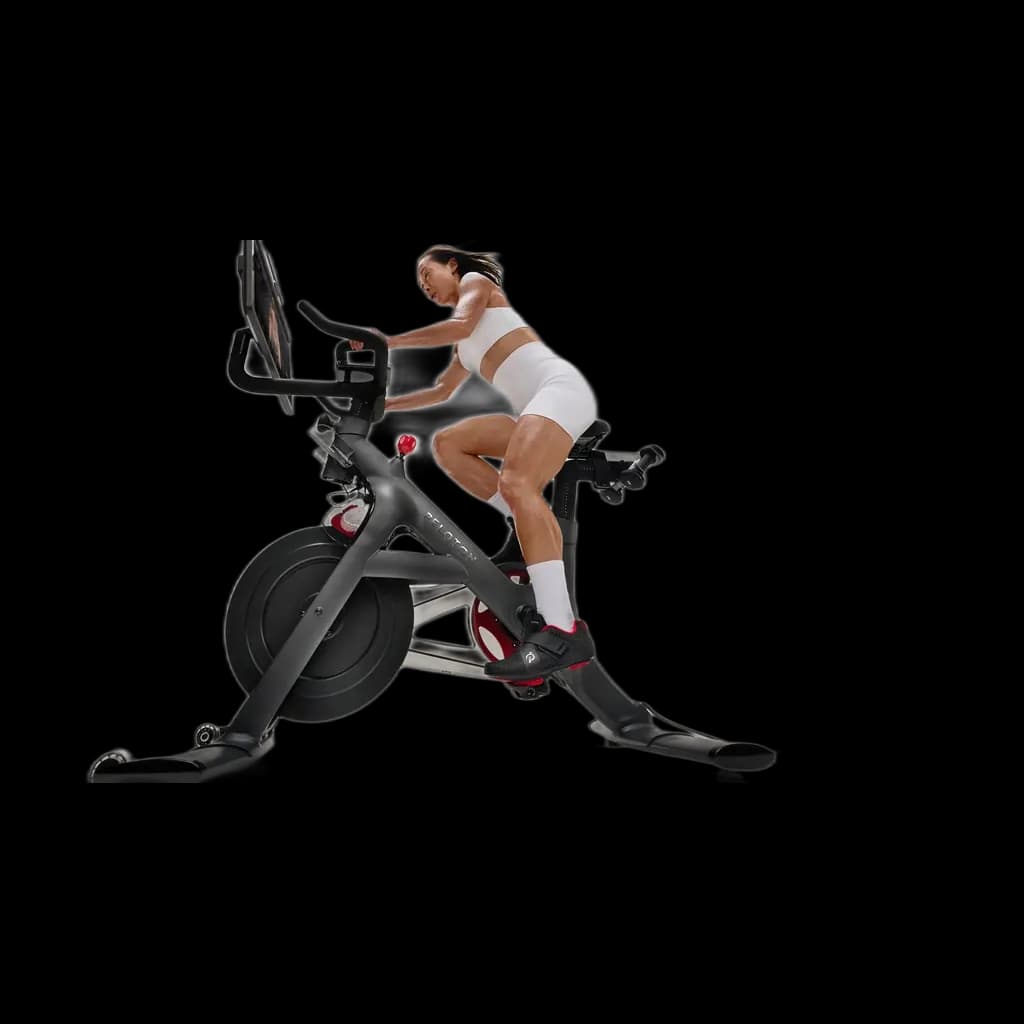
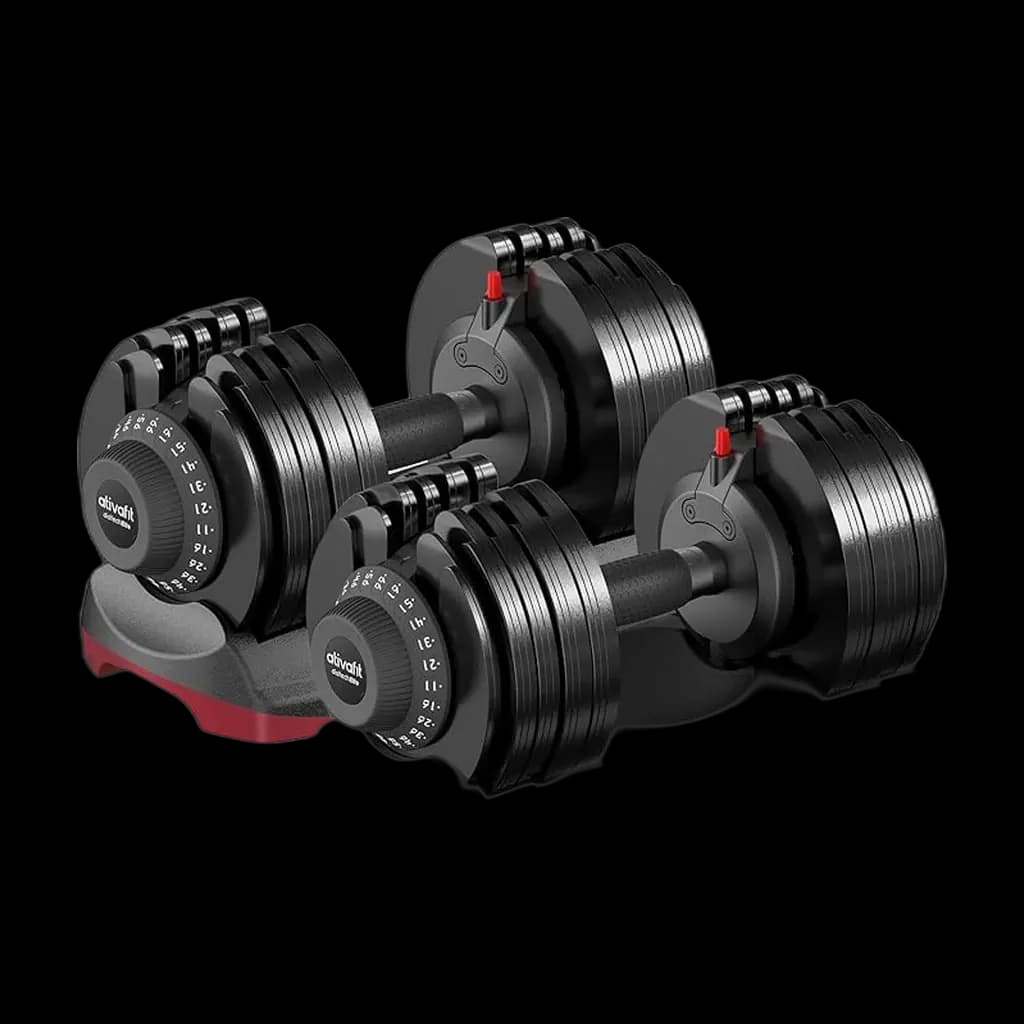
Best for: Lifters who want a higher weight ceiling than Bowflex without paying NUOBELL prices
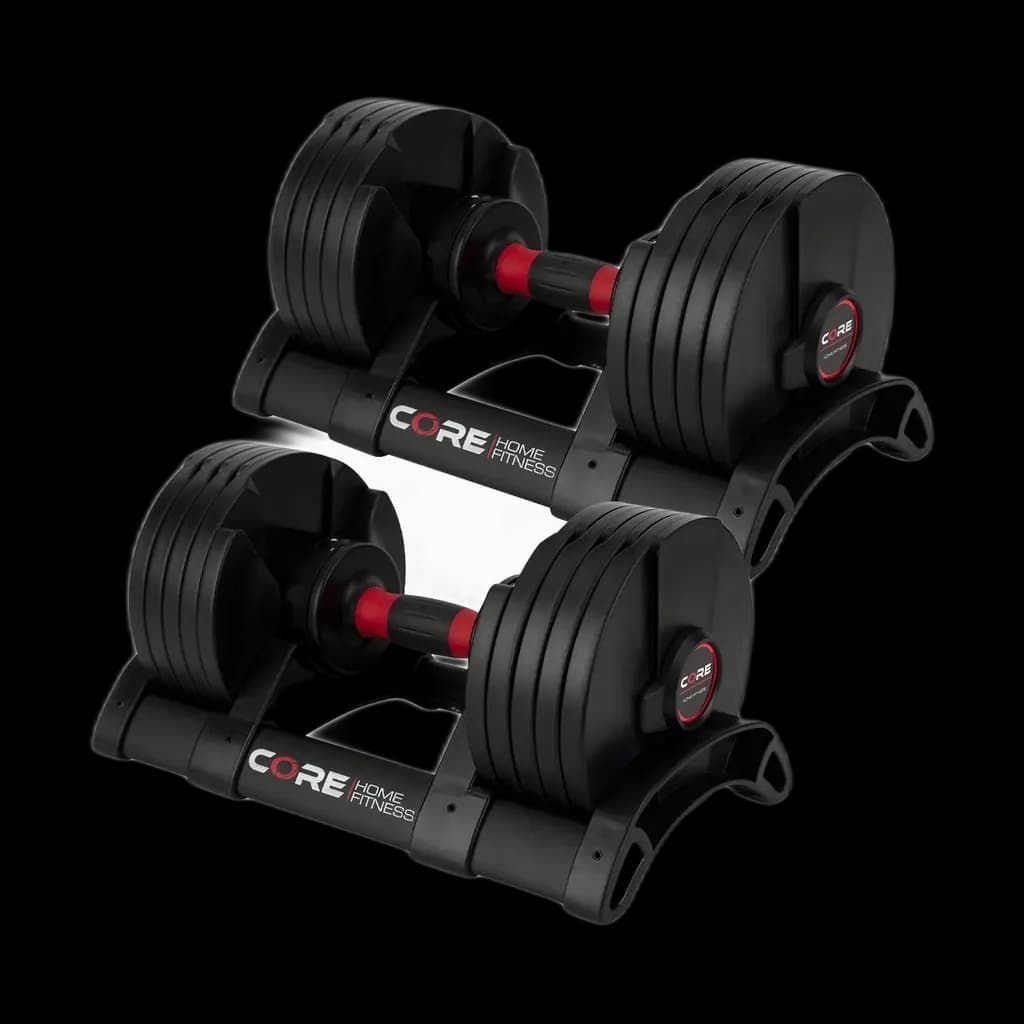
Best for: Tall lifters and anyone who finds Bowflex SelectTech dumbbells too long for chest fly and close-grip work. The compact 16-inch length and 50 lb top end suit most home-gym hypertrophy training.
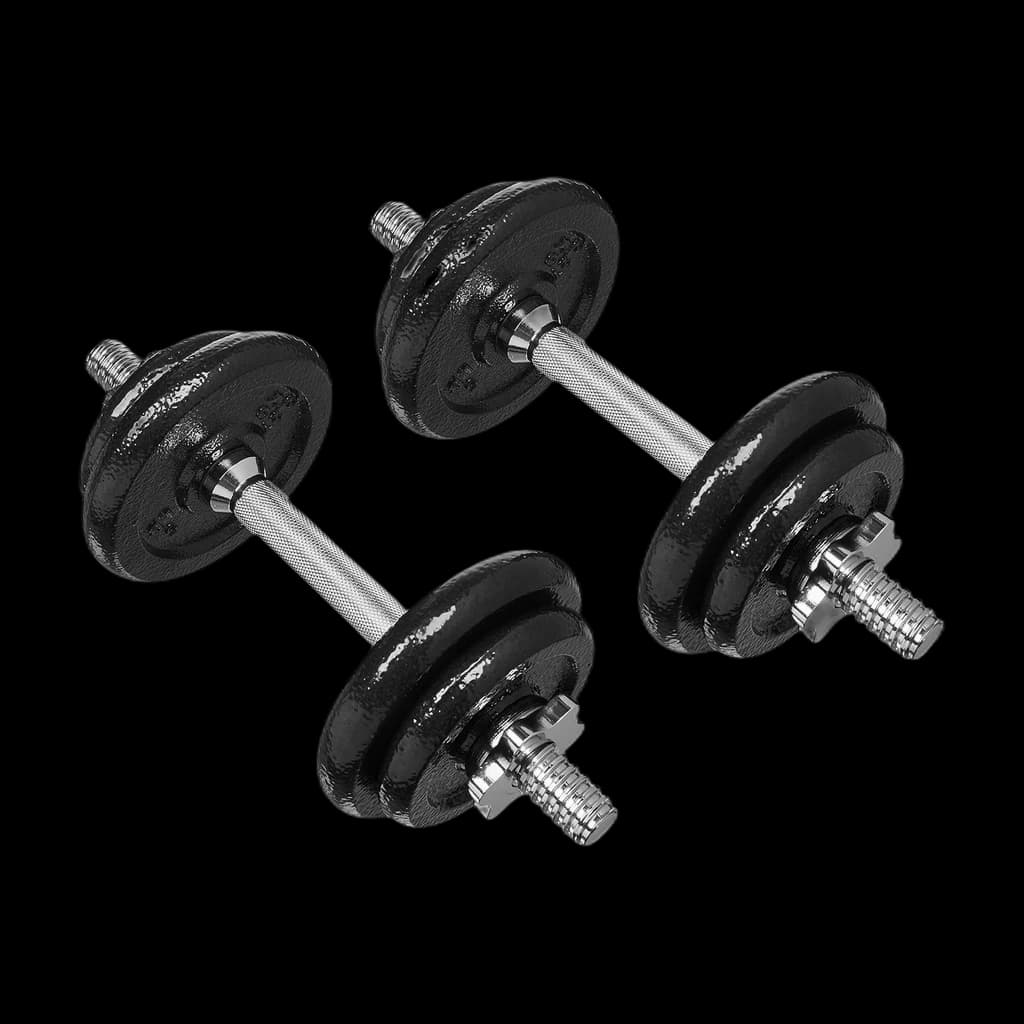
Best for: A first pair of adjustable dumbbells for accessory work, rehab or a small apartment, where the alternative is no dumbbells at all.
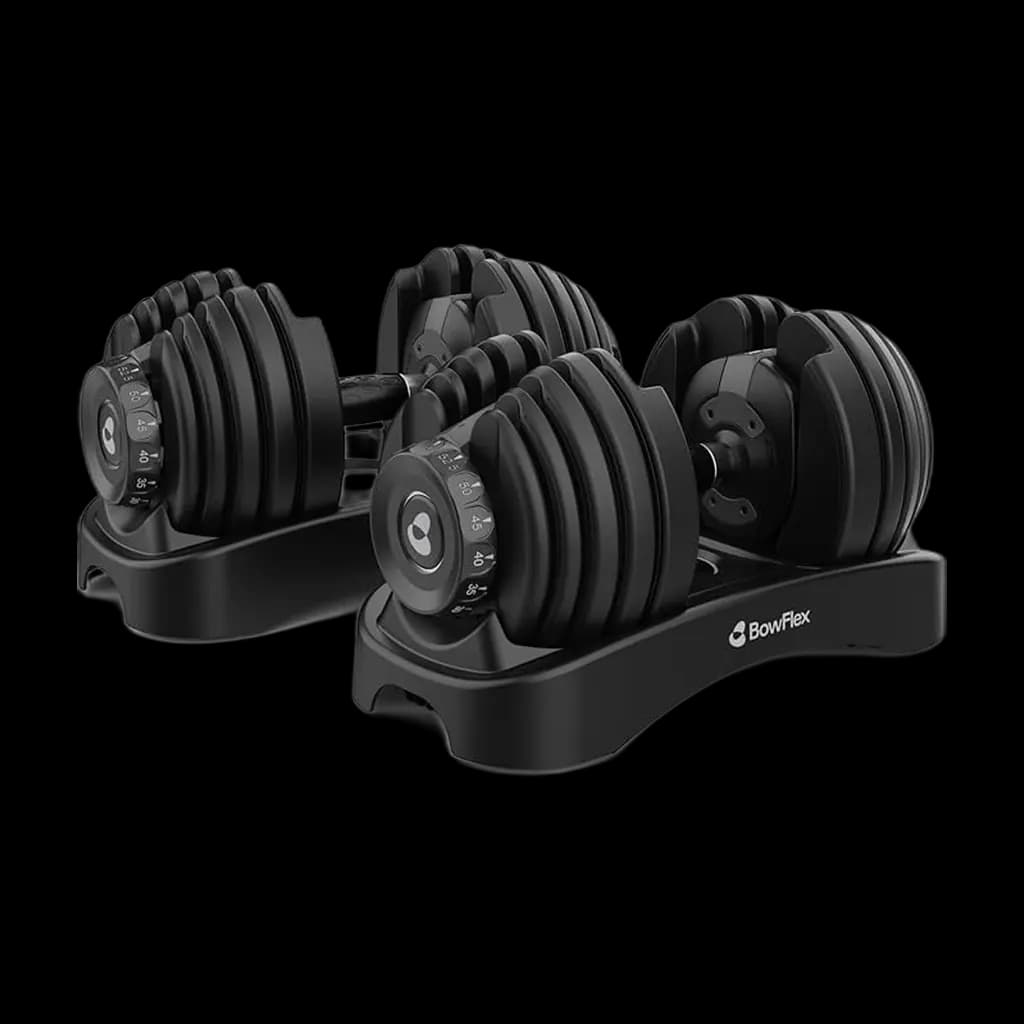
Best for: Apartment lifters who can't fit a rack of fixed dumbbells
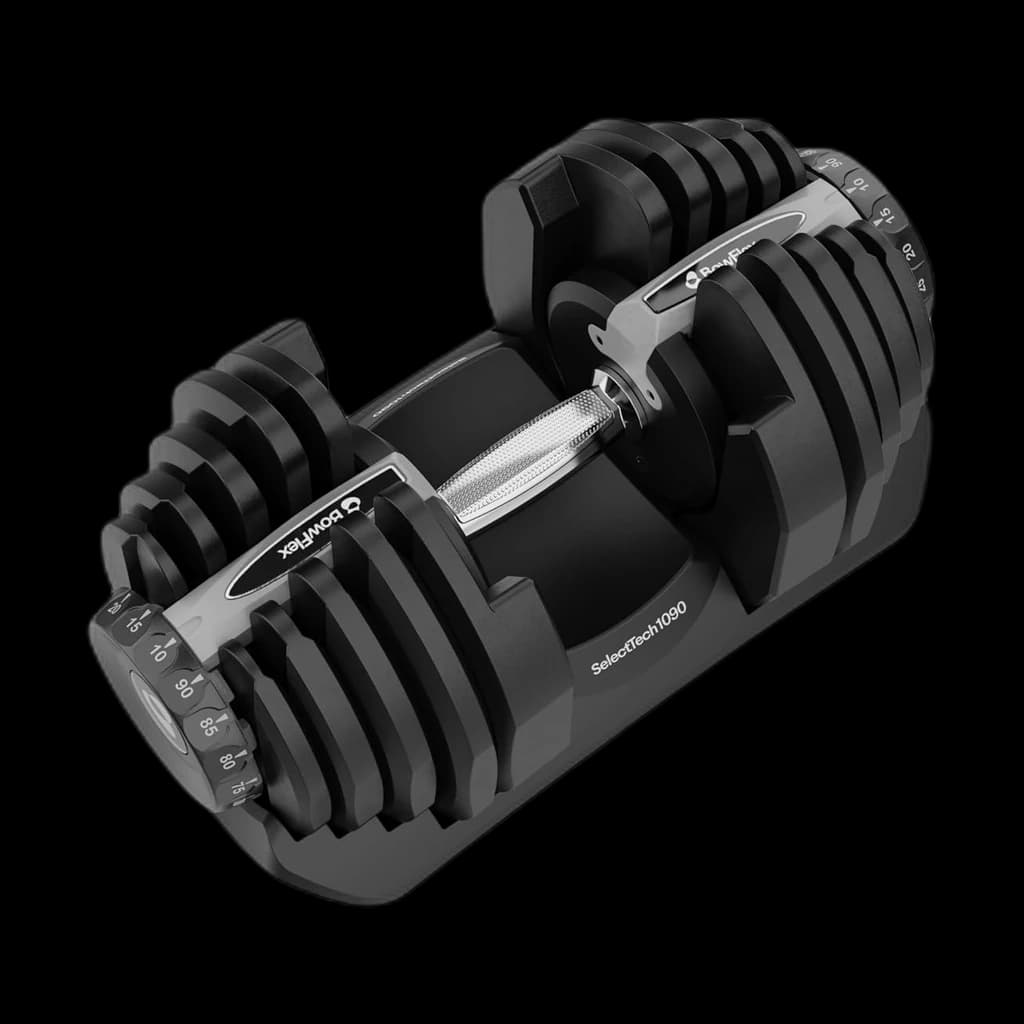
Best for: Lifters needing 70+ lb working weights
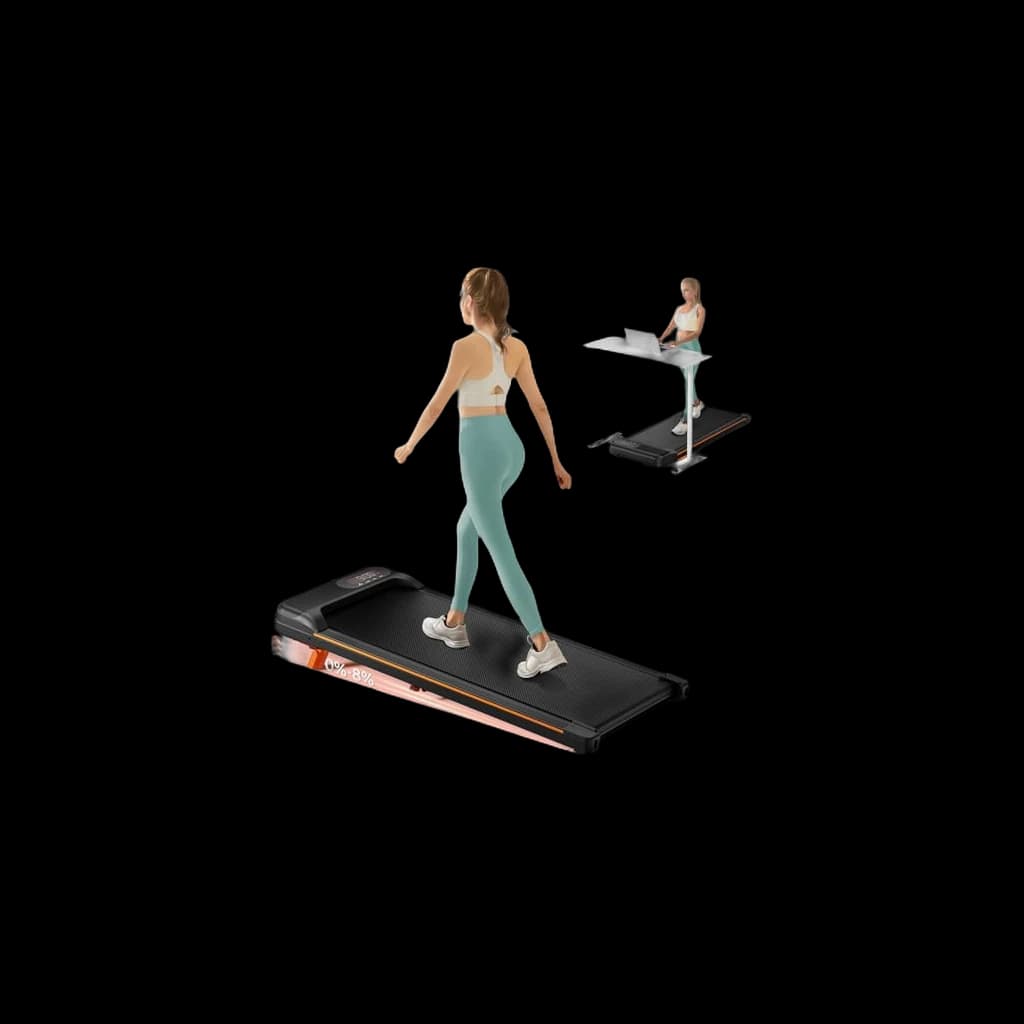
Treadmills with a runner over 180 lb, air bikes at peak intensity, and dropping any plate over 25 lb. Walking pads under 5 mph are usually fine.
Not really — even with bumper plates and mats, the deck flex transmits to floors below. Use a trap bar with deadstops, or skip pulls and use Romanian deadlifts and kettlebell swings instead.
Your next step